
Nutrition comparison
Kidney Beans vs Quinoa: Nutrition, Protein, and Digestion Compared
Kidney beans vs quinoa: Which is healthier? Compare protein quality, fiber, blood sugar impact, and digestion to find the best plant-based staple for your diet.
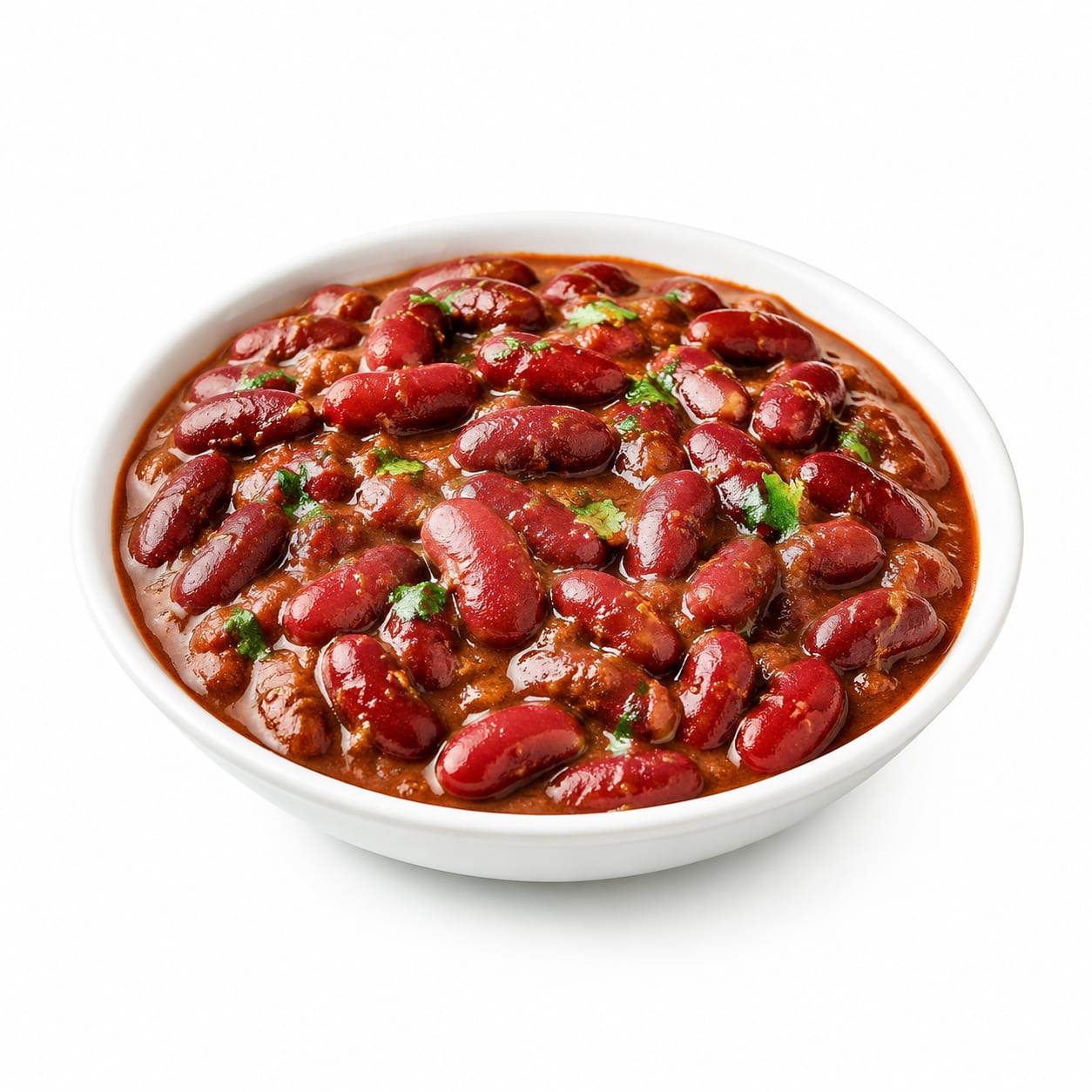
Kidney Bean
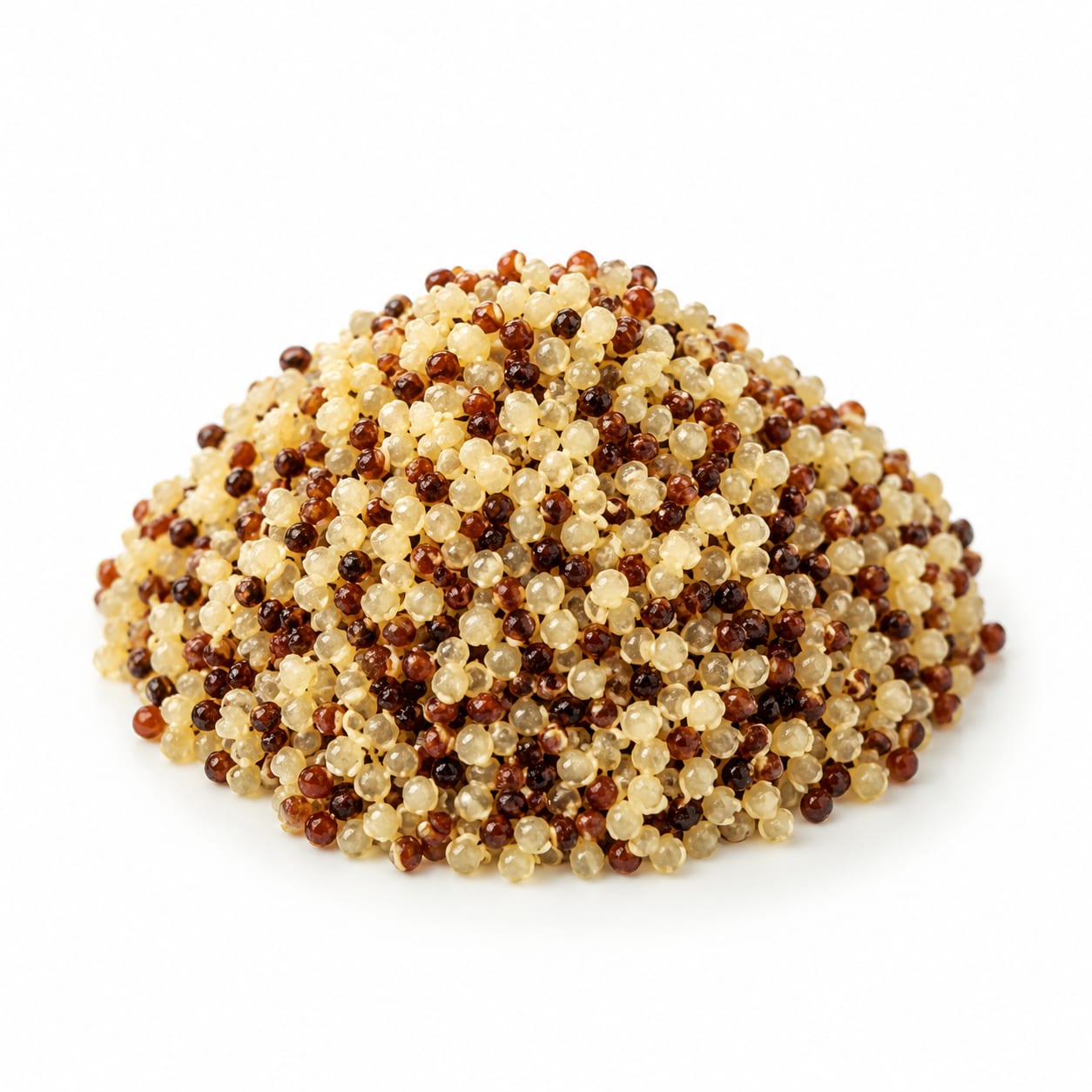
Quinoa
Kidney beans win for fullness and blood sugar control, while quinoa wins for complete protein and easy digestion.
Quinoa edges ahead slightly due to its complete protein profile and superior convenience, though kidney beans dominate in fiber and satiety. The close scores reflect their different but equally valid nutritional strengths.
Heavy, slow-burning satiety from kidney beans versus light, quick, complete protein from quinoa.
At a glance
Executive summary
Overall
It depends
Healthier
It depends
More practical
Quinoa
Daily use
Quinoa
Key comparison lenses
Plant-based protein source comparison
Both are top plant-based proteins, but differ significantly in amino acid profile and digestibility.
Blood sugar and satiety management
Kidney beans offer massive fiber and resistant starch, while quinoa provides lighter, faster energy.
Meal prep and convenience
Quinoa cooks in 15 minutes, while dried kidney beans take hours, impacting daily practicality.
Best choice for
Kidney Bean
- People managing diabetes or blood sugar spikes
- Those seeking maximum fullness on a budget
- High-fiber diet needs
Quinoa
- Those needing a complete protein source
- People with sensitive digestion or prone to bloating
- Busy individuals needing fast meal prep
Least suitable for
Kidney Bean
- People with severe IBS or legume intolerances
- Last-minute meal prep
- Those wanting a light pre-workout meal
Quinoa
- Strict low-carb or keto diets
- Those needing extremely high fiber intake per calorie
Deep comparison
Dimension by dimension
Each lens scores both foods and breaks down who each option suits.
- Dimension 1 · Priority 95Kidney Bean
Satiety and Fullness
Kidney Bean · 92Quinoa · 75Kidney beans are significantly more filling due to higher fiber and resistant starch, keeping you satisfied for hours longer.
Tradeoff
You get longer-lasting fullness with kidney beans, but they can feel heavy compared to quinoa's lighter profile.
Why it matters
Staying full longer helps control snacking and overall calorie intake without relying on willpower.
Real-world impact
A kidney bean lunch keeps the 3 PM cravings away, while a quinoa lunch might have you reaching for a snack sooner.
Kidney Bean
- Controlling appetite between meals
- Reducing overall daily calorie intake
Better for
- Situations requiring light, quick energy
- People who dislike feeling overly full
Worse for
Quinoa
- Eating before a workout without feeling sluggish
- Lighter evening meals
Better for
- Long gaps between meals where sustained energy is needed
Worse for
- Dimension 2 · Priority 90Quinoa
Protein Quality and Muscle Support
Kidney Bean · 70Quinoa · 90Quinoa is a complete protein containing all essential amino acids, whereas kidney beans lack methionine and must be paired with grains.
Tradeoff
Quinoa offers ready-to-use protein for muscle repair, while kidney beans require food combining to achieve a complete amino acid profile.
Why it matters
Complete proteins are more efficient for muscle recovery and maintenance, especially on plant-based diets.
Real-world impact
After a workout, a bowl of quinoa supports muscle repair directly, while kidney beans need rice to provide the same benefit.
Kidney Bean
- Budget-friendly bulk protein when paired with rice
Better for
- Standalone muscle recovery meals
Worse for
Quinoa
- Post-workout recovery
- Vegans needing standalone complete proteins
Better for
- Those seeking extremely high protein per serving without adding fats or carbs
Worse for
- Dimension 3 · Priority 92Kidney Bean
Blood Sugar Stability
Kidney Bean · 95Quinoa · 78Kidney beans have a much lower glycemic index and more resistant starch, leading to slower, steadier blood sugar rises.
Tradeoff
Kidney beans provide superior glucose control, while quinoa digests faster, which can be better for quick energy but less ideal for insulin resistance.
Why it matters
Stable blood sugar prevents energy crashes, mood swings, and long-term metabolic issues.
Real-world impact
For diabetics, kidney beans are a safer carb choice that prevents spikes, whereas quinoa might cause a slightly quicker rise.
Kidney Bean
- Managing type 2 diabetes
- Preventing afternoon energy crashes
Better for
- Quick energy recovery after intense depletion
Worse for
Quinoa
- Replenishing glycogen after endurance exercise
Better for
- Those needing strict glycemic control
Worse for
- Dimension 4 · Priority 85Quinoa
Digestive Tolerance and Comfort
Kidney Bean · 60Quinoa · 88Quinoa is generally easy on the stomach, while kidney beans are notorious for causing gas and bloating in sensitive individuals.
Tradeoff
Quinoa offers comfortable digestion, whereas kidney beans' high fiber can cause discomfort during adjustment.
Why it matters
Digestive discomfort can ruin productivity and social comfort, regardless of nutritional benefits.
Real-world impact
Eating kidney beans at lunch might cause bloating during an afternoon meeting, while quinoa is less likely to cause issues.
Kidney Bean
- Feeding gut microbiome with prebiotic fiber
Better for
- People with IBS
- Date nights or important meetings
Worse for
Quinoa
- Sensitive stomachs
- Workday lunches where bloating is undesirable
Better for
- Those needing a high intake of prebiotic fiber
Worse for
- Dimension 5 · Priority 80Quinoa
Convenience and Preparation
Kidney Bean · 55Quinoa · 90Quinoa cooks in 15 minutes, while dried kidney beans require overnight soaking and long simmering, unless using canned versions.
Tradeoff
Quinoa fits easily into busy weeknights, whereas dried kidney beans demand foresight or reliance on canned options with added sodium.
Why it matters
Inconvenient foods get skipped. The easier it is to prepare, the more likely you are to eat it consistently.
Real-world impact
You can whip up quinoa after a long workday, but kidney beans usually require planning ahead or opening a can.
Kidney Bean
- Batch cooking and meal prepping on weekends
Better for
- Last-minute cooking
- Travel or limited kitchen access
Worse for
Quinoa
- Quick weeknight dinners
- Spontaneous meal prep
Better for
- Situations where sodium from canned beans isn't a concern and cost is the priority
Worse for
Timeline
Health impact over time
Short-term
Hours to days
Kidney Bean
- High satiety reduces immediate snacking
- Potential for gas and bloating shortly after eating
- Steady energy without a sugar crash
Quinoa
- Quick, light energy replenishment
- Comfortable digestion with minimal bloating
- Faster gastric emptying
Long-term
Months to years
Kidney Bean
- Improved insulin sensitivity from resistant starch
- Better gut microbiome diversity from high prebiotic fiber
- Lower risk of colorectal cancer
Quinoa
- Sustained muscle maintenance from complete protein
- Consistent nutrient absorption due to easy digestibility
- Reduced systemic inflammation from quercetin and kaempferol
Risk profile
Safety & processing
Both are whole foods in their natural state. Canned kidney beans may contain added sodium, but dried versions are completely unprocessed. Quinoa requires only rinsing to remove natural saponins.
Kidney Bean
Lectin (Phytohaemagglutinin) toxicity
highUndercooked kidney beans contain high levels of a toxic lectin that causes severe vomiting and diarrhea. They must be boiled vigorously; slow cookers are unsafe for raw kidney beans.
Quinoa
Saponin irritation
lowNatural saponins on the quinoa coating can cause mild stomach irritation and a bitter taste if not rinsed off before cooking.
Who wins for whom
Audience fit
Same foods, different winners depending on your goal.
children
QuinoaQuinoa is easier to digest, cooks into a softer texture, and is less likely to cause uncomfortable gas in kids.
daily consumption
QuinoaQuinoa is easier on the gut for daily use, whereas daily kidney beans can lead to excessive fiber intake and bloating for some.
diabetes
Kidney BeanThe resistant starch and high fiber in kidney beans create a much slower glucose release, preventing blood sugar spikes.
elderly
QuinoaQuinoa is gentler on aging digestive systems and provides high-quality protein to prevent muscle wasting.
muscle gain
QuinoaQuinoa offers a complete amino acid profile which is more efficient for muscle repair and growth without needing food combining.
weight loss
Kidney BeanKidney beans provide more volume and fiber per calorie, making it easier to eat less while staying full.
Your move
Decision guide
Choose Kidney Bean
- You want maximum fullness on a tight budget
- You are managing blood sugar or insulin resistance
- You are meal-prepping large batches for the week
- You need to boost your daily fiber intake significantly
Choose Quinoa
- You need a quick-cooking complete protein for dinner
- You have a sensitive stomach or are prone to bloating
- You are eating after a workout and want lighter recovery fuel
- You want a versatile base that absorbs flavors easily
Either works if
- You are building a plant-based bowl and want a solid carb base
- You need affordable, shelf-stable nutrition
Avoid both if
- You are on a strict ketogenic or very low-carb diet
- You have severe sensitivities to both lectins and saponins
Final recommendation
Keep both in your pantry. Use kidney beans for heavy, satisfying meals like chilis and stews, and rely on quinoa for lighter, faster meals like salads and bowls. Pairing them together actually creates a perfect amino acid profile with sustained energy.
Practical
Consumer tips
- 1
Always boil kidney beans vigorously for at least 10 minutes to destroy toxic lectins before slow cooking.
- 2
Rinse quinoa thoroughly under cold water in a fine-mesh strainer to remove bitter saponins.
- 3
If using canned kidney beans, rinse them well to remove up to 40% of the added sodium.
- 4
Cook a large batch of kidney beans on the weekend and freeze portions to get the cost savings of dried beans with the convenience of canned.
- 5
Combine quinoa and kidney beans in a single dish for a meal that balances quick energy with long-lasting fullness.