
Nutrition comparison
Kidney Beans vs Black Beans: Nutrition, Safety, and Which is Healthier
Comparing kidney beans and black beans? Discover the key differences in protein, fiber, antioxidants, and the critical cooking safety warning about kidney beans.
Overall winner · Black Beans
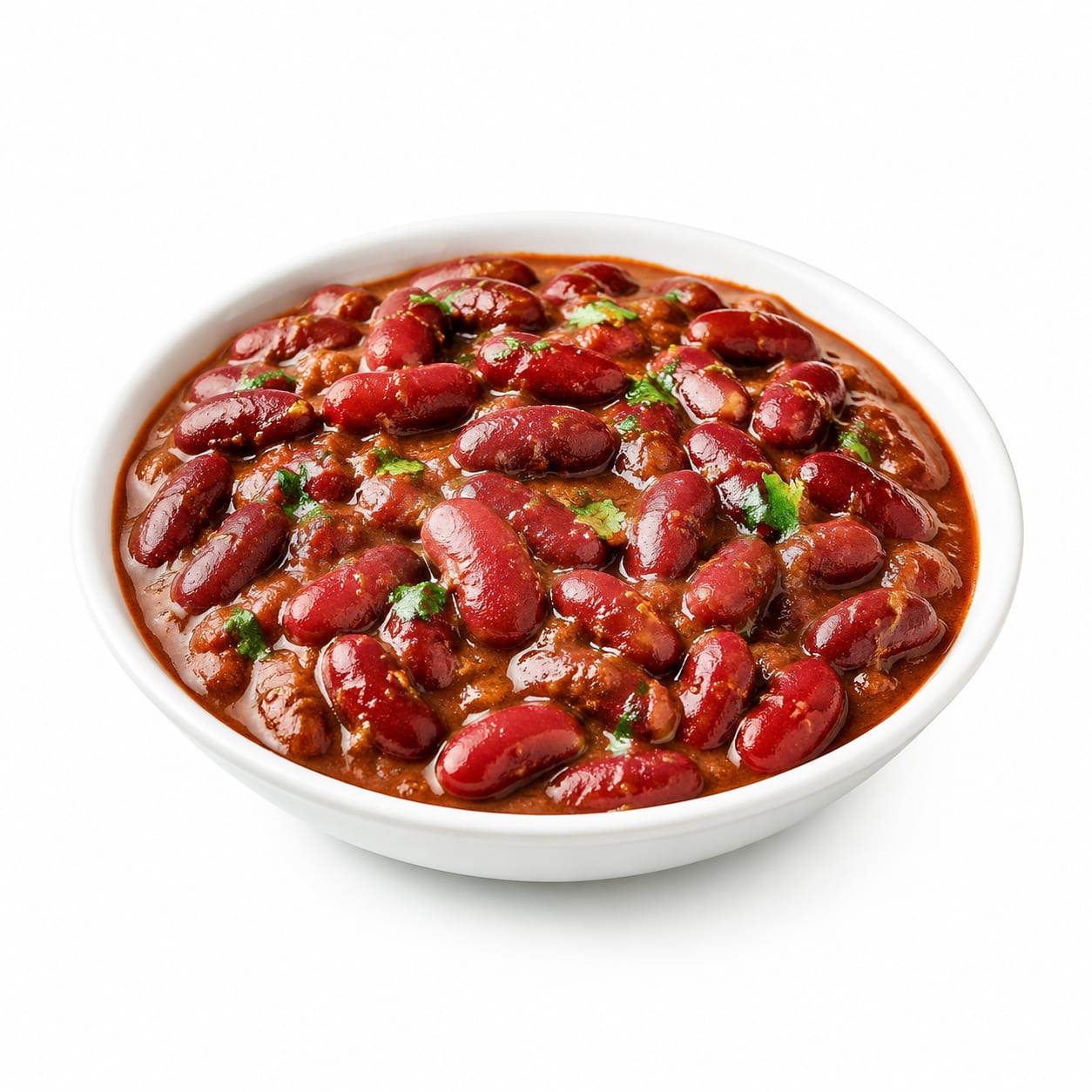
Kidney Bean
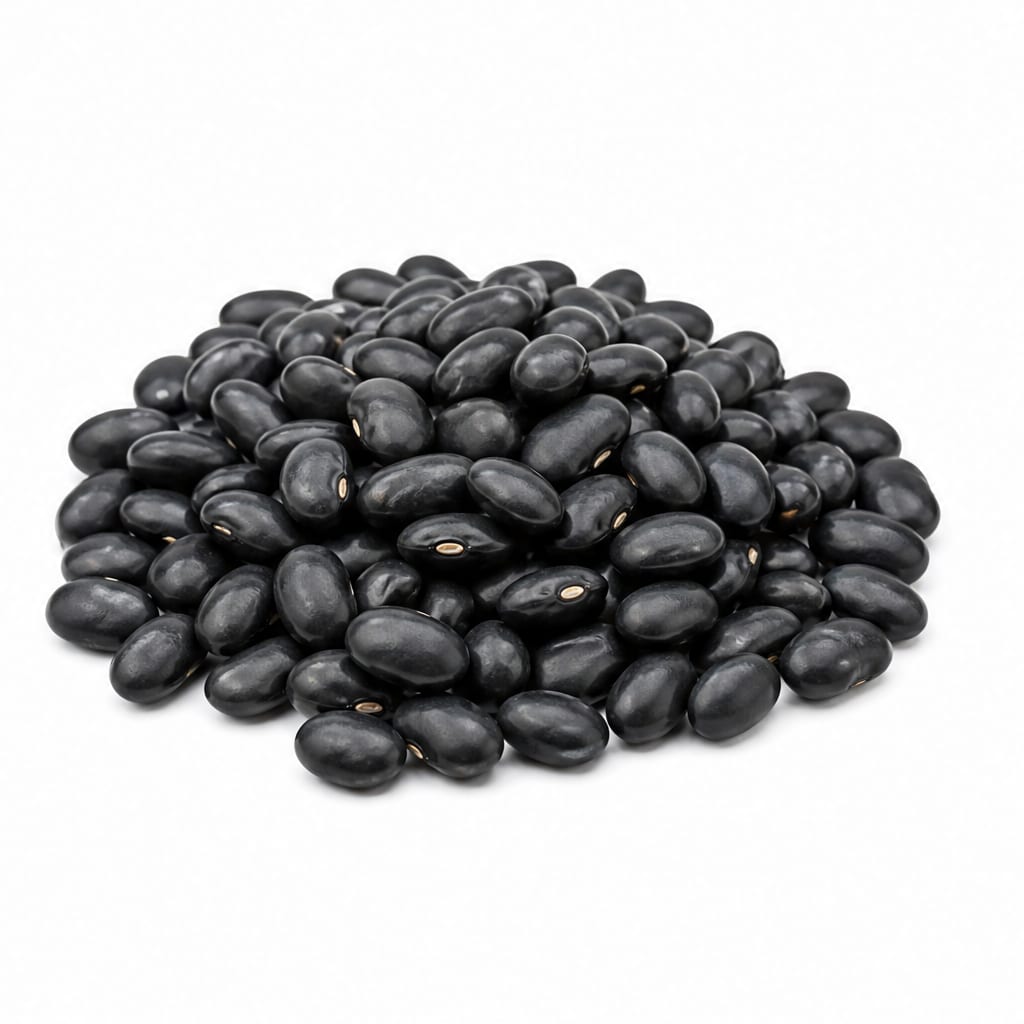
Black Beans
Black beans edge out kidney beans thanks to superior antioxidants, slightly better fiber, and a much safer cooking profile.
Black beans score higher due to their exceptional antioxidant content, slightly richer fiber profile, and significantly safer cooking requirements. Kidney beans remain excellent but carry a rare but serious safety downside if improperly prepared.
Kidney beans offer a bit more protein per bite, but black beans deliver more antioxidants and lack the strict boiling requirement needed to destroy kidney bean toxins.
At a glance
Executive summary
Overall
Black Beans
Healthier
Black Beans
More practical
Black Beans
Daily use
Black Beans
Key comparison lenses
Digestive safety and cooking requirements
Kidney beans carry a unique and serious undercooking toxicity risk that black beans do not
Nutritional superiority for daily bean intake
Users swapping one common bean for another want to know if the difference is meaningful enough to change habits
Antioxidant and anti-inflammatory benefits
Dark pigmented beans are prized for anthocyanins, making this a key differentiator
Best choice for
Kidney Bean
- Hearty chili recipes where texture matters
- Those prioritizing maximum protein per serving
- Meatless meal prep needing firm, hold-their-shape beans
Black Beans
- Latin American and Caribbean dishes
- Daily bean consumption for gut and heart health
- Anyone using a slow cooker who wants peace of mind
Least suitable for
Kidney Bean
- Slow cooker recipes without pre-boiling
- People with sensitive digestion prone to bloating
- Quick weeknight meals from dried beans
Black Beans
- Traditional chili con carne purists
- Those looking for the absolute highest protein bean option
Deep comparison
Dimension by dimension
Each lens scores both foods and breaks down who each option suits.
- Dimension 1 · Priority 90Black Beans
Antioxidant Power & Cellular Defense
Kidney Bean · 70Black Beans · 95Black beans are an antioxidant powerhouse, packing significantly more anthocyanins than kidney beans.
Tradeoff
You sacrifice some of the deep cellular protection of black bean pigments if you choose kidney beans, though red kidney beans still offer decent antioxidants.
Why it matters
Anthocyanins combat daily cellular wear and tear, supporting long-term brain and heart health.
Real-world impact
Eating black beans regularly is like adding a shield against aging; kidney beans offer a lighter version of that shield.
Kidney Bean
- Moderate antioxidant intake
Better for
- Those specifically eating beans for high anthocyanin intake
Worse for
Black Beans
- Maximizing anti-aging compounds
- Reducing silent inflammation
Better for
- Dimension 2 · Priority 85Kidney Bean
Protein & Satiety
Kidney Bean · 88Black Beans · 84Kidney beans pack slightly more protein per serving, making them a touch more filling.
Tradeoff
The protein difference is small, but kidney beans take a slight lead if keeping hunger at bay is your top priority.
Why it matters
More protein means steadier energy and less temptation to snack between meals.
Real-world impact
A kidney bean lunch might keep you full an extra 30 minutes compared to black beans, though both are highly satisfying.
Kidney Bean
- Staying full longer on less food
- Plant-based meal prep needing protein density
Better for
Black Beans
- Balanced meals where fiber does the heavy lifting for fullness
Better for
- Those counting every gram of protein who want the absolute maximum from beans
Worse for
- Dimension 3 · Priority 95Black Beans
Cooking Safety & Toxicity Risk
Kidney Bean · 40Black Beans · 95Kidney beans contain high levels of phytohaemagglutinin, a toxin that causes severe illness if beans are not boiled vigorously. Black beans do not carry this risk.
Tradeoff
Kidney beans demand strict boiling for at least 10 minutes before slow cooking; black beans can be simmered gently from the start without danger.
Why it matters
Undercooked kidney beans can cause extreme nausea, vomiting, and stomach pain within hours.
Real-world impact
Tossing raw kidney beans into a slow cooker is a common kitchen mistake that can ruin your day. Black beans forgive this error entirely.
Kidney Bean
- Set-and-forget cooking methods
- Anyone prone to rushing meal prep
Worse for
Black Beans
- Slow cooker and instant pot meals
- Beginner home cooks
- Worry-free meal prep
Better for
- Dimension 4 · Priority 88Black Beans
Fiber & Digestive Health
Kidney Bean · 82Black Beans · 88Black beans offer slightly more total fiber, which feeds gut bacteria more effectively.
Tradeoff
Both are fiber champions, but black beans give your microbiome a slight edge, though both can cause gas if you aren't used to them.
Why it matters
Higher fiber means better digestion, more regular bathroom trips, and steadier blood sugar.
Real-world impact
Switching to black beans might make your gut feel a bit more regular, but increase your portion slowly to avoid bloating.
Kidney Bean
Black Beans
- Improving gut microbiome diversity
- Combating constipation
Better for
Timeline
Health impact over time
Short-term
Hours to days
Kidney Bean
- High satiety from dense protein and starch
- Risk of severe gastrointestinal distress if undercooked
- Potential for gas and bloating if consumed in large quantities suddenly
Black Beans
- Steady, comfortable energy without blood sugar spikes
- Noticeable fullness that lasts for hours
- Mild bloating possible if your body is adapting to higher fiber
Long-term
Months to years
Kidney Bean
- Supports muscle maintenance with steady plant protein
- Promotes heart health through cholesterol-lowering fiber
- Requires lifelong careful cooking habits to avoid toxicity
Black Beans
- Strong protection against cellular aging via anthocyanins
- Excellent long-term blood sugar regulation for diabetes prevention
- Consistent gut health improvements with regular consumption
Risk profile
Safety & processing
Both are whole, natural foods. If buying canned, watch out for added sodium and BPA-free labeling, but the beans themselves are as unprocessed as it gets.
Kidney Bean
Phytohaemagglutinin (Kidney Bean Lectin) Toxicity
highRaw or undercooked kidney beans contain a toxic compound that causes extreme vomiting and diarrhea. Slow cookers do not reach high enough temperatures to destroy it; beans must be boiled vigorously for 10 minutes first.
Canned sodium load
mediumCanned kidney beans often contain high sodium. Always rinse thoroughly or buy no-salt-added versions.
Black Beans
Canned sodium load
mediumSimilar to kidney beans, canned black beans can be high in sodium unless you choose low-sodium options and rinse them well.
Who wins for whom
Audience fit
Same foods, different winners depending on your goal.
children
Black BeansBlack beans are safer to prepare and their softer texture when mashed is often more appealing to kids.
daily consumption
Black BeansBlack beans are easier to cook safely, offer slightly better daily gut and antioxidant support, and fit seamlessly into most recipes.
diabetes
Black BeansThe extra fiber in black beans slows sugar absorption just a bit more, leading to steadier blood sugar responses.
elderly
Black BeansThe superior fiber helps combat age-related constipation, and the lack of cooking toxicity risk makes them safer for older adults who may forget specific boiling steps.
muscle gain
Kidney BeanKidney beans provide a slightly higher protein density per serving, giving a small advantage for muscle repair and growth.
weight loss
Black BeansBlack beans offer slightly more fiber, which helps you feel full on fewer calories and prevents overeating later in the day.
Your move
Decision guide
Choose Kidney Bean
- You are making a classic chili and need a bean that holds its shape perfectly
- You want to maximize your plant protein intake per calorie
- You are diligent about boiling your beans before slow cooking
Choose Black Beans
- You want the safest, most forgiving bean for your slow cooker or Instant Pot
- You are focused on long-term anti-aging and anti-inflammatory benefits
- You want the highest fiber option to keep your digestion regular
Either works if
- You just need a hearty, filling base for a grain bowl
- You are buying canned beans and rinsing them for a quick salad
- You want a healthy, budget-friendly source of complex carbs
Avoid both if
- You have severe IBS and are currently in a flare-up
- You are on a very low-fiber diet prescribed by a doctor
- You are allergic to legumes
Final recommendation
Keep both in your pantry, but make black beans your daily driver. They are safer to cook, richer in cell-protecting antioxidants, and slightly better for your gut. Save kidney beans for the days you are making a hearty chili and have the time to boil them properly.
Practical
Consumer tips
- 1
If buying canned, always drain and rinse both kidney beans and black beans to wash away about 40% of the sodium.
- 2
Never put raw dried kidney beans directly into a slow cooker; always boil them hard for 10-12 minutes first to destroy the lectin toxin.
- 3
Introduce either bean slowly into your diet over a week or two to give your gut bacteria time to adjust, which drastically reduces gas.
- 4
Buy BPA-free canned beans or cook from dried in an Instant Pot to save money and avoid can liners entirely.