
Nutrition comparison
Kidney Beans vs Ground Beef: Nutrition, Health, and Which to Choose
Compare Kidney Beans and Ground Beef on protein quality, heart health, iron, cost, and long-term disease risk. Find out which fits your goals better.
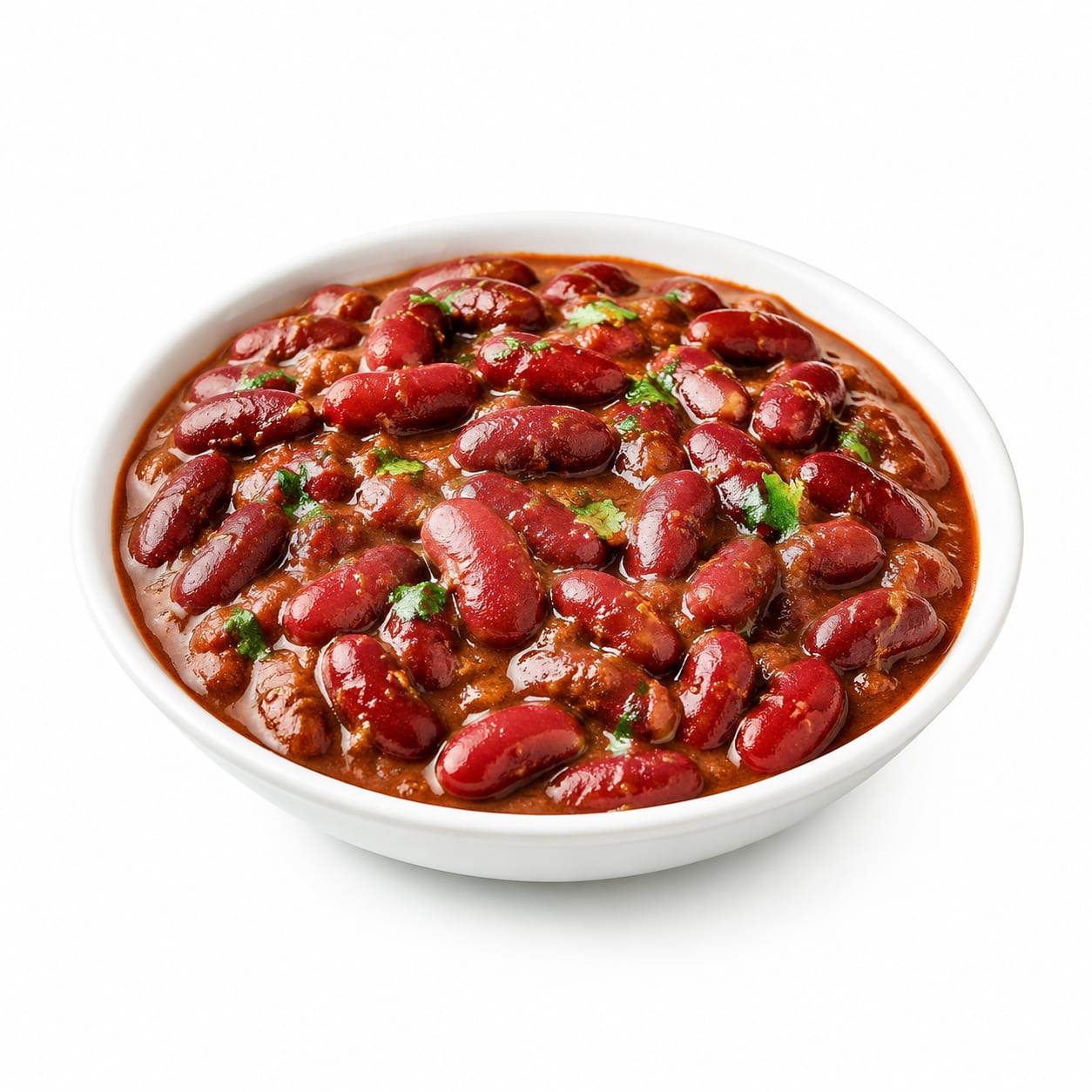
Kidney Bean
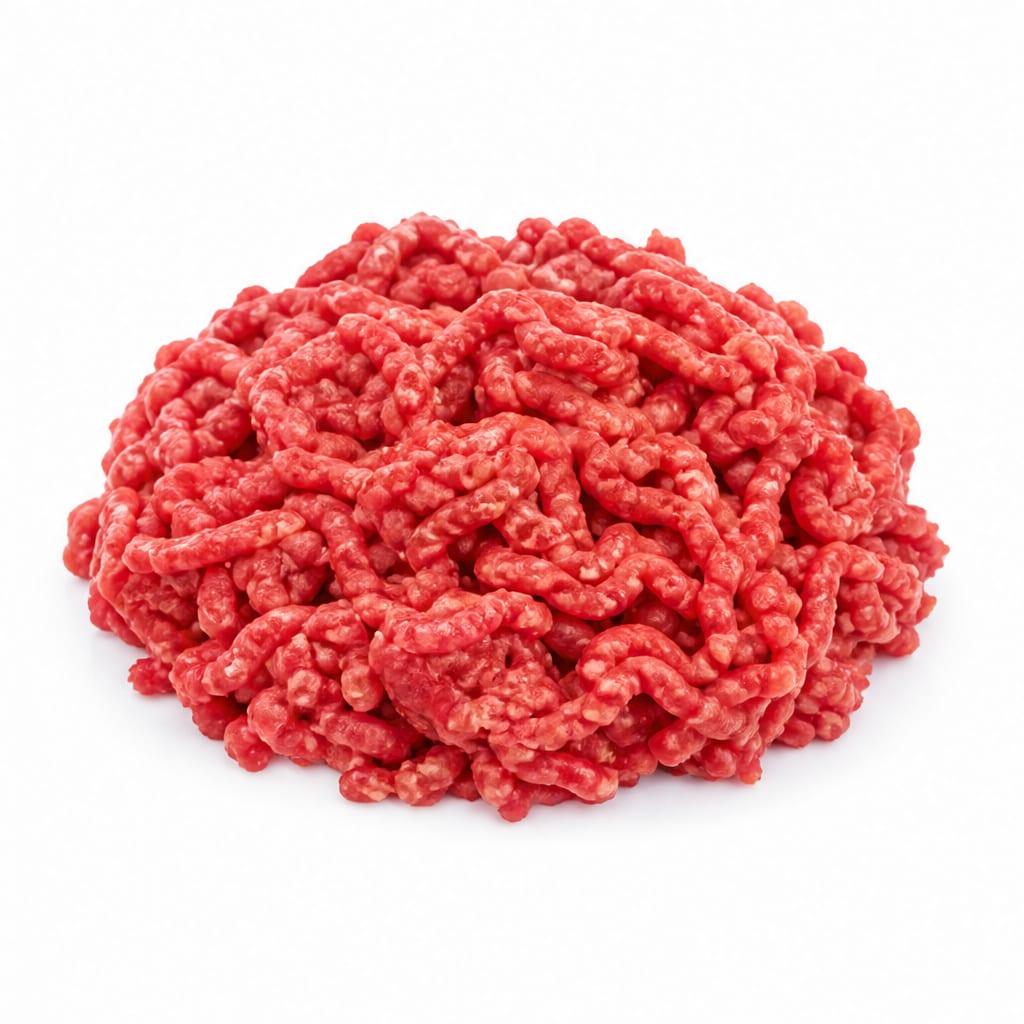
Ground Beef
Kidney Beans win for daily health and longevity; Ground Beef wins when you need concentrated complete protein and heme iron.
Kidney Beans score higher due to fiber, micronutrient density, heart health benefits, and lower long-term disease risk. Ground Beef scores lower primarily because of saturated fat, cholesterol, and emerging health concerns with regular red meat consumption. However, Ground Beef's protein quality and heme iron keep it relevant for specific needs.
Fiber-rich plant sustenance versus protein-dense animal nourishment — each excels in a different lane.
At a glance
Executive summary
Overall
It depends
Healthier
Kidney Bean
More practical
Ground Beef
Daily use
Kidney Bean
Key comparison lenses
plant vs animal protein quality
The core tension: complete vs incomplete protein and what that means for real meals
heart health and cholesterol impact
Saturated fat and zero fiber in Ground Beef vs cholesterol-lowering fiber in Kidney Beans
satiety and weight management
Both are filling but through different mechanisms — protein density vs fiber bulk
long term disease risk
Regular red meat consumption linked to higher disease risk; beans linked to longevity
iron absorption and anemia prevention
Heme iron in beef is far more absorbable than plant iron in beans
food safety and contamination risk
Ground Beef carries significant bacterial contamination risk; Kidney Beans have lectin toxicity if undercooked
Best choice for
Kidney Bean
- Heart health and cholesterol management
- Weight loss and calorie control
- Blood sugar stability
- Budget-conscious meal planning
- Long-term disease prevention
Ground Beef
- Muscle building and recovery
- Iron deficiency anemia
- B12 deficiency risk
- High-protein low-carb diets
- Quick satiety without bulk
Least suitable for
Kidney Bean
- Those needing concentrated complete protein in small portions
- People with severe IBS sensitive to fermentable carbs
- Anyone requiring heme iron for anemia
Ground Beef
- People managing heart disease or high cholesterol
- Those avoiding saturated fat
- Vegetarians and vegans
- Budget-limited households
Deep comparison
Dimension by dimension
Each lens scores both foods and breaks down who each option suits.
- Dimension 1 · Priority 95Ground Beef
Protein Quality and Quantity
Kidney Bean · 45Ground Beef · 88Ground Beef delivers roughly double the protein per serving with all essential amino acids in optimal ratios. Kidney Beans provide decent protein but lack methionine and cysteine.
Tradeoff
You get more and better protein from Ground Beef, but it comes packaged with saturated fat and zero fiber.
Why it matters
If you eat limited total food or need efficient muscle repair, complete animal protein gets the job done with less planning.
Real-world impact
After a heavy workout, a Ground Beef patty rebuilds muscle faster than a bowl of Kidney Beans — but you can fix the gap by pairing beans with rice or corn.
Kidney Bean
- People who eat varied diets and can combine protein sources
- Those who prefer spreading protein across multiple meals
Better for
- Strength athletes in a calorie surplus who need efficient protein
- People recovering from surgery or illness
Worse for
Ground Beef
- Athletes needing quick complete protein
- Older adults at risk for muscle loss
- Anyone eating one main protein source per meal
Better for
- People with kidney disease limiting protein load
- Those who already exceed saturated fat limits elsewhere in their diet
Worse for
- Dimension 2 · Priority 92Kidney Bean
Heart Health and Cholesterol
Kidney Bean · 90Ground Beef · 25Kidney Beans actively improve cholesterol profiles through soluble fiber. Ground Beef raises LDL cholesterol through saturated fat and dietary cholesterol.
Tradeoff
Choosing Ground Beef regularly means accepting a measurable hit to heart health markers that compounds over years.
Why it matters
Heart disease remains the leading cause of death globally. Daily food choices here have real consequences over decades.
Real-world impact
Swapping Ground Beef for Kidney Beans a few times a week can lower LDL cholesterol by 5-10% within months — a change comparable to a low-dose statin.
Kidney Bean
- Anyone with family history of heart disease
- People with elevated LDL cholesterol
- Those wanting to reduce statin dependency
Better for
Ground Beef
- People with naturally low cholesterol who metabolize saturated fat well
- Those on keto diets already seeing improved lipid panels
Better for
- Anyone with existing cardiovascular conditions
- People with genetically high cholesterol
Worse for
- Dimension 3 · Priority 85Kidney Bean
Blood Sugar Stability
Kidney Bean · 88Ground Beef · 55Kidney Beans have a glycemic index around 29 and their fiber slows glucose absorption dramatically. Ground Beef has zero carbs but meals built around it often include refined carbs as sides.
Tradeoff
Kidney Beans stabilize blood sugar by design. Ground Beef is blood sugar neutral only if you skip the bun, fries, and sugary sauces.
Why it matters
Steady blood sugar means fewer energy crashes, less cravings, and lower diabetes risk over time.
Real-world impact
A Kidney Bean bowl keeps you steady for hours. A burger meal often leads to an energy dip 90 minutes later — not from the beef itself, but from everything served with it.
Kidney Bean
- People with prediabetes or type 2 diabetes
- Anyone prone to afternoon energy crashes
- Those trying to reduce sugar cravings
Better for
- Those strictly limiting total carbohydrate grams
Worse for
Ground Beef
- People on strict low-carb or ketogenic diets
- Those who pair beef with non-starchy vegetables only
Better for
- People who default to burger-and-fries meals
- Anyone managing insulin resistance
Worse for
- Dimension 4 · Priority 82Ground Beef
Iron and Micronutrient Density
Kidney Bean · 50Ground Beef · 85Ground Beef provides heme iron that your body absorbs 2-3 times more efficiently than the non-heme iron in Kidney Beans. Beef also delivers B12, zinc, and selenium in highly bioavailable forms.
Tradeoff
For iron deficiency, Ground Beef is genuinely therapeutic. Kidney Beans offer iron but with phytic acid that blocks absorption.
Why it matters
Iron deficiency is the most common nutrient deficiency worldwide, especially in women. Heme iron makes a practical difference.
Real-world impact
If your ferritin is low, a few weekly servings of Ground Beef can raise it faster than months of Kidney Beans — unless you carefully pair beans with vitamin C.
Kidney Bean
- People with hemochromatosis who need less absorbable iron
- Those who pair plant iron with vitamin C strategically
Better for
- Those relying solely on beans for iron without absorption enhancers
Worse for
Ground Beef
- Women with heavy menstrual cycles
- Frequent blood donors
- Anyone diagnosed with iron deficiency anemia
- Older adults with poor B12 absorption
Better for
- People with iron overload conditions
Worse for
- Dimension 5 · Priority 70It depends
Digestive Tolerance and Comfort
Kidney Bean · 45Ground Beef · 60Kidney Beans cause gas and bloating in many people due to oligosaccharides and high fiber. Ground Beef digests smoothly for most but can feel heavy and slow to empty from the stomach.
Tradeoff
Beans may cause social discomfort from gas; beef may cause physical heaviness. Neither is ideal for sensitive digestion.
Why it matters
If eating a food makes you uncomfortable, you will not keep eating it regardless of health benefits.
Real-world impact
A bean-heavy lunch might have you bloated through your afternoon meeting. A heavy beef dinner might leave you sluggish the next morning.
Kidney Bean
- People whose gut bacteria have adapted to regular bean consumption
- Those who soak and cook beans thoroughly to reduce gas-causing compounds
Better for
- People new to high-fiber diets
- Those with FODMAP sensitivities
Worse for
Ground Beef
- People with IBS who cannot tolerate fermentable carbohydrates
- Those who need small-volume meals that digest predictably
Better for
- People with delayed gastric emptying
- Those prone to acid reflux from high-fat meals
Worse for
- Dimension 6 · Priority 78Kidney Bean
Cost and Accessibility
Kidney Bean · 95Ground Beef · 40Dried Kidney Beans cost roughly one-fifth the price of Ground Beef per gram of protein. Canned beans are still significantly cheaper.
Tradeoff
Kidney Beans are one of the cheapest nutritious foods available. Ground Beef prices fluctuate and strain budgets.
Why it matters
Cost determines what people actually eat daily, not what they theoretically should eat.
Real-world impact
A family of four can eat Kidney Beans as a protein source all week for the cost of one Ground Beef dinner.
Kidney Bean
- Budget-limited households
- Students and young adults
- Bulk meal preppers
- Anyone feeding a large family
Better for
Ground Beef
- Those where cost is not a constraint
- People who value convenience over savings
Better for
- Anyone on a tight grocery budget
Worse for
- Dimension 7 · Priority 80It depends
Satiety and Fullness
Kidney Bean · 75Ground Beef · 78Ground Beef triggers stronger satiety hormones per calorie due to high protein and fat. Kidney Beans create physical fullness through fiber and volume but may leave some people hungry again sooner.
Tradeoff
Beef satisfies deeply with less food. Beans fill you up with more volume but the fullness feels different — lighter and less indulgent.
Why it matters
Satiety determines whether you stick with a meal plan or find yourself snacking an hour later.
Real-world impact
A 4-ounce beef patty feels deeply satisfying. A cup of Kidney Beans feels filling but in a lighter way that some people find less emotionally satisfying.
Kidney Bean
- Volume eaters who like feeling physically full
- Those who eat slowly and respond well to fiber stretch signals
Better for
- People who confuse physical fullness with emotional satisfaction
Worse for
Ground Beef
- People who need to feel satisfied with smaller portions
- Those who find plant meals emotionally unsatisfying
- Anyone prone to late-night snacking after light dinners
Better for
- Those who overeat calorie-dense foods before satiety signals kick in
Worse for
- Dimension 8 · Priority 88Kidney Bean
Long-Term Disease Risk
Kidney Bean · 92Ground Beef · 35Regular red meat consumption is associated with higher colorectal cancer risk, cardiovascular disease, and overall mortality. Bean consumption is consistently linked to longevity and lower disease risk.
Tradeoff
Ground Beef may serve short-term nutrition goals but carries documented long-term risks when eaten frequently. Kidney Beans are a longevity food.
Why it matters
The food you eat three times a week for twenty years matters more than the food you eat once a month.
Real-world impact
Populations eating beans regularly live longer. Populations eating red meat daily have higher rates of chronic disease. This is one of the most consistent findings in nutrition science.
Kidney Bean
- Anyone prioritizing long-term health span
- People with family history of colorectal cancer
- Those following Blue Zones dietary patterns
Better for
Ground Beef
- People eating red meat only occasionally as part of a varied diet
- Those who mitigate risk with high vegetable intake
Better for
- People eating red meat multiple times per week
- Those with sedentary lifestyles that amplify disease risk
Worse for
Timeline
Health impact over time
Short-term
Hours to days
Kidney Bean
- Steady energy without crashes due to low glycemic load and high fiber
- Possible gas and bloating, especially if increasing bean intake suddenly
- Moderate satiety that lasts 3-4 hours
Ground Beef
- Strong immediate satiety from protein and fat density
- Possible sluggishness after large portions due to slow gastric emptying
- Risk of acid reflux in susceptible individuals
Long-term
Months to years
Kidney Bean
- Improved cholesterol and cardiovascular markers from soluble fiber
- Better blood sugar control and reduced diabetes risk
- Support for healthy gut microbiome through prebiotic fiber
- Associated with increased longevity in large population studies
Ground Beef
- Elevated LDL cholesterol with regular consumption
- Increased colorectal cancer risk, particularly with processed or well-done preparations
- Higher cardiovascular disease risk when consumed frequently
- Efficient prevention and correction of iron and B12 deficiency
Risk profile
Safety & processing
Both are whole foods in their basic forms. Dried Kidney Beans are as natural as it gets. Canned beans may contain added sodium but remain minimally processed. Fresh Ground Beef is unprocessed, though some packaged versions include salt solutions or preservatives. The processing concern with beef is more about how it is cooked — charring or smoking creates carcinogenic compounds.
Kidney Bean
Lectin toxicity from undercooked beans
highRaw or undercooked Kidney Beans contain phytohaemagglutinin, which can cause severe nausea, vomiting, and diarrhea. Always boil fully for at least 10 minutes. Slow cookers alone may not reach safe temperatures.
Canned bean sodium content
mediumCanned Kidney Beans often contain 400-600mg sodium per serving. Rinsing reduces this by roughly 40%.
Pesticide residue
lowDried beans typically show low pesticide residues. Organic options further reduce exposure.
Ground Beef
Bacterial contamination
highGround Beef has high surface area where E. coli and Salmonella can thrive. Must be cooked to 160°F internally. Undercooked ground beef is riskier than undercooked steak.
Heterocyclic amines from high-heat cooking
mediumGrilling or frying at high temperatures creates HCAs and PAHs, both classified as probable carcinogens. Lower-heat cooking methods reduce this risk.
Antibiotic residue exposure
mediumConventionally raised beef may contain trace antibiotic residues. Choosing grass-fed or organic reduces this concern.
Who wins for whom
Audience fit
Same foods, different winners depending on your goal.
children
It dependsGround Beef provides iron, zinc, and B12 critical for growth. Kidney Beans offer fiber and folate. Both have roles, but beef's heme iron is especially important for rapidly growing bodies. Young children may struggle with the texture and gas from beans.
daily consumption
Kidney BeanKidney Beans can be eaten daily with accumulating health benefits. Daily red meat consumption is consistently associated with increased health risks and is not recommended by major health organizations.
diabetes
Kidney BeanKidney Beans have a glycemic index of roughly 29 and improve insulin sensitivity through fiber. Ground Beef does not spike blood sugar directly but is often paired with high-glycemic sides.
elderly
It dependsGround Beef helps prevent sarcopenia and B12 deficiency common in aging. Kidney Beans support heart health and digestion. The priority depends on whether muscle preservation or cardiovascular health is the greater concern.
muscle gain
Ground BeefGround Beef delivers more complete protein per serving with higher leucine content, which directly triggers muscle protein synthesis. Kidney Beans can support muscle gain but require combining with other protein sources.
weight loss
Kidney BeanKidney Beans provide more volume and fiber per calorie, making it easier to eat satisfying portions while staying in a deficit. Ground Beef is calorie-dense and easy to overeat.
Your move
Decision guide
Choose Kidney Bean
- You want to improve heart health markers over time
- You are managing your weight and need filling low-calorie meals
- You are on a tight grocery budget
- You eat a varied diet and can combine protein sources
- You have a family history of colorectal cancer or cardiovascular disease
- You want steady energy without blood sugar swings
Choose Ground Beef
- You have diagnosed iron deficiency or are at high risk for anemia
- You are actively building muscle and need efficient complete protein
- You are on a low-carb or ketogenic diet
- You have difficulty digesting high-fiber foods
- You eat red meat no more than 1-2 times per week and want maximum nutritional benefit when you do
Either works if
- You are rotating protein sources throughout the week for dietary diversity
- You are cooking for a group with mixed dietary preferences
- You are building meal prep that includes both plant and animal proteins across the week
Avoid both if
- You have gout and are sensitive to both purine-rich beans and red meat
- You have severe kidney disease requiring both protein and potassium restriction
Final recommendation
Make Kidney Beans your default and Ground Beef your strategic supplement. Eat beans three to four times a week for fiber, heart health, and blood sugar stability. Enjoy Ground Beef once or twice a week when you need concentrated protein, heme iron, or simply the satisfaction that only a good burger provides. This balance gives you the longevity benefits of beans without sacrificing the nutritional advantages of beef.
Practical
Consumer tips
- 1
Soak dried Kidney Beans overnight and boil vigorously for at least 10 minutes to destroy lectins — slow cookers alone are not safe for kidney beans
- 2
Rinse canned Kidney Beans to remove roughly 40% of the added sodium
- 3
Pair Kidney Beans with vitamin C sources like bell peppers or tomatoes to boost iron absorption by 2-3 times
- 4
Combine Kidney Beans with rice, corn, or whole wheat to create a complete amino acid profile
- 5
Cook Ground Beef to 160°F internal temperature — color is not a reliable safety indicator
- 6
Avoid charring Ground Beef on high heat to reduce carcinogenic compound formation
- 7
Choose 90% lean or higher Ground Beef to significantly reduce saturated fat content
- 8
Drain fat after browning Ground Beef to cut an additional 20-30% of fat content
- 9
Gradually increase bean intake over 2-3 weeks to allow gut bacteria to adapt and reduce gas