
Nutrition comparison
Kidney Beans vs Tofu: Which Plant Protein Is Better for You?
Compare kidney beans and tofu on protein quality, fiber, blood sugar impact, digestion, and calcium. Find out which plant-based protein fits your health goals better.
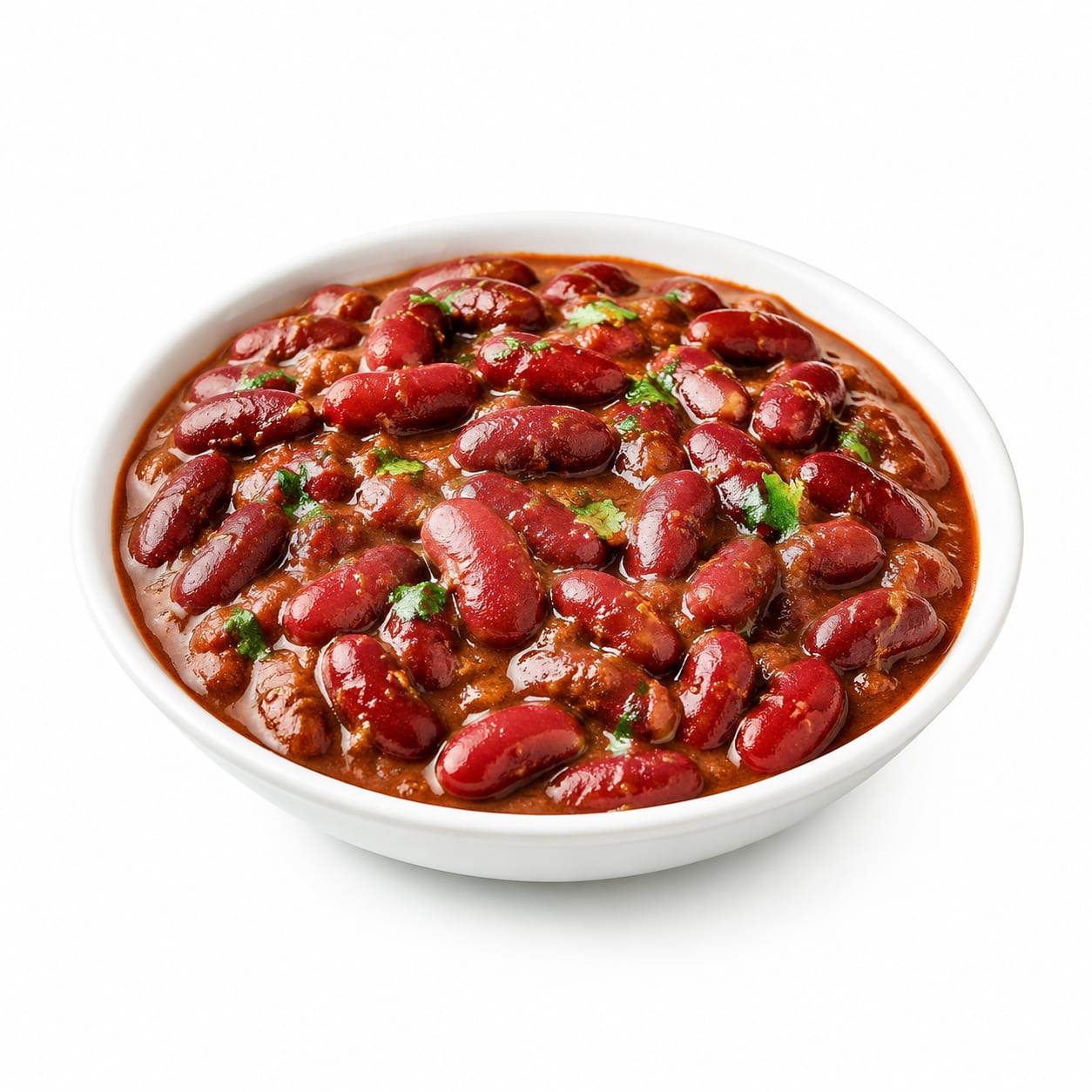
Kidney Bean
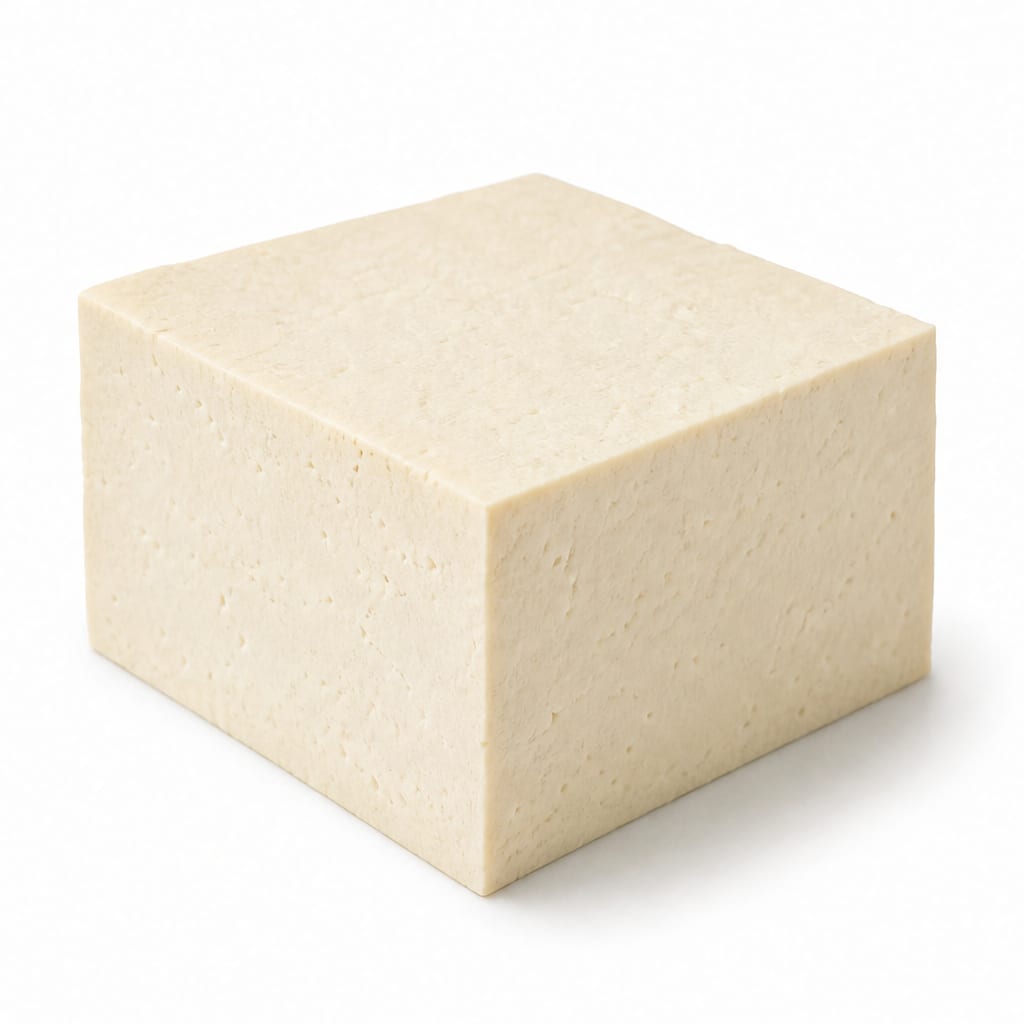
Tofu
Kidney beans win on fiber, blood sugar control, and satiety. Tofu wins on protein quality, calcium, and digestibility. Your pick depends on what your body needs most.
Nearly tied because they excel in different areas. Tofu edges ahead slightly due to complete protein and broader digestibility, but kidney beans dominate fiber and blood sugar benefits. The right choice is highly context-dependent.
Fiber and fullness versus complete protein and easier digestion
At a glance
Executive summary
Overall
It depends
Healthier
It depends
More practical
Tofu
Daily use
It depends
Key comparison lenses
plant protein source selection
Both are top plant-based proteins but differ dramatically in protein completeness, fiber, and calorie distribution
digestive tolerance and gut health
Kidney beans are fiber powerhouses that can cause bloating, while tofu is gentler on digestion
blood sugar management
Kidney beans provide superior blood sugar stability through high fiber, making this a key differentiator
mineral density and bone health
Calcium-set tofu delivers far more calcium, while kidney beans offer more iron and folate
soy vs legume allergy and sensitivity concerns
Soy is a top allergen and contains phytoestrogens; kidney beans carry lectin toxicity risk if undercooked
Best choice for
Kidney Bean
- People managing blood sugar or diabetes
- Anyone needing more fiber in their diet
- Those wanting the most filling meal component
- Budget-conscious eaters seeking maximum nutrition per dollar
- People avoiding soy for hormonal or allergy reasons
Tofu
- People needing high-quality complete protein
- Anyone with sensitive digestion or IBS
- Those seeking easy-to-digest post-workout meals
- People who want calcium without dairy
- Anyone wanting faster meal prep with less cooking
Least suitable for
Kidney Bean
- People with severe IBS or FODMAP sensitivities
- Anyone prone to bloating and gas
- Those who need quick-digesting protein after exercise
- People who struggle with longer cooking times
Tofu
- People with soy allergies
- Those avoiding phytoestrogens for hormonal conditions
- Anyone needing high fiber intake
- People on strict low-fat diets using regular tofu
Deep comparison
Dimension by dimension
Each lens scores both foods and breaks down who each option suits.
- Dimension 1 · Priority 95Tofu
protein quality and quantity
Kidney Bean · 62Tofu · 88Tofu delivers more protein per serving and it is a complete protein with all essential amino acids. Kidney beans provide decent protein but are missing methionine in sufficient amounts.
Tradeoff
Kidney beans pair well with grains to complete their amino acid profile, but tofu works well on its own as a protein source.
Why it matters
Complete protein supports muscle maintenance and repair more efficiently without needing food combining.
Real-world impact
A tofu-based dinner keeps your protein needs simple. With kidney beans, you will want rice or bread alongside to fill the amino acid gaps.
Kidney Bean
- Plant-based eaters who already eat grains regularly
- People wanting protein alongside substantial fiber
Better for
- Solo meals without complementary grains
- Post-workout recovery when speed matters
Worse for
Tofu
- Athletes needing efficient muscle recovery
- Anyone eating protein in isolation without grain sides
- Older adults preserving muscle mass
Better for
- People who need fiber alongside their protein
- Those avoiding soy entirely
Worse for
- Dimension 2 · Priority 92Kidney Bean
fiber and digestive health
Kidney Bean · 93Tofu · 35Kidney beans are a fiber powerhouse with over 6g per 100g cooked. Tofu contains minimal fiber at around 2g per serving.
Tradeoff
That fiber comes with digestive discomfort for some people. Tofu is much gentler on the stomach but will not help you meet fiber goals.
Why it matters
Fiber drives gut health, cholesterol reduction, and long-term disease prevention. Most people fall far short of daily recommendations.
Real-world impact
A kidney bean lunch keeps you full for hours and supports regular digestion. A tofu lunch digests easily but leaves you reaching for a snack sooner.
Kidney Bean
- Anyone struggling to hit 25-30g fiber daily
- People managing cholesterol through diet
- Those wanting longer-lasting fullness between meals
Better for
- Sensitive guts that react to legumes
- Low-FODMAP diet followers
Worse for
Tofu
- People with IBS or FODMAP sensitivities
- Anyone experiencing bloating from beans
- Those recovering from digestive illness
Better for
- Long-term gut microbiome health if tofu replaces all fiber sources
- Chronic constipation risk without other fiber sources
Worse for
- Dimension 3 · Priority 88Kidney Bean
blood sugar stability
Kidney Bean · 90Tofu · 72Kidney beans have a very low glycemic index thanks to their fiber and resistant starch. Tofu is low-carb and will not spike blood sugar, but lacks the active blood sugar-stabilizing fiber.
Tradeoff
Tofu will not raise blood sugar at all since it is nearly carb-free, but kidney beans actively improve blood sugar regulation over the following hours.
Why it matters
Steady blood sugar means fewer energy crashes, reduced cravings, and lower diabetes risk over time.
Real-world impact
Kidney beans in a meal blunt the blood sugar rise from everything else on the plate. Tofu simply stays neutral without that protective effect.
Kidney Bean
- People with prediabetes or type 2 diabetes
- Anyone experiencing afternoon energy crashes
- Meals containing carbs that need glycemic buffering
Better for
- Extremely low-carb diet followers counting every gram
Worse for
Tofu
- Very low-carb or ketogenic eaters
- Anyone monitoring total carbohydrate intake strictly
Better for
- Meals where blood sugar buffering from carbs would help
- People relying on a single food for metabolic benefits
Worse for
- Dimension 4 · Priority 80It depends
mineral density
Kidney Bean · 78Tofu · 82Calcium-set tofu is dramatically higher in calcium. Kidney beans offer more iron, folate, and potassium. Both are mineral-rich but in different ways.
Tradeoff
If you need calcium for bone health, tofu is the clear winner. If you need iron or folate, kidney beans have the edge.
Why it matters
Mineral deficiencies are common, especially for plant-based eaters who skip dairy and red meat.
Real-world impact
Regular tofu eaters get a dairy-free calcium boost. Regular kidney bean eaters get iron support that matters for energy and blood health.
Kidney Bean
- Women prone to iron deficiency
- Pregnant women needing folate
- Anyone not eating leafy greens regularly
Better for
- Those specifically targeting calcium intake
Worse for
Tofu
- People avoiding dairy who need calcium
- Older adults concerned about bone density
- Anyone not taking calcium supplements
Better for
- People with high iron needs who do not eat red meat
Worse for
- Dimension 5 · Priority 75Tofu
convenience and practicality
Kidney Bean · 55Tofu · 85Tofu is ready to eat straight from the package after draining. Kidney beans require long soaking and cooking unless you use canned versions.
Tradeoff
Canned kidney beans are convenient but add sodium and cost more per serving than dried. Tofu stays convenient either way.
Why it matters
Inconvenient foods get skipped on busy days, which undermines consistency.
Real-world impact
Tofu can be cubed into a stir-fry in 10 minutes. Dried kidney beans need overnight soaking plus an hour of cooking. Canned beans solve this but at a price and sodium tradeoff.
Kidney Bean
- Meal preppers who batch-cook on weekends
- Budget-focused cooks using dried beans
Better for
- Last-minute meal situations
- People who hate planning ahead
Worse for
Tofu
- Weeknight cooks needing dinner fast
- Anyone without time for soaking and long cooking
- People who want minimal prep protein
Better for
- Those who enjoy slow cooking and batch preparation
Worse for
- Dimension 6 · Priority 72Kidney Bean
allergen and sensitivity risk
Kidney Bean · 80Tofu · 60Soy is one of the top eight allergens and contains phytoestrogens that concern some people. Kidney beans are rarely allergenic but carry lectin toxicity if undercooked.
Tradeoff
Kidney beans have a rare but serious acute risk from undercooking. Tofu has a more common but less dangerous allergen and sensitivity profile.
Why it matters
Food sensitivities affect daily comfort and safety. Even mild soy sensitivity causes bloating and fatigue that people often overlook.
Real-world impact
Soy sensitivity can cause subtle daily discomfort. Undercooked kidney beans can cause acute food poisoning. Both are manageable with awareness.
Kidney Bean
- People with confirmed soy allergy
- Those avoiding phytoestrogens
- Anyone who has noticed issues with soy products
Better for
- Cooks who might undercook beans accidentally
Worse for
Tofu
- People who have experienced bean-related digestive distress
- Those comfortable with soy and wanting simplicity
- Anyone worried about lectin exposure from improper cooking
Better for
- People with undiagnosed soy sensitivity
- Those with hormone-sensitive conditions
Worse for
Timeline
Health impact over time
Short-term
Hours to days
Kidney Bean
- Strong satiety and fullness lasting several hours after eating
- Possible bloating and gas, especially if your body is not used to high fiber
- Steady energy without blood sugar spikes or crashes
- Slight digestive adjustment period when increasing intake
Tofu
- Quick and comfortable digestion with minimal bloating
- Moderate satiety that may require pairing with other foods to feel complete
- Neutral blood sugar impact since nearly carb-free
- Possible mild soy sensitivity symptoms like congestion or fatigue in susceptible people
Long-term
Months to years
Kidney Bean
- Improved gut microbiome diversity from consistent fiber intake
- Lower cholesterol and reduced heart disease risk
- Better blood sugar regulation reducing diabetes risk
- Potential for persistent gas if portion sizes are not managed
Tofu
- Maintained muscle mass from high-quality protein intake
- Stronger bones from calcium if eating calcium-set varieties
- Possible cardiovascular benefits from soy isoflavones, though evidence is mixed
- Long-term soy consumption appears safe for most people but remains debated for hormone-sensitive conditions
Risk profile
Safety & processing
Dried kidney beans are essentially unprocessed whole food. Canned versions add salt but remain simple. Tofu involves soaking, grinding, coagulating, and pressing soybeans, making it more processed than whole beans but still a traditional whole food product with minimal additives.
Kidney Bean
Lectin toxicity from undercooking
highRaw or undercooked kidney beans contain phytohaemagglutinin, which can cause severe nausea, vomiting, and diarrhea. Always boil kidney beans thoroughly for at least 10 minutes after soaking.
BPA exposure from canned varieties
mediumMost canned kidney beans come in BPA-lined cans. Choose BPA-free brands or cook from dried to avoid this concern.
Sodium from canned versions
mediumCanned kidney beans can contain 400-500mg sodium per serving. Rinsing helps but does not eliminate all added salt.
Tofu
Soy allergen exposure
mediumSoy is a top eight allergen. Reactions range from mild hives to anaphylaxis. Always check labels when serving tofu to others.
GMO soy concern
lowMost conventional soy in the US is genetically modified. Choose organic tofu to avoid GMOs if that matters to you.
Phytoestrogen effects
lowSoy isoflavones have weak estrogenic activity. Current research suggests moderate intake is safe for most people, but those with hormone-sensitive conditions should consult their doctor.
Who wins for whom
Audience fit
Same foods, different winners depending on your goal.
children
TofuTofu is easier to digest, softer in texture for young eaters, and provides calcium for growing bones. Kidney beans can cause uncomfortable gas in kids.
daily consumption
It dependsTofu is gentler for daily use if digestion is sensitive. Kidney beans are better daily if you need fiber and blood sugar support and tolerate them well.
diabetes
Kidney BeanThe fiber and resistant starch in kidney beans actively improve blood sugar control and reduce glycemic response to entire meals.
elderly
TofuOlder adults need easily digestible complete protein and calcium for muscle and bone preservation. Tofu delivers both without digestive strain.
muscle gain
TofuTofu delivers more complete protein per serving, which directly supports muscle repair and growth without needing food combining.
weight loss
Kidney BeanKidney beans provide more volume and fiber per calorie, keeping you fuller longer and reducing overall food intake throughout the day.
Your move
Decision guide
Choose Kidney Bean
- You want to improve blood sugar control or manage diabetes
- You need more fiber and struggle with constipation or cholesterol
- You find beans filling and satisfying as a meal base
- You are avoiding soy due to allergy or personal preference
- You are cooking on a tight budget and want maximum nutrition per dollar
Choose Tofu
- You need high-quality protein for muscle maintenance or recovery
- You have a sensitive stomach and beans cause discomfort
- You want a quick-cooking protein source for busy weeknights
- You are avoiding dairy and need a reliable calcium source
- You prefer milder flavors that absorb sauces and seasonings easily
Either works if
- You are building a varied plant-based diet and can rotate both
- You want different protein sources on different days of the week
- You are eating a balanced meal with grains, vegetables, and healthy fats already
Avoid both if
- You have both soy allergy and severe legume intolerance
- You are on a strict carnivore diet
- You are in an acute flare of IBS and need a low-FODMAP elimination phase
Final recommendation
Eat both on different days. Kidney beans give you fiber, blood sugar stability, and fullness that tofu cannot match. Tofu gives you complete protein, calcium, and easy digestion that kidney beans cannot match. Rotating between them covers more nutritional ground than picking just one. If you must choose one, pick kidney beans for metabolic health and tofu for digestive comfort and protein needs.
Practical
Consumer tips
- 1
Always boil dried kidney beans for at least 10 minutes after soaking to destroy lectins. Slow cookers alone do not reach safe temperatures.
- 2
Rinse canned kidney beans thoroughly to remove about 30-40% of the added sodium.
- 3
Choose calcium-set tofu by checking the ingredient list for calcium sulfate to get the bone-building benefits.
- 4
Press tofu for 15-20 minutes before cooking for better texture and flavor absorption.
- 5
Introduce kidney beans gradually if you do not eat them often. Start with small portions to let your gut adjust to the fiber.
- 6
Freeze tofu before thawing and pressing for a spongier, more meat-like texture that absorbs marinades better.
- 7
Pair kidney beans with rice or corn to complete their amino acid profile and get full protein value.
- 8
Choose organic tofu to avoid GMO soy if that is a concern for you.