
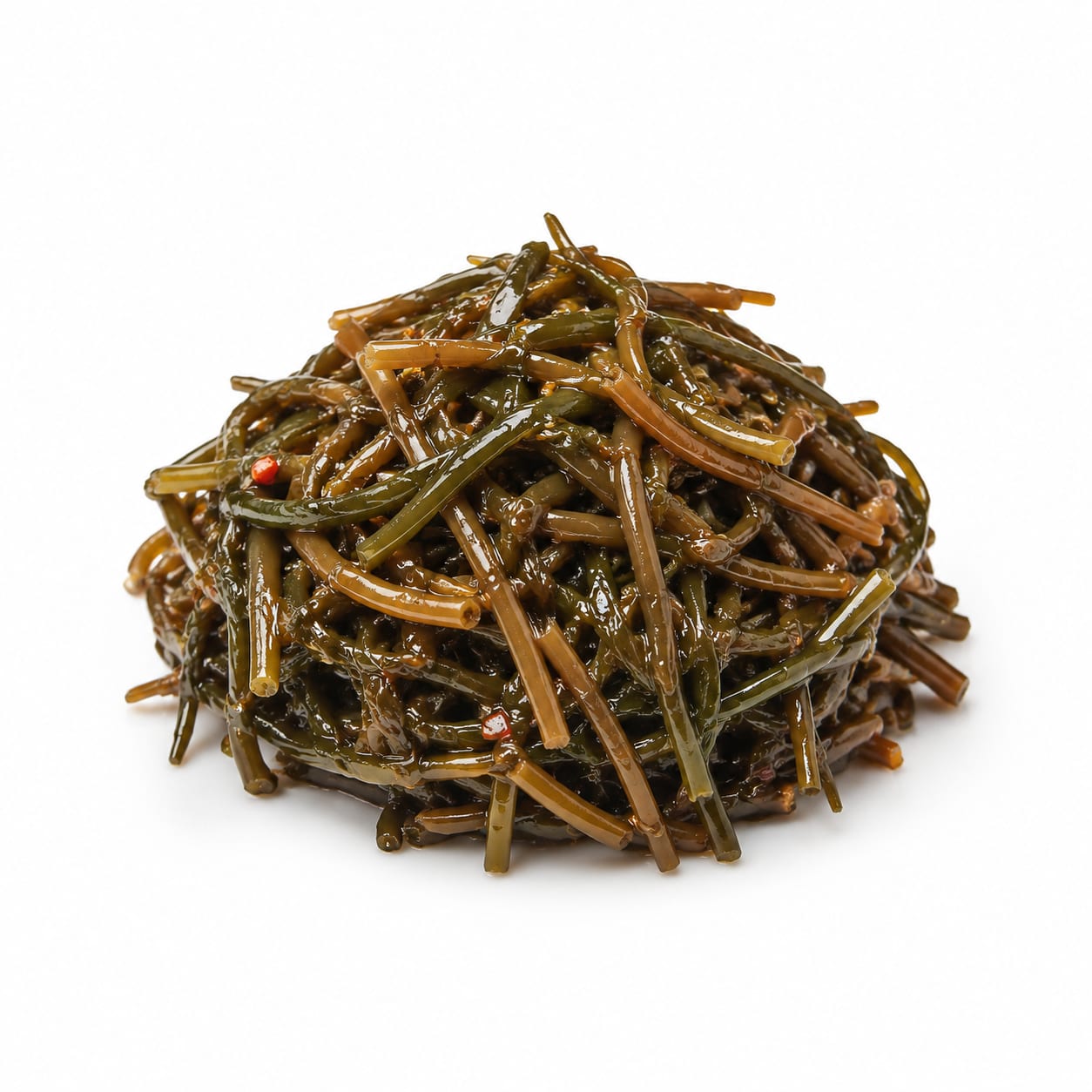
Herb / Leafy Green
Houttuynia Cordata
A low-calorie, fishy-tasting herb used in Asian cuisine and traditional medicine.
A herbaceous perennial plant native to Southeast Asia, commonly known as fish mint or chameleon plant, used as a culinary herb and in traditional medicine.
high-volume low-calorie herb
Typical serving · 30g
Common varieties · chameleon plant, fish mint, heartleaf, dokudami
Overall context score across nutrition, safety, and diet fit
At a glance
Quick facts
Simple indicators based on nutrition, processing, and diet fit.
The story
What makes it unique
Rapidly digested leafy herb with negligible macronutrients and high water content. Provides mild satiety through volume and fiber. Contains bioactive compounds like quercetin and sodium houttuyfonate, contributing to notable antimicrobial properties.
Varieties: chameleon plant · fish mint · heartleaf · dokudami
Per 100g
Nutrition breakdown
Macro balance and key metrics at a glance.
Energy
Density 0.24 kcal/g
Protein
Carbs
Fat
Fiber
Sugar
0.5 g
Sodium
15 mg
Potassium
280 mg
Glycemic index
15
Glycemic load
1
Water content
89%
Standout compounds
Nutrient highlights
Quercetin
moderateProvides antioxidant and anti-inflammatory effects
Potassium
moderateSupports healthy blood pressure and fluid balance
Dietary Fiber
lowPromotes digestive regularity and gut health
Decanoylacetaldehyde
highExhibits strong natural antimicrobial properties
Wellness map
Health scores & processing
NOVA processing scale
Minimally processed · Whole food
Consumed raw, dried, or lightly cooked as a fresh herb or tea, retaining its natural state without additives.
Diet compatibility
- Weight loss
- Muscle gain
- Diabetes
- Gut health
- Low carb
- High protein
- Heart health
Relative standing
Food rankings
Qualitative ranks compared to similar whole foods.
- Satietymoderate
- Blood sugarexcellent
- Nutrient densitygood
- Fitness fuelpoor
- Processing qualityexcellent
Eat with confidence
Food safety profile
Safe when washed thoroughly. Wild-harvested plants may absorb heavy metals from contaminated water or soil, making sourcing important.
Evidence confidence 75%
- Pesticidesmoderate
- Antibioticslow
- Heavy metalsmoderate
- Contaminationlow
Watch for
- soil-borne parasites
- heavy metals from polluted water
Safer choices
Organically cultivated houttuynia
Prep tips
Rinse thoroughly under running water and soak in a mild vinegar solution to remove soil and potential parasites.
Generally recognized as safe in culinary amounts, but medicinal extracts require caution due to concentrated bioactives.
Deep dive
Health analysis
How this food may fit different goals and preparation choices.
Weight loss
Extremely low energy density allows large portion sizes without significant calorie intake, making it an excellent flavor enhancer for weight loss.
Blood sugar
Negligible carbohydrate content and low glycemic load prevent blood sugar spikes, making it safe for diabetic diets.
Fitness & energy
Not a meaningful source of fuel or protein for athletic performance or muscle recovery.
Gut health
Dietary fiber supports bowel regularity, while traditional use suggests antimicrobial benefits that may help balance gut flora.
Processing quality
Typically consumed fresh or dried, retaining natural phytonutrients without artificial additives.
Food safety
Primary risks involve soil contamination or heavy metals from foraging in polluted areas; proper washing is essential.
Common mistakes
Overcooking destroys heat-sensitive beneficial compounds and volatilizes the characteristic flavor, rendering it bland.
Best preparation
Eaten raw in salads, added at the end of cooking, or steeped as an herbal tea.
Practical guide
Best use cases
When and how this food fits real eating patterns.
Flavorful salad addition
Adds a bold, fishy flavor to raw salads without adding calories, ideal for volume eaters.
Herbal tea base
Dried leaves can be steeped to make a traditional medicinal tea for respiratory support.
Low-carb garnish
Provides intense flavor to soups and meat dishes for those restricting carbohydrates.
Balance sheet
Pros & cons
Upsides
- Extremely low in calories
- Contains unique antimicrobial compounds
- Very low glycemic impact
- Provides dietary variety and bold flavor
- Easy to grow at home
Trade-offs
- Polarizing fishy taste
- Not a significant source of macronutrients
- Can accumulate heavy metals if foraged in polluted areas
- Can become an invasive weed in gardens
Fit check
Who is it for?
Great match
- flavor enhancement without calories
- traditional herbal remedies
- low-carb diets
- high-volume eating
Consider alternatives
- people averse to fishy flavors
- muscle building
- calorie-dense meal prep
- foraging in unknown soils
Side by side
How it compares
Open the full head-to-head analysis for nutrition, safety, and practical tradeoffs.
This food
Houttuynia Cordata
VS85% alike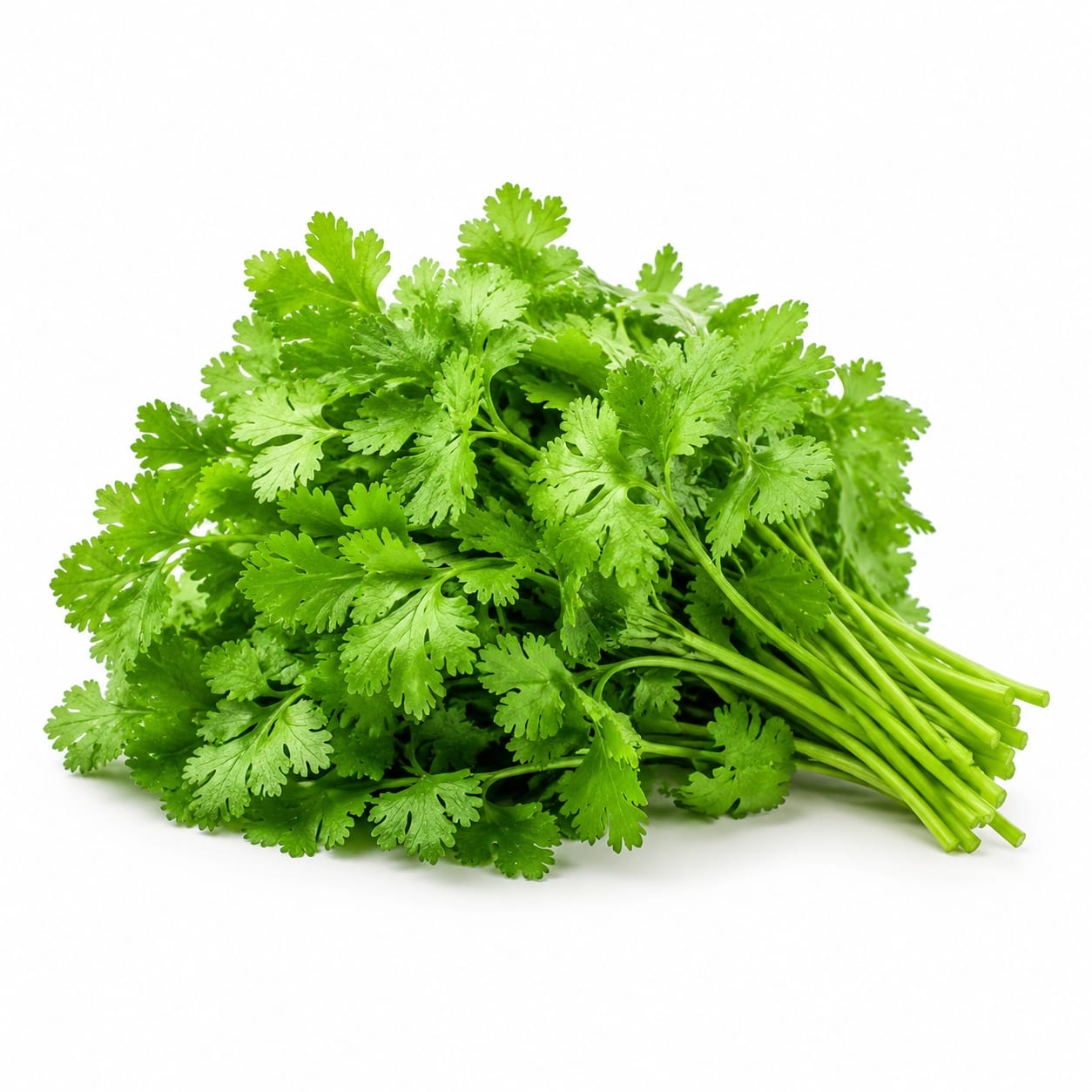
Compare with
Cilantro
Cilantro offers a citrusy flavor and higher vitamin K, while houttuynia provides unique antimicrobial compounds and a fishy taste.
Cilantro provides more vitamin K and a citrus flavor, while houttuynia cordata offers unique antimicrobial benefits and a fishy taste.
This food
Houttuynia Cordata
VS80% alike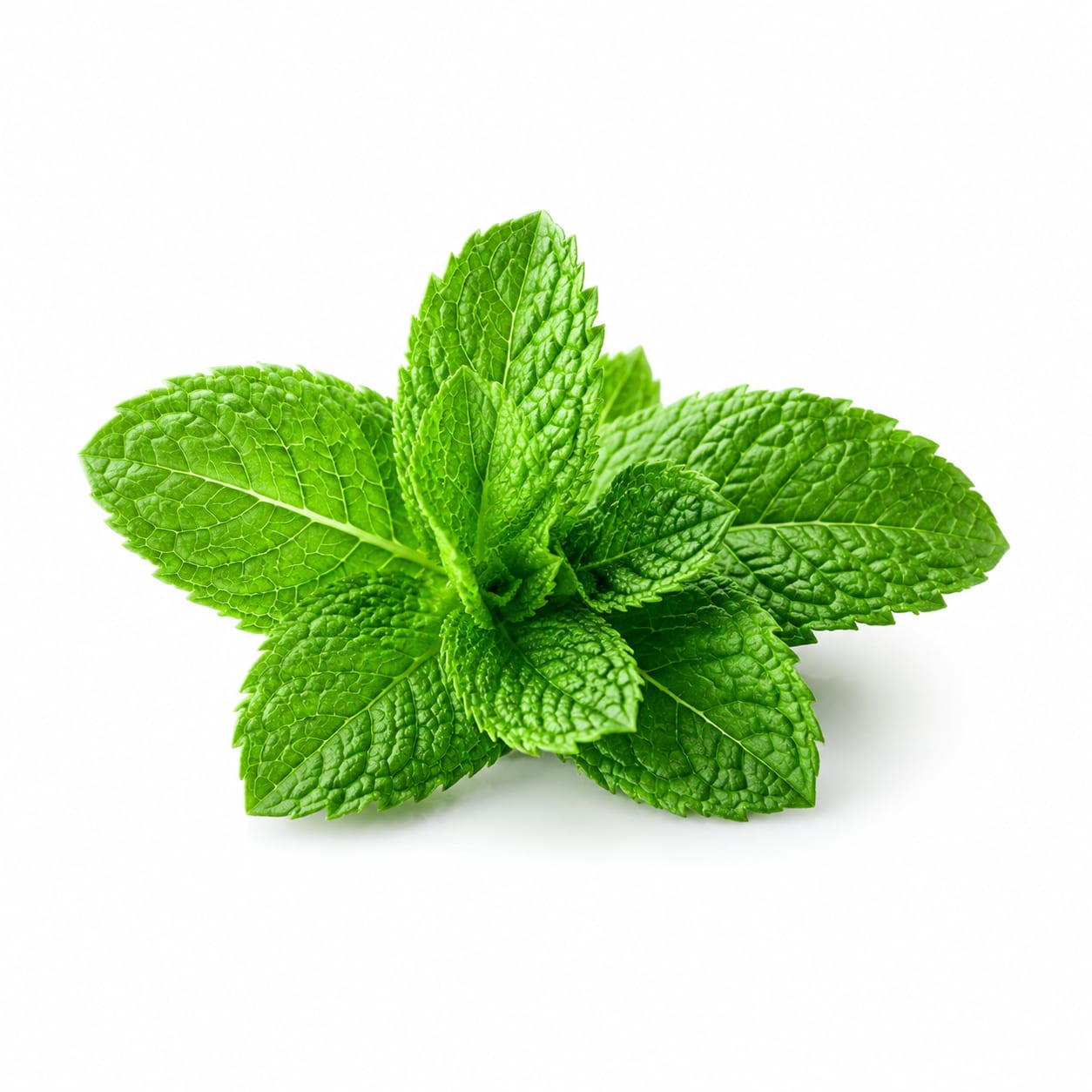
Compare with
Mint
Mint is more versatile in beverages and desserts, while houttuynia is strictly savory and has stronger antibacterial properties.
Mint is more versatile for drinks and desserts, while houttuynia cordata is used in savory dishes and has stronger antibacterial properties.
This food
Houttuynia Cordata
VS85% alike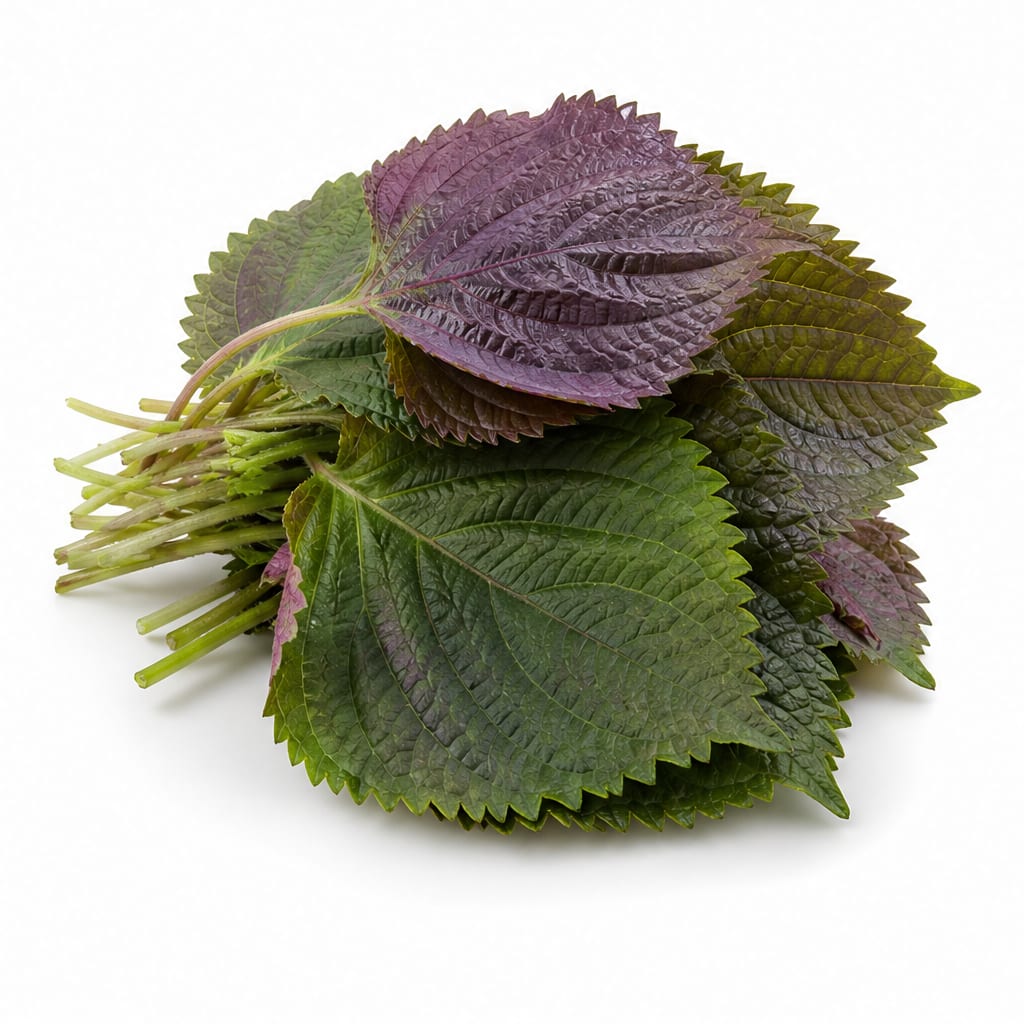
Compare with
Perilla
Perilla is richer in omega-3 fatty acids and has a minty-basil flavor, whereas houttuynia is lower in fat and has a fishy taste.
Perilla provides more omega-3s and a minty flavor, while houttuynia cordata is lower in calories and offers antimicrobial effects.
This food
Houttuynia Cordata
VS70% alike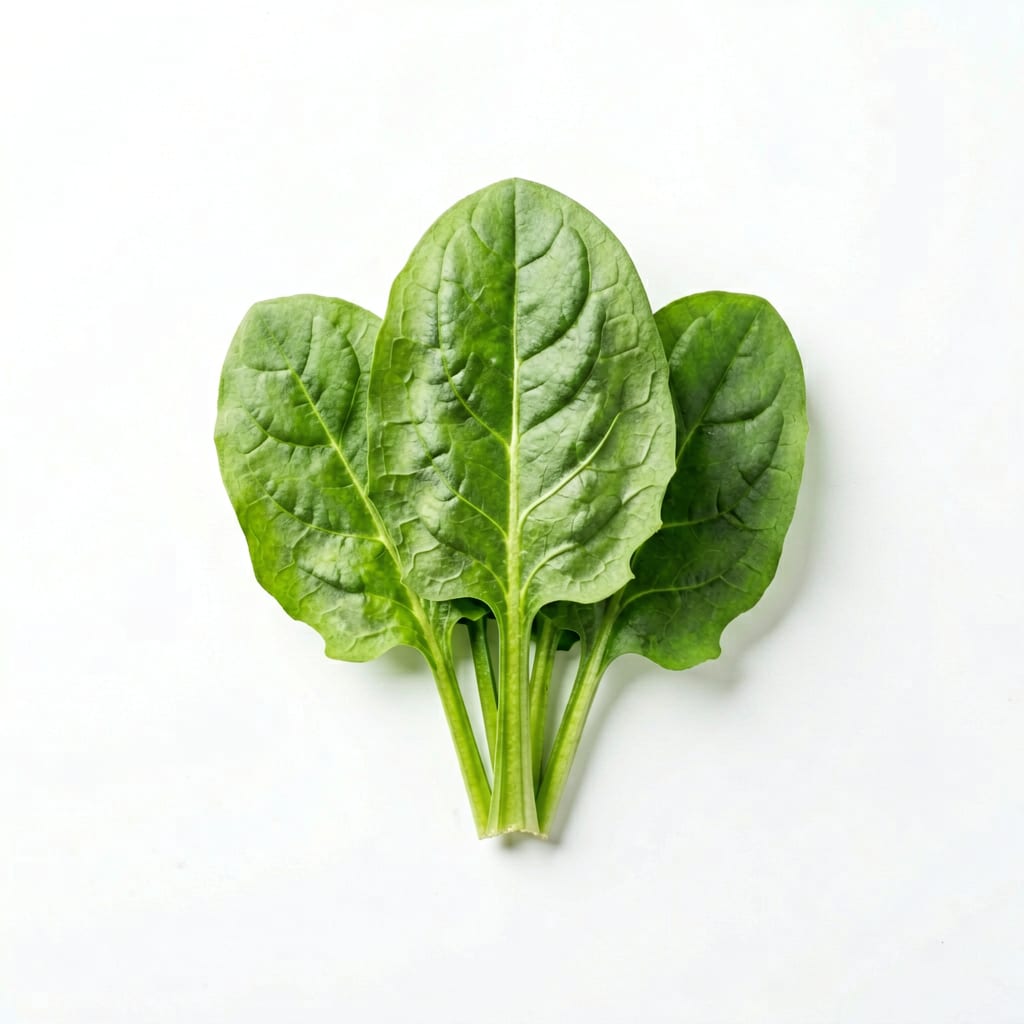
Compare with
Spinach
Spinach is far more nutrient-dense with higher protein and iron, while houttuynia is used strictly for flavor and medicinal properties.
Spinach is much more nutrient-dense with higher iron and protein, while houttuynia cordata is primarily a flavoring herb with specific medicinal compounds.
This food
Houttuynia Cordata
VS70% alike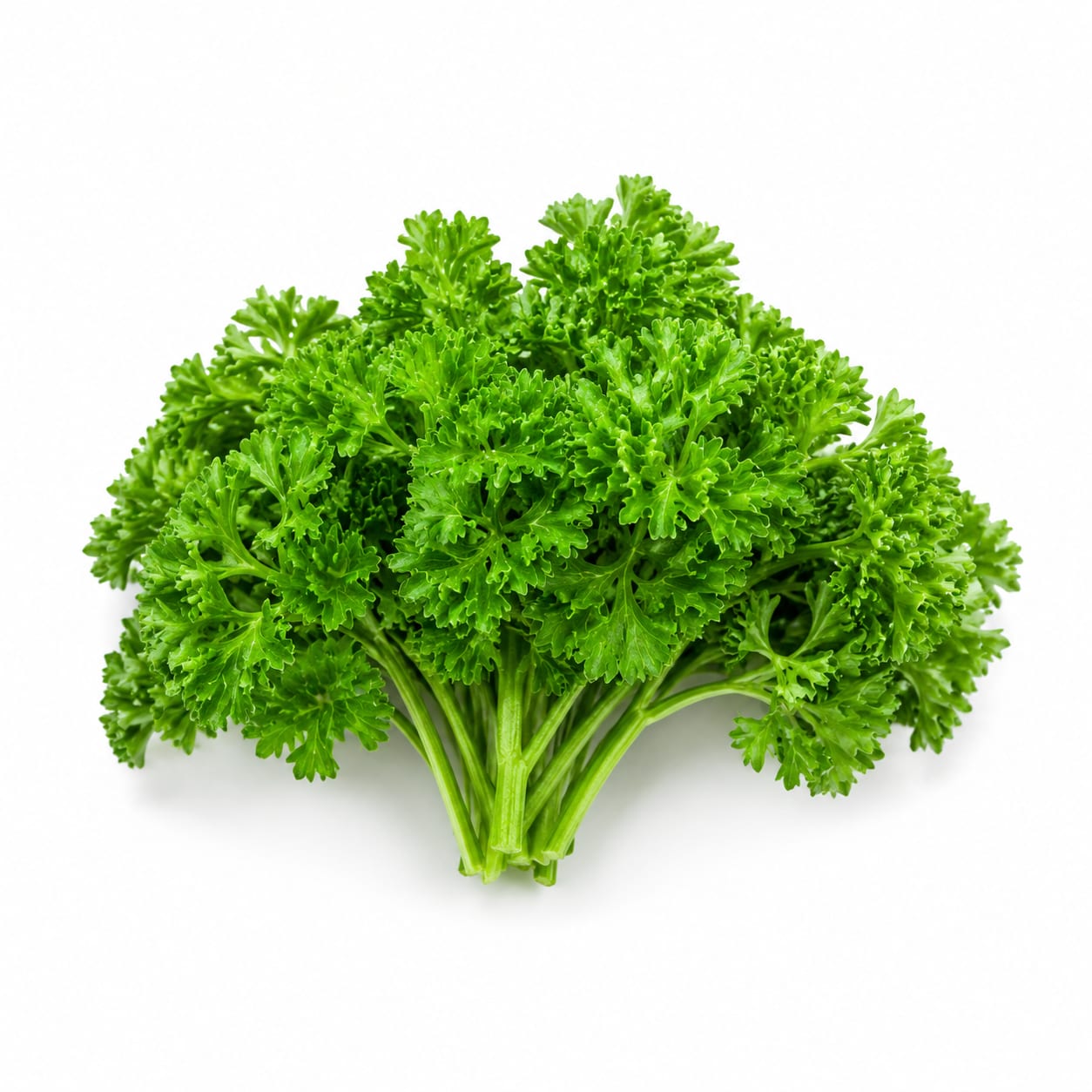
Compare with
Parsley
Parsley is extremely high in vitamin K and has a mild flavor, while houttuynia has a strong flavor and unique antimicrobial oils.
Parsley is extremely high in vitamin K with a mild flavor, while houttuynia cordata has a strong fishy taste and unique antimicrobial oils.
This food
Houttuynia Cordata
VS75% alike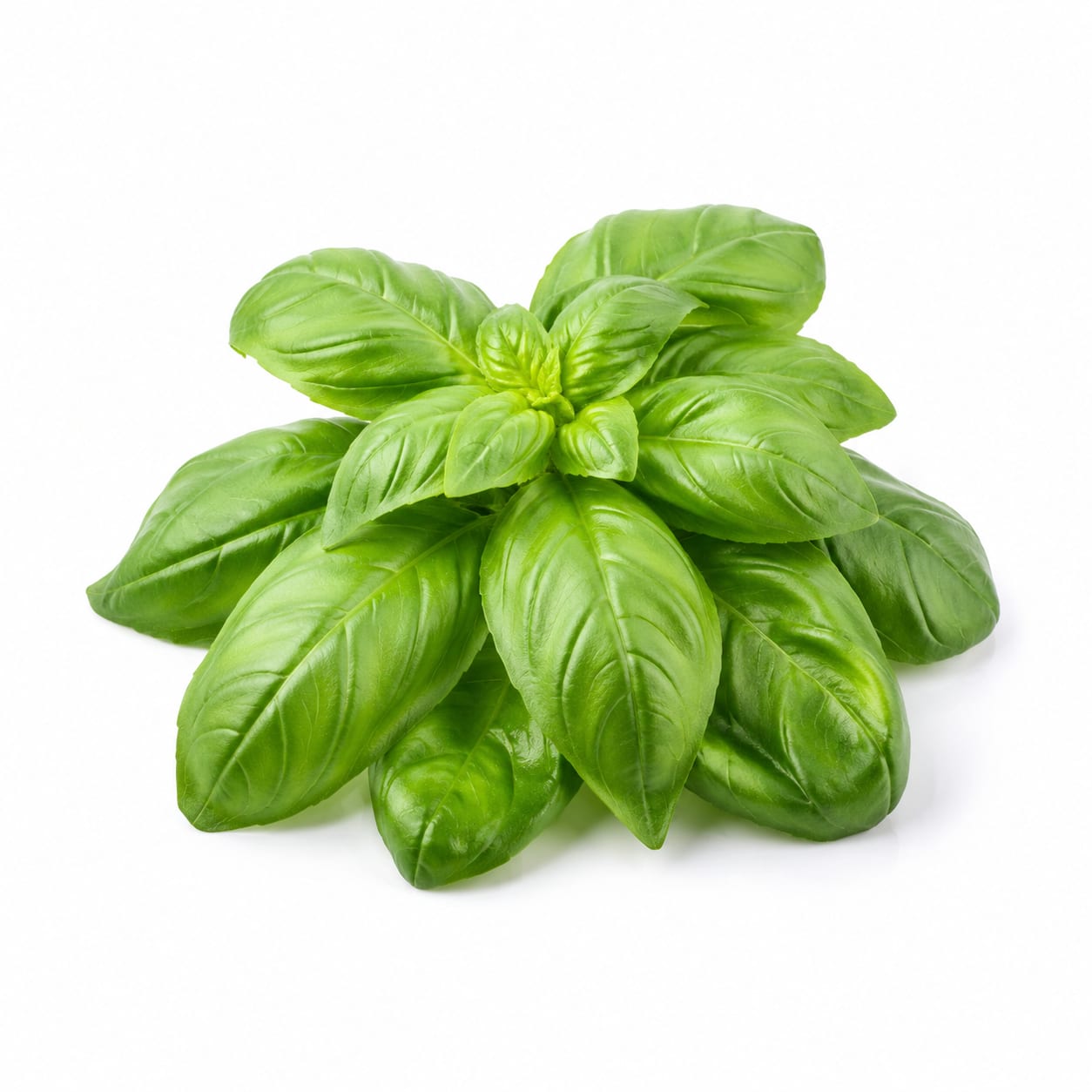
Compare with
Basil
Basil offers a sweet, peppery profile and higher vitamin K, whereas houttuynia provides a savory, fishy profile and antimicrobial action.
Basil provides a sweet, peppery flavor and more vitamin K, while houttuynia cordata delivers a savory, fishy taste and antimicrobial benefits.
This food
Houttuynia Cordata
VS60% alike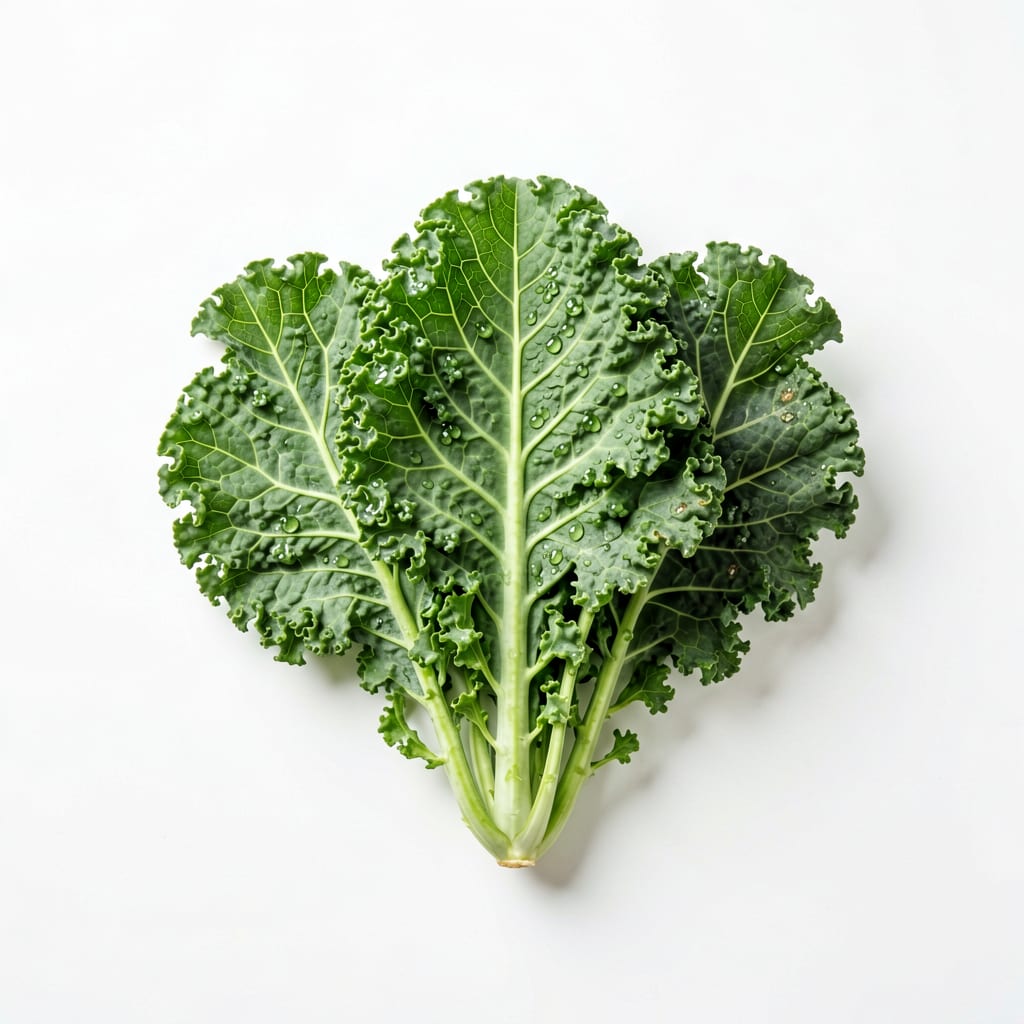
Compare with
Kale
Kale is vastly superior in vitamins, minerals, and protein, while houttuynia is essentially a zero-calorie flavor enhancer.
Kale is vastly superior in vitamins, minerals, and satiety, while houttuynia cordata is essentially a zero-calorie flavor enhancer.
This food
Houttuynia Cordata
VS65% alike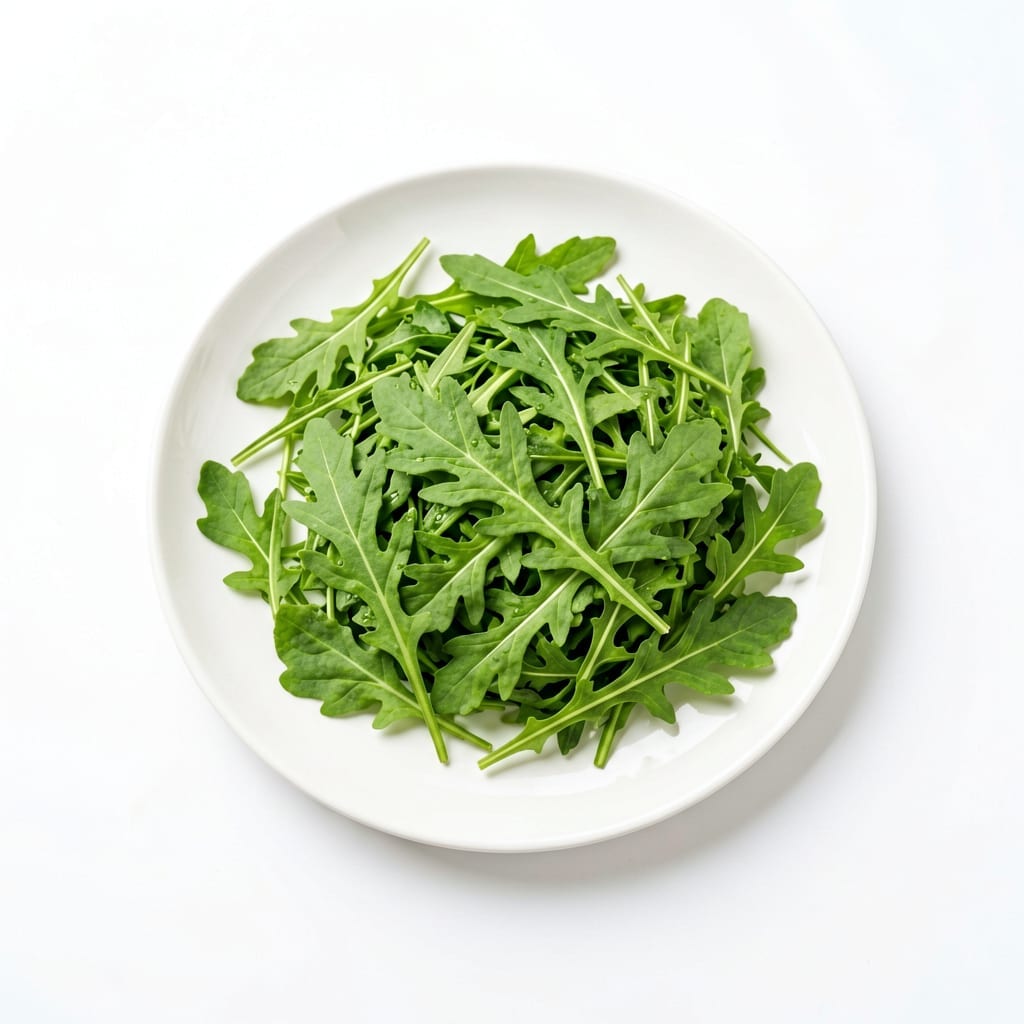
Compare with
Arugula
Arugula provides a peppery kick and more calcium, while houttuynia offers a fishy flavor and specific medicinal compounds.
Arugula provides a peppery kick and more calcium, while houttuynia cordata offers a fishy flavor and specific antimicrobial compounds.
This food
Houttuynia Cordata
VS65% alike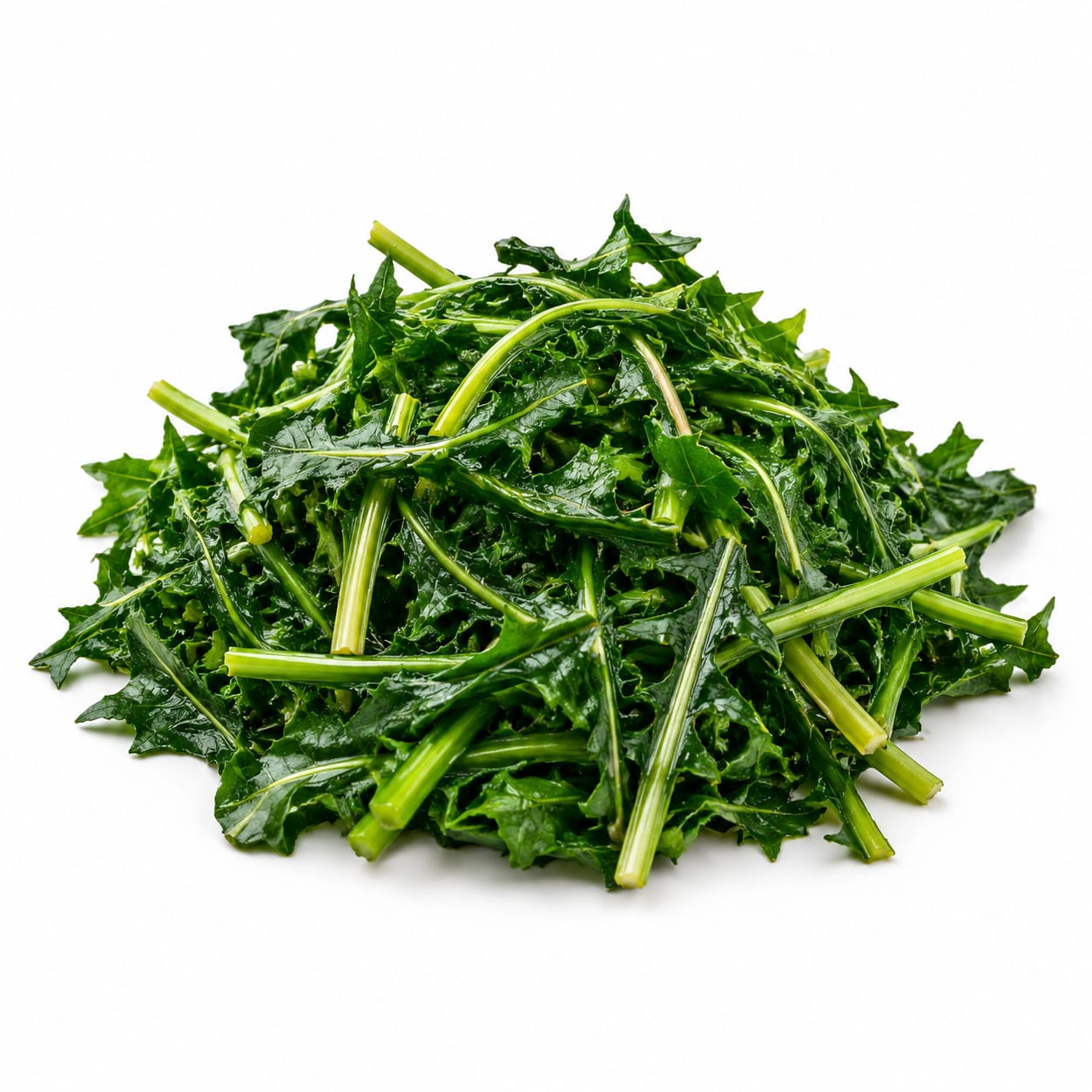
Compare with
Dandelion Greens
Dandelion greens are higher in fiber, vitamin A, and calcium, while houttuynia is lower in calories and has different antimicrobial properties.
Dandelion greens are higher in fiber, vitamin A, and calcium, while houttuynia cordata is lower in calories and offers unique antimicrobial properties.
This food
Houttuynia Cordata
VS70% alike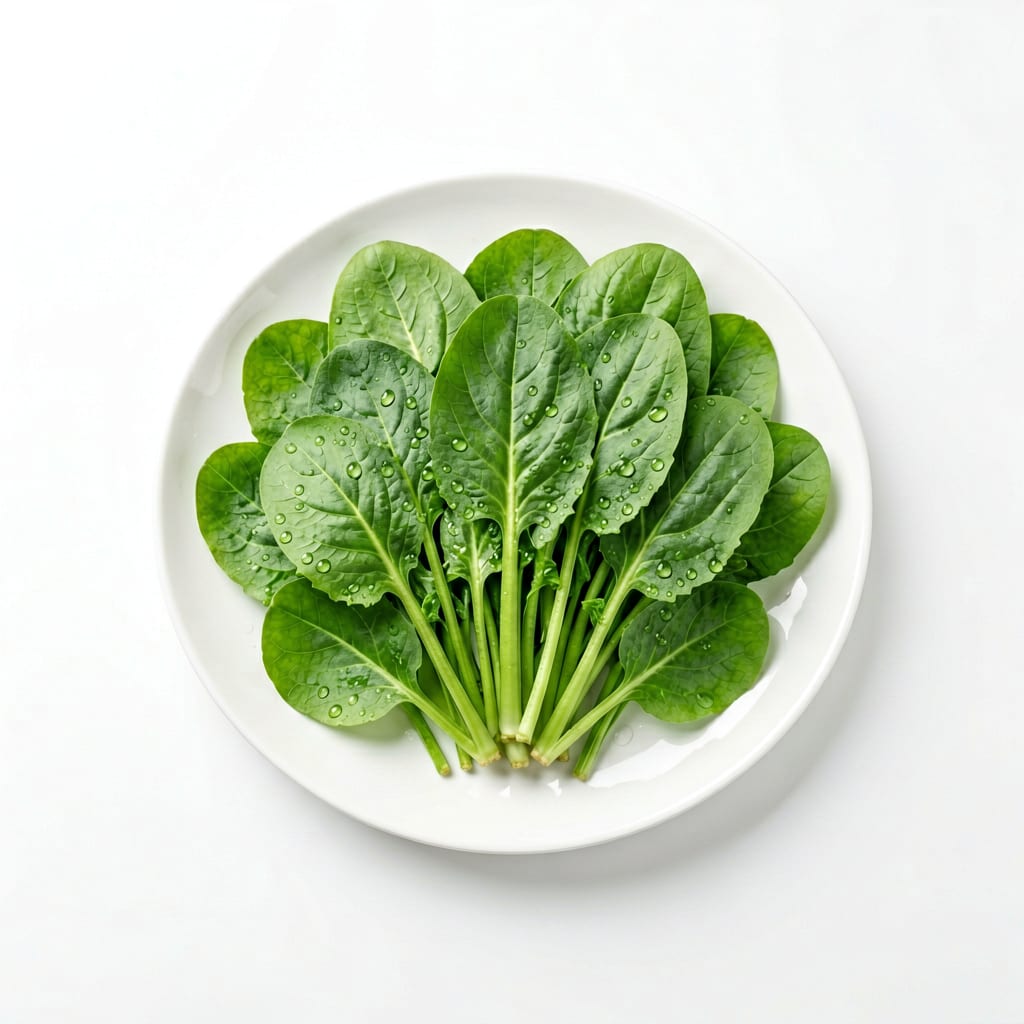
Compare with
Watercress
Watercress is one of the most nutrient-dense foods on the planet, while houttuynia is primarily valued for its unique flavor and medicinal oils.
Watercress is exceptionally nutrient-dense with high vitamin K and C, while houttuynia cordata is lower in overall nutrients but provides unique antimicrobial oils.
Common questions
FAQ
Answers aligned with how people search for this food.
What does Houttuynia cordata taste like?
It has a unique, highly polarizing fishy or cilantro-like flavor with citrusy undertones, which is why it is commonly called fish mint.
Is fish mint good for weight loss?
Yes, it is extremely low in calories and carbohydrates, making it an excellent flavor enhancer for weight loss diets without adding caloric density.
Can you eat Houttuynia cordata raw?
Yes, the fresh leaves are commonly eaten raw in salads, as a garnish, or wrapped around grilled meats in Southeast Asian cuisine.
What are the health benefits of dokudami?
Traditionally used for its antimicrobial and anti-inflammatory properties, it is often consumed as a tea to support respiratory health and immune function.
Is Houttuynia cordata safe for diabetics?
Yes, it has a very low glycemic index and negligible carbohydrates, so it will not spike blood sugar levels.
How do you cook with fish mint?
It is best added fresh to soups, salads, or spring rolls, or steeped as tea, as cooking diminishes its flavor and beneficial compounds.
Does Houttuynia cordata have side effects?
In normal culinary amounts, it is safe. Consuming large amounts of concentrated extracts may cause gastrointestinal upset in some individuals.
Where can I buy fish mint?
It is commonly found in Asian grocery stores, farmers markets, or grown at home, as it is a hardy perennial that spreads rapidly.
Transparency
Data confidence
Estimated confidence for nutrition data, interpretation, safety notes, and comparisons.
Nutrition data
Health analysis
Food safety
Comparisons