
Nutrition comparison
Houttuynia Cordata vs Spinach: Nutrition, Safety & Daily Use
Compare Houttuynia Cordata and Spinach. Discover which green is safer for daily use, which offers better nutrition, and the hidden risks of eating too much Houttuynia Cordata.
Overall winner · Spinach
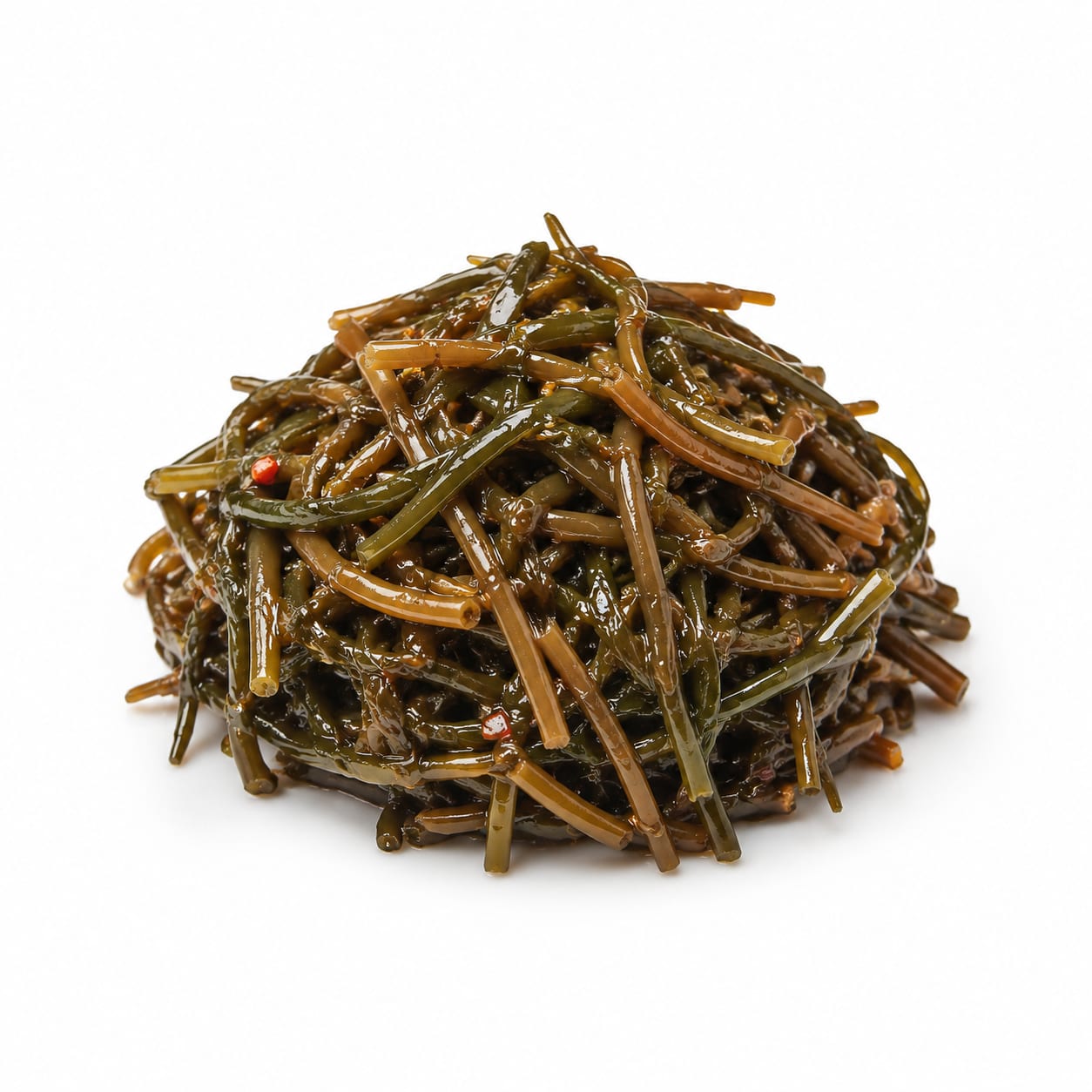
Houttuynia Cordata
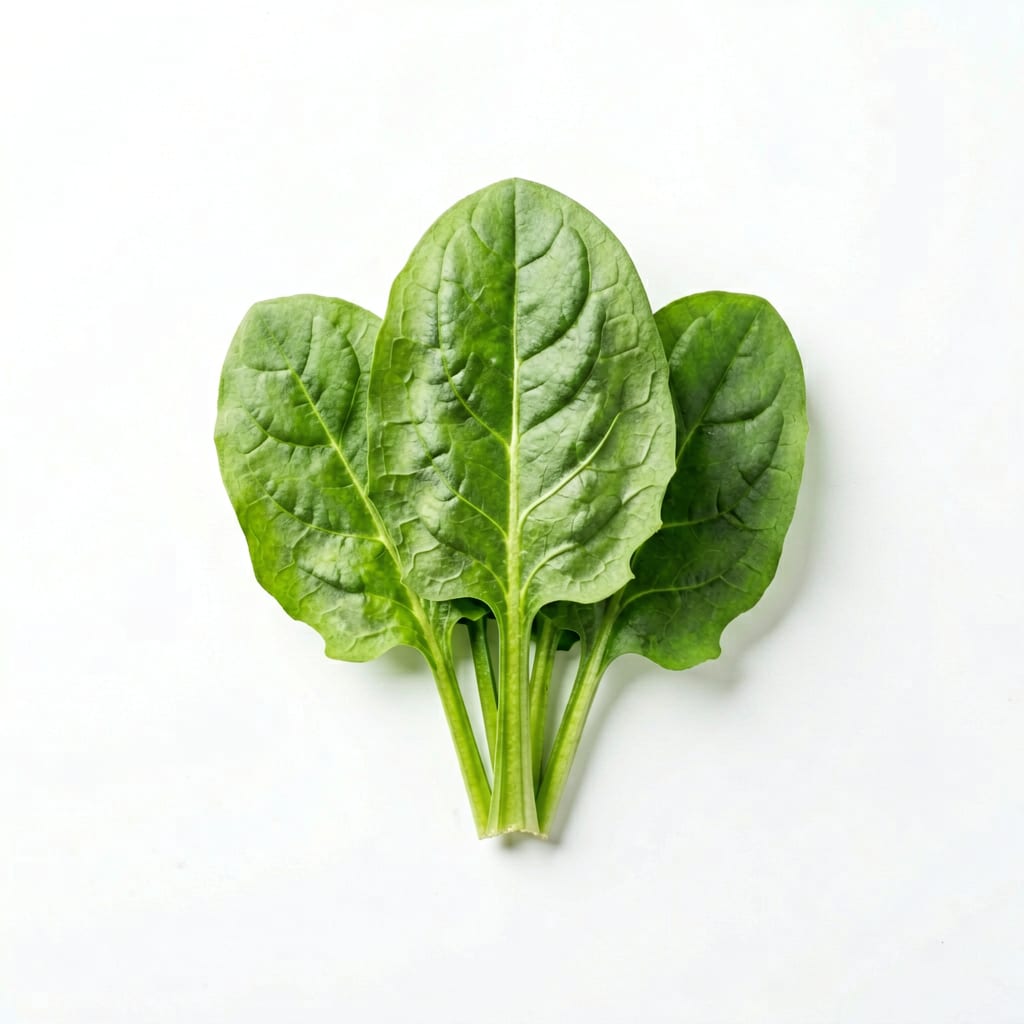
Spinach
Spinach wins for everyday nutrition and safety, while Houttuynia Cordata serves better as an occasional medicinal garnish rather than a dietary staple.
Spinach scores significantly higher because it serves as a safe, nutrient-dense daily food. Houttuynia Cordata scores lower due to its limited culinary role and potential toxicity risks when consumed in large quantities.
You trade the broad, safe vitamin density of Spinach for the unique antimicrobial properties of Houttuynia Cordata, which carries a higher risk profile if eaten in bulk.
At a glance
Executive summary
Overall
Spinach
Healthier
Spinach
More practical
Spinach
Daily use
Spinach
Key comparison lenses
Medicinal vs. Nutritional Staple
Houttuynia Cordata is primarily a medicinal herb used in small quantities, while Spinach is a bulk nutritional staple eaten in large servings.
Safety and Daily Consumption Limits
Houttuynia Cordata contains potentially harmful alkaloids if consumed in large amounts, whereas Spinach contains oxalates that require moderate handling but are generally safer for daily use.
Culinary Versatility and Volume
Spinach is mild and can be eaten by the handful, while Houttuynia Cordata has a polarizing fishy-mint flavor best suited for small garnishes.
Best choice for
Houttuynia Cordata
- Targeted immune support during illness
- Adding bold, exotic flavor to Asian dishes
- Traditional herbal remedies for inflammation
Spinach
- Daily green vegetable intake
- Boosting iron and folate levels safely
- Filling up on low-calorie volume
Least suitable for
Houttuynia Cordata
- People with liver or kidney sensitivities
- Those seeking a mild, versatile salad base
- Anyone needing to eat large volumes of greens
Spinach
- People prone to calcium oxalate kidney stones
- Those on strict blood-thinning medications due to high Vitamin K
Deep comparison
Dimension by dimension
Each lens scores both foods and breaks down who each option suits.
- Dimension 1 · Priority 95Spinach
Micronutrient Density
Houttuynia Cordata · 40Spinach · 92Spinach is a nutritional powerhouse loaded with vitamins A, C, K, and folate. Houttuynia Cordata lacks this broad vitamin profile.
Tradeoff
You get far more essential vitamins per bite from Spinach, whereas Houttuynia Cordata offers unique flavonoids instead of standard vitamins.
Why it matters
Daily vitamin intake drives energy, immunity, and bone health far more effectively than rare herbal compounds.
Real-world impact
A bowl of Spinach actively fights fatigue and supports your blood health; Houttuynia Cordata simply does not replace a daily multivitamin.
Houttuynia Cordata
- Targeted antioxidant bursts
Better for
- Reliable daily nutrition
Worse for
Spinach
- Meeting daily vitamin K needs
- Preventing iron-deficiency fatigue
- Supporting healthy pregnancy with folate
Better for
- Novel phytochemical variety
Worse for
- Dimension 2 · Priority 90Spinach
Safety and Toxicity Profile
Houttuynia Cordata · 35Spinach · 70Houttuynia Cordata can contain aristolactams, which are linked to kidney damage and cancer risk if overconsumed. Spinach only poses an oxalate risk for susceptible individuals.
Tradeoff
Spinach requires simple cooking to neutralize oxalates, but Houttuynia Cordata carries a hard limit on how much you can safely eat.
Why it matters
Eating greens should heal you, not stress your organs. The safety ceiling for Houttuynia Cordata is much lower.
Real-world impact
You can safely eat cups of cooked Spinach daily, but eating large amounts of Houttuynia Cordata regularly could jeopardize your kidney health.
Houttuynia Cordata
- Occasional small-dose herbal use
Better for
- Unrestricted daily eating
- People with compromised kidney function
Worse for
Spinach
- Safe daily consumption
- Eating large volumes without organ stress
Better for
- Those with a history of calcium oxalate stones
Worse for
- Dimension 3 · Priority 85Houttuynia Cordata
Medicinal and Phytochemical Value
Houttuynia Cordata · 90Spinach · 65Houttuynia Cordata is a potent traditional medicine with strong antiviral and antibacterial properties that Spinach simply does not match.
Tradeoff
You gain powerful infection-fighting compounds with Houttuynia Cordata, but lose the ability to eat it freely as a food.
Why it matters
When you are actively fighting a respiratory infection, Houttuynia Cordata offers therapeutic benefits beyond basic nutrition.
Real-world impact
A tea or small garnish of Houttuynia Cordata can help clear congestion, while Spinach is better at keeping you from getting sick in the first place.
Houttuynia Cordata
- Fighting active respiratory infections
- Reducing specific inflammatory markers
Better for
- Situations requiring safe, prolonged use
Worse for
Spinach
- Long-term immune support via vitamins
Better for
- Acute herbal remedy needs
Worse for
- Dimension 4 · Priority 80Spinach
Culinary Versatility and Satiety
Houttuynia Cordata · 25Spinach · 90Spinach is a mild, bulky green that fits into smoothies, salads, and cooked dishes. Houttuynia Cordata is intensely flavored and used sparingly.
Tradeoff
Spinach fills your stomach and blends into any meal, while Houttuynia Cordata dominates the flavor profile and offers zero satiety.
Why it matters
A food you can easily incorporate into multiple meals will consistently improve your diet more than a garnish.
Real-world impact
You can easily eat two cups of Spinach in an omelet for fullness, but two cups of Houttuynia Cordata would be overwhelming and unsafe.
Houttuynia Cordata
- Creating authentic Southeast Asian flavors
Better for
- Meal prep versatility
- Providing physical fullness
Worse for
Spinach
- Bulking up meals for weight management
- Blending into fruit smoothies
- Serving as a neutral side dish
Better for
- Delivering bold, exotic tastes
Worse for
Timeline
Health impact over time
Short-term
Hours to days
Houttuynia Cordata
- May help clear sinus congestion
- Can cause nausea if eaten in large amounts due to strong flavor
- Provides a quick antimicrobial effect
Spinach
- Provides immediate fullness and hydration
- Raw consumption may temporarily inhibit mineral absorption due to oxalates
- Boosts short-term energy with B-vitamins
Long-term
Months to years
Houttuynia Cordata
- Risk of kidney damage if consumed in large, consistent quantities
- Potential antiviral support when used appropriately
- Possible liver stress from accumulated alkaloids
Spinach
- Supports long-term bone density through Vitamin K
- Helps maintain healthy blood pressure with magnesium
- Risk of kidney stones in predisposed individuals if consumed raw excessively
Risk profile
Safety & processing
Both foods are whole, natural plants. Houttuynia Cordata is typically sold fresh or dried for teas, while Spinach is a raw agricultural product that requires thorough washing to remove natural soil contaminants.
Houttuynia Cordata
Aristolactam alkaloids
highWild-harvested Houttuynia Cordata can contain aristolactams, which are nephrotoxic and carcinogenic. Cultivated versions are safer but still warrant moderate intake.
Pyrrolizidine alkaloids
mediumCan sometimes be present, posing a risk to liver health if consumed as a daily staple over long periods.
Spinach
Oxalates
mediumHigh oxalate content can bind to calcium and iron, and contribute to kidney stones in susceptible people. Boiling significantly reduces this risk.
Pesticide residue
mediumSpinach frequently appears on the EWG's Dirty Dozen list due to pesticide residues; buying organic mitigates this.
Who wins for whom
Audience fit
Same foods, different winners depending on your goal.
children
SpinachSpinach is a mild, safe way to introduce greens. Houttuynia Cordata's strong fishy flavor and potential alkaloid content make it inappropriate as a regular food for kids.
daily consumption
SpinachSpinach is a proven, safe daily staple. Houttuynia Cordata should be rotated or used occasionally to avoid alkaloid buildup.
diabetes
SpinachSpinach is extremely low on the glycemic index and high in fiber, helping stabilize blood sugar. Houttuynia Cordata is safe for blood sugar but lacks the fiber volume.
elderly
SpinachOlder adults benefit greatly from Spinach's bone-supporting Vitamin K and easily digestible nutrients when cooked. Houttuynia Cordata poses unnecessary risks to aging kidneys.
muscle gain
SpinachSpinach offers magnesium and iron which support muscle function and recovery, whereas Houttuynia Cordata is rarely eaten in meaningful volumes.
weight loss
SpinachSpinach provides high volume and satiety for very few calories, making it far easier to stick to a calorie deficit.
Your move
Decision guide
Choose Houttuynia Cordata
- You are using it as a traditional remedy for a cold or sinus issue
- You want a bold garnish for an Asian noodle salad
- You are treating it as an herbal supplement, not a vegetable
Choose Spinach
- You need a reliable daily source of vitamins and minerals
- You want a filling, low-calorie base for salads and smoothies
- You are meal-prepping for the week
Either works if
- You are making a broth and want to layer flavors and nutrients
- You have a diverse diet and want to rotate different greens
Avoid both if
- You have severe kidney disease and must limit both oxalates and herbal alkaloids
Final recommendation
Keep Spinach as your daily green workhorse for nutrition and fullness. Treat Houttuynia Cordata as a flavorful herbal accent or cold remedy, using it sparingly to avoid overloading your system with potentially harmful alkaloids.
Practical
Consumer tips
- 1
Boil Spinach for one minute and drain the water to remove up to 90% of its oxalates, making its iron and calcium much easier to absorb.
- 2
Source Houttuynia Cordata from reputable cultivated farms rather than wild-harvesting to significantly lower the risk of toxic aristolactams.
- 3
If trying Houttuynia Cordata for the first time, start with a few leaves to test your tolerance for its strong, fishy flavor.
- 4
Freeze Spinach before it wilts to easily add it to morning smoothies later.
- 5
Limit Houttuynia Cordata consumption to a few times a week at most to protect your liver and kidneys.