
Nutrition comparison
Houttuynia Cordata vs Arugula: Which Green Is Safer and Better for Daily Use?
Compare Houttuynia Cordata and arugula for nutrition, safety, and daily use. Arugula wins for everyday eating, while Houttuynia Cordata offers unique medicinal benefits with important safety caveats.
Overall winner · Arugula
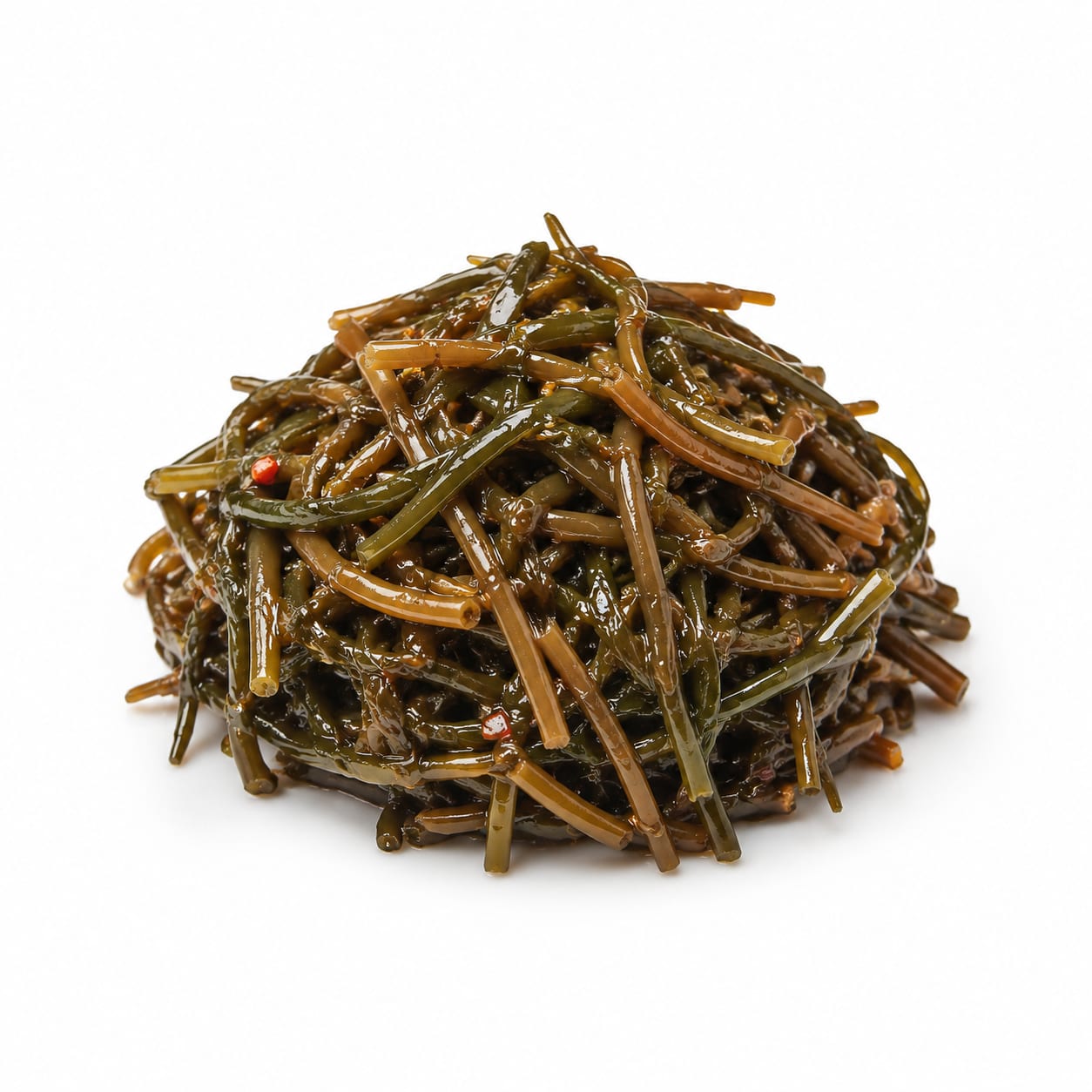
Houttuynia Cordata
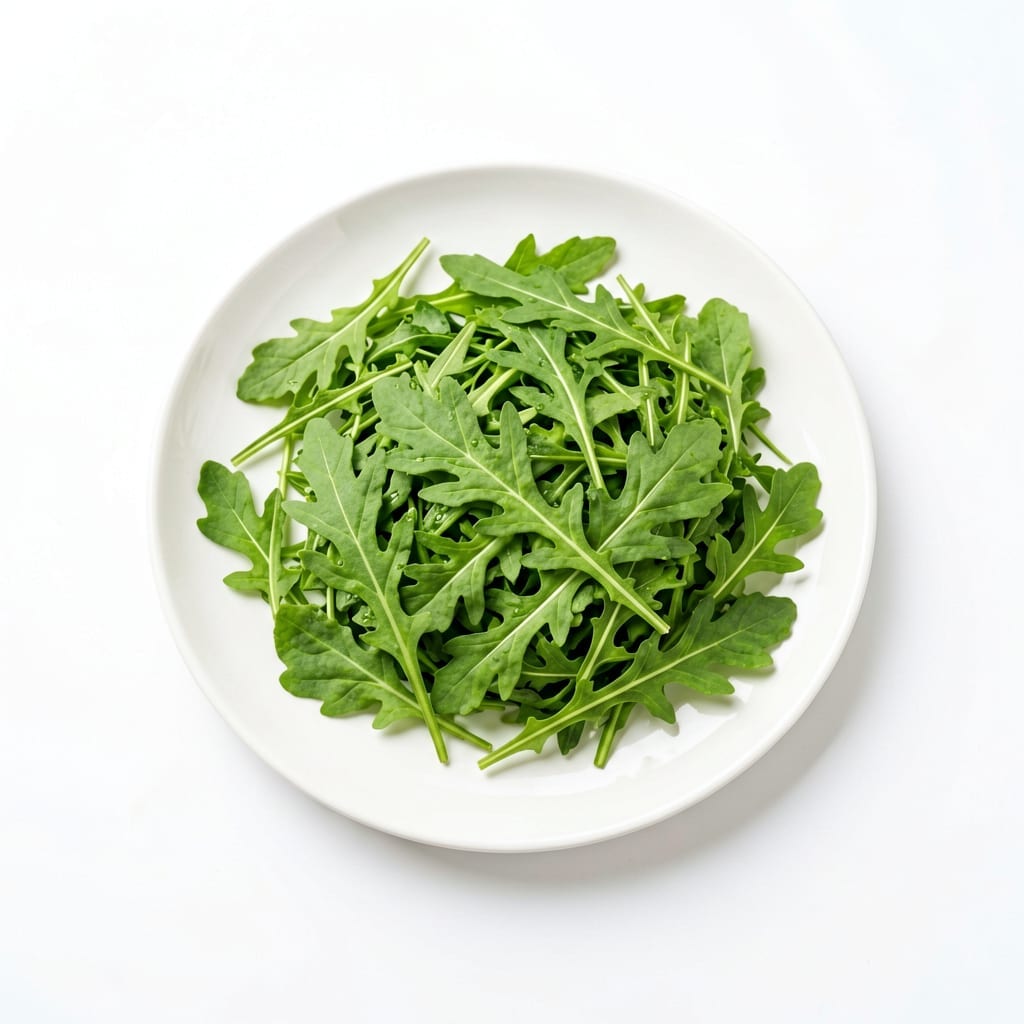
Arugula
Arugula is the safer, more practical daily green with proven nutritional density. Houttuynia Cordata offers unique medicinal properties but carries toxicity concerns with regular use.
Arugula scores significantly higher due to superior safety profile, nutritional density, and daily practicality. Houttuynia Cordata earns moderate scores for unique medicinal value but loses ground on safety and accessibility.
Medicinal potency versus everyday safety — Houttuynia Cordata has stronger antimicrobial and anti-inflammatory compounds, but arugula delivers reliable nutrition without liver risk.
At a glance
Executive summary
Overall
Arugula
Healthier
Arugula
More practical
Arugula
Daily use
Arugula
Key comparison lenses
medicinal herb vs culinary green
Houttuynia Cordata is primarily a medicinal herb with culinary uses, while arugula is a mainstream salad green
safety for regular consumption
Houttuynia Cordata contains pyrrolidine alkaloids raising liver concerns with frequent use, arugula is generally safe daily
antioxidant and anti inflammatory benefits
Both offer distinct bioactive compounds but through very different mechanisms and potencies
accessibility and practical everyday use
Arugula is available at any grocery store; Houttuynia Cordata requires specialty Asian markets or foraging
digestive tolerance and gut effects
Houttuynia Cordata can cause stomach upset in some people; arugula is usually well-tolerated
Best choice for
Houttuynia Cordata
- Short-term immune support during illness
- Traditional detox protocols under guidance
- Antimicrobial needs in herbal medicine
- Exploring Southeast Asian cuisine authentically
Arugula
- Daily salad greens with reliable nutrition
- Pregnancy-safe folate and vitamin K intake
- Blood pressure support through dietary nitrates
- Long-term anti-inflammatory eating patterns
Least suitable for
Houttuynia Cordata
- Pregnant women due to alkaloid content
- Daily unlimited consumption
- People with liver conditions
- Those unfamiliar with its strong fishy-mint flavor
Arugula
- Seeking potent antimicrobial herbal effects
- Traditional medicine applications
- People with oxalate sensitivity in large amounts
Deep comparison
Dimension by dimension
Each lens scores both foods and breaks down who each option suits.
- Dimension 1 · Priority 90Arugula
nutritional_density
Houttuynia Cordata · 45Arugula · 82Arugula delivers substantially more vitamins and minerals per serving than Houttuynia Cordata.
Tradeoff
Houttuynia Cordata offers rare bioactive compounds not found in common greens, but lacks the broad micronutrient profile of arugula.
Why it matters
Consistent vitamin intake from everyday greens supports long-term health more reliably than occasional medicinal herb consumption.
Real-world impact
A regular arugula habit meaningfully boosts your vitamin K, folate, and vitamin A intake. Houttuynia Cordata adds novelty but not daily nutritional insurance.
Houttuynia Cordata
- Unique flavonoids like quercetin and hyperoside
- Houttuynin compound with antimicrobial action
Better for
- Low in most essential vitamins compared to common greens
- Inconsistent nutrient content depending on growing conditions
Worse for
Arugula
- Vitamin K for bone and blood health
- Folate for cell repair and pregnancy
- Vitamin A for immune function
- Dietary nitrates for cardiovascular support
Better for
- Lacks the concentrated medicinal compounds of traditional herbs
Worse for
- Dimension 2 · Priority 95Arugula
safety_for_regular_consumption
Houttuynia Cordata · 40Arugula · 88Arugula has a well-established safety record for daily eating. Houttuynia Cordata contains pyrrolidine alkaloids that raise liver concerns with frequent use.
Tradeoff
Stronger medicinal action comes with stronger safety caveats — Houttuynia Cordata demands moderation that arugula does not.
Why it matters
Foods eaten daily must be safe long-term. Liver strain from alkaloids is cumulative and often silent until damage accumulates.
Real-world impact
You can eat arugula every day without worry. Houttuynia Cordata is best used periodically, like a medicine, not like a salad staple.
Houttuynia Cordata
- Short-term therapeutic use appears safe in traditional dosing
Better for
- Pyrrolidine alkaloids may stress the liver with chronic use
- Not recommended for pregnant women
- Limited modern toxicology data
- Potential allergic reactions more common
Worse for
Arugula
- No known hepatotoxic compounds
- Safe during pregnancy in normal amounts
- Extensive human consumption history without toxicity signals
- Regulated food supply with safety standards
Better for
- Moderate oxalate content may concern kidney stone formers
Worse for
- Dimension 3 · Priority 85Houttuynia Cordata
anti_inflammatory_and_immune_potential
Houttuynia Cordata · 80Arugula · 68Houttuynia Cordata has more potent documented anti-inflammatory and antimicrobial properties in research settings.
Tradeoff
Stronger effects come with stronger biological activity that can backfire with overuse. Arugula offers gentler, safer anti-inflammatory support.
Why it matters
Acute inflammation and infection may benefit from Houttuynia Cordata's potency. Chronic low-grade inflammation is better managed with safe daily greens like arugula.
Real-world impact
When fighting a cold, Houttuynia Cordata tea might help more. For keeping baseline inflammation low over months, arugula in your daily salad is the smarter play.
Houttuynia Cordata
- Houttuynin provides direct antimicrobial action
- Stronger inhibition of pro-inflammatory cytokines in studies
- Traditional use for respiratory infections
- Quercetin content supports immune modulation
Better for
- Potent compounds can irritate the gut lining
- Immune stimulation may worsen autoimmune conditions
Worse for
Arugula
- Glucosinolates convert to cancer-fighting isothiocyanates
- Vitamin K reduces inflammatory markers safely
- Chlorophyll supports detoxification gently
- Sustainable daily intake compounds benefits over time
Better for
- Effects are milder and slower to manifest
Worse for
- Dimension 4 · Priority 80Arugula
accessibility_and_culinary_practicality
Houttuynia Cordata · 25Arugula · 90Arugula is available at virtually any grocery store. Houttuynia Cordata requires specialty Asian markets, online ordering, or home growing.
Tradeoff
The most medicinally interesting herbs are often the hardest to find fresh and consistently.
Why it matters
A health food you cannot easily buy is one you will not eat regularly. Consistency matters more than potency for long-term outcomes.
Real-world impact
Arugula can be a spontaneous grocery pickup any day. Houttuynia Cordata requires planning, searching, and often settling for dried forms with reduced potency.
Houttuynia Cordata
- Easy to grow at home in moist conditions
- Dried forms are available online year-round
Better for
- Very limited fresh availability outside Asian markets
- Unfamiliar flavor profile limits culinary versatility
- Few recipes accessible to Western home cooks
Worse for
Arugula
- Available at every supermarket
- Consistent quality and freshness
- Multiple forms available — baby, wild, pre-washed
- Widely used in recipes and meal plans
Better for
- Becomes bitter and slimy quickly after purchase
Worse for
- Dimension 5 · Priority 65Arugula
flavor_and_eating_experience
Houttuynia Cordata · 35Arugula · 72Arugula's peppery bite is widely enjoyed and versatile. Houttuynia Cordata's fishy-mint flavor is polarizing and culturally specific.
Tradeoff
Acquired tastes can be rewarding but reduce how often you actually eat the food. Arugula's approachable flavor wins on consistency.
Why it matters
You only get benefits from foods you actually eat. Flavor is not superficial — it determines adherence.
Real-world impact
Most people enjoy arugula in salads, sandwiches, and pizzas. Many people find fresh Houttuynia Cordata challenging on first taste.
Houttuynia Cordata
- Unique flavor valued in Vietnamese and Chinese cuisine
- Adds authentic character to Southeast Asian dishes
- Interesting for adventurous eaters
Better for
- Fishy aroma is off-putting to many Western palates
- Limited pairing options outside Asian recipes
- Texture can be slimy when cooked
Worse for
Arugula
- Pleasant peppery flavor pairs with many cuisines
- Works raw or lightly cooked
- Appeals to a broad range of palates
Better for
- Can taste overly bitter when not fresh
- Wilts quickly and loses appeal
Worse for
Timeline
Health impact over time
Short-term
Hours to days
Houttuynia Cordata
- May reduce nasal congestion and respiratory discomfort
- Can cause mild stomach upset or nausea in sensitive individuals
- Possible allergic skin reactions in some people
- Antimicrobial effects may support acute infection recovery
Arugula
- Provides quick folate and vitamin K boost per serving
- Dietary nitrates may mildly lower blood pressure within hours
- Very gentle on the digestive system for most people
- Fiber supports comfortable digestion
Long-term
Months to years
Houttuynia Cordata
- Chronic daily use may stress the liver due to pyrrolidine alkaloids
- Periodic traditional use appears safe based on cultural history
- Potential immune system modulation with consistent but moderate intake
- Insufficient long-term safety data in Western populations
Arugula
- Consistent intake supports bone density through vitamin K
- Glucosinolates may reduce certain cancer risks with regular consumption
- Cardiovascular benefits accumulate through nitrate intake
- Low calorie density supports healthy weight maintenance long-term
Risk profile
Safety & processing
Both foods are typically consumed in their natural, minimally processed state. Houttuynia Cordata is sometimes sold dried or as extracts, which concentrates active compounds and potential risks. Fresh arugula is almost always sold as raw leaves with minimal intervention.
Houttuynia Cordata
Pyrrolidine alkaloid hepatotoxicity
mediumContains alkaloids that may cause liver damage with frequent, prolonged consumption. Traditional use is typically periodic, not daily.
Allergic reactions
lowSome individuals develop contact dermatitis or oral allergy symptoms. More common than with common salad greens.
Contamination in wild-harvested plants
mediumOften foraged from wet areas that may contain polluted water or heavy metals. Source quality matters significantly.
Drug interactions
lowMay interact with immunosuppressants or liver-processed medications due to its bioactive compounds.
Arugula
Oxalate content
lowModerate oxalates may contribute to kidney stones in susceptible individuals eating very large amounts daily.
Pesticide residue
lowLeafy greens can carry pesticide residue. Washing thoroughly or choosing organic reduces this concern.
Bacterial contamination
lowStandard leafy green risk — wash before eating. Pre-washed packaged arugula has slightly lower risk.
Who wins for whom
Audience fit
Same foods, different winners depending on your goal.
children
ArugulaArugula is safer and more palatable for children. Houttuynia Cordata's alkaloid content and strong flavor make it unsuitable for kids.
daily consumption
ArugulaArugula is safe, accessible, and nutritionally reliable for daily use. Houttuynia Cordata should be consumed periodically, not as a daily staple.
diabetes
ArugulaArugula's dietary nitrates improve vascular function, and its reliable low glycemic impact fits daily diabetic eating. Houttuynia Cordata lacks consistent data for blood sugar management.
elderly
ArugulaArugula's vitamin K supports bone density and its nitrates help blood pressure — both critical for older adults. Houttuynia Cordata's liver concerns are riskier with age.
muscle gain
ArugulaNeither is a protein source, but arugula's vitamin K supports bone health alongside training, and its mild flavor pairs well with protein-rich meals.
weight loss
ArugulaArugula is easy to eat in large volumes with minimal calories and high satisfaction. Houttuynia Cordata's strong flavor limits portion sizes and frequency.
Your move
Decision guide
Choose Houttuynia Cordata
- You are using it as a short-term herbal remedy for respiratory issues
- You have access to a trusted clean source and want to explore traditional Asian herbs
- You enjoy its unique flavor and eat it occasionally in cultural dishes
- You are working with a practitioner familiar with its traditional dosing
Choose Arugula
- You want a reliable daily green with proven nutritional benefits
- You are pregnant, have liver concerns, or eat greens multiple times per week
- You value convenience and grocery store accessibility
- You prefer approachable flavors that integrate easily into varied meals
Either works if
- You want anti-inflammatory foods and are rotating multiple greens
- You enjoy exploring different leafy plants and herbs in your diet
Avoid both if
- You have severe kidney issues requiring strict oxalate restriction
- You are on blood thinners and need consistent vitamin K intake — both contain vitamin K but in varying amounts
Final recommendation
Make arugula your everyday green. It delivers consistent nutrition, fits easily into meals, and carries no meaningful safety concerns at normal portions. Keep Houttuynia Cordata as an occasional medicinal herb — respect its potency, enjoy its cultural significance, but do not treat it like a salad staple. The best health food is one you can eat safely and consistently, and arugula wins that test decisively.
Practical
Consumer tips
- 1
If trying Houttuynia Cordata, start with small amounts to test your tolerance for both flavor and digestion
- 2
Source Houttuynia Cordata from reputable suppliers — wild-harvested plants from unknown water sources may carry contaminants
- 3
Arugula loses flavor and nutrients quickly — buy fresh, use within 3-4 days, and store in a breathable bag in the crisper
- 4
Dried Houttuynia Cordata is easier to find but less potent than fresh — use it for teas rather than expecting culinary freshness
- 5
If you grow Houttuynia Cordata at home, contain it carefully — it spreads aggressively and can become invasive
- 6
Pair arugula with olive oil and lemon to enhance absorption of its fat-soluble vitamins
- 7
Rotate arugula with other greens like spinach and kale to diversify your nutrient intake