
Nutrition comparison
Houttuynia Cordata vs Mint: Which Medicinal Herb Is Better for You?
Compare Houttuynia Cordata and Mint for anti-inflammatory power, digestive benefits, taste, safety, and daily use. Find out which herb fits your health goals.
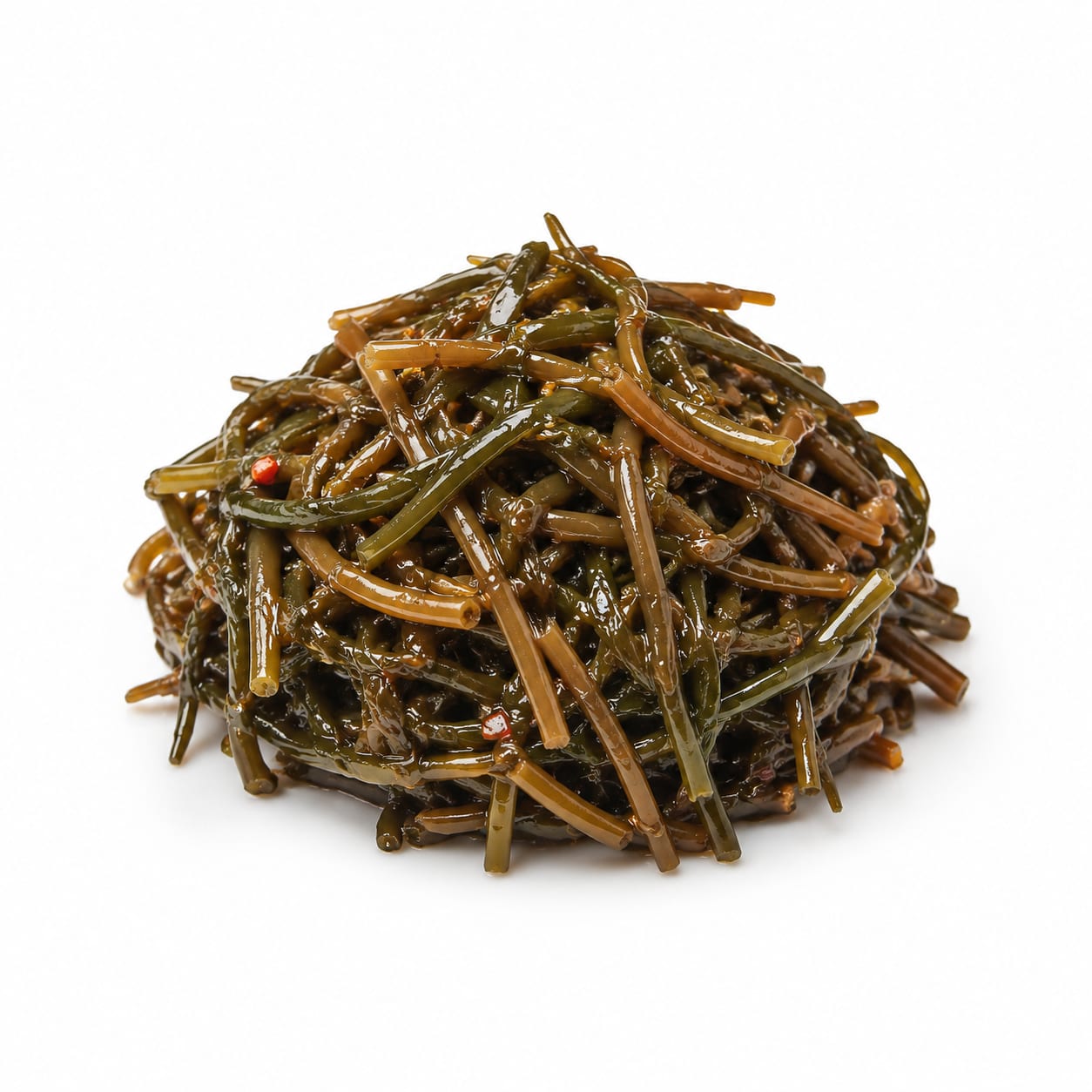
Houttuynia Cordata
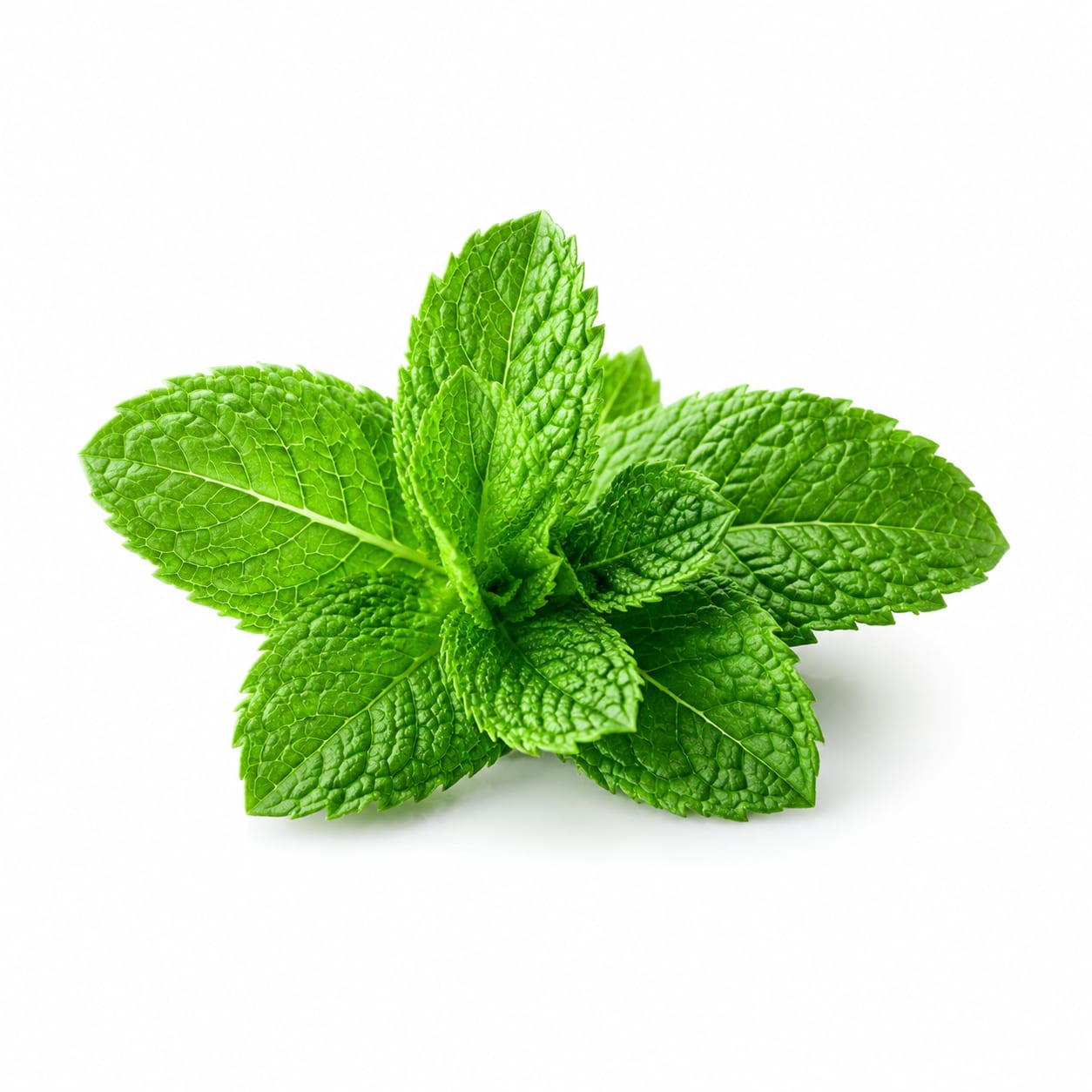
Mint
Mint wins for everyday culinary and digestive use; Houttuynia Cordata wins for targeted antimicrobial and anti-inflammatory therapy.
Mint scores higher overall due to superior safety data, universal taste acceptance, and daily usability. Houttuynia Cordata has stronger medicinal potential but loses ground on palatability, availability, and long-term safety certainty.
Houttuynia Cordata offers stronger medicinal potency but with a challenging flavor and less safety certainty, while Mint delivers reliable gentle benefits with universal palatability.
At a glance
Executive summary
Overall
It depends
Healthier
It depends
More practical
Mint
Daily use
Mint
Key comparison lenses
medicinal herb comparison
Both are primarily consumed as medicinal herbs rather than caloric foods, so therapeutic properties dominate the comparison
digestive and anti inflammatory benefits
Users comparing these herbs are likely seeking gut comfort or inflammation relief
taste and culinary accessibility
Houttuynia Cordata has a polarizing fishy flavor while Mint is universally palatable, making taste a major deciding factor
safety for regular consumption
Houttuynia Cordata has less safety data for long-term use while Mint is well-studied and widely consumed daily
Best choice for
Houttuynia Cordata
- Targeted immune support during illness
- Traditional anti-inflammatory protocols
- Respiratory infection recovery
- People seeking potent antimicrobial herbs
- Those accustomed to Southeast Asian flavors
Mint
- Daily digestive comfort
- Everyday culinary use
- Gentle stress relief and relaxation
- Household herb garden staple
- People sensitive to strong or unusual flavors
Least suitable for
Houttuynia Cordata
- Children unaccustomed to strong flavors
- Pregnant women due to limited safety data
- People seeking a mild pleasant-tasting herb
- Those with kidney concerns at high doses
- Casual culinary experimentation
Mint
- Targeted antimicrobial therapy
- Acute infection management
- People seeking strong medicinal action
- Traditional Chinese or Vietnamese medicine protocols
Deep comparison
Dimension by dimension
Each lens scores both foods and breaks down who each option suits.
- Dimension 1 · Priority 95Houttuynia Cordata
antimicrobial_and_immune_potency
Houttuynia Cordata · 88Mint · 52Houttuynia Cordata has demonstrated stronger antibacterial and antiviral activity in research, particularly against respiratory pathogens.
Tradeoff
That potency comes with a harsher flavor profile and less certainty about safe long-term dosing.
Why it matters
If you are actively fighting an infection, Houttuynia Cordata is the herb with more pharmacological muscle behind it.
Real-world impact
During cold and flu season, Houttuynia Cordata tea may help your body fight harder, but you will have to tolerate its fishy metallic taste.
Houttuynia Cordata
- Active respiratory infections
- Immune support during illness
- Targeted antimicrobial needs
Better for
- Long-term daily prophylactic use without medical guidance
Worse for
Mint
- Mild everyday immune maintenance
- Gentle preventative use
Better for
- Acute infection where strong antimicrobial action is needed
Worse for
- Dimension 2 · Priority 88Mint
digestive_comfort
Houttuynia Cordata · 60Mint · 89Mint is a proven digestive soother backed by centuries of use and modern research, while Houttuynia Cordata offers milder and less predictable gut benefits.
Tradeoff
Mint relaxes digestive muscles reliably; Houttuynia Cordata may help gut inflammation but through less established pathways.
Why it matters
For bloating, indigestion, or after-meal discomfort, Mint is the herb most people will actually feel working.
Real-world impact
A cup of peppermint tea after a heavy meal reliably eases that stuffed feeling. Houttuynia Cordata tea might help inflammation but will not give you that immediate soothing sensation.
Houttuynia Cordata
- Gut inflammation specifically
- Traditional detox protocols
Better for
- Quick-acting digestive relief
Worse for
Mint
- After-meal bloating
- Irritable bowel symptom relief
- General digestive comfort
- Nausea relief
Better for
- Targeted anti-inflammatory gut therapy
Worse for
- Dimension 3 · Priority 85Houttuynia Cordata
anti_inflammatory_power
Houttuynia Cordata · 82Mint · 68Houttuynia Cordata contains unique flavonoids like quercitrin that show stronger anti-inflammatory activity in lab studies compared to Mint's rosmarinic acid.
Tradeoff
Houttuynia Cordata's anti-inflammatory compounds are more potent but less pleasant to consume regularly at effective doses.
Why it matters
Chronic inflammation drives most modern disease, so the herb with stronger anti-inflammatory action has long-term health implications.
Real-world impact
If you are managing chronic inflammation, Houttuynia Cordata may reduce inflammatory markers more effectively, but you need to be committed to brewing and drinking something that tastes like wet soil with a fishy edge.
Houttuynia Cordata
- Chronic inflammatory conditions
- Joint inflammation support
- Post-illness recovery
Better for
- Maintaining a pleasant daily ritual
Worse for
Mint
- Mild everyday inflammation
- Palatable long-term anti-inflammatory habit
Better for
- Strong pharmacological anti-inflammatory needs
Worse for
- Dimension 4 · Priority 82Mint
taste_and_culinary_versatility
Houttuynia Cordata · 28Mint · 92Mint is one of the most versatile and universally liked herbs globally. Houttuynia Cordata has a polarizing fishy metallic taste that limits its use.
Tradeoff
You will actually want to consume Mint daily, while Houttuynia Cordata requires dedication or cultural familiarity.
Why it matters
The best herb for your health is the one you will actually consume consistently. Taste drives compliance more than potency.
Real-world impact
Mint goes in water, tea, salads, desserts, and cocktails effortlessly. Houttuynia Cordata works in specific Southeast Asian dishes and medicinal teas but will ruin your mojito.
Houttuynia Cordata
- Authentic Southeast Asian recipes
- Traditional herbal preparations
Better for
- Any dish requiring a fresh pleasant flavor
- Serving to guests unfamiliar with it
Worse for
Mint
- Beverages and teas
- Desserts and salads
- Everyday cooking
- Getting family members to actually consume it
Better for
- Traditional Vietnamese or Sichuan recipes calling for fish mint
Worse for
- Dimension 5 · Priority 78Mint
safety_and_long_term_use
Houttuynia Cordata · 55Mint · 85Mint has extensive safety data supporting daily consumption. Houttuynia Cordata has less human safety research and some concerns at high doses.
Tradeoff
Houttuynia Cordata's medicinal strength also means a narrower safety margin and more reason to cycle its use rather than consume it indefinitely.
Why it matters
Daily herbs need a strong safety profile. Uncertainty about long-term effects matters when something becomes a habit.
Real-world impact
You can drink Mint tea every day for decades without worry. Houttuynia Cordata is better used in focused periods, like during illness, rather than as a lifelong daily staple.
Houttuynia Cordata
- Short-term therapeutic courses
- Cycled use with breaks
Better for
- Continuous uninterrupted daily use
- Pregnancy and breastfeeding
- Use in children without guidance
Worse for
Mint
- Unlimited daily consumption
- Pregnancy-safe herbal tea
- Children's herbal remedies
- Lifelong daily habit
Better for
- Dimension 6 · Priority 70Mint
availability_and_cost
Houttuynia Cordata · 35Mint · 90Mint is available in every grocery store worldwide. Houttuynia Cordata requires Asian markets, specialty suppliers, or home growing.
Tradeoff
Accessibility determines whether a beneficial herb actually becomes part of your life or remains a nice idea you never follow through on.
Why it matters
The most powerful herb does nothing if you cannot find it. Practical access beats theoretical potency.
Real-world impact
You can grab Mint at any supermarket on any day. Finding fresh Houttuynia Cordata means visiting an Asian grocery or growing it yourself, which limits spontaneous use.
Houttuynia Cordata
- People with Asian markets nearby
- Home gardeners in warm climates
Better for
- Rural areas without Asian markets
- People who want convenience
Worse for
Mint
- Universal availability
- Easy grocery access
- Dried herb availability year-round
Better for
Timeline
Health impact over time
Short-term
Hours to days
Houttuynia Cordata
- May reduce acute inflammation markers
- Can provide noticeable antimicrobial support during early illness
- Fishy metallic taste may cause mild nausea in sensitive individuals
- Potential mild diuretic effect
Mint
- Rapid digestive soothing after meals
- Quick relief from mild nausea or motion sickness
- Mild alertness boost from menthol aroma
- Gentle airway opening effect
Long-term
Months to years
Houttuynia Cordata
- Potential anti-inflammatory benefits with regular cycled use
- Possible immune system modulation over time
- Kidney considerations with excessive prolonged consumption
- Long-term safety profile less documented than common herbs
Mint
- Consistent digestive support with daily use
- Sustained anti-inflammatory contribution from rosmarinic acid
- Possible reduction in IBS symptoms with regular consumption
- Very well-established long-term safety at culinary doses
Risk profile
Safety & processing
Both herbs are typically consumed in their natural state, fresh or dried, with minimal processing. Neither raises concerns about artificial additives when sourced as whole herbs.
Houttuynia Cordata
Limited long-term safety data
mediumWhile used traditionally for centuries, rigorous long-term human safety studies are sparse compared to common culinary herbs.
Potential kidney irritation at high doses
mediumSome traditional medicine sources caution against excessive consumption, particularly for those with pre-existing kidney conditions.
Pregnancy uncertainty
mediumInsufficient data to confidently recommend during pregnancy. Traditional use does not substitute for modern safety verification.
Contamination from wild harvesting
lowIf foraged from polluted waterways, Houttuynia Cordata can accumulate heavy metals since it grows in wet soil near water.
Mint
Gastroesophageal reflux aggravation
lowMint can relax the lower esophageal sphincter, potentially worsening heartburn in susceptible individuals.
Allergic reactions in sensitive individuals
lowRare but possible mint allergy, particularly in those allergic to other Lamiaceae family plants.
Drug interactions with high-dose extracts
lowConcentrated mint extracts may interact with acid reflux medications and certain blood pressure drugs, though culinary amounts are safe.
Who wins for whom
Audience fit
Same foods, different winners depending on your goal.
children
MintMint is mild, pleasant, and well-studied for children. Houttuynia Cordata's strong flavor and limited pediatric safety data make it inappropriate for kids without professional guidance.
daily consumption
MintMint's pleasant taste, universal availability, and strong safety profile make it ideal for daily use. Houttuynia Cordata is better cycled for specific periods.
diabetes
Houttuynia CordataHouttuynia Cordata shows some evidence of blood sugar modulation and stronger anti-inflammatory effects relevant to diabetic complications, though neither is a diabetes treatment.
elderly
MintMint supports digestion and gentle anti-inflammatory action with excellent safety data. Houttuynia Cordata's kidney considerations and drug interaction uncertainty are more relevant for older adults.
muscle gain
It dependsNeither herb directly supports muscle gain. Mint may help with post-workout digestion; Houttuynia Cordata may help with exercise-induced inflammation.
weight loss
MintMint's zero-calorie flavor enhancement makes water and healthy foods more appealing, supporting adherence. Houttuynia Cordata's unpleasant taste adds no culinary advantage.
Your move
Decision guide
Choose Houttuynia Cordata
- You are actively fighting a respiratory infection and want stronger antimicrobial support
- You manage chronic inflammation and want a more potent anti-inflammatory herb
- You enjoy or are accustomed to Southeast Asian flavors
- You can source it easily from Asian markets or your garden
- You are working with a practitioner familiar with traditional Chinese or Vietnamese medicine
Choose Mint
- You want a daily digestive soother you will actually look forward to drinking
- You need a versatile culinary herb for cooking, beverages, and garnishes
- You are pregnant, breastfeeding, or serving herbs to children
- You want something available at any grocery store anytime
- You value pleasant taste as a driver of consistent healthy habits
Either works if
- You want gentle anti-inflammatory support from natural herbs
- You are building a medicinal herb garden
- You prefer whole-plant remedies over supplements
Avoid both if
- You have a known allergy to either plant family
- You are seeking a replacement for prescribed medical treatment
- You expect dramatic therapeutic effects from a single herb
Final recommendation
Keep Mint as your daily herbal ally for digestion, flavor, and gentle anti-inflammatory support. Add Houttuynia Cordata as a targeted therapeutic tool during illness or inflammation flare-ups, especially if you can source it fresh and tolerate its bold flavor. Think of Mint as your reliable daily multivitamin and Houttuynia Cordata as your targeted medicine cabinet.
Practical
Consumer tips
- 1
If trying Houttuynia Cordata for the first time, start with a small amount in soup rather than alone to mask its fishy flavor
- 2
Grow Mint in a container unless you want it taking over your entire garden, as it spreads aggressively
- 3
Houttuynia Cordata thrives in wet shady conditions and can be grown in pots if you have access to a starter plant
- 4
For maximum anti-inflammatory benefit from Houttuynia Cordata, use it in focused 2-4 week cycles rather than continuously
- 5
Fresh Mint leaves muddled in water can help you drink more water throughout the day without any calories
- 6
Dried Houttuynia Cordata is more commonly available than fresh outside Asia and works well for medicinal teas
- 7
If you have GERD or acid reflux, avoid Mint in the evening as it may worsen nighttime symptoms