
Nutrition comparison
Houttuynia Cordata vs Perilla: Which Healing Herb Is Better for You?
Compare Houttuynia Cordata and Perilla for anti-inflammatory benefits, omega-3 content, safety, and culinary use. Discover which Asian medicinal herb fits your health goals better.
Overall winner · Perilla
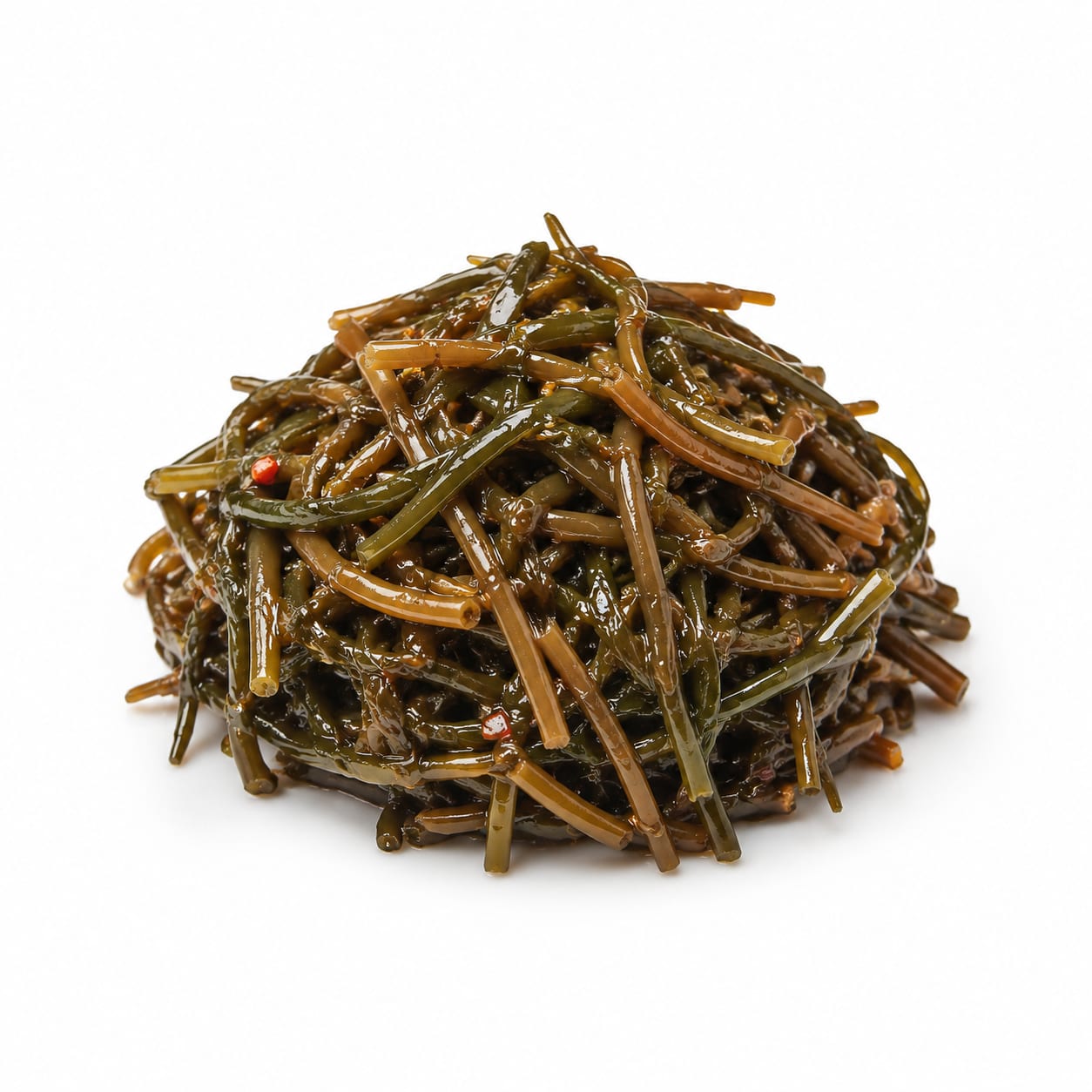
Houttuynia Cordata
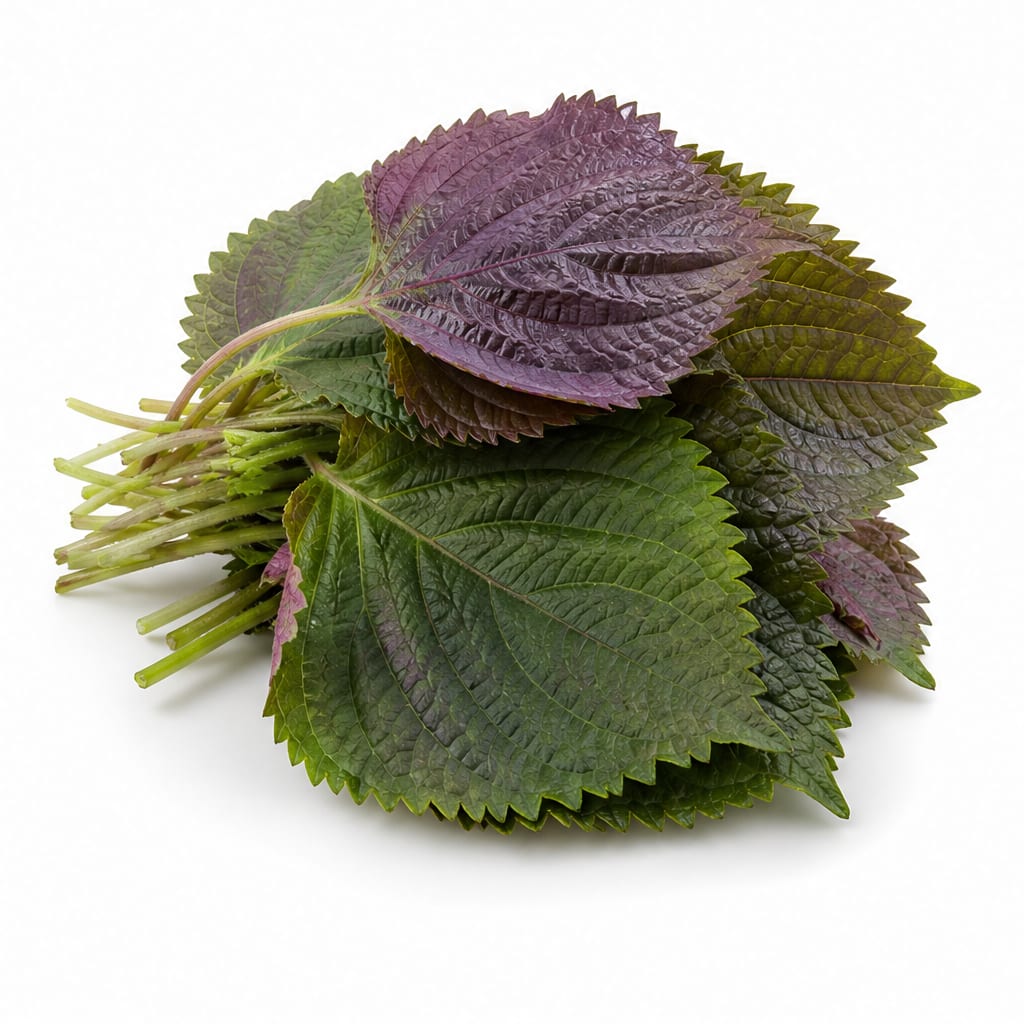
Perilla
Perilla wins for daily use with better nutrition, safer profile, and wider culinary appeal, though Houttuynia Cordata excels for targeted antiviral and detox support.
Perilla scores higher due to superior nutritional density, omega-3 content, better safety profile, and culinary versatility. Houttuynia Cordata remains valuable for specific therapeutic applications but carries more usage caveats.
Perilla offers broader everyday benefits and easier integration into meals, while Houttuynia Cordata provides more potent targeted antimicrobial action at the cost of polarizing flavor and higher caution needs.
At a glance
Executive summary
Overall
Perilla
Healthier
Perilla
More practical
Perilla
Daily use
Perilla
Key comparison lenses
Anti-inflammatory and immune support comparison
Both herbs are prized in traditional Asian medicine for inflammation and immunity, making this the primary decision driver
Omega-3 and nutritional density
Perilla is notably rich in alpha-linolenic acid while Houttuynia Cordata offers different phytochemicals, creating a meaningful nutritional tradeoff
Culinary versatility and flavor accessibility
Houttuynia Cordata's polarizing fishy flavor limits everyday use compared to Perilla's more approachable aromatic profile
Safety and allergenic potential
Houttuynia Cordata carries higher risk of adverse reactions and contamination concerns, which matters for regular consumption
Traditional medicine application specificity
Each herb targets different health conditions, so users often choose based on specific therapeutic goals
Best choice for
Houttuynia Cordata
- Targeted antiviral or antibacterial support
- Traditional detoxification protocols
- Acute respiratory infection recovery
- Topical skin condition support
- Those accustomed to its flavor in regional cuisine
Perilla
- Daily anti-inflammatory support
- Omega-3 supplementation for vegetarians
- Allergy and asthma symptom management
- Culinary herb for everyday cooking
- Gentle long-term immune maintenance
Least suitable for
Houttuynia Cordata
- People sensitive to strong flavors or fishy tastes
- Pregnant women due to limited safety data
- Those on anticoagulant medications
- Individuals with known plant allergies in Saururaceae family
Perilla
- People with mint family allergies
- Those seeking potent antiviral action specifically
- Individuals on blood thinners who need strict vitamin K management
Deep comparison
Dimension by dimension
Each lens scores both foods and breaks down who each option suits.
- Dimension 1 · Priority 95Perilla
Anti-inflammatory Power
Houttuynia Cordata · 72Perilla · 85Both herbs fight inflammation effectively, but Perilla's rosmarinic acid and luteolin have stronger clinical backing for chronic inflammatory conditions.
Tradeoff
Houttuynia Cordata works faster for acute infection-related inflammation, while Perilla is better suited for ongoing low-grade inflammation management.
Why it matters
Chronic inflammation drives most modern diseases, so the herb you can sustain long-term matters more than short-term potency.
Real-world impact
Perilla users report steadier improvement in joint comfort and allergy symptoms over weeks, while Houttuynia Cordata feels more like targeted intervention during illness.
Houttuynia Cordata
- Acute infection-driven inflammation
- Short-term antimicrobial support
Better for
- Sustained daily use due to taste fatigue
- Conditions requiring gentle long-term modulation
Worse for
Perilla
- Chronic inflammatory conditions
- Seasonal allergy management
- Long-term daily anti-inflammatory support
Better for
- Situations demanding rapid antimicrobial action
Worse for
- Dimension 2 · Priority 88Perilla
Omega-3 and Nutritional Density
Houttuynia Cordata · 45Perilla · 90Perilla leaves and especially seeds are among the richest plant sources of alpha-linolenic acid, while Houttuynia Cordata offers minimal omega-3 content.
Tradeoff
Perilla delivers measurable omega-3 intake that supports heart and brain health, whereas Houttuynia Cordata's nutritional value lies primarily in its unique flavonoids rather than macronutrients.
Why it matters
Most diets are deficient in omega-3s, making Perilla a genuinely useful dietary source rather than just a medicinal herb.
Real-world impact
Regular Perilla consumption can meaningfully shift your omega-6 to omega-3 ratio, while Houttuynia Cordata contributes almost nothing on this front.
Houttuynia Cordata
- Unique phytochemical intake not found elsewhere
Better for
- Meaningful macronutrient or essential fatty acid contribution
Worse for
Perilla
- Plant-based omega-3 intake
- Vitamin A and K supplementation through food
- Mineral contribution including calcium and iron
Better for
- Situations where quercetin-specific benefits are needed
Worse for
- Dimension 3 · Priority 85Houttuynia Cordata
Antimicrobial and Antiviral Specificity
Houttuynia Cordata · 88Perilla · 62Houttuynia Cordata has demonstrated stronger direct antimicrobial and antiviral properties in research, making it the go-to for acute infection support.
Tradeoff
Houttuynia Cordata acts more like a natural antibiotic, while Perilla works more like an immune modulator that reduces overactive responses.
Why it matters
When you are actively fighting an infection, direct antimicrobial action can provide faster relief than immune modulation alone.
Real-world impact
Houttuynia Cordata tea during a cold may shorten duration more noticeably, while Perilla is better at preventing the allergic cascade that triggers symptoms.
Houttuynia Cordata
- Active viral or bacterial infections
- Post-illness recovery support
- Topical antimicrobial applications
Better for
- Long-term preventive use due to taste and tolerance issues
Worse for
Perilla
- Preventing allergy-triggered immune overactivation
- Supporting immune balance rather than direct killing
Better for
- Acute infection situations requiring direct pathogen fighting
Worse for
- Dimension 4 · Priority 82Perilla
Culinary Versatility and Enjoyment
Houttuynia Cordata · 38Perilla · 82Perilla's pleasant aromatic flavor integrates easily into many dishes, while Houttuynia Cordata's fishy taste limits it to specific regional cuisines and adventurous eaters.
Tradeoff
You will actually want to eat Perilla regularly, which matters more for health outcomes than any theoretical benefit of a herb you avoid.
Why it matters
The healthiest herb is the one you consume consistently. Flavor aversion undermines compliance and negates benefits.
Real-world impact
Perilla works as a wrap, garnish, salad leaf, and seasoning. Houttuynia Cordata is typically tolerated only in small amounts as a condiment or tea.
Houttuynia Cordata
- Authentic Southeast Asian dishes where its flavor is traditional
- Adventurous eaters seeking unique flavors
Better for
- Broad meal integration
- Consumption in quantities large enough for nutritional impact
Worse for
Perilla
- Everyday cooking across multiple cuisines
- Raw consumption as wraps or salad greens
- Children and picky eaters
Better for
- Dishes specifically requiring the unique fishy herb profile
Worse for
- Dimension 5 · Priority 78Perilla
Safety and Tolerability
Houttuynia Cordata · 55Perilla · 80Perilla has a well-established safety profile for regular consumption, while Houttuynia Cordata carries more concerns including potential contamination and adverse reactions.
Tradeoff
Houttuynia Cordata's potency comes with higher risk of side effects and drug interactions, requiring more caution and professional guidance.
Why it matters
For daily or frequent use, safety margins matter as much as efficacy. An herb that causes problems undermines your health goals.
Real-world impact
Perilla can be consumed liberally with minimal concern. Houttuynia Cordata requires more attention to sourcing, dosage, and personal tolerance.
Houttuynia Cordata
- Short-term therapeutic use under guidance
- Situations where stronger action justifies higher risk
Better for
- Pregnant or breastfeeding women
- People on blood thinners
- Those with sensitive digestion
Worse for
Perilla
- Unsupervised daily consumption
- Long-term maintenance protocols
- Elderly and sensitive populations
Better for
- Individuals strictly managing vitamin K intake
Worse for
- Dimension 6 · Priority 72It depends
Antioxidant Profile Diversity
Houttuynia Cordata · 75Perilla · 78Both offer rich but different antioxidant profiles. Houttuynia Cordata provides quercetin and sodium houttuyfonate, while Perilla delivers rosmarinic acid, luteolin, and perillaldehyde.
Tradeoff
Neither is clearly superior. The best choice depends on which antioxidant pathways you want to support most.
Why it matters
Diverse antioxidant intake from multiple sources is ideal, so both herbs complement each other rather than compete.
Real-world impact
Rotating between both herbs gives broader antioxidant coverage than choosing only one.
Houttuynia Cordata
- Quercetin-specific benefits including capillary health
- Unique compounds like houttuyfonate with limited dietary alternatives
Better for
- Situations requiring broad-spectrum antioxidant variety
Worse for
Perilla
- Rosmarinic acid for allergy and neuroprotection
- Perillaldehyde for digestive comfort
Better for
- When quercetin-specific mechanisms are the priority
Worse for
Timeline
Health impact over time
Short-term
Hours to days
Houttuynia Cordata
- Noticeable antimicrobial action during active infections
- Potential digestive upset in sensitive individuals
- Strong taste may cause immediate aversion
- Possible mild diuretic effect
Perilla
- Quick relief from allergic symptoms like sneezing and itching
- Gentle digestive soothing after meals
- Pleasant aromatic experience that supports mindful eating
- Minimal risk of adverse reactions at normal doses
Long-term
Months to years
Houttuynia Cordata
- Sustained antiviral support with regular consumption
- Possible accumulation concerns with very high doses
- Traditional use suggests benefits for chronic skin conditions
- Limited long-term safety data compared to more common herbs
Perilla
- Improved omega-3 status supporting cardiovascular health
- Reduced chronic inflammation markers over months
- Better allergy resilience through consistent immune modulation
- Potential contribution to cognitive health via omega-3 intake
Risk profile
Safety & processing
Both herbs are typically consumed in their natural state as fresh leaves, dried herbs, or teas, making them equally clean choices. The main concern is agricultural sourcing rather than processing.
Houttuynia Cordata
Heavy metal contamination in wild-harvested plants
mediumHouttuynia Cordata grows in wet soils that may concentrate heavy metals. Sourcing from clean farms or trusted suppliers is important.
Potential drug interactions with anticoagulants
mediumMay enhance bleeding risk when combined with blood thinners due to compounds affecting platelet function.
Allergic reactions in sensitive individuals
lowSome people experience contact dermatitis or oral allergy syndrome with Houttuynia Cordata.
Contamination with aristolochic acid in some preparations
highCertain traditional preparations have been found contaminated with aristolochic acid, a known nephrotoxin and carcinogen. Only use verified sources.
Perilla
Vitamin K interference with blood thinners
mediumPerilla contains significant vitamin K which can reduce effectiveness of anticoagulant medications like warfarin.
Mint family cross-reactivity allergies
lowIndividuals allergic to other Lamiaceae plants may react to Perilla, though this is uncommon.
Perilla ketone toxicity in large amounts of seed oil
lowVery high doses of concentrated perilla seed oil may pose pulmonary risks, but normal culinary consumption is safe.
Who wins for whom
Audience fit
Same foods, different winners depending on your goal.
children
PerillaPerilla's milder flavor and stronger safety profile make it more appropriate for children, especially as a food rather than concentrated supplement.
daily consumption
PerillaPerilla's enjoyable taste, broad safety margin, and cumulative nutritional benefits make it sustainable for daily use. Houttuynia Cordata is better reserved for periodic therapeutic use.
diabetes
PerillaPerilla's anti-inflammatory and omega-3 content supports insulin sensitivity, while both herbs are essentially zero-calorie and blood sugar neutral.
elderly
PerillaPerilla's cardiovascular and cognitive support through omega-3s, combined with better tolerability, makes it more suitable for older adults.
muscle gain
It dependsNeither herb directly supports muscle gain meaningfully. Perilla's omega-3 content offers marginal anti-inflammatory recovery benefit.
weight loss
PerillaPerilla's pleasant flavor encourages consistent use as a low-calorie flavor enhancer, while its omega-3 content supports metabolic health.
Your move
Decision guide
Choose Houttuynia Cordata
- You are actively fighting a respiratory or viral infection
- You need targeted antimicrobial support for a defined period
- You enjoy or are accustomed to its unique flavor in traditional dishes
- You are working with a practitioner on a specific detox protocol
- You want quercetin-rich herbs for capillary and vascular support
Choose Perilla
- You want a daily anti-inflammatory herb you will actually enjoy consuming
- You are vegetarian or vegan seeking plant-based omega-3 sources
- You struggle with seasonal allergies or mild asthma symptoms
- You prefer gentle long-term health maintenance over acute intervention
- You want a versatile culinary herb that makes healthy eating more pleasant
Either works if
- You are building a diverse herbal tea rotation for broad antioxidant coverage
- You want to support respiratory health from different mechanistic angles
- You enjoy exploring traditional Asian medicinal herbs
Avoid both if
- You are on anticoagulant medications without medical supervision
- You are pregnant and have not consulted your healthcare provider about herbal use
- You have known allergies to plants in either the Saururaceae or Lamiaceae families
Final recommendation
For most people seeking a health-supportive herb for regular use, Perilla is the clearer choice. It delivers omega-3s, fights inflammation gently, and actually tastes good enough to eat daily. Reserve Houttuynia Cordata for when you need its stronger antimicrobial punch during illness, or when working with a knowledgeable practitioner on targeted protocols. Ideally, keep both in your herbal toolkit and use each for its strengths.
Practical
Consumer tips
- 1
Source Houttuynia Cordata only from reputable suppliers to avoid aristolochic acid contamination, which is a serious safety concern in some wild-harvested products
- 2
Perilla seeds contain even more omega-3s than the leaves, so consider perilla seed oil if your goal is essential fatty acid intake
- 3
If you find Houttuynia Cordata too strong, try it in small amounts as a tea rather than eating the leaves directly
- 4
Fresh Perilla leaves make excellent lettuce-style wraps for grilled meats, adding both flavor and digestive support
- 5
Both herbs lose potency when dried, so use fresh leaves when possible for maximum therapeutic benefit
- 6
Start with small amounts of either herb if you have not consumed them before, and watch for any allergic reactions over the first few days