
Nutrition comparison
Houttuynia Cordata vs Basil: Medicinal Potency vs Everyday Versatility
Compare Houttuynia Cordata and Basil across medicinal strength, culinary versatility, safety, and daily usability. Find out which herb fits your health goals and cooking style.
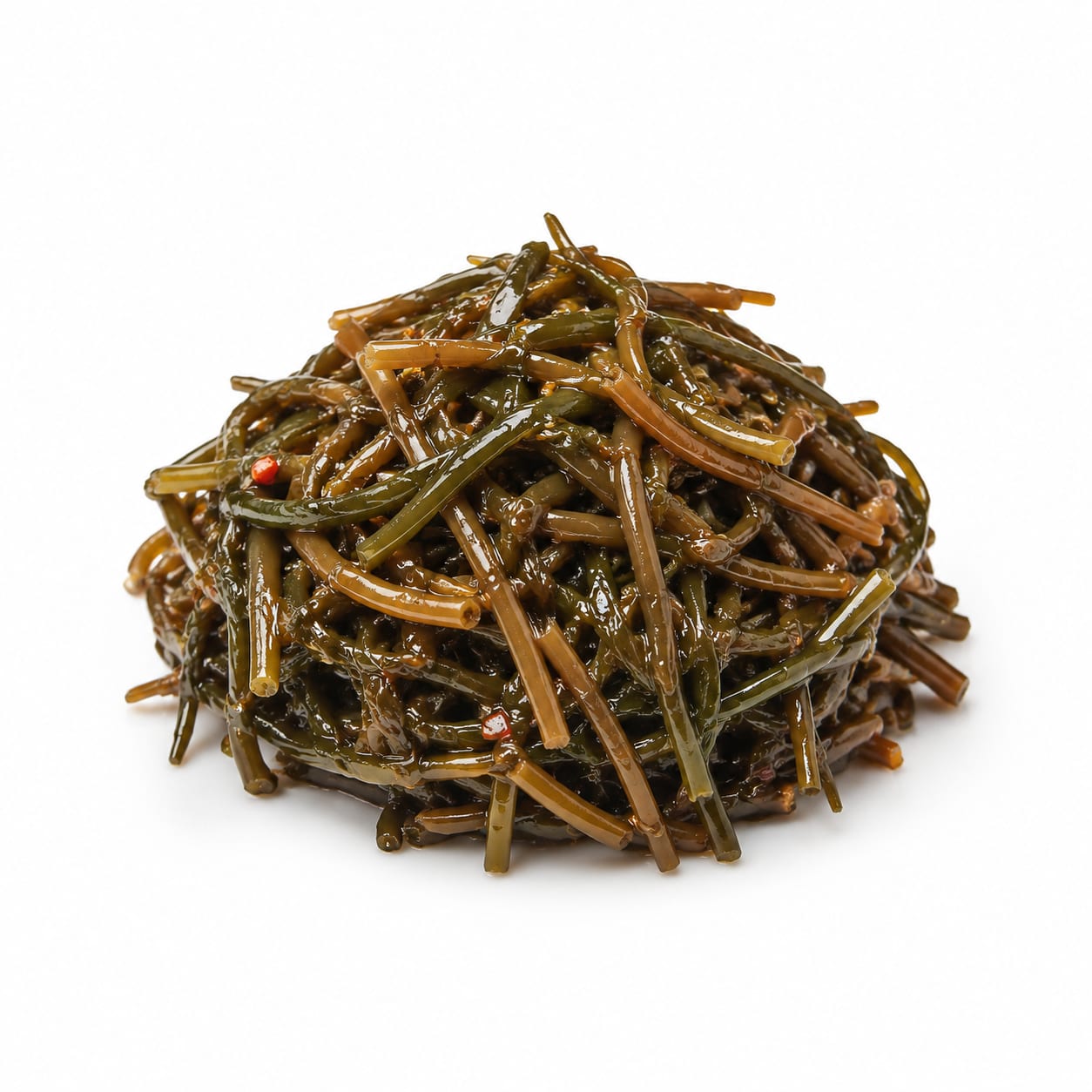
Houttuynia Cordata
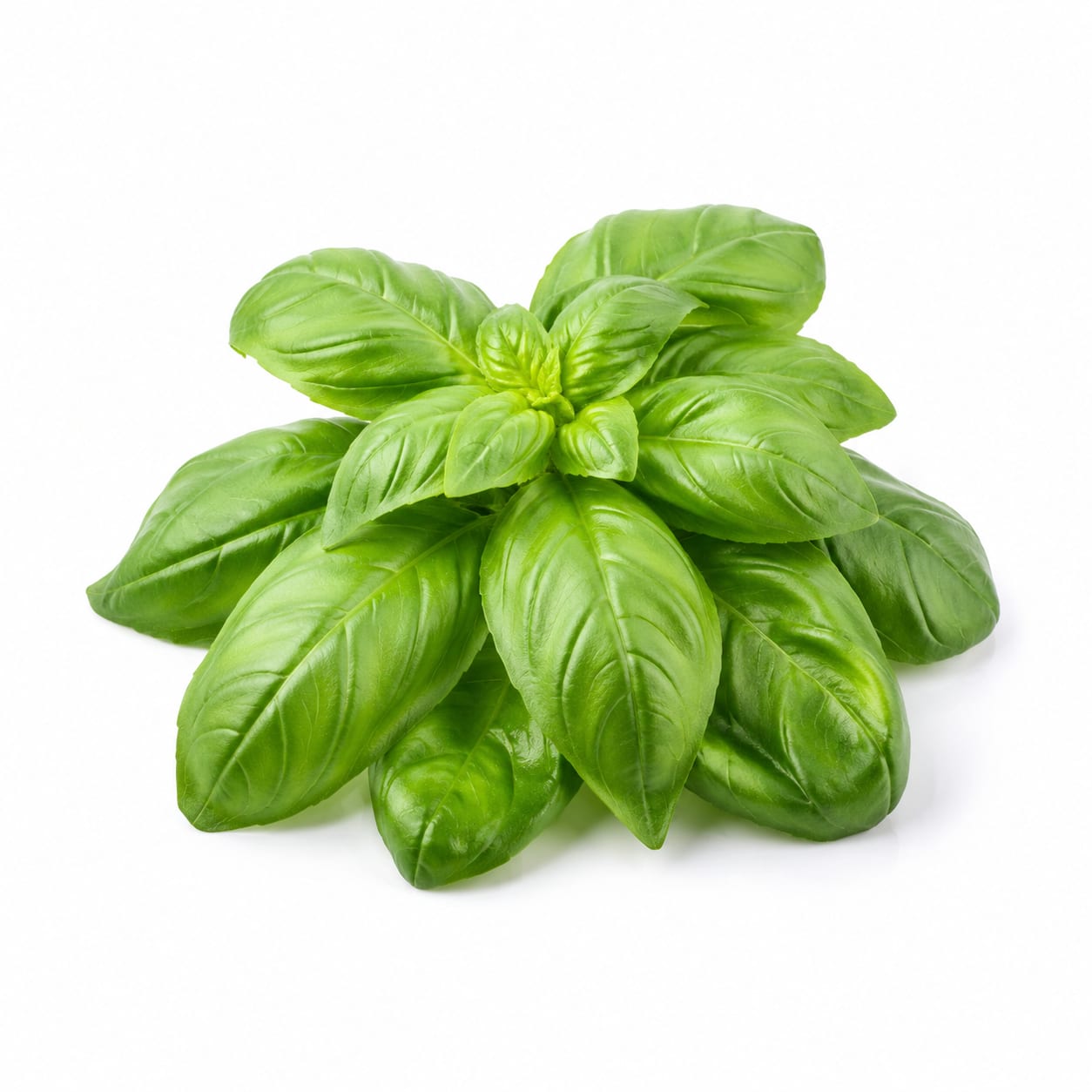
Basil
Basil wins for everyday eating and culinary versatility; Houttuynia Cordata wins for targeted medicinal and antimicrobial benefits.
Basil scores higher overall due to broader culinary utility, easier daily use, and stronger safety profile. Houttuynia Cordata earns significant marks for medicinal potency but loses ground on accessibility, flavor tolerance, and regular-consumption safety.
You gain potent therapeutic compounds with Houttuynia Cordata but sacrifice flavor accessibility and daily-use safety that Basil provides effortlessly.
At a glance
Executive summary
Overall
It depends
Healthier
It depends
More practical
Basil
Daily use
Basil
Key comparison lenses
medicinal vs culinary herb comparison
Houttuynia Cordata is primarily valued in traditional medicine while Basil is a culinary staple, making this the core tension
everyday accessibility and versatility
Basil is globally available and easy to incorporate; Houttuynia Cordata is niche and harder to find fresh
safety for regular consumption
Houttuynia Cordata has stronger bioactive compounds that may cause adverse effects with daily use, while Basil is gentler
antimicrobial and detoxification potential
Houttuynia Cordata is renowned in East Asian medicine for fighting infections and clearing toxins
flavor compatibility in meals
Houttuynia Cordata's polarizing fishy-mint flavor limits broad culinary appeal compared to Basil's sweet aromatic profile
Best choice for
Houttuynia Cordata
- People seeking natural antimicrobial support
- Traditional medicine users addressing inflammation or infection
- Adventurous eaters who enjoy bold fishy-mint flavors
- Those following East Asian herbal wellness protocols
Basil
- Everyday home cooks wanting a versatile herb
- People wanting gentle daily antioxidant intake
- Anyone meal-prepping Mediterranean or Thai dishes
- Families needing a kid-friendly flavor enhancer
Least suitable for
Houttuynia Cordata
- Pickny eaters or those sensitive to strong fishy flavors
- Pregnant women without medical guidance due to bioactive potency
- People on blood-thinning or immunomodulating medications
- Anyone wanting a neutral-tasting salad herb
Basil
- People specifically targeting antimicrobial or detox outcomes
- Those wanting a concentrated therapeutic herbal remedy
- Cuisines where Basil's sweet profile clashes with traditional flavors
Deep comparison
Dimension by dimension
Each lens scores both foods and breaks down who each option suits.
- Dimension 1 · Priority 95Houttuynia Cordata
medicinal_and_therapeutic_potency
Houttuynia Cordata · 88Basil · 52Houttuynia Cordata is a serious medicinal herb with documented antimicrobial, anti-inflammatory, and detoxifying properties used for centuries in East Asian medicine.
Tradeoff
That potency comes with higher risk of side effects and drug interactions that Basil simply does not carry.
Why it matters
If you are specifically looking for a herb to support recovery from infection or reduce inflammation, Houttuynia Cordata delivers measurably more active compounds.
Real-world impact
Someone fighting a mild infection or seeking herbal detox support may notice tangible effects from Houttuynia Cordata within days, while Basil would barely register therapeutically.
Houttuynia Cordata
- Targeted antimicrobial support
- Traditional detox protocols
- Post-illness recovery supplementation
Better for
- Casual culinary use where strong effects are unwanted
- Combining with prescription medications without supervision
Worse for
Basil
- Gentle daily anti-inflammatory maintenance
- Situations where medicinal potency is unnecessary
Better for
- Any scenario requiring real therapeutic intervention
Worse for
- Dimension 2 · Priority 88Basil
culinary_versatility_and_flavor_appeal
Houttuynia Cordata · 35Basil · 90Basil is one of the world's most beloved culinary herbs, fitting into countless dishes across Mediterranean, Thai, and Vietnamese cuisines. Houttuynia Cordata's fishy-mint flavor is polarizing and regionally limited.
Tradeoff
Houttuynia Cordata offers a unique taste experience for adventurous eaters but will actively repel most palates, while Basil enhances almost anything it touches.
Why it matters
An herb you actually enjoy eating daily provides more consistent health benefits than one you avoid because it tastes challenging.
Real-world impact
Basil lands effortlessly on pasta, pizza, salads, and curries. Houttuynia Cordata works in specific Southeast Asian salads and soups but overwhelms most other dishes.
Houttuynia Cordata
- Authentic Southeast Asian fish mint salads
- Adventurous dining experiences
- Niche Vietnamese and Okinawan recipes
Better for
- Western-style meals and recipes
- Any dish where fishiness is unwanted
- Kid-friendly cooking
Worse for
Basil
- Pasta sauces and pesto
- Thai curries and stir-fries
- Caprese salads and bruschetta
- Nearly any savory dish needing fresh herbal brightness
Better for
- Traditional East Asian medicinal preparations
Worse for
- Dimension 3 · Priority 80Houttuynia Cordata
antioxidant_and_nutrient_density
Houttuynia Cordata · 78Basil · 68Houttuynia Cordata contains higher concentrations of unique flavonoids like quercetin and rutin, plus sodium houttuyfonate. Basil offers solid vitamin K and moderate antioxidants but less biochemical diversity.
Tradeoff
Houttuynia Cordata's nutrient profile is richer in rare compounds, but Basil provides more familiar, well-studied nutrients in a gentler package.
Why it matters
Greater antioxidant diversity supports broader cellular protection, but only if you consume enough of the herb regularly.
Real-world impact
A small serving of Houttuynia Cordata delivers more antioxidant firepower than the same amount of Basil, but most people will eat far more Basil overall because it tastes better.
Houttuynia Cordata
- Concentrated antioxidant intake in small quantities
- Access to rare flavonoids not found in common herbs
Better for
- Situations where small portions limit total nutrient intake
Worse for
Basil
- Consistent daily vitamin K intake
- Reliable antioxidant consumption through enjoyable meals
Better for
- Matching the per-gram antioxidant potency of Houttuynia Cordata
Worse for
- Dimension 4 · Priority 85Basil
safety_for_regular_consumption
Houttuynia Cordata · 48Basil · 90Basil is widely recognized as safe for daily culinary use across all populations. Houttuynia Cordata carries risks of allergic reactions, photosensitivity, and potential drug interactions due to its potent bioactive compounds.
Tradeoff
Stronger medicine means stronger side effects. Houttuynia Cordata demands respect and moderation that Basil does not require.
Why it matters
An herb you can eat freely without worry is more sustainable long-term than one requiring caution and dose awareness.
Real-world impact
You can toss Basil into every meal without a second thought. Houttuynia Cordata requires checking for interactions, monitoring for reactions, and limiting frequency.
Houttuynia Cordata
- Short-term therapeutic courses under guidance
- Targeted use rather than casual consumption
Better for
- Pregnant women without medical clearance
- People on anticoagulants or immunosuppressants
- Unsupervised long-term daily use
Worse for
Basil
- Unrestricted daily culinary use
- Pregnancy-safe flavoring in moderation
- Long-term dietary inclusion without monitoring
Better for
- No significant safety concerns at culinary doses
Worse for
- Dimension 5 · Priority 78Basil
accessibility_and_affordability
Houttuynia Cordata · 30Basil · 88Basil is available in virtually every grocery store worldwide. Houttuynia Cordata is specialty produce found mainly in Asian markets or grown at home.
Tradeoff
Even if Houttuynia Cordata were the superior health choice, you cannot benefit from an herb you cannot find or afford.
Why it matters
The best herb for you is the one you can actually obtain and use consistently.
Real-world impact
Basil is a quick grocery run away. Houttuynia Cordata may require specialty store trips, online ordering, or home cultivation with specific wet-soil conditions.
Houttuynia Cordata
- Gardeners in humid climates who can grow it easily
- People with access to well-stocked Asian markets
Better for
- Rural areas without specialty markets
- People unwilling to grow their own herbs
Worse for
Basil
- Anyone shopping at a standard supermarket
- People in regions without Asian grocery access
- Busy cooks who need ingredients immediately
Better for
- Specific traditional recipes requiring authentic Houttuynia Cordata
Worse for
- Dimension 6 · Priority 70Basil
digestive_tolerance
Houttuynia Cordata · 50Basil · 82Basil is gentle on digestion and commonly used to soothe stomach discomfort. Houttuynia Cordata can cause nausea or digestive upset in sensitive individuals, especially in larger amounts.
Tradeoff
Houttuynia Cordata's antimicrobial action can disrupt gut flora if overused, while Basil supports comfortable digestion.
Why it matters
An herb that upsets your stomach discourages consistent use and may counteract its own benefits.
Real-world impact
Basil after a heavy meal feels soothing. A large serving of Houttuynia Cordata may leave you feeling queasy if your stomach is sensitive.
Houttuynia Cordata
- People whose digestion benefits from mild antimicrobial action against harmful bacteria
Better for
- People prone to nausea or stomach upset
- Those with sensitive gut microbiomes
Worse for
Basil
- Sensitive stomachs
- Post-meal digestive comfort
- Consistent daily use without GI side effects
Better for
- Situations requiring antimicrobial gut action
Worse for
Timeline
Health impact over time
Short-term
Hours to days
Houttuynia Cordata
- Noticeable antimicrobial activity may help fight mild infections
- Can cause nausea or stomach discomfort in sensitive people
- Strong flavor may trigger aversion or mild gag reflex
- Possible mild diuretic effect increasing urination
Basil
- Gentle digestive soothing after meals
- Pleasant aromatic experience that may reduce stress
- Quick vitamin K boost supporting blood clotting function
- Anti-inflammatory compounds begin working with regular intake
Long-term
Months to years
Houttuynia Cordata
- Consistent antimicrobial use may disrupt beneficial gut flora balance
- Potential cumulative photosensitivity with prolonged high intake
- Anti-inflammatory compounds may support chronic condition management when used appropriately
- Risk of drug interactions increases with long-term unsupervised use
Basil
- Steady antioxidant intake supports cellular aging defense
- Consistent vitamin K intake benefits bone and cardiovascular health
- Anti-inflammatory compounds contribute to reduced chronic inflammation markers
- Zero known cumulative toxicity at culinary doses
Risk profile
Safety & processing
Both herbs are typically consumed fresh or dried without significant processing. Houttuynia Cordata is sometimes prepared as concentrated extracts or teas, which increases potency but remains additive-free. Basil is most often used fresh, retaining full naturalness. Neither raises ultra-processing concerns.
Houttuynia Cordata
Heavy metal accumulation from contaminated water
mediumHouttuynia Cordata grows in wet marshy soil and can absorb heavy metals from polluted water sources. Sourcing from clean environments is critical.
Allergic and photosensitivity reactions
mediumSome individuals develop skin reactions or increased sun sensitivity after consuming Houttuynia Cordata, particularly in concentrated forms.
Drug interaction potential
mediumBioactive compounds may interact with anticoagulants, immunosuppressants, and certain antibiotics. Medical consultation is advised for medicated individuals.
Parasitic contamination in raw preparations
lowWhen grown in unclean water and consumed raw, there is a slight risk of parasitic exposure. Proper washing mitigates this significantly.
Basil
Pesticide residue on conventionally grown Basil
mediumBasil frequently appears on EWG's Dirty Dozen list for herb pesticide residues. Washing thoroughly or choosing organic reduces exposure.
Methyl eugenol content in large quantities
lowBasil contains trace methyl eugenol, which in extreme concentrated doses has shown carcinogenic potential in animal studies. Culinary amounts are considered safe.
Bacterial contamination on fresh herbs
lowLike all fresh leafy herbs, Basil can harbor bacteria. Thorough washing before consumption is standard practice.
Who wins for whom
Audience fit
Same foods, different winners depending on your goal.
children
BasilBasil's mild pleasant flavor and strong safety profile make it appropriate for children. Houttuynia Cordata's potency and polarizing taste make it unsuitable for kids.
daily consumption
BasilBasil can be consumed daily without monitoring. Houttuynia Cordata should be cycled or limited to avoid cumulative effects and gut flora disruption.
diabetes
Houttuynia CordataHouttuynia Cordata has shown potential blood sugar regulating properties in preliminary research, though Basil's gentle anti-inflammatory support also benefits metabolic health.
elderly
BasilBasil provides gentle anti-inflammatory and vitamin K benefits without interaction risks. Houttuynia Cordata's drug interaction potential is especially concerning for elderly individuals on multiple medications.
muscle gain
It dependsNeither herb significantly impacts muscle gain directly. Basil pairs better with protein-rich meals, while Houttuynia Cordata offers mild anti-inflammatory recovery support.
weight loss
BasilBasil adds satisfying flavor to low-calorie meals without digestive discomfort, making healthy eating more enjoyable and sustainable.
Your move
Decision guide
Choose Houttuynia Cordata
- You are specifically seeking antimicrobial or detox support under traditional medicine guidance
- You have access to fresh Houttuynia Cordata from clean sources and enjoy its unique flavor
- You are addressing a short-term inflammatory or infectious condition and want herbal support
- You are working with a practitioner familiar with East Asian herbal protocols
Choose Basil
- You want a versatile herb that enhances everyday cooking effortlessly
- You prioritize long-term safety and consistent daily use without worry
- You are cooking for a family or people unfamiliar with strong medicinal herbs
- You want reliable antioxidant and vitamin K intake through enjoyable meals
Either works if
- You are making Southeast Asian salads or soups where either herb could work
- You want anti-inflammatory support and are comfortable with different potency levels
- You grow both in your garden and rotate them for variety
Avoid both if
- You have known allergies to either plant family
- You are on blood thinners without medical supervision for herbal intake
- You are pregnant and have not consulted a healthcare provider about herbal consumption
Final recommendation
Keep Basil as your daily driver herb for cooking and general wellness. Add Houttuynia Cordata selectively when you want targeted medicinal support, can source it cleanly, and understand the proper usage context. Think of Basil as your reliable everyday ally and Houttuynia Cordata as a specialty tool for specific jobs.
Practical
Consumer tips
- 1
If trying Houttuynia Cordata for the first time, start with a small amount to test both flavor tolerance and digestive response
- 2
Source Houttuynia Cordata from reputable Asian markets or grow it yourself in clean water conditions to minimize contamination risk
- 3
Choose organic Basil when possible to reduce pesticide exposure, especially if you eat it frequently
- 4
Use Houttuynia Cordata in traditional recipes like Vietnamese goi ca or Okinawan jimami tofu where its flavor is intentional and balanced
- 5
If you cannot find fresh Houttuynia Cordata, dried versions and teas are more accessible but check for purity and sourcing transparency
- 6
Cycle Houttuynia Cordata use rather than consuming it daily for extended periods to protect your gut microbiome
- 7
Add Basil at the end of cooking to preserve its volatile aromatic compounds and maximize both flavor and antioxidant content