
Nutrition comparison
Houttuynia Cordata vs Cilantro: Safety, Taste, and Health Compared
Comparing Houttuynia Cordata and Cilantro? Discover which herb is safer for daily use, how their flavors differ, and why kidney health concerns matter.
Overall winner · Cilantro
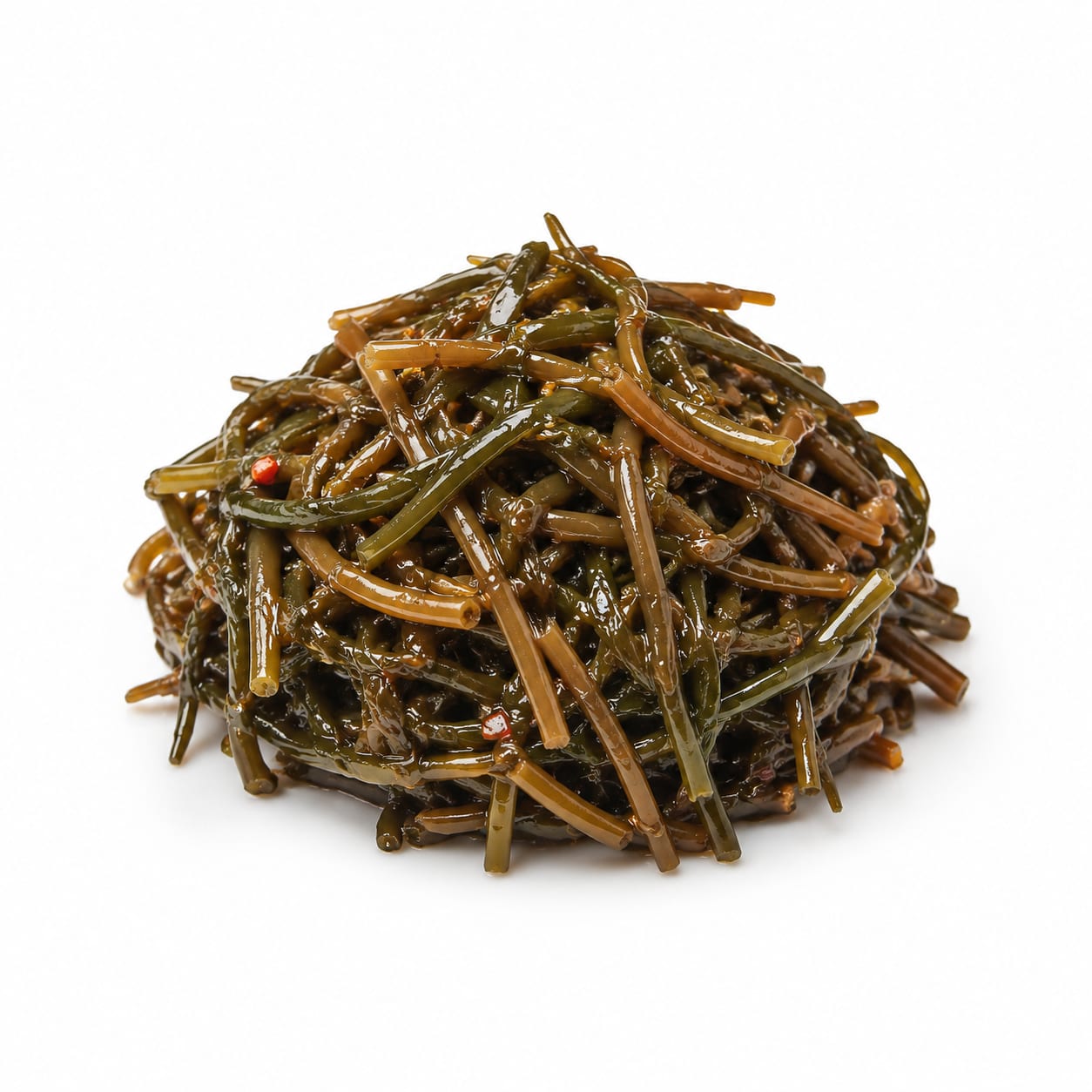
Houttuynia Cordata
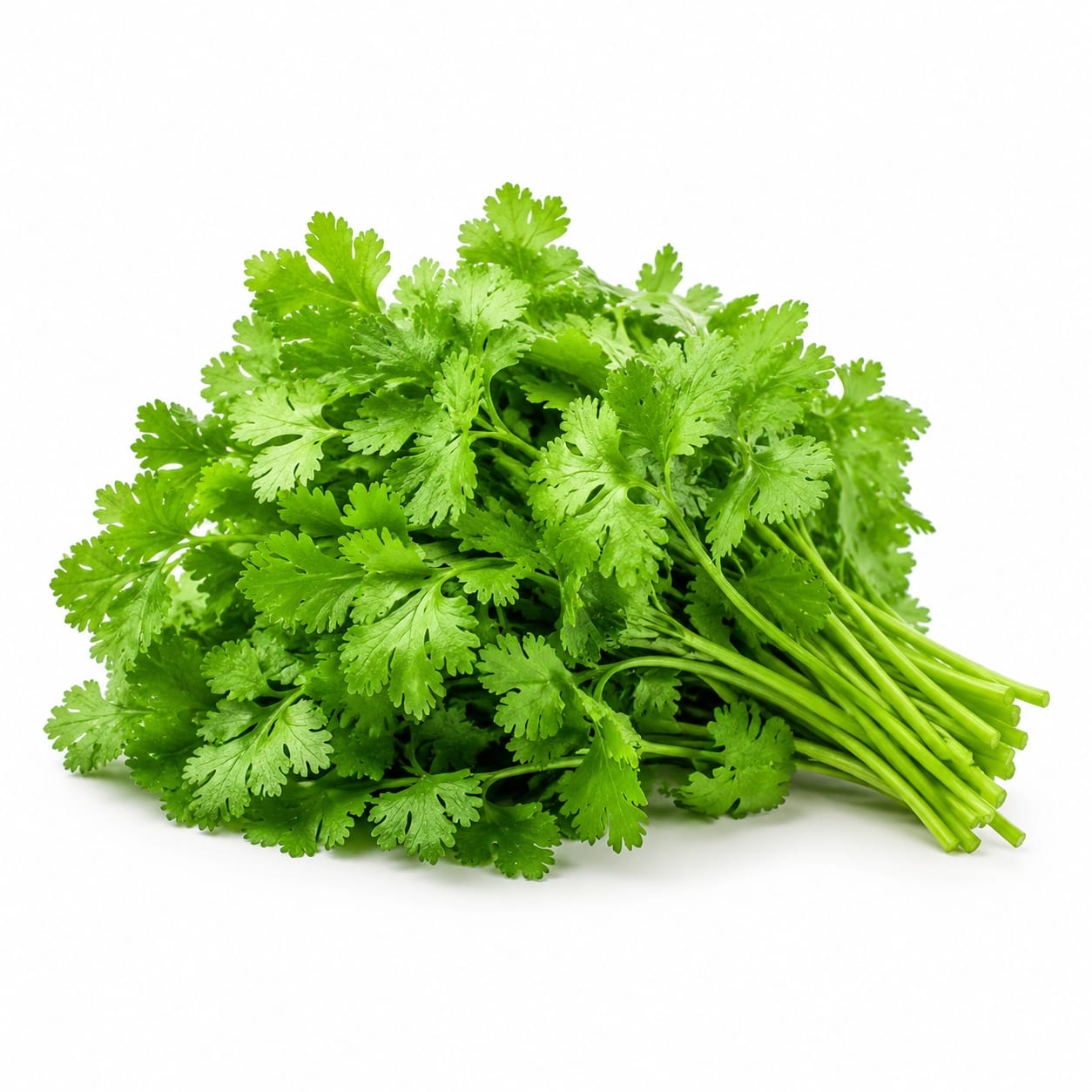
Cilantro
Cilantro is the safer, more practical choice for everyday eating, while Houttuynia Cordata is a potent medicinal herb with serious safety caveats.
Cilantro scores significantly higher due to its universal safety, global accessibility, and reliable culinary use. Houttuynia Cordata loses points on safety risks and niche availability, despite its stronger medicinal properties.
You trade Houttuynia Cordata's stronger therapeutic potency for Cilantro's superior safety profile and culinary versatility.
At a glance
Executive summary
Overall
Cilantro
Healthier
Cilantro
More practical
Cilantro
Daily use
Cilantro
Key comparison lenses
Medicinal vs. Culinary Role
Houttuynia Cordata is primarily a medicinal herb with niche culinary use, while Cilantro is a globally ubiquitous culinary herb.
Safety and Contamination Risks
Houttuynia Cordata carries risks of aristolochic acid contamination which can severely impact kidney health, a non-issue with Cilantro.
Flavor Tolerance and Divisiveness
Both herbs are notoriously divisive due to genetic taste perception, but Houttuynia's fishy flavor is often harder to stomach than Cilantro's soapy note.
Antioxidant and Phytochemical Profile
Users often compare herbs for their unique plant compounds and detoxification claims.
Best choice for
Houttuynia Cordata
- Targeted anti-inflammatory support
- Traditional herbal remedies
- Immune system modulation
Cilantro
- Everyday cooking and meal prep
- Safe daily antioxidant intake
- Adding fresh flavor without calories
Least suitable for
Houttuynia Cordata
- Children
- Pregnant women
- Anyone with kidney concerns
Cilantro
- People with the OR6A2 gene who experience a soapy taste
- Those looking for strong medicinal effects
Deep comparison
Dimension by dimension
Each lens scores both foods and breaks down who each option suits.
- Dimension 1 · Priority 90Cilantro
Culinary Versatility
Houttuynia Cordata · 25Cilantro · 95Cilantro is a kitchen staple globally, while Houttuynia Cordata is limited to specific Southeast and East Asian dishes.
Tradeoff
Choosing Houttuynia Cordata means committing to its strong, fishy flavor profile that overpowers most dishes, whereas Cilantro brightens and balances.
Why it matters
An herb you actually want to cook with daily will always provide more real-world health benefits than one sitting in your fridge.
Real-world impact
You will easily find Cilantro at any grocery store and know how to use it. Houttuynia Cordata requires specialty markets and specific recipes to be enjoyable.
Houttuynia Cordata
- Traditional Vietnamese and Southwestern Chinese dishes
- Adventurous eaters seeking umami-fishy notes
Better for
- Light Mediterranean meals
- Anyone sensitive to fishy flavors
Worse for
Cilantro
- Tacos, curries, and salads
- Quick garnishes for weeknight dinners
Better for
- Heavy simmered stews where the delicate flavor cooks off
Worse for
- Dimension 2 · Priority 85Houttuynia Cordata
Therapeutic Potency
Houttuynia Cordata · 88Cilantro · 55Houttuynia Cordata is a powerhouse in traditional medicine with documented antibacterial and antiviral properties, outperforming Cilantro's mild detox effects.
Tradeoff
You get stronger medicinal action from Houttuynia Cordata, but you assume a higher risk profile compared to Cilantro's gentle, food-as-medicine approach.
Why it matters
If you are specifically fighting an infection or managing inflammation, Houttuynia Cordata acts more like a supplement than a food.
Real-world impact
Houttuynia Cordata is often brewed as a therapeutic tea for respiratory issues, whereas Cilantro is mostly eaten for flavor with a side of antioxidants.
Houttuynia Cordata
- Targeted immune support during illness
- Managing chronic inflammation
Better for
- Casual culinary use
- Those wanting a mild, background herb
Worse for
Cilantro
- Gentle daily antioxidant support
- Adding trace vitamins without therapeutic doses
Better for
- Acute herbal remedy needs
Worse for
- Dimension 3 · Priority 95Cilantro
Safety and Contamination Risk
Houttuynia Cordata · 40Cilantro · 85Cilantro is widely recognized as safe for regular consumption, while Houttuynia Cordata carries a severe warning for potential aristolochic acid contamination.
Tradeoff
Houttuynia Cordata's medicinal strength comes from compounds that can stress the liver and kidneys, whereas Cilantro is largely inert and safe.
Why it matters
Long-term kidney damage from contaminated herbal products is a documented, serious health crisis that outweighs any culinary or mild health benefit.
Real-world impact
You can eat Cilantro every day without worry. Houttuynia Cordata requires sourcing from highly reputable suppliers to avoid dangerous contamination.
Houttuynia Cordata
- Short-term therapeutic use with verified clean sourcing
Better for
- Unsupplemented long-term daily use
- People with any kidney vulnerability
Worse for
Cilantro
- Long-term daily consumption
- Pregnant women and children
Better for
- Situations requiring strong antiviral action
Worse for
- Dimension 4 · Priority 70Cilantro
Nutrient Density
Houttuynia Cordata · 60Cilantro · 75Cilantro provides more practical daily vitamins like K and A, while Houttuynia Cordata offers unique flavonoids but less standard nutrition.
Tradeoff
Cilantro gives you accessible vitamins for daily maintenance, while Houttuynia Cordata provides rare phytochemicals that are harder to quantify.
Why it matters
For everyday health, getting reliable micronutrients from a common herb is more sustainable than chasing obscure compounds.
Real-world impact
A handful of Cilantro easily boosts your Vitamin K intake for bone health. Houttuynia Cordata's benefits are less about daily nutrition and more about acute physiology.
Houttuynia Cordata
- Access to rare antioxidants like quercetin and sodium pyruvate analogs
Better for
- Reliable macronutrient or vitamin supplementation
Worse for
Cilantro
- Boosting Vitamin K for bone and blood health
- Increasing Vitamin A for vision and immunity
Better for
- Delivering concentrated medicinal compounds
Worse for
Timeline
Health impact over time
Short-term
Hours to days
Houttuynia Cordata
- Can cause immediate digestive upset in sensitive individuals
- Strong flavor may trigger nausea if you dislike fishy tastes
- May provide quick relief for mild sore throat or congestion
Cilantro
- Provides a quick hit of fresh flavor that can reduce the need for heavy salt
- Mild detoxifying effect that is easy on the stomach
- Soapy taste can ruin a meal for those with the OR6A2 gene
Long-term
Months to years
Houttuynia Cordata
- Risk of kidney damage if aristolochic acid contamination is present
- Consistent anti-inflammatory benefits when safely sourced
- Potential liver stress from heavy herbal use
Cilantro
- Steady intake of antioxidants supports skin and eye health
- Excellent Vitamin K status supports bone density over time
- Safe for continuous daily use without organ stress
Risk profile
Safety & processing
Both are whole, fresh herbs that are minimally processed. The concern with Houttuynia Cordata is not artificial additives, but rather natural toxicants or agricultural contamination in the supply chain.
Houttuynia Cordata
Aristolochic Acid Contamination
highOften grown near or misidentified with Aristolochia plants, which contain a potent kidney carcinogen. Sourcing must be meticulously verified.
Heavy Metal Accumulation
mediumAs a water-loving plant, it can absorb heavy metals from polluted soil or irrigation water more readily than standard herbs.
Cilantro
Pesticide Residue
mediumCilantro is frequently cited by the EWG for high pesticide residue; buying organic is highly recommended.
Foodborne Illness
lowLike all fresh leafy greens, unwashed Cilantro can harbor bacteria, but a quick rinse eliminates most risk.
Who wins for whom
Audience fit
Same foods, different winners depending on your goal.
children
CilantroCilantro is a safe, mild way to introduce fresh flavors. Houttuynia Cordata is absolutely unsuitable for children due to kidney safety concerns.
daily consumption
CilantroCilantro is a globally proven daily food. Houttuynia Cordata is best cycled or used therapeutically, not eaten daily.
diabetes
CilantroCilantro safely flavors meals without impacting blood sugar, while Houttuynia Cordata's medicinal properties require medical supervision for diabetics.
elderly
CilantroOlder adults need to protect kidney function, making Cilantro the much safer daily choice for flavor and nutrition.
muscle gain
CilantroNeither herb directly builds muscle, but Cilantro's Vitamin K supports bone health under heavy lifting stress.
weight loss
CilantroCilantro adds massive flavor to low-calorie dishes without adding fat or sugar, making diet food much more enjoyable.
Your move
Decision guide
Choose Houttuynia Cordata
- You are working with a qualified herbalist for immune or respiratory support
- You have verified a clean, aristolochic-acid-free source
- You genuinely enjoy the unique fishy flavor profile
Choose Cilantro
- You need a versatile, everyday herb for cooking
- You want safe, reliable antioxidants and vitamins
- You are meal prepping for the week and need a reliable flavor booster
Either works if
- You are making an Asian-inspired broth and want an herbal note
- You are looking to reduce sodium by using fresh herbs instead of salt
Avoid both if
- You have severe pollen or plant allergies to the Apiaceae family (for Cilantro) or Saururaceae family (for Houttuynia Cordata)
Final recommendation
Choose Cilantro for your daily cooking and nutrition needs. It is safe, accessible, and makes healthy food taste better. Reserve Houttuynia Cordata for targeted therapeutic use, and only if you can guarantee a high-quality, contaminant-free source.
Practical
Consumer tips
- 1
Always buy organic Cilantro to avoid high pesticide loads, as it is notoriously heavily sprayed.
- 2
If trying Houttuynia Cordata, look for reputable suppliers that test for aristolochic acid to protect your kidneys.
- 3
Store both herbs like flowers: upright in a jar with an inch of water in the fridge to extend freshness.
- 4
If Cilantro tastes like soap to you, try using it in cooked dishes rather than raw; heat can mellow the aldehyde compounds responsible.