
Nutrition comparison
Houttuynia Cordata vs Watercress: Safety, Nutrition, and Which Green to Eat Daily
Compare Houttuynia Cordata and Watercress for nutrition, safety, and daily use. Watercress wins for everyday eating — learn why Houttuynia Cordata carries kidney toxicity risks with regular consumption.
Overall winner · Watercress
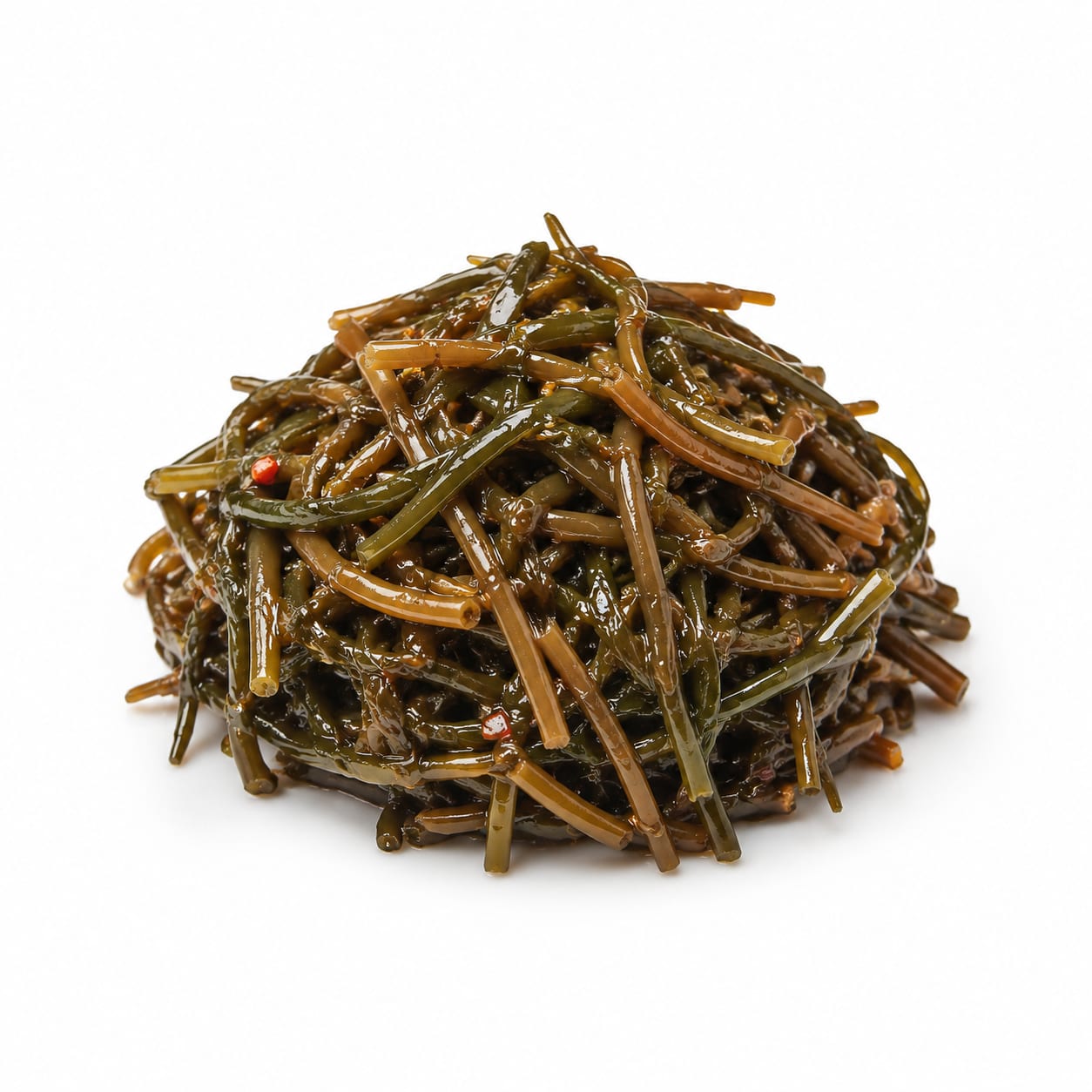
Houttuynia Cordata
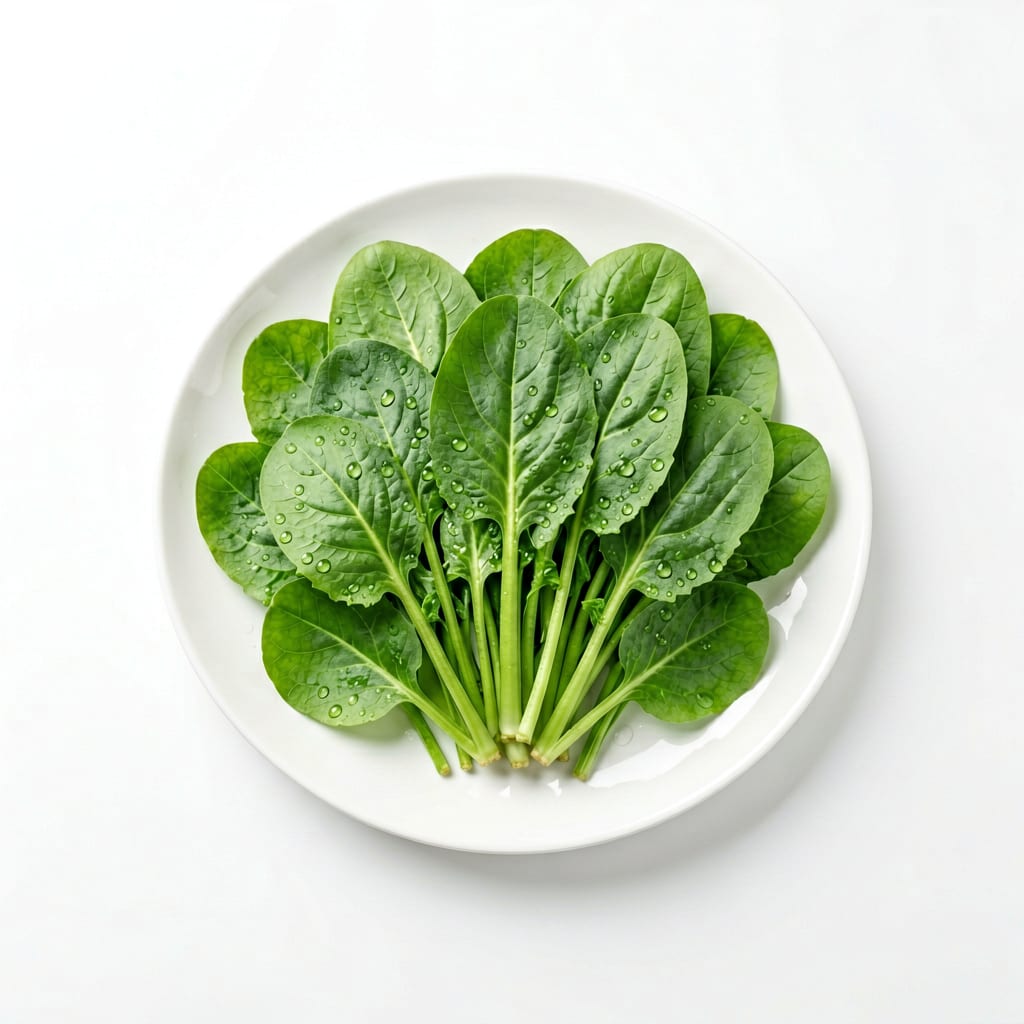
Watercress
Watercress wins for everyday nutrition and safety, while Houttuynia Cordata offers unique traditional medicine benefits but carries real toxicity concerns with regular use
Watercress scores significantly higher due to superior evidence, established safety, and exceptional nutrient density. Houttuynia Cordata has interesting medicinal properties but loses ground on safety concerns, limited research, and poor everyday practicality.
Houttuynia Cordata brings potent traditional medicine properties but at the cost of uncertain safety with frequent consumption; Watercress delivers proven nutrient density with virtually no downside
At a glance
Executive summary
Overall
Watercress
Healthier
Watercress
More practical
Watercress
Daily use
Watercress
Key comparison lenses
medicinal herb vs nutrient dense green
Houttuynia Cordata is primarily a medicinal herb with culinary uses, while Watercress is a nutrient-dense salad green — fundamentally different roles on the plate
safety and toxicity concerns
Houttuynia Cordata contains aristolactam compounds that raise legitimate safety questions, whereas Watercress has well-established safety for regular consumption
evidence basis for health claims
Watercress has robust clinical backing; Houttuynia Cordata relies heavily on traditional use and preliminary lab studies
everyday practicality and accessibility
Watercress is available in most grocery stores; Houttuynia Cordata is specialty and region-specific
anti inflammatory and immune benefits
Both are consumed for immune and inflammation benefits, but through very different mechanisms and with different evidence levels
Best choice for
Houttuynia Cordata
- People seeking traditional East Asian herbal remedies
- Those with access to fresh Houttuynia Cordata in Asian markets
- Individuals treating specific inflammatory conditions under practitioner guidance
- Anyone exploring traditional detoxifying herbs for short-term use
Watercress
- People wanting a nutrient-dense daily salad green
- Anyone prioritizing well-researched health benefits
- Families looking for safe greens for all ages
- Those seeking cancer-fighting glucosinolates in their diet
Least suitable for
Houttuynia Cordata
- Pregnant women due to aristolactam content
- Children given the safety unknowns
- Anyone concerned about long-term kidney toxicity
- People who dislike strong fishy flavors
Watercress
- People taking blood thinners who need stable vitamin K intake
- Those with severe oxalate sensitivity
- Anyone who cannot source fresh watercress locally
Deep comparison
Dimension by dimension
Each lens scores both foods and breaks down who each option suits.
- Dimension 1 · Priority 95Watercress
nutrient_density
Houttuynia Cordata · 55Watercress · 96Watercress is one of the most nutrient-dense foods ever measured; Houttuynia Cordata offers minerals and flavonoids but cannot compete on broad vitamin and mineral content
Tradeoff
Houttuynia Cordata provides unique bioactive compounds not found in Watercress, but Watercress delivers more essential nutrients per calorie by a wide margin
Why it matters
Nutrient density determines how much your body gets per bite — critical when eating light meals or managing calorie intake
Real-world impact
A handful of Watercress in a salad significantly boosts your vitamin K, C, and A intake for the day; Houttuynia Cordata adds flavor and some antioxidants but won't move the needle on daily vitamin needs
Houttuynia Cordata
- Unique flavonoids like quercetin and hyperoside
- Traditional detoxification compounds
Better for
- Lower overall vitamin content
- Minimal contribution to daily mineral needs
Worse for
Watercress
- Vitamin K content among the highest of any food
- Excellent vitamin C and A levels
- Calcium and iron in bioavailable forms
- Glucosinolates for cellular health
Better for
- Lacks the specific aristolactam-related compounds studied in traditional medicine
Worse for
- Dimension 2 · Priority 92Watercress
safety_and_toxicity
Houttuynia Cordata · 45Watercress · 88Houttuynia Cordata contains aristolactam alkaloids associated with kidney damage and potential carcinogenicity; Watercress has an excellent safety profile for regular consumption
Tradeoff
The very compounds that give Houttuynia Cordata its medicinal potency also raise red flags for long-term safety, while Watercress offers benefits without the toxicity tradeoff
Why it matters
Foods eaten regularly must be safe over years and decades — a herb that helps short-term but harms long-term is a bad trade
Real-world impact
Daily Houttuynia Cordata consumption could pose cumulative kidney risk; Watercress can be eaten daily for decades with confidence
Houttuynia Cordata
- Short-term medicinal use appears safe in traditional contexts
Better for
- Aristolactam content linked to aristolochic acid nephropathy
- Long-term daily use safety is genuinely questionable
- Pregnant women should avoid it
Worse for
Watercress
- No known toxicity with regular consumption
- Decades of safety data as a common food
- Safe for pregnant women when washed properly
- No concerning alkaloid compounds
Better for
- Possible water contamination if sourced from polluted waterways
Worse for
- Dimension 3 · Priority 80It depends
anti_inflammatory_and_immune_potential
Houttuynia Cordata · 78Watercress · 82Both have strong anti-inflammatory credentials through different pathways — Houttuynia Cordata via unique flavonoids, Watercress via glucosinolates and carotenoids
Tradeoff
Houttuynia Cordata may be more potent acutely for inflammation, but Watercress offers safer long-term anti-inflammatory support
Why it matters
Chronic inflammation drives most modern disease — choosing foods that fight it safely and sustainably matters enormously
Real-world impact
Houttuynia Cordata tea might help during an acute inflammatory flare; Watercress in your daily salad provides steady, safe inflammation protection
Houttuynia Cordata
- Potent quercetin and hyperoside content for acute anti-inflammatory use
- Traditional use specifically for respiratory inflammation
- Antimicrobial properties against specific pathogens
Better for
- Cannot be safely consumed in large quantities long-term
- Anti-inflammatory benefits come with toxicity baggage
Worse for
Watercress
- Glucosinolate-derived isothiocyanates are well-studied for chronic inflammation
- Consistent daily use is safe and beneficial
- Broader antioxidant spectrum including lutein and zeaxanthin
Better for
- Less potent as an acute intervention compared to concentrated herbal preparations
Worse for
- Dimension 4 · Priority 78Watercress
accessibility_and_practicality
Houttuynia Cordata · 30Watercress · 82Watercress is available in most supermarkets worldwide; Houttuynia Cordata requires specialty Asian markets or foraging knowledge
Tradeoff
A food you can actually buy and use easily beats a theoretically superior herb you can never find
Why it matters
The healthiest food in the world is useless if you cannot source it regularly — practicality determines consistency
Real-world impact
Watercress can be a weekly grocery staple anywhere; Houttuynia Cordata is a specialty item most people will never encounter fresh
Houttuynia Cordata
- Easy to grow at home in moist conditions if you live in suitable climates
- Available dried or as tea online
Better for
- Very limited fresh availability outside East and Southeast Asia
- Fishy flavor is polarizing and unfamiliar to most Western palates
- Requires knowledge to prepare properly
Worse for
Watercress
- Found in most grocery stores globally
- Easy to identify and select fresh bunches
- Works in salads, sandwiches, soups, and smoothies
- No special preparation needed
Better for
- Short shelf life — wilts quickly in the fridge
Worse for
- Dimension 5 · Priority 70Watercress
culinary_versatility
Houttuynia Cordata · 45Watercress · 80Watercress integrates easily into Western and Asian dishes alike; Houttuynia Cordata has a strong fishy flavor that limits its use to specific cuisines
Tradeoff
Houttuynia Cordata adds a unique signature flavor to Southeast Asian dishes but is hard to use broadly; Watercress is a flexible ingredient across many meal types
Why it matters
Foods you enjoy eating regularly provide more benefit than exotic ingredients that sit unused
Real-world impact
Watercress works in breakfast eggs, lunch salads, and dinner soups; Houttuynia Cordata mainly shines in specific Vietnamese and Chinese preparations
Houttuynia Cordata
- Irreplaceable in authentic Southeast Asian recipes
- Adds complex fishy-herbal depth to noodle soups
- Interesting as a tea or infusion
Better for
- Fishy flavor clashes with many Western flavor profiles
- Very limited recipe repertoire outside Asian cooking
Worse for
Watercress
- Works raw or cooked across dozens of cuisines
- Mild peppery flavor complements most dishes
- Excellent in salads, sandwiches, pestos, and soups
Better for
- Cannot replicate the specific flavor Houttuynia Cordata brings to Asian dishes
Worse for
- Dimension 6 · Priority 85Watercress
evidence_quality
Houttuynia Cordata · 35Watercress · 85Watercress has strong clinical evidence including a randomized trial showing DNA damage reduction; Houttuynia Cordata relies primarily on traditional use and lab studies
Tradeoff
Traditional medicine wisdom has value, but when safety concerns exist, strong evidence becomes essential — and Houttuynia Cordata lacks it
Why it matters
Evidence quality determines whether you can trust a food to deliver real benefits or just theoretical ones
Real-world impact
Watercress benefits are backed by human studies you can trust; Houttuynia Cordata benefits are plausible but unproven in rigorous human trials
Houttuynia Cordata
- Extensive traditional use spanning centuries in East Asian medicine
- Growing body of in-vitro and animal research
Better for
- Very few high-quality human clinical trials
- Safety data is inadequate for long-term daily use recommendations
Worse for
Watercress
- Randomized controlled trials in humans
- Consistently top-ranked in CDC nutrient density studies
- Well-understood mechanisms of action
Better for
- Research focuses on general nutrition rather than specific therapeutic applications
Worse for
Timeline
Health impact over time
Short-term
Hours to days
Houttuynia Cordata
- May reduce acute inflammation and respiratory symptoms when consumed as tea or decoction
- Antimicrobial properties could help with minor infections
- Fishy flavor may cause nausea in unaccustomed eaters
- Possible mild diuretic effect
Watercress
- Immediate boost in vitamin K, C, and A intake
- Peppery flavor can clear sinuses mildly
- Nitrates may improve blood flow within hours of consumption
- High water content supports hydration
Long-term
Months to years
Houttuynia Cordata
- Potential kidney damage from aristolactam accumulation with regular use
- Possible increased cancer risk from aristolochic acid-related compounds
- Anti-inflammatory benefits if consumed occasionally and moderately
- Unknown effects of truly long-term daily consumption
Watercress
- Reduced cancer risk from glucosinolate-derived isothiocyanates
- Improved cardiovascular health from dietary nitrates and antioxidants
- Better bone health from exceptional vitamin K content
- Potential protection against DNA damage as shown in clinical trials
Risk profile
Safety & processing
Both are whole, minimally processed plants typically consumed fresh or dried. Neither carries concerns about artificial additives when sourced as whole greens.
Houttuynia Cordata
Aristolactam nephropathy
highHouttuynia Cordata contains aristolactam alkaloids related to aristolochic acid, a known kidney toxin and carcinogen. Regular consumption poses cumulative risk to kidney health.
Pregnancy complications
highDue to aristolactam content, Houttuynia Cordata should be avoided during pregnancy as similar compounds have been linked to birth defects and kidney damage.
Heavy metal accumulation
mediumAs a water-loving plant, Houttuynia Cordata can accumulate heavy metals from contaminated waterways or soil, especially when wild-harvested.
Watercress
Waterborne contamination
mediumWatercress grows in water and can harbor parasites or bacteria if harvested from untreated water sources. Commercially grown watercress is generally safe.
Vitamin K interference with blood thinners
mediumExtremely high vitamin K content can interfere with anticoagulant medications like warfarin. Consistent intake is key rather than avoidance.
Oxalate content
lowWatercress contains moderate oxalates, which may concern people with a history of calcium oxalate kidney stones.
Who wins for whom
Audience fit
Same foods, different winners depending on your goal.
children
WatercressWatercress is safe and nutrient-rich for children; Houttuynia Cordata should not be given to children due to aristolactam concerns
daily consumption
WatercressWatercress is one of the safest daily greens available; Houttuynia Cordata should be consumed occasionally, not daily, due to cumulative toxicity concerns
diabetes
WatercressWatercress has negligible impact on blood sugar while providing antioxidants that combat diabetic oxidative stress; Houttuynia Cordata lacks specific evidence for diabetes management
elderly
WatercressWatercress supports bone density through vitamin K and cardiovascular health through nitrates — both critical for aging populations; Houttuynia Cordata poses kidney risks that elderly people should avoid
muscle gain
WatercressNeither is a protein source, but Watercress provides nitrates that may improve exercise performance and recovery
weight loss
WatercressWatercress provides maximum nutrition at minimal calories with proven satiety benefits; Houttuynia Cordata is rarely consumed in quantities large enough to matter for weight management
Your move
Decision guide
Choose Houttuynia Cordata
- You are working with a qualified traditional medicine practitioner for a specific condition
- You want an authentic Southeast Asian culinary experience and can source it fresh
- You are using it occasionally as a tea for acute respiratory symptoms
- You understand the safety concerns and limit consumption to a few times per month
Choose Watercress
- You want a nutrient-dense green you can eat confidently every day
- You are prioritizing cancer-fighting foods with strong clinical evidence
- You need a versatile salad green that actually tastes good in multiple dishes
- You are pregnant, elderly, or feeding children and need guaranteed safety
Either works if
- You want anti-inflammatory benefits from whole food sources
- You enjoy peppery or bold-flavored greens in your meals
- You are looking to diversify your leafy green intake beyond spinach and kale
Avoid both if
- You are on strict blood thinners and cannot manage variable vitamin K intake
- You have severe kidney disease and need to minimize any renal risk
- You cannot source either plant fresh and reliably
Final recommendation
Make Watercress your daily green and treat Houttuynia Cordata as an occasional medicinal herb rather than a regular food. Watercress gives you proven nutrition with zero safety concerns — it is one of the best leafy greens you can eat. Houttuynia Cordata has real traditional medicine value, but its aristolactam content makes it unsuitable as a everyday vegetable. If you enjoy Houttuynia Cordata culturally, limit it to a few times per month and never consume it daily.
Practical
Consumer tips
- 1
Buy Watercress with crisp, dark green leaves and avoid any yellowing or slimy stems — it wilts fast so use within two days
- 2
If you want to try Houttuynia Cordata, look for it in Vietnamese or Chinese markets where it is sold fresh as 'rau diếp cá' or 'fish mint'
- 3
Never wild-harvest Houttuynia Cordata unless you are certain the water source is uncontaminated — it accumulates pollutants easily
- 4
Add Watercress to your diet by using it as a sandwich green instead of lettuce — far more nutritious with similar crunch
- 5
If consuming Houttuynia Cordata, stick to small amounts as a garnish or tea rather than eating large quantities as a salad green
- 6
Wash Watercress thoroughly regardless of packaging claims — its water-grown nature means extra cleaning care is worthwhile