
Nutrition comparison
Houttuynia Cordata vs Kale: Medicinal Herb or Nutrient Powerhouse?
Compare Houttuynia Cordata and Kale — which is better for daily health? Kale wins on nutrition and safety, but Houttuynia offers unique antimicrobial benefits. Full tradeoff analysis inside.
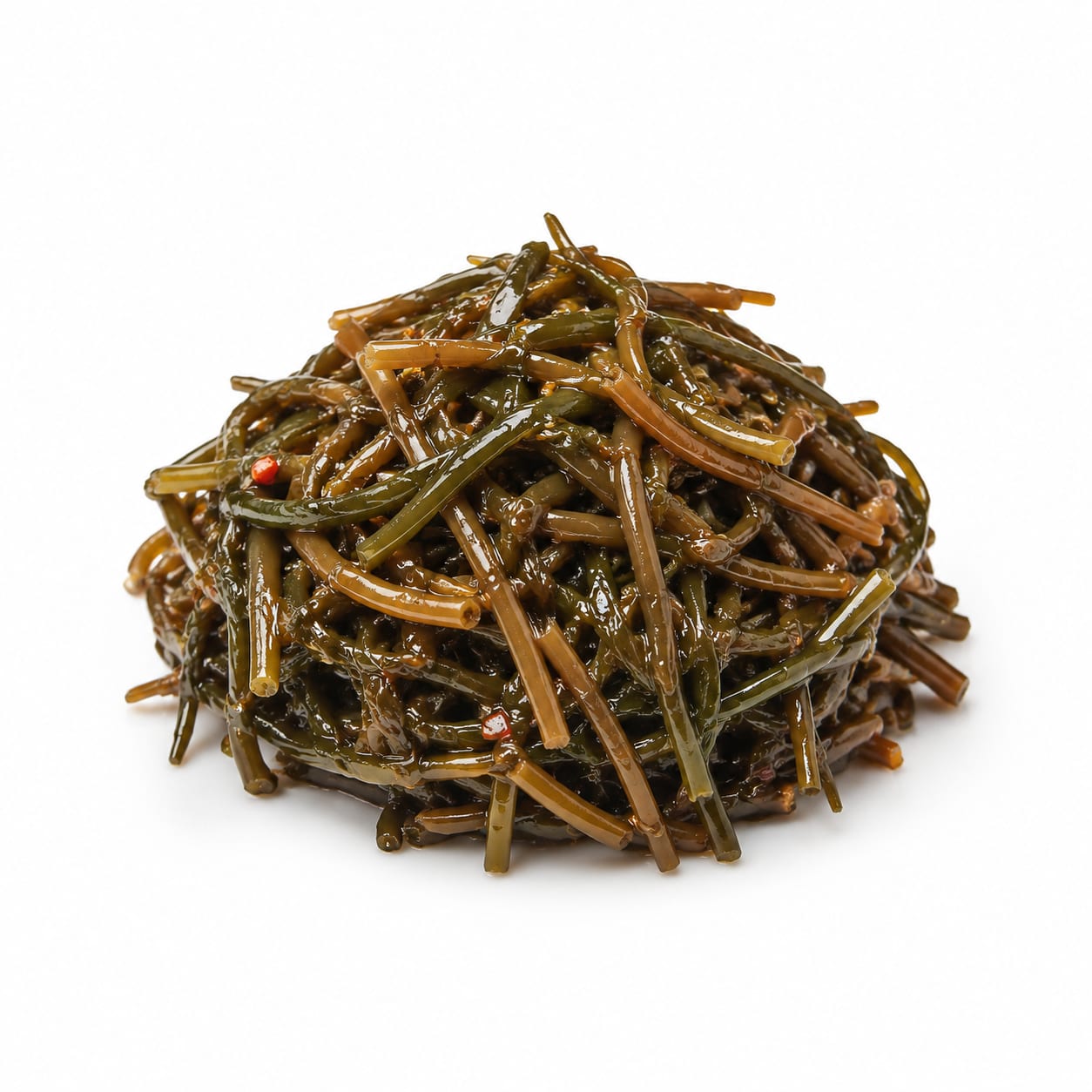
Houttuynia Cordata
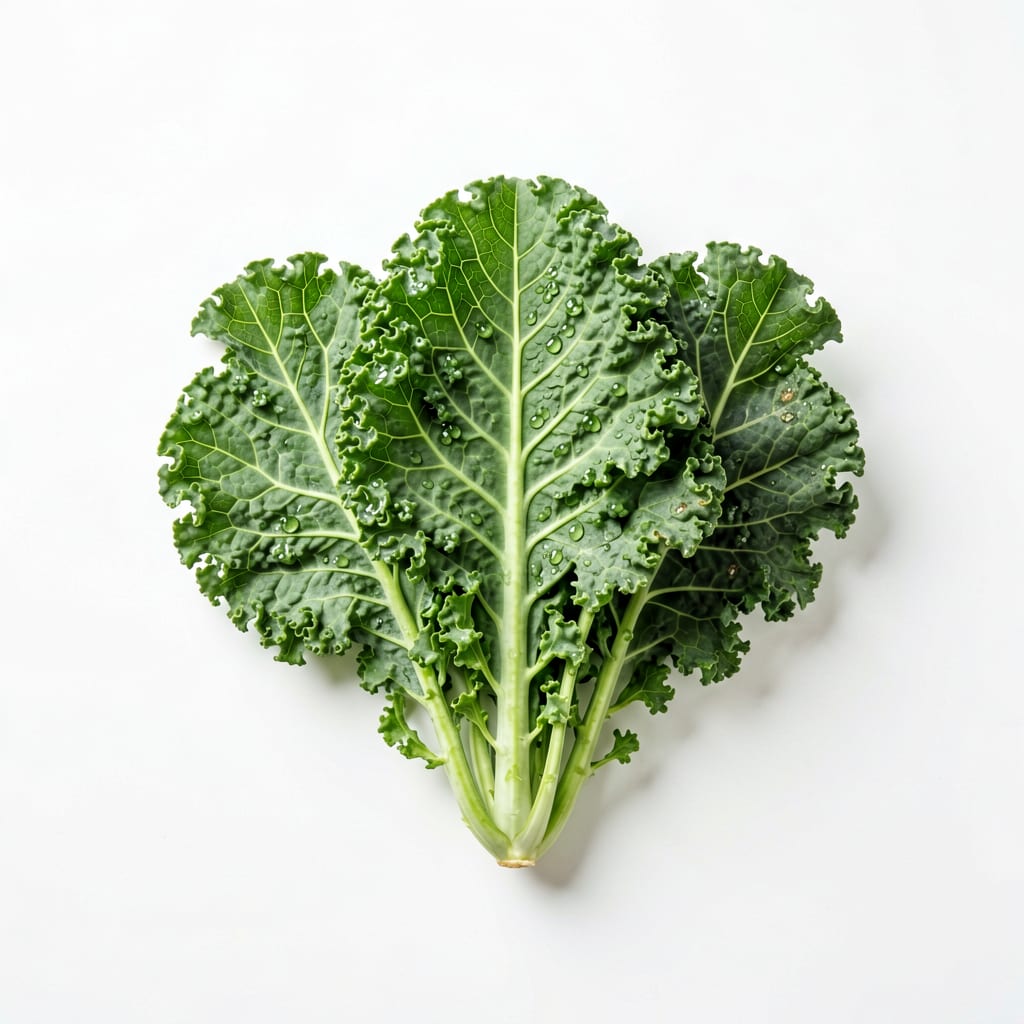
Kale
Kale wins for everyday nutrition and reliability; Houttuynia Cordata wins for targeted antimicrobial and anti-inflammatory benefits when used purposefully
Kale scores higher due to superior nutritional breadth, safety data, and everyday usability. Houttuynia Cordata's score reflects its genuine but niche medicinal value and limited mainstream evidence base.
Proven broad-spectrum nutrition vs specialized medicinal potency with less safety data
At a glance
Executive summary
Overall
It depends
Healthier
Kale
More practical
Kale
Daily use
Kale
Key comparison lenses
medicinal herb vs nutrient dense vegetable
Houttuynia Cordata is primarily valued as a medicinal herb with antimicrobial properties, while Kale is a nutritional powerhouse staple — they serve fundamentally different roles
antioxidant and anti inflammatory comparison
Both are rich in bioactive compounds but through entirely different mechanisms — quercetin and houttuynin vs glucosinolates and lutein
traditional medicine vs western nutrition evidence
Houttuynia relies heavily on traditional use and emerging research, while Kale has decades of robust epidemiological data
everyday practicality and accessibility
Kale is available at any grocery store; Houttuynia Cordata is a specialty item requiring Asian markets or foraging knowledge
safety profile and dose dependent risks
Houttuynia has potential liver concerns at high doses and kale has goitrogen and oxalate considerations
Best choice for
Houttuynia Cordata
- People seeking natural antimicrobial support
- Traditional medicine users addressing inflammation
- Those with access to Asian markets wanting therapeutic herbs
- Anyone targeting respiratory or skin-related inflammatory conditions
Kale
- People wanting reliable daily nutrient density
- Anyone prioritizing bone, eye, and heart health long-term
- Families needing an affordable, accessible leafy green
- Meal preppers and smoothie drinkers
Least suitable for
Houttuynia Cordata
- People unfamiliar with proper preparation and dosing
- Anyone with liver conditions without medical guidance
- Those expecting a mild, versatile cooking green
- People who dislike strong fishy flavors
Kale
- People with thyroid issues who consume it raw in large amounts
- Anyone prone to kidney stones due to oxalates
- Those on blood thinners who need stable vitamin K intake
- People who find it causes bloating or digestive discomfort
Deep comparison
Dimension by dimension
Each lens scores both foods and breaks down who each option suits.
- Dimension 1 · Priority 95Kale
nutrient_density
Houttuynia Cordata · 45Kale · 92Kale delivers far more vitamins and minerals per serving than Houttuynia Cordata, which has limited nutritional profiling in Western databases.
Tradeoff
Houttuynia offers unique bioactive compounds not found in kale, but kale covers the nutritional basics comprehensively
Why it matters
Daily nutrient gaps are easier to close with kale than with a specialty herb
Real-world impact
A single serving of kale covers over 100% of vitamin K and significant vitamin A and C — Houttuynia cannot match this
Houttuynia Cordata
- Unique antimicrobial compounds like houttuynin
- Traditional detoxification support
Better for
- Minimal fiber compared to kale
- Incomplete nutritional data available
Worse for
Kale
- Vitamin K, A, C, manganese, calcium
- Fiber content for gut health
- Lutein and zeaxanthin for eye health
Better for
- Does not contain houttuynin or decanoyl acetaldehyde
- No traditional antimicrobial reputation
Worse for
- Dimension 2 · Priority 90It depends
anti_inflammatory_potential
Houttuynia Cordata · 82Kale · 75Houttuynia Cordata has stronger targeted anti-inflammatory evidence in traditional medicine contexts, while kale offers broader chronic disease protection through different pathways.
Tradeoff
Houttuynia may act faster on acute inflammation; kale works better as long-term inflammation prevention
Why it matters
Acute inflammatory flare-ups and chronic low-grade inflammation require different strategies
Real-world impact
Houttuynia tea is traditionally used during illness; kale smoothies are for long-term disease risk reduction
Houttuynia Cordata
- Quercetin and hyperoside for acute inflammatory response
- Traditional use for respiratory inflammation
- Topical anti-inflammatory applications
Better for
- Limited human clinical trials on inflammation
- Dose-response relationship poorly established
Worse for
Kale
- Glucosinolates converting to sulforaphane for cellular protection
- Consistent evidence linking consumption to lower inflammatory markers long-term
- Omega-3 ALA content contributing to anti-inflammatory balance
Better for
- Less effective for acute inflammatory episodes
- Requires regular consistent consumption for benefit
Worse for
- Dimension 3 · Priority 88Houttuynia Cordata
antimicrobial_and_immune_support
Houttuynia Cordata · 88Kale · 55Houttuynia Cordata is genuinely exceptional as a natural antimicrobial agent, with research supporting activity against bacteria, viruses, and fungi.
Tradeoff
This antimicrobial potency comes with less understanding of long-term safety at effective doses
Why it matters
When fighting infections naturally, Houttuynia offers something kale simply cannot
Real-world impact
Houttuynia has been used for centuries during cold and flu season in Asian traditions; kale supports immunity mainly through vitamins
Houttuynia Cordata
- Direct antibacterial activity from decanoyl acetaldehyde
- Antiviral properties studied against several pathogens
- Traditional use for wound healing and skin infections
Better for
- Antimicrobial effects may disrupt beneficial gut flora if overused
- No standardized dosing guidance
Worse for
Kale
- Vitamin C for general immune cell function
- Gut microbiome support through fiber feeding beneficial bacteria
Better for
- No direct antimicrobial activity
- Immune support is indirect and slower
Worse for
- Dimension 4 · Priority 75It depends
digestive_tolerance
Houttuynia Cordata · 60Kale · 55Both can challenge digestion — Houttuynia through its strong flavor and potential GI irritation at high doses, kale through fiber toughness and raw goitrogen exposure.
Tradeoff
Houttuynia is typically consumed in small amounts so digestive issues are rarer; kale is eaten in larger volumes which amplifies problems
Why it matters
A superfood you cannot digest comfortably is not a superfood for you
Real-world impact
Raw kale salads cause bloating for many; Houttuynia's fishy taste limits intake naturally
Houttuynia Cordata
- Smaller serving sizes reduce digestive burden
- Traditionally consumed as tea which is gentler
Better for
- High doses linked to nausea and GI upset in traditional medicine texts
- Strong flavor causes aversion in many people
Worse for
Kale
- Cooking eliminates goitrogen concerns
- Massaging with oil improves raw digestibility
Better for
- Raw kale is notoriously difficult to digest for sensitive individuals
- High insoluble fiber can cause bloating and gas
Worse for
- Dimension 5 · Priority 85Kale
practicality_and_accessibility
Houttuynia Cordata · 30Kale · 88Kale is available everywhere and easy to incorporate into meals; Houttuynia Cordata requires specialty shopping and preparation knowledge.
Tradeoff
Accessibility matters more than most people admit — the healthiest food is the one you actually eat regularly
Why it matters
Consistency drives health outcomes more than potency
Real-world impact
You can grab kale at any supermarket; finding fresh Houttuynia means visiting Asian grocers or growing it yourself
Houttuynia Cordata
- Easy to grow at home once established
- Dried forms available online for tea
Better for
- Very limited fresh availability outside Asian communities
- Short shelf life when fresh
- Most people do not know how to prepare it
Worse for
Kale
- Available at every grocery store year-round
- Freezes well for smoothies
- Multiple varieties for different uses
Better for
- Can be tough and bitter if not prepared well
- Requires some technique to enjoy raw
Worse for
- Dimension 6 · Priority 82Kale
safety_and_dose_awareness
Houttuynia Cordata · 50Kale · 72Kale has well-understood risks with clear mitigation strategies; Houttuynia Cordata has concerning gaps in safety data, especially regarding liver health at higher doses.
Tradeoff
Kale's risks are manageable with cooking and moderation; Houttuynia's risks are less defined and harder to navigate
Why it matters
Uncertainty about safety is itself a risk factor when choosing regular foods
Real-world impact
You can eat kale daily with confidence if you cook it; Houttuynia requires more caution and ideally professional guidance
Houttuynia Cordata
- Small traditional serving sizes are generally considered safe
- Centuries of traditional use provide some reassurance
Better for
- Case reports of liver toxicity at high doses
- No established safe upper intake level
- Potential drug interactions poorly documented
Worse for
Kale
- Extensive safety data from large populations
- Risks are well-characterized and manageable
- Cooking neutralizes primary concerns
Better for
- Goitrogens affect thyroid when consumed raw excessively
- Oxalates contribute to kidney stone risk
- Vitamin K interferes with blood thinners
Worse for
Timeline
Health impact over time
Short-term
Hours to days
Houttuynia Cordata
- May provide noticeable relief during respiratory infections when consumed as tea
- Strong fishy flavor can cause immediate taste aversion
- Possible mild GI upset if consuming large amounts at once
Kale
- Immediate boost in vitamin K and C intake noticeable in energy and skin
- Raw kale can cause bloating and gas within hours
- Blood thinning medication interactions can occur within days of consistent intake
Long-term
Months to years
Houttuynia Cordata
- Potential cumulative liver stress if used excessively as a supplement rather than food
- Consistent small amounts may support immune resilience and inflammatory balance
- Long-term safety profile remains inadequately studied in Western research
Kale
- Reduced risk of cardiovascular disease and certain cancers with regular consumption
- Improved bone density from consistent vitamin K intake
- Possible thyroid suppression if large amounts of raw kale are consumed daily over years
Risk profile
Safety & processing
Both are whole, minimally processed plants. Houttuynia Cordata is typically consumed fresh or dried for tea. Kale is eaten fresh, cooked, or frozen with minimal processing. Neither raises artificial additive concerns in their natural forms.
Houttuynia Cordata
Liver toxicity at high doses
mediumTraditional medicine texts and some case reports suggest hepatotoxicity with excessive consumption. Dose threshold is unclear.
Contamination from wild foraging
mediumHouttuynia grows in wet soil and can accumulate heavy metals or waterborne contaminants if harvested from polluted areas.
Allergic reactions
lowRare but possible, especially for people with sensitivities to plants in the Saururaceae family.
Kale
Pesticide residue
mediumKale frequently appears on the EWG Dirty Dozen list. Organic options significantly reduce this concern.
Goitrogen exposure from raw consumption
mediumRaw kale contains goitrogens that can interfere with thyroid function. Cooking deactivates most of these compounds.
Oxalate accumulation
lowModerate oxalate content may contribute to kidney stone formation in susceptible individuals with heavy regular consumption.
Who wins for whom
Audience fit
Same foods, different winners depending on your goal.
children
KaleKale can be hidden in smoothies and pasta; Houttuynia's strong fishy flavor and safety unknowns make it inappropriate for children without professional guidance
daily consumption
KaleKale has the safety track record and nutritional breadth to support daily use; Houttuynia is better used periodically or therapeutically
diabetes
KaleKale's fiber stabilizes blood sugar and has strong evidence for diabetes risk reduction; Houttuynia lacks glycemic research
elderly
KaleKale's vitamin K supports bone density and its lutein protects aging eyes — both critical for older adults
muscle gain
KaleNeither is a protein source, but kale's mineral content supports muscle function and recovery better
weight loss
KaleKale provides high volume and fiber for very few calories, making it ideal for filling plates while cutting calories
Your move
Decision guide
Choose Houttuynia Cordata
- You are working with a practitioner familiar with traditional Asian medicine
- You want targeted antimicrobial or anti-inflammatory support during illness
- You have access to fresh Houttuynia and enjoy its unique flavor
- You are treating it as a therapeutic herb rather than a daily vegetable
Choose Kale
- You want a reliable daily nutrient-dense green
- Long-term disease prevention is your primary goal
- You need something accessible, affordable, and easy to find
- You are building balanced meals with broad nutritional coverage
Either works if
- You want anti-inflammatory benefits and are open to different approaches
- You enjoy exploring diverse plant foods and can access both
- You rotate greens regularly to maximize phytochemical diversity
Avoid both if
- You have severe thyroid issues and consume either raw in large amounts
- You are on blood thinners without medical guidance on vitamin K intake
- You have known liver conditions and are considering Houttuynia at therapeutic doses
Final recommendation
Eat kale as your daily green and think of Houttuynia Cordata as an occasional therapeutic addition. Kale gives you the nutritional foundation most people need. Houttuynia gives you a specialized tool for specific situations. They complement each other beautifully when used appropriately — just do not treat them as interchangeable.
Practical
Consumer tips
- 1
Buy organic kale when possible — it consistently ranks high for pesticide residue
- 2
Cook kale to neutralize goitrogens and improve digestibility — even light steaming helps
- 3
If trying Houttuynia Cordata, start with small amounts as tea rather than eating large quantities fresh
- 4
Grow Houttuynia in containers if you want fresh access — it spreads aggressively in gardens
- 5
Massage raw kale with olive oil and salt for 2 minutes to break down tough fibers before eating
- 6
Freeze kale for smoothies — it loses none of its nutritional value and blends better
- 7
Source Houttuynia from reputable Asian markets rather than foraging to avoid contamination
- 8
Rotate your greens weekly — kale, spinach, arugula, and Houttuynia each offer different phytochemical profiles