
Fruit/Berry
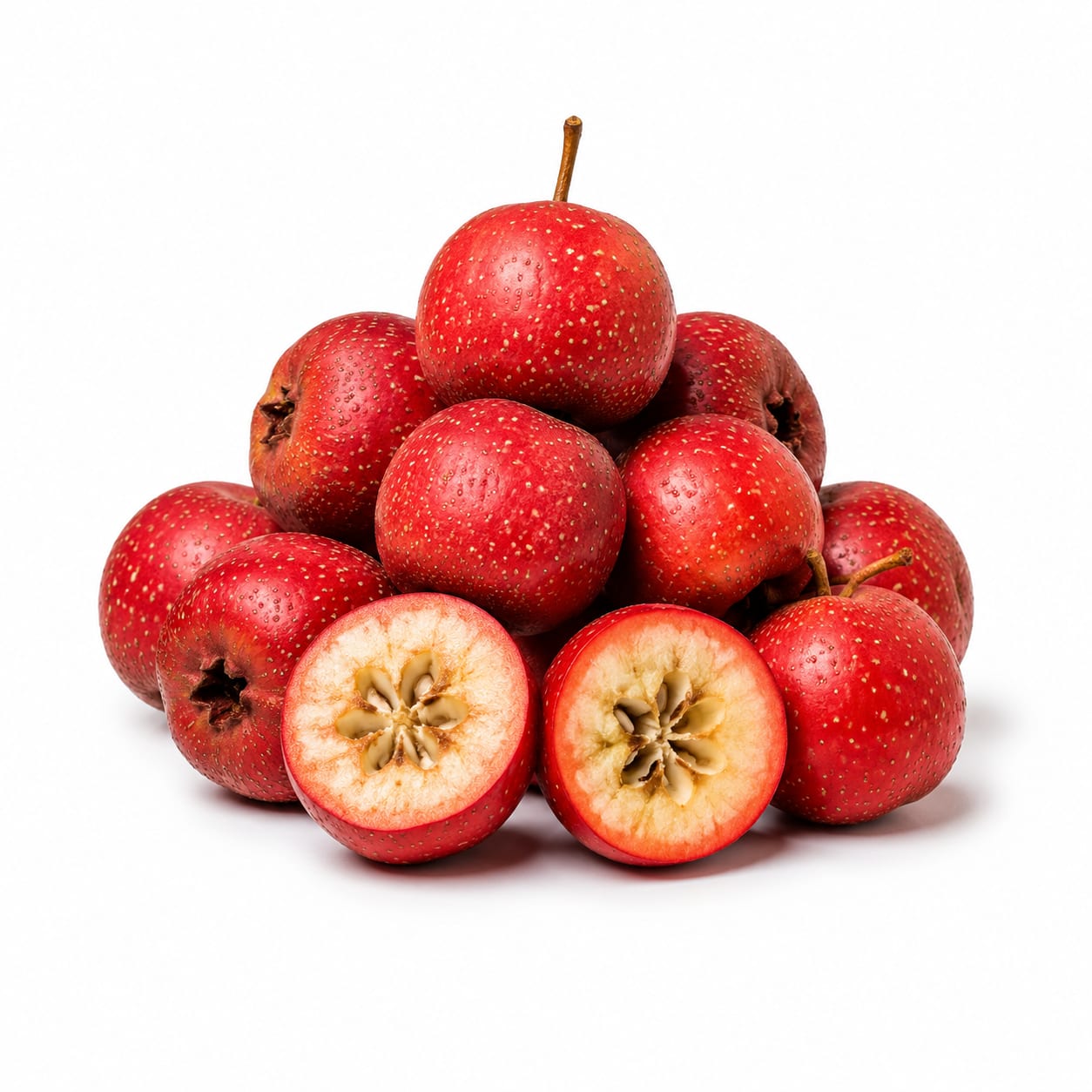
Hawthorn
A tart, antioxidant-rich berry traditionally used to support heart health and digestion.
Small, tart, red berries from the Crataegus genus, widely recognized for their cardiovascular benefits and high antioxidant content.
antioxidant-dense medicinal berry
Typical serving · 100g
Common varieties · Crataegus monogyna, Crataegus laevigata, Crataegus pinnatifida, Chinese hawthorn, English hawthorn
Overall context score across nutrition, safety, and diet fit
At a glance
Quick facts
Simple indicators based on nutrition, processing, and diet fit.
The story
What makes it unique
Hawthorn berries are low-calorie, fiber-rich fruits containing abundant flavonoids and procyanidins. They digest moderately slowly due to fiber and pectin, providing steady satiety. The macronutrient profile is dominated by carbohydrates, primarily fructose and pectin, with minimal fat or protein.
Varieties: Crataegus monogyna · Crataegus laevigata · Crataegus pinnatifida · Chinese hawthorn · English hawthorn
Per 100g
Nutrition breakdown
Macro balance and key metrics at a glance.
Energy
Density 0.60 kcal/g
Protein
Carbs
Fat
Fiber
Sugar
10 g
Sodium
5 mg
Potassium
150 mg
Glycemic index
25
Glycemic load
4
Water content
80%
Standout compounds
Nutrient highlights
Flavonoids
highSupport cardiovascular health and reduce oxidative stress
Fiber
moderatePromotes satiety and regulates digestion
Vitamin C
moderateSupports immune function and collagen synthesis
Procyanidins
highStrengthens blood vessel walls and improves circulation
Wellness map
Health scores & processing
NOVA processing scale
Minimally processed (raw) · Whole food
Raw hawthorn berries are unprocessed whole foods, though many commercial products like hawthorn rolls or candied strips are heavily sweetened and ultra-processed.
Diet compatibility
- Weight loss
- Muscle gain
- Diabetes
- Gut health
- Low carb
- High protein
- Heart health
Relative standing
Food rankings
Qualitative ranks compared to similar whole foods.
- Satietygood
- Blood sugarexcellent
- Nutrient densitygood
- Fitness fuelpoor
- Processing qualityexcellent
Eat with confidence
Food safety profile
The flesh of the fruit is safe, but the seeds contain cyanogenic glycosides and must be avoided. Conventional crops may carry pesticide residues.
Evidence confidence 85%
- Pesticidesmoderate
- Antibioticslow
- Heavy metalslow
- Contaminationlow
Watch for
- Pesticide residues
- Amygdalin (in seeds)
Safer choices
Organic fresh or dried hawthorn without added sugars.
Prep tips
Wash thoroughly to remove pesticide residue and carefully remove all seeds before consumption or processing.
Seeds contain amygdalin which converts to cyanide; consuming large quantities of crushed seeds is unsafe.
Deep dive
Health analysis
How this food may fit different goals and preparation choices.
Weight loss
Low energy density and high fiber content promote satiety, making it easier to manage caloric intake.
Blood sugar
Low glycemic index and load prevent rapid blood sugar spikes, aided by pectin which slows carbohydrate absorption.
Fitness & energy
Not an ideal primary fuel source due to low carbohydrate density and minimal protein for muscle recovery.
Gut health
Dietary fiber and polyphenols support a healthy gut microbiome and regular digestion.
Processing quality
Raw berries are whole foods, but popular commercial preparations like hawthorn strips often contain added sugar and artificial additives.
Food safety
Seeds must be strictly avoided due to cyanogenic compounds; flesh is safe and highly nutritious.
Common mistakes
Eating the seeds along with the flesh, or assuming all hawthorn snacks like candied strips retain the raw fruit's health benefits.
Best preparation
Steeping dried berries for tea, making unsweetened jam, or extracting juice after removing seeds.
Practical guide
Best use cases
When and how this food fits real eating patterns.
Heart-healthy tea
Steeping dried berries to extract cardiovascular-supporting antioxidants without added sugar.
Low-calorie snacking
Eating raw berries in moderation for a fiber-rich, low-energy-density treat.
Digestive aid
Consuming hawthorn after meals to support digestion due to its traditional use and fiber content.
Balance sheet
Pros & cons
Upsides
- Rich in heart-protective flavonoids
- Low glycemic index supports blood sugar control
- High fiber improves satiety and gut health
- Low calorie density aids weight management
- Potent antioxidant profile reduces oxidative stress
Trade-offs
- Seeds are toxic and must be removed
- Tart astringent taste is unappealing to some
- Commonly sold with high added sugars as candied snacks
- Limited availability of fresh berries outside native regions
- Can interact with heart medications
Fit check
Who is it for?
Great match
- cardiovascular support
- blood sugar management
- high-volume low-calorie snacking
- antioxidant boosting
Consider alternatives
- post-workout recovery
- strict seed-free convenience eating
- those on certain heart medications without doctor approval
Side by side
How it compares
Open the full head-to-head analysis for nutrition, safety, and practical tradeoffs.
This food
Hawthorn
VS85% alike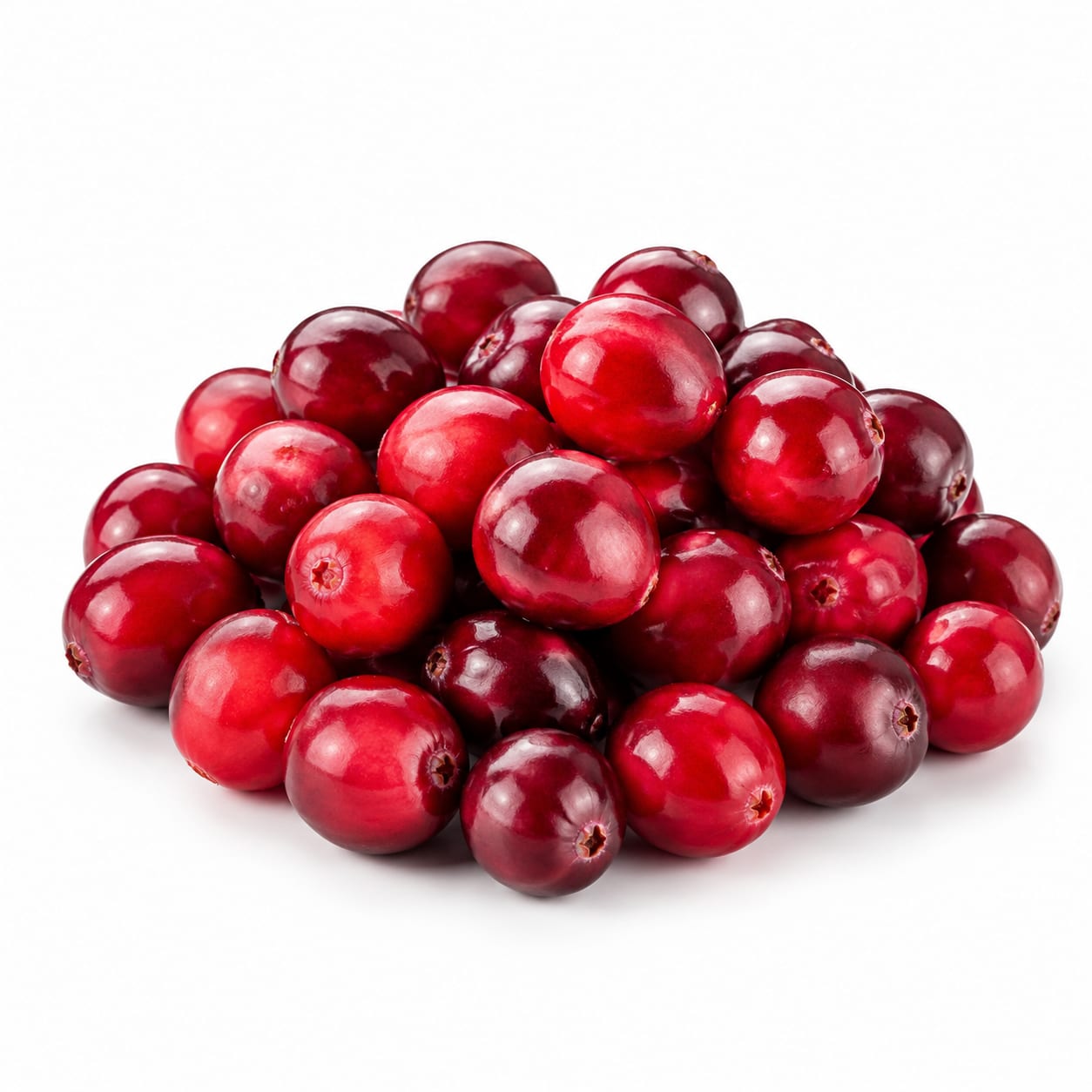
Compare with
Cranberry
Hawthorn offers more cardiovascular benefits, while cranberry is superior for urinary tract health.
Hawthorn is better for heart health, while cranberry targets urinary tract health; both are equally low in calories.
This food
Hawthorn
VS80% alike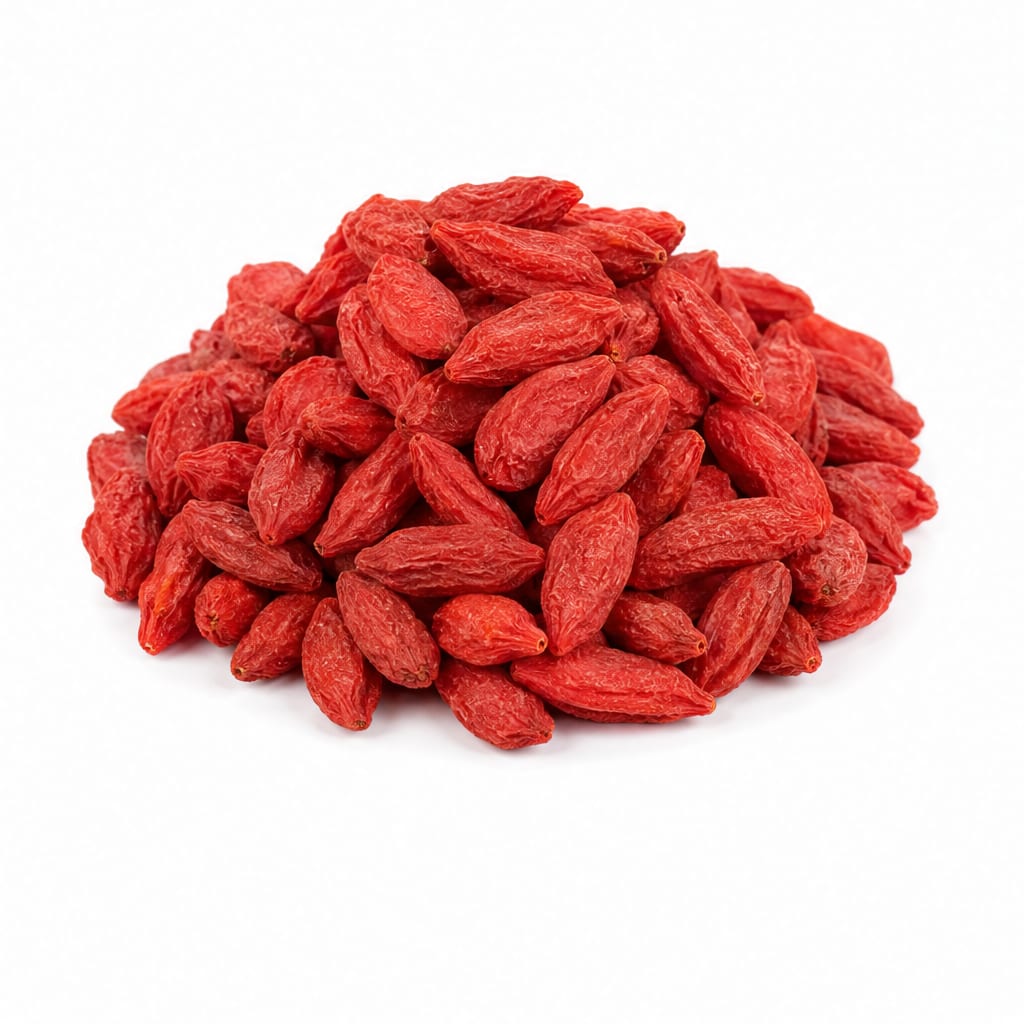
Compare with
Goji Berry
Goji berries are higher in vitamin A and protein, while hawthorn is lower in sugar and better for blood sugar control.
Hawthorn is lower in sugar and calories, making it better for weight loss, whereas goji offers more vitamin A.
This food
Hawthorn
VS75% alike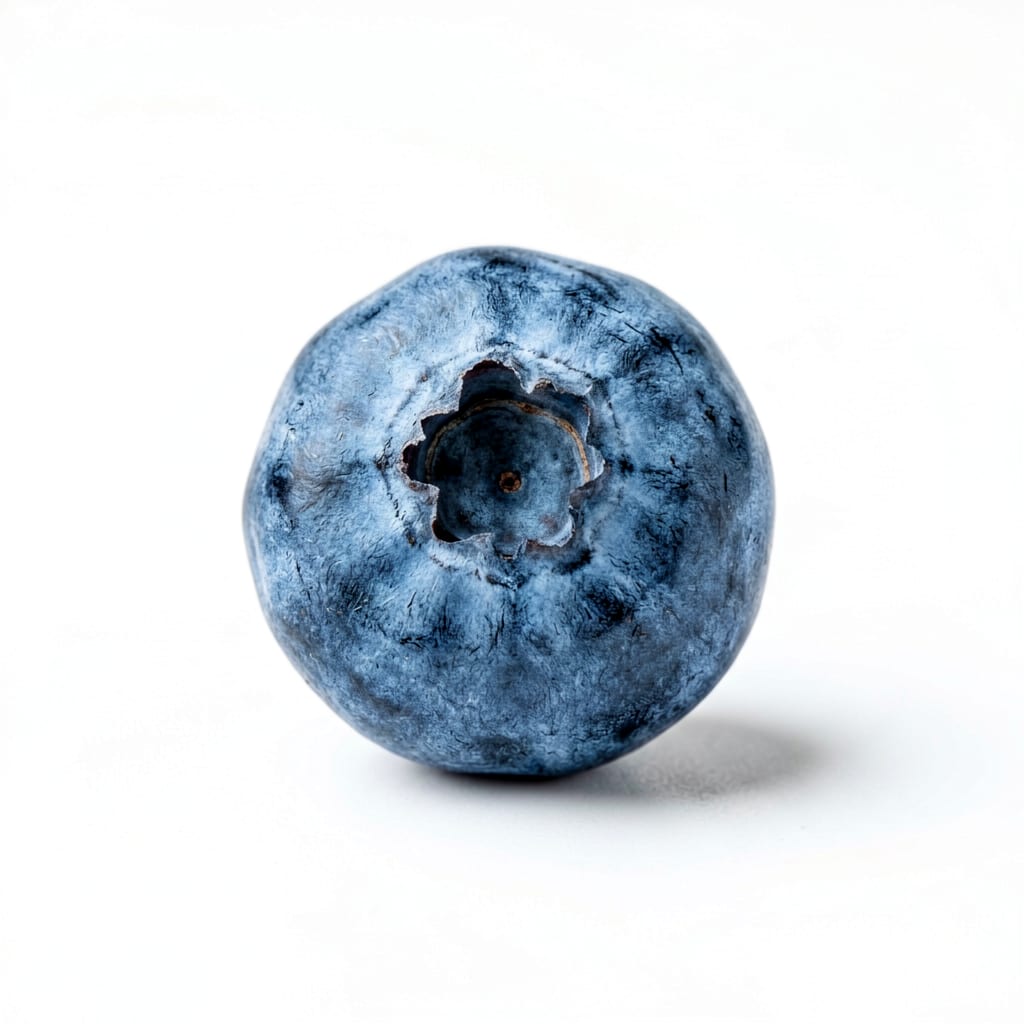
Compare with
Blueberry
Blueberries are sweeter and more versatile, while hawthorn has a stronger medicinal profile for heart health and lower sugar.
Hawthorn is lower in sugar and better for blood sugar, while blueberries are sweeter and more widely eaten fresh.
This food
Hawthorn
VS90% alike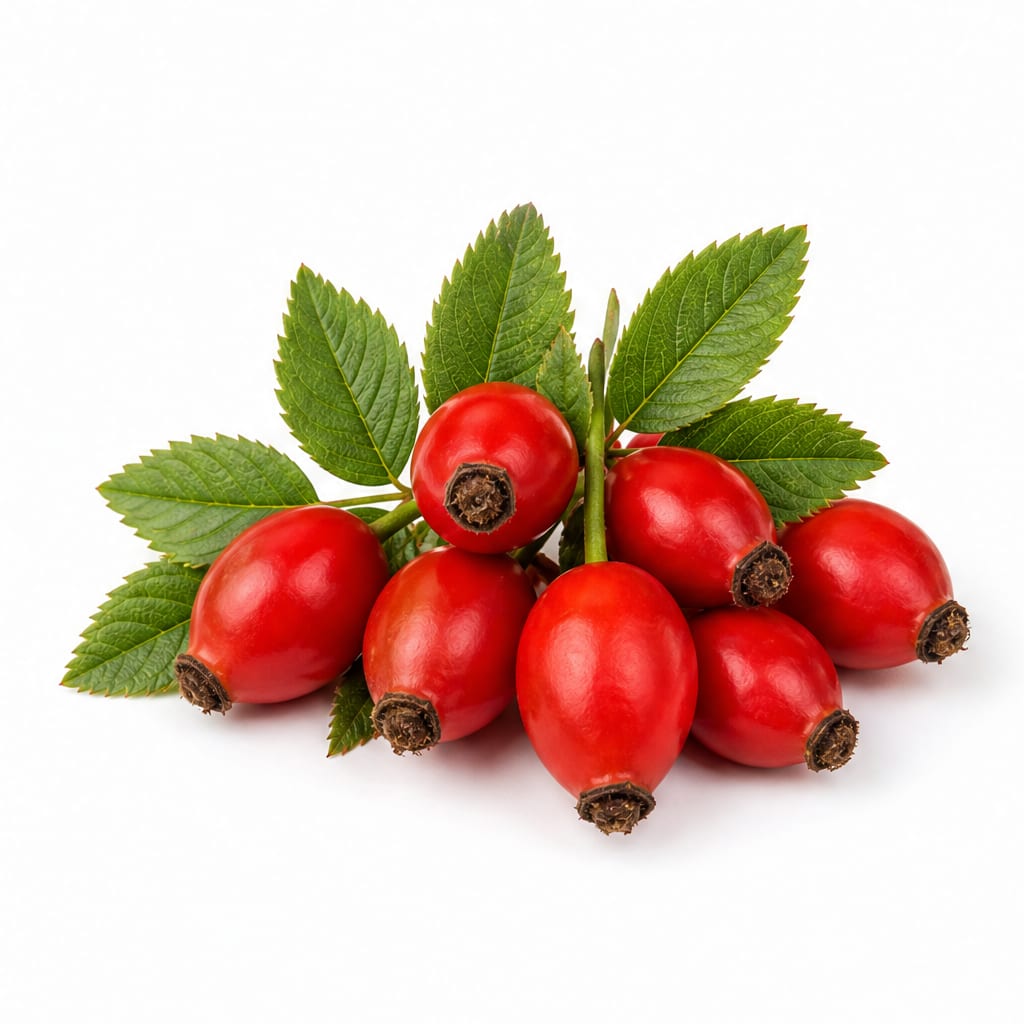
Compare with
Rosehip
Rosehip is significantly higher in vitamin C, while hawthorn is more targeted toward cardiovascular health.
Rosehip provides a massive vitamin C boost, while hawthorn is the better choice for heart support.
This food
Hawthorn
VS70% alike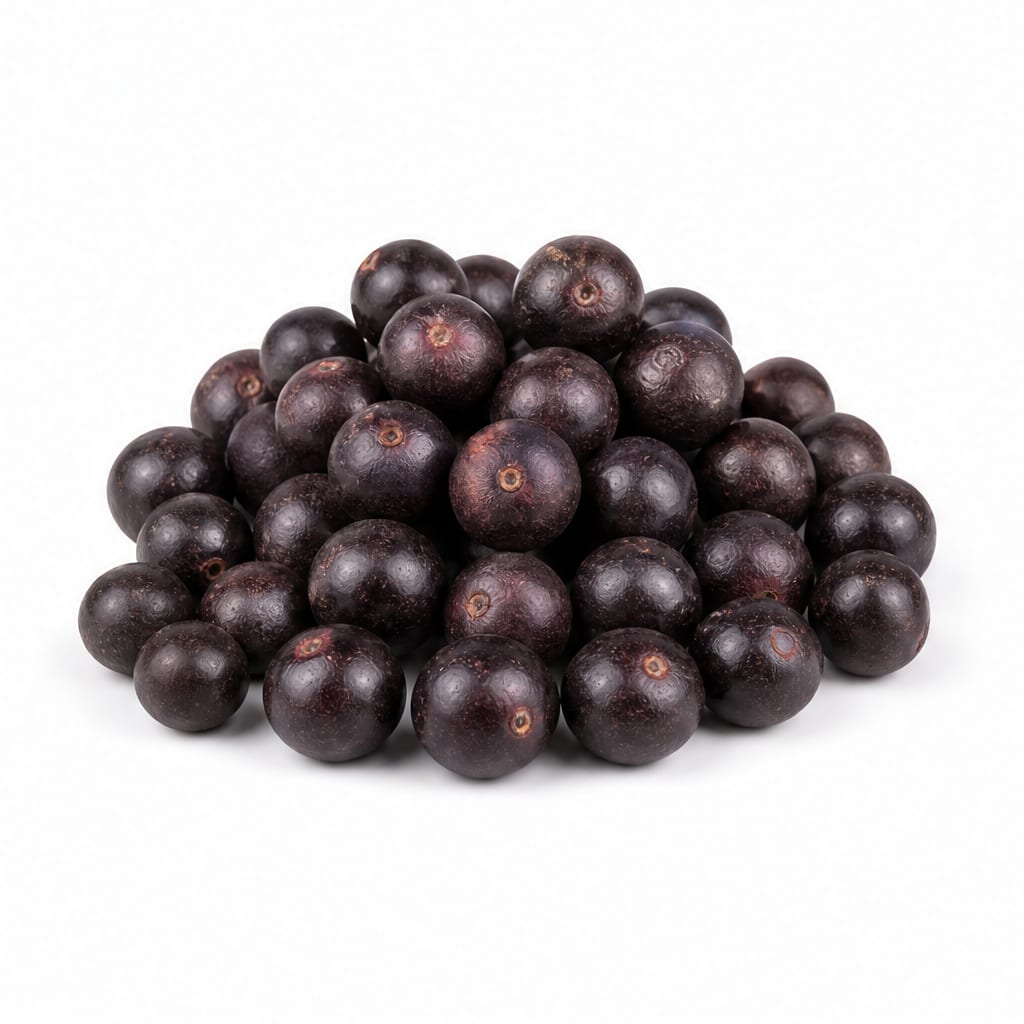
Compare with
Acai Berry
Acai is higher in healthy fats and omega fatty acids, while hawthorn is lower in calories and higher in fiber.
Hawthorn is lower in calories and better for weight loss, while acai provides more healthy fats for sustained energy.
This food
Hawthorn
VS65% alike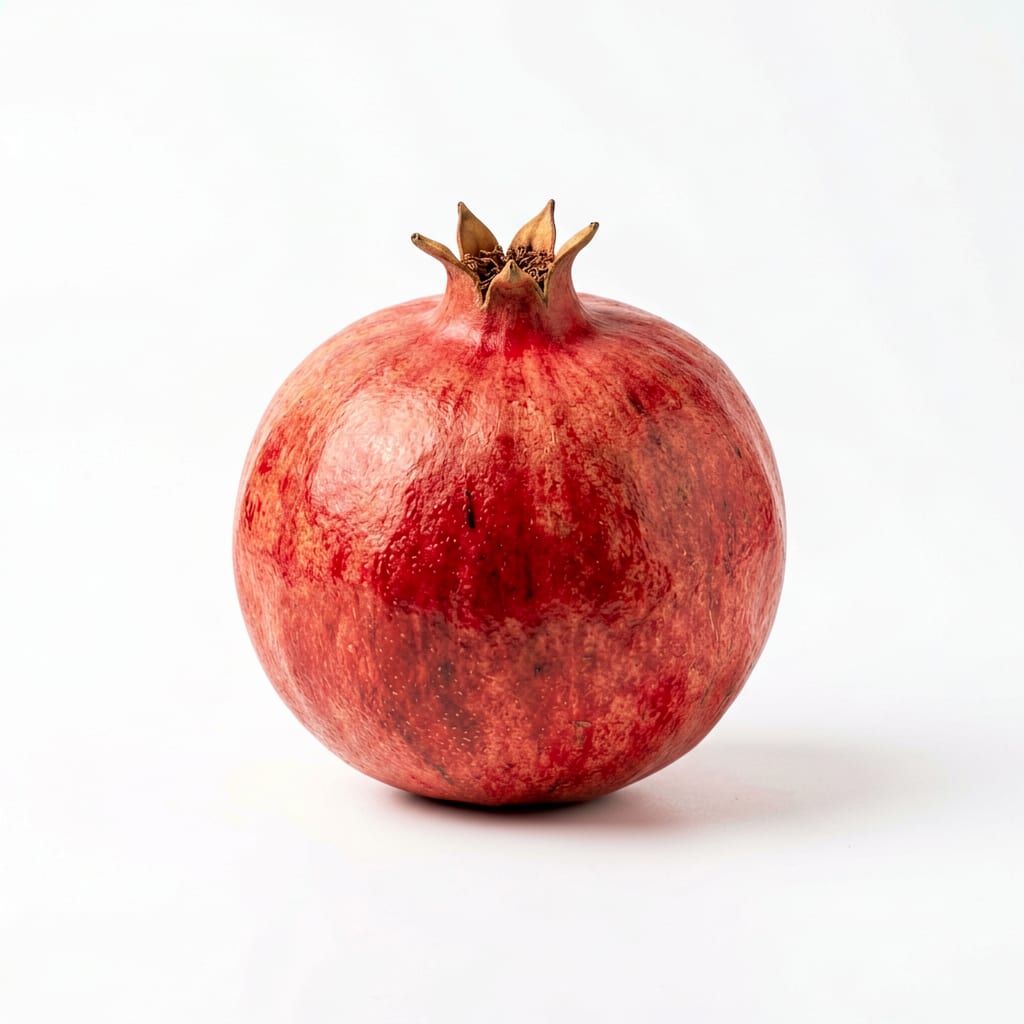
Compare with
Pomegranate
Pomegranate offers more juice and folate, while hawthorn provides a lower sugar, lower calorie alternative.
Hawthorn is lower in sugar and calories for weight loss, while pomegranate provides more volume and folate.
This food
Hawthorn
VS70% alike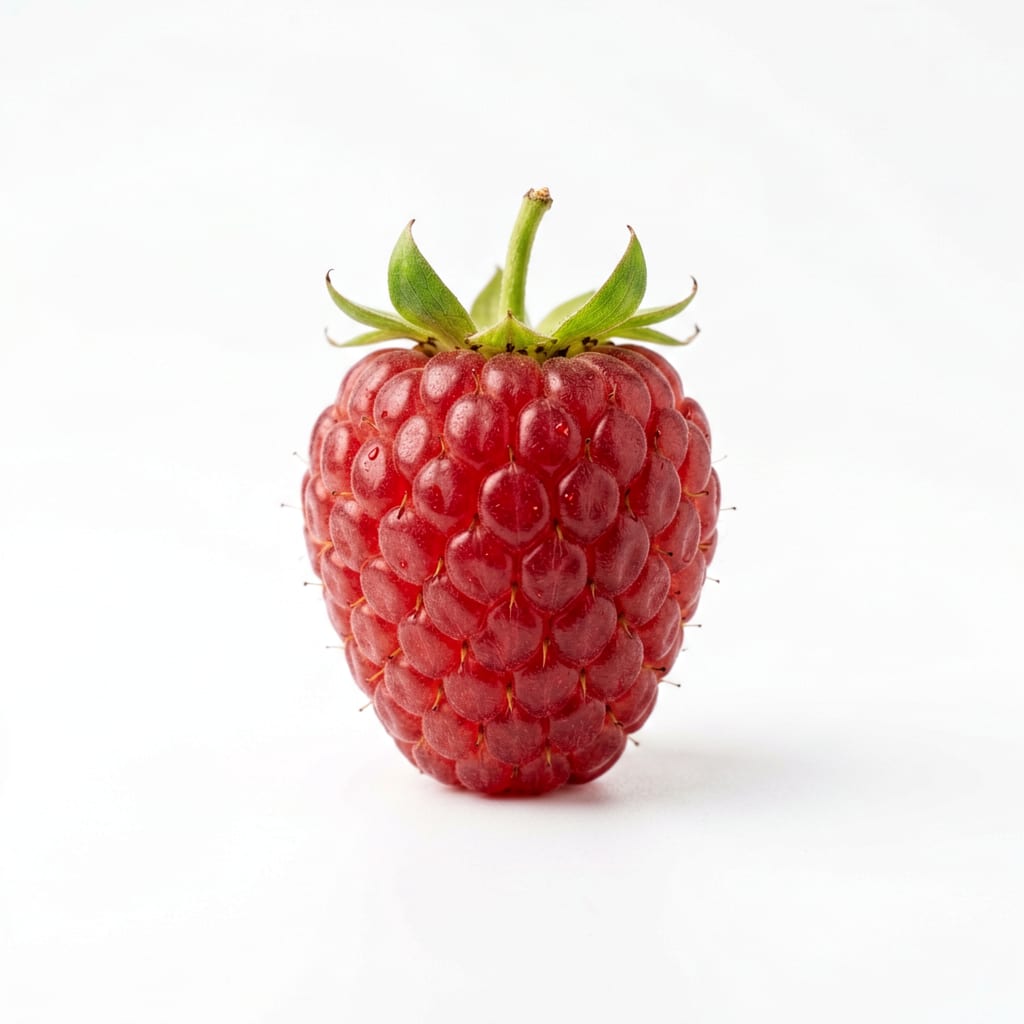
Compare with
Raspberry
Raspberries have higher fiber and are sweeter, while hawthorn has specific cardiovascular flavonoids.
Raspberries offer more fiber and a sweeter taste, while hawthorn provides unique heart-health compounds.
This food
Hawthorn
VS80% alike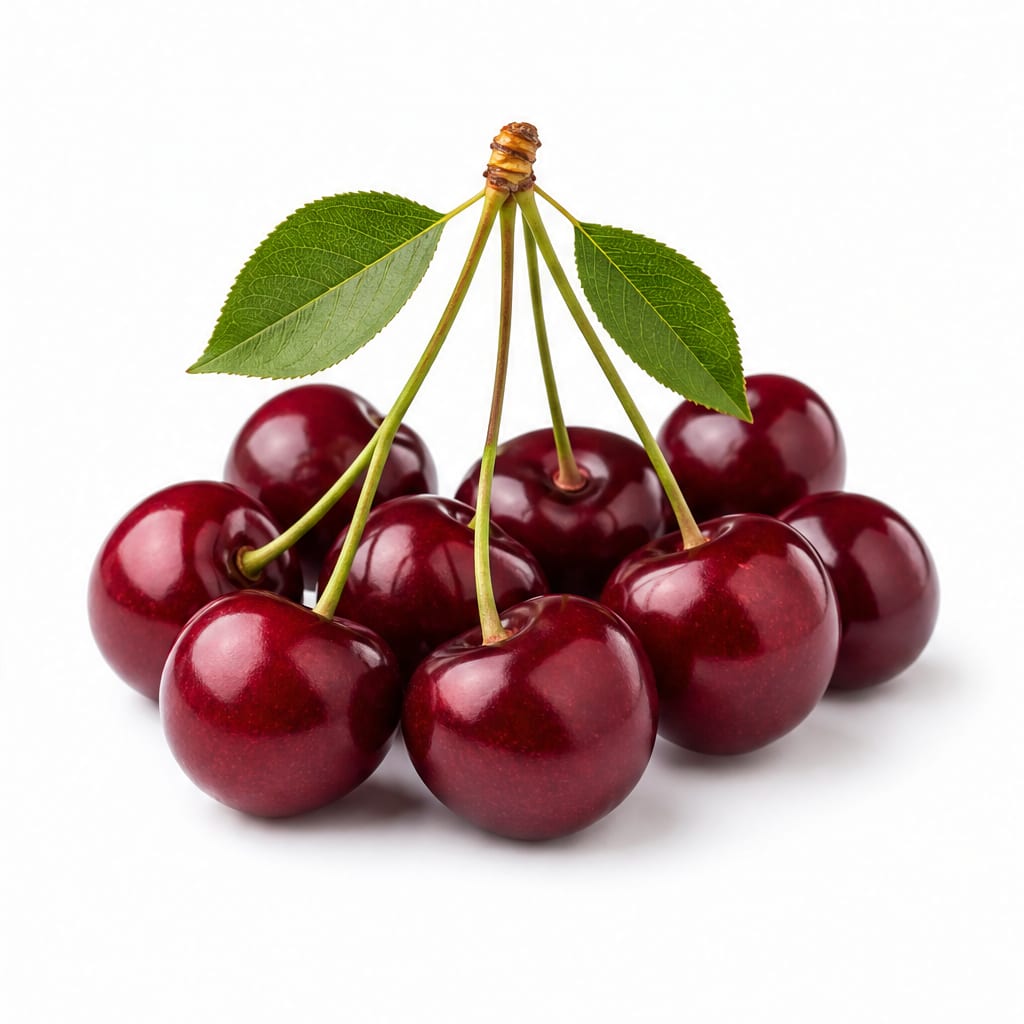
Compare with
Tart Cherry
Tart cherry is favored for muscle recovery and sleep, while hawthorn is targeted for heart health and blood flow.
Tart cherry is better for fitness recovery and sleep, while hawthorn excels in cardiovascular support.
This food
Hawthorn
VS65% alike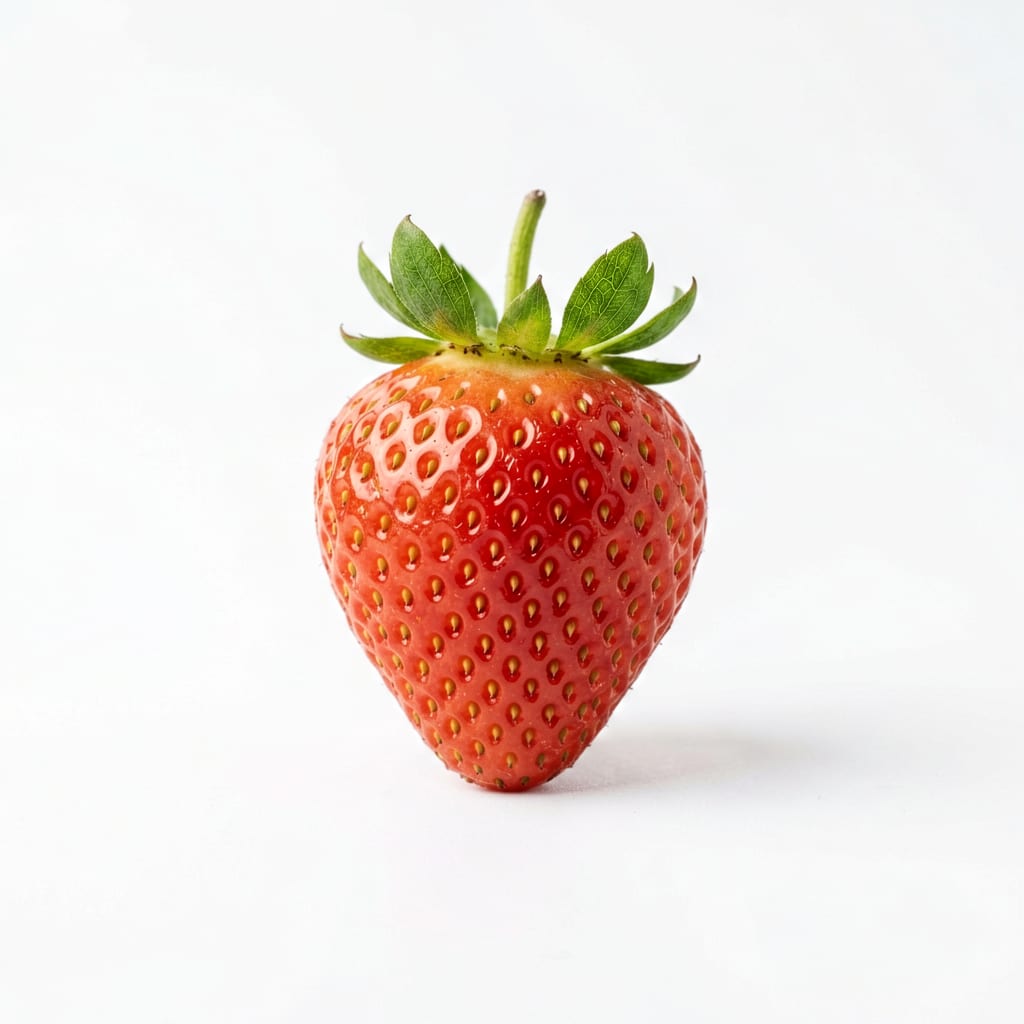
Compare with
Strawberry
Strawberries are higher in vitamin C and sweeter, while hawthorn is lower in sugar and has medicinal properties.
Hawthorn is lower in sugar and better for blood sugar, while strawberries are sweeter and higher in vitamin C.
This food
Hawthorn
VS85% alike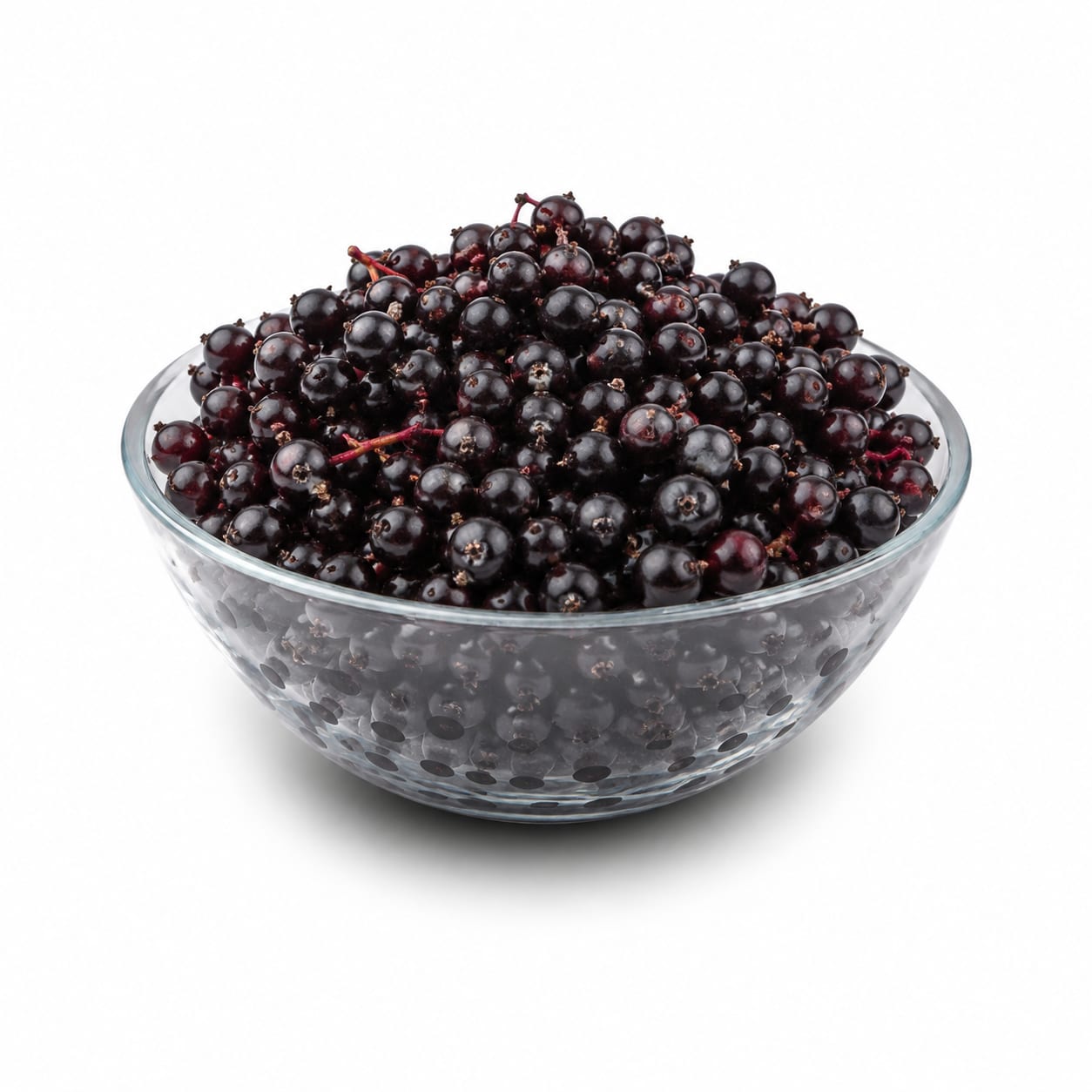
Compare with
Elderberry
Elderberry is primarily used for immune support, while hawthorn is used for cardiovascular health.
Elderberry is the top choice for immune support, whereas hawthorn is superior for heart health and circulation.
Common questions
FAQ
Answers aligned with how people search for this food.
Is hawthorn berry good for your heart?
Yes, hawthorn is rich in flavonoids and procyanidins that support cardiovascular function, blood flow, and healthy blood pressure.
Can you eat raw hawthorn berries?
Yes, the flesh is edible and tart, but the seeds must be removed as they contain toxic cyanogenic compounds.
Are hawthorn seeds poisonous?
Yes, the seeds contain amygdalin, which metabolizes into cyanide. Never consume the seeds.
Does hawthorn lower blood pressure?
Some studies suggest hawthorn may help dilate blood vessels, but it should not replace prescribed blood pressure medication without medical supervision.
Is hawthorn good for weight loss?
Hawthorn is low in calories and high in fiber, which helps increase satiety and supports weight management.
Can diabetics eat hawthorn?
Yes, raw hawthorn has a low glycemic index and may help regulate blood sugar, though sweetened hawthorn products should be avoided.
What does hawthorn taste like?
Raw hawthorn berries are tart, slightly sweet, and astringent, similar to a sour apple or cranberry.
How do you use dried hawthorn berries?
Dried hawthorn is commonly steeped in hot water to make herbal tea or simmered into jams and syrups.
Transparency
Data confidence
Estimated confidence for nutrition data, interpretation, safety notes, and comparisons.
Nutrition data
Health analysis
Food safety
Comparisons