
Nutrition comparison
Hawthorn vs Acai Berry: Which Superfruit Is Better for Your Health Goals?
Compare Hawthorn and Acai Berry on heart health benefits, antioxidant power, calories, safety, and daily practicality. Find out which berry fits your needs better.
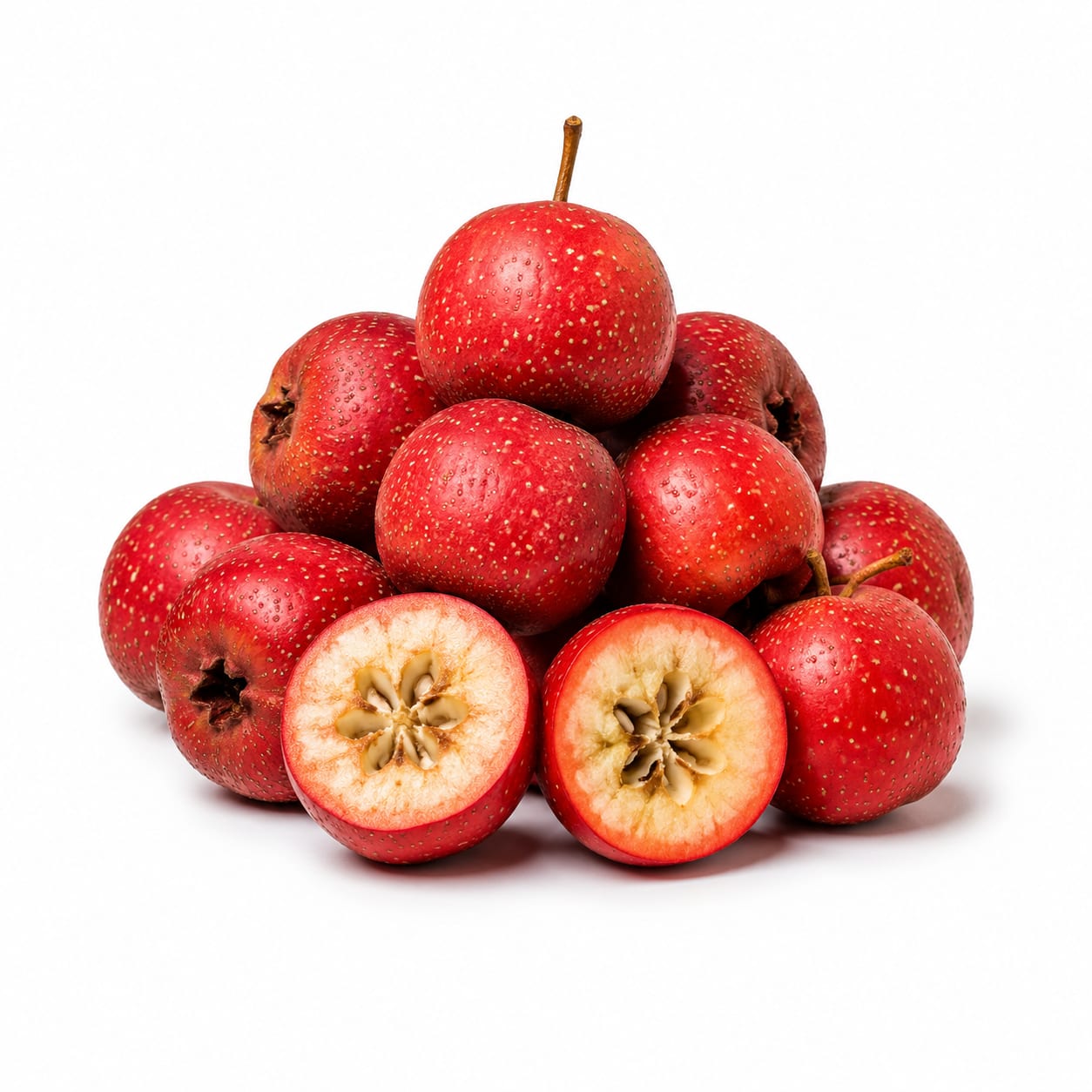
Hawthorn
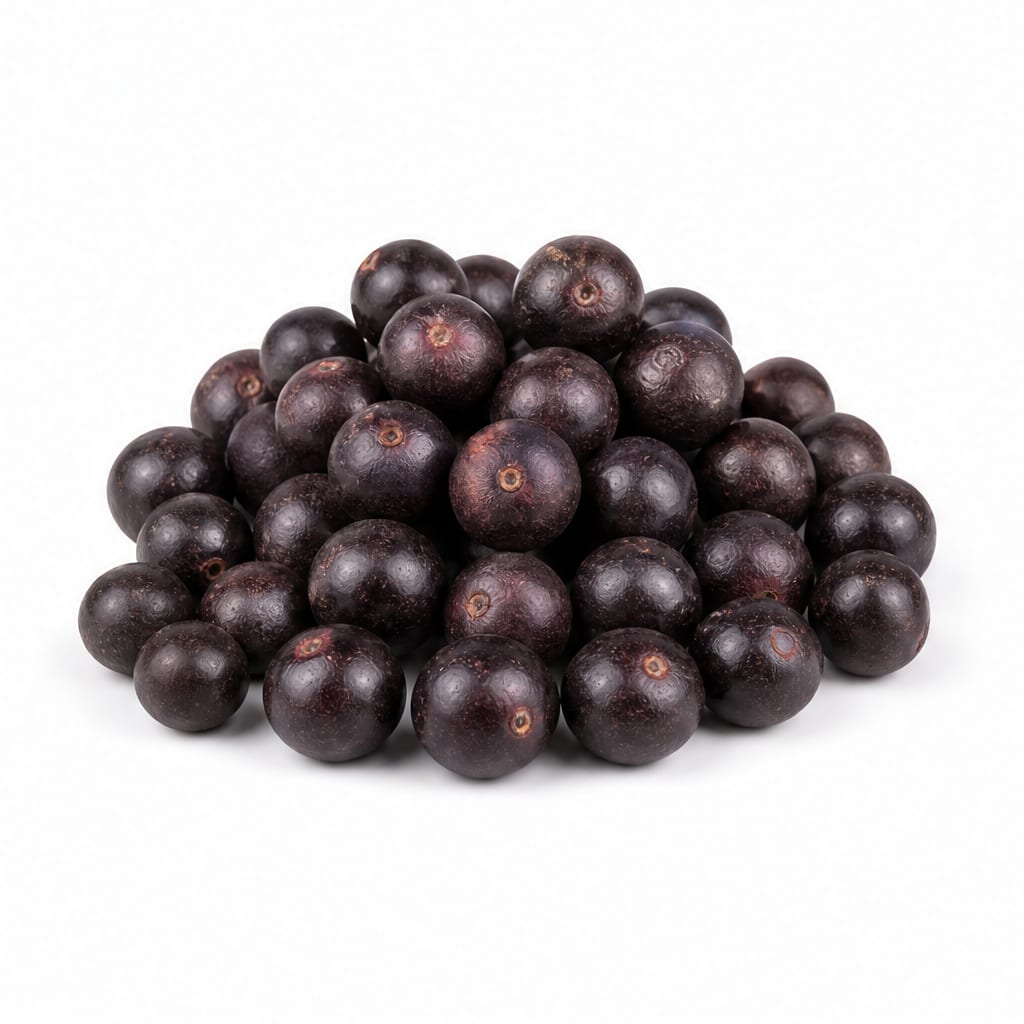
Acai Berry
Hawthorn is the targeted heart health specialist with stronger clinical evidence for cardiovascular benefits, while Acai Berry delivers broader antioxidant coverage with unique healthy fats most berries lack.
Acai Berry edges ahead slightly due to better accessibility, broader nutrient profile including healthy fats, and easier daily integration. Hawthorn scores highly for its targeted cardiovascular evidence but loses points for medication interaction risks and limited availability in typical grocery stores.
Hawthorn offers proven heart-specific benefits but carries real medication interaction risks and is harder to find fresh; Acai is more accessible and nutrient-dense but significantly higher in calories and often overhyped in marketing.
At a glance
Executive summary
Overall
It depends
Healthier
It depends
More practical
Acai Berry
Daily use
Acai Berry
Key comparison lenses
Cardiovascular health and circulation support
Hawthorn is one of the most clinically supported herbs for heart health, while Acai offers general antioxidant cardiovascular protection
Antioxidant potency and type comparison
Both are antioxidant powerhouses but with different primary compounds — oligomeric procyanidins in Hawthorn vs anthocyanins in Acai
Medication interaction safety
Hawthorn has clinically significant interactions with heart medications that users must know about
Weight management and calorie awareness
Acai is surprisingly calorie-dense for a berry due to its fat content, while Hawthorn is very low in calories
Practical accessibility and preparation
Acai is widely available as frozen pulp or powder in Western markets, while Hawthorn requires more effort to find and prepare
Best choice for
Hawthorn
- People with mild hypertension or circulation concerns
- Those seeking targeted cardiovascular support
- Anyone wanting a low-calorie functional food
- People who enjoy traditional herbal preparations like teas
Acai Berry
- Smoothie and bowl enthusiasts wanting nutrient density
- People seeking broad-spectrum antioxidant protection
- Anyone needing healthy fat intake from whole food sources
- Those wanting an easy-to-find superfood in Western grocery stores
Least suitable for
Hawthorn
- People on beta-blockers, digoxin, or other heart medications without doctor approval
- Those wanting a quick convenient snack without preparation
- People expecting a sweet palatable taste
Acai Berry
- People strictly monitoring calorie intake
- Those sensitive to higher fat foods
- Consumers who believe exaggerated weight-loss marketing claims
Deep comparison
Dimension by dimension
Each lens scores both foods and breaks down who each option suits.
- Dimension 1 · Priority 95Hawthorn
Cardiovascular Support
Hawthorn · 92Acai Berry · 68Hawthorn has decades of clinical research supporting its use for heart failure, hypertension, and circulation improvement. Acai supports heart health indirectly through antioxidants and anti-inflammatory effects.
Tradeoff
Hawthorn's stronger heart benefits come with real medication interaction risks that Acai does not carry.
Why it matters
If cardiovascular health is your primary concern, Hawthorn is the more evidence-backed choice — but only if you are not on heart medications.
Real-world impact
Someone with mild blood pressure concerns may notice more tangible improvements with Hawthorn tea daily versus Acai bowls.
Hawthorn
- Managing mild hypertension naturally
- Improving circulation to extremities
- Supporting aging hearts with reduced output
Better for
- Anyone already on blood pressure or heart rhythm medications
- People who skip doctor consultations before adding herbal remedies
Worse for
Acai Berry
- General cardiovascular maintenance without medication concerns
- Reducing oxidative stress on blood vessels
- Post-workout cardiovascular recovery
Better for
- Those needing targeted therapeutic cardiovascular intervention
Worse for
- Dimension 2 · Priority 90Acai Berry
Antioxidant Profile
Hawthorn · 78Acai Berry · 88Acai has one of the highest ORAC scores of any fruit, driven by dense anthocyanin content. Hawthorn offers potent oligomeric procyanidins but lower overall antioxidant diversity.
Tradeoff
Acai wins on sheer antioxidant quantity and variety, but Hawthorn's specific flavonoids have more targeted research on blood vessel function.
Why it matters
For general cellular protection and anti-aging, Acai delivers more raw antioxidant power. For vessel-specific oxidative damage, Hawthorn may be more strategic.
Real-world impact
Regular Acai consumption may show more visible benefits in skin health and recovery from exercise, while Hawthorn may better protect artery walls over time.
Hawthorn
- Targeted vascular antioxidant protection
- Reducing oxidative damage specifically in heart tissue
Better for
- Those wanting maximum total antioxidant intake per serving
Worse for
Acai Berry
- Broad-spectrum cellular protection
- Skin health and anti-aging support
- Exercise recovery and reducing muscle oxidative stress
Better for
- People specifically concerned with vascular oxidative damage
Worse for
- Dimension 3 · Priority 75Hawthorn
Calorie and Macronutrient Balance
Hawthorn · 82Acai Berry · 64Hawthorn is very low in calories with minimal fat, while Acai is surprisingly calorie-dense due to its high monounsaturated fat content — roughly 5 times more calories per serving than typical berries.
Tradeoff
Acai's healthy fats support satiety and nutrient absorption but make portion control important. Hawthorn lets you eat freely without calorie concern.
Why it matters
If you track calories or eat multiple servings, Acai can quietly add significant energy intake that most people do not expect from a berry.
Real-world impact
A single Acai bowl can easily reach 400-600 calories with toppings. Hawthorn tea or dried fruit adds virtually nothing to your daily total.
Hawthorn
- Calorie-conscious eating
- Fasting-friendly functional food
- Low-energy-density snacking
Better for
- Those who need calorie-dense nutrition or struggle to eat enough
Worse for
Acai Berry
- Keto or low-carb diets needing healthy fat sources
- Active individuals needing calorie-dense fuel
- Improving absorption of fat-soluble vitamins from other foods
Better for
- Weight loss diets unless portions are carefully controlled
- People who assume all berries are low-calorie
Worse for
- Dimension 4 · Priority 70Acai Berry
Accessibility and Convenience
Hawthorn · 48Acai Berry · 78Acai frozen pulp and powder are widely available in Western supermarkets and smoothie shops. Fresh Hawthorn is rare outside Asia and specialty markets, usually requiring dried fruit or supplement forms.
Tradeoff
Acai fits easily into modern smoothie routines, while Hawthorn demands more effort to source and prepare.
Why it matters
The best functional food is one you actually use consistently. Acai's convenience makes daily consumption far more realistic for most people.
Real-world impact
You can grab Acai packets at most grocery stores and blend them in two minutes. Finding quality Hawthorn may require online ordering and tea brewing.
Hawthorn
- People with access to Asian markets or herbal shops
- Those who enjoy traditional tea preparation rituals
Better for
- Rural areas without specialty markets
- People unwilling to order supplements online
Worse for
Acai Berry
- Busy professionals wanting quick smoothie additions
- People who shop at conventional grocery stores
- Anyone wanting to try a superfood without special sourcing
Better for
- Those avoiding frozen or packaged foods
Worse for
- Dimension 5 · Priority 85Acai Berry
Safety and Medication Interactions
Hawthorn · 52Acai Berry · 86Hawthorn has documented interactions with beta-blockers, digoxin, calcium channel blockers, and other cardiovascular drugs. Acai has minimal interaction concerns.
Tradeoff
Hawthorn's therapeutic potency is exactly what makes it risky alongside medications. Acai's gentler profile means fewer safety worries but less targeted impact.
Why it matters
Many people considering these foods are older adults already on heart medications — exactly the population most at risk from Hawthorn interactions.
Real-world impact
Adding Hawthorn to a beta-blocker regimen could lower blood pressure too much, causing dizziness or fainting. Acai can generally be added without such concerns.
Hawthorn
- Healthy individuals not on any heart medications
- Those working with a practitioner who monitors their heart meds
Better for
- Medicated heart patients who do not consult their doctor
- Anyone taking multiple prescriptions without professional oversight
Worse for
Acai Berry
- Anyone on prescription medications
- Older adults with complex medication regimens
- People who self-prescribe supplements without medical guidance
Better for
- People who want therapeutic-level cardiovascular effects
Worse for
Timeline
Health impact over time
Short-term
Hours to days
Hawthorn
- May cause mild dizziness if blood pressure drops too low
- Tart, astringent taste that can be off-putting initially
- Possible mild digestive adjustment when first consumed as tea
Acai Berry
- Provides noticeable energy boost from calorie and fat content
- Can cause mild stomach fullness due to fat density
- May improve satiety for several hours after consumption
Long-term
Months to years
Hawthorn
- Strongest evidence for improved heart function in mild heart failure
- May help maintain healthy blood pressure over years of consistent use
- Potential for improved circulation to extremities, reducing cold hands and feet
Acai Berry
- Consistent antioxidant intake may support skin elasticity and visible aging reduction
- Healthy fat content supports hormone production and brain health long-term
- Anti-inflammatory effects may reduce chronic disease risk markers over time
Risk profile
Safety & processing
Hawthorn is typically sold as dried whole fruit or tea with minimal processing. Acai requires rapid freezing or freeze-drying after harvest due to quick oxidation, and many commercial Acai products contain added sugars, emulsifiers like soy lecithin, or fillers that reduce purity.
Hawthorn
Cardiovascular medication interaction
highHawthorn potentiates the effects of beta-blockers, digoxin, and calcium channel blockers, potentially causing dangerous hypotension or arrhythmias when combined without medical supervision.
Pesticide residue on dried fruit
mediumDried Hawthorn from some regions may carry higher pesticide loads. Choosing organic or verified sources reduces this concern.
Acai Berry
Added sugars in commercial Acai bowls and packets
mediumMany Acai products contain significant added sugars or syrups that undermine the health benefits. Reading labels carefully is essential.
Heavy metal contamination in some powders
lowSome Acai powder supplements have tested positive for trace heavy metals. Third-party tested brands are safer choices.
Who wins for whom
Audience fit
Same foods, different winners depending on your goal.
children
Acai BerryAcai's sweeter taste and smoothie-friendly texture make it far more appealing to children. Hawthorn's tart, astringent flavor and lack of kid-friendly preparation options make it a hard sell.
daily consumption
Acai BerryAcai is easier to incorporate daily without safety concerns and fits smoothly into common breakfast routines. Hawthorn requires more intentionality and medical awareness for consistent daily use.
diabetes
HawthornHawthorn has negligible impact on blood sugar and may improve circulation complications of diabetes. Acai's fat content slows sugar absorption, but many commercial Acai products contain added sweeteners.
elderly
It dependsHawthorn offers the most relevant health benefits for cardiovascular aging but is also the most dangerous for elderly patients on multiple heart medications. Acai is safer but less targeted.
muscle gain
Acai BerryAcai provides calorie density and healthy fats that support muscle-building diets, plus antioxidants that aid exercise recovery. Hawthorn offers minimal caloric or protein support.
weight loss
HawthornHawthorn is extremely low in calories and can be consumed as a flavorful tea that satisfies without adding energy. Acai's fat content makes portion control critical for weight loss.
Your move
Decision guide
Choose Hawthorn
- You want targeted heart and circulation support and are not on heart medications
- You prefer low-calorie functional foods and teas over calorie-dense options
- You have access to quality Hawthorn and enjoy traditional herbal preparations
- You are working with a practitioner who can monitor cardiovascular effects
Choose Acai Berry
- You want a convenient antioxidant boost for smoothies or bowls
- You are not on heart medications and want broad-spectrum health support
- You need healthy fat intake from whole food sources rather than supplements
- You want something easy to find at regular grocery stores and simple to prepare
Either works if
- You are generally healthy and want to rotate antioxidant sources for variety
- You are building a diverse functional food pantry for different needs on different days
Avoid both if
- You expect either to produce dramatic weight loss or cure serious disease on its own
- You are on blood thinners or heart medications and have not consulted your doctor about herbal additions
Final recommendation
For most people seeking an accessible daily superfood, Acai Berry is the more practical and safer choice. If you have specific cardiovascular concerns and can navigate the medication interaction risks with professional guidance, Hawthorn offers more targeted therapeutic value. The best approach may be keeping both on hand — Acai for daily smoothie nutrition and Hawthorn for intentional heart-supporting tea rituals.
Practical
Consumer tips
- 1
Choose Acai products with no added sugar — the ingredient list should be short and recognizable
- 2
If buying Hawthorn, dried whole fruit or tea bags from reputable herbal brands are more reliable than extracts with unclear dosing
- 3
Anyone on heart medications must talk to their doctor before using Hawthorn — this is not optional
- 4
Acai bowls at restaurants often contain 400-600 calories and heavy sugar from granola and honey — making them at home gives you control
- 5
Freeze-dried Acai powder retains more antioxidants than spray-dried versions but costs more
- 6
Hawthorn tea can be blended with hibiscus for better taste and additional blood pressure support