
Nutrition comparison
Hawthorn vs Rosehip: Which Berry is Better for Your Health?
Compare Hawthorn and Rosehip to discover which is best for heart health, immunity, and joints. Learn the nutritional differences, benefits, and safety tips.
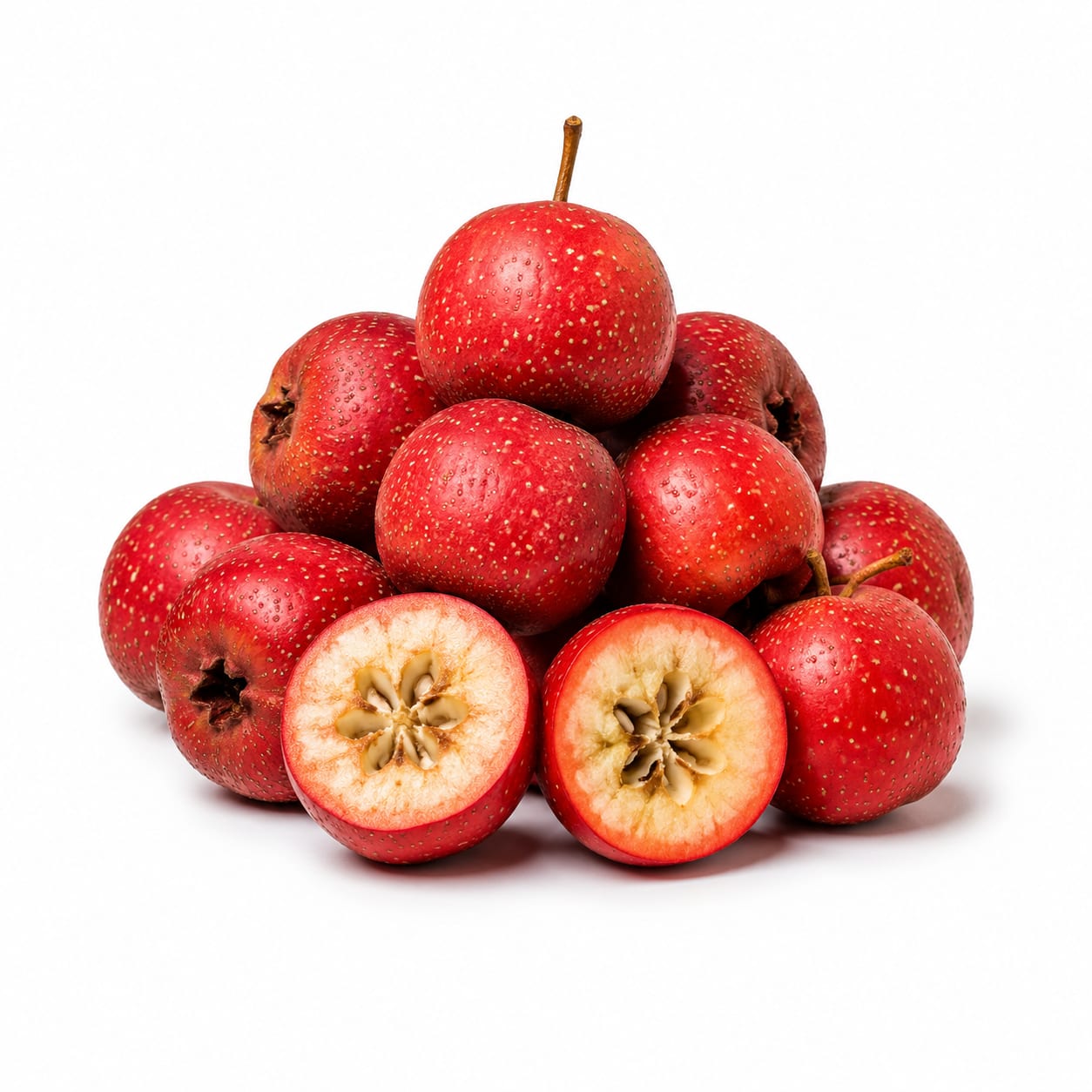
Hawthorn

Rosehip
Hawthorn targets your heart and circulation, while Rosehip fortifies your immune system and soothes your joints.
Rosehip scores slightly higher due to its exceptional nutrient density and broader everyday safety profile, but Hawthorn remains unmatched for specific heart health goals.
Targeted cardiovascular and blood pressure support versus massive vitamin C and anti-inflammatory joint relief.
At a glance
Executive summary
Overall
It depends
Healthier
It depends
More practical
It depends
Daily use
Rosehip
Key comparison lenses
Cardiovascular vs Immune Health
Hawthorn is legendary for heart support, while Rosehip is a powerhouse for immunity and vitamin C.
Anti-inflammatory and Joint Relief
Rosehip is widely used for osteoarthritis and joint pain, whereas Hawthorn targets vascular inflammation.
Medicinal Tea and Supplement Use
Both are rarely eaten raw and are most commonly consumed as therapeutic teas, extracts, or jams.
Nutrient Density and Antioxidants
Users often compare these berries for their concentrated phytonutrients and antioxidant capacity.
Best choice for
Hawthorn
- People managing mild hypertension
- Those seeking cardiovascular protection
- Individuals with poor circulation
Rosehip
- People wanting immune support during cold season
- Those managing joint pain or osteoarthritis
- Anyone needing a natural vitamin C boost
Least suitable for
Hawthorn
- People on prescription heart medications without doctor approval
- Those seeking a high-vitamin C supplement
Rosehip
- People prone to kidney stones
- Those looking for cardiovascular-specific benefits
Deep comparison
Dimension by dimension
Each lens scores both foods and breaks down who each option suits.
- Dimension 1 · Priority 95Hawthorn
Cardiovascular Support
Hawthorn · 95Rosehip · 55Hawthorn is a premier heart tonic that improves blood flow and steadies blood pressure.
Tradeoff
You get targeted heart benefits with Hawthorn, but miss out on the massive vitamin C found in Rosehip.
Why it matters
Better circulation means warmer hands and feet, steadier energy, and less strain on your heart over time.
Real-world impact
Drinking Hawthorn tea regularly can help take the edge off mild blood pressure issues and calm anxious palpitations.
Hawthorn
- Lowering blood pressure naturally
- Improving circulation to extremities
- Supporting overall heart function
Better for
- Replacing a prescribed heart medication without guidance
Worse for
Rosehip
- Providing general vascular antioxidants
Better for
- Delivering targeted heart-strengthening effects
Worse for
- Dimension 2 · Priority 90Rosehip
Immune Support and Vitamin C
Hawthorn · 45Rosehip · 98Rosehip is one of the most concentrated plant sources of vitamin C available, far outpacing Hawthorn.
Tradeoff
Rosehip delivers an immune-boosting vitamin C surge, while Hawthorn offers almost none.
Why it matters
A robust vitamin C intake means fewer sick days and faster recovery when you do catch a cold.
Real-world impact
A daily cup of Rosehip tea during winter can keep your immune defenses up much more effectively than Hawthorn.
Hawthorn
- Providing mild antioxidant support
Better for
- Acting as a reliable vitamin C source
Worse for
Rosehip
- Fighting off colds and infections
- Boosting daily vitamin C intake
- Supporting collagen production for skin
Better for
- Providing calming, heart-specific benefits
Worse for
- Dimension 3 · Priority 85Rosehip
Anti-Inflammatory and Joint Health
Hawthorn · 60Rosehip · 90Rosehip contains GOPO, a unique fatty acid that effectively reduces joint pain and stiffness.
Tradeoff
Rosehip is a natural ally for sore joints, while Hawthorn focuses its anti-inflammatory action on blood vessels.
Why it matters
Less joint stiffness means easier morning movement and better mobility without relying on painkillers.
Real-world impact
Taking Rosehip powder daily can make climbing stairs or typing much more comfortable for achy joints.
Hawthorn
- Reducing vascular inflammation
Better for
- Relieving physical joint discomfort
Worse for
Rosehip
- Easing osteoarthritis pain
- Reducing general systemic inflammation
- Improving joint mobility
Better for
- Targeting circulatory inflammation
Worse for
- Dimension 4 · Priority 75Rosehip
Antioxidant Density
Hawthorn · 80Rosehip · 88Both are rich in antioxidants, but Rosehip offers a wider variety including carotenoids and intense vitamin C.
Tradeoff
Hawthorn provides deep flavonoid support for blood vessels, while Rosehip gives broader cellular protection.
Why it matters
Broad antioxidant intake protects your skin, eyes, and organs from daily wear and tear.
Real-world impact
Regular consumption of either berry helps fight oxidative stress, but Rosehip gives your skin a brighter, healthier glow.
Hawthorn
- Delivering specific flavonoids for vein health
Better for
- Offering high vitamin C levels
Worse for
Rosehip
- Protecting skin from aging
- Providing diverse phytonutrients
Better for
- Concentrating effects on capillary strength
Worse for
- Dimension 5 · Priority 80Rosehip
Safety and Medication Interactions
Hawthorn · 55Rosehip · 85Hawthorn interacts with prescription heart drugs, making Rosehip the safer choice for medicated individuals.
Tradeoff
Hawthorn is powerful but risky if you are on heart medication, whereas Rosehip is generally safe for daily use.
Why it matters
Unintended herb-drug interactions can cause dangerous blood pressure drops or erratic heart rhythms.
Real-world impact
You can sip Rosehip tea freely, but Hawthorn requires a doctor's okay if you take blood pressure pills.
Hawthorn
- Providing strong therapeutic action when monitored
Better for
- Combining with beta-blockers or ACE inhibitors
Worse for
Rosehip
- Worry-free daily consumption
- Use alongside most standard medications
Better for
- Overconsumption if prone to kidney stones
Worse for
Timeline
Health impact over time
Short-term
Hours to days
Hawthorn
- Mild calming effect on the nervous system
- Can help steady a racing heartbeat after stress
Rosehip
- Quick vitamin C surge for immune defense
- Soothing relief for a scratchy throat when taken as tea
Long-term
Months to years
Hawthorn
- Stronger, more efficient heart contractions
- Better managed blood pressure over the years
- Improved circulation to extremities
Rosehip
- Reduced joint degradation and pain
- Better skin elasticity and aging
- Stronger immune memory and resilience
Risk profile
Safety & processing
Both Hawthorn and Rosehip are typically sold as dried berries, powders, or pure extracts with minimal processing and no artificial additives.
Hawthorn
Heart medication interaction
highHawthorn can amplify the effects of blood pressure and heart medications, leading to dangerously low blood pressure or bradycardia.
Sedative enhancement
mediumMay increase drowsiness when combined with anxiety or sleep medications.
Rosehip
Kidney stone formation
mediumRosehip contains oxalates and high vitamin C, which can contribute to kidney stones in prone individuals if consumed in massive amounts.
Blood thinner interaction
lowMild potential to increase the effect of anticoagulants due to vitamin K content, though less severe than Hawthorn's interactions.
Who wins for whom
Audience fit
Same foods, different winners depending on your goal.
children
RosehipRosehip is a safe, tasty way to boost a child's vitamin C without the cardiovascular risks associated with Hawthorn.
daily consumption
RosehipRosehip is safer for unmonitored daily use due to the lack of severe heart medication interactions.
diabetes
HawthornHawthorn shows mild potential in improving blood sugar metabolism and enhances circulation, which is often compromised in diabetes.
elderly
It dependsHawthorn is excellent for age-related heart decline, but Rosehip is superior for age-related joint pain; choose based on the primary concern.
muscle gain
It dependsNeither provides significant protein or calories; both are irrelevant for direct muscle building.
weight loss
It dependsBoth are essentially zero-calorie when consumed as unsweetened teas, offering flavor without caloric impact.
Your move
Decision guide
Choose Hawthorn
- You are specifically focused on lowering blood pressure naturally
- You want to support heart health and improve circulation
- You experience mild stress-related palpitations
Choose Rosehip
- You want a powerful immune boost during cold and flu season
- You struggle with joint stiffness or osteoarthritis
- You need a natural, potent source of vitamin C for skin health
Either works if
- You want a comforting, antioxidant-rich evening tea
- You are looking to reduce your reliance on sugary beverages
Avoid both if
- You are on multiple prescription medications without consulting a doctor first
- You are looking for a high-protein or calorie-dense food
Final recommendation
Let your primary health goal decide: choose Hawthorn for heart and circulation support, and choose Rosehip for immunity and joint relief. If you want a daily wellness tea without medical complexities, Rosehip is the easier and safer choice.
Practical
Consumer tips
- 1
Always check with a doctor before taking Hawthorn if you use any heart or blood pressure medications.
- 2
Look for Rosehip powder to easily blend into smoothies or yogurt for a tart vitamin C boost.
- 3
If you find Hawthorn tea too astringent, blend it with a sweeter herb like chamomile or a touch of honey.
- 4
To maximize joint benefits from Rosehip, choose a supplement standardized for GOPO (galactolipid).
- 5
Store both dried berries in a cool, dark place to prevent the delicate oils and vitamins from degrading.