
Nutrition comparison
Hawthorn vs Raspberry: Which Berry Is Better for Heart Health and Daily Nutrition?
Compare Hawthorn and Raspberry for heart health, fiber, antioxidants, blood sugar, and safety. Learn which fruit fits your goals and when to choose each one.
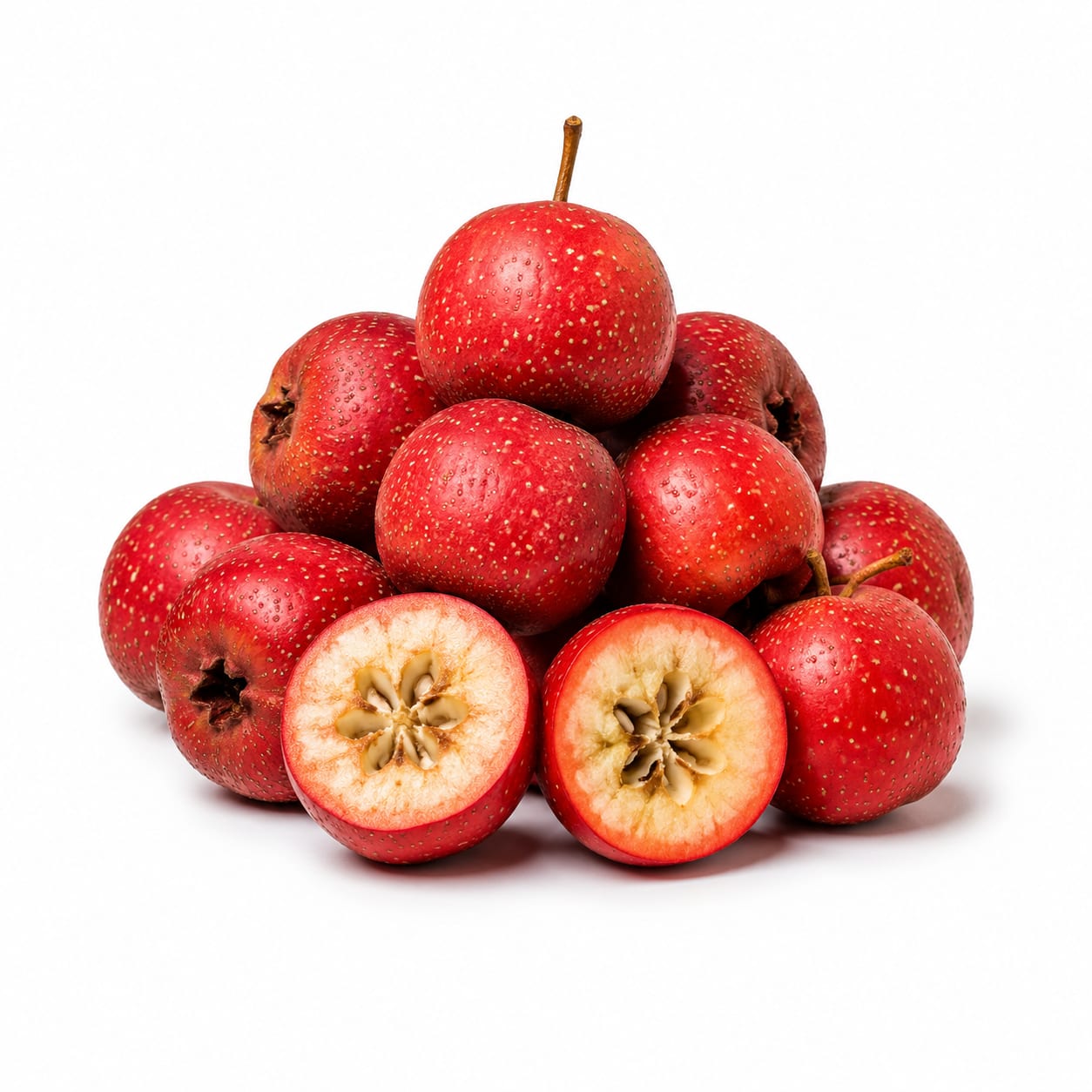
Hawthorn
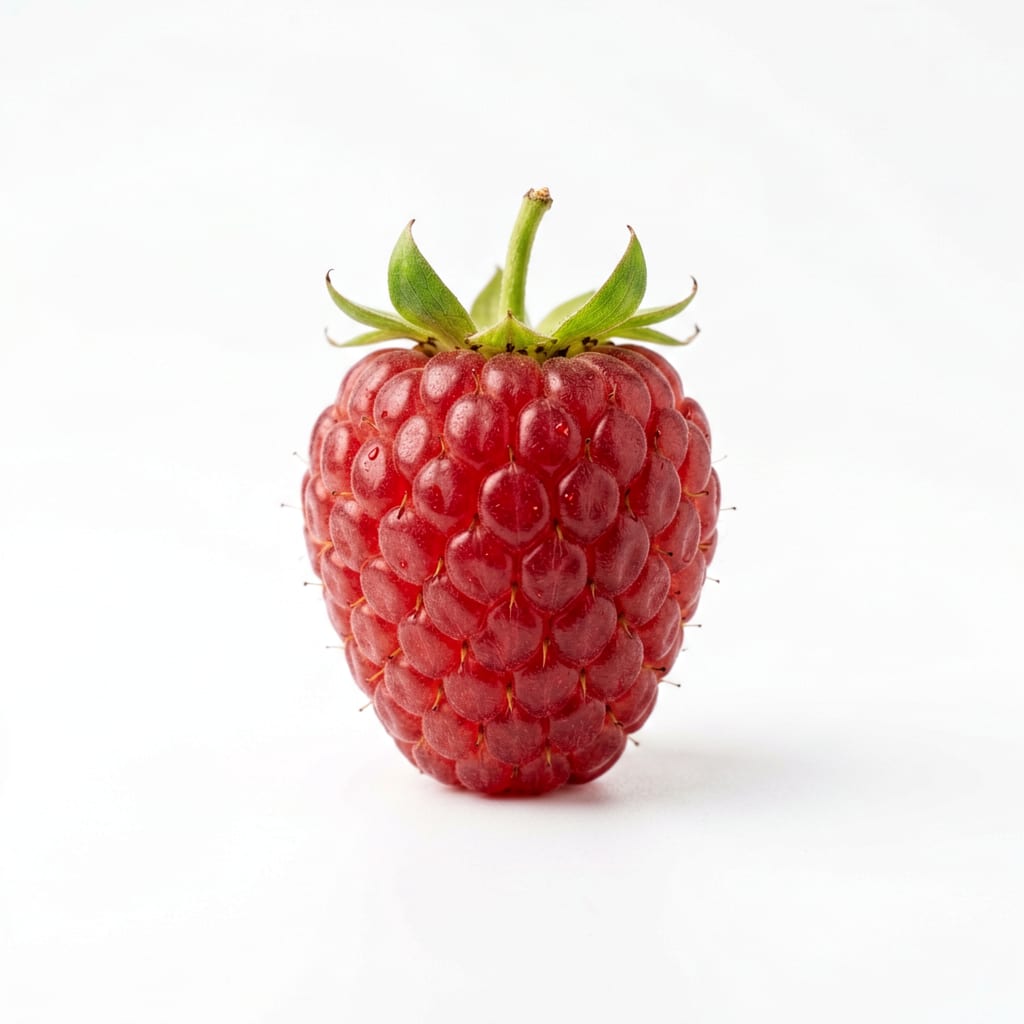
Raspberry
Raspberry wins for everyday eating and versatility; Hawthorn is the targeted choice for heart health support.
Raspberry scores higher overall due to superior practicality, safety profile, and daily usability. Hawthorn earns strong marks for targeted cardiovascular benefits but loses ground on medication interactions, limited culinary versatility, and lower everyday appeal.
Hawthorn offers specialized cardiovascular benefits but requires caution with medications and is harder to incorporate daily. Raspberry is safer, more versatile, and easier to eat regularly but lacks the heart-specific therapeutic edge.
At a glance
Executive summary
Overall
It depends
Healthier
It depends
More practical
Raspberry
Daily use
Raspberry
Key comparison lenses
cardiovascular and heart health support
Hawthorn is renowned for heart-specific benefits while Raspberry offers general cardiovascular support through antioxidants
everyday fruit choice for snacking and meals
Raspberry is a common everyday fruit; Hawthorn is less familiar and less versatile in daily eating
antioxidant diversity and anti-inflammatory potential
Both are antioxidant-rich but through different compounds with distinct effects on the body
safety and drug interaction awareness
Hawthorn has notable interactions with heart medications that users must know about
blood sugar management and diabetes-friendliness
Both are relatively low-sugar fruits but differ in glycemic impact and fiber profile
Best choice for
Hawthorn
- People seeking natural heart health support
- Those with mild cardiovascular concerns wanting a complementary approach
- Individuals looking for a traditional medicinal fruit with targeted benefits
- People interested in circulatory support
Raspberry
- Everyday snackers wanting a nutrient-dense fruit
- People managing blood sugar who need a low-glycemic option
- Anyone seeking high fiber intake from whole foods
- Families wanting a kid-friendly, versatile berry
Least suitable for
Hawthorn
- People on heart medications like beta-blockers or digoxin
- Children who may find the taste unappealing
- Those wanting a casual snacking fruit
- People unfamiliar with proper dosing of medicinal fruits
Raspberry
- People with salicylate sensitivity
- Those on blood-thinning medications who need strict vitamin K control
- Anyone seeking a therapeutic dose of heart-specific flavonoids
Deep comparison
Dimension by dimension
Each lens scores both foods and breaks down who each option suits.
- Dimension 1 · Priority 95Hawthorn
Heart and Cardiovascular Support
Hawthorn · 92Raspberry · 65Hawthorn is one of the most studied herbal fruits for heart health, with evidence supporting improved blood flow, mild blood pressure reduction, and strengthened heart muscle contractions.
Tradeoff
Hawthorn's heart benefits are real but come with medication interaction risks. Raspberry supports cardiovascular health indirectly through antioxidants and fiber without those concerns.
Why it matters
If you have specific heart health goals, Hawthorn delivers targeted compounds like proanthocyanidins and flavonoids that Raspberry simply cannot match in concentration.
Real-world impact
Someone with mild blood pressure concerns might notice more tangible support from Hawthorn tea or extract, while Raspberry would offer gentler, broader protection over time.
Hawthorn
- Supporting healthy blood pressure naturally
- Improving circulation in hands and feet
- Complementing a heart-health protocol under professional guidance
Better for
- Anyone on prescription heart medications without doctor approval
- People who self-prescribe without understanding dosing
Worse for
Raspberry
- General cardiovascular maintenance without medication concerns
- Reducing oxidative stress on blood vessels safely
- Long-term heart health through diet alone
Better for
- Those needing a therapeutic-level intervention for existing heart conditions
Worse for
- Dimension 2 · Priority 85Raspberry
Fiber and Digestive Health
Hawthorn · 62Raspberry · 88Raspberry is one of the highest-fiber fruits available, delivering roughly 8 grams per cup. Hawthorn provides fiber too but in smaller practical amounts due to how it is typically consumed.
Tradeoff
Raspberry gives you significantly more fiber per serving in an easy-to-eat form. Hawthorn's fiber is less accessible since the fruit is often consumed dried, as tea, or in extracts that remove the fibrous portion.
Why it matters
Fiber drives fullness, gut health, and blood sugar stability. A single cup of raspberries covers nearly a third of daily fiber needs for many adults.
Real-world impact
Eating raspberries with breakfast keeps you full until lunch. Hawthorn tea, while pleasant, does little for satiety or gut regularity.
Hawthorn
- Traditional digestive tonic use in small amounts
Better for
- Reliance on tea or extract forms that strip away most fiber
Worse for
Raspberry
- Meeting daily fiber goals easily
- Supporting healthy gut bacteria
- Staying full between meals
- Improving digestive regularity
Better for
- People with IBS who are sensitive to high-fiber fruits during flare-ups
Worse for
- Dimension 3 · Priority 82It depends
Antioxidant Diversity
Hawthorn · 83Raspberry · 80Hawthorn concentrates heart-targeted antioxidants like proanthocyanidins and vitexin. Raspberry offers a broader spectrum including ellagic acid, anthocyanins, and vitamin C.
Tradeoff
Hawthorn goes deep on specific antioxidants that benefit the cardiovascular system. Raspberry goes wide across multiple antioxidant families that protect cells throughout the body.
Why it matters
Targeted antioxidants can be more impactful for specific organs. Broad-spectrum antioxidants provide wider cellular defense against daily oxidative stress.
Real-world impact
Hawthorn acts like a specialist supplement for your heart. Raspberry acts like a general shield for your whole body.
Hawthorn
- Targeted cardiovascular antioxidant protection
- Supporting blood vessel integrity specifically
Better for
- Limited antioxidant coverage outside cardiovascular scope
Worse for
Raspberry
- Whole-body cellular protection
- Skin health and anti-aging benefits
- Reducing general inflammation markers
Better for
- Lower concentration of heart-specific flavonoids per serving
Worse for
- Dimension 4 · Priority 78Raspberry
Blood Sugar Stability
Hawthorn · 70Raspberry · 82Both fruits are relatively low in sugar, but Raspberry's exceptional fiber content slows glucose absorption more effectively. Hawthorn's blood sugar impact depends heavily on preparation form.
Tradeoff
Fresh raspberries provide a reliable low-glycemic snack. Hawthorn products vary widely, with some sweetened preparations increasing sugar content significantly.
Why it matters
For anyone monitoring blood sugar, consistency matters. Raspberry delivers predictable, gentle glycemic impact every time.
Real-world impact
A handful of raspberries will not spike your blood sugar and will keep you steady. A Hawthorn snack bar or sweetened tea might surprise you with added sugars.
Hawthorn
- Unsweetened Hawthorn tea has near-zero glycemic impact
Better for
- Sweetened Hawthorn products and snacks common in Asian markets can be high in added sugar
Worse for
Raspberry
- Predictable low-glycemic snacking
- Post-meal blood sugar buffering thanks to fiber
- Diabetes-friendly fruit option
Better for
- Very large portions still contain natural sugars that add up
Worse for
- Dimension 5 · Priority 88Raspberry
Practicality and Daily Usability
Hawthorn · 48Raspberry · 90Raspberries are available year-round, easy to eat raw, and work in smoothies, oatmeal, salads, and desserts. Hawthorn is harder to find fresh, often requires preparation, and is unfamiliar to most Western consumers.
Tradeoff
Raspberry fits seamlessly into daily life. Hawthorn requires effort to source, learn to prepare, and integrate into meals consistently.
Why it matters
The healthiest food only works if you actually eat it regularly. Convenience drives consistency more than nutrition knowledge.
Real-world impact
Throwing raspberries on your morning yogurt takes five seconds. Finding, preparing, and figuring out how to enjoy Hawthorn takes planning and experimentation.
Hawthorn
- Making medicinal tea as a daily ritual
- Using dried Hawthorn as an occasional therapeutic addition
Better for
- Hard to find fresh in most grocery stores
- Unfamiliar taste and texture for many people
- Limited recipe options in Western cooking
Worse for
Raspberry
- Quick breakfast topping
- Portable snack straight from the container
- Smoothie ingredient
- Kid-friendly addition to lunches
Better for
- Perishable and can mold quickly in the fridge
Worse for
- Dimension 6 · Priority 80Raspberry
Safety and Medication Interactions
Hawthorn · 45Raspberry · 90Hawthorn interacts with multiple heart medications including beta-blockers, calcium channel blockers, and digoxin. Raspberry has minimal interaction concerns for most people.
Tradeoff
Hawthorn's therapeutic potency is exactly what makes it risky alongside certain prescriptions. Raspberry's milder profile means you can eat it freely without worrying about drug interactions.
Why it matters
For anyone on heart medication, unknowingly adding Hawthorn could amplify drug effects and cause dangerously low blood pressure or heart rate.
Real-world impact
A person on blood pressure medication could feel dizzy or faint after consuming Hawthorn regularly. Raspberries pose no such risk.
Hawthorn
- People not on heart medications who want cardiovascular support
Better for
- Potentiates beta-blockers and digoxin
- Can cause hypotension when combined with blood pressure drugs
- May amplify effects of nitrates
Worse for
Raspberry
- Anyone on prescription medications
- Older adults commonly taking multiple drugs
- Pregnant or breastfeeding women needing safe food choices
Better for
- Very high intake could mildly affect blood-thinning medications due to vitamin K content, though this is rare
Worse for
Timeline
Health impact over time
Short-term
Hours to days
Hawthorn
- May cause mild dizziness if taken with blood pressure medication
- Can produce a calming effect on the cardiovascular system within hours
- Tart taste may stimulate digestion
Raspberry
- Quick satiety from high fiber content
- Gentle blood sugar response after eating
- Mild anti-inflammatory effect from anthocyanins
Long-term
Months to years
Hawthorn
- Sustained use may support healthier blood pressure readings
- Could improve exercise tolerance in those with mild heart concerns
- Long-term safety data is limited compared to common fruits
- Risk of cumulative interaction effects with ongoing heart medication use
Raspberry
- Consistent intake supports lower inflammatory markers over time
- High fiber intake contributes to reduced colorectal cancer risk
- Ellagic acid may offer protective effects against certain cancers
- Supports healthy skin aging through vitamin C and antioxidant intake
Risk profile
Safety & processing
Both fruits are naturally whole foods when fresh. However, Hawthorn is frequently sold as dried fruit, tea, extract, or sweetened snack sticks in Asian markets, which can introduce added sugars and preservatives. Fresh or frozen raspberries are typically sold without additives.
Hawthorn
Heart medication interaction
highHawthorn potentiates the effects of beta-blockers, calcium channel blockers, and digoxin. This can cause dangerously low blood pressure or heart rate when combined.
Added sugars in processed forms
mediumDried Hawthorn snacks and Hawthorn rolls commonly sold in Asian markets often contain significant added sugar, undermining the fruit's natural low-glycemic profile.
Pesticide residue on conventionally grown fruit
lowLimited specific data exists for Hawthorn pesticide profiles, but as with all fruit, washing thoroughly is advisable.
Raspberry
Pesticide residue
mediumRaspberries consistently appear on the EWG Dirty Dozen list due to pesticide residue concerns. Choosing organic significantly reduces exposure.
Mold and spoilage
lowRaspberries are highly perishable and can develop mold within days. Inspect berries before eating and refrigerate promptly.
Salicylate sensitivity
lowRaspberries contain moderate levels of salicylates which may trigger reactions in sensitive individuals, though this is uncommon.
Who wins for whom
Audience fit
Same foods, different winners depending on your goal.
children
RaspberryKids enjoy raspberries as a sweet, approachable fruit. Hawthorn's tart, astringent taste and medication interaction risks make it less suitable for children.
daily consumption
RaspberryRaspberry is easy to eat daily without safety concerns, fits into meals effortlessly, and provides consistent nutritional benefits. Hawthorn is better used as a targeted supplement than a daily staple.
diabetes
RaspberryRaspberry's high fiber and low sugar content create a more predictable and gentle blood sugar response. Unsweetened Hawthorn tea is also fine, but Hawthorn snacks often contain hidden sugars.
elderly
It dependsHawthorn could benefit older adults with mild cardiovascular concerns, but this group is also most likely to be on heart medications that interact dangerously. Raspberry is the safer default unless a doctor approves Hawthorn.
muscle gain
It dependsNeither fruit is particularly relevant for muscle gain. Both can be part of a balanced diet but protein sources matter far more for this goal.
weight loss
RaspberryRaspberry provides more fiber and volume per calorie, keeping you fuller on fewer calories. Hawthorn's weight loss benefit is indirect and less reliable.
Your move
Decision guide
Choose Hawthorn
- You want targeted cardiovascular support and are not on heart medications
- Your doctor has approved Hawthorn as a complementary heart health approach
- You enjoy traditional herbal remedies and are comfortable with tea or extract forms
- You are looking for a calming evening ritual that supports circulation
Choose Raspberry
- You want a delicious, high-fiber fruit for daily snacking
- You are on any heart or blood pressure medications
- You need a versatile fruit that works in smoothies, oatmeal, salads, and desserts
- You want predictable blood sugar control from a whole food
- You are feeding a family and need kid-friendly options
Either works if
- You want antioxidant-rich fruits as part of a varied diet
- You are generally healthy and enjoy rotating different berries and fruits
- You value whole-food nutrition over supplements
Avoid both if
- You have a specific berry allergy or salicylate sensitivity
- You are on a very low-fiber diet for medical reasons such as acute IBD flare-ups
Final recommendation
For most people, Raspberry is the smarter everyday choice. It delivers outstanding fiber, broad antioxidant coverage, and culinary versatility without safety concerns. Hawthorn earns its place as a targeted heart health ally, but only for those not on interacting medications and willing to treat it more like a supplement than a snack. If cardiovascular support is your priority and your doctor approves, Hawthorn tea or extract alongside a Raspberry-rich diet gives you the best of both worlds.
Practical
Consumer tips
- 1
Choose organic raspberries when possible to reduce pesticide exposure, especially since they rank high on the Dirty Dozen list
- 2
If trying Hawthorn, start with unsweetened tea rather than processed snacks to avoid hidden added sugars
- 3
Never combine Hawthorn with heart medications without explicit doctor approval, even in tea form
- 4
Freeze fresh raspberries on a baking sheet before bagging to prevent clumping and extend shelf life
- 5
Look for whole dried Hawthorn fruit rather than Hawthorn rolls or candy if you want the medicinal form
- 6
Add raspberries to savory dishes like salads with walnuts and goat cheese for a nutrient-dense meal
- 7
If you enjoy both, drink Hawthorn tea in the evening and eat raspberries at breakfast for complementary benefits