
Nutrition comparison
Hawthorn vs Elderberry: Which Medicinal Berry Is Right for You?
Compare hawthorn and elderberry — heart health versus immune defense, safety differences, and which traditional berry fits your health goals best.
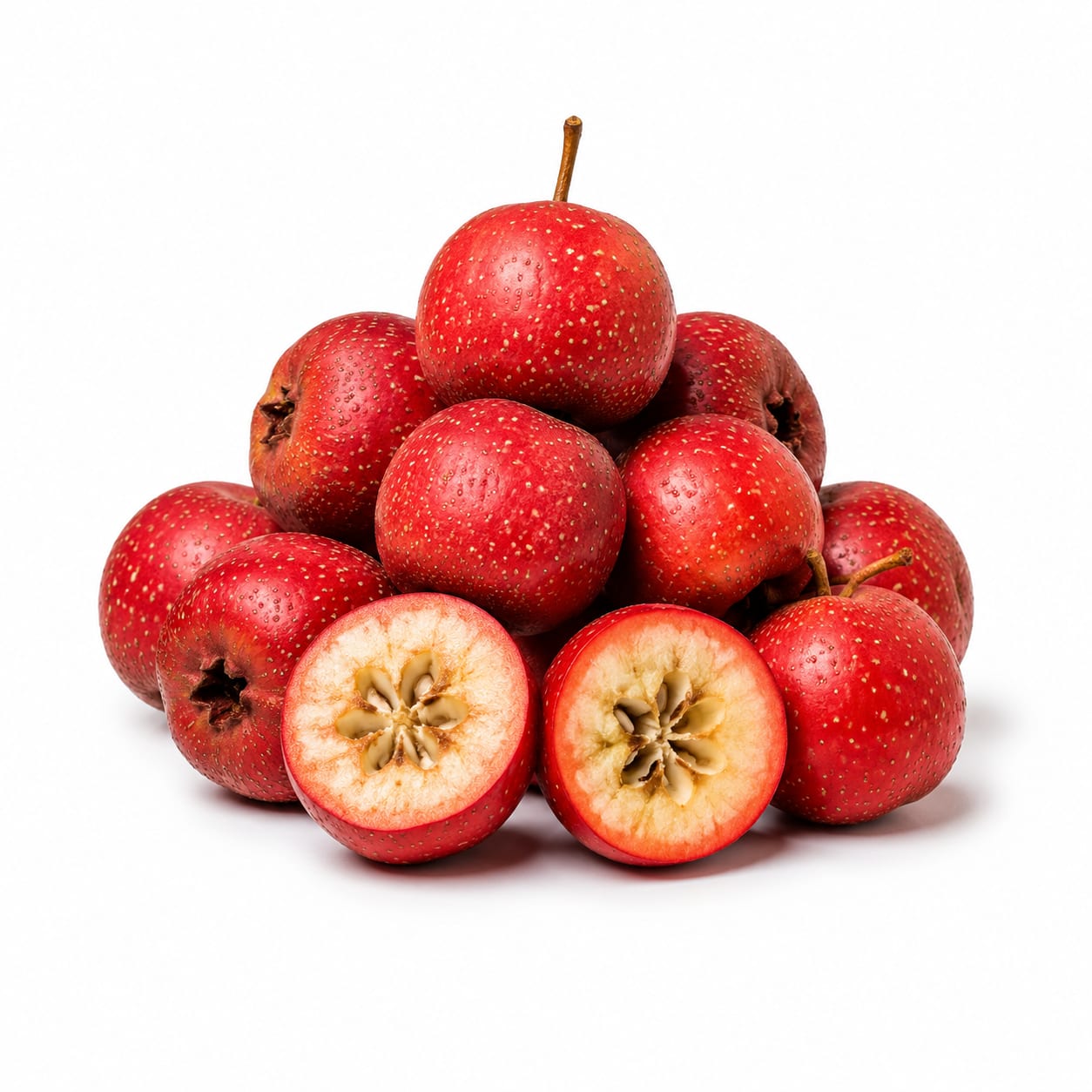
Hawthorn
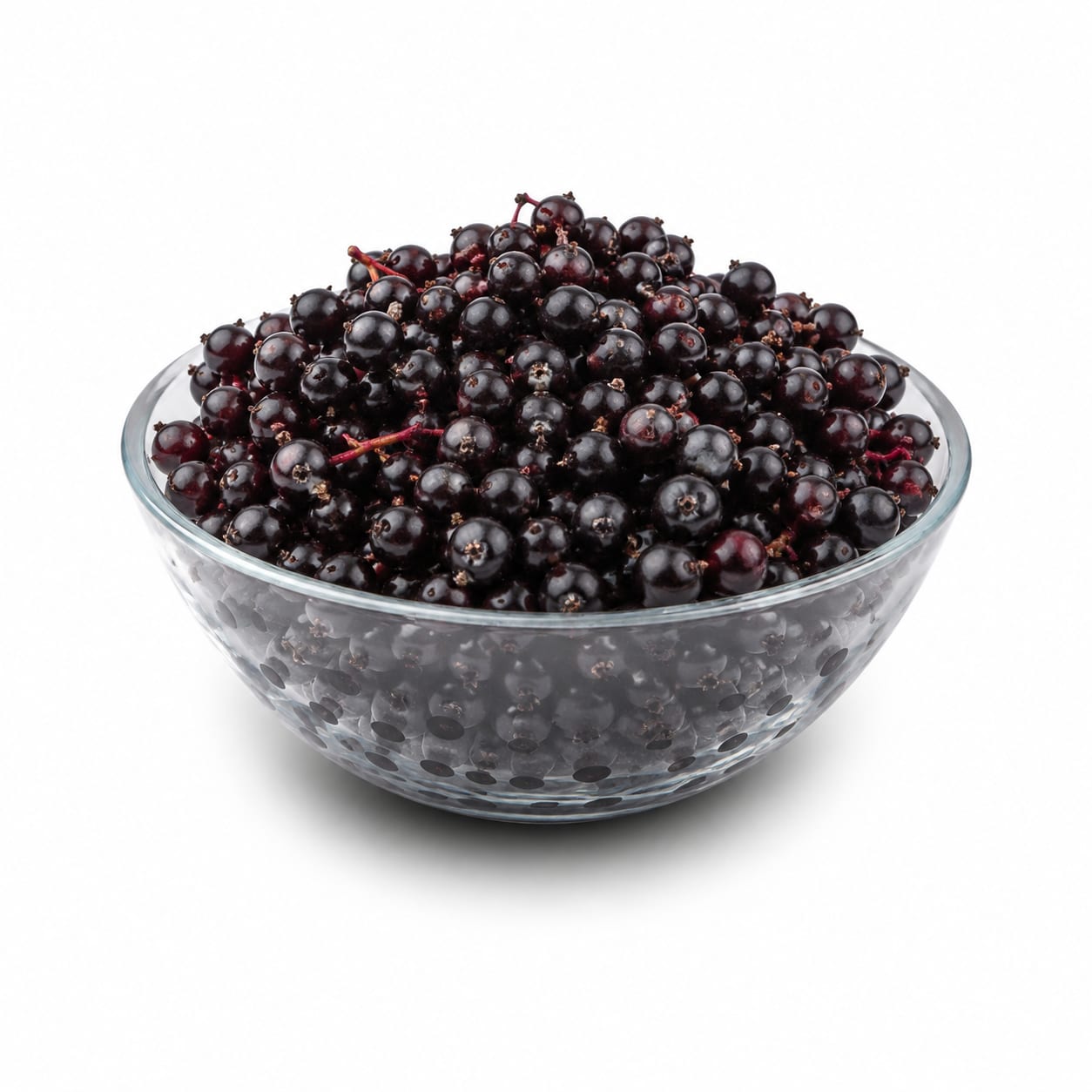
Elderberry
Hawthorn and elderberry target completely different health goals — hawthorn is your cardiovascular ally while elderberry is your immune shield.
Nearly identical overall scores reflect that both are excellent functional berries serving different primary purposes. Hawthorn edges ahead slightly for daily long-term use safety, while elderberry wins for acute immune situations.
Heart and circulatory support versus immune and antiviral defense — you choose based on what your body needs most.
At a glance
Executive summary
Overall
It depends
Healthier
It depends
More practical
Elderberry
Daily use
Hawthorn
Key comparison lenses
immune support vs heart health
Elderberry is renowned for immune defense while hawthorn is the premier heart-support berry — this is the core decision axis
safety and preparation requirements
Raw elderberry contains cyanogenic glycosides and must be cooked; hawthorn has medication interaction risks — safety awareness is critical
traditional medicine vs modern evidence
Both carry centuries of traditional use but differ in clinical evidence depth and modern research backing
daily supplement practicality
Users typically consume these as teas, tinctures, or syrups rather than fresh fruit, making preparation and taste important
antioxidant profile diversity
Both are antioxidant powerhouses but with different flavonoid profiles that serve different body systems
Best choice for
Hawthorn
- People managing blood pressure concerns
- Those seeking long-term cardiovascular support
- Anyone with mild anxiety-related heart palpitations
- Older adults prioritizing circulatory health
- People looking for a gentle daily heart tonic
Elderberry
- Families during cold and flu season
- People recovering from viral infections
- Those wanting acute immune support rather than daily maintenance
- Anyone seeking respiratory tract protection
- People who prefer syrup or gummy supplement formats
Least suitable for
Hawthorn
- People on heart medications without doctor supervision
- Those seeking immune-boosting effects specifically
- Anyone wanting a quick-acting remedy for acute illness
- People sensitive to blood pressure changes
Elderberry
- People who might consume raw or undercooked berries
- Those on immunosuppressive medications
- Anyone seeking cardiovascular-specific benefits
- People who want a low-maintenance daily tonic without preparation concerns
Deep comparison
Dimension by dimension
Each lens scores both foods and breaks down who each option suits.
- Dimension 1 · Priority 95Hawthorn
cardiovascular_support
Hawthorn · 94Elderberry · 35Hawthorn is one of the most evidence-backed botanicals for heart health, improving coronary blood flow and supporting healthy blood pressure.
Tradeoff
Elderberry offers minimal cardiovascular benefit — if heart health is your goal, hawthorn is the clear choice.
Why it matters
Heart disease remains the leading cause of death globally, and hawthorn's flavonoids specifically strengthen blood vessel walls and support efficient heart contractions.
Real-world impact
Regular hawthorn consumption may help maintain steadier blood pressure and reduce occasional heart flutter, especially under stress.
Hawthorn
- Blood pressure management
- Coronary artery support
- Age-related circulatory decline
- Mild heart palpitations
Better for
Elderberry
- Blood pressure regulation
- Long-term heart health maintenance
- Circulatory efficiency
Worse for
- Dimension 2 · Priority 92Elderberry
immune_and_antiviral_defense
Hawthorn · 40Elderberry · 93Elderberry is clinically shown to reduce flu duration and severity by blocking viral replication, making it a go-to immune berry.
Tradeoff
Hawthorn lacks meaningful antiviral or immune-stimulating properties — during cold season, elderberry is far more useful.
Why it matters
Viral infections cause billions of sick days annually, and elderberry's anthocyanins directly inhibit viral cell entry and replication.
Real-world impact
Taking elderberry syrup at the first sign of illness may cut your sick days in half and reduce symptom severity noticeably.
Hawthorn
- Acute viral defense
- Immune response activation
- Flu season protection
Worse for
Elderberry
- Cold and flu defense
- Viral infection recovery
- Respiratory tract protection
- Seasonal immune boosting
Better for
- Dimension 3 · Priority 88Hawthorn
safety_and_preparation
Hawthorn · 82Elderberry · 58Hawthorn is safer in its raw form, while raw elderberry contains cyanogenic compounds that cause nausea and vomiting if not properly cooked.
Tradeoff
Elderberry requires careful preparation or purchasing pre-made products, adding cost and complexity. Hawthorn can be consumed more casually as tea or tincture.
Why it matters
Improperly prepared elderberry has sent people to the emergency room with severe gastrointestinal distress — this is not theoretical.
Real-world impact
If you forage or make your own preparations, hawthorn is far more forgiving. Elderberry demands respect and proper processing.
Hawthorn
- Home preparation safety
- Foraging without toxicity risk
- Casual tea brewing
- Wider margin of error in consumption
Better for
Elderberry
- Commercial syrup availability
- Kid-friendly gummy formats
Better for
- Raw consumption safety
- Home preparation confidence
- Risk-free foraging
Worse for
- Dimension 4 · Priority 75Elderberry
antioxidant_diversity
Hawthorn · 72Elderberry · 85Elderberry packs one of the highest anthocyanin concentrations of any fruit, giving it exceptional antioxidant density per serving.
Tradeoff
Hawthorn offers a broader range of flavonoid types but at lower concentrations — depth versus breadth in antioxidant profile.
Why it matters
Anthocyanins protect cells from oxidative damage and reduce inflammation, with elderberry delivering more per gram than almost any common berry.
Real-world impact
Elderberry gives you a bigger antioxidant punch per spoonful, which matters when you want maximum cellular protection in a small dose.
Hawthorn
- Broader flavonoid spectrum
- Proanthocyanidin content for vascular tissue
Better for
- Peak antioxidant density
Worse for
Elderberry
- Total antioxidant capacity per serving
- Anthocyanin concentration
- Anti-inflammatory potency
Better for
- Dimension 5 · Priority 65Hawthorn
digestive_tolerance
Hawthorn · 78Elderberry · 60Hawthorn has a long history of use as a digestive aid and is generally well tolerated. Elderberry can cause stomach upset in some people, especially in larger doses.
Tradeoff
If you have a sensitive stomach, hawthorn is gentler and may actually help digestion, while elderberry can irritate an already delicate gut.
Why it matters
Many people abandon beneficial supplements because of digestive discomfort — tolerance determines long-term adherence.
Real-world impact
Hawthorn tea after meals can feel soothing and aid digestion. Elderberry syrup on an empty stomach may cause nausea in sensitive individuals.
Hawthorn
- Post-meal digestive comfort
- Gentle on sensitive stomachs
- Traditional digestive remedy use
Better for
Elderberry
- Empty stomach tolerance
- Sensitive digestion compatibility
- High-dose comfort
Worse for
- Dimension 6 · Priority 82Elderberry
medication_interaction_risk
Hawthorn · 48Elderberry · 72Hawthorn potentiates heart medications including beta-blockers and blood pressure drugs, creating real interaction risks. Elderberry has fewer concerning interactions.
Tradeoff
Ironically, the berry best for heart health is the most dangerous for people already on heart medications — a critical nuance.
Why it matters
Combining hawthorn with prescription heart drugs can cause blood pressure to drop too low or amplify medication effects unpredictably.
Real-world impact
If you take blood pressure medication, hawthorn requires doctor supervision. Elderberry is generally safer alongside most common medications.
Hawthorn
- Combining with beta-blockers
- Use alongside blood pressure drugs
- Mixing with digoxin or similar medications
Worse for
Elderberry
- Use alongside most common medications
- Fewer doctor consultation requirements
- Lower interaction risk profile
Better for
Timeline
Health impact over time
Short-term
Hours to days
Hawthorn
- Mild blood pressure reduction noticeable within hours
- Calming effect on stress-related heart rate elevation
- Improved digestion after meals when consumed as tea
Elderberry
- Noticeable reduction in cold or flu symptom severity within 48 hours
- Possible mild stomach upset if taken on empty stomach
- Quick antioxidant boost measurable in blood markers within hours
Long-term
Months to years
Hawthorn
- Gradual improvement in exercise tolerance and cardiac output
- Better blood vessel elasticity over months of consistent use
- Sustained blood pressure support when used daily
Elderberry
- Reduced frequency and duration of seasonal viral infections over time
- Lower systemic inflammation markers with regular consumption
- Improved antioxidant status supporting cellular aging defense
Risk profile
Safety & processing
Both are whole-food botanicals in their purest forms. However, commercial elderberry syrups and gummies often contain added sugars, preservatives, or thickeners, while hawthorn is commonly sold as simple dried berries or tinctures with minimal additives.
Hawthorn
Heart medication potentiation
highHawthorn amplifies the effects of beta-blockers, ACE inhibitors, and other cardiovascular drugs, potentially causing dangerous blood pressure drops.
Mild sedative interaction
lowHawthorn has mild calming properties that may compound the effects of sedatives or anti-anxiety medications.
Elderberry
Cyanogenic glycoside toxicity from raw berries
highRaw elderberry seeds and stems contain compounds that release cyanide when digested, causing nausea, vomiting, and diarrhea. Cooking neutralizes this risk.
Added sugar in commercial preparations
mediumMany elderberry syrups and gummies contain significant added sugars to improve taste, which can undermine immune benefits if consumed frequently.
Autoimmune stimulation concern
lowBecause elderberry stimulates immune response, those with autoimmune conditions should consult a doctor before regular use.
Who wins for whom
Audience fit
Same foods, different winners depending on your goal.
children
ElderberryElderberry gummies and syrups are specifically formulated for kids and taste pleasant, making compliance easy. Hawthorn products are less child-friendly in taste and format.
daily consumption
HawthornHawthorn is better suited as a daily heart-supportive tonic with fewer acute safety concerns, while elderberry is most effective used seasonally or during illness rather than continuously.
diabetes
HawthornHawthorn may improve blood sugar metabolism and is consumed without added sugar. Elderberry syrups often contain significant added sweeteners that spike blood sugar.
elderly
HawthornHawthorn directly addresses the cardiovascular concerns most relevant to aging adults, and its gentle daily tonic nature suits long-term preventive use.
muscle gain
It dependsNeither berry directly supports muscle building — both are functional foods for health rather than protein sources or performance enhancers.
weight loss
HawthornHawthorn is typically consumed as unsweetened tea with zero calories, while elderberry products often contain added sugars that add unnecessary calories.
Your move
Decision guide
Choose Hawthorn
- You want long-term cardiovascular support and healthy blood pressure
- You prefer a gentle daily tonic you can take consistently year-round
- You take no heart medications or have doctor approval for combined use
- You enjoy herbal teas and want a calming evening ritual
- You are over 50 and prioritizing circulatory health
Choose Elderberry
- Cold and flu season is approaching and you want immune backup
- You have school-age children bringing home viruses constantly
- You prefer a supplement format like syrup or gummy over tea
- You need short-term acute support rather than long-term prevention
- You want the highest antioxidant density per serving
Either works if
- You want general antioxidant support without a specific health target
- You enjoy rotating functional foods seasonally
- You are not on any interacting medications
- You are simply curious about traditional medicinal berries
Avoid both if
- You are on blood thinners or multiple heart medications without specialist guidance
- You are pregnant or breastfeeding and have not consulted your doctor
- You have known allergies to plants in the Rosaceae or Adoxaceae families
- You expect either berry to replace medical treatment for a diagnosed condition
Final recommendation
Think of hawthorn as your daily heart vitamin and elderberry as your emergency immune kit. If you had to pick one for year-round use, hawthorn offers more sustainable daily benefits with fewer safety concerns. But having elderberry on standby for when illness strikes is genuinely smart. The best approach for most people is hawthorn daily and elderberry seasonally — they complement rather than compete.
Practical
Consumer tips
- 1
If buying elderberry syrup, check the sugar content — many commercial brands add 8-12 grams of sugar per serving, which works against immune health.
- 2
Never eat raw elderberries straight from the bush. Always cook thoroughly or buy properly prepared products.
- 3
Hawthorn berry tea is simple to make: steep 1-2 teaspoons of dried berries in hot water for 10 minutes. The taste is pleasantly tart and mildly fruity.
- 4
If you take any heart medication, talk to your doctor before starting hawthorn — this is not optional, it is a safety requirement.
- 5
Start with small doses of either berry to test your digestive tolerance before increasing to full servings.
- 6
Freeze-dried elderberry powder retains more antioxidants than heat-processed syrups and lets you control sweetness yourself.
- 7
Hawthorn takes 4-8 weeks of daily use to show meaningful cardiovascular improvements — patience is required for real benefits.
- 8
During cold season, elderberry works best at the first sign of symptoms rather than after you are already sick for several days.