
Nutrition comparison
Hawthorn vs Cranberry: Heart Health vs UTI Prevention Compared
Hawthorn supports cardiovascular health while cranberry prevents UTIs. Compare these two medicinal berries on safety, effectiveness, and daily usability to find which fits your health goals.
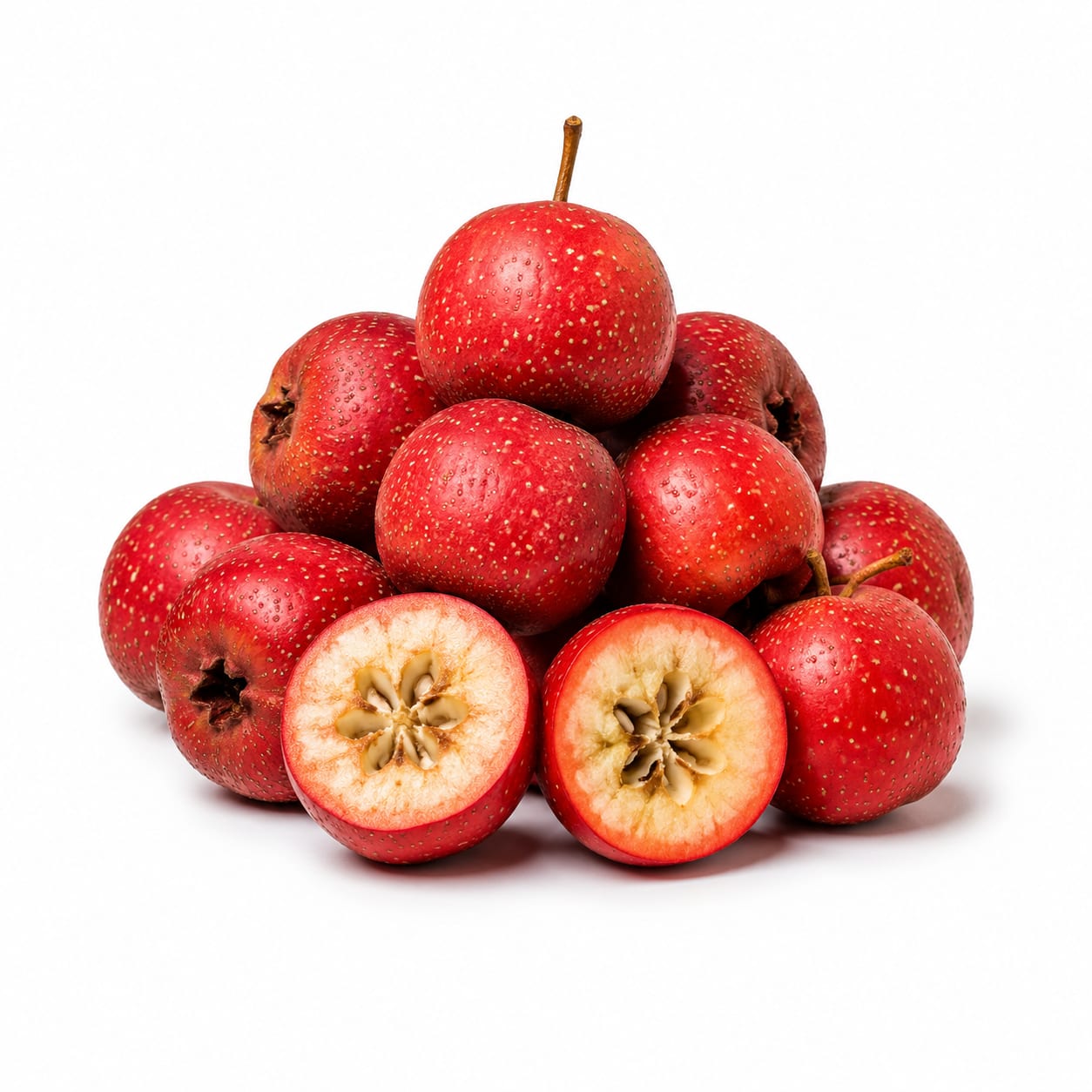
Hawthorn
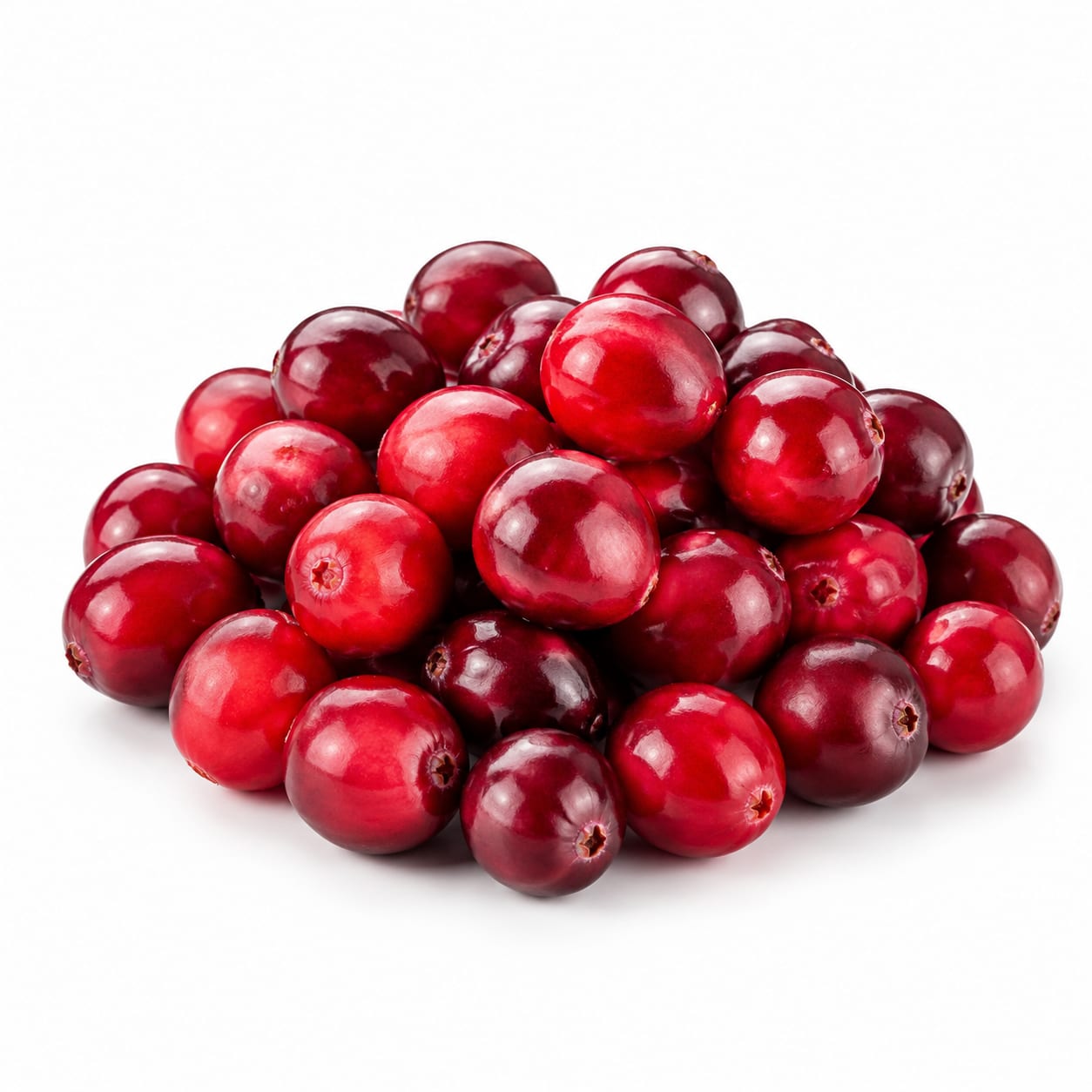
Cranberry
Hawthorn targets your heart and circulation; cranberry targets your urinary tract and immune resilience. Pick based on what you're trying to protect.
Cranberry scores slightly higher due to broader everyday usability, easier access, and fewer safety concerns. Hawthorn is powerful for heart health but its medication interactions and limited availability make it a more niche choice.
Hawthorn offers deeper cardiovascular support but carries medication interaction risks and is harder to find. Cranberry is safer, more accessible, and better studied for UTIs but lacks heart-specific benefits.
At a glance
Executive summary
Overall
It depends
Healthier
It depends
More practical
Cranberry
Daily use
Cranberry
Key comparison lenses
cardiovascular vs urinary tract health benefits
These two berries are most famous for targeting completely different organ systems, making the choice largely goal-dependent
medicinal vs culinary use balance
Hawthorn leans medicinal while cranberry is widely consumed as food, affecting how people actually use them daily
medication interaction safety
Hawthorn has notable heart drug interactions that cranberry does not carry, a critical safety distinction
antioxidant profile differences
Both are antioxidant powerhouses but through different compounds, influencing which conditions they best support
sugar and preparation concerns
Both are extremely tart and often consumed sweetened, which can undermine their health benefits significantly
Best choice for
Hawthorn
- People managing blood pressure or circulation concerns
- Those seeking traditional heart-supportive remedies
- Individuals without heart medications who want cardiovascular protection
- People interested in adaptogenic and traditional herbal approaches
Cranberry
- Women prone to recurrent UTIs
- People wanting an antioxidant-rich everyday fruit
- Those who need a safe berry option alongside medications
- Anyone seeking immune and urinary tract support simultaneously
Least suitable for
Hawthorn
- People taking beta-blockers, digoxin, or blood pressure medications
- Those wanting a casual culinary fruit for snacking
- Anyone unfamiliar with herbal medicine dosing
- People who need widely available grocery store options
Cranberry
- People avoiding added sugars who only have access to sweetened cranberry products
- Those specifically seeking cardiovascular or circulation benefits
- Individuals on blood-thinning medications who consume large amounts of cranberry juice
Deep comparison
Dimension by dimension
Each lens scores both foods and breaks down who each option suits.
- Dimension 1 · Priority 95Hawthorn
Cardiovascular Support
Hawthorn · 92Cranberry · 38Hawthorn is one of the most evidence-backed herbs for heart health, improving circulation, supporting blood vessel elasticity, and helping regulate blood pressure.
Tradeoff
Hawthorn's heart benefits come with real medication interaction risks that require caution, while cranberry offers minimal cardiovascular impact.
Why it matters
If heart health is your primary concern, hawthorn is genuinely therapeutic. Cranberry simply cannot fill this role.
Real-world impact
Someone with mild circulation issues may notice warmer hands and feet, steadier energy, and better exercise tolerance with regular hawthorn use.
Hawthorn
- Blood pressure management
- Coronary artery support
- Post-heart attack recovery (under supervision)
- Circulation improvement
- Age-related vascular stiffness
Better for
- Anyone on heart medications without doctor supervision
Worse for
Cranberry
- Any cardiovascular condition requiring therapeutic intervention
Worse for
- Dimension 2 · Priority 90Cranberry
Urinary Tract Protection
Hawthorn · 18Cranberry · 93Cranberry's proanthocyanidins prevent bacteria from adhering to urinary tract walls, making it the gold standard fruit for UTI prevention.
Tradeoff
Cranberry prevents UTIs effectively but does not treat active infections. Hawthorn offers virtually no urinary tract benefit.
Why it matters
For the millions of women who deal with recurrent UTIs, cranberry is one of the few evidence-based preventive foods available.
Real-world impact
Regular cranberry consumption can reduce UTI recurrence by roughly 25-35%, meaning fewer painful episodes and fewer antibiotic rounds.
Hawthorn
- Any urinary tract concern
Worse for
Cranberry
- Recurrent UTI prevention
- Bladder health maintenance
- Post-menopausal urinary protection
- Antibiotic-sparing infection prevention
Better for
- Treating an active UTI (requires medical treatment, not just cranberry)
Worse for
- Dimension 3 · Priority 75It depends
Antioxidant Diversity
Hawthorn · 82Cranberry · 80Hawthorn delivers flavonoids and oligomeric proanthocyanidins focused on vascular protection. Cranberry offers anthocyanins and vitamin C with broader immune and cellular coverage.
Tradeoff
Hawthorn's antioxidants are more targeted to blood vessels; cranberry's are more evenly distributed across immune and cellular defense.
Why it matters
Both are strong antioxidant sources, but they protect different systems. Your health goals should drive the choice.
Real-world impact
Hawthorn users may see improvements in vascular markers like blood pressure. Cranberry users may notice fewer infections and better recovery from oxidative stress.
Hawthorn
- Vascular-specific oxidative stress
- Circulation-related free radical damage
- Endothelial protection
Better for
- General immune support needs
Worse for
Cranberry
- General cellular antioxidant defense
- Immune system oxidative support
- Seasonal illness resilience
Better for
- Targeted vascular antioxidant needs
Worse for
- Dimension 4 · Priority 85Cranberry
Medication Safety
Hawthorn · 40Cranberry · 82Hawthorn potentiates multiple heart medications including digoxin, beta-blockers, and calcium channel blockers. Cranberry has minor interactions but is generally safer.
Tradeoff
Hawthorn's therapeutic potency is exactly what makes it riskier alongside medications. Cranberry's milder profile means fewer dangerous combinations.
Why it matters
Many people considering these berries are older adults who are likely on medications. Safety becomes a deciding factor.
Real-world impact
Someone on blood pressure medication who adds hawthorn without supervision could experience dangerously low blood pressure or dizziness.
Hawthorn
- People not on any heart medications
- Those working with an herbalist or knowledgeable practitioner
Better for
- Digoxin users
- Beta-blocker users
- Blood pressure medication users
- Anyone on anticoagulants without supervision
Worse for
Cranberry
- Anyone on multiple medications
- Older adults with complex prescriptions
- People who self-supplement without medical guidance
Better for
- Warfarin users consuming very large amounts of cranberry juice
Worse for
- Dimension 5 · Priority 70Cranberry
Everyday Practicality
Hawthorn · 35Cranberry · 78Cranberry is available in every grocery store in multiple forms. Hawthorn requires specialty shops, online ordering, or herbal suppliers.
Tradeoff
Cranberry's convenience comes with the risk of added sugars in most commercial forms. Hawthorn is harder to find but often available in purer medicinal preparations.
Why it matters
The best functional food is one you can actually obtain and use consistently.
Real-world impact
You can grab cranberry products at any supermarket. Finding quality hawthorn may require planning, shipping, and higher cost.
Hawthorn
- People with access to herbal apothecaries or Chinese medicine shops
- Those already ordering supplements online regularly
Better for
- Spontaneous or time-sensitive purchases
- Rural areas without specialty shops
Worse for
Cranberry
- Busy people who need immediate availability
- Anyone shopping at conventional grocery stores
- Travelers who want to maintain their routine anywhere
Better for
- Dimension 6 · Priority 70It depends
Sugar and Preparation Concerns
Hawthorn · 65Cranberry · 55Both are extremely tart and rarely eaten raw without sweetening. Hawthorn is often consumed as tea or dried with less added sugar. Cranberry juice and dried cranberries are typically heavy in added sugar.
Tradeoff
Hawthorn's traditional preparations naturally use less sweetening. Cranberry's most popular forms often contain substantial added sugar that undermines health benefits.
Why it matters
The form you choose matters more than the berry itself. A sugar-laden cranberry product can do more harm than good.
Real-world impact
A cup of sweetened cranberry juice cocktail can contain 30+ grams of added sugar. Hawthorn tea has essentially zero.
Hawthorn
- Tea and extract preparations that avoid sweetening
- Traditional Chinese medicine formats designed for therapeutic use
Better for
- Hawthorn candy or sweetened fruit leather preparations
Worse for
Cranberry
- Fresh or frozen whole cranberries with no added sugar
- Unsweetened extract supplements
Better for
- Sweetened cranberry juice cocktail
- Commercially dried cranberries with added sugar
- Cranberry sauces loaded with refined sugar
Worse for
Timeline
Health impact over time
Short-term
Hours to days
Hawthorn
- May cause dizziness if combined with blood pressure medication
- Mild digestive comfort in some due to fiber and pectin content
- Can create a noticeable calming effect on heart rate in sensitive individuals
Cranberry
- Can temporarily acidify urine, creating less hospitable environment for bacteria
- May cause stomach upset in large amounts due to acidity
- Fresh cranberry provides quick vitamin C immune support
Long-term
Months to years
Hawthorn
- Consistent use may improve exercise tolerance in people with mild heart failure
- Could help maintain healthier blood pressure readings over years
- Potential for improved circulation to extremities, reducing cold hands and feet
Cranberry
- Significant reduction in UTI recurrence over months and years
- May support gum health through similar anti-adhesion mechanisms
- Long-term antioxidant intake supports cellular aging defense
Risk profile
Safety & processing
Hawthorn is typically sold as dried fruit, tea, or extract with minimal processing. Cranberry's most popular forms like juice and dried fruit often contain added sugars, preservatives, and occasionally artificial flavors, making it harder to find a clean product.
Hawthorn
Heart medication potentiation
highHawthorn can amplify the effects of digoxin, beta-blockers, and calcium channel blockers, potentially causing dangerously low blood pressure or heart rate.
Inconsistent supplement quality
mediumAs a less regulated herbal product, hawthorn preparations vary widely in potency and purity between brands.
Sedation compound effects
lowSome people report drowsiness when taking hawthorn, especially at higher doses, which could affect alertness.
Cranberry
Warfarin interaction
mediumLarge amounts of cranberry juice may increase warfarin's blood-thinning effect, though evidence is mixed and moderate intake appears safe.
Added sugar in commercial products
mediumMost cranberry juice cocktails and dried cranberries contain substantial added sugar, contributing to metabolic issues when consumed regularly.
Kidney stone risk in susceptible individuals
lowCranberry contains oxalates which could contribute to kidney stone formation in people already prone to calcium oxalate stones.
Who wins for whom
Audience fit
Same foods, different winners depending on your goal.
children
CranberryCranberry is more familiar, safer, and available in kid-friendly forms. Hawthorn's medicinal profile and medication interactions make it inappropriate for casual use in children.
daily consumption
CranberryCranberry is safer, more accessible, and easier to consume daily without medical supervision. Hawthorn is better used as a targeted therapeutic with professional guidance.
diabetes
HawthornHawthorn tea and extracts have minimal sugar content and may support the cardiovascular complications of diabetes. Cranberry products often carry added sugar that complicates blood sugar management.
elderly
It dependsHawthorn is excellent for age-related cardiovascular concerns but dangerous for those on heart medications common in elderly populations. Cranberry is safer and addresses UTIs common in older adults.
muscle gain
It dependsNeither berry is relevant for muscle gain. Both are functional health foods rather than protein or calorie sources.
weight loss
CranberryUnsweetened cranberry is lower in calories and easier to incorporate into a weight loss plan, especially as a flavoring for water or tea.
Your move
Decision guide
Choose Hawthorn
- You want cardiovascular support and are not on heart medications
- A practitioner has recommended hawthorn for blood pressure or circulation
- You are comfortable sourcing from herbal suppliers and monitoring your response
- You want a calming, heart-supportive tea ritual without caffeine
Choose Cranberry
- You struggle with recurrent UTIs and want evidence-based prevention
- You need a safe, accessible antioxidant berry for daily use
- You are on medications and need something with minimal interaction risk
- You want immune support through vitamin C and broad-spectrum antioxidants
Either works if
- You simply want more antioxidant-rich berries in your diet
- You are looking for tart flavor alternatives to sugar-heavy fruits
- You enjoy exploring traditional and functional foods
Avoid both if
- You are looking for a protein source or meal replacement
- You expect either berry to treat a serious medical condition on its own
- You only have access to heavily sweetened versions of either fruit
Final recommendation
Let your primary health goal decide. If heart and circulation support is your focus and you are medication-free, hawthorn is the stronger therapeutic choice. If UTI prevention, everyday safety, and accessibility matter more, cranberry is the practical winner. Many people benefit from using both, as they target completely different systems. Just keep hawthorn away from heart medications and choose unsweetened cranberry forms whenever possible.
Practical
Consumer tips
- 1
If buying cranberry products, check labels for added sugar. Unsweetened cranberry juice and fresh or frozen berries are the healthiest forms.
- 2
Hawthorn tea is the easiest and safest way to start with hawthorn. It delivers benefits with lower potency than concentrated extracts.
- 3
If you are on any heart medication, talk to your doctor before adding hawthorn in any form. This is not optional.
- 4
Cranberry extract capsules can deliver UTI prevention benefits without the sugar found in juice, making them ideal for daily use.
- 5
Both berries can be combined in herbal tea blends for broad-spectrum antioxidant and circulatory support.
- 6
Avoid cranberry juice cocktail, which is typically only 25-30% cranberry with the rest being sugar water and other juices.