
Nutrition comparison
Hawthorn vs Pomegranate: Heart Health, Antioxidants & Nutrition
Compare Hawthorn vs Pomegranate for heart health, antioxidants, and blood sugar impact. Find out which fruit is better for your specific health goals.
Overall winner · Pomegranate
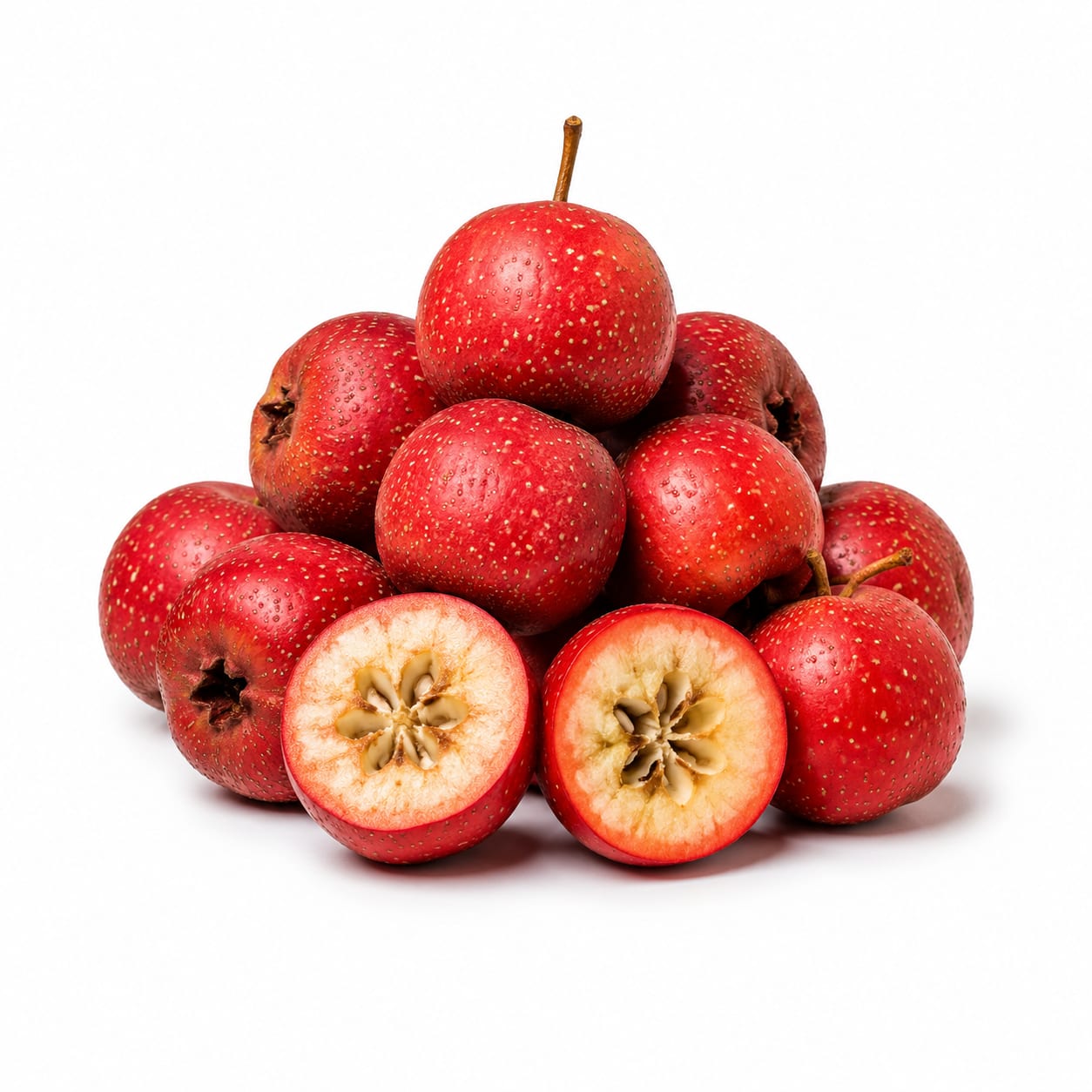
Hawthorn
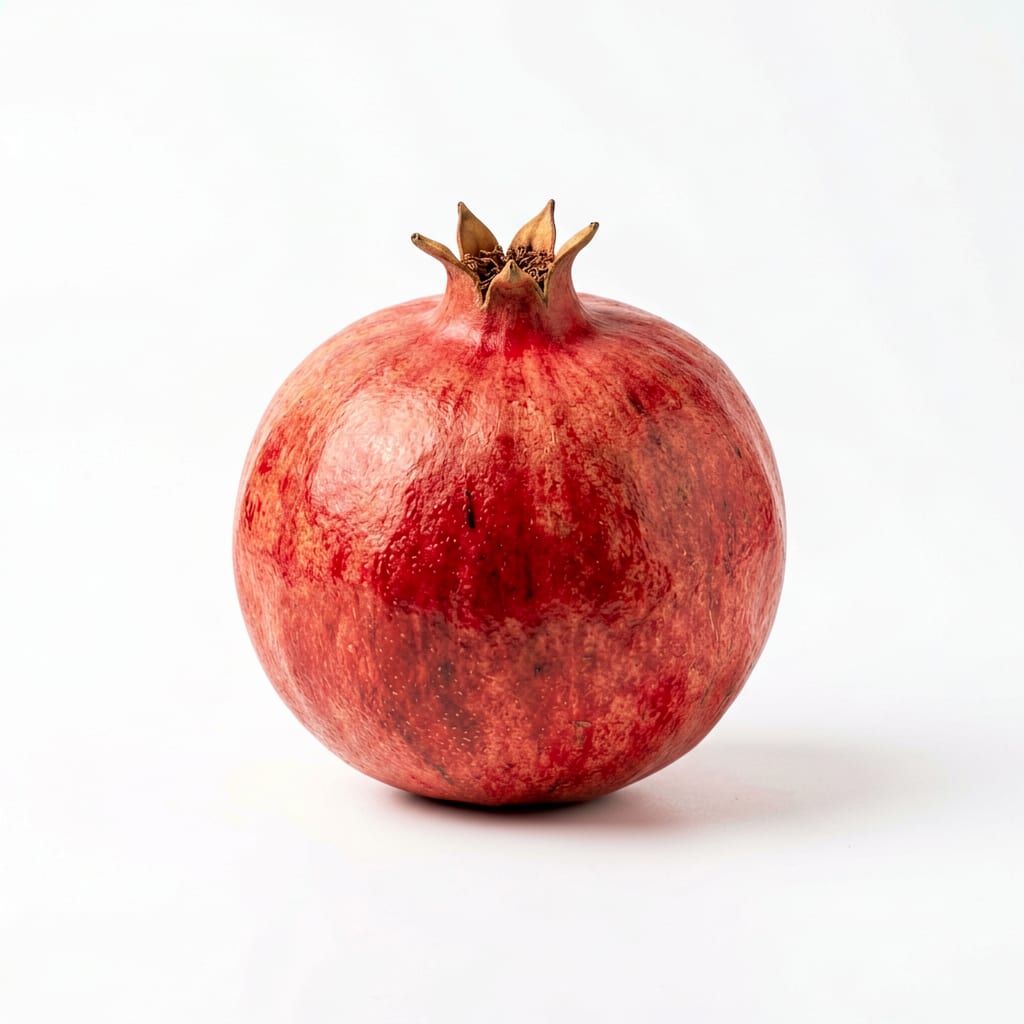
Pomegranate
Pomegranate wins for broad antioxidant benefits and everyday eating appeal, while Hawthorn is the targeted specialist for heart and circulatory support.
Pomegranate scores higher due to its exceptional antioxidant profile, broader health benefits, and better culinary versatility. Hawthorn scores respectably but is held back by its niche appeal, tart flavor, and potential medication interactions.
Pomegranate offers superior general anti-inflammatory power and a more enjoyable eating experience, whereas Hawthorn provides more focused cardiovascular benefits but is less versatile and pleasant to eat raw.
At a glance
Executive summary
Overall
Pomegranate
Healthier
It depends
More practical
Pomegranate
Daily use
Pomegranate
Key comparison lenses
Cardiovascular support and heart health
Hawthorn is a renowned cardiotonic, while Pomegranate is heavily researched for arterial health, making heart health the primary comparison point.
Antioxidant potency and inflammation reduction
Pomegranate is one of the most antioxidant-dense fruits available, contrasting with Hawthorn's more targeted vascular antioxidants.
Blood sugar management and metabolic impact
Both fruits are used in metabolic health contexts, but their sugar content and preparation methods (like juicing) significantly alter their impact.
Culinary practicality and taste appeal
Pomegranate is widely enjoyed fresh, while Hawthorn is intensely tart and usually consumed dried or as a tea, affecting daily sustainability.
Best choice for
Hawthorn
- Targeted heart health support
- Managing blood pressure naturally
- Improving digestion after heavy meals
Pomegranate
- Fighting systemic inflammation
- Boosting overall antioxidant intake
- Supporting prostate and joint health
Least suitable for
Hawthorn
- People on heart medications without doctor supervision
- Those wanting a sweet, easy snack
- Children unaccustomed to extreme tartness
Pomegranate
- People strictly limiting fruit sugar
- Those who find tedious food prep frustrating
- Budget-conscious daily consumers
Deep comparison
Dimension by dimension
Each lens scores both foods and breaks down who each option suits.
- Dimension 1 · Priority 95Hawthorn
Heart and Circulatory Health
Hawthorn · 92Pomegranate · 85Hawthorn is a clinically recognized cardiotonic that strengthens heart contractions and improves blood flow, while Pomegranate protects blood vessels from oxidative damage.
Tradeoff
Hawthorn actively supports heart muscle function, making it better for existing heart concerns, but Pomegranate is safer if you take blood pressure medications.
Why it matters
If you have mild heart fatigue or poor circulation, Hawthorn is specifically targeted; for general arterial protection, Pomegranate is excellent.
Real-world impact
Hawthorn can noticeably improve exercise tolerance in heart patients, whereas Pomegranate keeps arteries clearer over the long haul.
Hawthorn
- People with mild heart failure
- Older adults with age-related cardiac fatigue
- Those with poor circulation
Better for
- Patients on beta-blockers without medical supervision
- Those with already very low blood pressure
Worse for
Pomegranate
- Healthy adults focusing on prevention
- People with early-stage atherosclerosis
- Those on blood pressure medications
Better for
- Those needing direct heart muscle support
- People looking for immediate circulatory improvement
Worse for
- Dimension 2 · Priority 90Pomegranate
Antioxidant and Anti-inflammatory Power
Hawthorn · 75Pomegranate · 95Pomegranate is one of the most antioxidant-rich fruits on earth, heavily reducing systemic inflammation, while Hawthorn offers solid but more localized vascular antioxidants.
Tradeoff
Pomegranate gives you a broad shield against cellular damage and joint pain, while Hawthorn's antioxidants are more concentrated on the cardiovascular system.
Why it matters
Chronic inflammation drives aging and disease; Pomegranate tackles this more aggressively across the entire body.
Real-world impact
Regular Pomegranate intake can reduce joint stiffness and skin aging, while Hawthorn is less likely to move the needle on general inflammation.
Hawthorn
- Targeted vascular inflammation reduction
Better for
- Those needing broad-spectrum antioxidant coverage
Worse for
Pomegranate
- Fighting systemic whole-body inflammation
- Reducing oxidative stress from intense workouts
- Supporting skin health and anti-aging
Better for
- None significant
Worse for
- Dimension 3 · Priority 80Hawthorn
Blood Sugar and Digestion
Hawthorn · 82Pomegranate · 75Hawthorn has a long history of use for digestion and blood sugar regulation, while Pomegranate (especially as juice) can spike blood sugar if overconsumed.
Tradeoff
Hawthorn acts more like a digestive aid and blood sugar stabilizer, whereas Pomegranate's seeds are fine but its popular juice form is sugar-dense.
Why it matters
Managing blood sugar crashes is crucial for sustained energy and fat loss.
Real-world impact
A Hawthorn tea after a heavy meal feels comforting and steadies energy, while a tall glass of Pomegranate juice might cause a mid-afternoon crash.
Hawthorn
- People managing insulin resistance
- Those with sluggish digestion
- Diabetics looking for low-sugar fruit options
Better for
- None significant
Worse for
Pomegranate
- Post-workout glycogen replenishment
Better for
- Diabetics consuming the juice form
- Those sensitive to carbohydrate loads
Worse for
- Dimension 4 · Priority 70Pomegranate
Taste and Practicality
Hawthorn · 60Pomegranate · 78Pomegranate arils are a delicious, juicy addition to meals, though hard to extract, while fresh Hawthorn is intensely tart and seedy, usually requiring drying or sweetening.
Tradeoff
Pomegranate takes effort to prep but rewards with flavor; Hawthorn is mostly consumed as a supplement, tea, or candied snack, limiting its culinary appeal.
Why it matters
You won't get benefits from a food you hate eating or can't easily prepare.
Real-world impact
You'll likely look forward to Pomegranate arils in your yogurt, but force down Hawthorn tea unless you specifically want its heart effects.
Hawthorn
- People who enjoy tart, cranberry-like flavors
- Tea drinkers looking for functional brews
Better for
- Children expecting sweet fruit
- People who dislike bitter or tart flavors
Worse for
Pomegranate
- Families looking for a tasty fruit
- Home cooks adding flair to salads and desserts
Better for
- Impatient snackers who hate food prep
- People who find extracting arils messy
Worse for
Timeline
Health impact over time
Short-term
Hours to days
Hawthorn
- Soothes indigestion and bloating
- May slightly lower blood pressure shortly after consumption
Pomegranate
- Provides a quick energy lift from natural sugars
- Reduces post-meal oxidative stress
Long-term
Months to years
Hawthorn
- Improved heart function in mild heart failure
- Better arterial plaque stability
- Risk of interacting with heart medications if not monitored
Pomegranate
- Slower progression of arterial thickening
- Reduced systemic inflammation and joint pain
- Better skin elasticity from high antioxidant intake
Risk profile
Safety & processing
Both are whole foods in their natural state, but watch out for candied Hawthorn strips which are loaded with added sugar, and Pomegranate juice which is often stripped of fiber and sweetened.
Hawthorn
Medication interaction
highHawthorn can amplify the effects of beta-blockers and blood pressure drugs, potentially causing hypotension or dizziness.
Pesticide residue
mediumDried Hawthorn often sourced from regions with looser agricultural regulations may carry higher pesticide loads.
Pomegranate
Juice contamination
mediumCommercial Pomegranate juice has been subject to recalls for pathogen contamination and is frequently adulterated with cheaper juices.
Choking hazard
lowThe seeds can be a choking risk for very small children if not chewed properly.
Who wins for whom
Audience fit
Same foods, different winners depending on your goal.
children
PomegranatePomegranate arils are sweet, fun to eat, and highly appealing to kids, whereas Hawthorn is overwhelmingly tart and unappealing to young palates.
daily consumption
PomegranatePomegranate is safer for long-term daily use without medical supervision and offers broader systemic benefits that accumulate nicely over time.
diabetes
HawthornHawthorn has a lower glycemic impact and is traditionally used to help regulate blood sugar, while Pomegranate juice can spike insulin.
elderly
HawthornHawthorn directly addresses age-related cardiovascular decline and poor digestion, though medication interactions must be carefully managed.
muscle gain
PomegranatePomegranate provides better post-workout antioxidant recovery and simple carbs to replenish glycogen, whereas Hawthorn offers little for muscle synthesis.
weight loss
HawthornHawthorn is often consumed as a zero-calorie tea or low-sugar dried fruit, making it easier to fit into a calorie deficit than calorie-dense Pomegranate.
Your move
Decision guide
Choose Hawthorn
- You have mild heart concerns and want natural support
- You struggle with heavy, sluggish digestion
- You want a comforting, low-calorie functional tea
Choose Pomegranate
- You want to fight general inflammation and aging
- You prefer eating whole, delicious fruits
- You want to protect your arteries and prostate
Either works if
- You are looking for natural ways to support cardiovascular health
- You want antioxidant-rich alternatives to standard snacks
Avoid both if
- You are on blood thinners or blood pressure medications without doctor approval
- You need high-protein foods for satiety
Final recommendation
Choose Pomegranate for a delicious, broad-spectrum antioxidant boost that fits easily into a healthy diet. Opt for Hawthorn specifically if you are targeting heart health or digestion, but consult a doctor if you take cardiac medications.
Practical
Consumer tips
- 1
Avoid candied Hawthorn strips, which are loaded with sugar; opt for dried fruit or tea instead.
- 2
Don't throw away the Pomegranate membrane entirely; the white pith contains high amounts of beneficial flavonoids.
- 3
If taking blood pressure medication, talk to your doctor before adding Hawthorn to your routine.
- 4
Buy whole Pomegranates instead of juice to keep the fiber and avoid blood sugar spikes.
- 5
Steep dried Hawthorn with a slice of orange or a dash of honey to make the tartness much more enjoyable.