
Nutrition comparison
Hawthorn vs Goji Berry: Which Superfood Is Better for You?
Compare Hawthorn and Goji Berry side by side. Discover which is better for heart health, eye health, blood sugar, and daily use. Learn about drug interactions, taste differences, and practical recommendations.
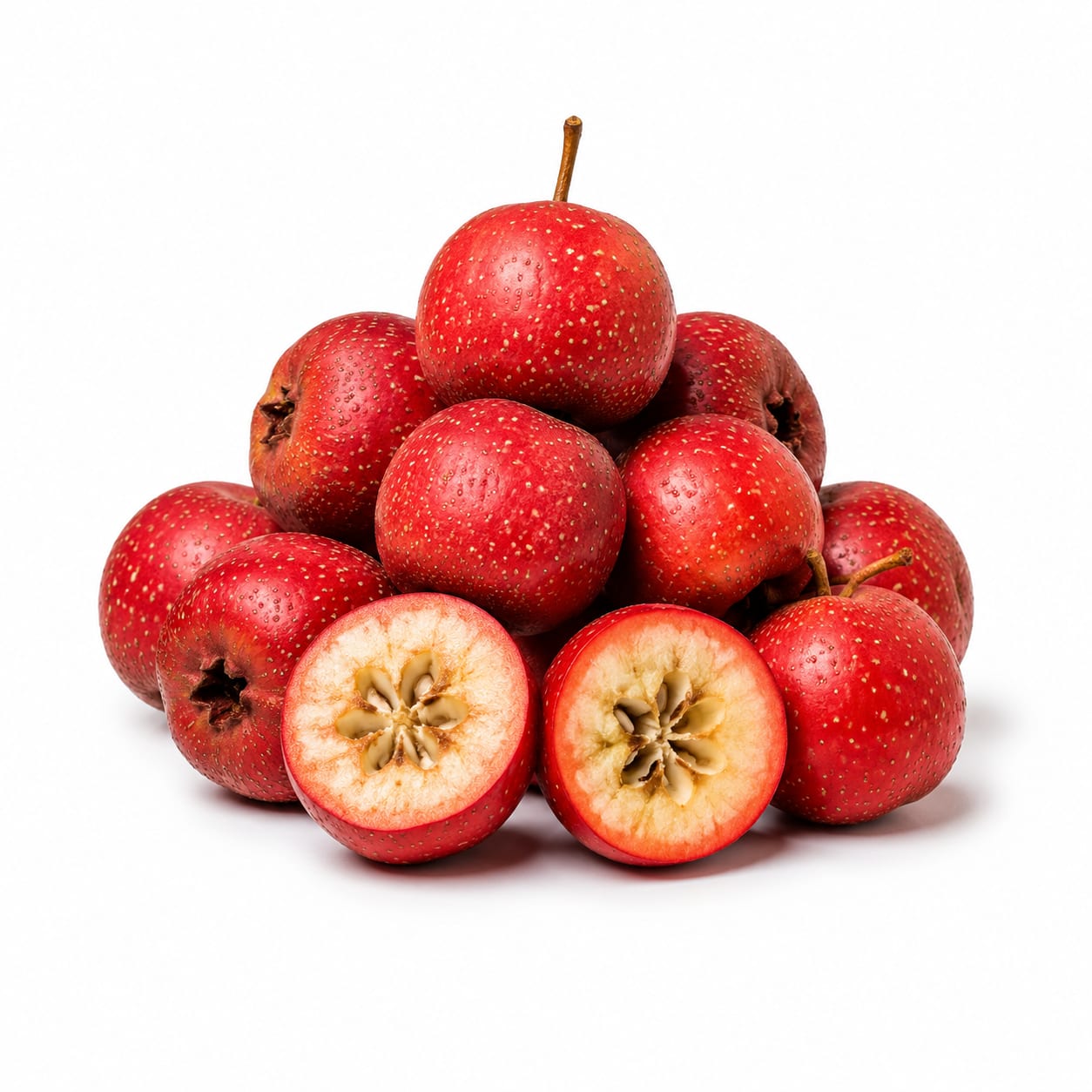
Hawthorn
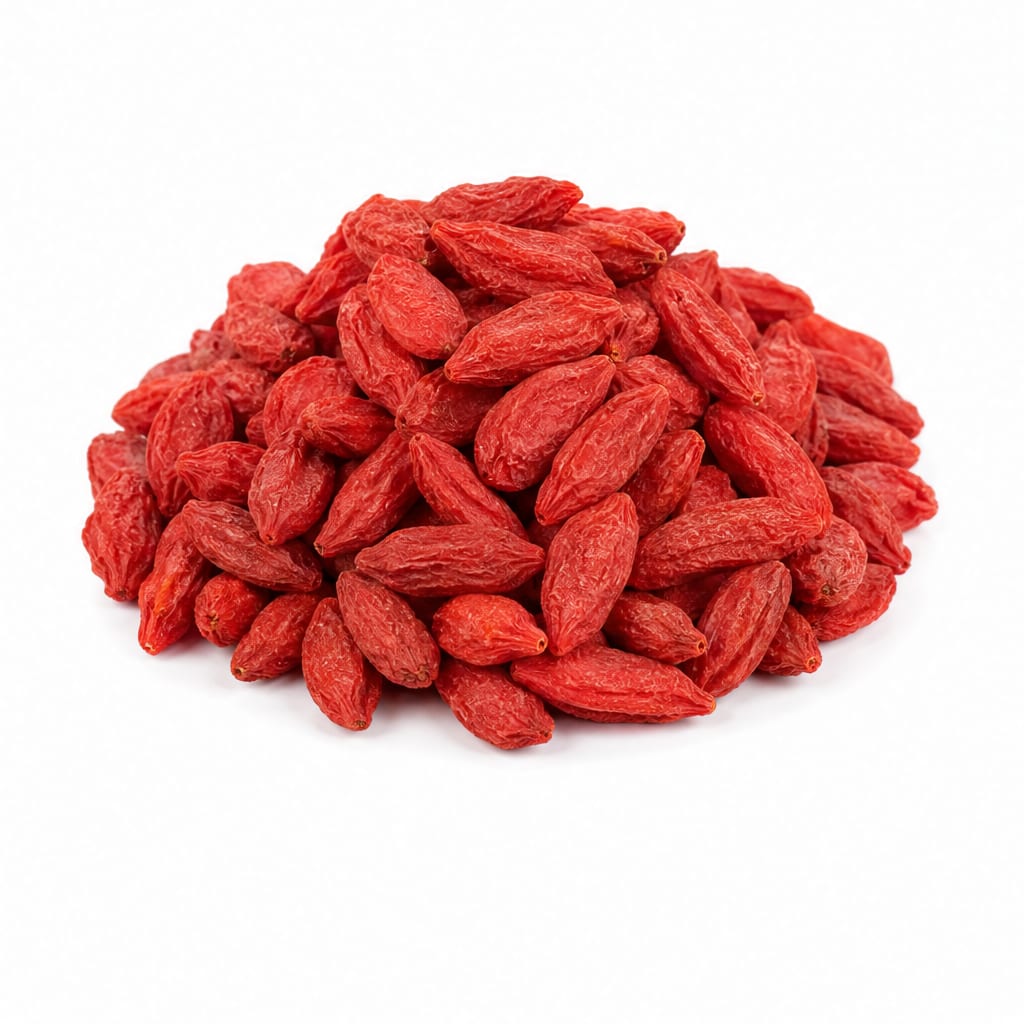
Goji Berry
Hawthorn wins for heart and digestive health; Goji Berry wins for eye health, immunity, and everyday enjoyability. Your priority determines the winner.
Goji Berry edges ahead slightly due to better daily compliance, broader nutrient diversity, and easier culinary integration. Hawthorn is more therapeutically potent for specific conditions but its strong tartness and drug interaction profile limit everyday usability.
Hawthorn offers stronger cardiovascular and digestive benefits but is harder to enjoy daily due to its tartness. Goji Berry is sweeter, more versatile, and easier to consume regularly but less targeted for heart health.
At a glance
Executive summary
Overall
It depends
Healthier
It depends
More practical
Goji Berry
Daily use
Goji Berry
Key comparison lenses
cardiovascular vs immune support priority
Hawthorn is renowned for heart health while Goji Berry excels at immune and eye support, making this the core decision axis
blood sugar management
Both berries affect blood sugar differently and are popular among health-conscious users managing glycemic concerns
traditional medicine vs modern superfood positioning
Hawthorn carries deep traditional medicine roots while Goji Berry has been heavily marketed as a modern superfood, affecting user expectations and usage patterns
medication interaction safety
Both have notable drug interactions that users rarely consider, especially heart medications and blood thinners
taste and culinary versatility
Hawthorn is distinctly tart and astringent while Goji Berry is sweeter and more palatable, directly affecting daily compliance
Best choice for
Hawthorn
- People managing blood pressure or cholesterol
- Those with sluggish digestion or bloating after meals
- Anyone seeking cardiovascular protective effects
- Post-meal digestive support
Goji Berry
- People focused on eye health and vision protection
- Those wanting immune system reinforcement
- Anyone seeking a pleasant-tasting daily antioxidant boost
- People looking for an easy addition to smoothies, oatmeal, or tea
Least suitable for
Hawthorn
- People on heart medications like beta-blockers or digoxin
- Those who struggle with tart, astringent flavors
- Anyone seeking a sweet, snackable superfood
- People prone to low blood pressure
Goji Berry
- People on blood thinners like warfarin
- Those strictly monitoring sugar intake
- Anyone with pollen or nightshade allergies
- People expecting strong cardiovascular-specific benefits
Deep comparison
Dimension by dimension
Each lens scores both foods and breaks down who each option suits.
- Dimension 1 · Priority 95Hawthorn
Cardiovascular Support
Hawthorn · 92Goji Berry · 58Hawthorn is one of the most evidence-backed botanicals for heart health, specifically supporting coronary blood flow, mild blood pressure reduction, and cholesterol management.
Tradeoff
Goji Berry offers general antioxidant protection for blood vessels but lacks the targeted cardiac support that makes Hawthorn clinically relevant.
Why it matters
If heart health is your primary concern, this is not a close contest. Hawthorn has been used for centuries specifically for cardiac support and has modern research behind it.
Real-world impact
Regular Hawthorn consumption may meaningfully support healthier blood pressure readings and better exercise tolerance over months. Goji Berry would offer only indirect cardiovascular benefits through general antioxidant activity.
Hawthorn
- Blood pressure management
- Cholesterol support
- Post-heart-attack recovery support under medical guidance
- General coronary circulation improvement
Better for
- Not a replacement for prescribed heart medications
Worse for
Goji Berry
- Mild antioxidant protection for blood vessel walls
- General circulatory support as part of a broader diet
Better for
- Insufficient as a targeted cardiovascular intervention
Worse for
- Dimension 2 · Priority 90Goji Berry
Eye Health and Vision Protection
Hawthorn · 45Goji Berry · 93Goji Berry is exceptionally rich in zeaxanthin and lutein, carotenoids directly deposited in the retina to filter blue light and protect against macular degeneration.
Tradeoff
Hawthorn contains some flavonoids with general antioxidant benefits for eye vasculature but lacks the concentrated retinal-protective compounds that make Goji Berry stand out.
Why it matters
Eye health degradation is gradual and often irreversible. Zeaxanthin intake from Goji Berry is one of the most direct dietary strategies for retinal protection.
Real-world impact
Eating Goji Berry regularly may help preserve visual acuity and reduce age-related macular degeneration risk. Hawthorn would not meaningfully move the needle on eye-specific outcomes.
Hawthorn
- Minor antioxidant support for retinal blood vessels
Better for
- Minimal zeaxanthin or lutein content
Worse for
Goji Berry
- Macular degeneration risk reduction
- Blue light damage protection
- Night vision support
- General visual acuity maintenance with age
Better for
- Dimension 3 · Priority 85Goji Berry
Immune Function
Hawthorn · 62Goji Berry · 86Goji Berry provides significant vitamin C, vitamin A precursors, and unique polysaccharides that have demonstrated immune-modulating effects in research.
Tradeoff
Hawthorn supports immunity indirectly through anti-inflammatory flavonoids but lacks the concentrated immune-active compounds found in Goji Berry.
Why it matters
Immune resilience is a daily concern, especially during cold season or periods of high stress. Goji Berry offers more targeted support.
Real-world impact
Regular Goji Berry consumption may translate to fewer sick days and faster recovery from common infections. Hawthorn contributes modestly at best.
Hawthorn
- General anti-inflammatory support that indirectly aids immunity
Better for
- Less vitamin C and vitamin A than Goji Berry
Worse for
Goji Berry
- Seasonal cold and flu resilience
- Faster recovery from minor infections
- Immune support during high-stress periods
- Gut-associated immune tissue support through polysaccharides
Better for
- Dimension 4 · Priority 82Hawthorn
Digestive Health
Hawthorn · 88Goji Berry · 60Hawthorn has a long tradition as a digestive aid, stimulating digestive enzyme production and helping break down heavy or fatty meals more efficiently.
Tradeoff
Goji Berry provides gentle fiber support but lacks the enzymatic stimulation that makes Hawthorn a targeted remedy for indigestion and bloating.
Why it matters
Post-meal discomfort is one of the most common digestive complaints. Hawthorn directly addresses this while Goji Berry offers only general fiber benefits.
Real-world impact
A small amount of Hawthorn after a heavy meal can noticeably reduce bloating and heaviness. Goji Berry would not provide this acute digestive relief.
Hawthorn
- Post-meal bloating relief
- Heavy or fatty meal digestion support
- Appetite regulation
- Traditional remedy for food stagnation
Better for
- Overconsumption can cause stomach upset due to high organic acid content
Worse for
Goji Berry
- Mild fiber contribution for regularity
Better for
- Not effective as an acute digestive remedy
Worse for
- Dimension 5 · Priority 80Hawthorn
Blood Sugar Impact
Hawthorn · 79Goji Berry · 65Hawthorn has demonstrated mild blood sugar-lowering effects and a lower sugar content, making it more suitable for glycemic management. Goji Berry, while moderate, contains more natural sugars.
Tradeoff
Goji Berry is not a blood sugar disaster but its higher sugar content and sweeter taste make portion control harder, especially for those who snack on them freely.
Why it matters
For anyone monitoring blood sugar, even modest differences in sugar content and glycemic response compound over daily consumption.
Real-world impact
Hawthorn can be consumed with less concern about blood sugar spikes. Goji Berry requires more mindful portioning, especially for diabetics.
Hawthorn
- Diabetics seeking lower-sugar functional foods
- Post-meal blood sugar stabilization
- People who tend to overeat sweet foods
Better for
- Still contains carbohydrates that must be accounted for
Worse for
Goji Berry
- Active individuals who can tolerate moderate natural sugars
Better for
- Higher sugar content requires stricter portion control
- Easy to overconsume due to sweet taste
Worse for
- Dimension 6 · Priority 78Goji Berry
Taste and Daily Enjoyability
Hawthorn · 48Goji Berry · 82Goji Berry has a naturally sweet, slightly tangy flavor that most people find pleasant and easy to incorporate into meals. Hawthorn is distinctly tart, astringent, and requires more effort to consume enjoyably.
Tradeoff
Hawthorn's strong flavor limits how much people naturally want to eat, which can be a portion-control advantage but hurts daily compliance.
Why it matters
The healthiest food only works if you actually eat it consistently. Goji Berry's pleasant taste makes daily use far more sustainable for most people.
Real-world impact
You will likely look forward to adding Goji Berry to your oatmeal or tea. Hawthorn may feel like a chore unless you specifically enjoy tart flavors or prepare it in recipes that balance the sourness.
Hawthorn
- People who enjoy tart, sour flavors
- Situations where natural portion control from strong flavor is desirable
Better for
- Strong astringency limits culinary versatility
- Often requires sweetening or combining with other foods to be palatable
Worse for
Goji Berry
- Daily smoothie or oatmeal addition
- Snacking straight from the bag
- Tea infusion that tastes pleasant without sweetener
- Children or picky eaters
Better for
- Sweetness can trigger overconsumption
Worse for
- Dimension 7 · Priority 75Goji Berry
Antioxidant Density
Hawthorn · 76Goji Berry · 85Both are antioxidant powerhouses, but Goji Berry offers broader antioxidant diversity including carotenoids, vitamin C, and unique polysaccharides. Hawthorn concentrates its antioxidant power mainly in flavonoids and procyanidins.
Tradeoff
Hawthorn's antioxidants are more targeted toward cardiovascular tissue protection. Goji Berry provides wider coverage across more body systems.
Why it matters
Broader antioxidant coverage supports more aspects of aging and disease prevention, while targeted antioxidant action can be more effective for specific organs.
Real-world impact
Goji Berry acts like a general shield across your body. Hawthorn acts like a specialist focused on your heart and blood vessels.
Hawthorn
- Targeted vascular antioxidant protection
- Reducing oxidative stress specifically in cardiac tissue
Better for
- Narrower antioxidant profile outside cardiovascular system
Worse for
Goji Berry
- Whole-body aging defense
- Skin protection from UV and oxidative damage
- Broader cellular protection across organ systems
Better for
- Less concentrated in any single organ system
Worse for
- Dimension 8 · Priority 80It depends
Medication Interaction Risk
Hawthorn · 55Goji Berry · 60Both carry meaningful interaction risks. Hawthorn potentiates heart medications including beta-blockers and digoxin. Goji Berry can interact with blood thinners like warfarin. Neither is risk-free for medicated individuals.
Tradeoff
The severity depends entirely on which medications you take. Hawthorn is more dangerous with cardiac drugs; Goji Berry is more concerning with anticoagulants.
Why it matters
Natural does not mean safe with medications. Both berries have pharmacologically active compounds that can amplify or interfere with prescription drugs.
Real-world impact
If you take heart medications, Hawthorn could cause dangerously low blood pressure or heart rate. If you take blood thinners, Goji Berry could increase bleeding risk. Always consult a doctor.
Hawthorn
- People not on cardiac medications
- Those who have cleared it with a cardiologist
Better for
- Anyone on beta-blockers, digoxin, or calcium channel blockers
- People with naturally low blood pressure
Worse for
Goji Berry
- People not on anticoagulant therapy
- Those who have discussed it with their prescribing physician
Better for
- Anyone on warfarin or other blood thinners
- People with bleeding disorders
Worse for
Timeline
Health impact over time
Short-term
Hours to days
Hawthorn
- May reduce post-meal bloating and heaviness within 30-60 minutes
- Can cause mild stomach upset if consumed in large amounts due to organic acids
- Tart taste may discourage overeating, naturally limiting portions
Goji Berry
- Provides a gentle energy lift from natural sugars and B vitamins
- May cause mild digestive adjustment if large quantities are consumed suddenly due to fiber and polysaccharides
- Pleasant taste makes it easy to eat more than intended
Long-term
Months to years
Hawthorn
- Consistent use may support healthier blood pressure and cholesterol levels over months
- Ongoing cardiovascular protection through flavonoid and procyanidin activity
- Potential for improved exercise tolerance in those with mild cardiac concerns
Goji Berry
- Sustained intake may meaningfully reduce macular degeneration risk and support visual longevity
- Immune resilience may improve with regular polysaccharide exposure
- General aging slowdown through broad-spectrum antioxidant coverage
Risk profile
Safety & processing
Both Hawthorn and Goji Berry are typically consumed in dried form with minimal processing. However, some commercial Goji Berry products may contain added sulfur dioxide as a preservative or added sugars, so sourcing matters. Hawthorn is less commonly adulterated but check ingredient labels on packaged products like Hawthorn strips which often contain added sugar.
Hawthorn
Cardiac drug potentiation
highHawthorn can amplify the effects of beta-blockers, digoxin, and calcium channel blockers, potentially causing dangerously low blood pressure or heart rate. Medical supervision is essential.
Added sugars in processed forms
mediumHawthorn strips, candies, and jams often contain significant added sugar that undermines the health benefits. Choose unsweetened dried fruit or pure extracts.
Overconsumption digestive distress
lowHigh organic acid content can cause stomach discomfort, nausea, or acid reflux if eaten in large quantities.
Goji Berry
Blood thinner interaction
highGoji Berry can increase the effect of warfarin and other anticoagulants, raising bleeding risk. This interaction is well-documented and potentially serious.
Sulfur dioxide preservative
mediumMany commercially available dried Goji Berries are treated with sulfur dioxide to preserve color and extend shelf life. This can trigger reactions in sensitive individuals, particularly those with asthma.
Pesticide residue
mediumGoji Berry cultivation, especially in regions with less stringent agricultural regulation, may involve significant pesticide use. Choosing organic mitigates this concern.
Allergic potential
lowThough rare, some individuals report allergic reactions to Goji Berry, particularly those with pollen or nightshade sensitivities.
Who wins for whom
Audience fit
Same foods, different winners depending on your goal.
children
Goji BerryGoji Berry's sweet, mild flavor is far more appealing to children. Hawthorn's intense tartness is usually rejected by young palates unless heavily sweetened, which defeats the purpose.
daily consumption
Goji BerryGoji Berry is easier to enjoy daily due to its pleasant taste and culinary versatility. Hawthorn's strong tartness makes consistent daily use challenging for most people unless taken as a supplement extract.
diabetes
HawthornHawthorn has lower sugar content and may help improve insulin sensitivity. Goji Berry can fit in a diabetic diet in small portions but requires more careful monitoring due to higher natural sugar content.
elderly
It dependsGoji Berry excels for age-related eye health and immune support, which are top concerns for older adults. However, Hawthorn's cardiovascular benefits are equally relevant for this age group. The choice depends on whether vision or heart health is the bigger priority, and which medications are being taken.
muscle gain
It dependsNeither berry is a meaningful protein source or directly supports muscle building. Both offer antioxidant support for recovery, but neither moves the needle significantly for this goal.
weight loss
HawthornHawthorn's tart flavor naturally limits consumption and it contains less sugar per serving. Goji Berry's sweetness makes portion control harder, which can lead to unintended calorie intake.
Your move
Decision guide
Choose Hawthorn
- You are specifically focused on heart health, blood pressure, or cholesterol management
- You struggle with post-meal bloating or sluggish digestion
- You want a lower-sugar functional food with natural portion control
- You enjoy tart, sour flavors or are willing to prepare Hawthorn in recipes that balance its astringency
- You are not taking cardiac medications and have normal blood pressure
Choose Goji Berry
- Eye health and vision protection are top priorities for you
- You want an immune-supporting daily addition that actually tastes good
- You prefer a superfood you can easily add to oatmeal, smoothies, yogurt, or tea
- You are not on blood thinners and can manage portion sizes with sweet foods
- You want broader antioxidant coverage across multiple body systems
Either works if
- You are generally healthy and want antioxidant-rich berries as part of a varied diet
- You are not on any medications that interact with either berry
- You are willing to rotate both for different benefits on different days
Avoid both if
- You take medications that interact with either berry without medical clearance
- You have known allergies to either plant family
- You expect either berry to produce dramatic health changes on its own without broader dietary improvements
Final recommendation
For most people seeking a daily superfood addition, Goji Berry is the more practical and sustainable choice due to its pleasant taste and broader nutrient profile. However, if cardiovascular health or digestion is your specific concern, Hawthorn is the more therapeutically targeted option. The ideal approach for many people is to keep both on hand: Hawthorn for post-meal digestive support and cardiac maintenance, Goji Berry for daily antioxidant and eye health benefits. Always consult your doctor if you take any prescription medications, as both berries carry real interaction risks that are often underestimated.
Practical
Consumer tips
- 1
Choose unsweetened dried Hawthorn over Hawthorn strips or candies, which often contain as much sugar as conventional candy
- 2
Look for organic Goji Berry to minimize pesticide exposure and check that no sulfur dioxide has been added as a preservative
- 3
Soak dried Goji Berry in warm water for 10 minutes before adding to recipes for a plumper, juicier texture
- 4
Hawthorn tea is one of the easiest ways to consume Hawthorn regularly without struggling with its tartness — steep dried slices in hot water with a touch of honey
- 5
Store both berries in airtight containers away from light and heat to preserve antioxidant content over months
- 6
If you take any prescription medications, especially heart drugs or blood thinners, talk to your doctor before adding either berry to your routine
- 7
A reasonable daily portion is 1-2 tablespoons of Goji Berry or 5-10 grams of dried Hawthorn — more is not necessarily better
- 8
Both berries complement each other well: try combining a small amount of each in tea for a broader spectrum of benefits