
Nutrition comparison
Hawthorn vs Strawberry: Which Berry Is Better for Heart Health and Daily Nutrition?
Compare hawthorn and strawberry for cardiovascular benefits, vitamin C, antioxidants, and daily usability. Learn which fruit fits your health goals and when to choose each.
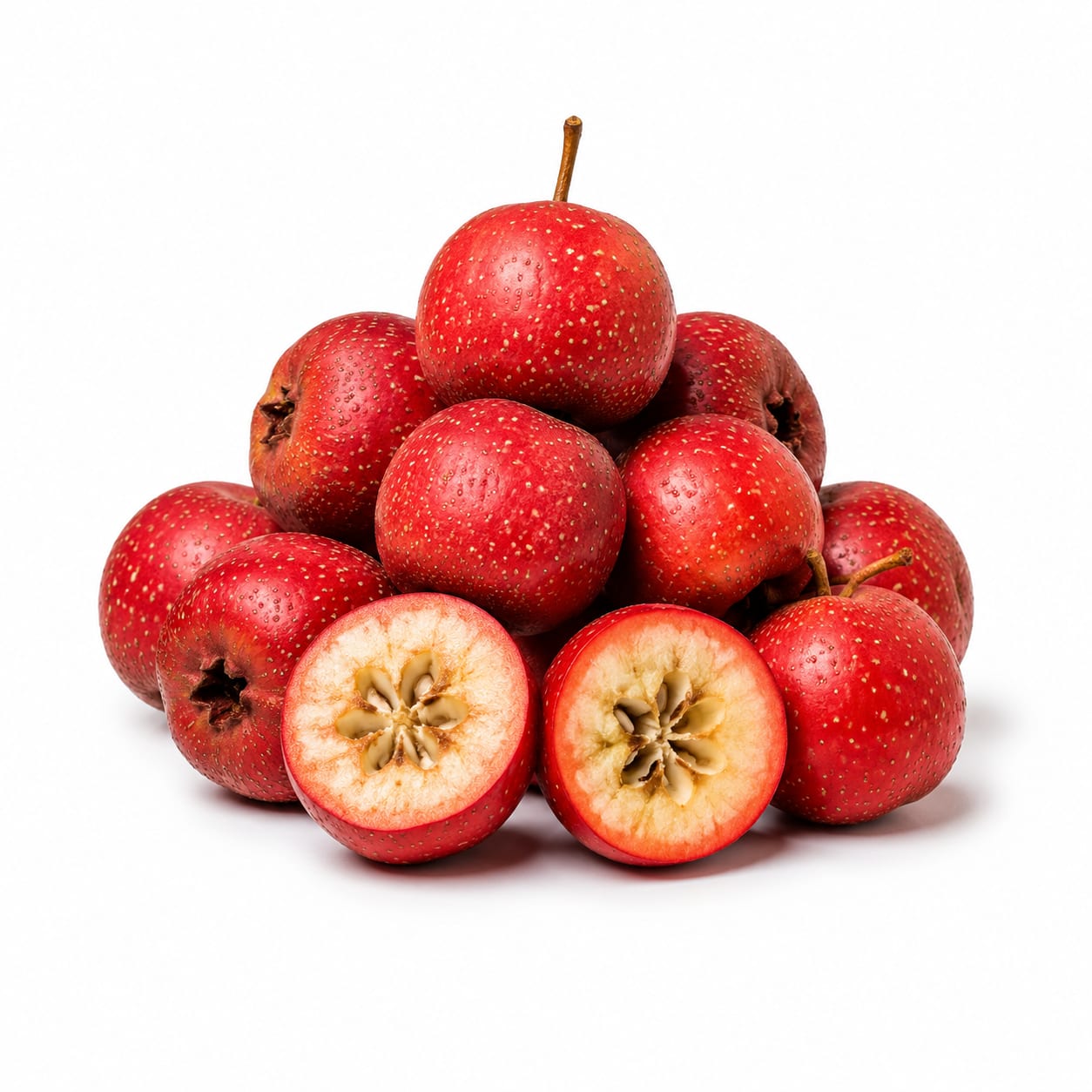
Hawthorn
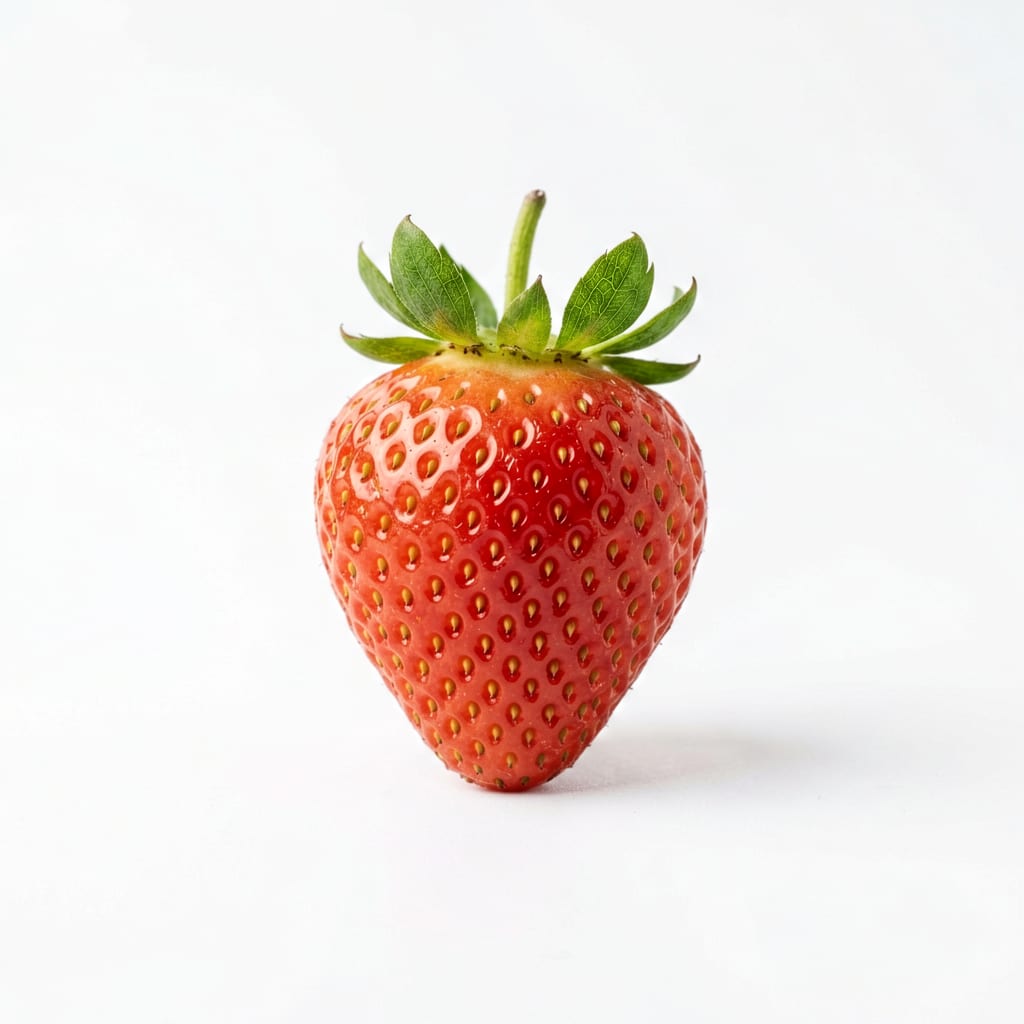
Strawberry
Strawberry is the better everyday fruit for taste, convenience, and broad nutrition. Hawthorn is the targeted choice for cardiovascular support and traditional medicine applications.
Strawberry scores higher overall due to superior palatability, convenience, vitamin C content, and daily usability. Hawthorn earns strong marks for targeted cardiovascular benefits and unique medicinal compounds but loses ground on taste accessibility, drug interaction risks, and limited fresh availability.
Everyday enjoyment and versatility versus specialized heart-health therapeutic potency.
At a glance
Executive summary
Overall
It depends
Healthier
It depends
More practical
Strawberry
Daily use
Strawberry
Key comparison lenses
cardiovascular and medicinal benefits vs everyday nutrition
Hawthorn is renowned for heart-specific therapeutic compounds while Strawberry offers broader everyday nutritional benefits
palatability and long-term adherence
Tart astringent hawthorn vs sweet versatile strawberry dramatically affects which one people actually eat regularly
antioxidant profile differences
Both are antioxidant-rich but through different compound families with distinct health implications
safety and drug interaction concerns
Hawthorn has notable interactions with heart medications that Strawberry does not
accessibility and culinary versatility
Strawberry is a grocery staple eaten fresh while hawthorn is often dried or processed
Best choice for
Hawthorn
- People seeking cardiovascular support
- Those interested in traditional herbal medicine
- Individuals with mild circulatory concerns (with doctor approval)
- People looking for a unique tart flavor in teas and preserves
Strawberry
- Families wanting a kid-friendly fruit
- Anyone prioritizing vitamin C intake
- People who want a versatile fruit for meals and snacks
- Those new to adding berries to their diet
Least suitable for
Hawthorn
- People on heart medications like beta-blockers or digoxin
- Children who dislike tart astringent flavors
- Anyone wanting a quick fresh snack
- People unfamiliar with proper hawthorn preparation
Strawberry
- People with strawberry allergies (relatively common fruit allergy)
- Those strictly limiting fructose
- People concerned about pesticide exposure who cannot access organic options
Deep comparison
Dimension by dimension
Each lens scores both foods and breaks down who each option suits.
- Dimension 1 · Priority 95Hawthorn
Cardiovascular Support
Hawthorn · 92Strawberry · 62Hawthorn is one of the most evidence-supported herbal remedies for heart health, containing procyanidins and flavonoids that support coronary blood flow and mild blood pressure regulation.
Tradeoff
Hawthorn's heart benefits are real but come with medication interaction risks that require medical supervision. Strawberry offers gentler cardiovascular support through anthocyanins without drug concerns.
Why it matters
For anyone with heart health as a priority, hawthorn is a legitimate therapeutic food. But self-prescribing alongside heart medications can be dangerous.
Real-world impact
Regular hawthorn consumption may meaningfully support circulation and heart function over months. Strawberry supports heart health indirectly through inflammation reduction.
Hawthorn
- Mild blood pressure support
- Coronary artery circulation
- Traditional heart tonic use
Better for
- Risk of potentiating heart medications
- Not a replacement for prescribed treatment
Worse for
Strawberry
- Safer alongside heart medications
- Anti-inflammatory cardiovascular protection
- Cholesterol-friendly fiber intake
Better for
- Less targeted heart-specific activity
- No traditional use as a cardiac remedy
Worse for
- Dimension 2 · Priority 85Strawberry
Vitamin and Mineral Density
Hawthorn · 65Strawberry · 88Strawberry delivers exceptional vitamin C along with manganese and folate. Hawthorn provides some vitamin C but is nutritionally modest compared to strawberry.
Tradeoff
Strawberry is clearly the more nutrient-dense choice for vitamins. Hawthorn's value lies in its unique phytochemicals rather than classic vitamin content.
Why it matters
If you are eating fruit primarily for vitamin intake, strawberry delivers far more per serving.
Real-world impact
A cup of strawberry covers over 100% of daily vitamin C needs. Hawthorn covers perhaps 15-20%.
Hawthorn
- Unique oligomeric procyanidins not found in strawberry
- Higher in certain B-vitamins when dried
Better for
- Modest conventional vitamin content
- Dried forms lose some vitamin C
Worse for
Strawberry
- Outstanding vitamin C content
- Better manganese and folate
- More well-rounded micronutrient profile
Better for
- Lacks the specific procyanidins hawthorn offers
Worse for
- Dimension 3 · Priority 82Strawberry
Taste and Palatability
Hawthorn · 45Strawberry · 90Strawberry is sweet, juicy, and universally appealing. Fresh hawthorn is tart, astringent, and somewhat mealy — an acquired taste most people do not enjoy raw.
Tradeoff
Better taste means you actually eat the fruit regularly. Hawthorn's challenging flavor limits spontaneous consumption.
Why it matters
The healthiest food only works if you eat it. Strawberry's broad appeal makes consistent intake effortless.
Real-world impact
Most people happily eat strawberries as a snack. Most people need hawthorn disguised in tea, jam, or supplement form.
Hawthorn
- Complex tart flavor appreciated in traditional recipes
- Excellent in teas and herbal blends
Better for
- Astringent and sour raw
- Limited culinary versatility fresh
Worse for
Strawberry
- Sweet and enjoyable fresh
- Kid-friendly
- Works in desserts, smoothies, salads, and alone
Better for
- Can feel less novel or interesting
Worse for
- Dimension 4 · Priority 80It depends
Antioxidant Diversity
Hawthorn · 84Strawberry · 83Both are antioxidant powerhouses but through different pathways. Hawthorn excels in procyanidins and vitexin. Strawberry excels in anthocyanins and ellagic acid.
Tradeoff
Neither is clearly superior — they complement each other. Hawthorn's antioxidants are more targeted to vascular tissue while strawberry's are broader in anti-inflammatory action.
Why it matters
Diverse antioxidant intake matters more than high doses of one type. Both fruits contribute unique compounds.
Real-world impact
Eating both gives you the widest antioxidant coverage. Choosing only one leaves meaningful compound families uncovered.
Hawthorn
- Procyanidins for vascular protection
- Vitexin for anti-inflammatory action
- Unique flavonoid profile not common in other fruits
Better for
- Less research on non-cardiac antioxidant benefits
Worse for
Strawberry
- Ellagic acid with anti-cancer research interest
- Anthocyanins for brain and eye health
- Well-studied ORAC scores
Better for
- Missing the vascular-specific procyanidin class
Worse for
- Dimension 5 · Priority 78Hawthorn
Blood Sugar and Diabetes Friendliness
Hawthorn · 82Strawberry · 74Hawthorn has a lower sugar content and a gentler glycemic impact. Strawberry is still quite diabetes-friendly but contains more natural sugars per serving.
Tradeoff
Hawthorn's lower sugar comes with its tart flavor penalty. Strawberry's slightly higher sugar is still very manageable for most diabetics.
Why it matters
For strict blood sugar management, every gram of sugar matters. Hawthorn offers similar antioxidant benefits with less glucose load.
Real-world impact
A serving of hawthorn has roughly half the sugar of an equivalent strawberry serving. Both are far better choices than most fruits for diabetics.
Hawthorn
- Lower natural sugar content
- Traditional use for blood sugar support
- Gentler on post-meal glucose
Better for
- Less palatable without sweeteners which add sugar
Worse for
Strawberry
- Still low glycemic index
- Fiber helps slow sugar absorption
- More enjoyable so easier to sustain
Better for
- Higher fructose per serving
- Can trigger cravings for sweet foods in some people
Worse for
- Dimension 6 · Priority 75Strawberry
Convenience and Availability
Hawthorn · 40Strawberry · 92Strawberries are available year-round in most grocery stores. Fresh hawthorn is rare outside specialty markets and is usually found dried or as supplements.
Tradeoff
Easy access means consistent consumption. Hawthorn requires effort to source and often needs preparation like brewing tea or making extracts.
Why it matters
The best functional food is one you can actually buy and use. Strawberry wins decisively on practical access.
Real-world impact
You can grab strawberries anywhere. Finding quality hawthorn may require online orders, specialty shops, or foraging knowledge.
Hawthorn
- Dried hawthorn stores well for months
- Available as standardized supplements
Better for
- Fresh hawthorn is very hard to find
- Requires preparation for most uses
- Quality varies in supplement form
Worse for
Strawberry
- Available in every supermarket
- Easy to eat raw with zero preparation
- Frozen options retain most nutrients
Better for
- Perishable — spoils within days
- Out of season can be expensive
Worse for
- Dimension 7 · Priority 70Strawberry
Digestive Tolerance
Hawthorn · 60Strawberry · 80Strawberry is gentle on most digestive systems. Hawthorn's astringency and higher organic acid content can cause stomach discomfort in some people, especially on an empty stomach.
Tradeoff
Hawthorn may stimulate digestion in small amounts but irritate in larger quantities. Strawberry is more forgiving across portion sizes.
Why it matters
If a food causes discomfort, you stop eating it regardless of its benefits.
Real-world impact
Strawberry is a safe bet for sensitive stomachs. Hawthorn is best consumed after meals or as a mild tea rather than in concentrated form.
Hawthorn
- Traditional use as a digestive aid in small amounts
- May help with mild indigestion
Better for
- Can cause nausea or stomach pain in large amounts
- Astringency irritates sensitive stomachs
Worse for
Strawberry
- Well tolerated by most people
- Gentle fiber source
- Rarely causes stomach upset
Better for
- Seeds bother some people with diverticulitis
- Common allergen for a small subset
Worse for
Timeline
Health impact over time
Short-term
Hours to days
Hawthorn
- May cause mild stomach discomfort if eaten in large quantities on an empty stomach
- Can produce a noticeable calming effect traditionally associated with hawthorn tea
- Tart astringent taste may reduce appetite temporarily
Strawberry
- Quick vitamin C boost supporting immune function
- Natural sugars provide a mild energy lift without a crash
- Hydrating and refreshing, especially in warm weather
Long-term
Months to years
Hawthorn
- Consistent use may support healthy blood pressure and circulation
- Potential cardiovascular protective effects with months of regular consumption
- Risk of drug interactions if taking heart medications without medical guidance
Strawberry
- Regular intake associated with reduced inflammatory markers
- Anthocyanin consumption linked to better cognitive aging outcomes
- High vitamin C intake supports collagen, skin health, and immune resilience over years
Risk profile
Safety & processing
Both are whole natural fruits. However, hawthorn is most commonly consumed dried or as a supplement, which introduces processing variables. Fresh strawberry is typically eaten unprocessed, making it the more straightforward whole-food choice.
Hawthorn
Heart medication interaction
highHawthorn can potentiate the effects of beta-blockers, ACE inhibitors, digoxin, and other cardiac drugs. This is the most serious safety concern and requires doctor consultation.
Variable supplement quality
mediumSince hawthorn is often consumed as a supplement or dried product, quality standardization varies between brands. Contamination or mislabeling is possible.
Pesticide residue on cultivated varieties
lowLess of a concern than strawberry since hawthorn is often wild-harvested, but commercial cultivation may involve pesticide use.
Strawberry
Pesticide residue
highStrawberries consistently rank at or near the top of the EWG Dirty Dozen list for pesticide residues. Organic options significantly reduce this risk.
Allergic reactions
mediumStrawberry allergy is one of the more common fruit allergies, particularly in children. Symptoms range from oral allergy syndrome to hives.
Mold and spoilage
lowStrawberries spoil quickly and can harbor mold. Always inspect before eating and consume within a few days of purchase.
Who wins for whom
Audience fit
Same foods, different winners depending on your goal.
children
StrawberryChildren overwhelmingly prefer sweet strawberry over tart astringent hawthorn. Strawberry is also a common early food with well-understood safety.
daily consumption
StrawberryStrawberry is easier to eat daily due to taste, availability, and versatility. Hawthorn is better used as a targeted supplement rather than a daily staple.
diabetes
HawthornHawthorn has lower sugar content and a gentler glycemic impact. Its traditional use for blood sugar regulation gives it an edge, though both are reasonable choices.
elderly
It dependsHawthorn offers cardiovascular benefits particularly relevant to older adults, but its drug interaction risk is also highest in this population. Strawberry is safer and easier to consume but less therapeutically targeted.
muscle gain
StrawberryNeither fruit is a muscle-building food, but strawberry's vitamin C supports collagen synthesis for connective tissue repair after training.
weight loss
StrawberryStrawberry is more satisfying per calorie due to sweetness and volume, making it easier to stick with a weight loss plan. Hawthorn's tartness may lead people to add sugar or avoid it entirely.
Your move
Decision guide
Choose Hawthorn
- You want targeted cardiovascular support and have consulted your doctor about medication interactions
- You enjoy tart herbal flavors and want to explore traditional medicinal foods
- You are looking for a low-sugar fruit with unique antioxidant compounds
- You are interested in making herbal teas or traditional remedies at home
Choose Strawberry
- You want a delicious versatile fruit you will actually enjoy eating every day
- Vitamin C intake is a priority
- You need a kid-friendly or crowd-pleasing fruit option
- You want maximum nutritional benefit with minimal preparation effort
Either works if
- You want antioxidant-rich berries in your diet and enjoy variety
- Neither fruit conflicts with your medications or allergies
- You are building a diverse fruit rotation for broad phytonutrient coverage
Avoid both if
- You take blood thinners or heart medications without consulting your doctor about hawthorn
- You have a known strawberry allergy
- You are on a very strict low-acid diet for GERD or ulcer management
Final recommendation
Eat strawberries as your everyday fruit for broad nutrition, enjoyment, and convenience. Add hawthorn strategically as a tea or supplement if cardiovascular support is a specific goal — but only with medical clearance if you take any heart medications. The two complement each other beautifully: strawberry for daily nourishment, hawthorn for targeted heart support.
Practical
Consumer tips
- 1
Choose organic strawberries whenever possible — they are consistently among the highest-pesticide fruits
- 2
If trying hawthorn, start with a mild tea rather than concentrated supplements to assess tolerance
- 3
Dried hawthorn slices make an excellent addition to herbal tea blends with hibiscus and goji berry
- 4
Freeze strawberries at peak ripeness to preserve nutrients for smoothies year-round
- 5
Never combine hawthorn supplements with heart medications without explicit doctor approval
- 6
Look for whole dried hawthorn fruit rather than extracts for a gentler, more food-like experience
- 7
If hawthorn tastes too tart, pair it with a natural sweetener like honey rather than refined sugar