
Mixed Dish
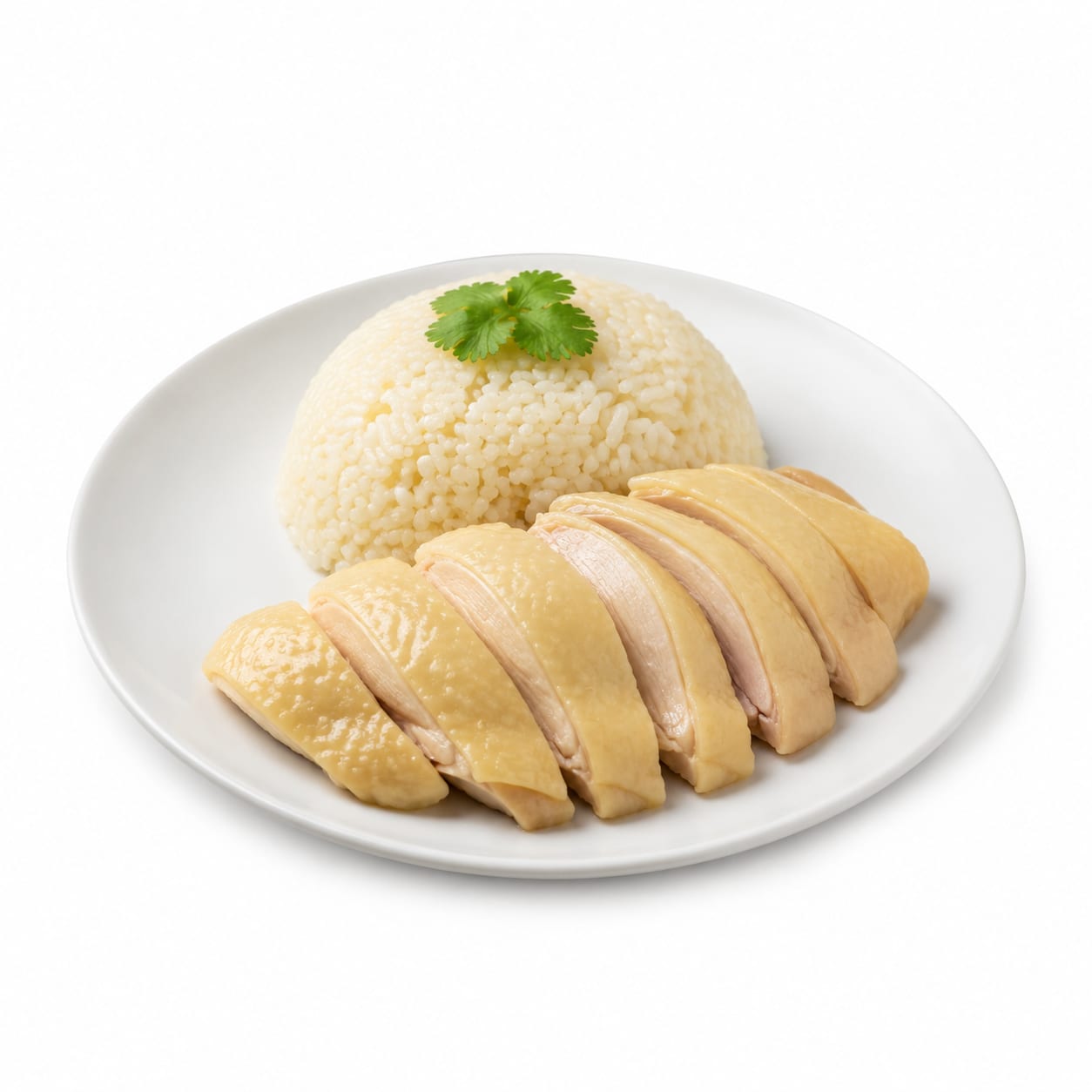
Hainanese Chicken Rice
A popular Southeast Asian meal of poached chicken served with rice cooked in chicken fat and flavorful broths.
A Southeast Asian dish of poached chicken and seasoned rice cooked in chicken fat and broth, served with chili sauce, ginger paste, and dark soy sauce.
high-fat savory chicken and rice dish
Typical serving · 400g
Common varieties · singapore-style, malaysian-style, thai-khao-man-gai, wenchang-chicken, roasted-chicken-variant +1 more
Overall context score across nutrition, safety, and diet fit
At a glance
Quick facts
Simple indicators based on nutrition, processing, and diet fit.
The story
What makes it unique
Features fast-digesting refined carbohydrates from white rice and moderate protein from chicken, but high fat content from rendered chicken skin and fat used to cook the rice. Satiety is moderate due to fat and protein, but the refined rice causes rapid gastric emptying and a quick glycemic response.
Varieties: singapore-style · malaysian-style · thai-khao-man-gai · wenchang-chicken · roasted-chicken-variant · braised-pork-variant
Per 100g
Nutrition breakdown
Macro balance and key metrics at a glance.
Energy
Density 1.95 kcal/g
Protein
Carbs
Fat
Fiber
Sugar
1 g
Sodium
430 mg
Potassium
145 mg
Glycemic index
72
Glycemic load
11
Water content
60%
Standout compounds
Nutrient highlights
Protein
moderateSupports muscle repair and satiety
Selenium
moderateActs as an antioxidant and supports thyroid function
Sodium
highProvides electrolytes but easily exceeds daily limits
Saturated Fat
highConcentrated energy source but raises cardiovascular risk
Wellness map
Health scores & processing
NOVA processing scale
ultra-processed · Ultra-processed
Commercially prepared versions use refined white rice cooked in rendered chicken fat, accompanied by processed condiments like sweetened soy sauce and chili paste.
Diet compatibility
- Weight loss
- Muscle gain
- Diabetes
- Gut health
- Low carb
- High protein
- Heart health
Relative standing
Food rankings
Qualitative ranks compared to similar whole foods.
- Satietymoderate
- Blood sugarpoor
- Nutrient densitypoor
- Fitness fuelmoderate
- Processing qualitypoor
Eat with confidence
Food safety profile
Primary risks involve cross-contamination from raw chicken handling and unrefrigerated dipping sauces. Rice may contain trace arsenic depending on sourcing.
Evidence confidence 85%
- Pesticidesmoderate
- Antibioticsmoderate
- Heavy metalslow
- Contaminationmoderate
Watch for
- salmonella
- campylobacter
- arsenic-in-rice
Safer choices
Sourcing from high-turnover vendors with strict food hygiene ratings reduces microbial risk.
Prep tips
Ensure chicken is cooked to an internal temperature of 165F. Refrigerate leftover sauces promptly.
Standard poultry safety and rice arsenic regulations apply; condiment hygiene varies by vendor.
Deep dive
Health analysis
How this food may fit different goals and preparation choices.
Weight loss
High energy density and significant fat content from chicken skin and fat-infused rice make portion control difficult for weight loss.
Blood sugar
Refined white rice causes rapid blood sugar spikes. The high fat content delays gastric emptying but increases the overall insulin demand over time.
Fitness & energy
Provides fast-digesting carbs and moderate protein, but the high fat content slows digestion, making it suboptimal for immediate pre-workout fuel.
Gut health
Lacks dietary fiber, offering minimal prebiotic benefits. High fat content may alter gut microbiome composition unfavorably if consumed frequently.
Processing quality
Relies heavily on refined grains and rendered animal fats, classifying it as a highly processed culinary dish with low micronutrient density.
Food safety
Cross-contamination risk from raw poultry preparation is notable. Unrefrigerated chili and ginger sauces at hawker centers can harbor microbial growth.
Common mistakes
Assuming the dish is lean because the chicken is poached, ignoring the calorie-dense fat absorbed by the rice and the sodium in the sauces.
Best preparation
Use brown rice, drastically reduce chicken fat in the rice preparation, remove poultry skin, and limit dipping sauces to lower calories and saturated fat.
Practical guide
Best use cases
When and how this food fits real eating patterns.
Calorie surplus bulking
Useful for individuals needing high caloric intake and energy-dense meals to support muscle building or weight gain.
Post-workout carb refueling
The refined carbohydrates help replenish glycogen stores quickly after intense endurance training, provided the fat content does not cause digestive distress.
Comfort food craving
Satisfies cravings for rich, savory, and culturally significant comfort food when enjoyed in moderation.
Balance sheet
Pros & cons
Upsides
- Provides high-quality complete protein from chicken
- Rich savory flavor satisfies comfort food cravings
- Ginger and garlic in broth offer mild anti-inflammatory properties
- Fast-digesting carbohydrates provide quick energy
Trade-offs
- Rice cooked in chicken fat drastically increases calorie density
- Refined white rice causes rapid blood sugar spikes
- Very low in dietary fiber
- High sodium content from dipping sauces
Fit check
Who is it for?
Great match
- calorie-surplus-bulking
- endurance-athletes-refueling
- comfort-food-cravings
Consider alternatives
- strict-weight-loss
- diabetic-meal-plans
- low-carb-or-ketogenic-diets
- heart-healthy-low-fat-diets
Side by side
How it compares
Open the full head-to-head analysis for nutrition, safety, and practical tradeoffs.
This food
Hainanese Chicken Rice
VS90% alike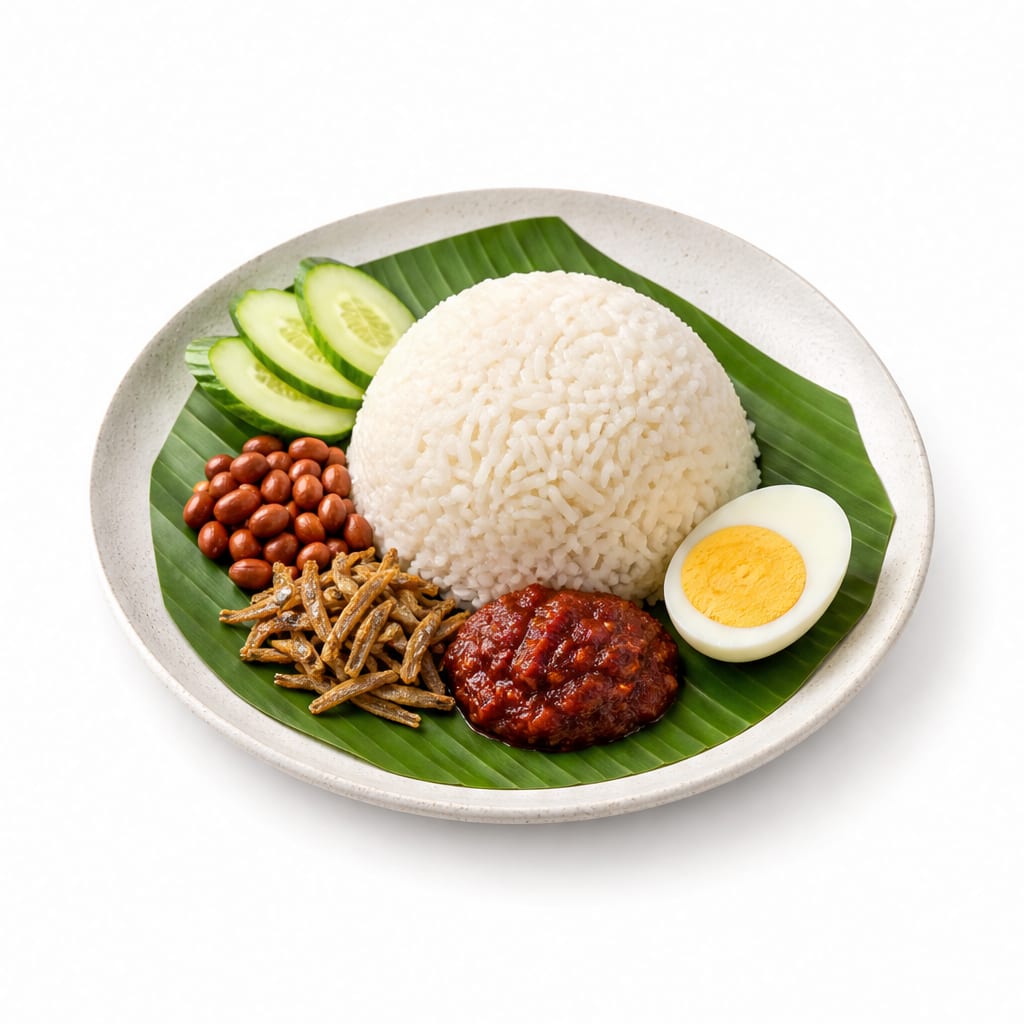
Compare with
Nasi Lemak
Nasi Lemak uses coconut milk, while Hainanese chicken rice uses chicken fat and broth.
Hainanese chicken rice is slightly lower in calories than Nasi Lemak, but both are high-fat rice dishes that spike blood sugar.
This food
Hainanese Chicken Rice
VS85% alike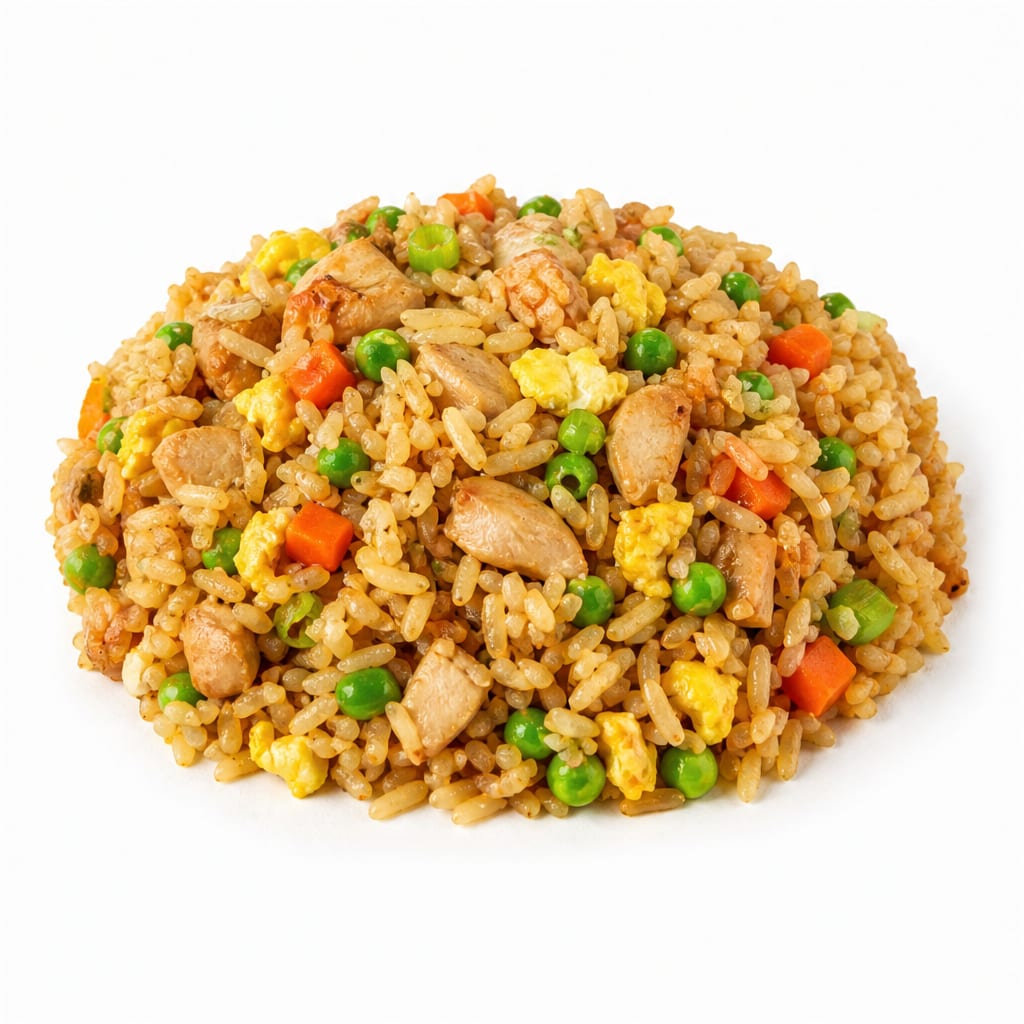
Compare with
Fried Rice
Fried rice is stir-fried with oil, while Hainanese rice is steeped in chicken fat and broth.
Hainanese chicken rice offers more lean protein from the whole chicken pieces, whereas fried rice typically contains less protein and more oil.
This food
Hainanese Chicken Rice
VS80% alike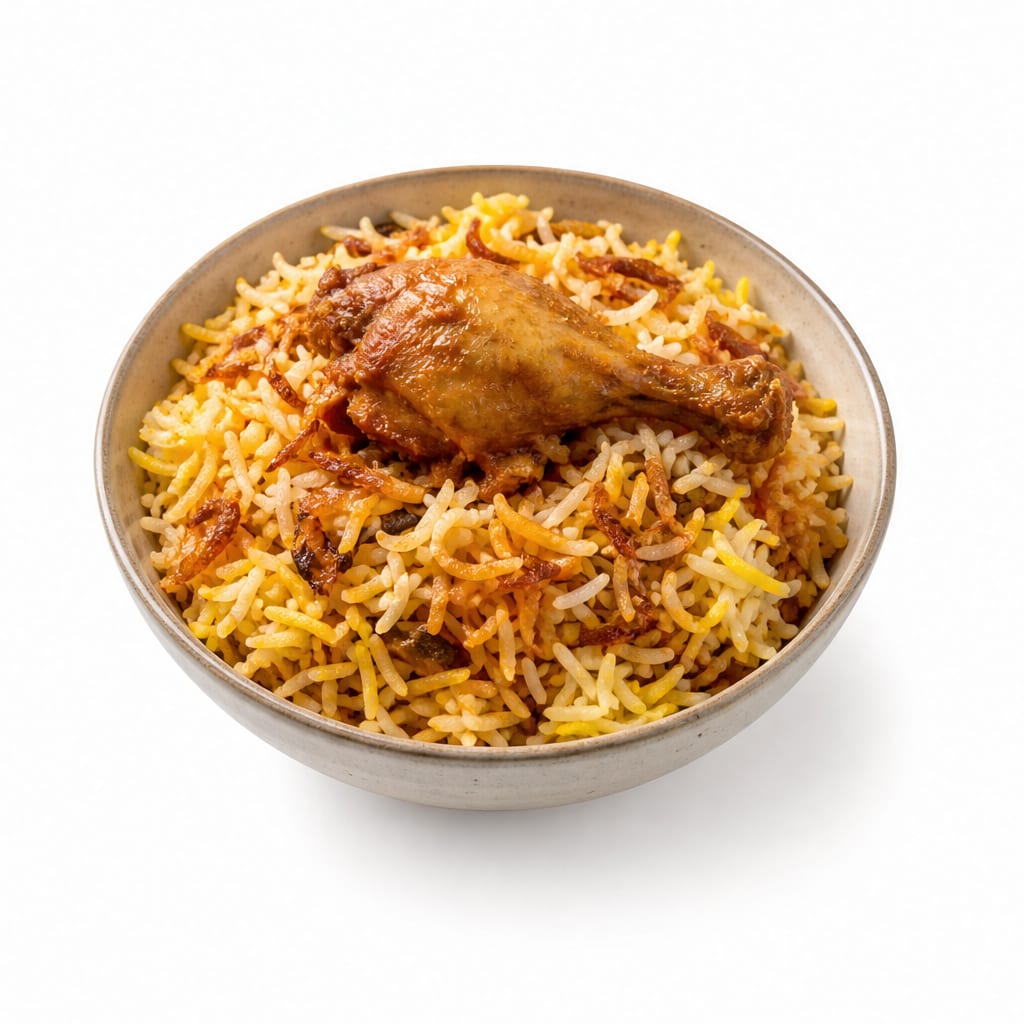
Compare with
Chicken Biryani
Biryani uses ghee and complex spices, while Hainanese uses chicken fat and light aromatics.
Biryani is heavier in ghee and spices, while Hainanese chicken rice is lighter in flavor but still high in fat from the chicken broth rice.
This food
Hainanese Chicken Rice
VS70% alike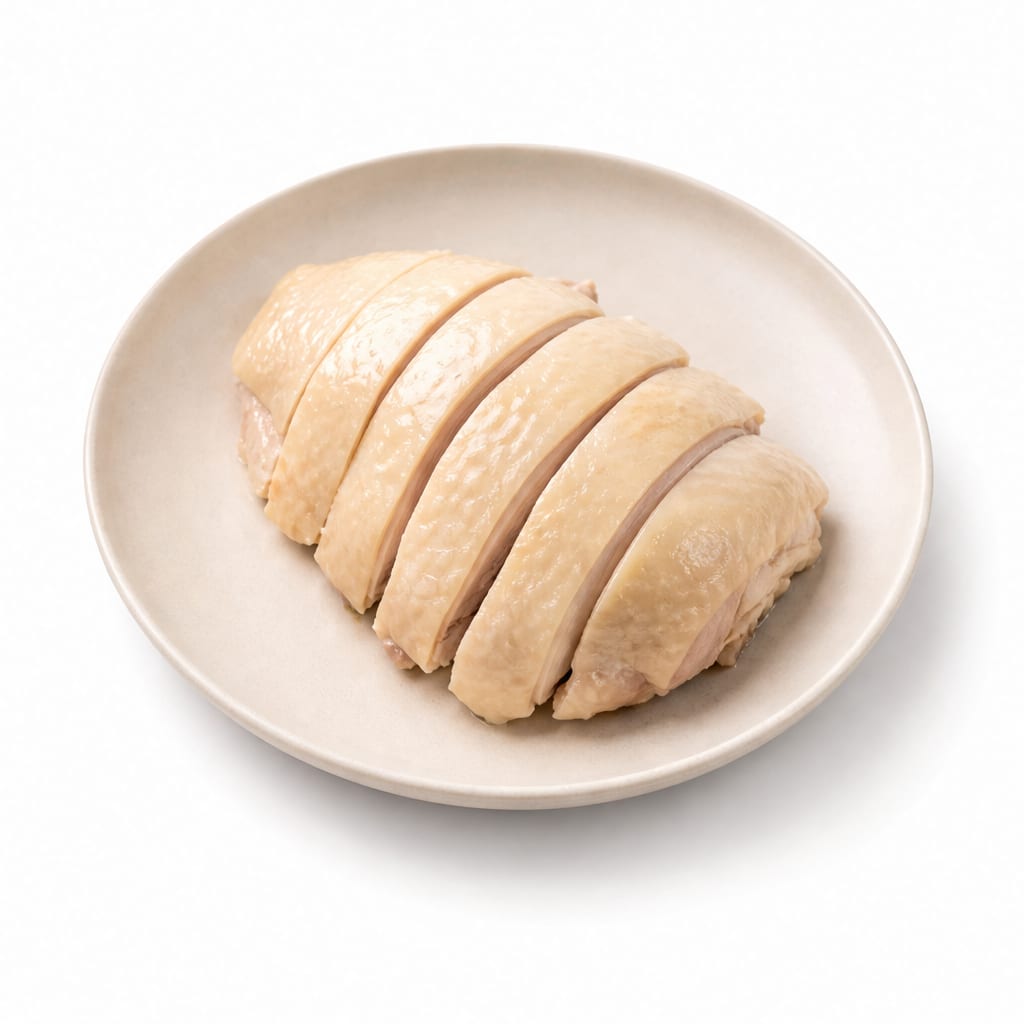
Compare with
Plain Boiled Chicken
Plain boiled chicken lacks the fatty rice and sodium-heavy sauces.
Plain boiled chicken is far lower in calories and fat, making it much better for weight loss than the full Hainanese dish with fatty rice.
This food
Hainanese Chicken Rice
VS75% alike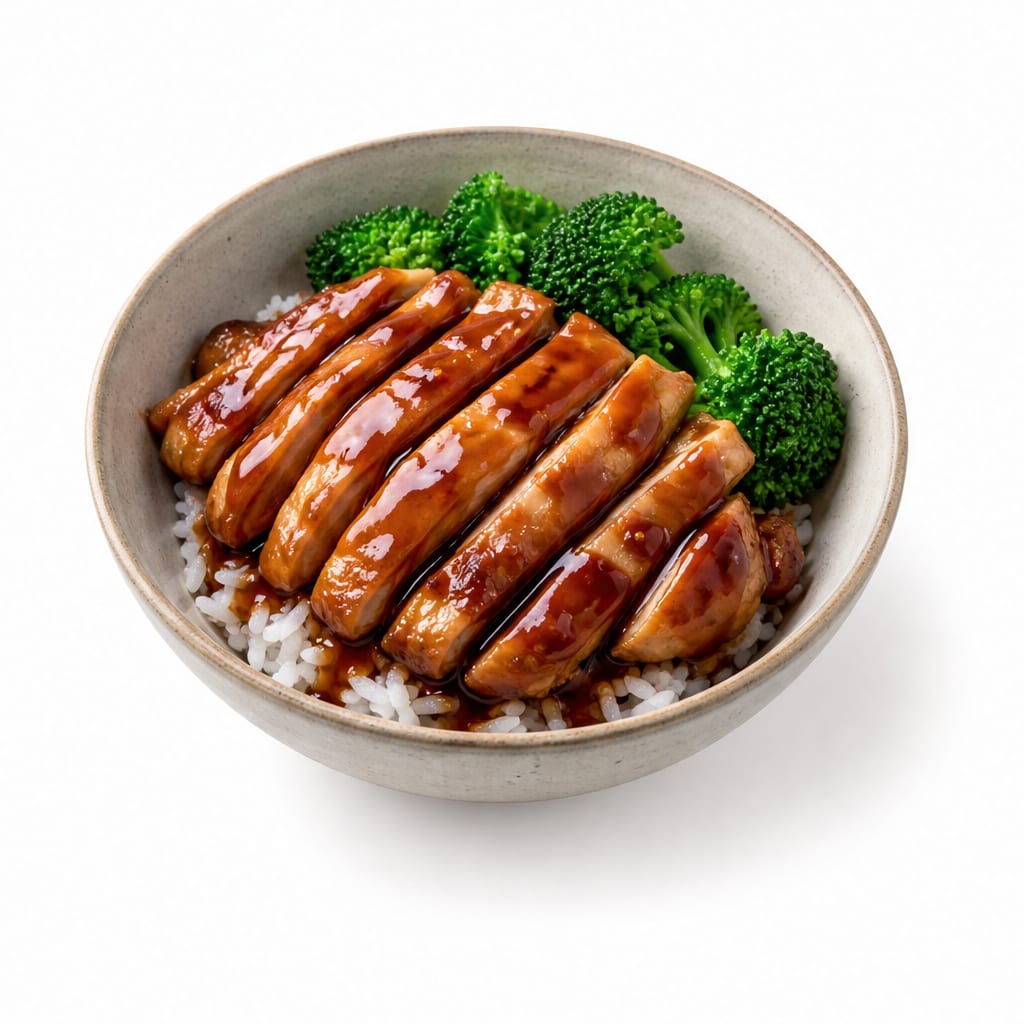
Compare with
Teriyaki Chicken Bowl
Teriyaki uses a sugar-heavy glaze, while Hainanese uses fat-heavy rice.
Teriyaki bowls are higher in sugar from the glaze, while Hainanese chicken rice is higher in fat from the broth, making both moderate health choices.
This food
Hainanese Chicken Rice
VS65% alike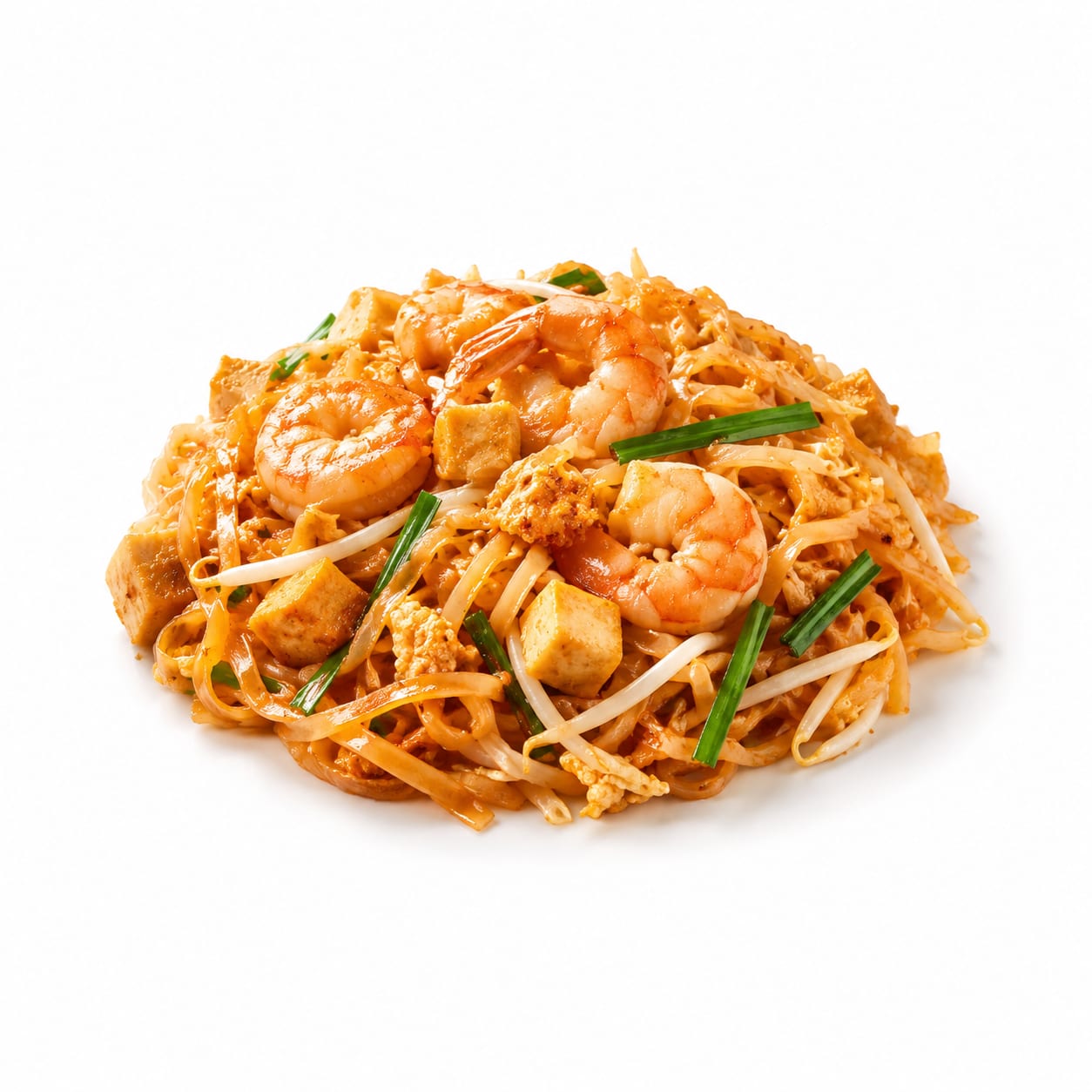
Compare with
Pad Thai
Pad Thai is a noodle dish with sugar and tamarind, while Hainanese is a rice dish with fat and soy.
Hainanese chicken rice offers more protein and less sugar than Pad Thai, making it slightly better for blood sugar control.
This food
Hainanese Chicken Rice
VS70% alike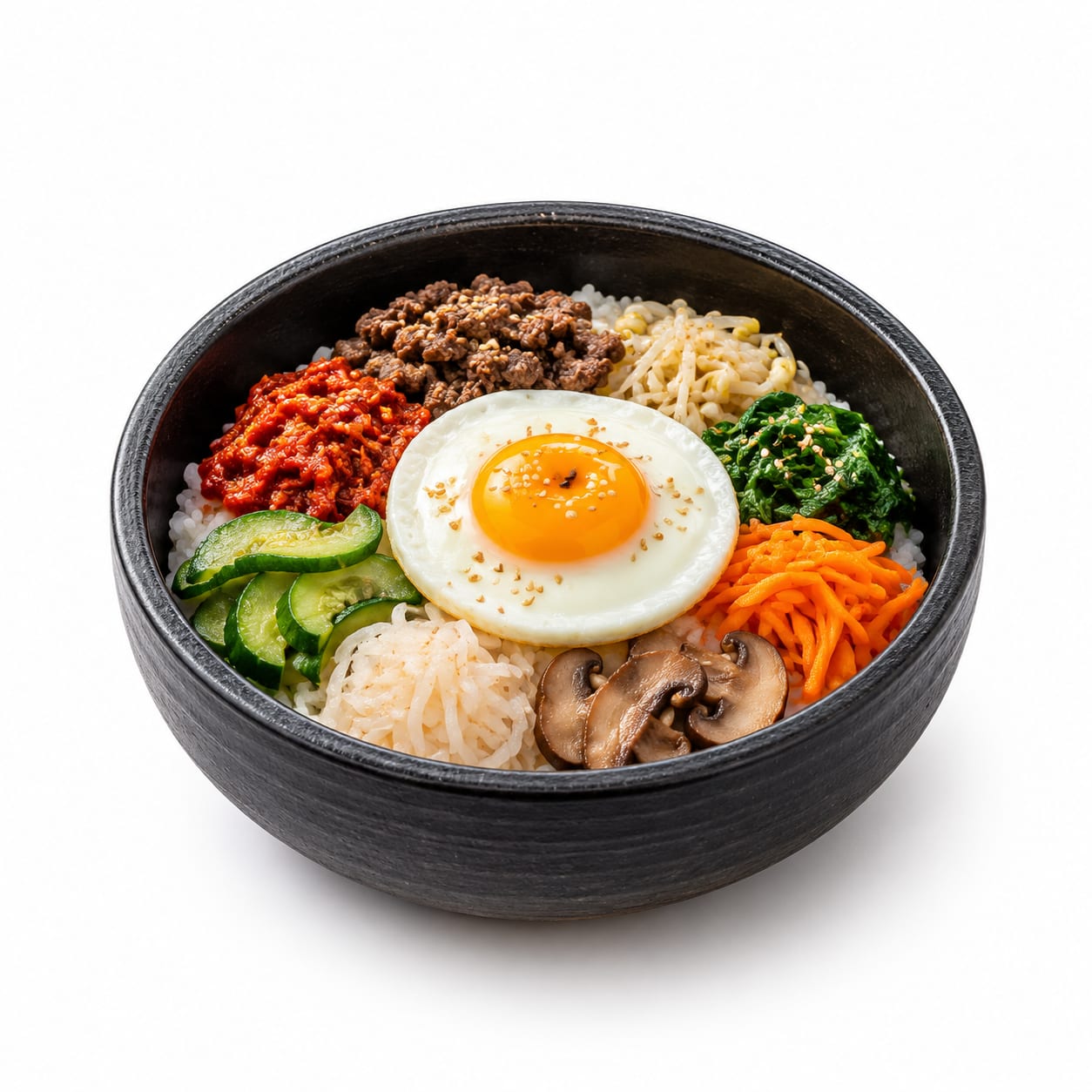
Compare with
Bibimbap
Bibimbap includes vegetables and sesame oil, while Hainanese features fatty rice and chicken.
Bibimbap provides more fiber and micronutrients from vegetables, making it healthier and better for satiety than Hainanese chicken rice.
This food
Hainanese Chicken Rice
VS60% alike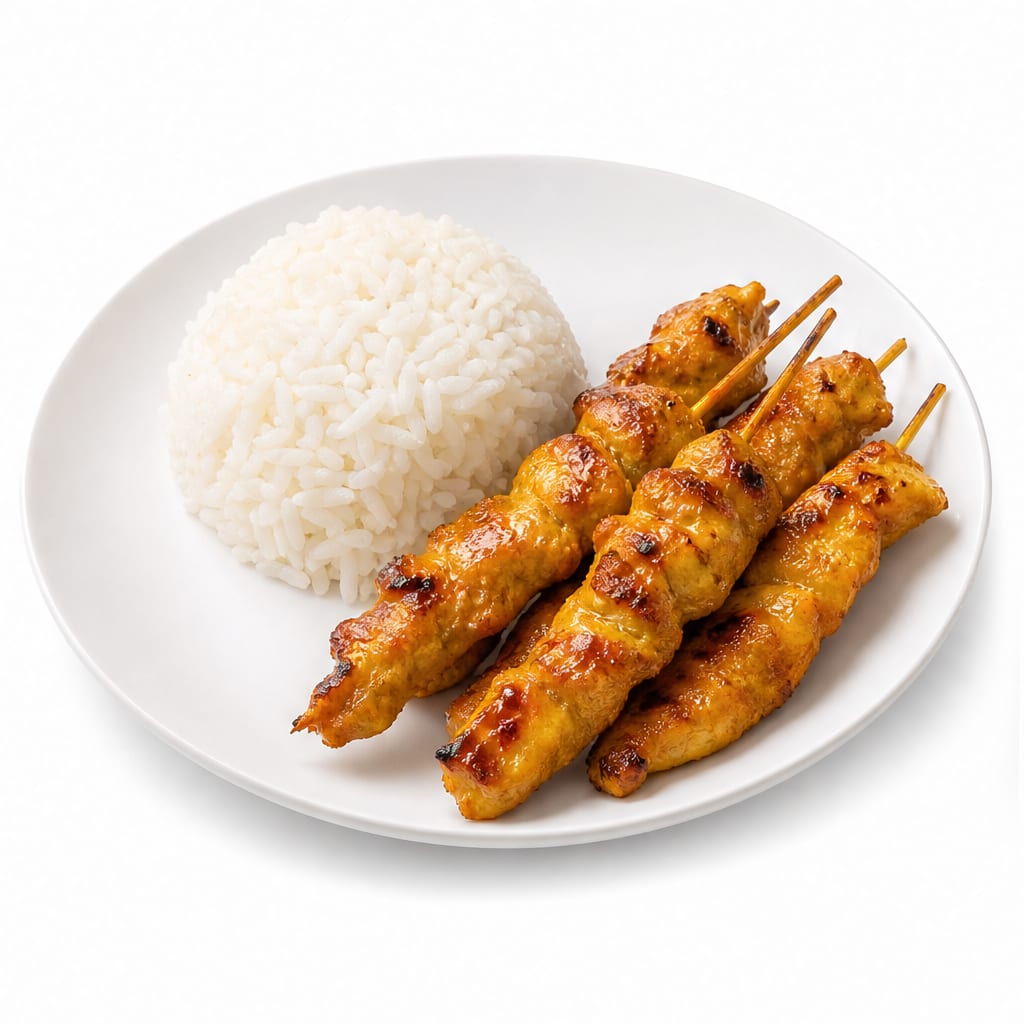
Compare with
Chicken Satay with Rice
Satay is grilled with peanut sauce, while Hainanese is poached with fat rice.
Chicken satay offers grilled leaner protein, whereas Hainanese chicken rice hides more fat in the rice, making satay a slightly leaner choice.
This food
Hainanese Chicken Rice
VS55% alike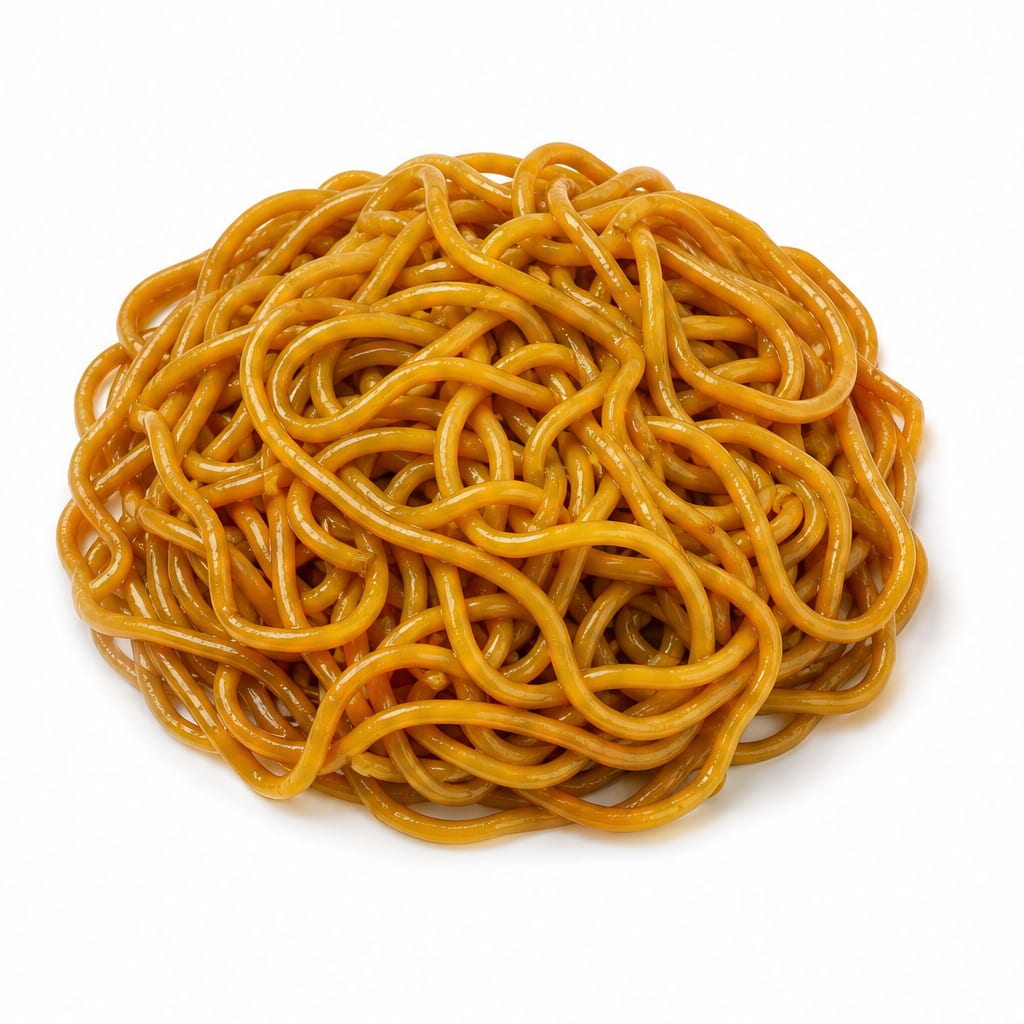
Compare with
Lo Mein
Lo Mein is wheat noodles stir-fried with oil, while Hainanese is rice cooked in fat.
Hainanese chicken rice provides better protein content than Lo Mein, which is often mostly noodles and oil with minimal protein.
This food
Hainanese Chicken Rice
VS50% alike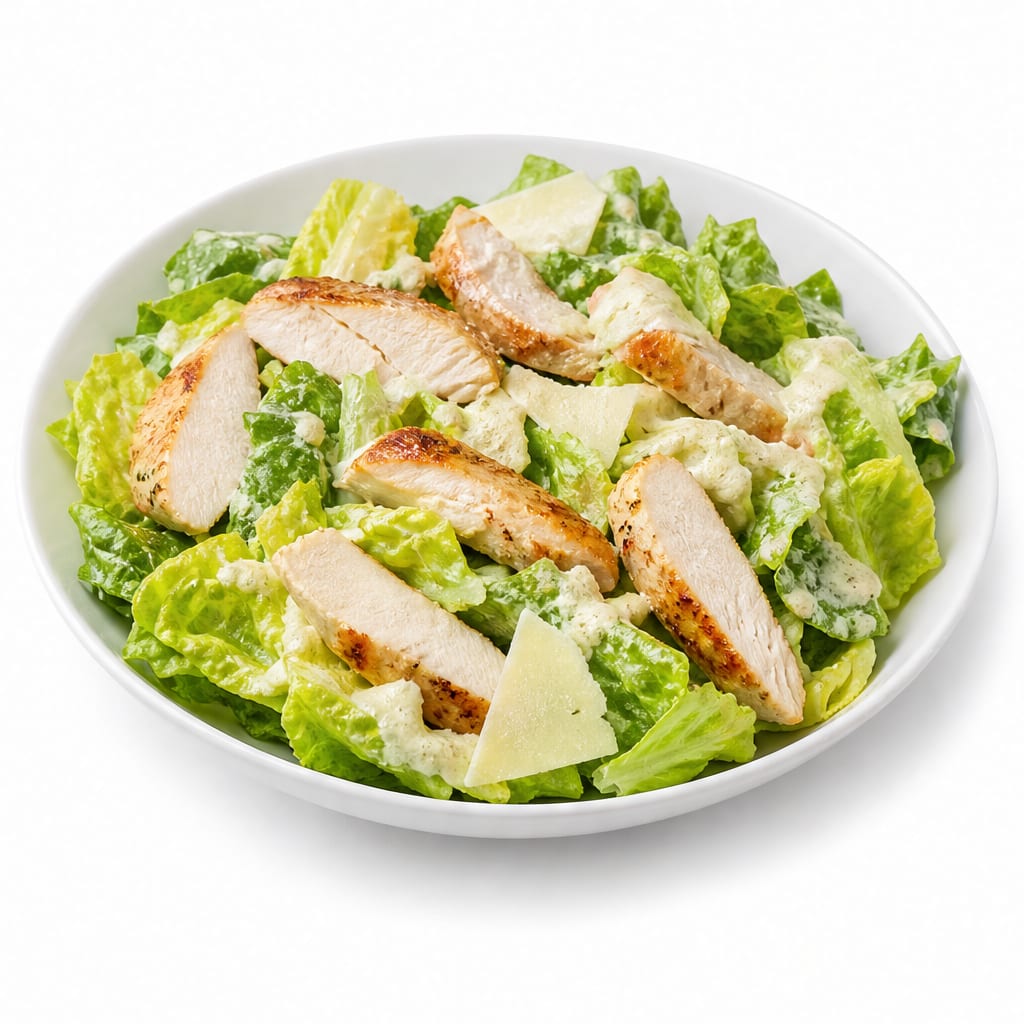
Compare with
Chicken Caesar Salad
Caesar salad uses lettuce and creamy dressing, while Hainanese uses fatty rice.
A Chicken Caesar Salad is lower in carbs and better for blood sugar, while Hainanese chicken rice provides more fast-acting energy for refueling.
Common questions
FAQ
Answers aligned with how people search for this food.
How many calories are in a plate of Hainanese chicken rice?
A standard plate of Hainanese chicken rice contains approximately 700 to 800 calories, largely due to the chicken fat used to cook the rice and the skin-on poultry.
Is Hainanese chicken rice healthy?
It provides good protein but is high in saturated fat and refined carbohydrates. It is not considered a heart-healthy or weight-loss-friendly option in its traditional form.
Why is Hainanese chicken rice so fattening?
The rice is cooked in rendered chicken fat and rich broth, absorbing a high amount of fat. The accompanying chicken is often served with skin, adding more saturated fat.
Can diabetics eat Hainanese chicken rice?
It is not ideal for diabetics because the white rice causes rapid blood sugar spikes. Portion control and substituting brown rice are recommended if consumed.
How can I make Hainanese chicken rice healthier?
Remove the chicken skin, ask for plain steamed rice instead of fat-cooked rice, and limit the sweet dark soy sauce and chili paste to reduce sodium and sugar intake.
Is the chicken or the rice higher in calories?
The fat-infused rice is often higher in calories and fat than the poached chicken itself, making it the most calorie-dense component of the dish.
Does Hainanese chicken rice have a lot of sodium?
Yes, the dipping sauces like dark soy sauce and chili paste are very high in sodium, contributing significantly to the daily recommended limit.
What is the glycemic index of Hainanese chicken rice?
The white rice used has a high glycemic index of around 70 or more, leading to quick blood sugar elevation, though the fat content slightly delays the spike.
Transparency
Data confidence
Estimated confidence for nutrition data, interpretation, safety notes, and comparisons.
Nutrition data
Health analysis
Food safety
Comparisons