
Nutrition comparison
Hainanese Chicken Rice vs Nasi Lemak: Which Is Healthier?
Compare Hainanese Chicken Rice and Nasi Lemak nutrition — saturated fat, sodium, calories, and health impact. Find out which Southeast Asian staple is better for daily eating.
Overall winner · Hainanese Chicken Rice
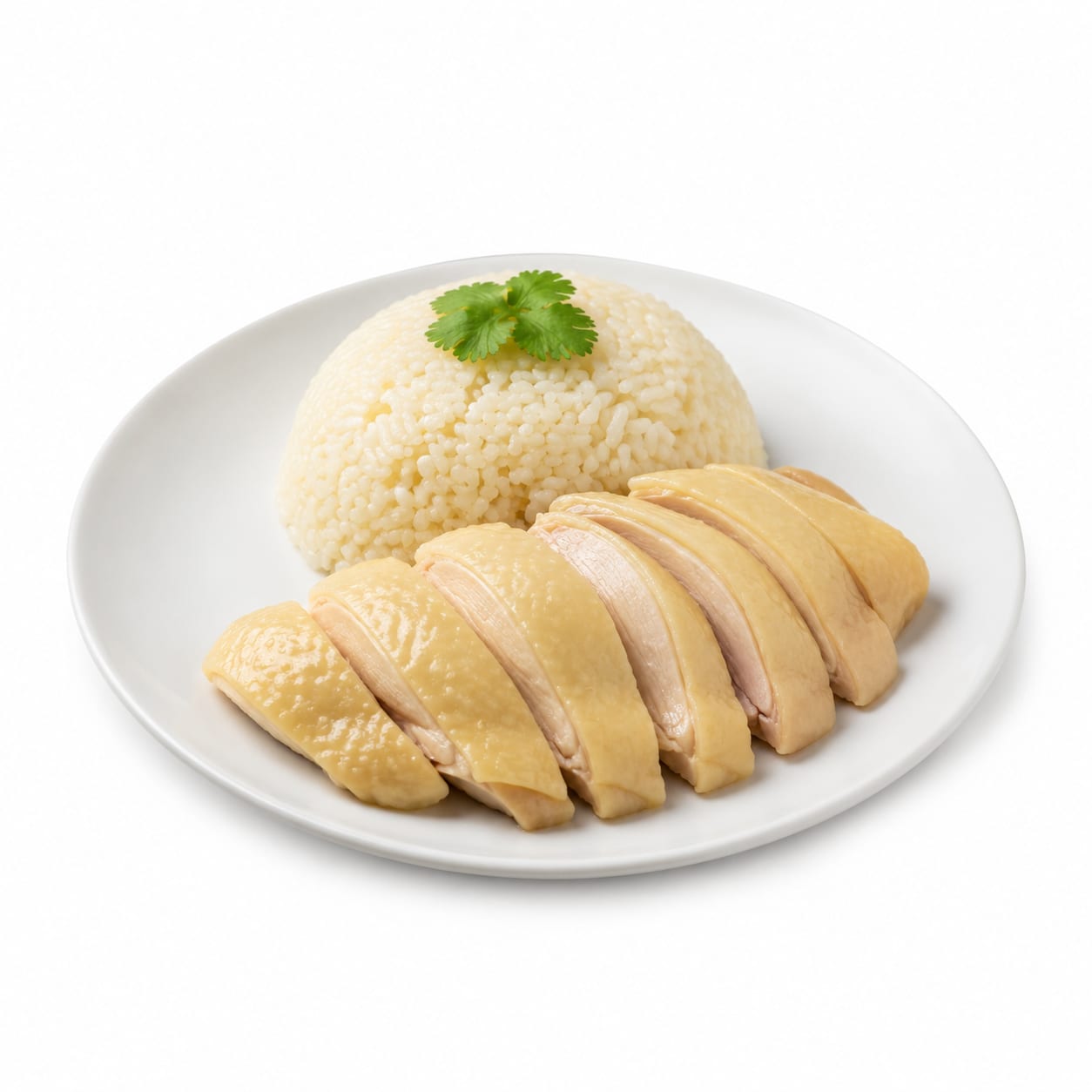
Hainanese Chicken Rice
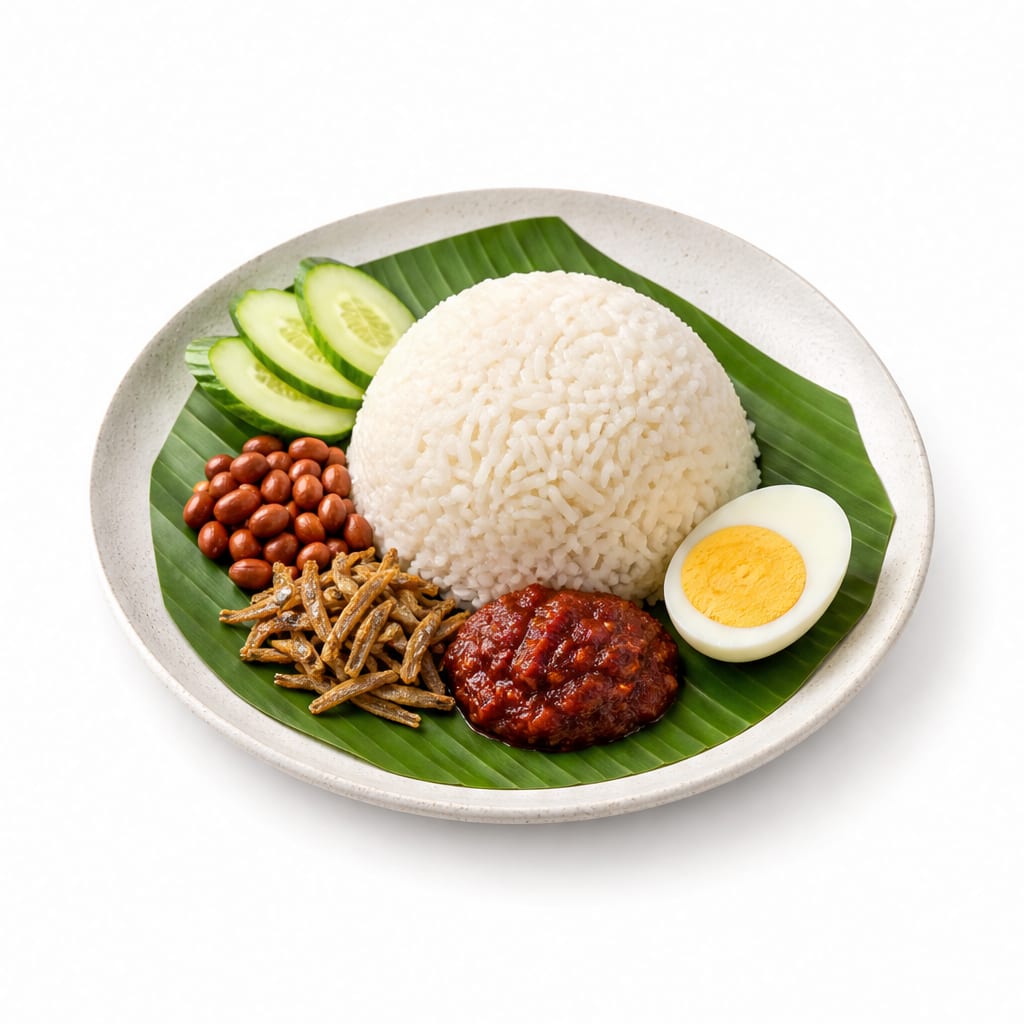
Nasi Lemak
Hainanese Chicken Rice is the lighter, lower-fat choice that's easier on your heart and waistline. Nasi Lemak delivers bolder flavors but comes with a heavy saturated fat and sodium price tag.
Hainanese Chicken Rice scores meaningfully higher due to lower saturated fat, less sodium, and better suitability for regular consumption. Nasi Lemak isn't unhealthy in isolation, but its saturated fat and sodium load make it a tougher sell as a frequent meal.
You trade the rich, indulgent coconut-sambal experience of Nasi Lemak for the cleaner, gentler profile of Hainanese Chicken Rice — your arteries and energy levels will notice the difference.
At a glance
Executive summary
Overall
Hainanese Chicken Rice
Healthier
Hainanese Chicken Rice
More practical
Hainanese Chicken Rice
Daily use
Hainanese Chicken Rice
Key comparison lenses
Which Southeast Asian staple is healthier for regular consumption?
Both are beloved everyday meals, so long-term health impact matters most
Saturated fat and heart health tradeoffs
Coconut milk in Nasi Lemak dramatically increases saturated fat compared to chicken broth rice
Sodium load comparison
Sambal and fried anchovies make Nasi Lemak significantly saltier
Blood sugar and energy stability
Both are rice-heavy meals, but fat content changes glycemic response differently
Weight management suitability
Calorie density differs substantially between these two dishes
Practical everyday eating
Both are hawker staples, but availability and portion flexibility vary
Best choice for
Hainanese Chicken Rice
- People watching their heart health or cholesterol
- Anyone trying to manage weight without giving up rice meals
- Those who prefer lighter lunches that won't cause afternoon energy crashes
- People with high blood pressure who need to control sodium
Nasi Lemak
- Active individuals needing calorie-dense fuel
- Those craving bold, complex flavors as an occasional treat
- People who find high-fat meals more satiating and satisfying
- Anyone looking for a culturally rich weekend indulgence
Least suitable for
Hainanese Chicken Rice
- People needing very high-calorie meals for weight gain
- Those who find plain flavors unsatisfying and end up overeating later
- Anyone specifically seeking the MCT benefits of coconut products
Nasi Lemak
- People with high cholesterol or cardiovascular risk
- Those on sodium-restricted diets
- Anyone trying to lose weight while eating hawker food regularly
- People prone to bloating or acid reflux from rich, spicy food
Deep comparison
Dimension by dimension
Each lens scores both foods and breaks down who each option suits.
- Dimension 1 · Priority 95Hainanese Chicken Rice
Heart Health & Cholesterol Impact
Hainanese Chicken Rice · 72Nasi Lemak · 38Hainanese Chicken Rice uses chicken broth and a small amount of chicken fat for flavor. Nasi Lemak drowns its rice in coconut milk, delivering a massive saturated fat hit.
Tradeoff
The creamy, fragrant coconut rice that makes Nasi Lemak irresistible is exactly what makes it harder on your cardiovascular system.
Why it matters
A single serving of Nasi Lemak can contain 15-25g of saturated fat — close to or exceeding your daily limit. Hainanese Chicken Rice typically stays under 8g.
Real-world impact
Eating Nasi Lemak daily could meaningfully raise LDL cholesterol over months. Hainanese Chicken Rice is far less likely to move the needle.
Hainanese Chicken Rice
- Maintaining healthy cholesterol levels
- Long-term cardiovascular risk reduction
- Eating comfort food with less metabolic guilt
Better for
- People who find low-fat meals unsatisfying may overeat later
Worse for
Nasi Lemak
- Satiety from higher fat content if you're very active
- Occasional indulgence that feels deeply satisfying
Better for
- Daily consumption raises heart disease risk meaningfully
- Not suitable for anyone with existing lipid issues
Worse for
- Dimension 2 · Priority 88Hainanese Chicken Rice
Sodium & Blood Pressure
Hainanese Chicken Rice · 65Nasi Lemak · 40Nasi Lemak's sambal and fried anchovies create a sodium bomb. Hainanese Chicken Rice uses lighter seasoning, though soy sauce still adds salt.
Tradeoff
The intensely savory, umami-rich sambal and crispy ikan bilis that define Nasi Lemak are also its biggest sodium offenders.
Why it matters
A full Nasi Lemak plate can easily exceed 1500mg sodium. Hainanese Chicken Rice typically lands around 800-1000mg — still not low, but noticeably less.
Real-world impact
If you have blood pressure concerns, Nasi Lemak is the meal most likely to leave you bloated and thirsty afterward.
Hainanese Chicken Rice
- Better for hypertension management
- Less post-meal thirst and water retention
Better for
- Soy sauce dips still add up if you're very sodium-sensitive
Worse for
Nasi Lemak
- Higher sodium can help replenish electrolytes after heavy sweating
Better for
- Anchovies and sambal make this a poor choice for daily blood pressure management
Worse for
- Dimension 3 · Priority 85Nasi Lemak
Blood Sugar & Energy Stability
Hainanese Chicken Rice · 55Nasi Lemak · 62Both are white rice-heavy, but Nasi Lemak's high fat content slows sugar absorption. Hainanese Chicken Rice's leaner profile means faster glycemic spikes.
Tradeoff
The coconut fat in Nasi Lemak actually helps blunt the blood sugar spike — but you pay for it with saturated fat.
Why it matters
White rice alone spikes blood sugar quickly. Fat slows gastric emptying, creating a more gradual glucose rise.
Real-world impact
After Hainanese Chicken Rice, you might feel a quicker energy dip. After Nasi Lemak, energy lasts longer but the meal sits heavier.
Hainanese Chicken Rice
- Lighter post-meal feeling if you need to stay active
- Less digestive heaviness
Better for
- Faster blood sugar rise and potential energy crash within 2 hours
Worse for
Nasi Lemak
- More sustained energy for physically demanding afternoons
- Less dramatic blood sugar spike due to fat slowing absorption
Better for
- Heavy, sluggish feeling that can kill productivity after lunch
Worse for
- Dimension 4 · Priority 82Hainanese Chicken Rice
Calorie Density & Weight Management
Hainanese Chicken Rice · 68Nasi Lemak · 42Hainanese Chicken Rice typically runs 500-650 calories per serving. Nasi Lemak easily hits 700-900+ calories, especially with fried chicken.
Tradeoff
Nasi Lemak packs more calories per bite — great if you need the fuel, problematic if you're watching intake.
Why it matters
Coconut milk is calorie-dense at roughly 450 calories per cup. Add fried elements and peanuts, and the meal becomes very energy-heavy.
Real-world impact
Eating Nasi Lemak three times a week instead of Hainanese Chicken Rice could mean an extra 600-900 calories weekly — that's meaningful for weight.
Hainanese Chicken Rice
- Easier portion and calorie control
- Better default choice for weight loss or maintenance
Better for
- May not provide enough calories for very active individuals
Worse for
Nasi Lemak
- Hardgainers and very active people get more calories efficiently
Better for
- Easy to overconsume calories without feeling like you ate a lot volume-wise
Worse for
- Dimension 5 · Priority 78Hainanese Chicken Rice
Protein Quality & Satiety
Hainanese Chicken Rice · 70Nasi Lemak · 55Hainanese Chicken Rice delivers clean, lean protein from poached chicken. Nasi Lemak's protein comes from anchovies and egg — decent but less substantial.
Tradeoff
You get more high-quality, filling protein from the chicken breast portion in Hainanese Chicken Rice than from the scattered anchovies and egg in Nasi Lemak.
Why it matters
Protein is the most satiating macronutrient. Better protein quality means you stay full longer with fewer cravings.
Real-world impact
After Hainanese Chicken Rice, you're less likely to snack within 3 hours. After Nasi Lemak, the fullness is more from fat heaviness than protein satisfaction.
Hainanese Chicken Rice
- Better muscle-supporting protein from chicken
- Cleaner satiety signal — full without feeling stuffed
Better for
- Protein quantity depends heavily on chicken portion size
Worse for
Nasi Lemak
- Anchovies provide some omega-3s and minerals like calcium
Better for
- Protein is fragmented and less reliable as a primary source
Worse for
- Dimension 6 · Priority 72Hainanese Chicken Rice
Digestive Comfort
Hainanese Chicken Rice · 75Nasi Lemak · 48Hainanese Chicken Rice is gentle and easy on the stomach. Nasi Lemak's spice, fat, and fried elements can trigger reflux or bloating.
Tradeoff
The chili sambal that makes Nasi Lemak exciting also makes it risky for sensitive stomachs.
Why it matters
Spicy, fatty meals are the top triggers for acid reflux and indigestion. Hainanese Chicken Rice is one of the gentlest hawker options available.
Real-world impact
If you have a sensitive stomach or are eating before a meeting, Hainanese Chicken Rice is the safer bet. Nasi Lemak might leave you uncomfortable.
Hainanese Chicken Rice
- Safe for acid reflux and GERD sufferers
- Gentle enough for recovery days when your stomach is off
Better for
- Can feel bland if you're used to stronger flavors
Worse for
Nasi Lemak
- The spice can clear sinuses and provide a warming comfort some people enjoy
Better for
- High likelihood of heartburn or bloating in susceptible individuals
Worse for
Timeline
Health impact over time
Short-term
Hours to days
Hainanese Chicken Rice
- Moderate blood sugar rise within 30-60 minutes
- Comfortable fullness without heaviness
- Minimal digestive discomfort for most people
- Possible mild thirst from soy sauce sodium
Nasi Lemak
- Slower but prolonged blood sugar elevation due to high fat
- Heavy, full feeling that can last 4-5 hours
- Possible heartburn or acid reflux from sambal spice and fat
- Noticeable thirst from high sodium content
Long-term
Months to years
Hainanese Chicken Rice
- More sustainable as a regular meal without major health concerns
- Moderate sodium intake still warrants monitoring if eaten daily
- Cholesterol impact is manageable with lean chicken choices
- Rice-heavy pattern may need fiber supplementation elsewhere in diet
Nasi Lemak
- Regular consumption likely raises LDL cholesterol meaningfully
- High sodium intake increases hypertension risk over time
- Coconut fat debate continues, but current evidence favors moderation
- Calorie density makes weight creep likely if eaten frequently
Risk profile
Safety & processing
Hainanese Chicken Rice uses whole ingredients — chicken, rice, ginger, garlic, and light sauces. Nasi Lemak's sambal often contains added sugar, shrimp paste with preservatives, and commercially fried anchovies with added oil and salt. Both are traditional dishes, but Nasi Lemak involves more processed components.
Hainanese Chicken Rice
Bacterial contamination from improperly stored chicken
mediumPoached chicken must be handled carefully. Room-temperature display at hawker centers can be a concern if turnover is low.
Cross-contamination from shared cutting surfaces
lowStandard hawker hygiene practices usually mitigate this, but it's worth noting for immune-compromised individuals.
Nasi Lemak
Sambal spoilage from improper storage
mediumChili paste can harbor bacteria if left at room temperature too long, especially with shrimp paste content.
Rancid oil in fried anchovies and peanuts
mediumRepeatedly heated or old frying oil introduces oxidized fats and potential carcinogens. Common in high-volume hawker settings.
Higher foodborne illness risk from multiple components
lowMore ingredients mean more handling and more potential contamination points compared to simpler dishes.
Who wins for whom
Audience fit
Same foods, different winners depending on your goal.
children
Hainanese Chicken RiceMilder flavors and easier digestion make Hainanese Chicken Rice more kid-friendly. Nasi Lemak's spice and heavy fat can overwhelm young stomachs.
daily consumption
Hainanese Chicken RiceLower saturated fat, less sodium, and lighter digestive load make Hainanese Chicken Rice the more sustainable daily choice by a meaningful margin.
diabetes
It dependsNasi Lemak's fat slows sugar absorption, but its calorie and saturated fat load worsens insulin resistance long-term. Hainanese Chicken Rice causes faster spikes but is healthier overall — neither is ideal, but portion control matters more than choosing between them.
elderly
Hainanese Chicken RiceGentle on digestion, lower sodium, and softer textures make Hainanese Chicken Rice more appropriate for aging digestive systems and cardiovascular health.
muscle gain
Hainanese Chicken RiceHigher quality protein from chicken supports muscle repair better than the fragmented protein from anchovies and egg in Nasi Lemak.
weight loss
Hainanese Chicken RiceLower calorie density and leaner protein make Hainanese Chicken Rice easier to fit into a calorie deficit without feeling deprived.
Your move
Decision guide
Choose Hainanese Chicken Rice
- You eat hawker food more than twice a week and need a healthier default
- Heart health, cholesterol, or blood pressure is a concern for you
- You want a satisfying meal that won't leave you sluggish afterward
- You have a sensitive stomach or are prone to acid reflux
- You're managing your weight but don't want to give up rice dishes
Choose Nasi Lemak
- It's a weekend treat or special occasion — not a regular weekday meal
- You're very physically active and need calorie-dense fuel
- You find low-fat meals unsatisfying and end up snacking more later
- You're specifically craving the complex flavors of sambal and coconut rice
- You've already eaten lighter meals earlier in the day
Either works if
- You're generally healthy and eat either dish no more than once a week
- You balance your diet well with vegetables and lean proteins at other meals
- Neither dish is a dietary staple — just occasional cultural enjoyment
Avoid both if
- You have severe diabetes and need low-glycemic meals — both are white rice-heavy
- You're on a strict low-sodium diet — both exceed ideal sodium for a single meal
- You're following a low-carb or ketogenic eating pattern
Final recommendation
Make Hainanese Chicken Rice your default hawker order and save Nasi Lemak for once-a-week enjoyment. You'll get the comfort of a familiar meal most days while still indulging in Nasi Lemak's incredible flavors when it counts. If you do eat Nasi Lemak more often, ask for less sambal and skip the fried chicken version — the coconut rice alone is rich enough.
Practical
Consumer tips
- 1
For Hainanese Chicken Rice: ask for chicken breast instead of thigh to reduce fat further, and go easy on the dark soy sauce dip
- 2
For Nasi Lemak: request less sambal — you'll cut sodium significantly without losing the experience
- 3
For either dish: add a side of vegetables if available — both meals are carb-heavy and fiber-poor
- 4
For Nasi Lemak: choose the plain egg version over fried chicken to save 200+ calories
- 5
For Hainanese Chicken Rice: skip the chicken skin to remove the biggest source of saturated fat in the dish
- 6
Both meals are low in fiber — pair with fruit or a vegetable side later in the day to balance your intake