
Nutrition comparison
Hainanese Chicken Rice vs Fried Rice: Which Is Healthier?
Compare Hainanese Chicken Rice and Fried Rice on calories, protein, fat, sodium, and blood sugar impact. Find out which rice dish is the smarter everyday choice.
Overall winner · Hainanese Chicken Rice
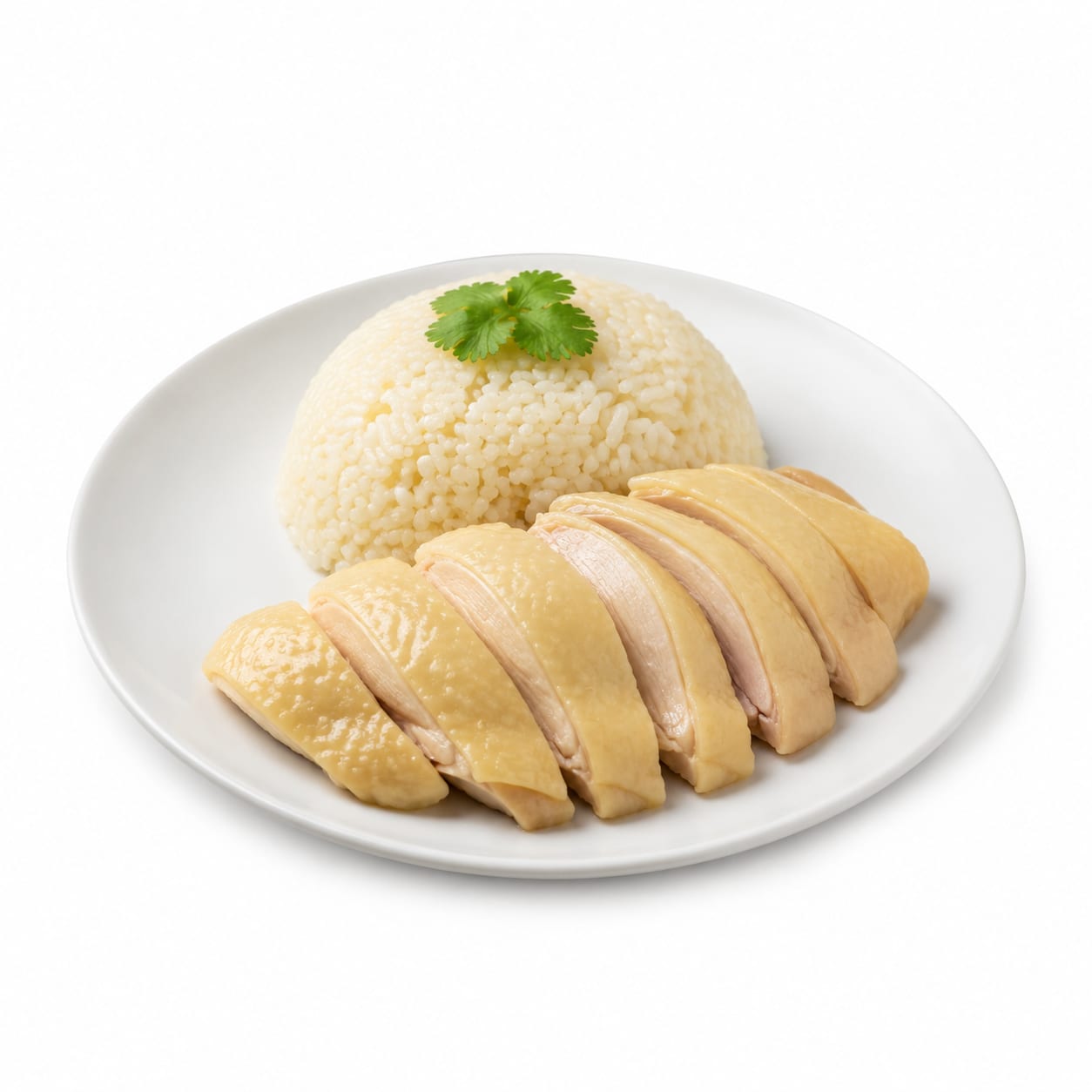
Hainanese Chicken Rice
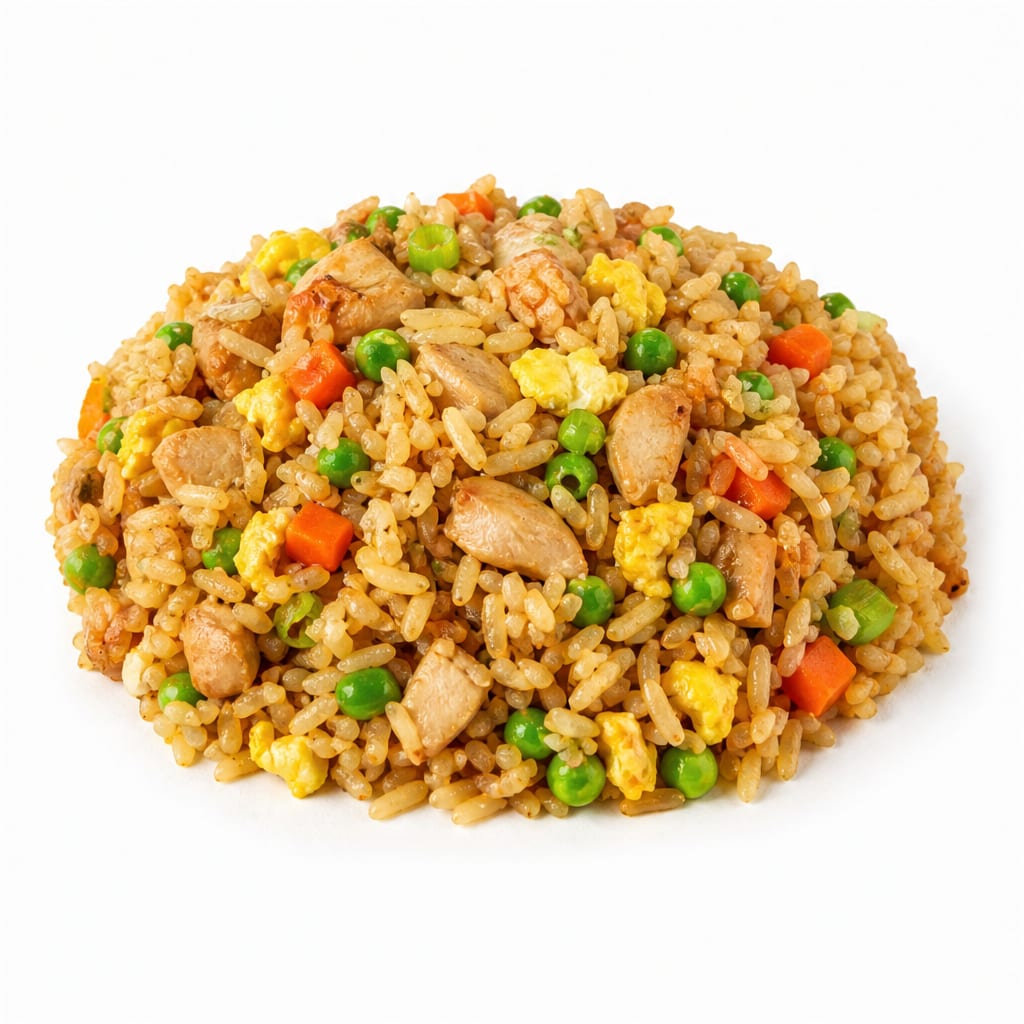
Fried Rice
Hainanese Chicken Rice edges out Fried Rice thanks to its lean protein and lower cooking oil, though both are carb-heavy meals that require portion awareness.
Hainanese Chicken Rice scores notably higher because its poached protein and lower oil content create a more balanced meal. Fried Rice loses ground on hidden calories from stir-frying oil and typically lower protein content.
You trade the vegetable variety and bold wok flavor of Fried Rice for the cleaner protein profile and lighter cooking method of Hainanese Chicken Rice.
At a glance
Executive summary
Overall
Hainanese Chicken Rice
Healthier
Hainanese Chicken Rice
More practical
Fried Rice
Daily use
Hainanese Chicken Rice
Key comparison lenses
calorie and fat comparison
Both dishes are rice-based but differ dramatically in cooking fat content, making this the primary health differentiator
protein quality and satiety
Hainanese Chicken Rice provides a complete protein source while Fried Rice often lacks substantial protein
blood sugar management
Both are carb-heavy meals that spike blood sugar, but the fat and protein balance differs enough to matter
sodium and sauce load
Both rely on salty condiments but from different sources — dipping sauces versus stir-fry seasoning
everyday meal sustainability
Users often choose between these as regular lunch options and need to know which is safer to eat frequently
Best choice for
Hainanese Chicken Rice
- People prioritizing protein intake with their carb meal
- Those watching cooking oil consumption
- Anyone managing heart health who still wants a satisfying rice dish
- Post-workout eaters needing protein plus carbs
Fried Rice
- Those who want vegetables mixed into their meal
- People seeking a one-pan meal with flexible ingredients
- Anyone repurposing leftover rice efficiently
- Budget-conscious eaters making a meal from scraps
Least suitable for
Hainanese Chicken Rice
- People strictly limiting saturated fat due to the chicken skin and fat-cooked rice
- Those who need high fiber meals
- Anyone avoiding sodium-heavy dipping sauces
Fried Rice
- People managing their weight due to high calorie density from oil
- Those with high blood pressure from heavy soy sauce use
- Anyone prone to overeating calorie-dense foods
Deep comparison
Dimension by dimension
Each lens scores both foods and breaks down who each option suits.
- Dimension 1 · Priority 92Hainanese Chicken Rice
Calorie Density and Fat Load
Hainanese Chicken Rice · 65Fried Rice · 40Fried Rice absorbs significant oil during stir-frying, often packing 200+ more calories per serving than Hainanese Chicken Rice.
Tradeoff
Hainanese Chicken Rice uses chicken fat to flavor its rice, but the total fat amount is still typically lower than the oil bath Fried Rice gets cooked in.
Why it matters
Oil is the most calorie-dense ingredient in most meals. Even a small extra pour during stir-frying can add 100-200 hidden calories.
Real-world impact
A plate of Fried Rice can silently deliver the calories of a large meal without making you feel proportionally fuller.
Hainanese Chicken Rice
- Weight management
- Controlling daily calorie intake
- Lighter lunch that won't cause an afternoon slump
Better for
- People wanting maximum calories per dollar
Worse for
Fried Rice
- Active individuals needing calorie surplus
- Those who find low-fat meals unsatisfying
Better for
- Sedentary eaters
- Anyone tracking calories carefully
- People prone to post-meal food coma
Worse for
- Dimension 2 · Priority 88Hainanese Chicken Rice
Protein Quality and Quantity
Hainanese Chicken Rice · 80Fried Rice · 45Hainanese Chicken Rice delivers a solid portion of complete protein from chicken, while Fried Rice often contains only bits of egg and sparse meat.
Tradeoff
The chicken in Hainanese Chicken Rice comes with skin, adding saturated fat. Fried Rice can be protein-boosted with additions, but standard versions fall short.
Why it matters
Protein is what makes a meal actually filling and metabolically useful. Without it, a rice dish becomes empty carbs with fat.
Real-world impact
After eating Fried Rice, you may feel hungry again within two hours. Hainanese Chicken Rice typically keeps you satisfied longer.
Hainanese Chicken Rice
- Muscle maintenance
- Satiety between meals
- Balanced macronutrient distribution
Better for
- Those avoiding poultry
Worse for
Fried Rice
- Vegetarians who add tofu instead of meat
Better for
- Anyone needing protein with their meal
- Athletes or active people
- Older adults preserving muscle mass
Worse for
- Dimension 3 · Priority 85Hainanese Chicken Rice
Blood Sugar Stability
Hainanese Chicken Rice · 55Fried Rice · 42Both dishes are white rice bombs that spike blood sugar, but Hainanese Chicken Rice has more protein to slow the glucose rush.
Tradeoff
Neither is ideal for blood sugar management. The protein in Hainanese Chicken Rice helps moderately, but the rice portion is still large.
Why it matters
White rice meals without enough protein or fiber cause rapid blood sugar spikes followed by crashes that trigger cravings.
Real-world impact
Expect an energy crash 60-90 minutes after either meal, but Fried Rice hits harder and faster due to less protein buffering.
Hainanese Chicken Rice
- Pre-diabetics who must choose between the two
- Those wanting steadier afternoon energy
Better for
- Diabetics who should avoid both
- Low-carb dieters
Worse for
Fried Rice
- Endomorphs who tolerate carbs with fat
Better for
- Anyone with insulin resistance
- People prone to sugar crashes
- Those managing PCOS or metabolic syndrome
Worse for
- Dimension 4 · Priority 78Hainanese Chicken Rice
Sodium and Sauce Burden
Hainanese Chicken Rice · 58Fried Rice · 42Fried Rice gets seasoned throughout with soy sauce, while Hainanese Chicken Rice keeps sodium mostly in optional dipping sauces you can control.
Tradeoff
You cannot easily reduce sodium in Fried Rice since it is cooked in. Hainanese Chicken Rice lets you skip or reduce the sauces.
Why it matters
Sodium from restaurant Asian meals regularly exceeds 1500mg per serving, which is the daily recommended limit for many adults.
Real-world impact
After Fried Rice, you may notice thirst and bloating. Hainanese Chicken Rice with light sauce use avoids this more easily.
Hainanese Chicken Rice
- People with hypertension
- Those watching water retention
- Anyone who wants sauce control
Better for
- People who drown their chicken in all three sauces
Worse for
Fried Rice
- Those who do not salt-sensitively retain water
Better for
- Blood pressure management
- Kidney health maintenance
- People on low-sodium diets
Worse for
- Dimension 5 · Priority 72Fried Rice
Vegetable and Fiber Content
Hainanese Chicken Rice · 30Fried Rice · 55Fried Rice typically includes mixed vegetables like peas, carrots, and corn, while Hainanese Chicken Rice offers almost zero fiber.
Tradeoff
The vegetables in Fried Rice are usually modest and overcooked, but they still provide more fiber and micronutrients than the cucumber garnish of Hainanese Chicken Rice.
Why it matters
Fiber slows digestion, feeds gut bacteria, and helps prevent the blood sugar spike both these dishes cause.
Real-world impact
Neither dish will meet your vegetable needs, but Fried Rice at least contributes a small serving toward your daily intake.
Hainanese Chicken Rice
- Those who supplement with a side vegetable dish
Better for
- Digestive regularity
- Gut health
- Meeting daily vegetable requirements
Worse for
Fried Rice
- Getting any fiber at all with the meal
- Parents sneaking vegetables into kids' food
- Adding color variety to the plate
Better for
- People expecting a substantial vegetable serving
Worse for
- Dimension 6 · Priority 70Fried Rice
Practicality and Versatility
Hainanese Chicken Rice · 50Fried Rice · 78Fried Rice is the ultimate fridge-clearer that works with any leftover protein and vegetable, while Hainanese Chicken Rice requires specific preparation.
Tradeoff
Hainanese Chicken Rice delivers a more consistent experience, but Fried Rice adapts to whatever ingredients you have available.
Why it matters
The meal you can easily make at home with whatever is in your fridge is the meal you will actually cook instead of ordering takeout.
Real-world impact
Most home cooks can make decent Fried Rice with day-old rice and random leftovers. Hainanese Chicken Rice requires poaching chicken and making flavored rice from scratch.
Hainanese Chicken Rice
- Consistent quality at restaurants
- A defined comforting meal experience
Better for
- Home cooks wanting an easy recipe
- Using up random fridge ingredients
Worse for
Fried Rice
- Home cooking with leftovers
- Meal prep flexibility
- Adapting to dietary restrictions by swapping ingredients
- Quick weeknight dinners
Better for
- Those wanting a standardized nutritional profile
Worse for
Timeline
Health impact over time
Short-term
Hours to days
Hainanese Chicken Rice
- Moderate energy from balanced protein and carbs
- Possible bloating if sauces are overused
- More sustained fullness compared to Fried Rice
- Less post-meal food coma due to lower fat content
Fried Rice
- Quick energy spike from carbs and oil followed by a crash
- Thirst and bloating from high sodium throughout the dish
- Heavier feeling in the stomach from oil saturation
- Hunger returning within 2 hours due to low protein
Long-term
Months to years
Hainanese Chicken Rice
- Better weight maintenance if portion sizes are controlled
- Chicken fat in rice contributes some saturated fat that adds up with frequent consumption
- Low fiber intake is a missed opportunity for gut health
- Manageable sodium if you control dipping sauce portions
Fried Rice
- Regular consumption easily leads to calorie surplus from hidden oil
- High sodium intake increases hypertension risk over time
- Low protein meals may contribute to muscle loss if eaten frequently
- Insulin spikes from carb-fat combos without protein buffering
Risk profile
Safety & processing
Hainanese Chicken Rice uses whole chicken, rice, and simple aromatics with minimal additives. Fried Rice often includes added flavor enhancers, more commercial sauces, and sometimes MSG, making it slightly more processed.
Hainanese Chicken Rice
Bacterial contamination from poached chicken
mediumPoached chicken must be handled carefully. Inadequate cooking or improper holding temperatures can allow Salmonella growth, especially at hawker stalls.
Cross-contamination from raw chicken preparation
mediumThe chicken preparation process involves raw poultry handling that can contaminate surfaces and the cooked rice if hygiene is poor.
Fried Rice
Oil oxidation from high-heat stir-frying
mediumRepeated heating of cooking oil at high temperatures creates oxidized compounds and potentially harmful byproducts, especially at restaurants reusing oil.
MSG and flavor enhancer sensitivity
lowSome Fried Rice preparations use MSG heavily, which can cause headaches or discomfort in sensitive individuals.
Who wins for whom
Audience fit
Same foods, different winners depending on your goal.
children
Fried RiceFried Rice includes vegetables and is easier for kids to eat in one mixed bowl, while the plain rice and separate chicken of Hainanese Chicken Rice may be less appealing to picky eaters.
daily consumption
Hainanese Chicken RiceMore consistent protein intake and controllable sodium make Hainanese Chicken Rice the safer choice for regular eating, though both should be moderated.
diabetes
Hainanese Chicken RiceNeither is ideal, but the protein in Hainanese Chicken Rice slows glucose absorption somewhat compared to the carb-fat combination in Fried Rice.
elderly
Hainanese Chicken RicePoached chicken is easier to chew and digest than stir-fried rice with mixed ingredients. The softer texture is gentler on aging digestive systems.
muscle gain
Hainanese Chicken RiceThe substantial chicken portion provides complete protein needed for muscle repair, while Fried Rice typically lacks adequate protein.
weight loss
Hainanese Chicken RiceLower calorie density and higher protein make Hainanese Chicken Rice easier to fit into a calorie deficit, especially if you remove some rice and skin.
Your move
Decision guide
Choose Hainanese Chicken Rice
- You want a protein-forward meal that keeps you full longer
- You are watching your calorie or oil intake
- You prefer controlling how much sauce goes on your food
- You need a post-workout meal with actual protein content
- You want something gentler on your stomach
Choose Fried Rice
- You are cooking at home with leftover rice and random ingredients
- You want vegetables mixed into your meal
- You are very active and need the extra calories
- You are sharing a casual meal where everyone picks from a big plate
- You crave bold wok-hei flavor over clean protein
Either works if
- You are comfortable eating white rice as a carb source
- You are ordering from a hawker center and both are available
- You plan to add a side vegetable dish regardless
Avoid both if
- You are strictly managing blood sugar or following a low-carb diet
- You need a high-fiber meal for digestive health
- You are on a very low-sodium diet for kidney or heart conditions
- You want a meal under 400 calories
Final recommendation
For most people eating out regularly, Hainanese Chicken Rice is the smarter default because it delivers real protein with less hidden oil. Save Fried Rice for occasional enjoyment or when you are cooking at home with controlled oil amounts. Whichever you choose, eat less rice and add a green vegetable side to make it a complete meal.
Practical
Consumer tips
- 1
Ask for less rice with Hainanese Chicken Rice — the standard portion is often double what you need
- 2
Remove chicken skin from Hainanese Chicken Rice to cut saturated fat significantly while keeping the protein
- 3
Use only one dipping sauce instead of all three to reduce sodium by roughly a third
- 4
When making Fried Rice at home, use half the oil you think you need — the rice will still fry properly
- 5
Add a side of blanched greens to either meal to fix the fiber deficit both dishes share
- 6
Day-old refrigerated rice makes better Fried Rice with a lower glycemic impact than fresh rice
- 7
Request less salt when ordering Fried Rice at restaurants — most will accommodate
- 8
If choosing Fried Rice, opt for versions with egg and mixed vegetables rather than plain or meat-only varieties