
Nutrition comparison
Hainanese Chicken Rice vs Lo Mein: Which Is Healthier?
Compare Hainanese Chicken Rice and Lo Mein on nutrition, sodium, calories, and health impact. Find out which Asian comfort food is the smarter choice for your goals.
Overall winner · Hainanese Chicken Rice
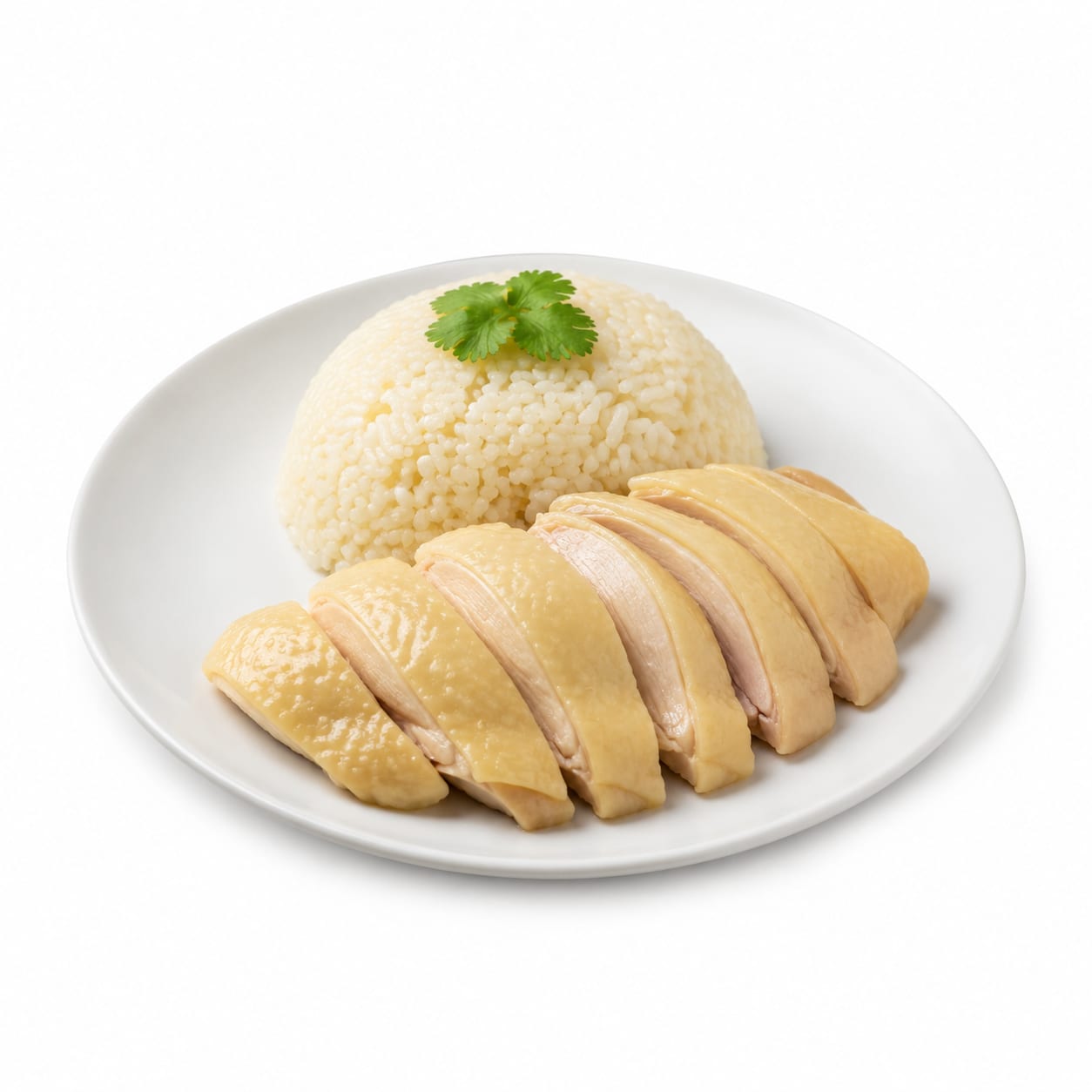
Hainanese Chicken Rice
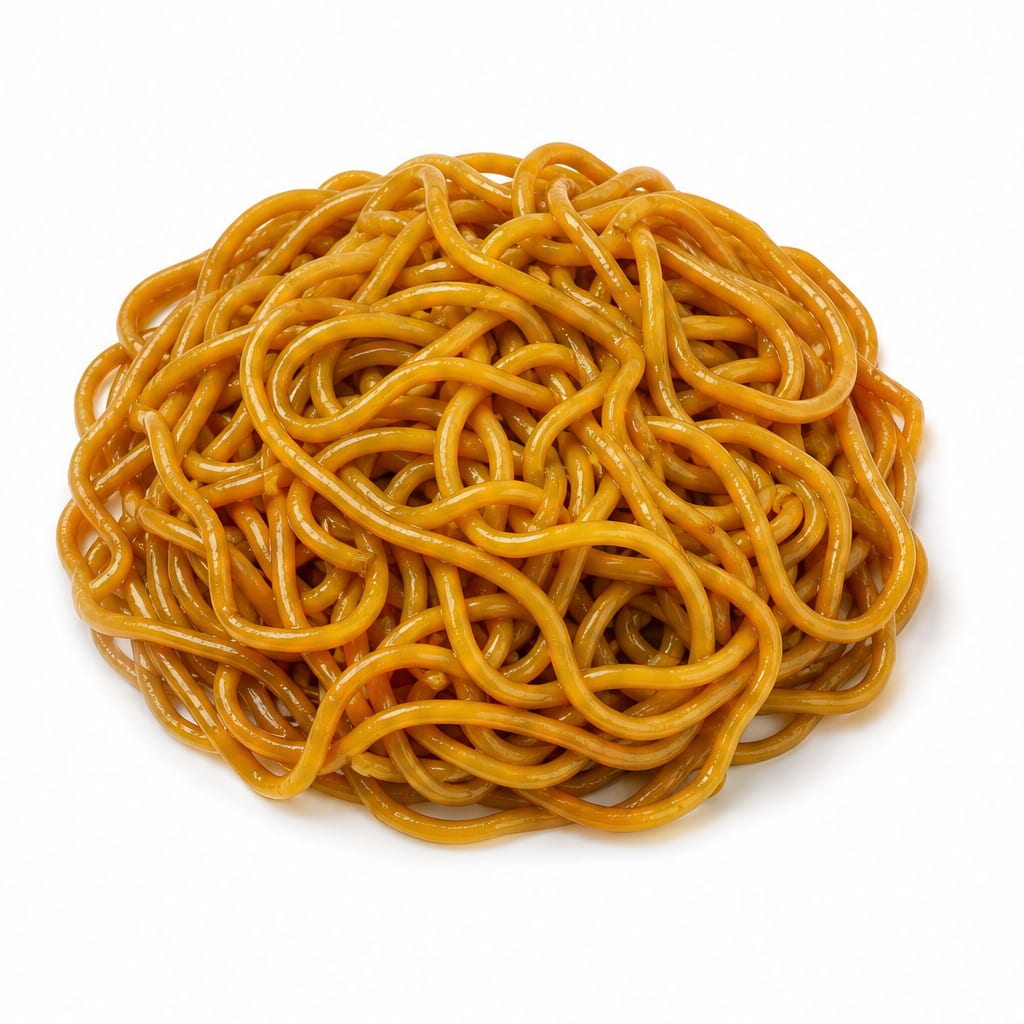
Lo Mein
Hainanese Chicken Rice edges out Lo Mein thanks to cleaner protein and simpler preparation, though both are sodium-heavy comfort foods best enjoyed moderately.
Hainanese Chicken Rice scores moderately due to better protein quality and simpler ingredient lists. Lo Mein falls behind primarily because of heavier refined carbs, higher sodium variability, and more oil from stir-frying. Neither is a health food, but the gap is meaningful.
Hainanese Chicken Rice gives you more satisfying protein with fewer mystery oils, while Lo Mein offers more vegetable variety but delivers a heavier refined-carb and sodium punch.
At a glance
Executive summary
Overall
Hainanese Chicken Rice
Healthier
Hainanese Chicken Rice
More practical
It depends
Daily use
Hainanese Chicken Rice
Key comparison lenses
Comfort food tradeoff: which Asian staple is less damaging for regular consumption
Both are beloved comfort dishes people crave weekly, making long-term health impact the real concern
Carbohydrate quality and blood sugar management
White rice versus refined wheat noodles creates a meaningful glycemic comparison
Sodium load and heart health implications
Both dishes are sodium-heavy through different sources, a critical daily decision factor
Fat quality: chicken fat versus stir-fry oil
The type and amount of fat differs significantly and affects cardiovascular risk
Protein satiety and meal satisfaction
Users want to know which keeps them fuller longer without overeating
Best choice for
Hainanese Chicken Rice
- Post-workout meals needing clean protein
- Those watching cooking oil intake
- Sensitive stomachs that prefer simpler dishes
- Anyone trying to limit refined wheat
Lo Mein
- Getting more vegetables in one sitting
- Vegetarians who skip the chicken option
- Those wanting flexible protein add-ons
- Quick takeout when sharing dishes family-style
Least suitable for
Hainanese Chicken Rice
- Strict low-fat diets due to chicken fat rice
- Very low-sodium requirements
- Those avoiding poultry
- People who find plain rice monotonous
Lo Mein
- Gluten-free or wheat-sensitive individuals
- Blood sugar management plans
- Low-sodium diets
- Anyone trying to reduce refined carbohydrates
Deep comparison
Dimension by dimension
Each lens scores both foods and breaks down who each option suits.
- Dimension 1 · Priority 90Hainanese Chicken Rice
Blood Sugar Stability
Hainanese Chicken Rice · 42Lo Mein · 32Both spike blood sugar, but Lo Mein's refined wheat noodles hit harder and faster than Hainanese Chicken Rice's fat-laced rice.
Tradeoff
The chicken fat in Hainanese Chicken Rice rice actually slows glucose absorption slightly, while Lo Mein's noodles offer no such buffer.
Why it matters
If you get that 2pm energy crash after lunch, Lo Mein is more likely the culprit.
Real-world impact
After Lo Mein, you may feel sleepy within an hour. Hainanese Chicken Rice still spikes you, but the fat and protein soften the crash.
Hainanese Chicken Rice
- Steadier afternoon energy
- Less dramatic blood sugar swings
- Diabetics choosing the lesser evil
Better for
Lo Mein
- Sharper post-meal energy crashes
- Harder to stabilize glucose for diabetics
- More likely to trigger hunger again quickly
Worse for
- Dimension 2 · Priority 88Hainanese Chicken Rice
Protein Quality and Satiety
Hainanese Chicken Rice · 72Lo Mein · 48Hainanese Chicken Rice delivers a solid portion of complete protein from poached chicken. Lo Mein's protein depends heavily on what you add.
Tradeoff
You know exactly what protein you get with Hainanese Chicken Rice. Lo Mein is unpredictable unless you customize it.
Why it matters
Protein is what keeps you full. Without enough, you are snacking again in two hours.
Real-world impact
Hainanese Chicken Rice feels like a real meal that holds you. Lo Mein can leave you surprisingly hungry an hour later if it is mostly noodles.
Hainanese Chicken Rice
- Reliable satiety from chicken
- Complete amino acid profile
- Easier portion awareness
Better for
Lo Mein
- Flexible for adding tofu or shrimp
Better for
- Inconsistent protein unless you specify
- Often mostly noodles by volume
- Vegetable-only versions are protein-poor
Worse for
- Dimension 3 · Priority 86It depends
Sodium Load
Hainanese Chicken Rice · 38Lo Mein · 35Both are sodium bombs. Hainanese Chicken Rice loads salt through dipping sauces and broth-infused rice. Lo Mein gets it from soy sauce, oyster sauce, and seasoning.
Tradeoff
Hainanese Chicken Rice lets you control sodium by using less sauce. Lo Mein's sodium is cooked in and unavoidable.
Why it matters
A single serving of either can deliver 1500-2500mg sodium, nearing your daily limit in one meal.
Real-world impact
After either dish, you might feel bloated and thirsty the rest of the day. Lo Mein leaves you less room to reduce sodium.
Hainanese Chicken Rice
- Sauce on the side gives you control
- Can skip dark soy to cut sodium significantly
Better for
- Broth-cooked rice absorbs salt you cannot remove
Worse for
Lo Mein
- Sodium is mixed throughout the dish
- No easy way to reduce it after cooking
- Often contains MSG on top of soy sauce
Worse for
- Dimension 4 · Priority 80Hainanese Chicken Rice
Fat Quality and Heart Health
Hainanese Chicken Rice · 52Lo Mein · 40Hainanese Chicken Rice uses chicken fat which, while not heart-healthy, is at least a known whole-food fat. Lo Mein often uses cheap vegetable oils heated to high temperatures.
Tradeoff
Chicken fat is saturated but stable. Stir-fry oils can oxidize at high heat, creating inflammatory compounds.
Why it matters
Repeated exposure to oxidized seed oils may contribute to inflammation more than moderate saturated fat intake.
Real-world impact
If you eat stir-fried noodles several times a week, the oil quality adds up. Hainanese Chicken Rice fat is not great either, but it is more predictable.
Hainanese Chicken Rice
- Fat source is identifiable and stable
- Less oil overall than stir-fried dishes
- No high-heat oxidation concerns
Better for
- Chicken fat is still saturated fat
- Rice soaks up more fat than you expect
Worse for
Lo Mein
- Restaurant oils are often low quality
- High-heat stir-frying creates oxidized compounds
- Oil quantity is hard to control
Worse for
- Dimension 5 · Priority 72Lo Mein
Nutrient Diversity
Hainanese Chicken Rice · 38Lo Mein · 55Lo Mein typically includes more vegetables like bok choy, carrots, and mushrooms. Hainanese Chicken Rice is nutritionally narrow: chicken, rice, and minimal garnish.
Tradeoff
More vegetables in Lo Mein means more vitamins and fiber, but they come coated in sodium and oil.
Why it matters
Micronutrient variety matters for immune function and energy, even from comfort food.
Real-world impact
Lo Mein at least gives you a few colors on the plate. Hainanese Chicken Rice is essentially beige food with cucumber slices.
Hainanese Chicken Rice
- Very limited vegetable content
- Low fiber overall
- Minimal micronutrient diversity
Worse for
Lo Mein
- More vitamins from mixed vegetables
- Small fiber contribution from greens
- Mineral variety from mushrooms and carrots
Better for
- Dimension 6 · Priority 68Hainanese Chicken Rice
Digestive Comfort
Hainanese Chicken Rice · 70Lo Mein · 50Poached chicken and rice are gentle on digestion. Lo Mein's oily noodles and potential MSG can irritate sensitive stomachs.
Tradeoff
Hainanese Chicken Rice is essentially Asian chicken soup territory. Lo Mein is heavier and greasier going down.
Why it matters
If you have IBS, acid reflux, or just a sensitive gut, the difference in how you feel after eating matters a lot.
Real-world impact
Hainanese Chicken Rice is the dish Asian moms make when someone is sick. Lo Mein is the dish that makes you reach for antacids.
Hainanese Chicken Rice
- Gentle on upset stomachs
- Less likely to trigger reflux
- Comforting when you feel unwell
Better for
Lo Mein
- Greasy texture can trigger indigestion
- MSG sensitivity is a real concern for some
- Heavy feeling after large portions
Worse for
- Dimension 7 · Priority 82It depends
Calorie Density and Weight Management
Hainanese Chicken Rice · 45Lo Mein · 42Both are calorie-dense. Hainanese Chicken Rice packs calories through fat-infused rice. Lo Mein loads them through oil-soaked noodles.
Tradeoff
Hainanese Chicken Rice calories are more predictable per portion. Lo Mein portions vary wildly depending on the restaurant.
Why it matters
A single plate of either can easily hit 700-900 calories without you realizing it.
Real-world impact
Neither is a weight-loss food. But Hainanese Chicken Rice's protein at least helps you eat less later. Lo Mein's carbs can trigger more hunger.
Hainanese Chicken Rice
- Protein helps with fullness
- Portion is more standardized
Better for
- Chicken fat rice is deceptively caloric
- The dish feels light but is not
Worse for
Lo Mein
- Can request less oil during cooking
Better for
- Noodles absorb huge amounts of oil
- Restaurant portions are often oversized
- Easy to overeat because it tastes so good
Worse for
Timeline
Health impact over time
Short-term
Hours to days
Hainanese Chicken Rice
- Quick satisfaction from protein and fat combo
- Possible thirst from sodium in sauces and broth rice
- Mild blood sugar spike followed by moderate crash
- Comforting and easy to digest
Lo Mein
- Rapid blood sugar spike from refined noodles
- Strong thirst from high sodium throughout the dish
- Heavy fullness that may turn into bloating
- Possible MSG-related headache in sensitive individuals
Long-term
Months to years
Hainanese Chicken Rice
- Regular consumption may raise cholesterol from chicken fat and saturated fat
- High sodium intake could increase blood pressure risk
- Protein consistency supports muscle maintenance
- Low vegetable intake means missing antioxidants long-term
Lo Mein
- Frequent refined carb intake increases insulin resistance risk
- Sodium load contributes to hypertension if eaten regularly
- Oxidized oil exposure from high-heat cooking may promote inflammation
- Better micronutrient intake if vegetable-heavy versions are chosen consistently
Risk profile
Safety & processing
Hainanese Chicken Rice uses recognizable whole ingredients: chicken, rice, ginger, garlic, and pandan. Processing is traditional and minimal. Lo Mein relies on refined wheat noodles and often includes MSG, commercial sauces with preservatives, and flavor enhancers. Hainanese Chicken Rice is closer to home cooking; Lo Mein is closer to restaurant-standard processed food.
Hainanese Chicken Rice
Salmonella from undercooked chicken
mediumPoached chicken must reach safe internal temperature. Reputable restaurants handle this well, but it is worth checking.
Bacterial growth in broth-infused rice
lowRice left at room temperature in broth can harbor Bacillus cereus. Fresh preparation minimizes this risk.
Lo Mein
Cross-contamination from wok cooking
mediumHigh-volume wok stations may not be cleaned between orders, risking allergen and bacterial transfer.
MSG sensitivity reactions
lowNot a safety issue for most people, but some experience headaches, flushing, or sweating after consuming MSG.
Oxidized cooking oils
mediumRepeated heating of cooking oil at high temperatures creates compounds that may be harmful with regular exposure.
Who wins for whom
Audience fit
Same foods, different winners depending on your goal.
children
Hainanese Chicken RiceMilder flavors, simpler ingredients, and easier digestion make Hainanese Chicken Rice more kid-friendly and less likely to cause stomach upset.
daily consumption
Hainanese Chicken RiceSimpler ingredient list and more consistent nutrition profile make it slightly more sustainable as an occasional staple, though neither should be daily.
diabetes
Hainanese Chicken RiceThe fat and protein in Hainanese Chicken Rice blunt the glycemic spike slightly compared to Lo Mein's refined noodle carb load. Both require caution.
elderly
Hainanese Chicken RiceSoft poached chicken and rice are easier to chew and digest. Lo Mein's oil and sodium can be harder on aging digestive and cardiovascular systems.
muscle gain
Hainanese Chicken RiceReliable complete protein from chicken supports muscle repair. Lo Mein's protein is too variable unless you load it with meat or tofu.
weight loss
It dependsNeither is ideal. Hainanese Chicken Rice offers more protein for satiety, but Lo Mein can be customized with more vegetables and less oil if you ask.
Your move
Decision guide
Choose Hainanese Chicken Rice
- You want reliable protein that keeps you full for hours
- You have a sensitive stomach or are recovering from illness
- You prefer knowing exactly what is in your food
- You are watching wheat intake or avoiding gluten
- You want comfort food that feels lighter going down
Choose Lo Mein
- You crave vegetable variety and more colors on your plate
- You are sharing dishes and want something that mixes well with other orders
- You want a vegetarian or customizable protein option
- You are less concerned about refined carbs and more about flavor variety
- You are eating after intense physical activity and need quick carb replenishment
Either works if
- You are treating yourself and neither is a regular habit
- You are eating out socially and both options are available
- You plan to balance the meal with a large side of steamed vegetables
Avoid both if
- You are on a strict low-sodium diet for blood pressure management
- You are managing diabetes and need low-glycemic meals
- You are following a calorie-restricted weight loss plan
- You have serious heart conditions requiring low saturated fat and low sodium
Final recommendation
If you eat Asian comfort food once a week, Hainanese Chicken Rice is the smarter default. It gives you better protein, gentler digestion, and more predictable nutrition. Save Lo Mein for when you specifically crave those stir-fried noodles and can handle the heavier carb and sodium load. For either dish, ask for sauce on the side, request less oil where possible, and always add a side of steamed greens to balance the plate.
Practical
Consumer tips
- 1
For Hainanese Chicken Rice, dip sauces lightly instead of pouring. You can cut sodium by 40% this way.
- 2
Ask for Lo Mein with less oil and extra vegetables. Most restaurants will accommodate this.
- 3
Drink plenty of water after either meal to help flush excess sodium.
- 4
Consider sharing one order and supplementing with a large plate of steamed bok choy or broccoli.
- 5
If choosing Hainanese Chicken Rice, eat the chicken first for better blood sugar control before hitting the rice.
- 6
For Lo Mein, choose shrimp or chicken versions over pork to reduce saturated fat.
- 7
Avoid supersized portions. A standard serving of either dish is already a full meal's worth of calories.
- 8
If you have high blood pressure, both dishes should be occasional treats, not weekly staples.