
Nutrition comparison
Hainanese Chicken Rice vs Chicken Satay with Rice: Which Is Healthier?
Compare Hainanese Chicken Rice and Chicken Satay with Rice on calories, sodium, health risks, and satiety. Find out which Southeast Asian chicken dish is the smarter choice for your goals.
Overall winner · Hainanese Chicken Rice
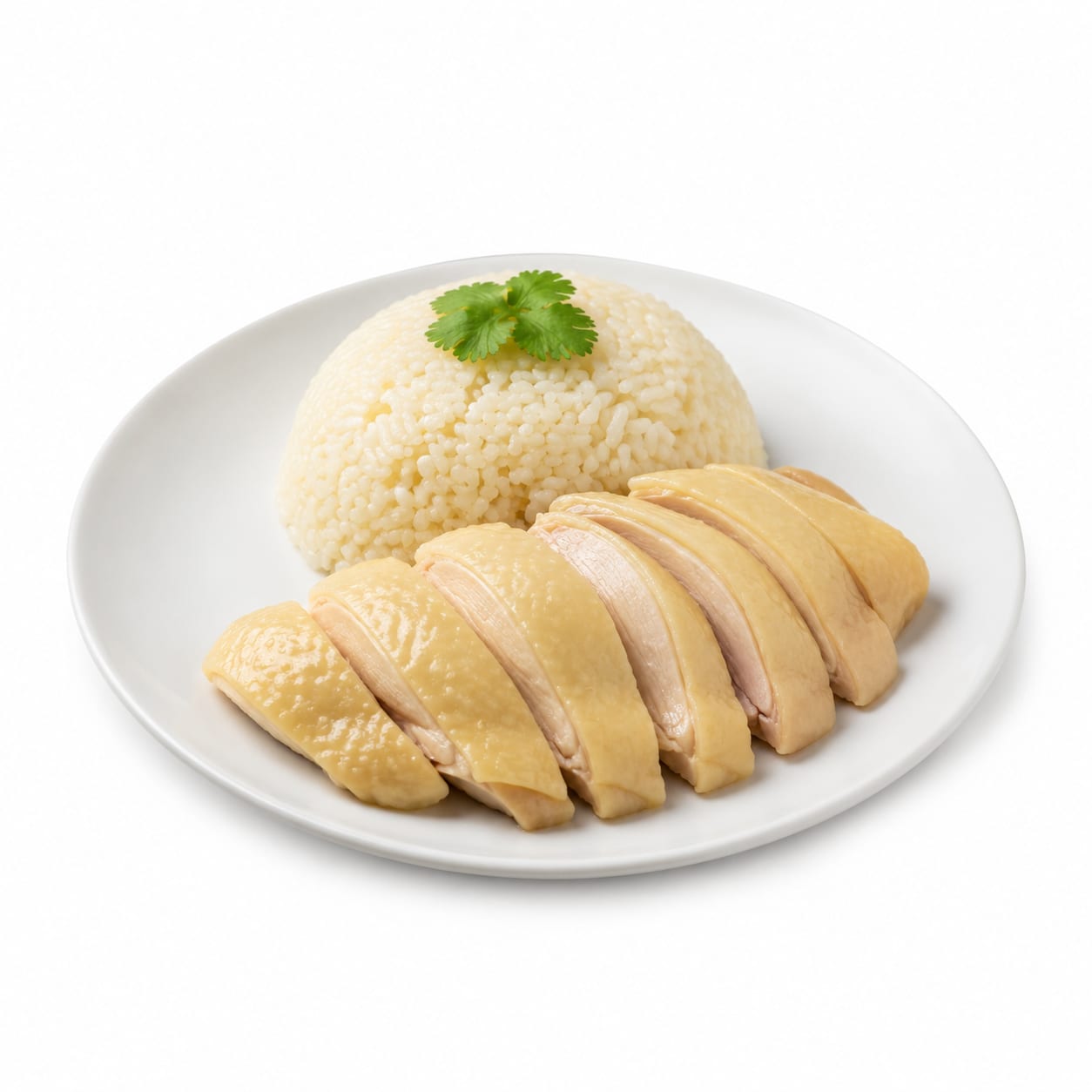
Hainanese Chicken Rice
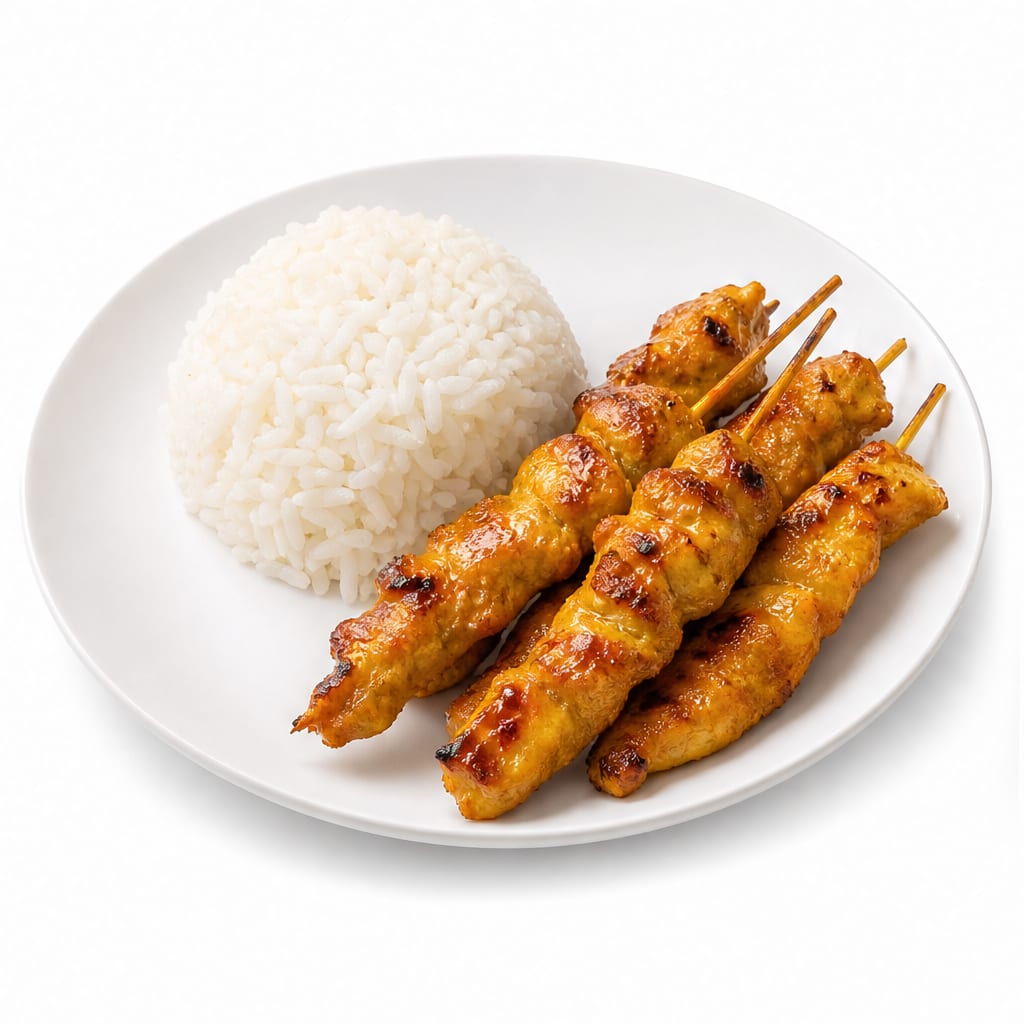
Chicken Satay with Rice
Hainanese Chicken Rice edges out Chicken Satay with Rice due to lower calorie density, no grilling carcinogens, and lighter sauce impact — but both are sodium-heavy comfort meals that require moderation.
Hainanese Chicken Rice scores moderately due to lower calorie density and no grilling risks, while Chicken Satay with Rice loses ground on calorie load, added sugar, and carcinogen exposure. Both suffer from high sodium and refined carbs.
You trade richer flavor and higher satiety from peanut sauce for significantly more calories, sugar, and potential carcinogen exposure from grilling.
At a glance
Executive summary
Overall
Hainanese Chicken Rice
Healthier
Hainanese Chicken Rice
More practical
Hainanese Chicken Rice
Daily use
Hainanese Chicken Rice
Key comparison lenses
calorie and fat comparison
Peanut sauce in Chicken Satay dramatically increases calorie density compared to the broth-based preparation of Hainanese Chicken Rice
sodium load assessment
Both dishes are sodium-heavy Southeast Asian staples, but satay marinade and peanut sauce pile on more salt
grilling vs poaching health effects
Charred grilled chicken carries carcinogen risks that poached chicken completely avoids
blood sugar impact
Both center on white rice, but satay peanut sauce adds sugar on top of the carb load
satiety and portion control
Peanut sauce fat content affects fullness differently than chicken broth rice, influencing overeating risk
Best choice for
Hainanese Chicken Rice
- People watching calorie intake
- Those avoiding grilled meat carcinogens
- Anyone seeking a lighter, gentler meal
- People with peanut allergies
- Those who prefer milder flavors
Chicken Satay with Rice
- Active individuals needing higher calorie meals
- Those wanting more protein and fat for satiety
- People who find bland food unsatisfying
- Anyone needing a more filling single meal
Least suitable for
Hainanese Chicken Rice
- People needing high-calorie meals
- Those who find mild food unsatisfying and overeat as a result
- Anyone strictly limiting saturated fat from chicken skin
Chicken Satay with Rice
- People with peanut allergies
- Those managing weight carefully
- People concerned about grilled meat carcinogens
- Anyone monitoring sugar intake closely
Deep comparison
Dimension by dimension
Each lens scores both foods and breaks down who each option suits.
- Dimension 1 · Priority 92Hainanese Chicken Rice
Calorie Density
Hainanese Chicken Rice · 55Chicken Satay with Rice · 35Hainanese Chicken Rice delivers similar satisfaction with noticeably fewer calories per serving.
Tradeoff
The peanut sauce that makes Chicken Satay so delicious also makes it calorie-dense — a single serving can approach 700-900 calories versus 500-650 for Hainanese Chicken Rice.
Why it matters
If you eat either dish regularly, the calorie difference compounds fast. Over a month of weekly meals, that gap could mean roughly a pound of weight difference.
Real-world impact
You can eat a full plate of Hainanese Chicken Rice and still have room for a light snack later. Chicken Satay with Rice often feels like your calorie budget is spent for the day.
Hainanese Chicken Rice
- Weight management
- Calorie-conscious eating
- Lighter lunch that won't slow you down
Better for
- Situations where you need dense energy intake
Worse for
Chicken Satay with Rice
- Bulking or high-calorie needs
- Post-hike recovery meals
- Single meal that truly fills you up
Better for
- Regular restaurant lunches
- Anyone tracking calories daily
Worse for
- Dimension 2 · Priority 85Hainanese Chicken Rice
Sodium Load
Hainanese Chicken Rice · 38Chicken Satay with Rice · 28Both dishes are sodium bombs, but Chicken Satay's marinade plus peanut sauce pushes it higher.
Tradeoff
Hainanese Chicken Rice relies on dipping sauces you can partially control, while satay marinade soaks deep into the meat and the peanut sauce is inherently salty.
Why it matters
A single serving of either can deliver 1500-2500mg sodium — most of your daily limit. Regular consumption raises blood pressure risk meaningfully.
Real-world impact
After either meal, you might feel bloated and thirsty. With Chicken Satay, that effect hits harder and lingers longer due to the double-sauce hit.
Hainanese Chicken Rice
- Blood pressure management
- Reducing water retention
Better for
- Daily consumption for sodium-sensitive individuals
Worse for
Chicken Satay with Rice
- Situations where sodium replenishment is needed after heavy sweating
Better for
- Anyone with hypertension
- People prone to bloating
Worse for
- Dimension 3 · Priority 80Hainanese Chicken Rice
Carcinogen and Cooking Risk
Hainanese Chicken Rice · 72Chicken Satay with Rice · 45Poached chicken avoids grilling carcinogens entirely, making Hainanese Chicken Rice the clearly safer cooking method.
Tradeoff
The smoky char on satay chicken creates heterocyclic amines and polycyclic aromatic hydrocarbons — compounds linked to cancer risk. Poaching produces none of these.
Why it matters
Occasional grilled meat is low risk, but if you eat satay weekly or more, cumulative exposure becomes a legitimate concern.
Real-world impact
One satay meal won't harm you. But choosing poached over grilled regularly is a small, easy win for long-term cancer risk reduction.
Hainanese Chicken Rice
- Long-term health optimization
- Frequent meal rotation
- Cancer risk reduction
Better for
- No meaningful downside here
Worse for
Chicken Satay with Rice
- Occasional enjoyment where risk is negligible
Better for
- Regular consumption patterns
- People with family history of GI cancers
Worse for
- Dimension 4 · Priority 75Hainanese Chicken Rice
Blood Sugar Stability
Hainanese Chicken Rice · 40Chicken Satay with Rice · 32Neither dish is great for blood sugar, but Chicken Satay adds sugar in the peanut sauce on top of the white rice spike.
Tradeoff
Both meals center on refined white rice that spikes blood sugar. Satay's sweet peanut sauce adds a second sugar source, making the glycemic load heavier.
Why it matters
The rice-only spike is already tough on insulin response. Adding sugar-laden sauce makes the crash more pronounced and cravings more likely an hour later.
Real-world impact
After Hainanese Chicken Rice, you might feel a moderate energy dip. After Chicken Satay with Rice, that dip can hit harder and trigger a sweet craving by mid-afternoon.
Hainanese Chicken Rice
- Prediabetes management
- More stable afternoon energy
Better for
- Still not ideal for diabetics due to rice
Worse for
Chicken Satay with Rice
- Post-workout when rapid glycogen replenishment is actually desired
Better for
- Diabetes management
- Anyone prone to energy crashes
Worse for
- Dimension 5 · Priority 70Chicken Satay with Rice
Satiety and Fullness
Hainanese Chicken Rice · 55Chicken Satay with Rice · 70Chicken Satay with Rice keeps you fuller longer thanks to the fat and protein in peanut sauce.
Tradeoff
That satisfying fullness comes at a calorie cost. The peanut sauce adds staying power but also adds 200-300 extra calories per serving.
Why it matters
If a meal doesn't fill you, you snack later — potentially eating more total calories than if you'd had the heavier meal. But if you're counting calories, the satay fullness isn't worth the price.
Real-world impact
Hainanese Chicken Rice might leave you eyeing snacks by 3pm. Chicken Satay with Rice likely carries you to dinner — but your calorie budget took a big hit.
Hainanese Chicken Rice
- Lighter meal preferences
- Smaller appetite situations
Better for
- Long workdays without snack access
Worse for
Chicken Satay with Rice
- Long gaps between meals
- Physically demanding days
- People who struggle with hunger after meals
Better for
- Calorie-restricted diets
Worse for
- Dimension 6 · Priority 65Hainanese Chicken Rice
Allergen Safety
Hainanese Chicken Rice · 75Chicken Satay with Rice · 30Peanut sauce makes Chicken Satay a non-starter for anyone with peanut allergies, while Hainanese Chicken Rice is typically peanut-free.
Tradeoff
Peanut allergy affects roughly 1-2% of the population, and satay's signature sauce is inseparable from the dish. Hainanese Chicken Rice uses no peanuts in standard preparation.
Why it matters
This isn't a minor tradeoff — for peanut-allergic individuals, Chicken Satay is genuinely dangerous, not just suboptimal.
Real-world impact
If you're ordering for a group, Hainanese Chicken Rice is the safer bet. One person's peanut allergy rules out the entire satay option.
Hainanese Chicken Rice
- Peanut allergy sufferers
- Shared dining situations
- School or office lunches
Better for
- No meaningful downside here
Worse for
Chicken Satay with Rice
- No advantage on this dimension
Better for
- Anyone with peanut allergy
- Environments where allergen contamination is a concern
Worse for
Timeline
Health impact over time
Short-term
Hours to days
Hainanese Chicken Rice
- Moderate energy dip 1-2 hours after eating due to white rice
- Mild bloating possible from sodium if dipping sauces are used generously
- Comforting and easy on the stomach — gentle digestion
Chicken Satay with Rice
- More pronounced energy crash from combined rice and sugar in peanut sauce
- Stronger thirst and water retention from higher sodium intake
- Heavier feeling in the stomach from fat-rich peanut sauce
Long-term
Months to years
Hainanese Chicken Rice
- Weekly consumption may contribute to sodium-related blood pressure elevation
- Refined rice habit supports insulin resistance patterns if not balanced with fiber-rich meals
- Poached chicken preparation supports leaner dietary patterns overall
Chicken Satay with Rice
- Regular grilled chicken intake increases cumulative carcinogen exposure
- Peanut sauce calories contribute to gradual weight gain if eaten frequently
- Higher sodium and sugar load accelerates metabolic strain over years
Risk profile
Safety & processing
Hainanese Chicken Rice uses whole chicken, rice, and simple aromatics — very close to home cooking. Chicken Satay with Rice involves marinated meat, commercially prepared peanut sauce (which often contains added sugar, preservatives, and stabilizers), pushing it into more processed territory.
Hainanese Chicken Rice
Bacterial contamination from improperly stored poached chicken
mediumPoached chicken held at room temperature in hawker centers can breed Salmonella or Campylobacter if not kept hot enough.
Cross-contamination with raw poultry
lowStandard kitchen hygiene mitigates this; reputable vendors handle this well.
Chicken Satay with Rice
HCAs and PAHs from charred grilled chicken
mediumHigh-heat grilling of meat produces heterocyclic amines and polycyclic aromatic hydrocarbons, both linked to increased cancer risk with regular consumption.
Peanut sauce aflatoxin exposure
lowPeanuts can harbor aflatoxin from fungal contamination. Reputable vendors source carefully, but risk is non-zero with bulk peanut products.
Bacterial growth in peanut sauce
mediumPeanut sauce left at warm room temperature can support bacterial growth, especially in humid tropical environments where satay is commonly served.
Who wins for whom
Audience fit
Same foods, different winners depending on your goal.
children
Hainanese Chicken RiceMilder flavors, no peanut allergy risk, and gentler preparation make it more suitable for kids. Satay's char and spice can be harsh on young digestive systems.
daily consumption
Hainanese Chicken RiceLower calorie density, no grilling carcinogens, and lighter digestive load make it more sustainable as a regular meal, though both should be limited due to sodium.
diabetes
Hainanese Chicken RiceNeither is ideal, but Hainanese Chicken Rice avoids the added sugar in peanut sauce, resulting in a slightly lower glycemic load.
elderly
Hainanese Chicken RicePoached chicken is easier to chew and digest, and lower sodium helps manage blood pressure — a key concern for older adults.
muscle gain
Chicken Satay with RiceHigher total calories and additional protein from peanuts support muscle-building diets, though both dishes provide adequate chicken protein.
weight loss
Hainanese Chicken RiceLower calorie density and no sugar-laden sauce make Hainanese Chicken Rice easier to fit into a calorie deficit, especially if you go easy on the dipping sauces.
Your move
Decision guide
Choose Hainanese Chicken Rice
- You're watching your weight or counting calories
- You eat Southeast Asian food more than once a week
- You have a peanut allergy or are feeding someone who does
- You want a gentler meal that won't leave you sluggish
- You're concerned about long-term grilled meat exposure
Choose Chicken Satay with Rice
- You need a calorie-dense meal after physical activity
- You're eating out occasionally and want maximum flavor satisfaction
- You struggle with feeling hungry after meals and need the extra fat and protein
- You have no peanut allergy and no weight concerns
Either works if
- You're treating yourself and neither is a regular habit
- You're sharing dishes and can control portions of each
- You plan to balance the meal with vegetables and skip extra rice
Avoid both if
- You have severe sodium restrictions or uncontrolled hypertension
- You're managing diabetes and cannot modify the rice portion
- You're on a strict low-fat or low-calorie diet
- You need to avoid refined carbohydrates entirely
Final recommendation
For regular eating, Hainanese Chicken Rice is the smarter default — lighter, safer, and easier on your daily calorie budget. Save Chicken Satay with Rice for occasional enjoyment when the richer flavors feel worth the tradeoff. With either dish, ask for less rice and add vegetables if available to improve the nutritional profile.
Practical
Consumer tips
- 1
Ask for chicken breast instead of thigh with Hainanese Chicken Rice to cut fat further
- 2
Request peanut sauce on the side with Chicken Satay so you control the amount
- 3
Either dish benefits from swapping some white rice for cucumber slices or a side vegetable
- 4
Drink water instead of sweet drinks — both meals already push sodium and sugar limits
- 5
If eating Hainanese Chicken Rice, go easy on the dark soy sauce — it's the biggest sodium contributor
- 6
Avoid the chicken skin on either dish to save 80-120 calories per serving
- 7
If ordering Chicken Satay, ask for less char on the grill when possible to reduce carcinogen exposure