
Nutrition comparison
Hainanese Chicken Rice vs Pad Thai: Which Is Healthier?
Compare Hainanese Chicken Rice and Pad Thai on calories, sodium, blood sugar impact, and nutrition. Find out which Southeast Asian dish is the smarter choice for your health goals.
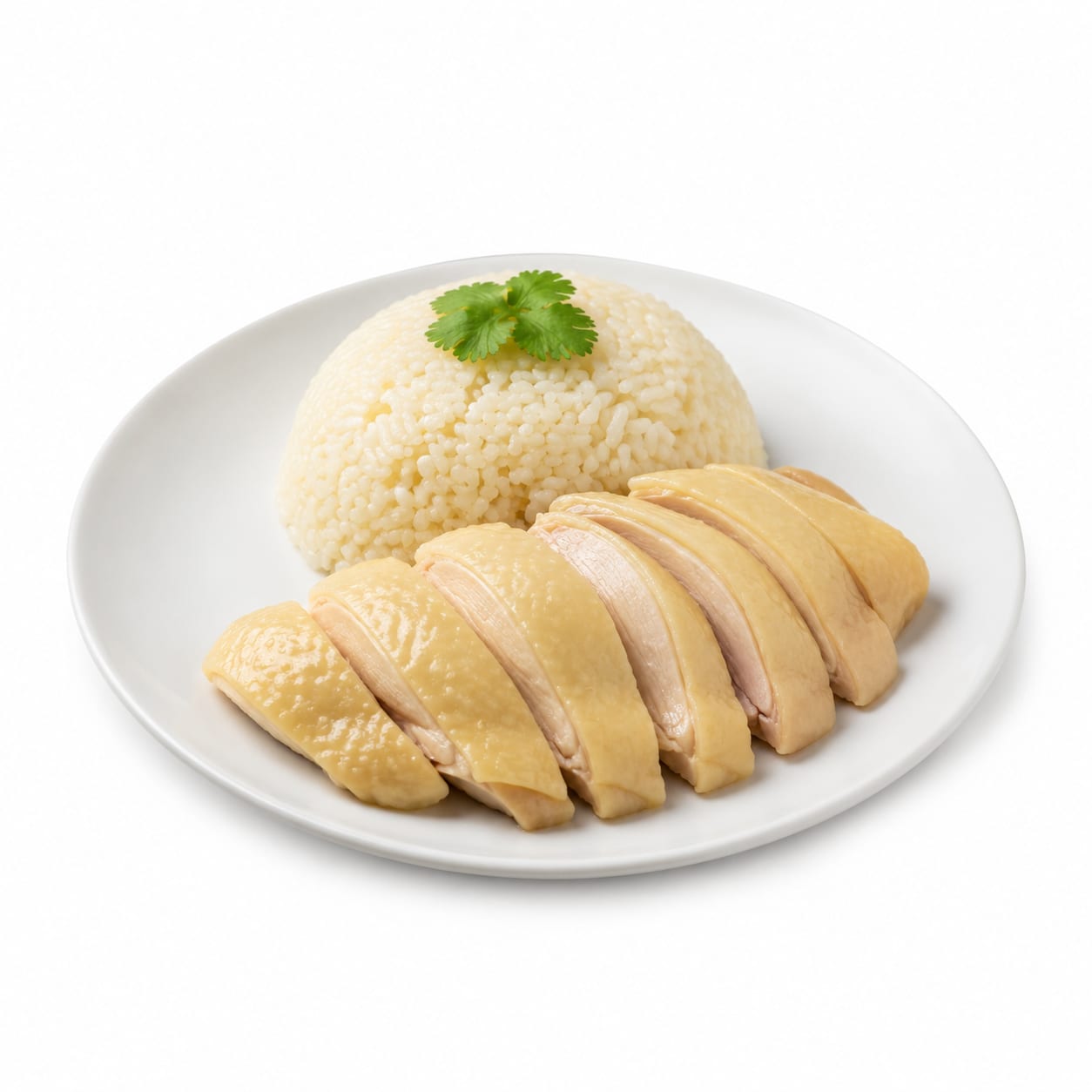
Hainanese Chicken Rice
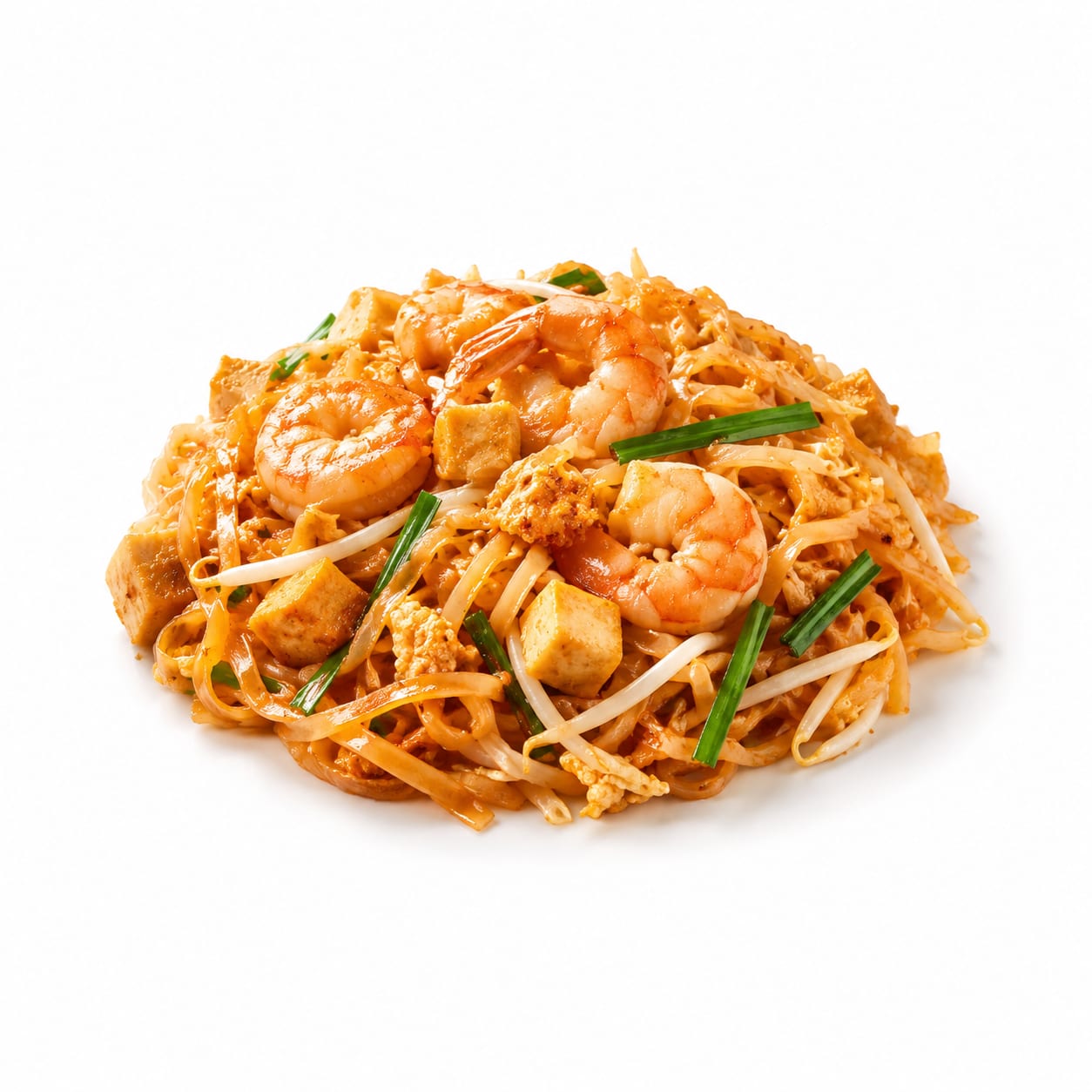
Pad Thai
Hainanese Chicken Rice is lighter and lower in sodium, while Pad Thai offers more nutrient variety but comes with a heavier sugar and salt load.
Hainanese Chicken Rice scores modestly higher due to lower sodium, less added sugar, and simpler preparation. Pad Thai loses ground on sodium and sugar but gains slightly on nutrient diversity. Neither is a health food.
Simplicity and lower sodium versus more vegetables and diverse nutrients at the cost of higher sugar and salt.
At a glance
Executive summary
Overall
It depends
Healthier
Hainanese Chicken Rice
More practical
It depends
Daily use
Hainanese Chicken Rice
Key comparison lenses
calorie density and weight management
Both dishes are carb-heavy Southeast Asian staples, but their fat and calorie profiles differ significantly due to cooking methods
sodium and heart health
Pad Thai relies heavily on fish sauce and soy sauce, while Hainanese Chicken Rice uses lighter dipping sauces
blood sugar stability
Both are rice or noodle-based with high glycemic loads, but the added sugar in Pad Thai sauce worsens the spike
nutrient diversity
Pad Thai includes more vegetables, peanuts, and varied protein sources, while Hainanese Chicken Rice is simpler
practical everyday eating
Both are popular street food and takeout options, so real-world ordering behavior matters
Best choice for
Hainanese Chicken Rice
- People watching sodium intake
- Those preferring simpler, gentler meals
- Anyone seeking a lower-sugar option
- People with sensitive digestion who want bland-ish food
Pad Thai
- People wanting more vegetable intake from their meal
- Those who prefer plant-based protein options like tofu and peanuts
- Anyone needing more fiber and micronutrient variety
- Active individuals who can handle the extra calories
Least suitable for
Hainanese Chicken Rice
- People needing high fiber intake
- Those wanting diverse micronutrients in a single dish
- Anyone bored by plain flavors who ends up overeating sauces
Pad Thai
- People with hypertension or sodium sensitivity
- Those managing blood sugar who want to avoid hidden sugars
- Anyone trying to limit calorie-dense restaurant meals
Deep comparison
Dimension by dimension
Each lens scores both foods and breaks down who each option suits.
- Dimension 1 · Priority 92Hainanese Chicken Rice
calorie_density_and_weight_management
Hainanese Chicken Rice · 58Pad Thai · 45Hainanese Chicken Rice is moderately high in calories from the chicken fat rice, but Pad Thai often packs more calories from oil, peanuts, and sugar-heavy sauce.
Tradeoff
Hainanese Chicken Rice's fat comes mostly from chicken fat and skin, while Pad Thai's calories come from refined carbs, oil, and sugar — a less satiating combination.
Why it matters
Meals high in refined carbs and sugar tend to leave you hungry again faster, making portion control harder.
Real-world impact
A standard Pad Thai portion can easily hit 800-1000 calories at restaurants. Hainanese Chicken Rice sits closer to 600-750 calories for a similar serving.
Hainanese Chicken Rice
- More predictable calorie counts
- Higher satiety from fat and protein combo
Better for
- Chicken fat rice is deceptively calorie-dense
- Skin-on chicken adds hidden fat
Worse for
Pad Thai
- Peanuts add some satiety
- Can be easier to eat less if shared
Better for
- Sugar-heavy sauce drives overeating
- Restaurant portions are often oversized
Worse for
- Dimension 2 · Priority 88Hainanese Chicken Rice
sodium_and_heart_health
Hainanese Chicken Rice · 60Pad Thai · 35Pad Thai is a sodium bomb thanks to fish sauce, soy sauce, and salted condiments. Hainanese Chicken Rice keeps sodium lower, especially if you go easy on the dipping sauces.
Tradeoff
You can control sodium in Hainanese Chicken Rice by limiting sauces. Pad Thai's salt is baked into the dish — you cannot remove it.
Why it matters
Regular high-sodium meals raise blood pressure over time and increase cardiovascular risk, even if you feel fine now.
Real-world impact
A single Pad Thai can contain 1500-2500mg of sodium. Hainanese Chicken Rice with light sauce use stays closer to 800-1200mg.
Hainanese Chicken Rice
- Sodium is partially controllable via sauce portions
- Lighter seasoning overall
Better for
- Dark soy sauce dip can be very salty if overused
Worse for
Pad Thai
- Fish sauce and soy sauce create extremely high baseline sodium
- Nearly impossible to order low-sodium at restaurants
Worse for
- Dimension 3 · Priority 85Hainanese Chicken Rice
blood_sugar_stability
Hainanese Chicken Rice · 48Pad Thai · 38Both dishes spike blood sugar significantly, but Pad Thai's added sugar in the tamarind sauce makes the spike sharper and the crash worse.
Tradeoff
Hainanese Chicken Rice's fat from chicken slows sugar absorption slightly. Pad Thai's sugar hits faster on top of the refined noodles.
Why it matters
Frequent blood sugar spikes lead to afternoon energy crashes, cravings, and long-term metabolic strain.
Real-world impact
After Pad Thai, you may feel a quick energy surge followed by a slump within 2 hours. Hainanese Chicken Rice causes a slower, steadier rise.
Hainanese Chicken Rice
- Chicken fat slows gastric emptying slightly
- No added sugar in the core dish
Better for
- Chicken fat rice is still high-glycemic
- White rice digests quickly
Worse for
Pad Thai
- Bean sprouts add minimal fiber that helps marginally
Better for
- Tamarind sauce contains significant added sugar
- Rice noodles are essentially refined carbs
- Double hit: refined carbs plus sugar
Worse for
- Dimension 4 · Priority 78Pad Thai
nutrient_diversity
Hainanese Chicken Rice · 40Pad Thai · 62Pad Thai includes bean sprouts, peanuts, egg, tofu or shrimp, and tamarind — offering more vitamins, minerals, and plant compounds than the simpler Hainanese Chicken Rice.
Tradeoff
You get more micronutrients from Pad Thai, but they come packaged with more sodium and sugar. Hainanese Chicken Rice is nutritionally plain but cleaner.
Why it matters
Eating the same simple dish daily can create micronutrient gaps, even if it feels like a safe choice.
Real-world impact
Pad Thai provides some folate, manganese, and vitamin K from bean sprouts, plus magnesium and vitamin E from peanuts. Hainanese Chicken Rice offers mainly B vitamins from chicken and not much else.
Hainanese Chicken Rice
- Clean, simple ingredient list
- Good quality protein from chicken
Better for
- Very limited vegetable content
- Minimal fiber or micronutrient variety
Worse for
Pad Thai
- More vegetables and plant-based nutrients
- Peanuts provide healthy fats and minerals
- Tamarind contains antioxidants
Better for
- Nutrient benefits are overshadowed by sodium and sugar
Worse for
- Dimension 5 · Priority 72Hainanese Chicken Rice
protein_quality_and_amount
Hainanese Chicken Rice · 68Pad Thai · 55Hainanese Chicken Rice delivers solid complete protein from chicken. Pad Thai's protein is split between egg, tofu, or shrimp, often in smaller amounts per serving.
Tradeoff
Chicken provides reliable, high-quality protein in every bite. Pad Thai's protein depends on what protein you choose and how generous the portion is.
Why it matters
Adequate protein at meals supports fullness, muscle maintenance, and steadier energy throughout the day.
Real-world impact
Hainanese Chicken Rice typically provides 25-35g protein. Pad Thai ranges from 15-25g depending on protein choice and restaurant generosity.
Hainanese Chicken Rice
- Consistent high-quality complete protein
- Chicken is reliably present in every serving
Better for
- Skin-on chicken adds saturated fat alongside protein
Worse for
Pad Thai
- Shrimp option adds lean protein
- Egg adds some high-quality protein
Better for
- Tofu provides less protein per calorie
- Protein portions are often small relative to noodles
Worse for
- Dimension 6 · Priority 65Hainanese Chicken Rice
digestive_comfort
Hainanese Chicken Rice · 70Pad Thai · 50Hainanese Chicken Rice is famously gentle on the stomach — poached chicken and plain-ish rice are easy to digest. Pad Thai's spices, oil, and acidity can irritate sensitive stomachs.
Tradeoff
Comfort comes at the cost of excitement. Pad Thai is more flavorful but tougher on digestion for some people.
Why it matters
If you have IBS, acid reflux, or just a sensitive stomach, the wrong meal can ruin your afternoon.
Real-world impact
Hainanese Chicken Rice is often recommended for people recovering from illness. Pad Thai can trigger heartburn or bloating in susceptible individuals.
Hainanese Chicken Rice
- Poached chicken is very easy to digest
- Bland flavor profile suits sensitive stomachs
- Widely recommended as a recovery food
Better for
- Chicken fat rice can feel heavy for some people
Worse for
Pad Thai
- Fiber from bean sprouts supports regular digestion for some
Better for
- Tamarind acidity can trigger reflux
- Spicy variants irritate the stomach
- High oil content can cause bloating
Worse for
Timeline
Health impact over time
Short-term
Hours to days
Hainanese Chicken Rice
- Steadier energy with less crash risk
- Mild fullness from fat and protein combo
- Possible sluggishness if portion is large
- Easy on digestion, unlikely to cause discomfort
Pad Thai
- Quick energy spike followed by a crash within 2 hours
- Thirst from high sodium content
- Possible bloating from oil and noodles
- Satisfaction from bold flavors may reduce post-meal cravings
Long-term
Months to years
Hainanese Chicken Rice
- Lower cardiovascular risk due to less sodium, but saturated fat from chicken skin is a concern if eaten frequently
- Potential micronutrient gaps if eaten as a daily staple without vegetable sides
- Weight gain risk from calorie-dense chicken fat rice if portions are not managed
Pad Thai
- Higher blood pressure risk from consistent high sodium intake
- Blood sugar dysregulation from regular refined carb and sugar consumption
- Better micronutrient status from vegetable and peanut content if eaten regularly
Risk profile
Safety & processing
Both are cooked dishes with real ingredients, but Pad Thai often contains more processed components like fish sauce, sweet chili sauce, and commercial tamarind paste with added preservatives. Hainanese Chicken Rice uses simpler seasonings — salt, ginger, garlic, and chicken fat — with fewer industrial additives.
Hainanese Chicken Rice
Bacterial contamination from improperly stored poached chicken
mediumPoached chicken held at warm temperatures for extended periods can breed Salmonella or Campylobacter, especially at street vendors.
Antibiotic residues in conventionally raised chicken
lowStandard poultry may contain trace antibiotic residues, though this is a broader supply chain concern rather than dish-specific.
Pad Thai
Shellfish allergy from shrimp or oyster sauce
highPad Thai commonly contains shrimp and oyster-based sauces. Cross-contamination is frequent in restaurant kitchens even if you order tofu.
Peanut allergy exposure
highCrushed peanuts are a standard garnish. For those with peanut allergies, Pad Thai is one of the riskiest restaurant dishes.
High sodium compounding with other daily intake
mediumA single Pad Thai can deliver a full day's sodium, making it easy to exceed safe limits without realizing it.
Who wins for whom
Audience fit
Same foods, different winners depending on your goal.
children
Hainanese Chicken RiceMilder flavors and simpler ingredients make Hainanese Chicken Rice more kid-friendly and less likely to cause digestive upset or allergic reactions.
daily consumption
Hainanese Chicken RiceSimpler ingredients, lower sodium, and no added sugar make Hainanese Chicken Rice slightly more sustainable as a regular meal, though both should be rotated with vegetable-rich options.
diabetes
Hainanese Chicken RiceNo added sugar and slightly slower digestion from chicken fat make Hainanese Chicken Rice the lesser of two blood-sugar-spiking evils. Neither is ideal.
elderly
Hainanese Chicken RiceGentle on digestion, lower sodium, and soft textures make Hainanese Chicken Rice more appropriate for older adults managing blood pressure and stomach sensitivity.
muscle gain
Hainanese Chicken RiceMore consistent and higher complete protein from chicken supports muscle recovery better than Pad Thai's variable protein amounts.
weight loss
Hainanese Chicken RiceLower calorie density and more controllable portions make Hainanese Chicken Rice easier to fit into a calorie deficit, especially if you skip the skin and go light on sauce.
Your move
Decision guide
Choose Hainanese Chicken Rice
- You are watching your blood pressure or sodium intake
- You want a gentler meal that will not upset your stomach
- You prefer predictable calorie counts without hidden sugar
- You are eating late and want something less likely to disrupt sleep
Choose Pad Thai
- You crave bold flavors and find bland meals unsatisfying
- You want more vegetables and micronutrient variety in one dish
- You are active and can handle the extra calories and sodium
- You are sharing dishes and Pad Thai is part of a balanced spread
Either works if
- You are eating out occasionally and neither is a daily habit
- You pair the dish with a large vegetable side to balance the meal
- You are ordering from a quality restaurant with fresh ingredients
Avoid both if
- You are managing strict blood sugar control and need low-glycemic meals
- You are on a very low-carb or ketogenic diet
- You need high-fiber meals for digestive regularity
- You are severely restricting sodium for heart failure or kidney disease
Final recommendation
For everyday eating, Hainanese Chicken Rice is the safer bet — less sodium, no hidden sugar, and easier on digestion. But if you are eating occasionally and craving something exciting, Pad Thai's flavor and nutrient diversity can be worth the tradeoff. Whichever you choose, add a vegetable side to make it a complete meal.
Practical
Consumer tips
- 1
Ask for Hainanese Chicken Rice with skinless chicken breast and less rice to cut calories significantly
- 2
Request Pad Thai with less sauce and extra bean sprouts to reduce sugar and sodium while boosting fiber
- 3
Share Pad Thai with a friend and supplement with a green papaya salad for a more balanced meal
- 4
Drink plenty of water after Pad Thai to help flush excess sodium
- 5
Choose brown rice versions of Hainanese Chicken Rice when available for better blood sugar control
- 6
Avoid ordering Pad Thai as a daily lunch — save it for occasional enjoyment
- 7
Ask for chili sauce on the side with Hainanese Chicken Rice so you control the sodium hit