
Nutrition comparison
Hainanese Chicken Rice vs Bibimbap: Which Is Healthier?
Compare Hainanese Chicken Rice and Bibimbap nutritionally. Bibimbap wins on vegetables and fiber, while Hainanese Chicken Rice offers comfort. Learn the tradeoffs and which fits your goals.
Overall winner · Bibimbap
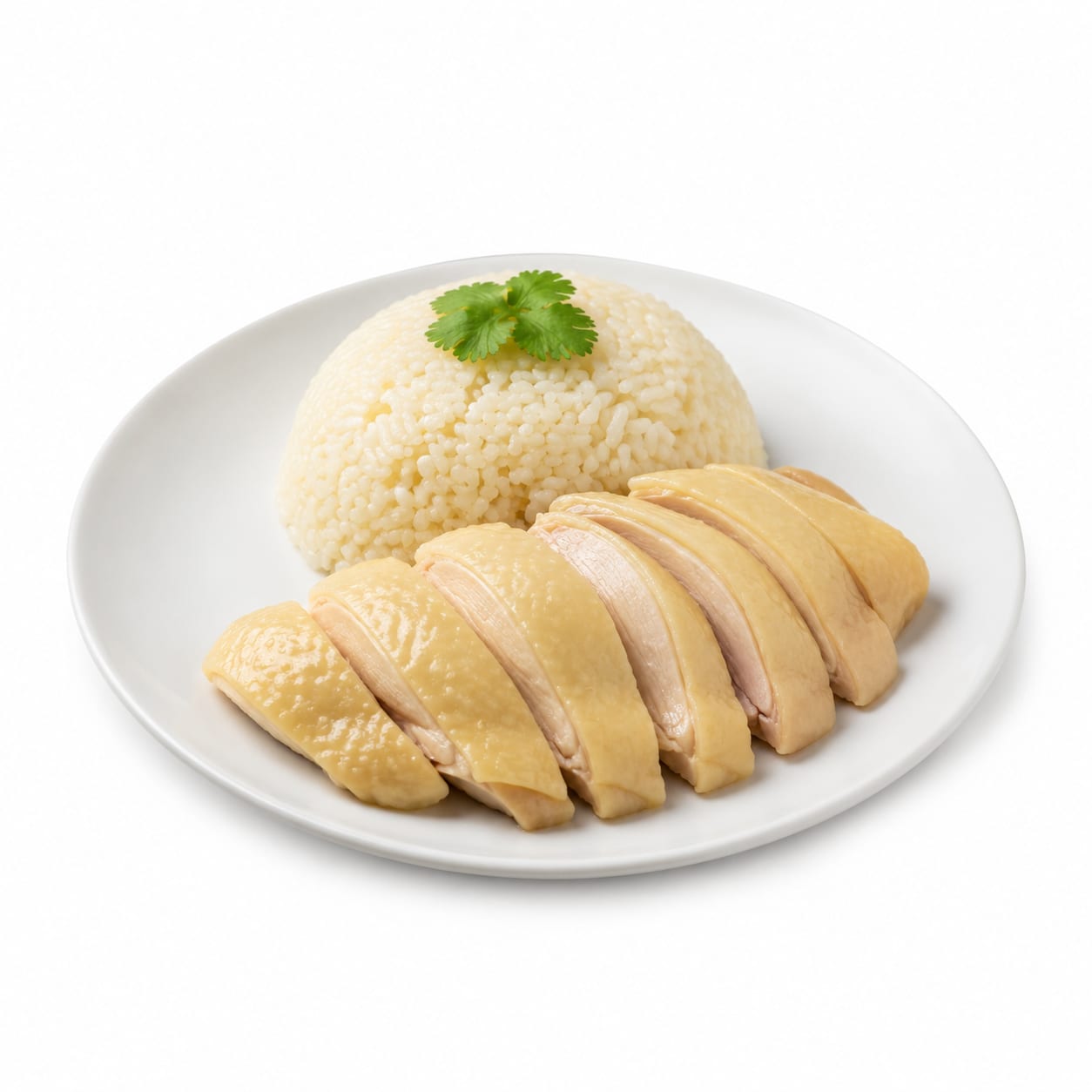
Hainanese Chicken Rice
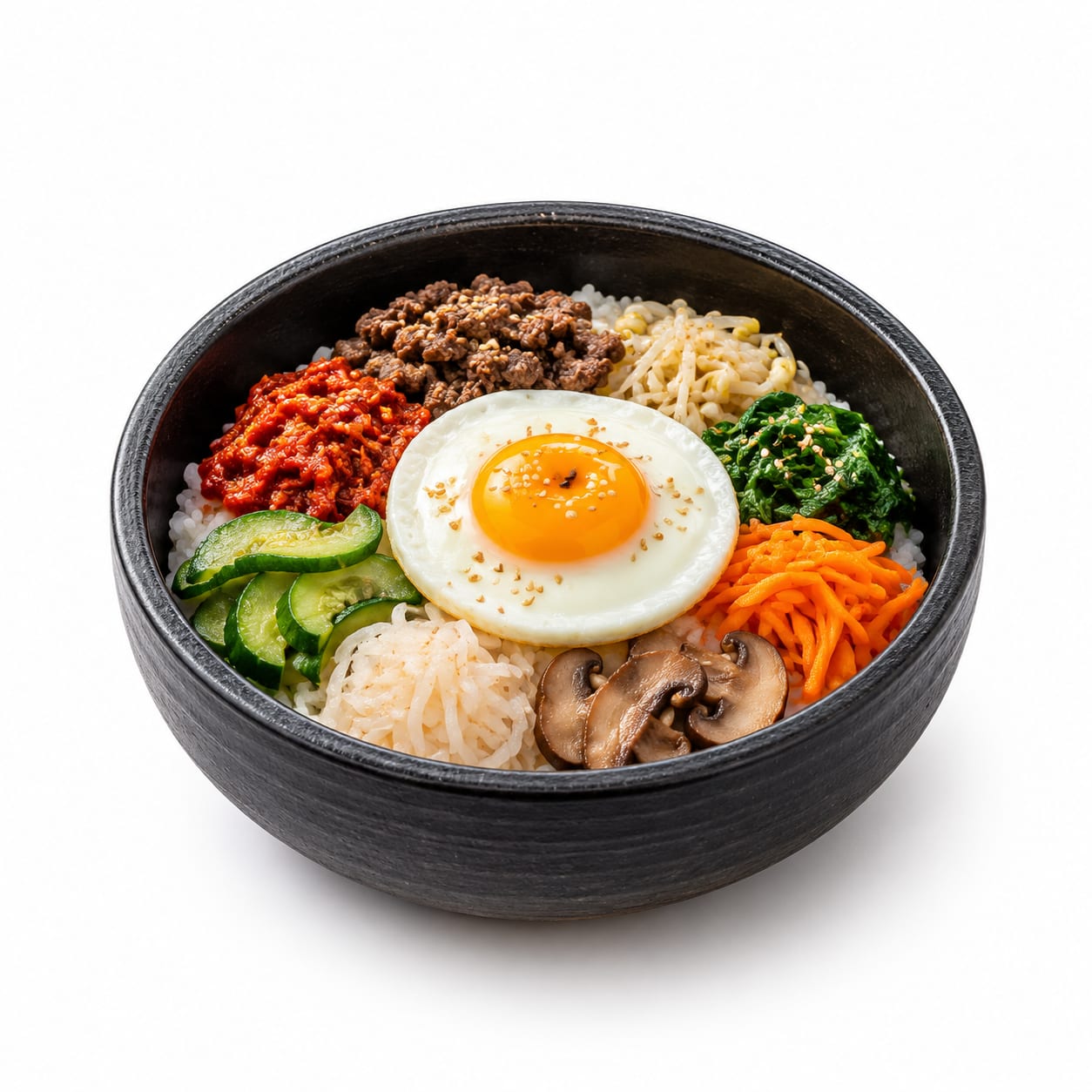
Bibimbap
Bibimbap delivers far more nutritional balance and vegetable diversity, while Hainanese Chicken Rice offers comforting simplicity at the cost of higher fat and lower micronutrient intake.
Bibimbap scores substantially higher due to its vegetable diversity, fiber content, and better fat profile. Hainanese Chicken Rice is not unhealthy in isolation but its high fat-to-nutrient ratio and minimal vegetable content create a meaningful gap for regular consumption.
You trade the rich, satisfying mouthfeel of fat-infused rice and tender chicken for a bowl packed with colorful vegetables, better fiber, and steadier energy.
At a glance
Executive summary
Overall
Bibimbap
Healthier
Bibimbap
More practical
It depends
Daily use
Bibimbap
Key comparison lenses
nutritional balance and vegetable intake
Bibimbap offers dramatically more vegetable variety while Hainanese Chicken Rice is essentially meat and refined carbs
fat and calorie density
Chicken fat-infused rice and skin-on chicken make Hainanese Chicken Rice significantly more calorie-dense
blood sugar stability
Both are white rice-based but fiber content differences create meaningful glycemic impact gaps
long term heart health
Saturated fat from chicken skin and fat-infused rice versus vegetable-driven antioxidant intake
sodium and sauce intake
Both rely on sodium-heavy condiments but the sources and amounts differ significantly
Best choice for
Hainanese Chicken Rice
- Comfort-seeking eaters wanting something warm and soothing
- Those recovering from illness who need gentle, easy-to-digest food
- People who struggle to eat enough calories and need energy density
- Anyone craving familiar Southeast Asian flavors over vegetable-heavy meals
Bibimbap
- Anyone trying to eat more vegetables without feeling like they are eating a salad
- Weight-conscious eaters wanting volume and fullness without excess calories
- Those seeking steady energy without the post-meal crash
- People prioritizing long-term heart health and anti-inflammatory eating
Least suitable for
Hainanese Chicken Rice
- People watching their saturated fat or cholesterol intake
- Anyone seeking vegetable variety or fiber in a single meal
- Those managing blood sugar who need fiber to slow carb absorption
- Weight loss seekers who find high-fat rice hard to portion control
Bibimbap
- People sensitive to spicy food who cannot tolerate gochujang
- Those who find vegetable-heavy meals unsatisfying without richer flavors
- Anyone with specific vegetable allergies or intolerances to common Korean sides
- People seeking a very simple, mild meal when their stomach is upset
Deep comparison
Dimension by dimension
Each lens scores both foods and breaks down who each option suits.
- Dimension 1 · Priority 95Bibimbap
vegetable_diversity_and_micronutrients
Hainanese Chicken Rice · 10Bibimbap · 90Bibimbap typically includes 5-7 different vegetables while Hainanese Chicken Rice includes essentially none beyond garnish.
Tradeoff
You sacrifice the clean, focused simplicity of chicken and rice for a more complex but far more nourishing bowl.
Why it matters
Vegetable diversity is one of the strongest predictors of long-term health outcomes, gut microbiome health, and disease prevention.
Real-world impact
A single Bibimbap can deliver half your daily vegetable needs. Hainanese Chicken Rice leaves you needing to find vegetables elsewhere.
Hainanese Chicken Rice
- Pickier eaters who dislike mixed vegetables
- Situations where simple flavors are preferred
Better for
- Long-term health when eaten as a standalone meal repeatedly
- Anyone already struggling to eat enough vegetables
Worse for
Bibimbap
- Anyone falling short on daily vegetable intake
- Those wanting broad micronutrient coverage in one meal
- People focused on gut microbiome diversity
Better for
- People who find too many textures and flavors overwhelming
- Those with specific vegetable allergies
Worse for
- Dimension 2 · Priority 90Bibimbap
fat_profile_and_calorie_density
Hainanese Chicken Rice · 30Bibimbap · 65Hainanese Chicken Rice uses chicken fat, chicken skin, and oil-infused rice, making it significantly more calorie-dense with higher saturated fat.
Tradeoff
The fat-infused rice tastes incredible but packs hidden calories that add up quickly without making you feel proportionally fuller.
Why it matters
Calorie density drives overconsumption more than most people realize. Fat-laden rice is easy to overeat before satiety signals kick in.
Real-world impact
A standard Hainanese Chicken Rice plate can easily hit 700-900 calories. A Bibimbap bowl typically lands between 500-650 calories with more volume.
Hainanese Chicken Rice
- Underweight individuals needing calorie density
- Endurance athletes with high energy demands
Better for
- Sedentary individuals unaware of the calorie load
- Anyone with elevated LDL cholesterol
Worse for
Bibimbap
- Weight management of any kind
- Those monitoring cholesterol or heart health markers
- People who want to feel full without overconsuming calories
Better for
- Dolsot Bibimbap with extra oil can narrow this gap significantly
Worse for
- Dimension 3 · Priority 85Bibimbap
fiber_and_digestive_health
Hainanese Chicken Rice · 8Bibimbap · 70Bibimbap provides meaningful fiber from spinach, bean sprouts, carrots, mushrooms, and other vegetables. Hainanese Chicken Rice is nearly fiber-free.
Tradeoff
Fiber slows sugar absorption and feeds gut bacteria. Without it, white rice hits your bloodstream fast and leaves you hungry sooner.
Why it matters
Most people already eat far too little fiber. Choosing a meal with zero fiber compounds an existing problem.
Real-world impact
Bibimbap keeps you fuller for 2-3 hours longer after eating. Hainanese Chicken Rice often triggers hunger again within 90 minutes despite higher calories.
Hainanese Chicken Rice
- Post-surgical recovery when low-fiber diets are temporarily required
- Acute digestive upset when roughage would irritate
Better for
- Chronic constipation sufferers
- Anyone trying to stabilize energy levels throughout the day
Worse for
Bibimbap
- Anyone not meeting daily fiber targets
- People prone to constipation or sluggish digestion
- Blood sugar management through slower gastric emptying
Better for
- Those temporarily on low-residue diets for medical reasons
Worse for
- Dimension 4 · Priority 70It depends
protein_quality_and_amount
Hainanese Chicken Rice · 68Bibimbap · 65Both provide solid protein. Hainanese Chicken Rice delivers more total protein from a larger chicken portion, while Bibimbap offers protein from beef and egg with added micronutrient benefits.
Tradeoff
Chicken breast is leaner protein, but the skin-on preparation adds saturated fat. Bibimbap's beef and egg provide iron and B12 that chicken alone does not match.
Why it matters
Protein quality matters for satiety, muscle maintenance, and metabolic health, but both dishes deliver adequately here.
Real-world impact
Both meals will satisfy protein needs for most people. The difference is marginal and should not drive your decision.
Hainanese Chicken Rice
- Those prioritizing higher total protein intake per meal
- People who prefer lean white meat over red meat
Better for
- Those avoiding saturated fat from chicken skin
Worse for
Bibimbap
- Anyone needing more iron, especially women of reproductive age
- People who benefit from the choline and additional nutrients in egg yolk
Better for
- People limiting red meat intake for health reasons
Worse for
- Dimension 5 · Priority 70It depends
sodium_load
Hainanese Chicken Rice · 40Bibimbap · 45Both dishes are sodium-heavy. Hainanese Chicken Rice relies on dark soy sauce and chicken broth, while Bibimbap's gochujang and seasoned vegetables add significant salt.
Tradeoff
Neither dish wins on sodium. Both require awareness if blood pressure is a concern.
Why it matters
Restaurant versions of both dishes easily exceed 1500mg sodium per serving, which is the daily recommended limit for many adults.
Real-world impact
If you have hypertension or sodium sensitivity, both dishes require modification. Request less sauce on either option.
Hainanese Chicken Rice
- Slightly lower sodium if you skip the dark soy sauce dipping
Better for
- The combination of broth-infused rice and soy sauce creates hidden sodium throughout
Worse for
Bibimbap
- Slightly more potassium from vegetables helps offset sodium effects modestly
Better for
- Gochujang is deceptively high in sodium and sugar simultaneously
Worse for
- Dimension 6 · Priority 80Bibimbap
blood_sugar_stability
Hainanese Chicken Rice · 30Bibimbap · 60Both are white rice-based, but Bibimbap's fiber and fat from vegetables and egg slow glucose absorption meaningfully.
Tradeoff
Fat-infused rice in Hainanese Chicken Rice does slow absorption slightly, but not enough to compensate for zero fiber content.
Why it matters
Post-meal energy crashes, cravings, and long-term insulin resistance all connect to how quickly carbs hit your bloodstream.
Real-world impact
After Bibimbap, you are more likely to feel steady energy for hours. After Hainanese Chicken Rice, a 2pm energy dip is common despite the calorie load.
Hainanese Chicken Rice
- The fat in chicken rice does provide some glycemic slowing compared to plain white rice
Better for
- Frequent consumers at risk for metabolic syndrome
- Those who already experience blood sugar swings
Worse for
Bibimbap
- Anyone with prediabetes or insulin resistance
- People who experience afternoon energy crashes after carb-heavy lunches
Better for
- Still a white rice-based meal, so not ideal for strict low-carb approaches
Worse for
- Dimension 7 · Priority 65Hainanese Chicken Rice
emotional_satisfaction_and_comfort
Hainanese Chicken Rice · 88Bibimbap · 72Hainanese Chicken Rice is deeply comforting food with rich, familiar flavors. Bibimbap satisfies differently through variety and bold spice.
Tradeoff
Comfort and nourishment are not the same thing. Chicken rice feels more soothing but Bibimbap leaves you more physically nourished.
Why it matters
Emotional satisfaction matters for sustainability. Forcing yourself to eat food you dislike backfires regardless of nutrition.
Real-world impact
On a stressful day, Hainanese Chicken Rice may genuinely be the better choice if it prevents you from stress-eating worse options later.
Hainanese Chicken Rice
- Stressful days when comfort eating helps you cope
- Cold or rainy weather when warm, rich food feels right
- Homesick moments for those who grew up with it
Better for
- Emotional eaters who associate rich food with comfort in ways that drive overconsumption
Worse for
Bibimbap
- Days when you want to feel energized rather than sluggish after eating
- When you want a meal that feels vibrant and colorful rather than heavy
Better for
- Those who find spicy food stressful rather than enjoyable
Worse for
Timeline
Health impact over time
Short-term
Hours to days
Hainanese Chicken Rice
- Quick energy from refined carbs but likely crash within 1-2 hours
- Heavy, full feeling from fat content that may reduce afternoon productivity
- High sodium may cause thirst and mild bloating
- Comfort and satisfaction from rich, familiar flavors
Bibimbap
- Steadier energy release due to fiber and vegetable content
- Spicy gochujang may cause mild heartburn in sensitive individuals
- Greater physical fullness from food volume without excessive heaviness
- Hydration benefit from high-water-content vegetables
Long-term
Months to years
Hainanese Chicken Rice
- Regular consumption without vegetable supplementation increases cardiovascular risk from saturated fat and zero fiber
- Higher calorie density may contribute to gradual weight gain if portions are not carefully managed
- Sodium load from repeated consumption may affect blood pressure over time
- Missing out on vegetable-derived antioxidants and phytonutrients consistently
Bibimbap
- Broad micronutrient intake supports immune function and cellular health
- Fiber supports gut microbiome diversity and digestive regularity
- Vegetable antioxidants provide anti-inflammatory benefits with regular consumption
- Gochujang's fermented components may offer probiotic benefits, though sodium remains a concern
Risk profile
Safety & processing
Both are traditionally prepared dishes using whole food ingredients. Hainanese Chicken Rice uses chicken fat and broth as flavor enhancers rather than artificial additives. Bibimbap relies on fermented gochujang and seasoned vegetables. Neither is ultra-processed, though restaurant versions may use more oil and sodium than homemade preparations.
Hainanese Chicken Rice
Salmonella from undercooked chicken
mediumPoached chicken must reach safe internal temperature. Reputable establishments handle this well, but food stalls with poor temperature control pose risk.
Chicken broth contamination
lowBroth left at unsafe temperatures can breed bacteria. Fresh preparation minimizes this risk significantly.
Bibimbap
Raw egg and foodborne illness
mediumTraditional Bibimbap often includes a raw or lightly cooked egg yolk on top. This carries salmonella risk, particularly for vulnerable populations.
Gochujang histamine content
lowFermented chili paste contains biogenic amines that may trigger reactions in histamine-sensitive individuals.
Who wins for whom
Audience fit
Same foods, different winners depending on your goal.
children
Hainanese Chicken RiceMild flavors and simple composition make Hainanese Chicken Rice far more kid-friendly. Bibimbap's spice and mixed vegetables often face resistance from children.
daily consumption
BibimbapNutritional completeness and vegetable intake make Bibimbap sustainable as a regular meal. Hainanese Chicken Rice lacks the diversity needed for daily rotation without supplementation.
diabetes
BibimbapFiber from vegetables slows glucose absorption meaningfully. Both are white rice-based and require portion awareness, but Bibimbap creates a flatter blood sugar curve.
elderly
BibimbapVegetable diversity, fiber for digestion, and broader micronutrient intake support healthy aging. Soft-cooked vegetables in Bibimbap are easy to chew.
muscle gain
Hainanese Chicken RiceHigher total protein from a larger chicken portion and more calories support muscle-building goals, especially for those in a caloric surplus.
weight loss
BibimbapHigher volume, more fiber, and lower calorie density make Bibimbap significantly more supportive of weight loss efforts while keeping you full.
Your move
Decision guide
Choose Hainanese Chicken Rice
- You need comfort food on a tough day and nothing else will hit the spot
- You are recovering from illness and need gentle, easy-to-digest calories
- You are very active and need calorie density to meet energy demands
- You are eating out occasionally and want something satisfying as a treat
- You struggle to eat enough and find vegetable-heavy meals unsatisfying
Choose Bibimbap
- You want one meal to cover most of your nutritional bases
- You are trying to lose weight or maintain weight without feeling deprived
- You need steady afternoon energy without a crash
- You want to increase your vegetable intake without eating a salad
- You are concerned about long-term heart health and inflammation
Either works if
- You are eating out and both options are available and well-prepared
- You rotate between them weekly to balance comfort and nutrition
- You supplement either meal with a side of vegetables or soup
Avoid both if
- You are on a strict low-carb or ketogenic diet and cannot accommodate white rice
- You have severe sodium restrictions and cannot modify the sauces
- You have white rice sensitivities or blood sugar issues that require grain-free meals
Final recommendation
For most people eating regularly, Bibimbap is the clearly better choice due to its vegetable diversity, fiber content, and more balanced nutritional profile. However, Hainanese Chicken Rice has a legitimate place as an occasional comfort meal, especially when you pair it with a side of vegetables. If you eat Hainanese Chicken Rice more than once a week, consider removing the chicken skin, asking for less oily rice, and always adding a vegetable side to close the nutritional gap.
Practical
Consumer tips
- 1
For Hainanese Chicken Rice: ask for breast meat instead of thigh, remove the skin, and request plain steamed rice instead of fat-infused rice when possible
- 2
For Bibimbap: request gochujang on the side so you can control the sodium and sugar amount
- 3
For Bibimbap: choose the regular bowl over dolsot if you want to reduce added oil from the hot stone coating
- 4
For either dish: add a side of plain vegetables or a clear soup to improve the meal's nutritional balance
- 5
For Hainanese Chicken Rice: use the ginger sauce and chili rather than dark soy sauce to reduce sodium significantly
- 6
For Bibimbap: ask for the egg fully cooked rather than raw if you are pregnant, elderly, or immunocompromised
- 7
When ordering either dish, consider sharing and supplementing with additional vegetable sides to create a more complete meal