
Nutrition comparison
Hainanese Chicken Rice vs Teriyaki Chicken Bowl: Which Is Healthier?
Compare Hainanese Chicken Rice and Teriyaki Chicken Bowl on calories, sodium, sugar, and nutrition. Find out which Asian chicken rice dish is better for weight loss, diabetes, and daily eating.
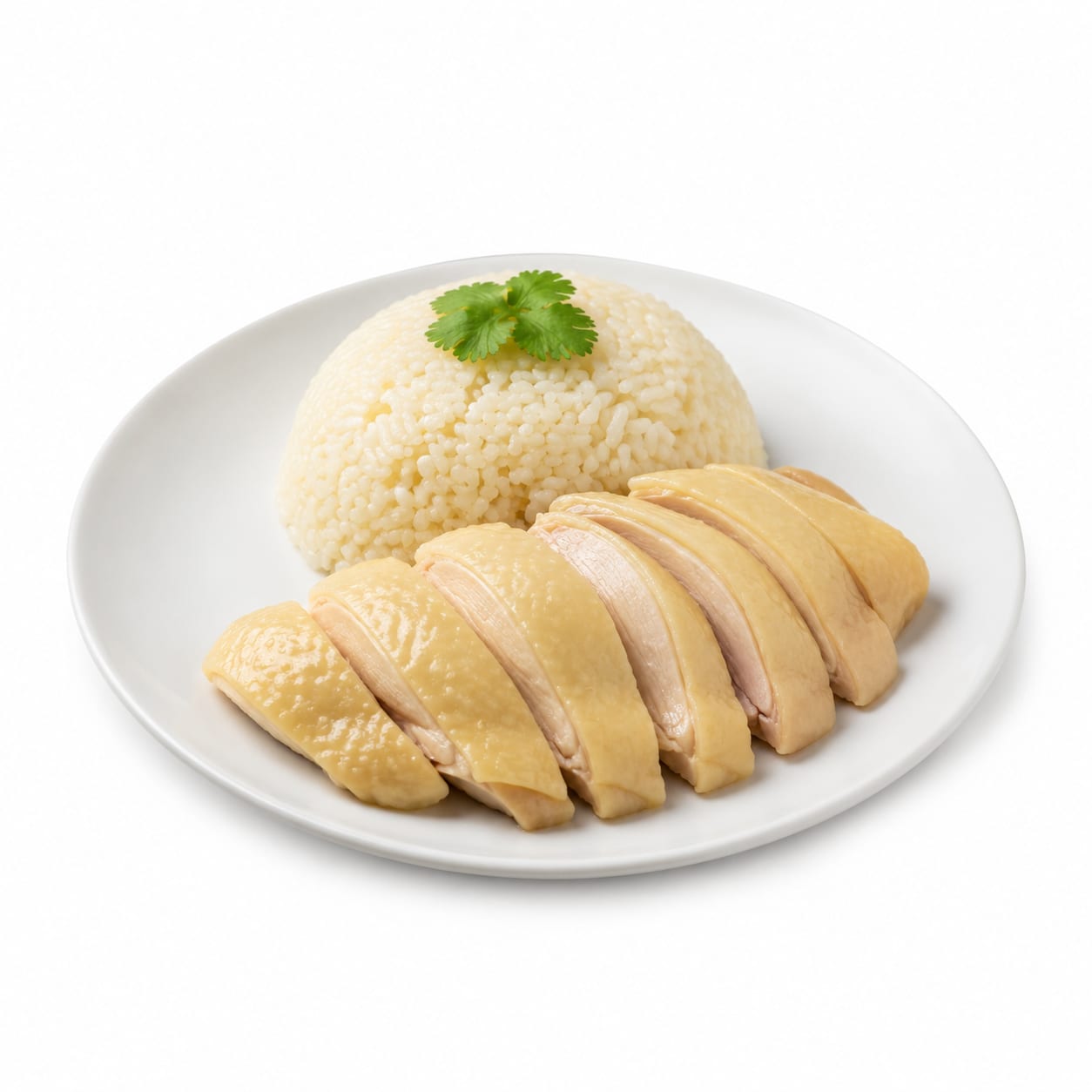
Hainanese Chicken Rice
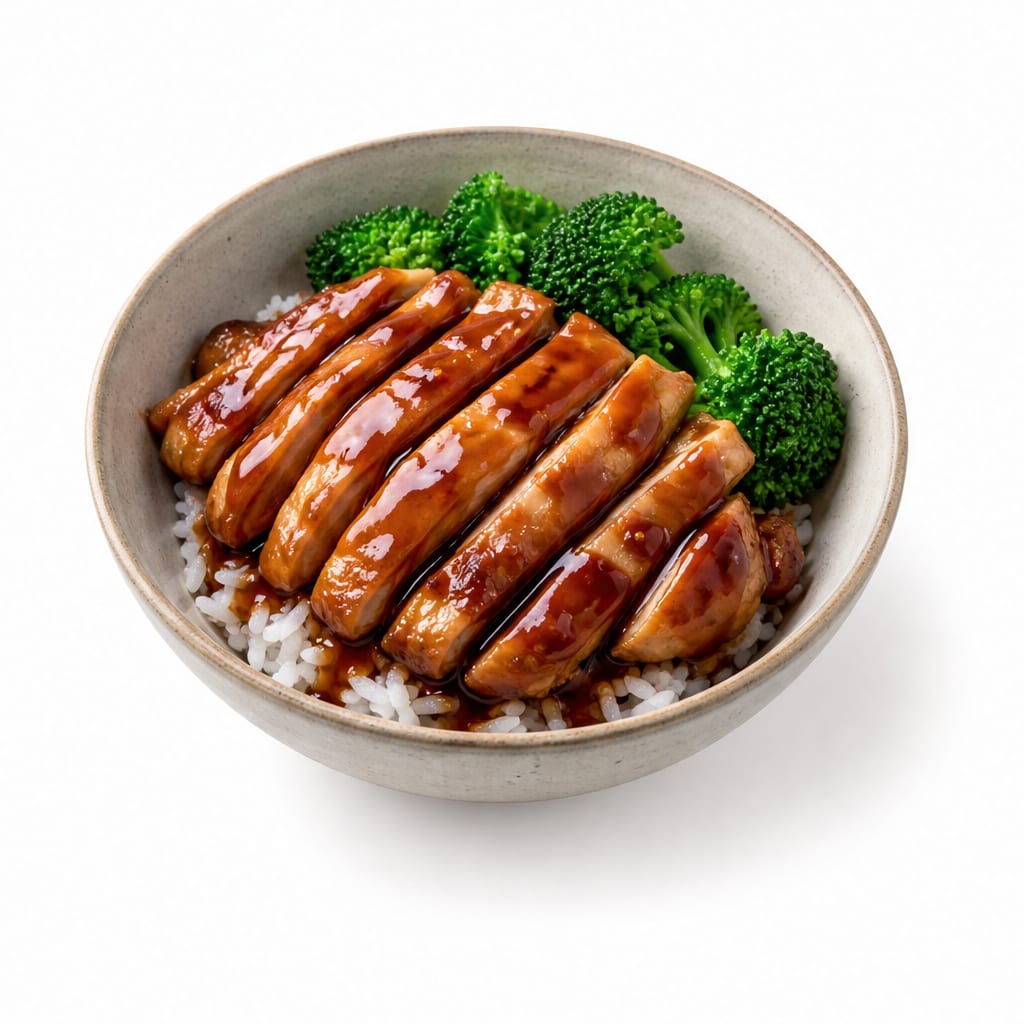
Teriyaki Chicken Bowl
Teriyaki Chicken Bowl edges ahead on vegetables and leaner protein, but Hainanese Chicken Rice wins on fewer additives and simpler preparation. Your priority determines the winner.
Teriyaki Chicken Bowl scores moderately higher due to better vegetable content and leaner protein, but the gap is not huge because its sugary sauce and processed ingredients partially offset those advantages. Hainanese Chicken Rice stays competitive with simpler ingredients but loses points for high fat from chicken skin and minimal vegetables.
More veggies and leaner chicken versus cleaner ingredients and richer flavor with less sugar but more fat
At a glance
Executive summary
Overall
It depends
Healthier
Teriyaki Chicken Bowl
More practical
Teriyaki Chicken Bowl
Daily use
Teriyaki Chicken Bowl
Key comparison lenses
which is healthier for regular lunches
Both are popular lunch options at food courts and restaurants, making this a common real-world decision
sodium and sauce impact comparison
Both dishes rely heavily on savory sauces that drive sodium intake, a key health concern
weight management and calorie density
Both are rice-based chicken dishes but differ significantly in fat content and preparation method
blood sugar stability
White rice dominates both meals, but accompanying sauces and fats change glycemic responses
vegetable and micronutrient content
Teriyaki bowls typically include more vegetables, while Hainanese Chicken Rice is meat-and-rice focused
Best choice for
Hainanese Chicken Rice
- People avoiding added sugars
- Those who prefer minimally processed meals
- Anyone seeking a comforting, satisfying single-plate meal
- Diners sensitive to artificial additives in commercial sauces
Teriyaki Chicken Bowl
- People prioritizing vegetable intake
- Those tracking calories or trying to lose weight
- Anyone wanting leaner protein with less fat
- Diners who enjoy balanced sweet-savory flavors
Least suitable for
Hainanese Chicken Rice
- People on low-fat diets
- Those watching sodium closely due to dipping sauces
- Anyone needing more fiber and vegetables
- People managing blood sugar without added fat buffers
Teriyaki Chicken Bowl
- People avoiding sugar or on keto diets
- Those sensitive to high sodium from teriyaki sauce
- Anyone concerned about processed sauce ingredients
- People who find sweet-savory combinations unappealing
Deep comparison
Dimension by dimension
Each lens scores both foods and breaks down who each option suits.
- Dimension 1 · Priority 90Teriyaki Chicken Bowl
Calorie Density and Weight Management
Hainanese Chicken Rice · 45Teriyaki Chicken Bowl · 65Teriyaki Chicken Bowl is generally lower in calories per serving because it uses leaner chicken cuts and less added fat in the rice preparation.
Tradeoff
Hainanese Chicken Rice cooks rice in chicken fat and serves chicken with skin, making it significantly more calorie-dense for the same portion size.
Why it matters
If you eat either dish regularly for lunch, the extra 200-300 calories in Hainanese Chicken Rice can add up to noticeable weight gain over months.
Real-world impact
A typical Hainanese Chicken Rice plate runs 600-800 calories, while a Teriyaki Chicken Bowl sits closer to 450-600 calories with vegetables included.
Hainanese Chicken Rice
- Those who struggle to eat enough and need calorie density
- Active individuals needing energy-dense meals
Better for
- People trying to lose or maintain weight
- Those who tend to overeat rich foods
Worse for
Teriyaki Chicken Bowl
- Anyone tracking calories for weight loss
- People who prefer feeling full from volume rather than fat
Better for
- Athletes needing high-calorie meals for recovery
- People with small appetites who need calorie density
Worse for
- Dimension 2 · Priority 88It depends
Sodium Load
Hainanese Chicken Rice · 50Teriyaki Chicken Bowl · 48Both dishes are sodium bombs, but from different sources. Hainanese Chicken Rice loads sodium through dipping sauces, while Teriyaki Chicken Bowl packs it into the glaze.
Tradeoff
You can control sodium more easily in Hainanese Chicken Rice by using less dipping sauce, whereas teriyaki sauce is mixed throughout the bowl and harder to moderate.
Why it matters
Regular high-sodium meals raise blood pressure over time. Both dishes easily exceed 1000mg sodium per serving, which is half your daily recommended limit.
Real-world impact
If you go heavy on all three Hainanese dipping sauces, you can hit 2000mg sodium. A restaurant teriyaki bowl typically delivers 1200-1800mg.
Hainanese Chicken Rice
- People who can skip or reduce dipping sauces
- Those who prefer controlling salt per bite
Better for
- People who love all the dipping sauces and use them generously
- Those already on sodium-restricted diets
Worse for
Teriyaki Chicken Bowl
- Anyone who finds it hard to moderate sauces
- People who prefer pre-seasoned consistent flavor
Better for
- People who cannot control how much sauce restaurants add
- Those sensitive to soy sauce sodium levels
Worse for
- Dimension 3 · Priority 85Teriyaki Chicken Bowl
Vegetable and Fiber Content
Hainanese Chicken Rice · 20Teriyaki Chicken Bowl · 65Teriyaki Chicken Bowl almost always includes broccoli, carrots, or stir-fried vegetables, while Hainanese Chicken Rice is essentially just chicken and rice with token cucumber slices.
Tradeoff
You get meaningful fiber and micronutrients from a teriyaki bowl's vegetables, but Hainanese Chicken Rice requires ordering a separate vegetable side to reach the same nutritional balance.
Why it matters
Fiber slows digestion, steadies blood sugar, and keeps you full longer. A meal without vegetables leaves you hungrier sooner and misses key vitamins.
Real-world impact
A teriyaki bowl with vegetables provides 3-5g fiber per meal. Hainanese Chicken Rice typically delivers under 1g unless you add a vegetable side dish.
Hainanese Chicken Rice
- Those who always order separate vegetable sides anyway
Better for
- People relying on a single plate for nutritional balance
- Anyone prone to constipation or low fiber intake
Worse for
Teriyaki Chicken Bowl
- Anyone wanting a complete balanced meal in one bowl
- People who struggle to eat enough vegetables daily
- Those needing fiber for digestive regularity
Better for
- Those who dislike the typical steamed or stir-fried vegetables in bowls
Worse for
- Dimension 4 · Priority 82Hainanese Chicken Rice
Sugar Content
Hainanese Chicken Rice · 72Teriyaki Chicken Bowl · 40Hainanese Chicken Rice contains almost no added sugar, while teriyaki sauce is built on sugar, mirin, and sweet rice wine, delivering 15-25g sugar per bowl.
Tradeoff
The sweetness in teriyaki makes it more craveable but adds empty calories and spikes blood sugar beyond what the white rice already does.
Why it matters
Added sugar on top of white rice creates a double hit to blood sugar. This can lead to energy crashes and increased hunger within hours.
Real-world impact
A teriyaki bowl can contain as much sugar as a small candy bar, while Hainanese Chicken Rice gets its flavor from fat, salt, and aromatics instead.
Hainanese Chicken Rice
- People managing diabetes or insulin resistance
- Those on low-sugar or keto-adjacent diets
- Anyone trying to reduce sugar cravings
Better for
- People who find the dish bland without sweet elements
Worse for
Teriyaki Chicken Bowl
- People who find unsweetened savory meals unsatisfying
- Those who prefer sweet-savory flavor profiles
Better for
- Diabetics or pre-diabetics watching sugar intake
- Those trying to break sugar addiction patterns
- People prone to afternoon energy crashes
Worse for
- Dimension 5 · Priority 78Hainanese Chicken Rice
Processing and Ingredient Simplicity
Hainanese Chicken Rice · 75Teriyaki Chicken Bowl · 50Hainanese Chicken Rice uses whole ingredients: chicken, rice, ginger, garlic, pandan, and chicken fat. Teriyaki sauce often contains corn syrup, preservatives, and thickeners.
Tradeoff
Cleaner ingredients in Hainanese Chicken Rice come alongside higher fat content, while the teriyaki bowl's processed sauce accompanies leaner protein and more vegetables.
Why it matters
Minimally processed meals are generally easier on digestion and carry fewer long-term health risks from preservatives and additives.
Real-world impact
Homemade teriyaki sauce avoids this issue entirely, but restaurant and packaged teriyaki sauces frequently list corn syrup and modified starches among the first ingredients.
Hainanese Chicken Rice
- People prioritizing whole-food eating
- Those with sensitivities to food additives
- Anyone following clean-eating approaches
Better for
- People who assume all Asian dishes are equally processed
Worse for
Teriyaki Chicken Bowl
- Those who make teriyaki sauce from scratch at home
- People less concerned about moderate processing
Better for
- Those avoiding corn syrup and commercial thickeners
- People with sensitivities to caramel color or MSG
Worse for
- Dimension 6 · Priority 80Teriyaki Chicken Bowl
Protein Quality and Leanness
Hainanese Chicken Rice · 50Teriyaki Chicken Bowl · 75Teriyaki bowls typically use chicken breast, which is leaner and higher in protein per calorie. Hainanese Chicken Rice uses whole chicken with skin, adding saturated fat.
Tradeoff
The skin-on chicken in Hainanese Chicken Rice delivers more flavor and juiciness but nearly doubles the fat content for similar protein amounts.
Why it matters
Lean protein supports muscle maintenance and satiety without the cardiovascular concerns of higher saturated fat intake from poultry skin.
Real-world impact
A teriyaki chicken breast bowl delivers roughly 35g protein with 5g fat. Hainanese Chicken Rice provides 25-30g protein with 20-30g fat from skin and cooking fat.
Hainanese Chicken Rice
- Those who prioritize eating enjoyment over leanness
- People who find lean chicken breast too dry
Better for
- People with elevated cholesterol
- Those on heart-healthy diets limiting saturated fat
Worse for
Teriyaki Chicken Bowl
- Anyone focused on muscle gain or maintenance
- People managing cholesterol or heart health
- Those counting macros for fitness goals
Better for
- People who find chicken breast unsatisfying without sauce
Worse for
- Dimension 7 · Priority 76Hainanese Chicken Rice
Satiety and Fullness Duration
Hainanese Chicken Rice · 72Teriyaki Chicken Bowl · 60The higher fat content in Hainanese Chicken Rice slows digestion and keeps you full longer, while the teriyaki bowl's sugar can cause a quicker hunger return.
Tradeoff
Feeling full longer from fat comes at the cost of more calories, while the teriyaki bowl's lighter profile may leave you reaching for a snack sooner.
Why it matters
A lunch that keeps you full until dinner prevents unhealthy afternoon snacking, regardless of whether that fullness comes from fat or fiber.
Real-world impact
After Hainanese Chicken Rice, you may stay full for 4-5 hours. A teriyaki bowl without enough vegetables might only last 3 hours before hunger returns.
Hainanese Chicken Rice
- People who cannot snack between meals
- Those with long gaps between lunch and dinner
- Workers in settings without easy snack access
Better for
- People who dislike feeling heavy after lunch
- Those prone to food comas affecting afternoon productivity
Worse for
Teriyaki Chicken Bowl
- Those who prefer lighter lunches that do not cause afternoon sluggishness
- People who have healthy snacks available
Better for
- People who end up overeating snacks when meals do not hold them
- Those with physically demanding afternoons
Worse for
- Dimension 8 · Priority 74It depends
Blood Sugar Stability
Hainanese Chicken Rice · 55Teriyaki Chicken Bowl · 48Both start with white rice as a blood sugar spiker, but Hainanese Chicken Rice's fat content slows absorption, while teriyaki's sugar adds a second spike on top.
Tradeoff
Fat moderates the rice spike in Hainanese Chicken Rice but adds calories. Teriyaki's sugar worsens the spike but the vegetables and lean protein provide some buffer.
Why it matters
Double spikes from rice plus sugar make teriyaki bowls riskier for blood sugar management, even though the overall meal is lower in calories.
Real-world impact
After a teriyaki bowl, you might feel an energy dip 90 minutes later. Hainanese Chicken Rice tends to produce a steadier but longer-lasting energy curve.
Hainanese Chicken Rice
- People with mild blood sugar concerns
- Those who notice energy crashes after sweet meals
Better for
- People who should limit saturated fat alongside blood sugar management
Worse for
Teriyaki Chicken Bowl
- People who pair their bowl with additional fiber-rich sides
- Those who choose brown rice when available
Better for
- Diabetics or pre-diabetics
- Those who experience sugar crashes from sweet sauces
Worse for
Timeline
Health impact over time
Short-term
Hours to days
Hainanese Chicken Rice
- Heavy fullness from fat-rich rice and chicken skin that may reduce afternoon productivity
- Steadier energy curve with less crash risk compared to sweeter meals
- Possible sluggishness if portion size is large
- High sodium from dipping sauces may cause thirst and bloating
Teriyaki Chicken Bowl
- Quick satisfaction from sweet-savory flavor that feels rewarding to eat
- Risk of energy dip 1-2 hours after eating from combined sugar and white rice
- Lighter immediate feeling that may not sustain through long afternoons
- Thirst from high sodium content in teriyaki glaze
Long-term
Months to years
Hainanese Chicken Rice
- Regular consumption may contribute to elevated cholesterol from chicken skin and fat
- Higher calorie density could support gradual weight gain if portions are not managed
- Lower vegetable intake may contribute to micronutrient gaps over time
- Simpler ingredient list reduces exposure to preservatives and additives
Teriyaki Chicken Bowl
- Added sugar from teriyaki sauce may contribute to insulin resistance with frequent consumption
- Better vegetable intake supports long-term micronutrient status and gut health
- Leaner protein choice benefits cardiovascular health markers
- Commercial teriyaki sauces may expose you to corn syrup and preservatives regularly
Risk profile
Safety & processing
Hainanese Chicken Rice is fundamentally a whole-food dish: poached chicken, rice cooked in chicken fat with aromatics, and simple condiments. Teriyaki Chicken Bowl relies on a sauce that, in most restaurant and packaged forms, contains corn syrup, caramel color, modified food starch, and preservatives. Homemade teriyaki sauce narrows this gap significantly.
Hainanese Chicken Rice
Bacterial contamination from poached chicken
mediumPoached chicken must reach safe internal temperature. Improperly cooked or held chicken can harbor Salmonella or Campylobacter, especially at hawker centers with high volume.
Chicken fat oxidation in rice preparation
lowRepeated heating of chicken fat for rice cooking can produce oxidized lipids, though this is more a chronic exposure concern than an acute safety issue.
Teriyaki Chicken Bowl
Sodium benzoate in commercial teriyaki sauce
lowSome bottled teriyaki sauces contain sodium benzoate as a preservative, which can form benzene when combined with vitamin C. Risk is low but worth noting for frequent consumers.
High-heat cooking of teriyaki glaze
mediumCharring teriyaki sauce on a grill can produce heterocyclic amines and advanced glycation end products. Well-charred chicken with burnt sauce carries more risk than lightly glazed chicken.
Who wins for whom
Audience fit
Same foods, different winners depending on your goal.
children
Teriyaki Chicken BowlKids benefit from the vegetables in teriyaki bowls, and the sweet flavor is more appealing to young palates. The leaner protein is also better for developing bodies, though sodium should be monitored.
daily consumption
Teriyaki Chicken BowlBetter vegetable content and leaner protein make the Teriyaki Chicken Bowl more sustainable as a regular meal, though rotating both dishes would be healthier than eating either daily.
diabetes
It dependsNeither is great for diabetics due to white rice. Hainanese Chicken Rice has less sugar but more fat, while teriyaki bowls offer more fiber from vegetables but add sugar. The best choice depends on which tradeoff your doctor prioritizes.
elderly
Hainanese Chicken RiceThe softer texture of poached chicken and fat-moistened rice is easier to chew and digest. Lower sugar content is also beneficial for older adults managing blood sugar, though sodium should still be controlled.
muscle gain
Teriyaki Chicken BowlChicken breast in teriyaki bowls delivers more protein per calorie, and the rice provides glycogen-replenishing carbs. Just be aware the sugar content is not ideal for clean bulking.
weight loss
Teriyaki Chicken BowlLeaner chicken and more vegetables with fewer calories per serving make the Teriyaki Chicken Bowl easier to fit into a calorie deficit, provided you watch the sauce quantity.
Your move
Decision guide
Choose Hainanese Chicken Rice
- You want a meal with minimal additives and simple whole ingredients
- Satiety matters more than calorie count for your schedule
- You are avoiding added sugars in your diet
- You find lean chicken breast dry and unsatisfying
- You prefer savory-rich flavors over sweet-savory combinations
Choose Teriyaki Chicken Bowl
- You want more vegetables and fiber in a single-plate meal
- Calorie control or weight loss is your current priority
- You prefer leaner protein sources for heart health
- You find the sweetness of teriyaki sauce more enjoyable
- You need a lighter meal that will not slow down your afternoon
Either works if
- You are ordering brown rice instead of white rice with either dish
- You plan to add a side of vegetables to Hainanese Chicken Rice
- You are eating either dish only occasionally rather than daily
- You make either dish at home where you control sauce and ingredients
Avoid both if
- You are on a strict low-sodium diet for blood pressure management
- You are following a low-carb or ketogenic eating plan
- You have severe diabetes and need to minimize all glycemic loads
- You are trying to eliminate all processed foods including restaurant sauces
Final recommendation
For most people eating lunch a few times a week, the Teriyaki Chicken Bowl is the slightly better choice because it delivers more vegetables and leaner protein in one meal. However, if you are avoiding added sugar or prioritize eating minimally processed foods, Hainanese Chicken Rice is the cleaner option despite its higher fat content. The smartest approach: order whichever you prefer, but ask for less sauce on the teriyaki bowl or skip the sweet soy dip with Hainanese Chicken Rice, and always add a vegetable side if available.
Practical
Consumer tips
- 1
Ask for teriyaki sauce on the side so you can control the amount and reduce sugar and sodium intake
- 2
Request chicken breast instead of thigh with skin when ordering Hainanese Chicken Rice to cut fat significantly
- 3
Choose brown rice if either stall offers it to improve fiber and blood sugar response
- 4
Add a side of blanched vegetables to Hainanese Chicken Rice to close the fiber gap with teriyaki bowls
- 5
Go easy on all three Hainanese dipping sauces, especially the sweet dark soy, to reduce sodium by 500mg or more
- 6
Make teriyaki sauce at home with reduced sugar using soy sauce, a little honey, ginger, and garlic for a much healthier version
- 7
Avoid charred or burnt edges on teriyaki chicken to reduce exposure to harmful compounds from high-heat cooking
- 8
Drink extra water after either meal to help your body process the high sodium load