
Nutrition comparison
Hainanese Chicken Rice vs Chicken Biryani: Which Is Healthier?
Compare Hainanese Chicken Rice and Chicken Biryani on calories, fat, digestion, blood sugar, and anti-inflammatory benefits. Find out which fits your health goals better.
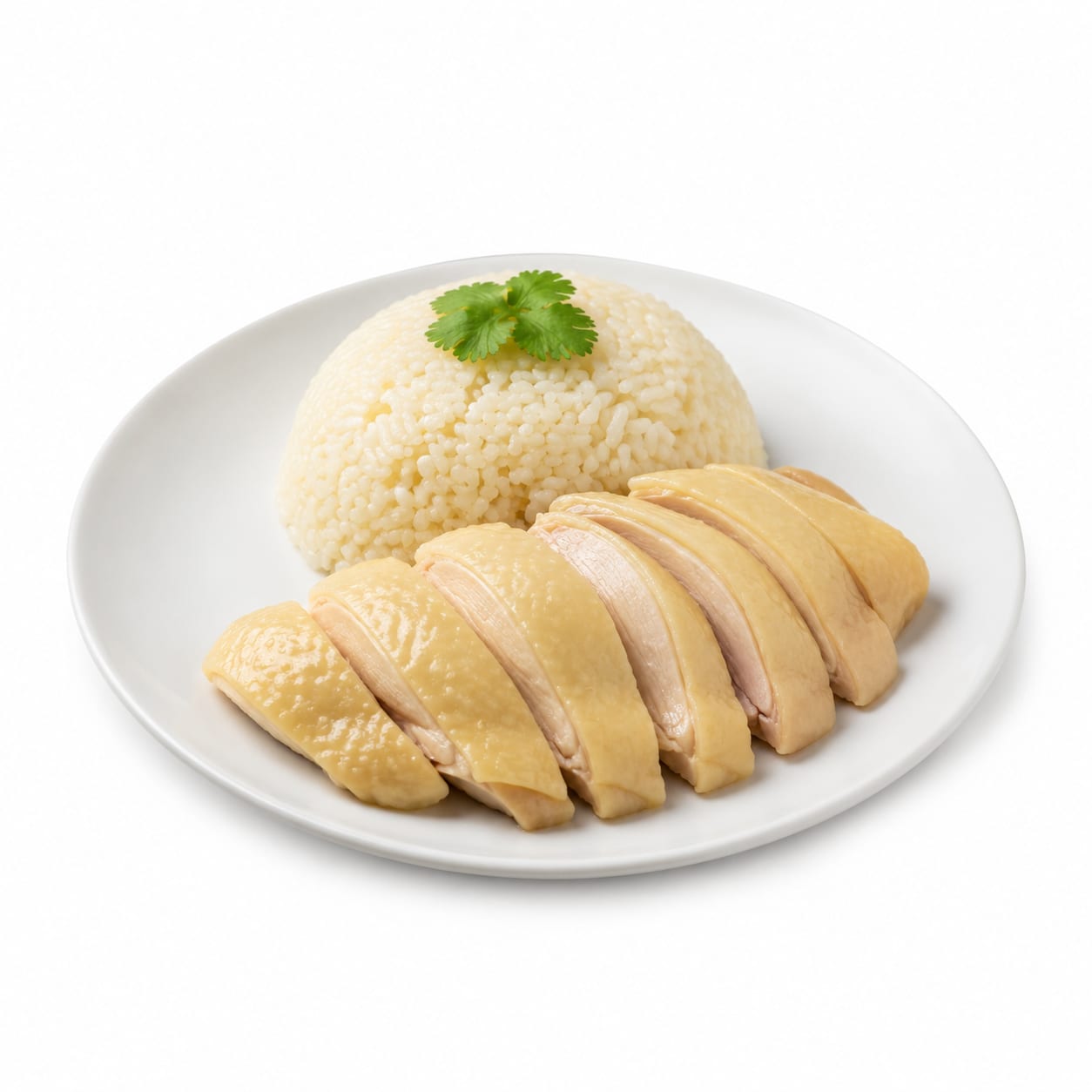
Hainanese Chicken Rice
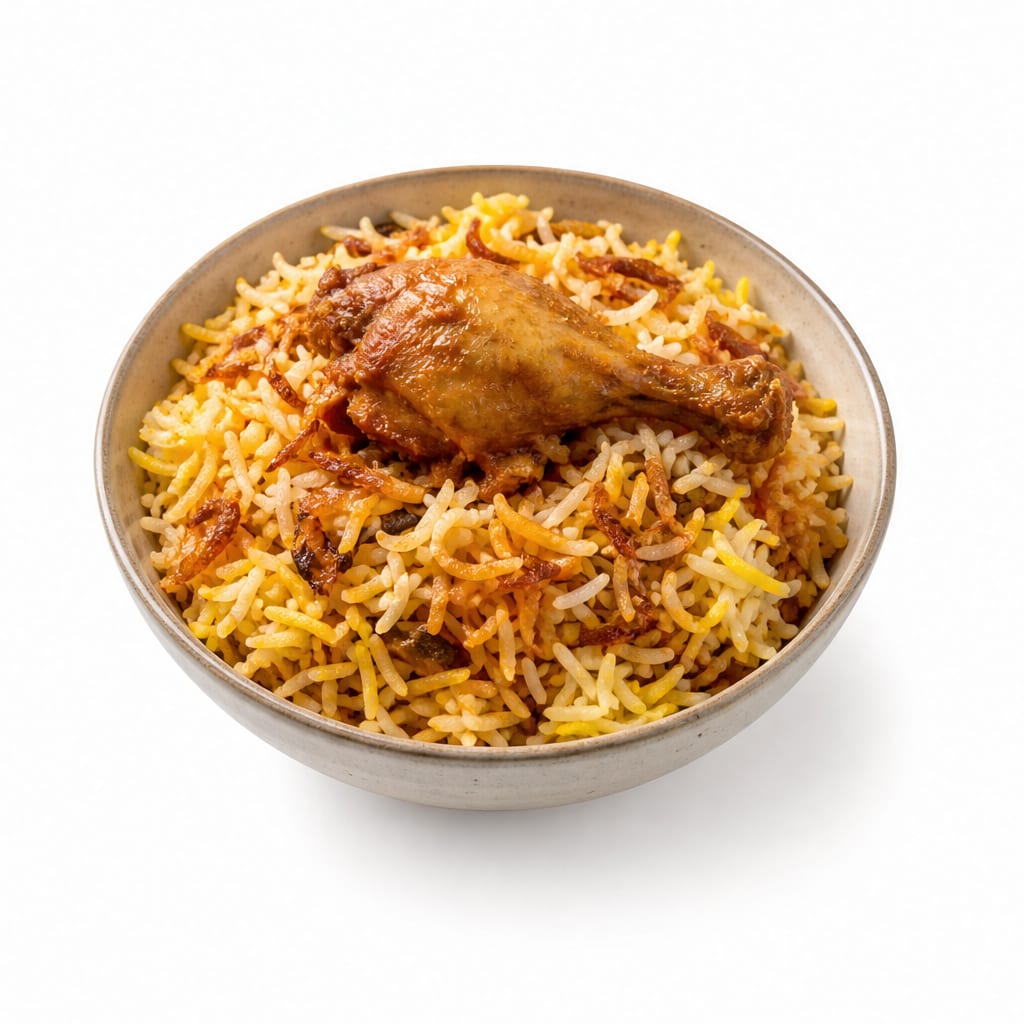
Chicken Biryani
Hainanese Chicken Rice is lighter and gentler for regular eating, while Chicken Biryani delivers more anti-inflammatory spices but carries a heavier calorie and fat load.
Scores are close because both are traditional whole-food dishes with similar macronutrient profiles. Hainanese Chicken Rice edges ahead slightly for daily sustainability due to lighter digestion and easier portion management, while Chicken Biryani's spice benefits are offset by higher calorie density and saturated fat from ghee.
Digestive comfort and lighter daily eating versus richer spice-driven health benefits and stronger satiety
At a glance
Executive summary
Overall
It depends
Healthier
It depends
More practical
Hainanese Chicken Rice
Daily use
Hainanese Chicken Rice
Key comparison lenses
Calorie density and hidden fat comparison
Both dishes hide significant fat in their rice preparation — chicken fat versus ghee — making this the most consequential health tradeoff
Digestive comfort and spice tolerance
Hainanese Chicken Rice is famously gentle while Chicken Biryani is spice-forward, directly affecting who can eat each regularly
Anti-inflammatory spice benefits
Chicken Biryani delivers turmeric, cardamom, and clove which have measurable anti-inflammatory effects absent in Hainanese Chicken Rice
Blood sugar impact from refined rice
Both center on white rice but differ in glycemic load due to fat content and accompanying fiber from spices and vegetables
Satiety and overeating risk
Chicken Biryani feels heavier and more filling per bite, while Hainanese Chicken Rice can be deceptively easy to overeat
Best choice for
Hainanese Chicken Rice
- People with sensitive stomachs or acid reflux
- Anyone wanting a lighter lunch that won't cause afternoon drowsiness
- Those monitoring calorie intake who prefer simpler portion control
- Older adults who need gentle, easy-to-digest meals
- Hot climate eating where heavy meals feel overwhelming
Chicken Biryani
- Active individuals needing sustained energy and higher calorie intake
- People seeking anti-inflammatory benefits from turmeric and warming spices
- Those who find spicier food more satisfying and less likely to overeat
- Anyone building muscle who needs a calorie-dense protein meal
- Cold weather eating where a hearty warming meal is desired
Least suitable for
Hainanese Chicken Rice
- People needing high calorie intake for athletic performance
- Anyone looking for strong anti-inflammatory dietary benefits
- Those who find mild food unsatisfying and end up snacking later
Chicken Biryani
- People with GERD, IBS, or spice sensitivity
- Anyone closely watching calorie or saturated fat intake
- Those who get sluggish after heavy midday meals
Deep comparison
Dimension by dimension
Each lens scores both foods and breaks down who each option suits.
- Dimension 1 · Priority 92Hainanese Chicken Rice
Calorie and Fat Management
Hainanese Chicken Rice · 62Chicken Biryani · 48Hainanese Chicken Rice typically contains fewer calories per serving despite its deceptively rich rice, while Chicken Biryani's ghee and oil-heavy preparation pushes calorie density significantly higher.
Tradeoff
Hainanese Chicken Rice still hides substantial fat in its chicken-flavored rice, but Chicken Biryani's ghee layer makes portion control much harder.
Why it matters
A single plate of Chicken Biryani can easily exceed 800 calories, while Hainanese Chicken Rice typically lands between 500-700 calories — a meaningful difference if eaten weekly.
Real-world impact
Eating Chicken Biryani twice a week instead of Hainanese Chicken Rice could add 400-600 extra calories weekly, which compounds into noticeable weight gain over months.
Hainanese Chicken Rice
- Calorie-conscious eaters
- Those who prefer lighter meals without feeling stuffed
Better for
- People who need high-calorie meals to meet energy needs
Worse for
Chicken Biryani
- Underweight individuals needing calorie density
- Athletes in bulking phases
Better for
- Anyone tracking calories closely
- People prone to overeating rich foods
Worse for
- Dimension 2 · Priority 80Chicken Biryani
Anti-Inflammatory Potential
Hainanese Chicken Rice · 35Chicken Biryani · 75Chicken Biryani's spice blend — especially turmeric, black pepper, cardamom, and cloves — provides meaningful anti-inflammatory compounds that Hainanese Chicken Rice simply lacks.
Tradeoff
You gain real spice-driven health benefits with Chicken Biryani but pay for them with higher fat and potential digestive irritation.
Why it matters
Turmeric with black pepper significantly boosts curcumin absorption, and regular intake of these spices correlates with lower inflammatory markers in research.
Real-world impact
Someone eating Chicken Biryani weekly gets a recurring dose of therapeutic spices, while Hainanese Chicken Rice offers minimal anti-inflammatory contribution beyond basic protein.
Hainanese Chicken Rice
- People with inflamed digestive tracts who cannot tolerate spices
Better for
- Those relying on diet to manage inflammatory conditions
Worse for
Chicken Biryani
- Anyone with chronic inflammation concerns
- People who want food to work medicinally, not just nutritionally
Better for
- People with active GI inflammation who find spices irritating
Worse for
- Dimension 3 · Priority 85Hainanese Chicken Rice
Digestive Comfort
Hainanese Chicken Rice · 82Chicken Biryani · 45Hainanese Chicken Rice is one of the most stomach-friendly chicken dishes globally, while Chicken Biryani's spice complexity can trigger heartburn, bloating, or irritation in sensitive people.
Tradeoff
Gentle digestion comes at the cost of minimal spice-driven health benefits; powerful spices come with digestive risk for some.
Why it matters
If you have GERD, IBS, or any spice sensitivity, Chicken Biryani can cause hours of discomfort, while Hainanese Chicken Rice is often recommended as a recovery food.
Real-world impact
After Hainanese Chicken Rice you feel comfortably full. After Chicken Biryani, sensitive eaters may reach for antacids or feel bloated through the evening.
Hainanese Chicken Rice
- GERD and acid reflux sufferers
- Post-illness recovery eating
- People with IBS or sensitive digestion
- Children who cannot handle spice
Better for
- Anyone who finds mild food boring and compensates with heavy sauces
Worse for
Chicken Biryani
- People with robust digestion who enjoy spice
- Those who find bland food unsatisfying
Better for
- Anyone prone to heartburn or stomach upset
- People eating before lying down or sleeping
Worse for
- Dimension 4 · Priority 78Chicken Biryani
Blood Sugar Stability
Hainanese Chicken Rice · 42Chicken Biryani · 55Both dishes are white rice-centric, but Chicken Biryani's higher fat and protein content from ghee and yogurt marinade slows glucose absorption slightly more than Hainanese Chicken Rice.
Tradeoff
Neither dish is ideal for blood sugar management, but Chicken Biryani's fat content creates a modest buffer against sharp spikes.
Why it matters
White rice causes rapid blood sugar rises in both dishes. The question is which slows that rise more — and the answer is the one with more fat and protein per bite.
Real-world impact
After Hainanese Chicken Rice, you may feel a quicker energy crash. After Chicken Biryani, the crash is delayed but the heavier meal can cause sluggishness instead.
Hainanese Chicken Rice
- Smaller portion eaters who naturally limit rice intake
Better for
- Diabetics eating large portions of the rice
- Anyone prone to post-meal energy crashes
Worse for
Chicken Biryani
- People who pair meals with fiber-rich sides like raita or salad
- Those who eat slowly and benefit from fat slowing absorption
Better for
- Those who overeat because the rich taste is addictive
- People assuming the fat makes it safe for blood sugar
Worse for
- Dimension 5 · Priority 75Chicken Biryani
Satiety and Overeating Risk
Hainanese Chicken Rice · 50Chicken Biryani · 70Chicken Biryani's density and spice complexity create stronger fullness signals, while Hainanese Chicken Rice's mild taste can make it surprisingly easy to overeat.
Tradeoff
Feeling stuffed after Chicken Biryani limits overeating but causes discomfort, while Hainanese Chicken Rice leaves you satisfied but not full — which cuts both ways.
Why it matters
People often underestimate how much Hainanese Chicken Rice they consume because it feels light going down. The calorie count tells a different story.
Real-world impact
You might eat two plates of Hainanese Chicken Rice without feeling heavy, but struggle to finish one plate of Chicken Biryani — yet both deliver similar or higher calories.
Hainanese Chicken Rice
- Those who prefer eating smaller amounts throughout the day
- People who dislike feeling overly full
Better for
- Grazers who keep eating because they never feel full
Worse for
Chicken Biryani
- Anyone who needs one large meal to stay full for hours
- People who naturally stop eating when they feel heavy
Better for
- People who push through fullness and overeat anyway
Worse for
- Dimension 6 · Priority 65Hainanese Chicken Rice
Sodium Load
Hainanese Chicken Rice · 55Chicken Biryani · 42Hainanese Chicken Rice's sodium comes mainly from dipping sauces you can control, while Chicken Biryani has salt deeply integrated into every layer of the dish.
Tradeoff
You can reduce sodium significantly in Hainanese Chicken Rice by skipping or limiting sauces, but Chicken Biryani offers no such flexibility.
Why it matters
Restaurant Chicken Biryani can exceed 1500mg sodium per serving, while Hainanese Chicken Rice without heavy sauce use stays closer to 800-1000mg.
Real-world impact
For someone with hypertension, skipping the dark soy sauce on Hainanese Chicken Rice makes a real difference. No such easy fix exists for Chicken Biryani.
Hainanese Chicken Rice
- Salt-sensitive individuals
- Anyone with hypertension who can skip dipping sauces
Better for
- Those who drown their chicken in soy sauce and chili
Worse for
Chicken Biryani
- People who sweat heavily and need more sodium
- Athletes replenishing electrolytes
Better for
- Anyone on a sodium-restricted diet
- People with kidney concerns
Worse for
Timeline
Health impact over time
Short-term
Hours to days
Hainanese Chicken Rice
- Comfortable fullness without heaviness, making it a good workday lunch
- Mild blood sugar rise from white rice, potentially causing a mid-afternoon energy dip
- Easy digestion with minimal bloating or heartburn risk
- Sodium intake depends heavily on sauce usage — can swing from moderate to high
Chicken Biryani
- Heavy satisfying fullness that may cause post-meal sluggishness
- Slower blood sugar rise due to fat content, but larger portions still spike significantly
- Potential heartburn or bloating from spice complexity, especially in sensitive people
- Warming body sensation from spices that can feel therapeutic in cold weather
Long-term
Months to years
Hainanese Chicken Rice
- Regular consumption without portion control can lead to gradual weight gain from hidden fat in rice
- Low spice intake means missing anti-inflammatory dietary benefits
- Gentle on the digestive system, making it sustainable for decades of regular eating
- Sodium exposure stays manageable if sauce habits are disciplined
Chicken Biryani
- Consistent intake of turmeric and warming spices supports lower inflammatory markers
- Higher saturated fat from ghee may impact cardiovascular health if eaten frequently
- Spice exposure strengthens digestive tolerance over time for most people
- Calorie density makes it a risk for gradual weight gain if eaten more than once weekly
Risk profile
Safety & processing
Both are traditional whole-food dishes made from scratch with recognizable ingredients. Hainanese Chicken Rice uses chicken, rice, ginger, garlic, and pandan — all natural. Chicken Biryani uses chicken, basmati rice, yogurt, spices, and ghee — equally natural. Neither raises ultra-processing concerns when prepared traditionally.
Hainanese Chicken Rice
Bacterial contamination from poached chicken
mediumPoached chicken must reach safe internal temperature; improper holding at lukewarm temperatures creates salmonella risk, especially at hawker stalls.
Cross-contamination from raw chicken preparation
mediumTraditional preparation involves handling raw chicken extensively before poaching, increasing surface contamination risk in home kitchens.
Chicken Biryani
Improperly stored rice and meat in layered cooking
mediumThe dum cooking method traps moisture and heat; if rice or chicken is held at unsafe temperatures during slow cooking, bacterial growth becomes a concern.
Spice adulteration in commercial preparations
lowCommercially ground spices in some regions may contain contaminants or unauthorized colorants; home-ground spices eliminate this risk.
Who wins for whom
Audience fit
Same foods, different winners depending on your goal.
children
Hainanese Chicken RiceMild flavor and soft texture make Hainanese Chicken Rice far more kid-friendly. Most children struggle with Chicken Biryani's spice level.
daily consumption
Hainanese Chicken RiceLighter calorie load, easier digestion, and more flexible sodium control make Hainanese Chicken Rice more sustainable as a regular meal without cumulative health costs.
diabetes
It dependsNeither is ideal due to white rice. Hainanese Chicken Rice allows better portion control, but Chicken Biryani's fat slows glucose absorption slightly. The best choice depends on which strategy your body responds to better.
elderly
Hainanese Chicken RiceGentle digestion, soft chicken, and low spice make Hainanese Chicken Rice significantly more appropriate for aging digestive systems.
muscle gain
Chicken BiryaniHigher calorie density and slightly more protein from yogurt marinade make Chicken Biryani better for supporting a caloric surplus needed for muscle building.
weight loss
Hainanese Chicken RiceLower calorie density and controllable sauce portions make Hainanese Chicken Rice easier to fit into a calorie deficit, especially if you eat less rice and more chicken.
Your move
Decision guide
Choose Hainanese Chicken Rice
- You have a sensitive stomach, GERD, or IBS
- You want a lighter meal that will not slow you down afterward
- You are watching calories but still want something satisfying
- You are feeding children or elderly family members
- You eat chicken and rice dishes multiple times per week
Choose Chicken Biryani
- You want anti-inflammatory benefits from turmeric and warming spices
- You need a calorie-dense meal after intense physical activity
- You are eating in cold weather and want something deeply warming
- You have robust digestion and enjoy complex spice flavors
- You are eating a single large meal and need it to sustain you for hours
Either works if
- You are generally healthy with no digestive issues
- You only eat these dishes occasionally rather than weekly
- You can control your portion size regardless of the dish
- You pair either meal with vegetables or salad for balance
Avoid both if
- You are on a strict low-carb or ketogenic diet
- You have severe diabetes and cannot manage white rice portions
- You have a chicken allergy or poultry sensitivity
- You are on a very low sodium diet and cannot adjust either dish
Final recommendation
For regular weekly eating, Hainanese Chicken Rice is the safer default — lighter, gentler, and easier to control. For occasional indulgence or when you need a more therapeutic spice intake, Chicken Biryani delivers benefits that go beyond basic nutrition. The smartest approach is treating Chicken Biryani as a weekly reward and Hainanese Chicken Rice as your reliable staple.
Practical
Consumer tips
- 1
Ask for less rice and more chicken with Hainanese Chicken Rice to improve its protein-to-carb ratio significantly
- 2
Use dipping sauces sparingly — the dark soy sauce alone can add 400mg of sodium per tablespoon
- 3
Pair Chicken Biryani with raita or a cucumber salad to add fiber and cool the digestive tract
- 4
Request less ghee when ordering Chicken Biryani at restaurants — many will accommodate and it saves 200+ calories
- 5
Refrigerate leftover rice from either dish immediately — both create ideal conditions for bacillus cereus if left at room temperature
- 6
Choose breast meat over thigh in either dish to reduce saturated fat by roughly 30%
- 7
Make either dish at home to control fat and sodium — restaurant versions of both typically use double the oil you would at home