
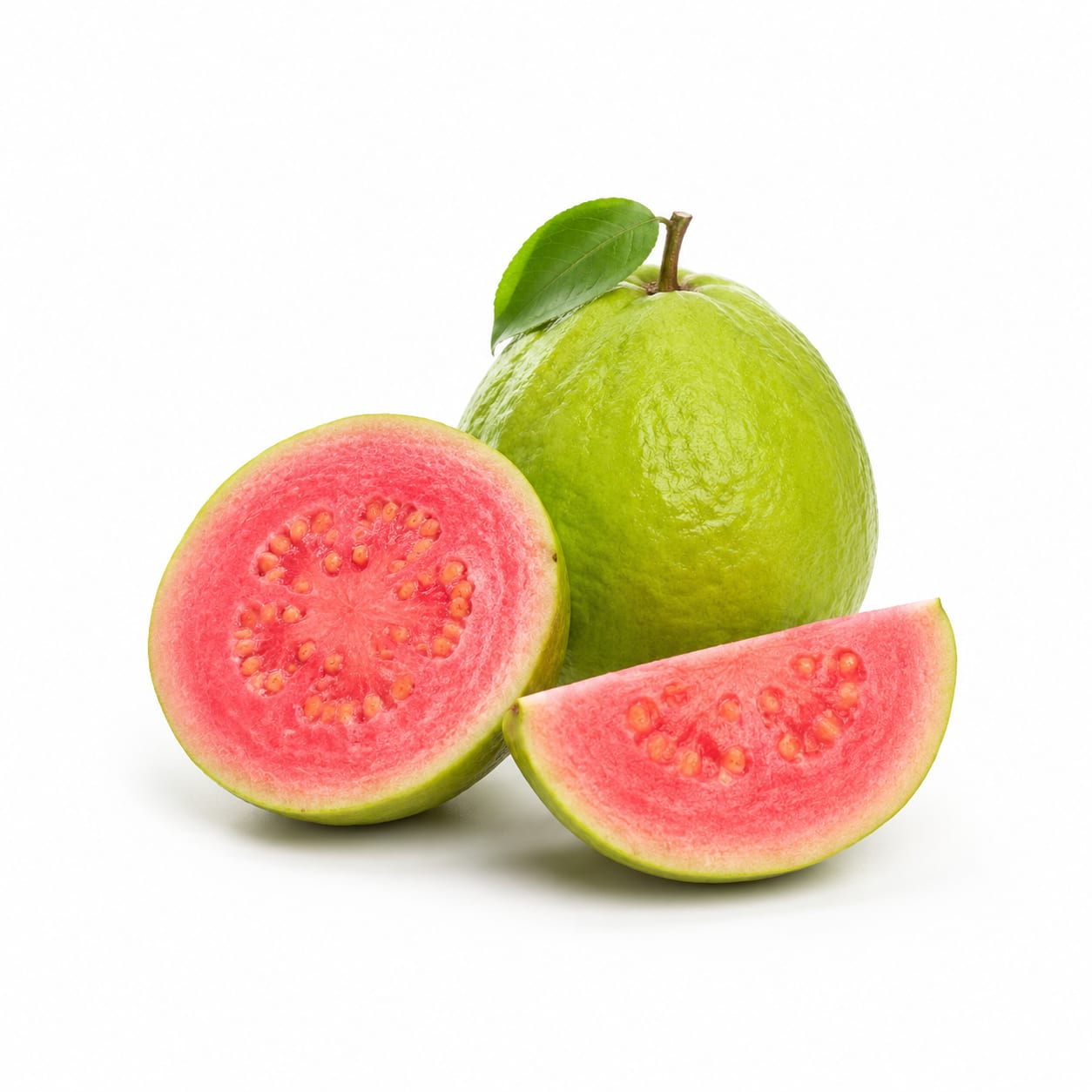
Fruit
Guava
A nutrient-dense tropical fruit exceptionally high in vitamin C and dietary fiber with a low glycemic index.
A round or oval tropical fruit with a green or yellow skin and interior flesh that ranges from white to deep pink or red, containing small edible seeds.
high-fiber low-glycemic tropical fruit
Typical serving · 55g
Common varieties · Apple Guava, Strawberry Guava, Pineapple Guava, White Guava, Pink Guava +1 more
Overall context score across nutrition, safety, and diet fit
At a glance
Quick facts
Simple indicators based on nutrition, processing, and diet fit.
The story
What makes it unique
Guava is a tropical fruit characterized by a moderate carbohydrate content, exceptionally high dietary fiber, and very high vitamin C. It digests at a moderate pace due to its fiber content, providing sustained satiety and a low glycemic response. As a whole, unprocessed food, its cellular structure remains intact, optimizing nutrient bioavailability.
Varieties: Apple Guava · Strawberry Guava · Pineapple Guava · White Guava · Pink Guava · Red Guava
Per 100g
Nutrition breakdown
Macro balance and key metrics at a glance.
Energy
Density 0.68 kcal/g
Protein
Carbs
Fat
Fiber
Sugar
8.9 g
Sodium
2 mg
Potassium
417 mg
Glycemic index
24
Glycemic load
3
Water content
81%
Standout compounds
Nutrient highlights
Vitamin C
highSupports immune function, collagen synthesis, and antioxidant defense
Dietary Fiber
highPromotes satiety, regulates blood sugar, and supports digestive health
Lycopene
highProvides powerful antioxidant protection against cellular damage
Potassium
moderateRegulates blood pressure and supports proper fluid balance
Wellness map
Health scores & processing
NOVA processing scale
Minimally processed · Whole food
Whole, raw guava is an unprocessed natural food with no added ingredients or artificial modifications.
Diet compatibility
- Weight loss
- Muscle gain
- Diabetes
- Gut health
- Low carb
- High protein
- Heart health
Relative standing
Food rankings
Qualitative ranks compared to similar whole foods.
- Satietyexcellent
- Blood sugarexcellent
- Nutrient densityexcellent
- Fitness fuelgood
- Processing qualityexcellent
Eat with confidence
Food safety profile
Guava is generally safe to consume. The primary concern is surface pesticide residue on conventionally grown fruit, which is effectively mitigated by washing.
Evidence confidence 90%
- Pesticideslow
- Antibioticslow
- Heavy metalslow
- Contaminationlow
Watch for
- Pesticide residues
- Surface bacteria
Safer choices
Organic guava reduces exposure to synthetic pesticide residues.
Prep tips
Rinse thoroughly under cool running water and gently rub the skin to remove potential residues and debris. Soaking in a baking soda solution for 10-15 minutes can further reduce surface pesticides.
Conventional farming may use synthetic pesticides; residue levels are generally well below regulatory limits but vary by region.
Deep dive
Health analysis
How this food may fit different goals and preparation choices.
Weight loss
High fiber and water content create significant bulk with very few calories, promoting satiety and naturally reducing overall calorie intake.
Blood sugar
Low glycemic index and high dietary fiber slow carbohydrate absorption, preventing sharp blood sugar spikes and improving insulin sensitivity.
Fitness & energy
Provides moderate carbohydrates for sustained energy alongside vitamin C to support oxidative stress reduction during and after exercise.
Gut health
Abundant dietary fiber acts as a prebiotic, supporting healthy bowel movements and fostering a diverse gut microbiome.
Processing quality
Whole guava is an unrefined food with intact cellular structure and nutrient synergy, representing the highest tier of food quality.
Food safety
Minimal safety concerns exist; the primary consideration is washing the skin to remove potential agricultural chemicals or surface microbes.
Common mistakes
Discarding the skin, which contains a large portion of the fiber and antioxidants, or avoiding the fruit entirely due to the seeds, which are edible and highly beneficial for digestion.
Best preparation
Eaten raw and whole, blended into smoothies with the seeds intact for fiber, or sliced into salads.
Practical guide
Best use cases
When and how this food fits real eating patterns.
high-volume low-calorie snacking
Eating whole guava provides high satiety and bulk for very few calories, making it ideal for curbing hunger between meals.
blood sugar friendly fruit option
A smart dessert or snack choice for individuals monitoring their blood glucose due to its low glycemic load.
vitamin C immune boost
Consuming guava during cold and flu season provides a massive natural dose of vitamin C to support immune function.
prebiotic fiber for gut health
The dietary fiber in guava feeds beneficial gut bacteria and supports healthy digestive transit.
Balance sheet
Pros & cons
Upsides
- Exceptionally high in vitamin C
- Very high dietary fiber content
- Low glycemic index stabilizes blood sugar
- Pink varieties are rich in the antioxidant lycopene
- Relatively low in calories compared to other tropical fruits
Trade-offs
- Seeds can be tough or bothersome for dental work or sensitive stomachs
- Less accessible and more expensive than common fruits in non-tropical regions
- Moderate sugar content may require portion control for strict low-carb diets
- Ripens quickly and has a short shelf life
Fit check
Who is it for?
Great match
- weight loss and satiety
- blood sugar management
- immune system support
- digestive regularity
Consider alternatives
- strict ketogenic diets
- people with severe seed intolerance or diverticulitis flare-ups
- very low residue diets
Side by side
How it compares
Open the full head-to-head analysis for nutrition, safety, and practical tradeoffs.
This food
Guava
VS85% alike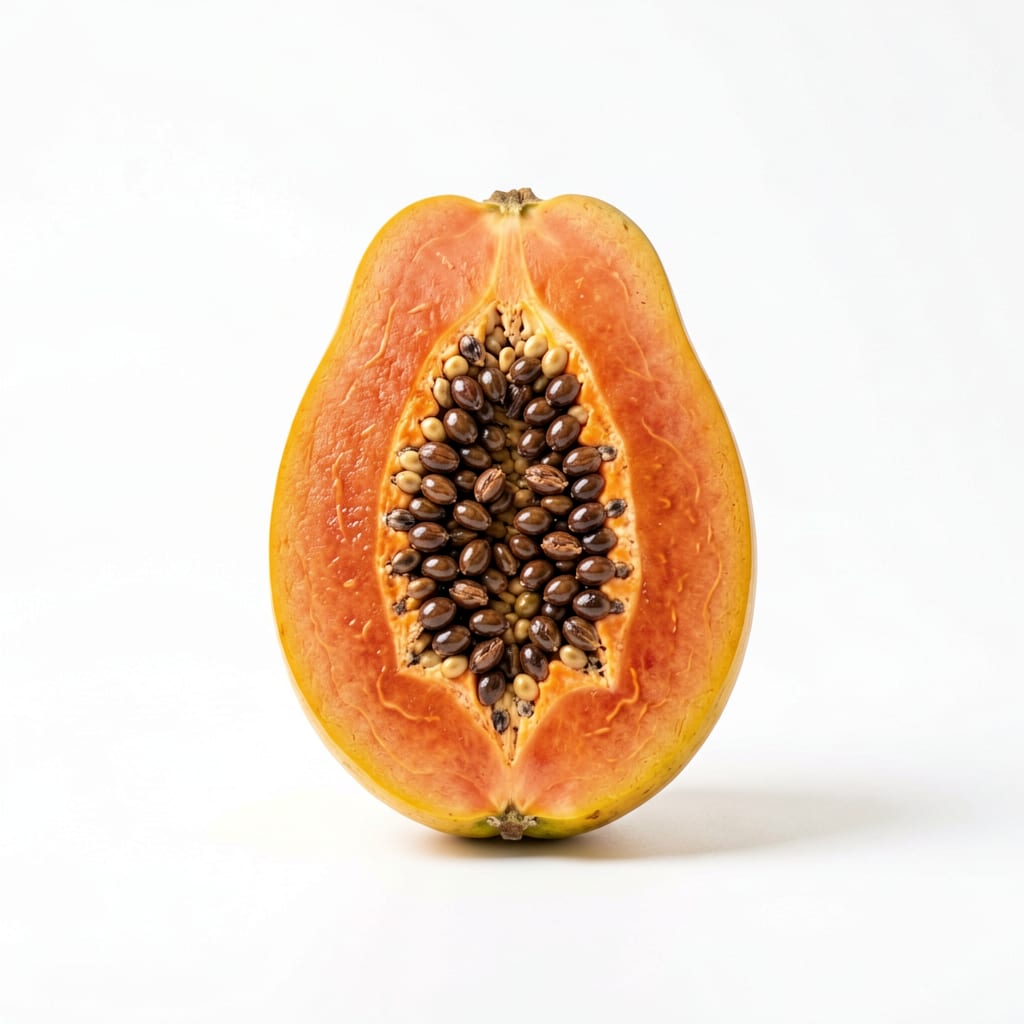
Compare with
Papaya
Guava beats papaya for weight loss and blood sugar control due to its significantly higher fiber and lower sugar content.
Guava provides more fiber and less sugar than papaya, making it better for weight loss and blood sugar control.
This food
Guava
VS80% alike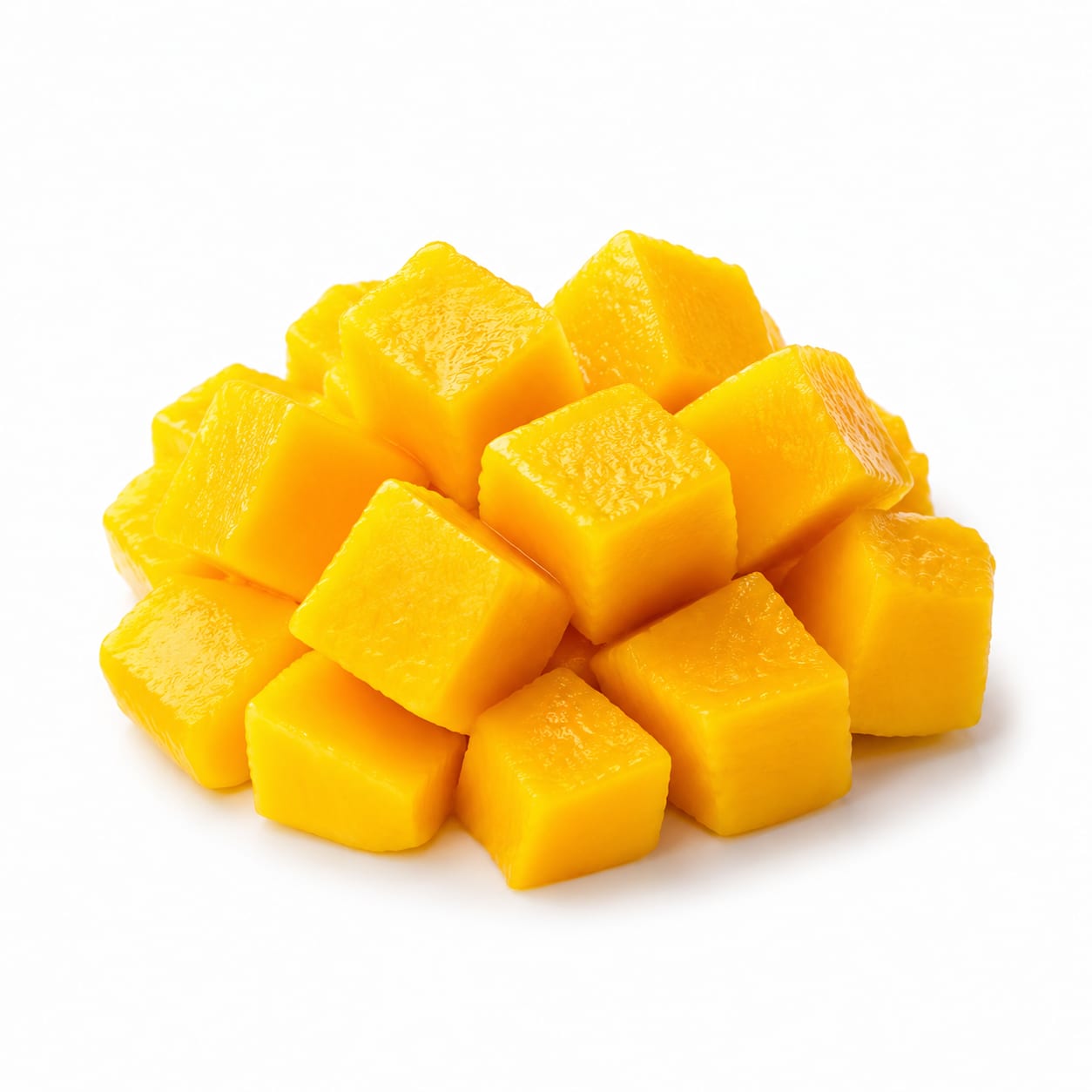
Compare with
Mango
Guava is superior for weight loss and diabetes management compared to mango, which has double the sugar and less fiber.
Guava is lower in calories and sugar than mango, offering better satiety and blood sugar stability.
This food
Guava
VS75% alike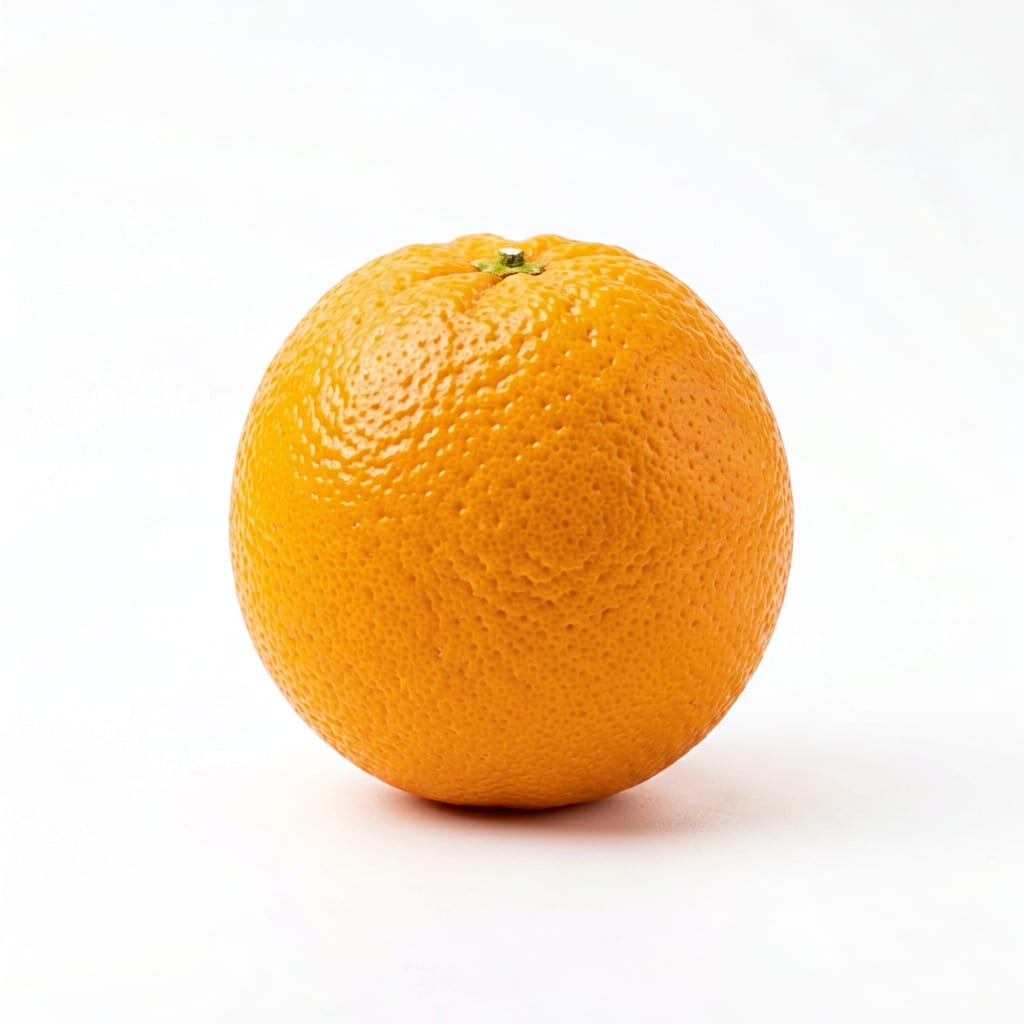
Compare with
Orange
While oranges are famous for vitamin C, guava has over four times as much and offers more fiber for fewer calories.
Guava contains vastly more vitamin C and fiber than an orange, making it more filling and nutritious per calorie.
This food
Guava
VS80% alike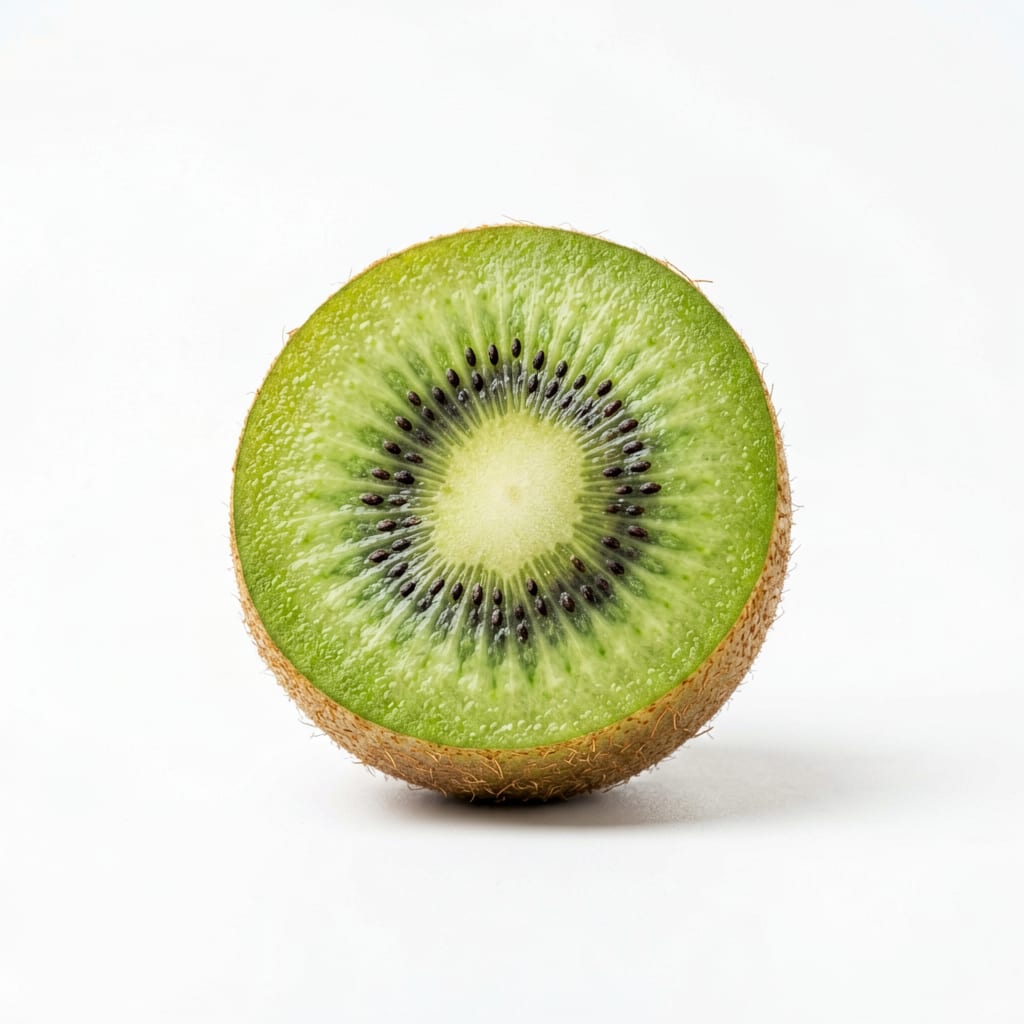
Compare with
Kiwi
Guava and kiwi are both nutritional powerhouses, but guava provides slightly better blood sugar control and more vitamin C per gram.
Guava and kiwi are both excellent choices, but guava offers more fiber and vitamin C, enhancing satiety and blood sugar control.
This food
Guava
VS70% alike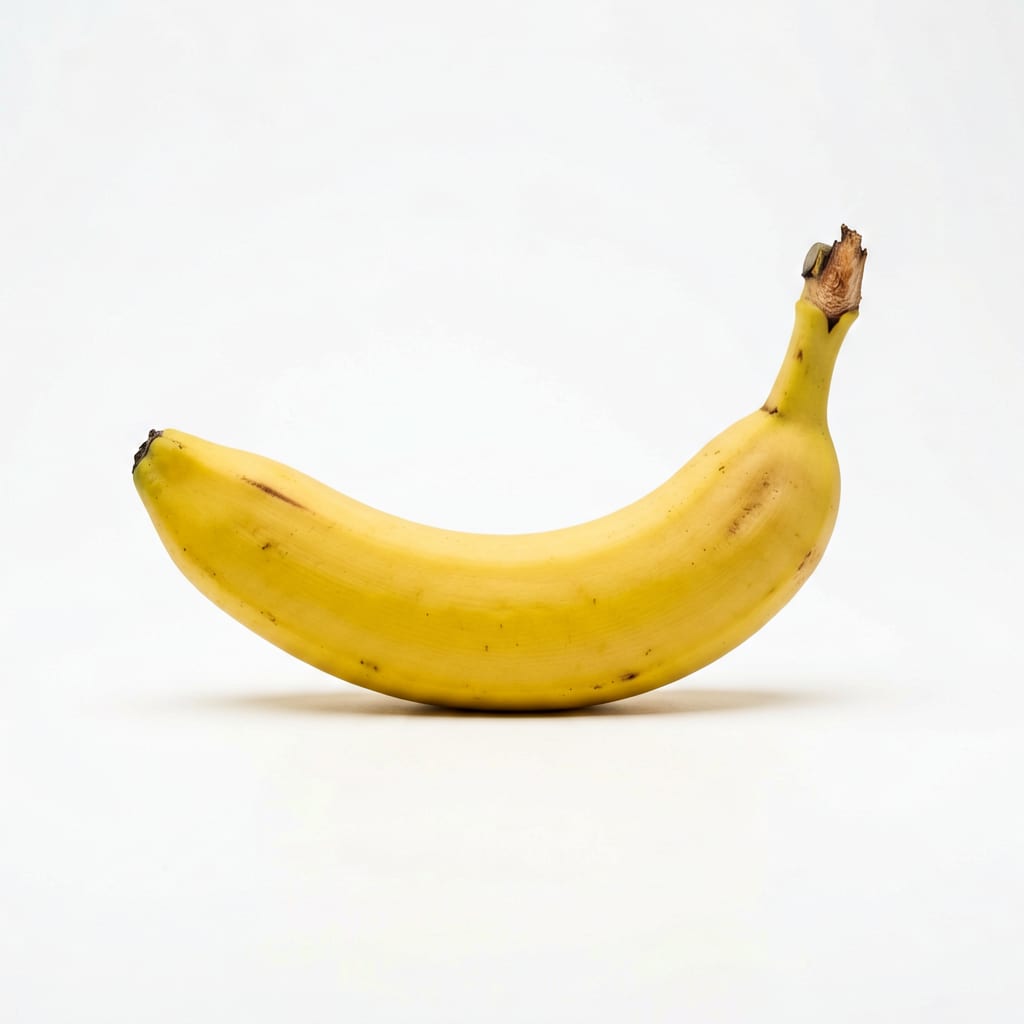
Compare with
Banana
Bananas offer faster energy for athletes, but guava is better for weight loss and blood sugar control due to its lower carb and higher fiber profile.
Bananas provide quick energy for workouts, while guava is better for weight loss and managing blood sugar due to its high fiber.
This food
Guava
VS75% alike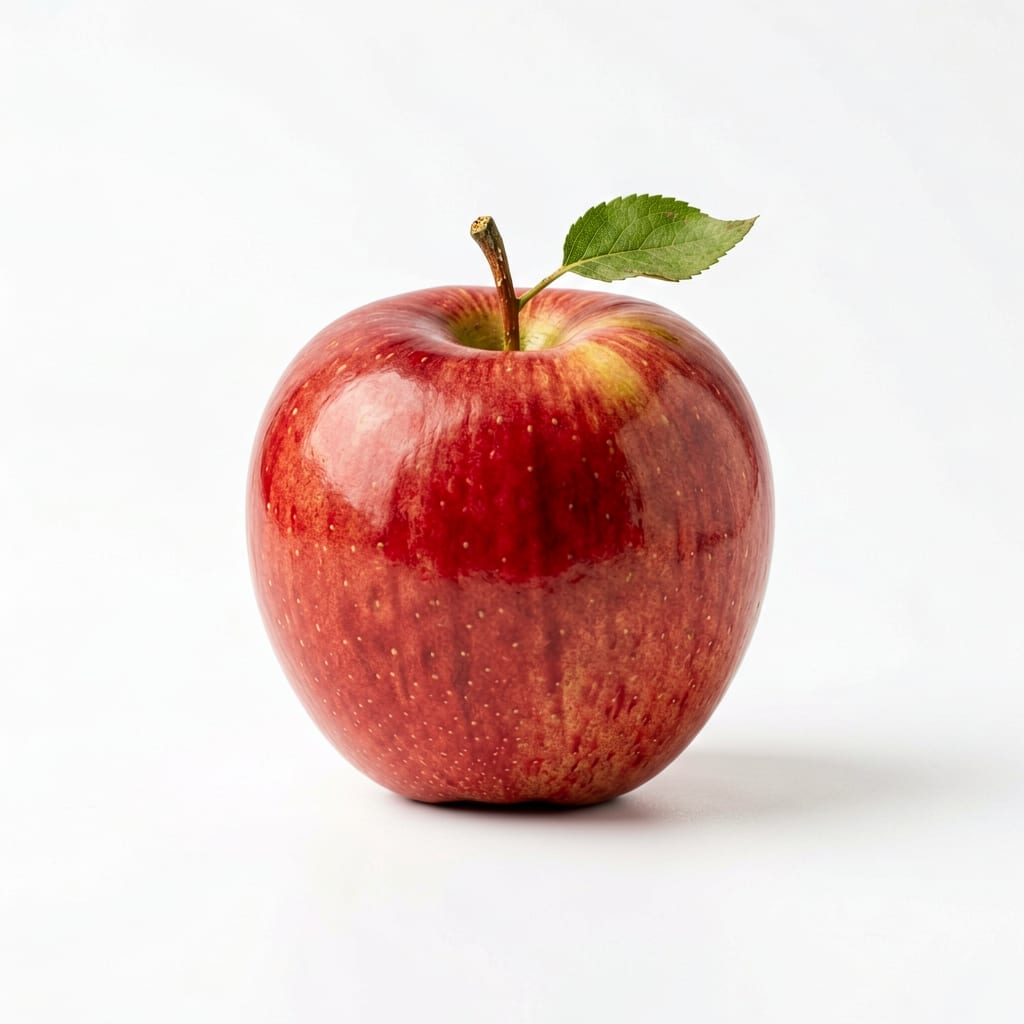
Compare with
Apple
Guava provides significantly more vitamin C and a lower glycemic impact than apples, though both are excellent high-fiber choices.
Guava offers much more vitamin C and a lower glycemic load than an apple, making it slightly better for blood sugar management.
This food
Guava
VS70% alike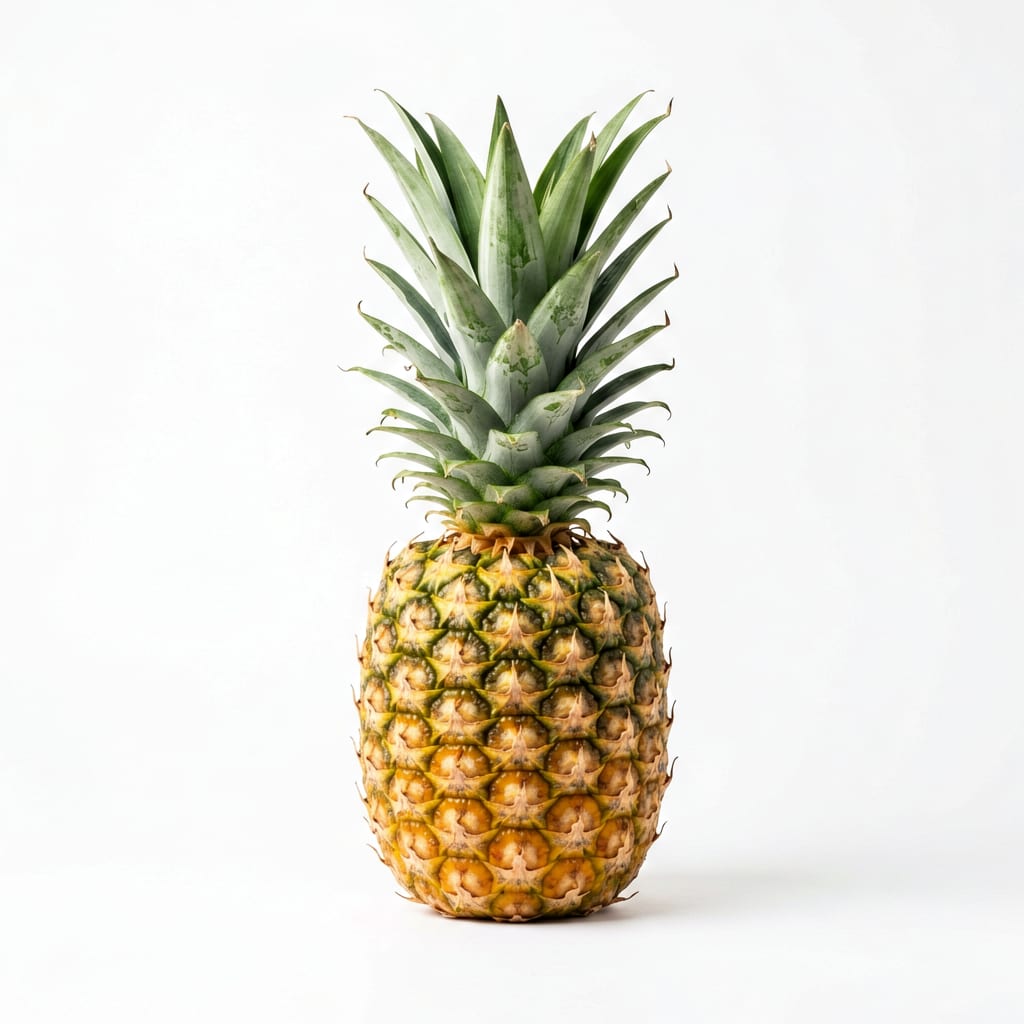
Compare with
Pineapple
Guava is the better choice for satiety and blood sugar stability, while pineapple offers more quick-digesting carbs for post-workout recovery.
Guava is lower in sugar and higher in fiber than pineapple, making it a better option for sustained energy and satiety.
This food
Guava
VS80% alike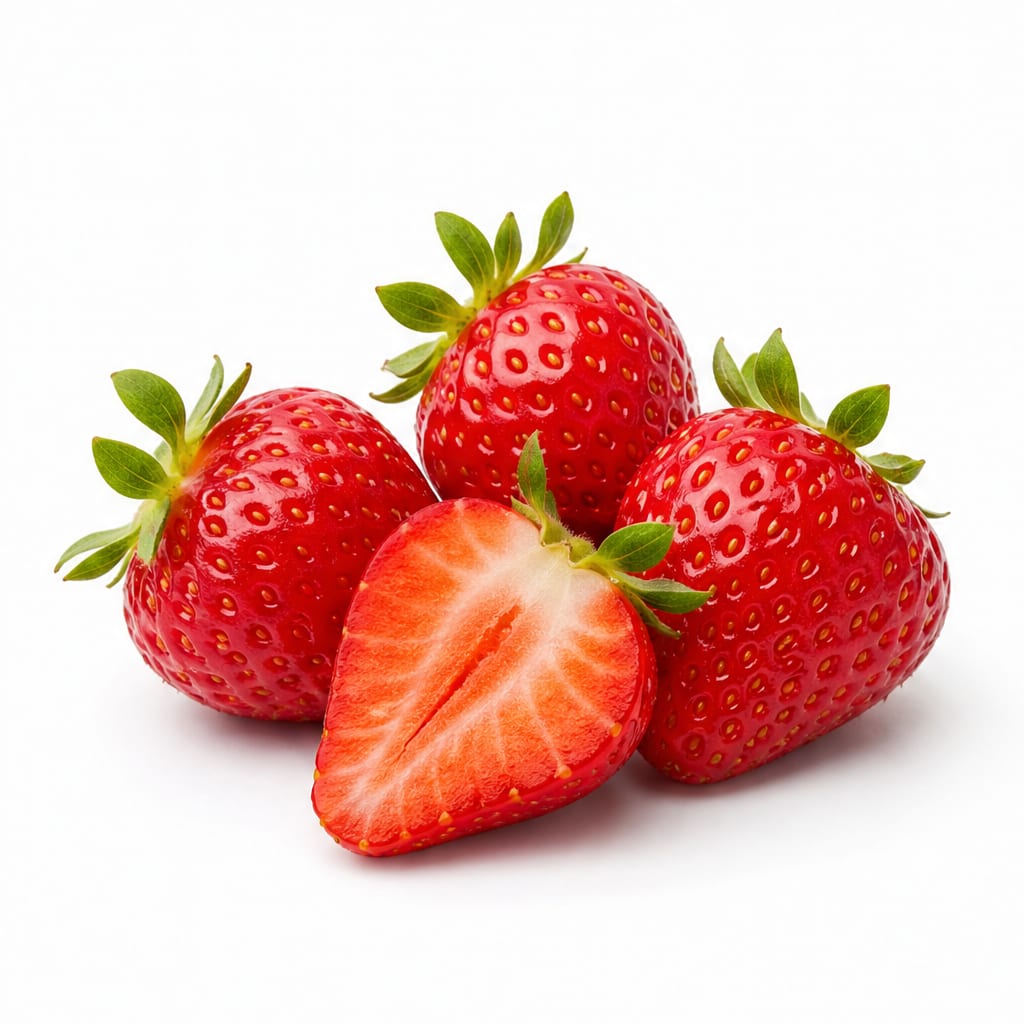
Compare with
Strawberries
Strawberries are slightly lower in calories and sugar, but guava offers more fiber and a stronger satiety effect.
Strawberries are lower in sugar, but guava provides more fiber per serving, making guava slightly more filling.
This food
Guava
VS75% alike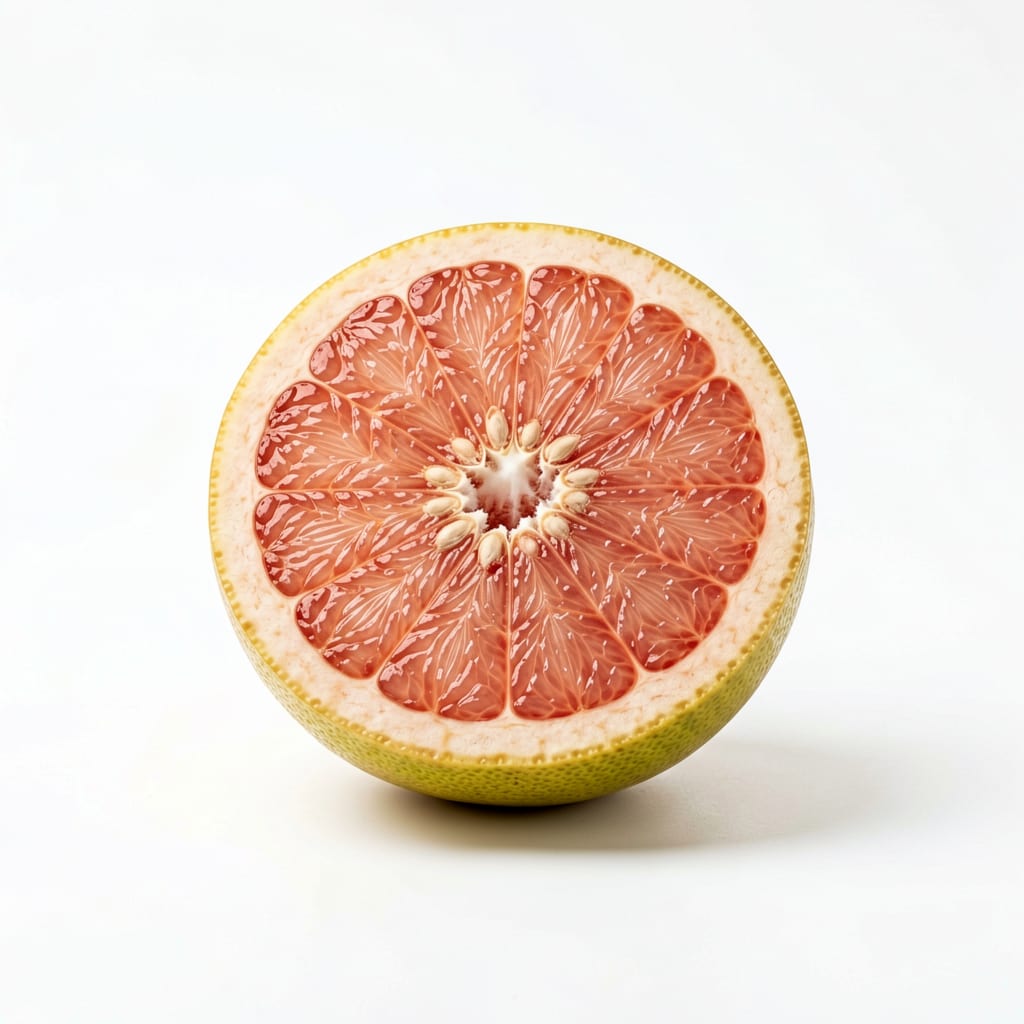
Compare with
Grapefruit
Grapefruit is a classic weight loss food, but guava provides more fiber and vitamin C, making it slightly better for fullness and immunity.
Guava matches grapefruit for weight loss but wins on blood sugar control and satiety due to its higher fiber content.
This food
Guava
VS65% alike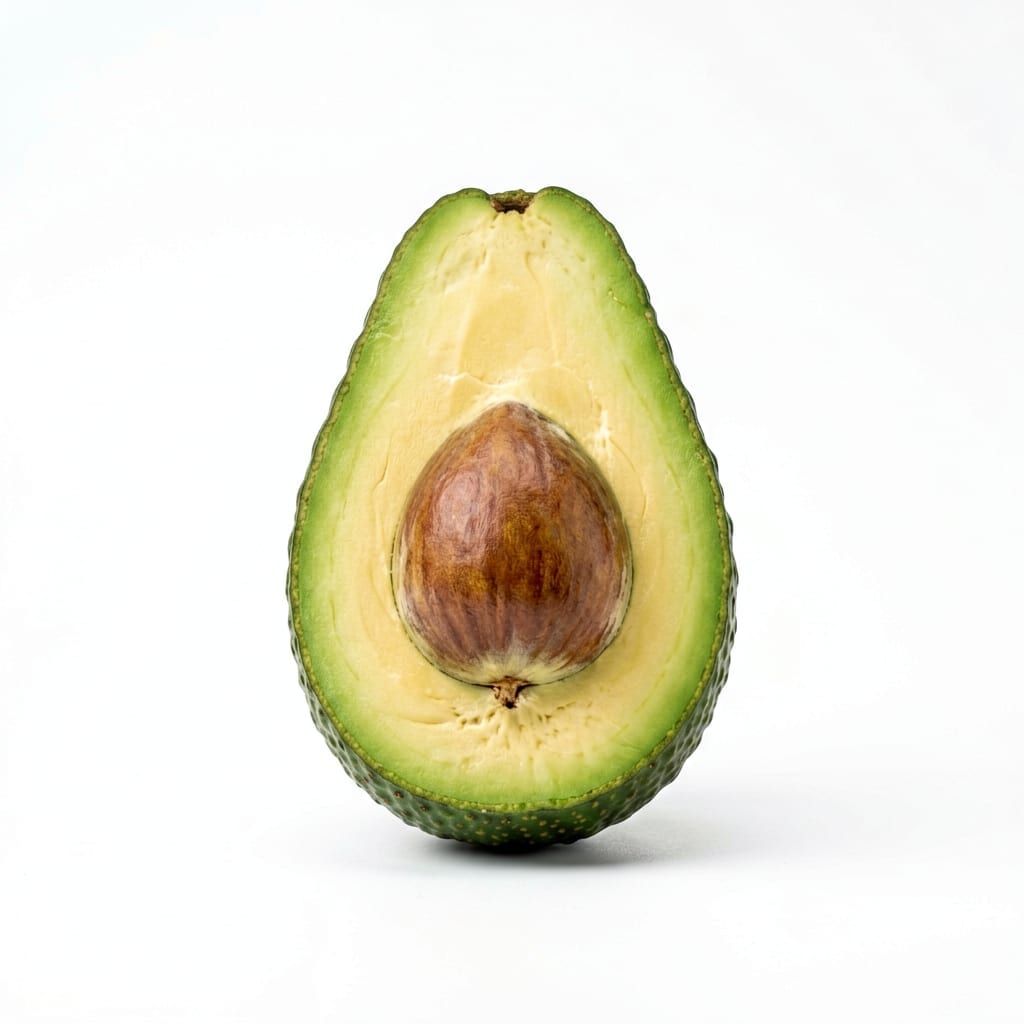
Compare with
Avocado
Avocado provides healthy fats and extreme satiety, while guava offers low-calorie bulk and carbohydrates, making guava better for low-calorie diets.
Avocado provides healthy fats for sustained energy, while guava is a low-calorie, high-fiber choice better for restrictive diets.
Common questions
FAQ
Answers aligned with how people search for this food.
Is guava good for weight loss?
Yes, guava is excellent for weight loss. It is very low in calories but packed with fiber, which helps you feel full longer and reduces overall calorie consumption.
Can diabetics eat guava?
Yes, guava is highly diabetic-friendly. It has a low glycemic index and is rich in dietary fiber, which slows down sugar absorption and prevents blood sugar spikes.
Is it safe to eat guava seeds?
Yes, guava seeds are completely edible and are actually a great source of insoluble fiber, which aids digestion. However, they can be hard, so individuals with dental issues or severe diverticulitis may choose to avoid them.
Does guava have more vitamin C than oranges?
Yes, guava contains over 200mg of vitamin C per 100g, which is more than four times the amount found in an orange.
Is guava a high sugar fruit?
No, guava is considered a moderate-sugar fruit. It contains about 9g of sugar per 100g, which is significantly lower than fruits like bananas, grapes, and mangoes.
Can you eat guava skin?
Yes, the skin is entirely edible and contains high concentrations of fiber and antioxidants. It should be washed thoroughly before eating to remove any potential pesticide residue.
Is guava good for constipation?
Yes, the high fiber content in guava, especially from the seeds and skin, promotes regular bowel movements and helps relieve constipation.
Transparency
Data confidence
Estimated confidence for nutrition data, interpretation, safety notes, and comparisons.
Nutrition data
Health analysis
Food safety
Comparisons