
Nutrition comparison
Guava vs Mango: Which Tropical Fruit Is Healthier?
Guava delivers 4x more vitamin C, twice the fiber, and half the sugar of mango. Compare these tropical fruits on blood sugar impact, nutrition, and taste to find your best choice.
Overall winner · Guava
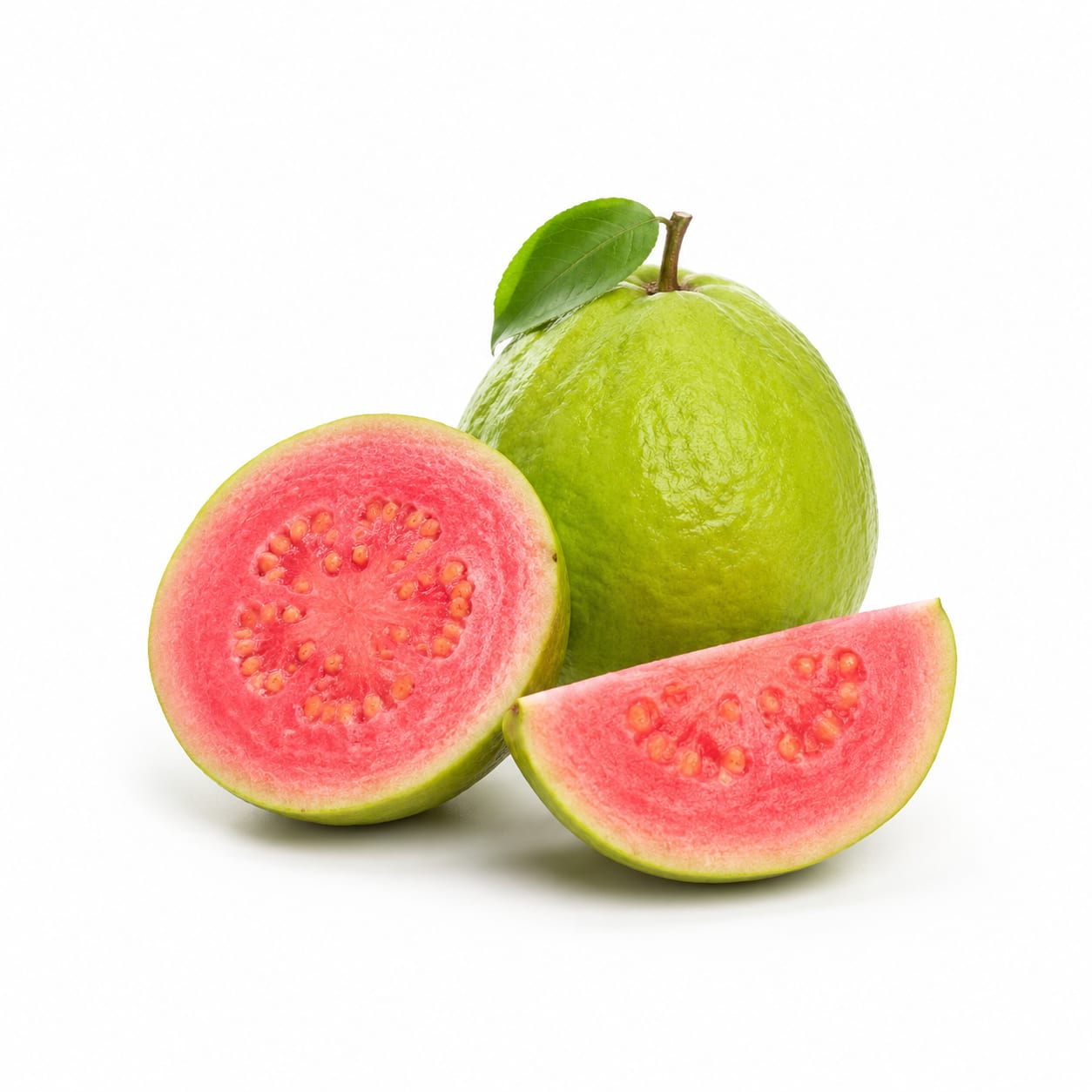
Guava
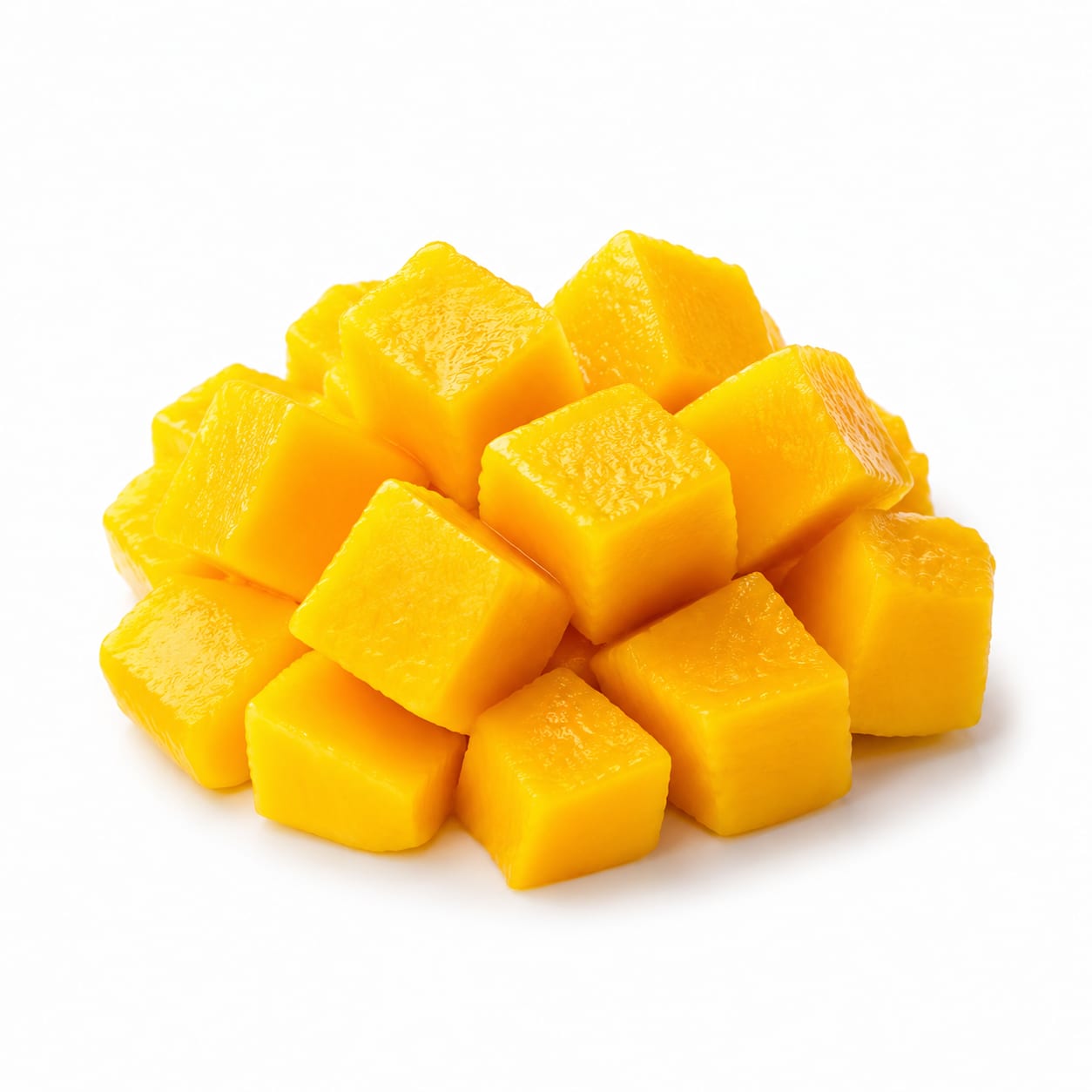
Mango
Guava wins nutritionally with far more vitamin C, fiber, and less sugar, but mango offers richer flavor and more vitamin A for those who find guava too tart.
Guava scores notably higher due to its superior nutrient density, lower sugar, and higher fiber. Mango remains a healthy whole food but its higher sugar and calorie content create meaningful tradeoffs for daily consumption.
Guava gives you more nutrients per calorie and steadier blood sugar, while mango delivers a sweeter, more indulgent eating experience with superior vitamin A.
At a glance
Executive summary
Overall
Guava
Healthier
Guava
More practical
Mango
Daily use
Guava
Key comparison lenses
blood sugar management
Guava has dramatically less sugar and a lower glycemic impact, making this the most consequential difference for many users
vitamin C optimization
Guava delivers roughly 4x more vitamin C than mango, which is a striking nutritional gap
weight-conscious snacking
Calorie and sugar differences make this comparison highly relevant for anyone managing intake
tropical fruit selection for daily eating
Both are popular tropical fruits often substituted for each other in meals and smoothies
fiber and digestive health
Guava's fiber advantage significantly affects fullness and gut health outcomes
Best choice for
Guava
- People managing blood sugar or diabetes
- Anyone maximizing vitamin C intake
- Weight-conscious snackers seeking low-calorie fullness
- Those who enjoy tart, complex flavors
Mango
- Kids and picky eaters who prefer sweet fruit
- Anyone needing more vitamin A in their diet
- People wanting an easy, satisfying dessert fruit
- Smoothie lovers seeking creamy texture and natural sweetness
Least suitable for
Guava
- People who dislike tart or astringent flavors
- Anyone struggling to find fresh guava locally
- Those wanting a sweet, dessert-like fruit experience
Mango
- People strictly limiting sugar intake
- Diabetics monitoring glycemic load carefully
- Anyone counting calories who tends to overeat sweet fruit
Deep comparison
Dimension by dimension
Each lens scores both foods and breaks down who each option suits.
- Dimension 1 · Priority 92Guava
blood sugar stability
Guava · 88Mango · 52Guava keeps blood sugar far steadier with roughly half the sugar and significantly more fiber per serving.
Tradeoff
Mango's sweetness comes with a higher glycemic load that can spike blood sugar more quickly, especially in larger portions.
Why it matters
Steadier blood sugar means fewer energy crashes, reduced cravings, and better metabolic health over time.
Real-world impact
Eating guava as an afternoon snack won't leave you reaching for more food an hour later. A large mango can trigger a sugar rush followed by a dip.
Guava
- Diabetics and pre-diabetics
- Intermittent fasters breaking a fast gently
- Anyone prone to afternoon energy crashes
Better for
- Situations where quick energy is the priority
Worse for
Mango
- Endurance athletes needing quick carbs post-workout
- Underweight individuals seeking easy calories
Better for
- Late-night snacking when blood sugar should stay low
- Sedentary evenings on the couch where portion control fades
Worse for
- Dimension 2 · Priority 88Guava
vitamin C content
Guava · 97Mango · 60Guava is a vitamin C powerhouse, delivering roughly 4 times more than mango per serving.
Tradeoff
Mango still provides decent vitamin C but cannot compete with guava's exceptional levels.
Why it matters
Vitamin C supports immunity, skin health, and iron absorption. Getting enough from food beats relying on supplements.
Real-world impact
One guava can cover your entire daily vitamin C needs. You would need several mango servings to match that.
Guava
- Anyone fighting off a cold
- People with iron deficiency needing better absorption
- Skincare-focused eaters supporting collagen production
Better for
- People with severe citrus allergies who may also react to guava
Worse for
Mango
- Those already getting ample vitamin C from other sources
Better for
- Anyone relying on fruit as their primary vitamin C source
Worse for
- Dimension 3 · Priority 78Mango
vitamin A and eye health
Guava · 45Mango · 88Mango is rich in beta-carotene and vitamin A precursors, far surpassing guava in this category.
Tradeoff
Guava provides minimal vitamin A, so mango fills an important nutritional gap that guava leaves open.
Why it matters
Vitamin A supports vision, immune function, and skin integrity. Many people don't get enough from their diet.
Real-world impact
Regular mango consumption noticeably supports eye health, especially for people who don't eat many orange or dark green vegetables.
Guava
- No significant advantage in this dimension
Better for
- Anyone relying on fruit alone for vitamin A intake
Worse for
Mango
- People with poor night vision or eye health concerns
- Those who don't eat carrots, sweet potatoes, or leafy greens regularly
- Children needing vitamin A for development
Better for
- No real disadvantage in this dimension
Worse for
- Dimension 4 · Priority 82Guava
fiber and satiety
Guava · 90Mango · 58Guava packs significantly more fiber, especially when eaten with seeds, making it far more filling per calorie.
Tradeoff
Mango's lower fiber and higher sugar make it easier to overeat without feeling full.
Why it matters
Fiber controls hunger, supports digestion, and feeds gut bacteria. Higher satiety means fewer unplanned snacks later.
Real-world impact
A guava with seeds feels like a substantial snack. A mango disappears quickly and may leave you wanting more.
Guava
- Weight loss dieters needing snacks that actually satisfy
- People with sluggish digestion
- Anyone trying to reduce between-meal snacking
Better for
- People with diverticulitis or seed sensitivity
- Anyone who finds the seedy texture unpleasant
Worse for
Mango
- Those recovering from illness who need gentle, low-fiber foods
- People with sensitive digestive systems bothered by seeds
Better for
- Emotional eaters who can easily consume an entire mango without feeling full
Worse for
- Dimension 5 · Priority 75Mango
taste appeal and eating enjoyment
Guava · 62Mango · 88Mango's lush, sweet flavor and creamy texture make it one of the most universally loved fruits. Guava's tartness and seedy texture are more polarizing.
Tradeoff
Guava's complex flavor rewards adventurous eaters but can be off-putting. Mango is an easy pleasure almost everyone enjoys.
Why it matters
Food that tastes good gets eaten consistently. The best nutritional profile means nothing if it sits uneaten.
Real-world impact
Mango is the fruit people actually look forward to eating. Guava often requires an acquired taste or creative preparation.
Guava
- Culinary experimenters who enjoy tart, tropical complexity
- People who like eating fruit that feels less like dessert and more like food
Better for
- Picky eaters and children
- People expecting a sweet, easy snacking experience
Worse for
Mango
- Families needing fruit that kids actually want
- Anyone using fruit as a healthy dessert replacement
- Smoothie makers wanting natural sweetness and creaminess
Better for
- Those trying to reduce sweet cravings by avoiding very sweet foods
Worse for
- Dimension 6 · Priority 70Mango
availability and convenience
Guava · 48Mango · 78Mango is widely available in most grocery stores year-round. Fresh guava is harder to find outside tropical regions.
Tradeoff
Guava's superior nutrition means little if you cannot find fresh fruit. Frozen and packaged options vary in quality.
Why it matters
Consistency depends on access. The fruit you can reliably buy is the one you will actually eat regularly.
Real-world impact
Most people can grab a mango at any supermarket. Finding good guava often requires specialty stores or frozen options.
Guava
- People living in tropical regions where guava is abundant
- Online shoppers with access to quality frozen guava
Better for
- Rural shoppers with limited produce selection
- Anyone unfamiliar with picking ripe guava
Worse for
Mango
- Most shoppers in temperate climates
- Anyone who values grab-and-go convenience
- People unfamiliar with selecting ripe guava
Better for
- No significant disadvantage in this dimension
Worse for
Timeline
Health impact over time
Short-term
Hours to days
Guava
- Steadier energy without sugar spikes due to low glycemic load
- Quick immune support from massive vitamin C content
- Feeling fuller for longer thanks to high fiber
Mango
- Quick energy boost from natural sugars, useful after exercise
- Immediate satisfaction from sweet, enjoyable flavor
- Mild digestive support from natural enzymes
Long-term
Months to years
Guava
- Better blood sugar regulation with consistent consumption
- Stronger immune resilience from sustained high vitamin C intake
- Improved gut health and regularity from fiber density
- Lower risk of overeating due to natural satiety signals
Mango
- Improved vision and eye health from consistent beta-carotene intake
- Risk of excess sugar consumption if portions are not managed
- Better skin health from vitamin A and antioxidant content
- Potential weight gain if eaten frequently in large quantities
Risk profile
Safety & processing
Both guava and mango are whole, unprocessed fruits when eaten fresh. Neither carries meaningful additive concerns in their natural form. Watch out for canned mango in syrup or sweetened guava paste, which are entirely different products nutritionally.
Guava
Pesticide residue on conventionally grown guava
mediumGuava's edible skin can retain pesticide residues. Washing thoroughly or choosing organic reduces this concern significantly.
Seed-related digestive discomfort
lowGuava seeds are generally safe but can bother people with diverticulitis or sensitive digestion. Removing seeds eliminates this issue.
Mango
Pesticide residue on conventionally grown mango
lowMango peel can carry residues, but most people discard the skin. The thick peel provides natural protection for the flesh.
Urushiol exposure from mango peel
mediumMango skin contains urushiol, the same compound as poison ivy. People with sensitivity may develop contact dermatitis. Always peel mangoes carefully and avoid touching the skin to your face.
Overconsumption leading to excess sugar intake
mediumMango's sweetness and large serving size make it easy to consume 40+ grams of sugar in one sitting, which can strain metabolic health over time.
Who wins for whom
Audience fit
Same foods, different winners depending on your goal.
children
MangoMost children love mango's sweet, smooth texture. Guava's tartness and seedy consistency often require more persuasion.
daily consumption
GuavaGuava's nutrient density and low sugar make it better suited for everyday eating without metabolic downsides, assuming you enjoy the flavor.
diabetes
GuavaGuava's dramatically lower sugar content and higher fiber create a much gentler blood sugar response, making it the safer regular choice.
elderly
GuavaGuava's superior fiber supports digestive regularity, and its high vitamin C helps maintain immune strength and skin integrity in aging bodies.
muscle gain
MangoMango provides more quick-digesting carbs that can support glycogen replenishment after training, though neither fruit is a primary muscle-building food.
weight loss
GuavaGuava's lower calories, higher fiber, and lower sugar make it naturally portion-controlled and more satiating per calorie.
Your move
Decision guide
Choose Guava
- You want maximum nutrition with minimal sugar and calories
- Blood sugar management is a priority for you
- You enjoy or can acquire a taste for tart, complex flavors
- You struggle with between-meal hunger and need filling snacks
- Immune support is a top concern
Choose Mango
- You want a delicious fruit that feels like a treat
- Vitamin A and eye health are bigger priorities for you
- You are feeding kids who reject tart flavors
- You need quick post-workout carbs from a whole food source
- You live somewhere where fresh guava is hard to find
Either works if
- You simply want more tropical fruit variety in your diet
- You rotate fruits seasonally and enjoy both at different times
- You are generally healthy with no blood sugar concerns
Avoid both if
- You have a specific tropical fruit allergy
- You are on a very strict very-low-carb ketogenic diet
- You have FODMAP sensitivities that trigger with either fruit
Final recommendation
Make guava your everyday tropical fruit for its unmatched nutrient density and blood sugar friendliness. Keep mango as an occasional pleasure or when you specifically want its vitamin A benefits and sweet satisfaction. If guava is unavailable or unappealing to you, mango remains a healthy whole fruit — just watch your portions.
Practical
Consumer tips
- 1
If fresh guava is unavailable, frozen guava retains most of its vitamin C and works well in smoothies.
- 2
Choose smaller mangoes or share a large one to keep sugar intake reasonable.
- 3
Wash guava thoroughly if eating the skin, or peel it to reduce pesticide exposure.
- 4
If mango skin irritates your hands, peel it under running water or have someone without sensitivity handle it.
- 5
Pair mango with protein like Greek yogurt to blunt the blood sugar spike.
- 6
Guava with seeds provides maximum fiber. If seeds bother you, scoop them out but know you lose some fiber benefit.
- 7
Ripe guava should yield slightly to pressure like a ripe pear. Rock-hard guava needs a few days at room temperature.