
Nutrition comparison
Guava vs Avocado: Which Is Healthier for You?
Compare guava and avocado to see which fruit wins for weight loss, heart health, and daily energy. Discover the nutritional tradeoffs between vitamin C and healthy fats.
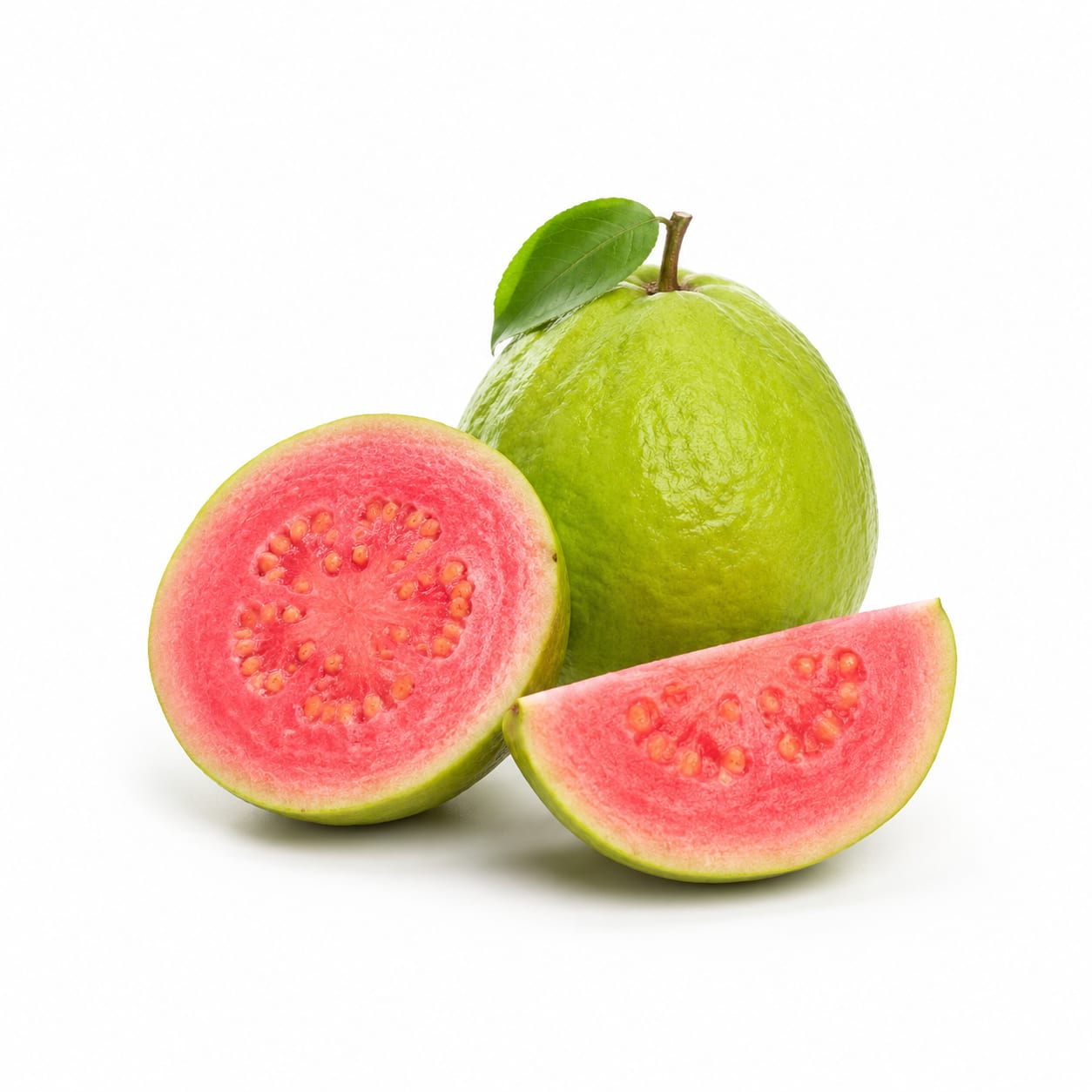
Guava
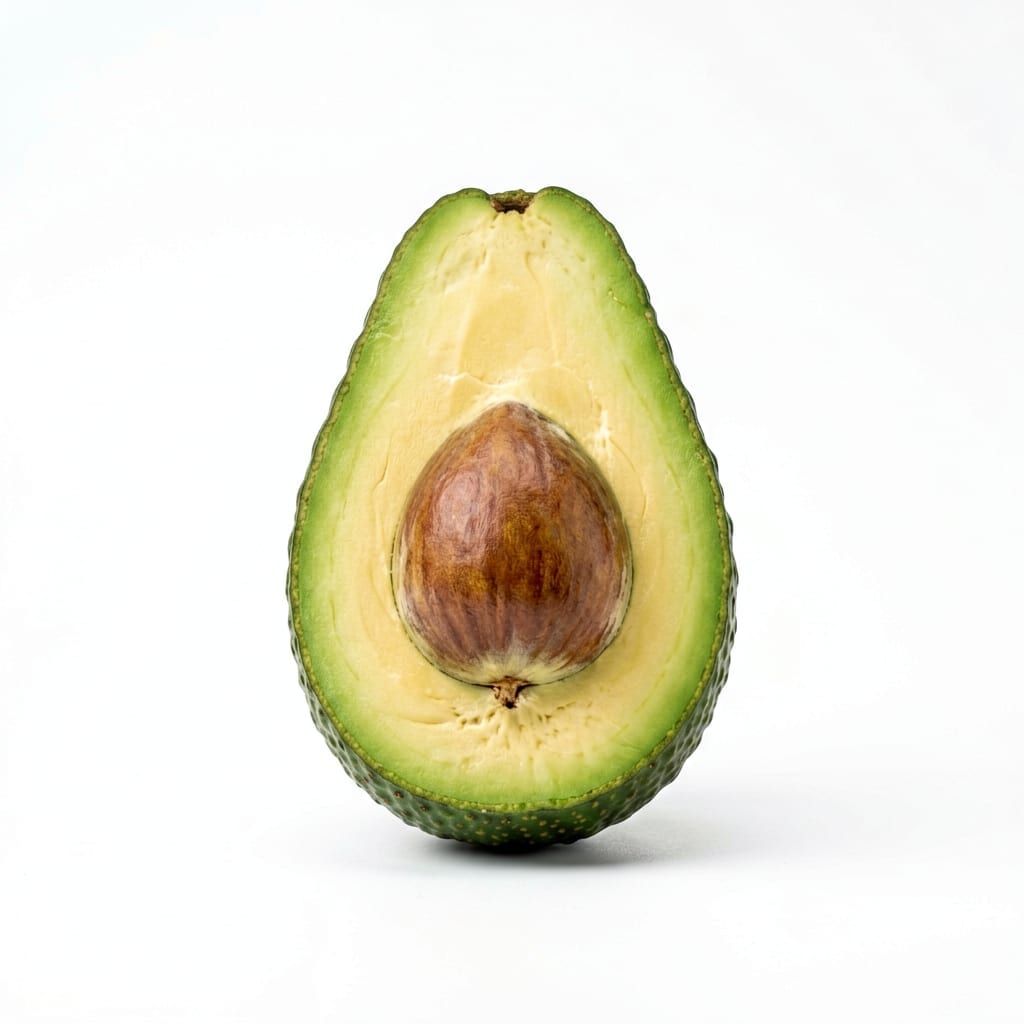
Avocado
Guava delivers a massive vitamin C boost with fewer calories, while avocado provides sustained energy and heart-healthy fats that keep you full longer.
Avocado slightly edges out due to its unmatched healthy fat profile and meal versatility, but guava's micronutrient density makes it a nutritional powerhouse in a different way.
Low-calorie vitamin explosion versus high-calorie hunger-crushing healthy fats.
At a glance
Executive summary
Overall
It depends
Healthier
It depends
More practical
Avocado
Daily use
Avocado
Key comparison lenses
Vitamin & Antioxidant Boost vs Healthy Fat Intake
Guava is a vitamin C powerhouse, while avocado is prized for its monounsaturated fats.
Weight Management Strategy
Guava offers low-calorie volume eating, whereas avocado provides high-calorie satiety.
Blood Sugar Control
Comparing a fruit with natural sugars against a virtually zero-sugar, high-fat fruit.
Meal Versatility
Avocado is a culinary staple for savory meals, while guava is often treated as a sweet snack.
Best choice for
Guava
- Low-calorie snacking
- Immune system support
- Increasing fruit volume
Avocado
- Keto or low-carb diets
- Sustained energy needs
- Heart health focus
Least suitable for
Guava
- Strict low-carb or keto diets
- High-calorie bulking phases
Avocado
- Strict calorie restriction
- Fat-restricted diets
Deep comparison
Dimension by dimension
Each lens scores both foods and breaks down who each option suits.
- Dimension 1 · Priority 95Guava
Micronutrient Density
Guava · 95Avocado · 80Guava is one of the richest sources of vitamin C on the planet, far surpassing avocado, while also offering more folate.
Tradeoff
You get an immune-boosting vitamin surge from guava, but miss out on the fat-soluble vitamin absorption that avocado's fats provide.
Why it matters
Vitamin C is crucial for immunity and skin health, and guava provides it in extreme abundance.
Real-world impact
Eating a guava can nearly meet your entire daily vitamin C needs in one sitting, whereas avocado helps you absorb vitamins from other foods eaten alongside it.
Guava
- Immune support
- Skin health
- Antioxidant boost
Better for
- Fat-soluble vitamin absorption
Worse for
Avocado
- Nutrient absorption from other foods
- Vitamin E intake
Better for
- Acute immune boosting
Worse for
- Dimension 2 · Priority 90Avocado
Satiety & Energy
Guava · 70Avocado · 95Avocado's high monounsaturated fat content digests slowly, providing long-lasting fullness and steady energy.
Tradeoff
Avocado keeps you full for hours but comes with a high calorie cost, while guava is a lighter, refreshing snack that won't weigh you down.
Why it matters
Staying full between meals prevents overeating and energy crashes.
Real-world impact
Half an avocado at lunch can keep you full until dinner, while guava is a perfect light afternoon pick-me-up.
Guava
- Light snacking
- Pre-workout energy
Better for
- Staying full for hours on few calories
Worse for
Avocado
- Long workdays
- Preventing afternoon crashes
- Meal replacement satiety
Better for
- Eating large volumes without overconsuming calories
Worse for
- Dimension 3 · Priority 85Avocado
Blood Sugar Friendliness
Guava · 80Avocado · 95Both are excellent choices, but avocado has virtually zero sugar and high fat, making it impossible to spike blood sugar.
Tradeoff
Guava has natural sugars offset by high fiber, but avocado eliminates sugar entirely for perfect glycemic control.
Why it matters
Stable blood sugar prevents cravings, mood swings, and fatigue.
Real-world impact
Avocado is a safe bet for diabetics wanting zero glycemic impact, while guava is a safe fruit that won't cause a major crash.
Guava
- A sweet treat that won't spike sugar heavily
Better for
- Those extremely sensitive to any sugar
Worse for
Avocado
- Strict glycemic control
- Diabetic-friendly meals
Better for
- Those needing quick carbohydrate energy
Worse for
- Dimension 4 · Priority 85Avocado
Heart Health
Guava · 82Avocado · 92Avocado's monounsaturated fats actively lower bad cholesterol, while guava's soluble fiber also supports healthy cholesterol levels.
Tradeoff
Avocado directly supplies heart-protective fats, whereas guava relies on fiber and antioxidants to protect the cardiovascular system.
Why it matters
Heart disease risk is heavily influenced by the type of fats and fiber in your diet.
Real-world impact
Regular avocado consumption is strongly linked to improved lipid panels, while guava helps through fiber-driven cholesterol reduction.
Guava
- Lowering cholesterol via fiber
- Reducing oxidative stress
Better for
- Providing heart-healthy fats
Worse for
Avocado
- Raising HDL cholesterol
- Lowering LDL cholesterol directly
Better for
- Providing antioxidant variety
Worse for
- Dimension 5 · Priority 80Guava
Calorie Density & Weight Management
Guava · 90Avocado · 65Guava is a low-calorie, high-volume food, making it easy to eat a lot without gaining weight, unlike calorie-dense avocado.
Tradeoff
You can eat multiple guavas without breaking the calorie bank, but a single avocado packs over 200 calories.
Why it matters
Managing weight requires balancing fullness with total calorie intake.
Real-world impact
If you are craving a large snack, guava lets you eat a satisfying volume for under 100 calories, whereas overeating avocado is easy to do.
Guava
- Volume eating
- Calorie counting
- Light snacking
Better for
- Those needing calorie-dense fuel
Worse for
Avocado
- High-calorie needs
- Bulking
Better for
- Strict calorie deficits
- Unconscious snacking
Worse for
Timeline
Health impact over time
Short-term
Hours to days
Guava
- Quick vitamin C boost
- Light, refreshing energy
- Mild blood sugar rise offset by fiber
Avocado
- Immediate feeling of fullness
- Steady, calm energy
- No blood sugar spike
Long-term
Months to years
Guava
- Stronger immune system
- Better skin elasticity from vitamin C
- Improved digestion from fiber
Avocado
- Improved cholesterol levels
- Better heart health
- Sustained weight management through satiety
Risk profile
Safety & processing
Both guava and avocado are whole, natural foods typically eaten raw and unprocessed, making them exceptionally clean choices.
Guava
Pesticide residue
mediumGuava skins can retain pesticides if not grown organically, so washing thoroughly is important.
Hard seeds
lowSome varieties have hard seeds that can be a choking hazard for small children or cause dental issues if bitten forcefully.
Avocado
Listeria on skin
lowAvocado skins can harbor bacteria like listeria; always wash the skin before cutting to avoid dragging the knife through contamination.
Latex-fruit syndrome
lowAvocado contains proteins that can trigger an allergic reaction in people with latex allergies.
Who wins for whom
Audience fit
Same foods, different winners depending on your goal.
children
GuavaGuava's sweet taste and fun texture appeal to kids, though hard seeds should be avoided for toddlers.
daily consumption
AvocadoAvocado's healthy fats are consistently beneficial every day and it pairs well with almost any meal, whereas guava's acidity might wear on sensitive stomachs if eaten daily.
diabetes
AvocadoAvocado has virtually zero carbohydrates and will not raise blood sugar at all, making it the safest option.
elderly
AvocadoAvocado's soft texture is easy to chew and digest, and its healthy fats support brain health in aging adults.
muscle gain
AvocadoAvocado provides the healthy fats and extra calories needed to support muscle growth and hormone production.
weight loss
GuavaGuava's low calorie and high fiber profile make it much easier to fit into a calorie deficit than calorie-dense avocado.
Your move
Decision guide
Choose Guava
- You want a low-calorie, sweet snack
- You need a massive vitamin C boost
- You are focusing on volume eating for weight loss
Choose Avocado
- You need long-lasting fullness
- You are on a low-carb or keto diet
- You want to absorb fat-soluble vitamins from a meal
Either works if
- You want to increase your daily fiber intake
- You are looking for whole-food, unprocessed snack options
Avoid both if
- You have a severe latex allergy (cross-reactivity risk with avocado)
- You are on a strictly low-fiber diet for digestive recovery
Final recommendation
Use guava when you need a refreshing, low-calorie vitamin hit between meals. Rely on avocado when you need a satisfying, hunger-crushing addition to a main meal that stabilizes your energy for hours.
Practical
Consumer tips
- 1
Squeeze lime juice on sliced avocado to slow down browning and add a flavor contrast.
- 2
If guava's seeds are too hard, scoop out the soft flesh and blend it into a smoothie.
- 3
Pair guava with a handful of nuts to add fats that slow down the fruit's sugar absorption.
- 4
Mash avocado with a bit of guava for a unique, sweet-and-creamy toast topping.