
Nutrition comparison
Guava vs Banana: Which Fruit Is Healthier for Blood Sugar, Weight Loss, and Daily Nutrition?
Compare guava and banana on nutrition, sugar content, fiber, glycemic impact, and convenience. Find out which fruit is better for diabetes, weight loss, athletes, and everyday eating.
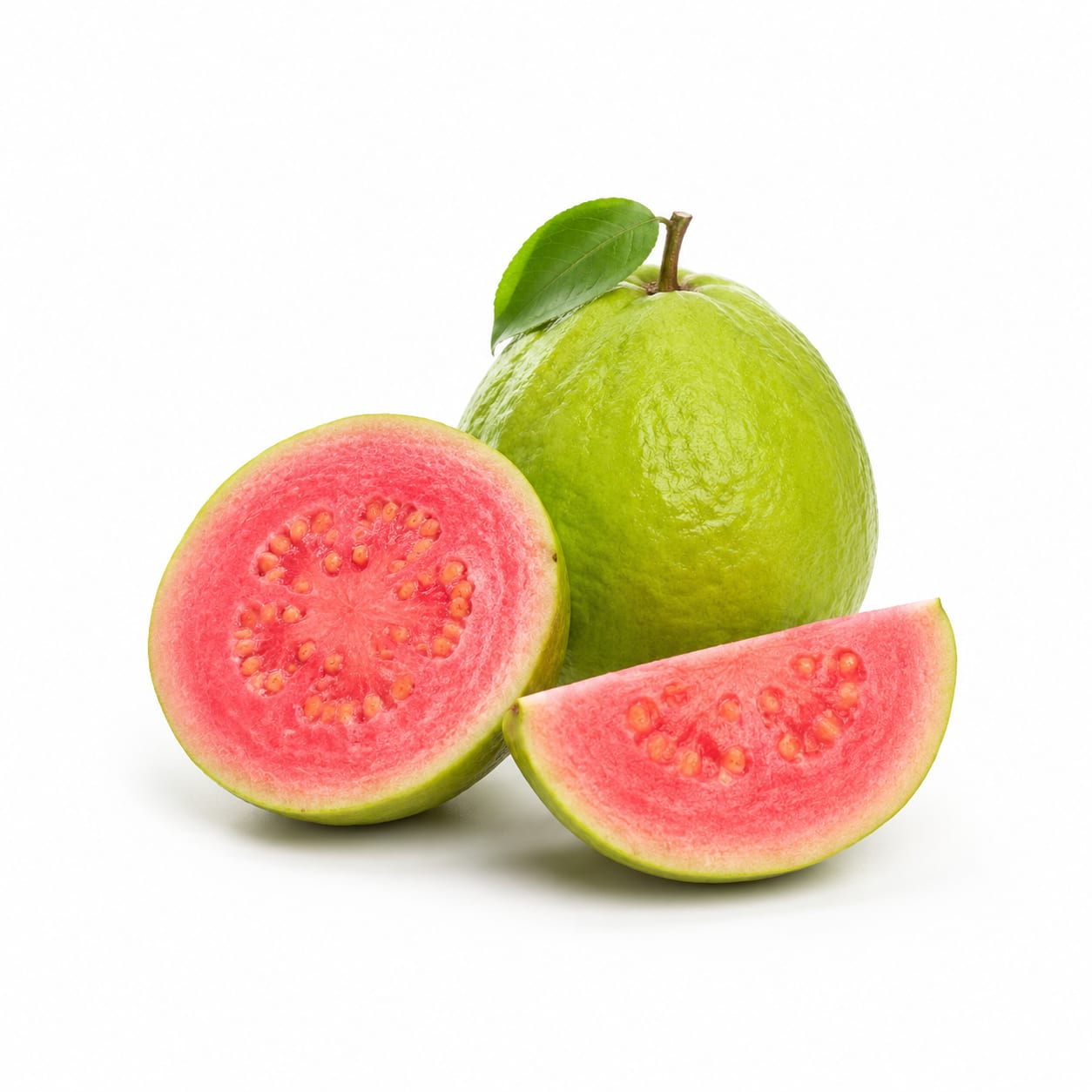
Guava
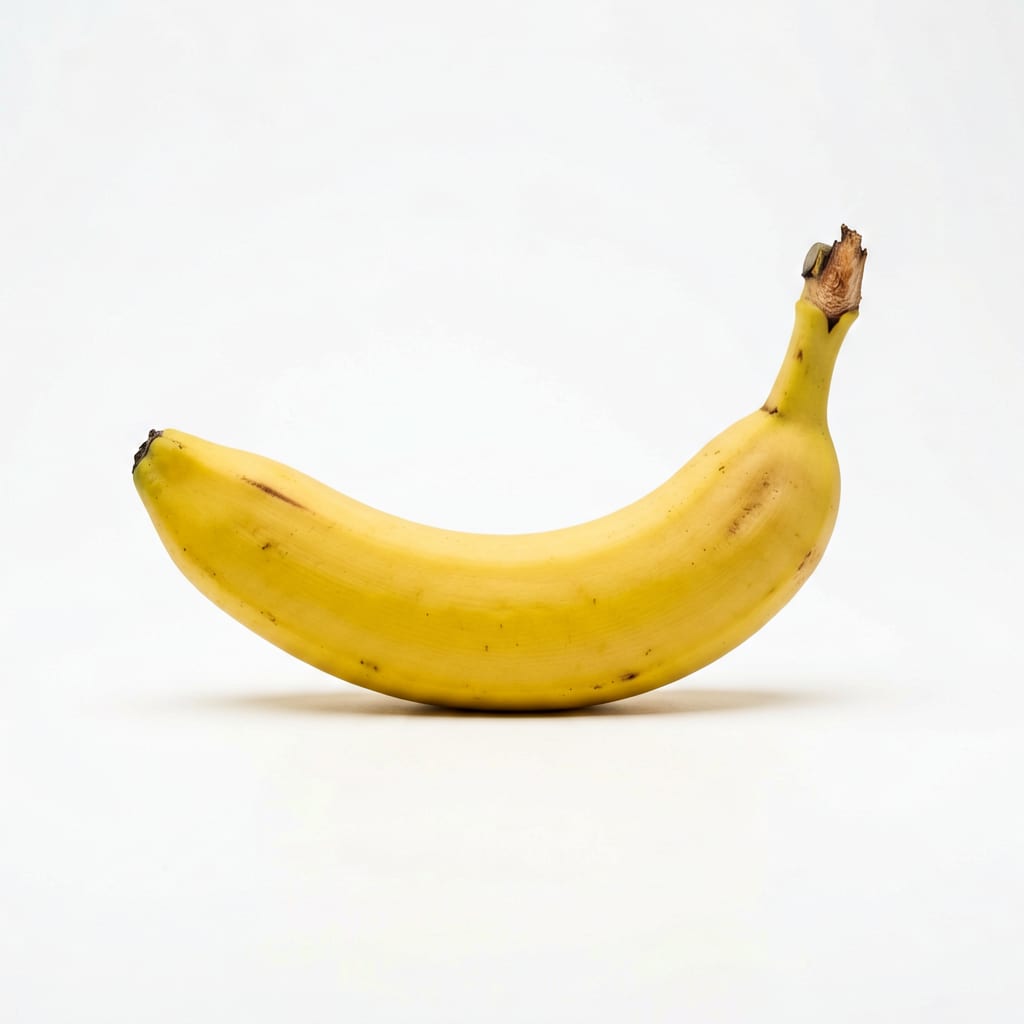
Banana
Guava dominates on nutrition and blood sugar control, but banana wins on convenience, affordability, and quick energy needs.
Guava scores higher due to superior nutrient density, fiber, and blood sugar profile. Banana stays competitive through unmatched convenience, affordability, and athletic utility.
Maximum nutrient density and metabolic stability versus everyday practicality and instant fuel access.
At a glance
Executive summary
Overall
It depends
Healthier
Guava
More practical
Banana
Daily use
It depends
Key comparison lenses
blood sugar management
Guava has dramatically less sugar and more fiber, making it far gentler on blood glucose than banana
nutrient density per calorie
Guava delivers vastly more vitamin C, fiber, and antioxidants per calorie than banana
convenience and everyday practicality
Banana is one of the most portable, affordable, and available fruits worldwide while guava is harder to find and store
pre-workout and quick energy
Banana's faster-digesting carbs make it a classic fuel choice before exercise
immune support and antioxidant intake
Guava's extraordinary vitamin C content and lycopene make it an immune powerhouse
Best choice for
Guava
- People managing diabetes or insulin resistance
- Anyone maximizing vitamin C without supplements
- Those seeking high-fiber, low-sugar fruit options
- Weight-loss focused eaters wanting more fullness per calorie
Banana
- Athletes needing quick pre-workout carbs
- Busy people wanting affordable, portable fruit
- Parents seeking kid-friendly, widely available fruit
- Anyone with limited access to tropical produce
Least suitable for
Guava
- People in regions where guava is rare or expensive
- Anyone bothered by seeds or unfamiliar textures
- Those wanting a mild, universally liked flavor
Banana
- People strictly managing blood sugar or on keto
- Anyone trying to minimize sugar intake from fruit
- Those who find ripe bananas too sweet or cloying
Deep comparison
Dimension by dimension
Each lens scores both foods and breaks down who each option suits.
- Dimension 1 · Priority 95Guava
Blood Sugar Stability
Guava · 90Banana · 52Guava keeps blood sugar far steadier with roughly half the sugar and double the fiber of banana.
Tradeoff
Banana provides faster energy when you need it, but at the cost of a sharper glucose spike, especially when ripe.
Why it matters
Ripe bananas can cause noticeable sugar crashes in sensitive people, while guava delivers sweetness without the roller coaster.
Real-world impact
A guava snack at 3pm sustains you until dinner. A ripe banana at 3pm may leave you hungry again by 4pm.
Guava
- Diabetics and prediabetics
- Anyone avoiding afternoon energy crashes
- Low-carb and keto-adjacent eaters
Better for
- Moments requiring instant glucose availability
Worse for
Banana
- Endurance athletes mid-run
- Anyone needing rapid carb refueling
- Hypoglycemic recovery moments
Better for
- Sustained energy without crashes
- Metabolic conditions requiring sugar caution
Worse for
- Dimension 2 · Priority 90Guava
Nutrient Density
Guava · 95Banana · 58Guava is one of the most nutrient-dense fruits on earth, delivering massive vitamin C, lycopene, and fiber in few calories.
Tradeoff
Banana offers solid potassium and B6 but cannot compete with guava's sheer concentration of micronutrients.
Why it matters
Eating guava is like taking a multivitamin that actually tastes good — you get more health value per bite.
Real-world impact
One guava covers over 200% of your daily vitamin C needs. You would need roughly 25 bananas to match that.
Guava
- Immune system support during cold season
- Anyone not taking vitamin supplements
- Skin health through collagen-supporting nutrients
Better for
- Rare scenarios where excess vitamin C causes digestive upset
Worse for
Banana
- Potassium replenishment after sweating
- Moderate B6 intake for energy metabolism
Better for
- Anyone relying on fruit as a primary micronutrient source
Worse for
- Dimension 3 · Priority 85Banana
Convenience and Accessibility
Guava · 40Banana · 95Banana is arguably the most convenient fruit in the world — cheap, portable, pre-packaged, and available everywhere.
Tradeoff
Guava requires more effort to find, costs more, spoils faster, and has seeds that not everyone enjoys.
Why it matters
The healthiest fruit only helps if you actually eat it. Banana's convenience makes it a realistic daily habit.
Real-world impact
You can grab a banana at any gas station, office kitchen, or airport. Guava requires a specialty store in most regions.
Guava
- Home meal prep where you control storage and prep
- Tropical regions where guava is locally abundant
Better for
- Last-minute snack needs
- Areas without tropical fruit supply chains
Worse for
Banana
- Commuting and on-the-go snacking
- Budget-conscious households
- Travel and unpredictable schedules
Better for
- Situations where variety and nutrient diversity matter more than ease
Worse for
- Dimension 4 · Priority 80Guava
Satiety and Fullness
Guava · 85Banana · 60Guava's high fiber and lower sugar create longer-lasting fullness per calorie compared to banana.
Tradeoff
Banana feels more immediately satisfying due to its creamy texture and higher calorie density, but hunger returns sooner.
Why it matters
If you are trying to eat less between meals, guava does a better job keeping you full without overconsuming calories.
Real-world impact
Two guavas (roughly 110 calories) keep you fuller longer than one large banana (roughly 120 calories).
Guava
- Weight management and calorie control
- Bridging long gaps between meals
- Reducing nighttime snacking urges
Better for
- Underweight individuals needing easy calories
Worse for
Banana
- Post-workout when you need calories, not restriction
- Growing children who need energy density
Better for
- Emotional eaters who may overconsume sweet fruit
Worse for
- Dimension 5 · Priority 75Banana
Pre-Workout and Athletic Fuel
Guava · 55Banana · 88Banana's easily digestible carbs and potassium make it a proven pre-workout and mid-workout fuel source.
Tradeoff
Guava's fiber slows digestion, which is great for satiety but less ideal when you need fast energy in 20 minutes.
Why it matters
Before exercise, you want quick-access carbs without digestive drag. Banana delivers this reliably.
Real-world impact
Eat a banana 30 minutes before a run and feel ready. Eat guava and you may feel heavy or bloated during intense movement.
Guava
- Light activity like walking or yoga where fiber is not an issue
- Post-workout recovery when antioxidant intake matters
Better for
- High-intensity exercise within an hour of eating
Worse for
Banana
- Running, cycling, and high-intensity training
- Mid-game energy replenishment in sports
- Race-day fueling strategies
Better for
- Sedentary snacking where fast carbs are unnecessary
Worse for
- Dimension 6 · Priority 70It depends
Digestive Tolerance
Guava · 65Banana · 72Banana is gentler on most stomachs, but guava's fiber helps with regularity for those who tolerate it well.
Tradeoff
Guava's seeds and high fiber can irritate sensitive digestive systems, while banana is widely tolerated and even recommended for upset stomachs.
Why it matters
If you have IBS or a delicate stomach, banana is the safer bet. If you need help with constipation, guava's fiber is powerful.
Real-world impact
Banana is a BRAT diet staple for stomach illness. Guava seeds can be problematic during flare-ups.
Guava
- Chronic constipation relief
- Building long-term gut microbiome diversity
Better for
- Acute digestive inflammation or diarrhea
- Diverticulitis where seeds are contraindicated
Worse for
Banana
- Recovery from stomach illness
- IBS and sensitive digestion management
- Introduction of solid food after fasting or illness
Better for
- Chronic constipation where more fiber is needed
Worse for
Timeline
Health impact over time
Short-term
Hours to days
Guava
- Rapid vitamin C boost supporting immune function within hours
- Fiber promotes satiety and reduces between-meal hunger
- Lower sugar load prevents energy crashes
Banana
- Quick energy from easily digested carbohydrates
- Potassium helps with muscle function and cramp prevention
- Ripe bananas can cause blood sugar spikes in sensitive individuals
Long-term
Months to years
Guava
- Consistent intake may lower diabetes risk through improved glucose regulation
- Lycopene and vitamin C support cardiovascular and skin health over decades
- High fiber contributes to sustained healthy weight management
Banana
- Regular potassium intake supports blood pressure regulation long-term
- Habitual overconsumption of ripe bananas may contribute to sugar dependency
- Convenient daily fruit habit supports overall produce intake consistency
Risk profile
Safety & processing
Both guava and banana are whole, unprocessed fruits eaten as nature intended. Neither carries additive concerns when consumed fresh.
Guava
Pesticide residue on conventionally grown guava
mediumGuava's edible skin can harbor pesticide residues. Washing thoroughly or choosing organic reduces exposure significantly.
Seed-related digestive issues
lowHard seeds can aggravate diverticulitis or sensitive bowels in susceptible individuals.
Rapid spoilage
lowGuava spoils quickly at room temperature, increasing food waste risk if not consumed promptly.
Banana
Pesticide residue in conventional banana farming
lowBananas have thick peels that protect edible flesh from most pesticide exposure, making them a lower-risk conventional choice.
Mold and fungal contamination on overripe fruit
lowOverripe bananas can develop mold at the stem. Discard any with visible mold to avoid respiratory or digestive issues.
Who wins for whom
Audience fit
Same foods, different winners depending on your goal.
children
BananaBanana's mild sweet taste, soft texture, and seedless convenience make it far more kid-friendly and widely accepted.
daily consumption
It dependsBanana is more realistic to eat daily due to cost and availability, but guava offers superior daily nutrition if accessible.
diabetes
GuavaGuava's low sugar, high fiber, and lower glycemic impact make it significantly safer for blood glucose management.
elderly
It dependsBanana is easier to chew and digest for frail elders, but guava's nutrients better support immune and bone health in aging.
muscle gain
BananaBanana provides faster carbs around workouts and more potassium for muscle function, supporting training performance.
weight loss
GuavaGuava's higher fiber and lower sugar create better satiety per calorie, making it easier to eat less overall.
Your move
Decision guide
Choose Guava
- You are managing blood sugar, insulin resistance, or diabetes
- Nutrient density is your top priority and guava is available
- You want a filling snack that prevents overeating later
- Immune support during cold season matters to you
- You live in or near tropical regions where guava is affordable
Choose Banana
- You need quick energy before or after workouts
- Budget and convenience drive your food choices
- You want a reliable daily fruit habit that is easy to sustain
- You are feeding children who prefer mild, sweet flavors
- You have a sensitive stomach and need gentle, low-fiber fruit
Either works if
- You simply want more whole fruit in your diet regardless of type
- Both are available and you can rotate for nutrient variety
- You are generally healthy without specific metabolic concerns
Avoid both if
- You have a rare allergy to either fruit
- You are on a strict very-low-carb diet and cannot accommodate fruit sugar
- You have severe fructose intolerance
Final recommendation
Eat guava when you can get it — it is one of the most nutritious fruits available. Keep bananas as your reliable daily staple for convenience and cost. The best strategy is rotating both: guava for nutrient density and blood sugar control, banana for quick energy and practical consistency.
Practical
Consumer tips
- 1
Choose slightly underripe bananas for lower sugar impact — greenish tips mean more resistant starch and slower digestion
- 2
Wash guava thoroughly under running water to reduce pesticide residue on the edible skin
- 3
Freeze overripe bananas for smoothies instead of discarding them — reduces waste and adds natural sweetness
- 4
If guava seeds bother you, scoop out the flesh and blend into a smoothie to get nutrients without the texture
- 5
Pair banana with a protein source like nut butter to blunt the blood sugar spike and extend satiety
- 6
Store guava in the refrigerator once ripe to extend its short shelf life by a few days
- 7
Red or pink guava varieties contain more lycopene than white guava — choose pink for maximum antioxidant benefit