
Nutrition comparison
Guava vs Orange: Which Fruit is Healthier?
Guava vs Orange nutrition comparison. Discover which fruit has more vitamin C, fiber, and less sugar for your specific health goals.
Overall winner · Guava
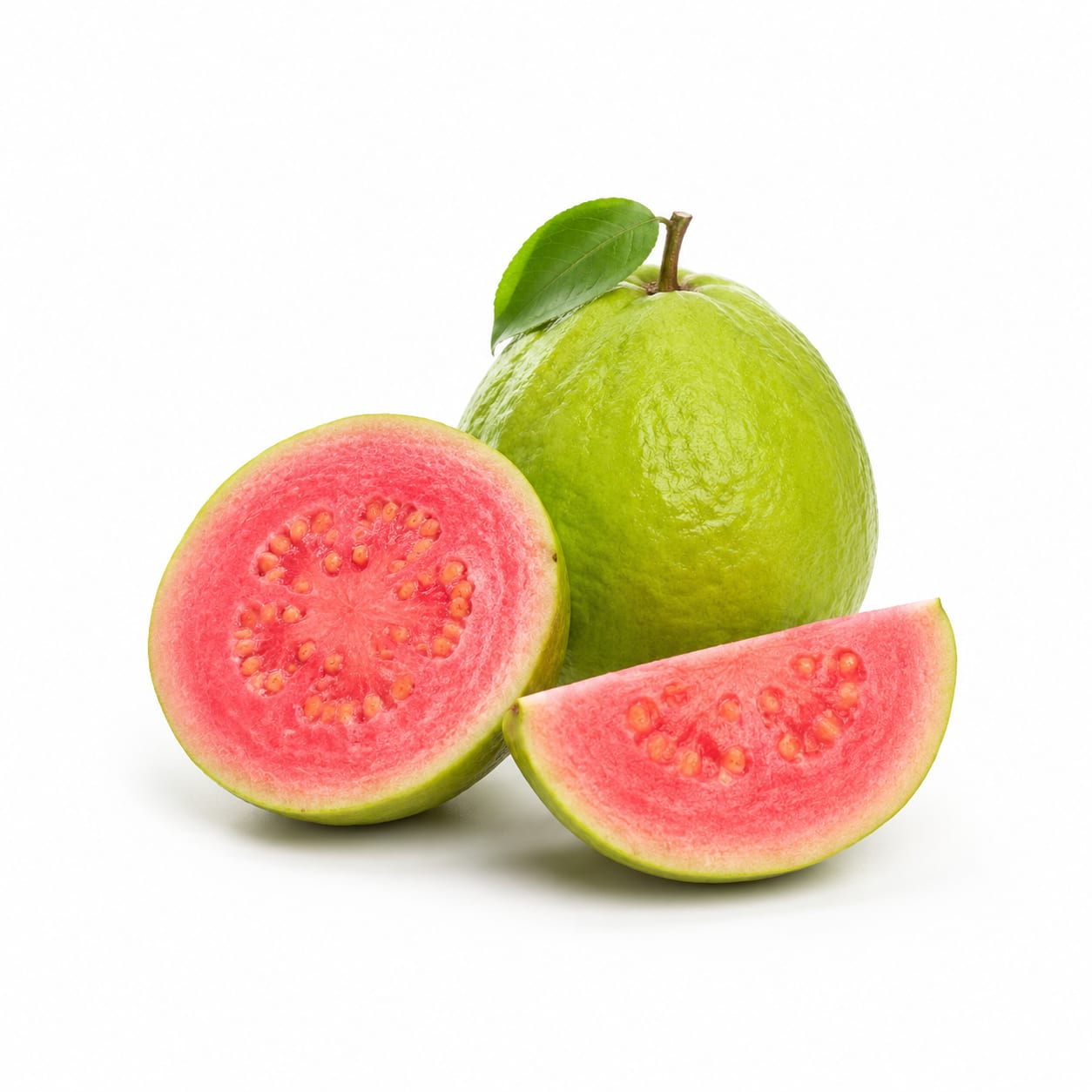
Guava
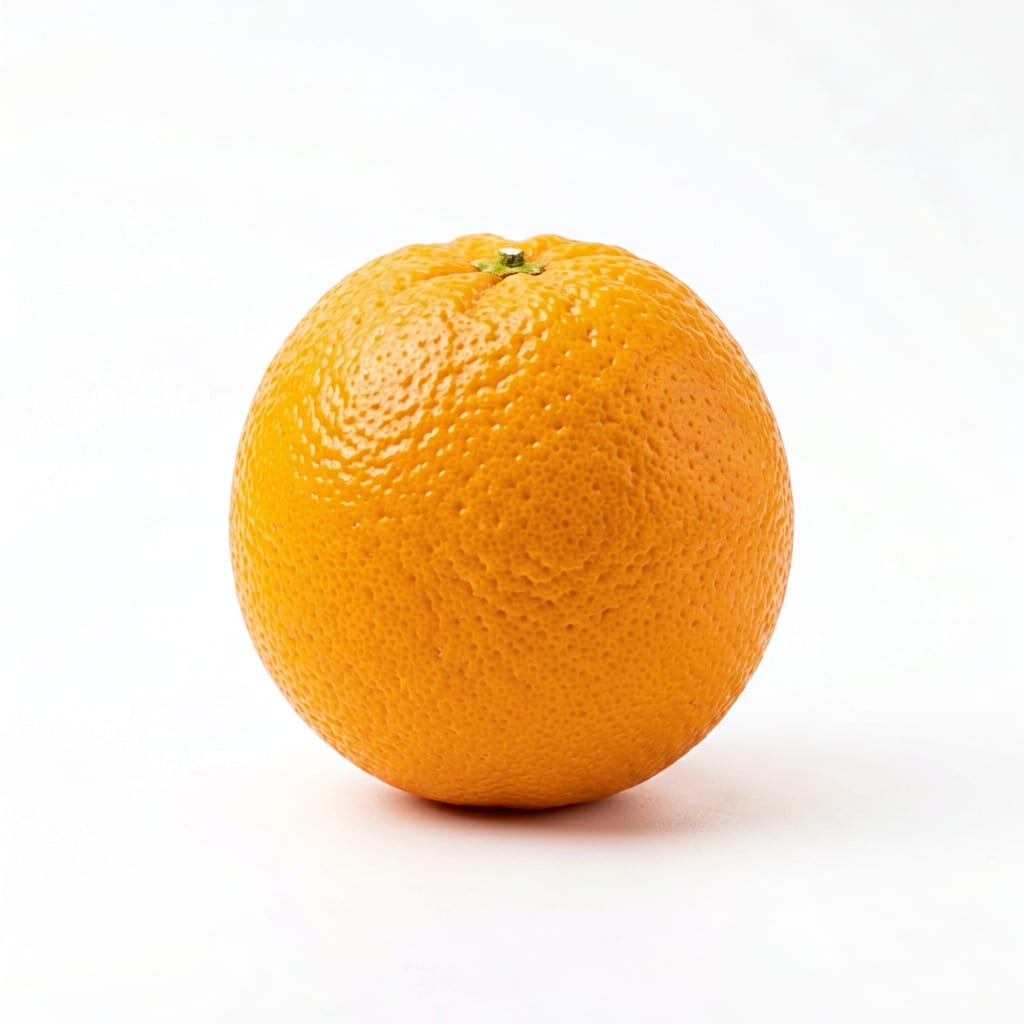
Orange
Guava is a nutritional powerhouse that drastically outperforms Orange in vitamin C and fiber, but Orange remains the more practical, everyday fruit.
Guava scores higher due to its exceptional vitamin C content and superior fiber-to-sugar ratio, though Orange remains a solid, accessible staple.
Maximum nutritional density versus everyday convenience and hydration.
At a glance
Executive summary
Overall
Guava
Healthier
Guava
More practical
Orange
Daily use
It depends
Key comparison lenses
Vitamin C and immunity comparison
Both are famous for vitamin C, but the actual concentration gap is massive and often surprising to consumers.
Blood sugar impact and fiber content
Guava provides significantly more fiber with less sugar, making it highly relevant for metabolic health.
Everyday convenience and accessibility
Oranges are a global staple, while fresh Guava can be harder to find, impacting long-term diet sustainability.
Antioxidant diversity
Pink Guava brings lycopene to the table, while Oranges offer hesperidin, creating distinct health tradeoffs.
Best choice for
Guava
- Boosting immunity quickly
- Managing blood sugar levels
- Increasing daily fiber intake effortlessly
Orange
- Easy on-the-go snacking
- Staying hydrated after exercise
- Reliable year-round availability
Least suitable for
Guava
- People who dislike chewing small seeds
- Those living in regions where it is rarely stocked fresh
Orange
- People strictly limiting carbohydrate or sugar intake
- Those needing a high-fiber snack to stay full
Deep comparison
Dimension by dimension
Each lens scores both foods and breaks down who each option suits.
- Dimension 1 · Priority 95Guava
Vitamin C & Immunity
Guava · 98Orange · 82Guava contains over four times the vitamin C of an Orange, making it an absolute immunity juggernaut.
Tradeoff
You get a massive vitamin C boost with Guava, but Orange is easier to consume in large quantities if you prefer juicing.
Why it matters
Higher vitamin C intake supports faster immune response and better skin collagen production.
Real-world impact
Eating a single Guava can nearly meet your daily vitamin C needs, whereas you might need two or three Oranges to hit the same mark.
Guava
- Fighting off an approaching cold
- Supporting skin elasticity and wound healing
Better for
- People who assume it is too acidic to eat on an upset stomach
Worse for
Orange
- Gentle daily immune maintenance
- Making vitamin C-rich juice for kids
Better for
- Reaching therapeutic vitamin C doses requires eating a large volume of fruit
Worse for
- Dimension 2 · Priority 90Guava
Blood Sugar & Fiber
Guava · 92Orange · 68Guava has significantly more fiber and less sugar, resulting in a much gentler impact on blood sugar.
Tradeoff
Guava keeps you fuller and steadier, while Orange provides quicker energy but can spike blood sugar faster if eaten alone.
Why it matters
Fiber slows sugar absorption, preventing the energy crashes and cravings that derail healthy eating.
Real-world impact
A Guava snack will not leave you hungry an hour later, unlike a sweet Orange that might cause a quick drop in energy.
Guava
- Diabetics seeking low-glycemic fruit
- Sustained energy through a long workday
Better for
- Eating too many with the seeds can cause bloating in unaccustomed digestive systems
Worse for
Orange
- Pre-workout quick fuel
- Easier digestion for sensitive stomachs
Better for
- Blood sugar spikes if consumed as processed juice without the pulp
Worse for
- Dimension 3 · Priority 75It depends
Antioxidant Profile
Guava · 88Orange · 85Pink Guava offers lycopene for heart and cellular health, while Oranges provide hesperidin for vascular support.
Tradeoff
Different antioxidant families target different systems; eating both offers broader protection than choosing just one.
Why it matters
Lycopene protects against oxidative stress, while hesperidin improves blood vessel function and reduces inflammation.
Real-world impact
Adding both fruits to your weekly rotation gives your body a more diverse defense system against aging and disease.
Guava
- Heart health support
- Prostate health maintenance
Better for
- White Guava varieties lack the lycopene benefit entirely
Worse for
Orange
- Improving blood vessel elasticity
- Reducing general inflammation
Better for
- Less diverse carotenoid profile compared to pink Guava
Worse for
- Dimension 4 · Priority 85Orange
Convenience & Availability
Guava · 55Orange · 95Oranges are a global staple available year-round, while fresh Guava can be seasonal and harder to find.
Tradeoff
Orange is always an easy grab-and-go option; Guava often requires specialty stores or frozen alternatives.
Why it matters
The healthiest fruit nutritionally is the one you can actually buy and eat consistently.
Real-world impact
You can find an Orange at nearly any grocery store, cafeteria, or gas station; fresh Guava usually requires a dedicated shopping trip.
Guava
- Residents of tropical climates with backyard trees
- Shoppers with access to well-stocked farmers markets
Better for
- Impulse snackers who buy food on the run
Worse for
Orange
- Busy lifestyles needing quick snacks
- Traveling or eating on the go
Better for
- Those bored of standard fruit options and seeking new flavors
Worse for
Timeline
Health impact over time
Short-term
Hours to days
Guava
- Rapid immune system support
- High satiety from dense fiber
- Steady energy without a sugar crash
Orange
- Fast hydration from high water content
- Quick energy burst for immediate needs
- Very easy on the stomach when feeling unwell
Long-term
Months to years
Guava
- Better blood sugar management and insulin sensitivity
- Improved digestive regularity
- Stronger immune resilience over time
Orange
- Consistent cardiovascular support
- Lower risk of kidney stones due to citrate
- Maintained baseline vitamin C levels
Risk profile
Safety & processing
Both are whole, raw fruits with minimal processing concerns when eaten fresh, making them excellent natural choices.
Guava
Pesticide residue
mediumConventional Guava is often sprayed heavily because pests target its sweet flesh; washing thoroughly or choosing organic is advisable.
Tropical fruit flies
lowCan harbor larvae if not inspected; always cut and check the flesh before eating.
Orange
Pesticide residue
mediumConventional Oranges are frequently sprayed; peeling removes most risk, but wash hands after handling the rind.
Citrus canker
lowA bacterial disease that causes lesions on the peel; mostly cosmetic but avoid fruit with obvious sores.
Who wins for whom
Audience fit
Same foods, different winners depending on your goal.
children
OrangeOranges are sweeter, seedless, and easier for kids to eat without choking hazards or texture complaints.
daily consumption
It dependsGuava is nutritionally superior for daily health, but Orange is far more practical to actually eat every single day.
diabetes
GuavaGuava has a much lower glycemic load and more fiber, preventing sharp blood sugar spikes.
elderly
OrangeOranges are softer, easier to chew, and lack the hard seeds that can be a dental or swallowing hazard.
muscle gain
It dependsNeither is a significant protein source; Orange offers slightly faster carbs for post-workout glycogen replenishment, while Guava aids overall recovery with vitamin C.
weight loss
GuavaGuava's high fiber and low sugar content keep you full longer, making it easier to reduce overall calorie intake.
Your move
Decision guide
Choose Guava
- You want the absolute highest vitamin C boost per bite
- You need more fiber to stay regular and full
- You are actively managing your blood sugar
- You love tropical flavors and have access to fresh fruit
Choose Orange
- You need a convenient, portable snack for busy days
- You want quick hydration and energy after a workout
- You prefer seedless, easy-to-peel fruit
- Guava is not available or affordable locally
Either works if
- You just want a healthy whole fruit instead of processed snacks
- You are trying to increase your daily fruit intake
- You want to support your immune system naturally
Avoid both if
- You have a severe fructose intolerance
- You are on a strict very-low-carb or ketogenic diet
Final recommendation
Choose Guava when you have access to it for a massive nutritional upgrade, but keep Oranges in your routine for their unmatched convenience and hydration benefits. The best approach is rotating both to get the diverse antioxidants your body needs.
Practical
Consumer tips
- 1
If fresh Guava is unavailable, check the frozen aisle for whole Guava without added sugar.
- 2
Eat the Guava skin and seeds for maximum fiber, or scoop out the center if you prefer a smoother texture.
- 3
A whole Orange is great, but avoid Orange juice which strips away the fiber and concentrates the sugar.
- 4
Wash both fruits thoroughly before cutting, as conventional versions often carry pesticide residues on the peel that can transfer to the flesh via your knife.