
Nutrition comparison
Guava vs Strawberries: Nutrition, Fiber & Pesticide Comparison
Guava vs strawberries: which fruit is healthier? Compare vitamin C, fiber, sugar, and pesticide risks to find the best berry for your diet and lifestyle.
Overall winner · Guava
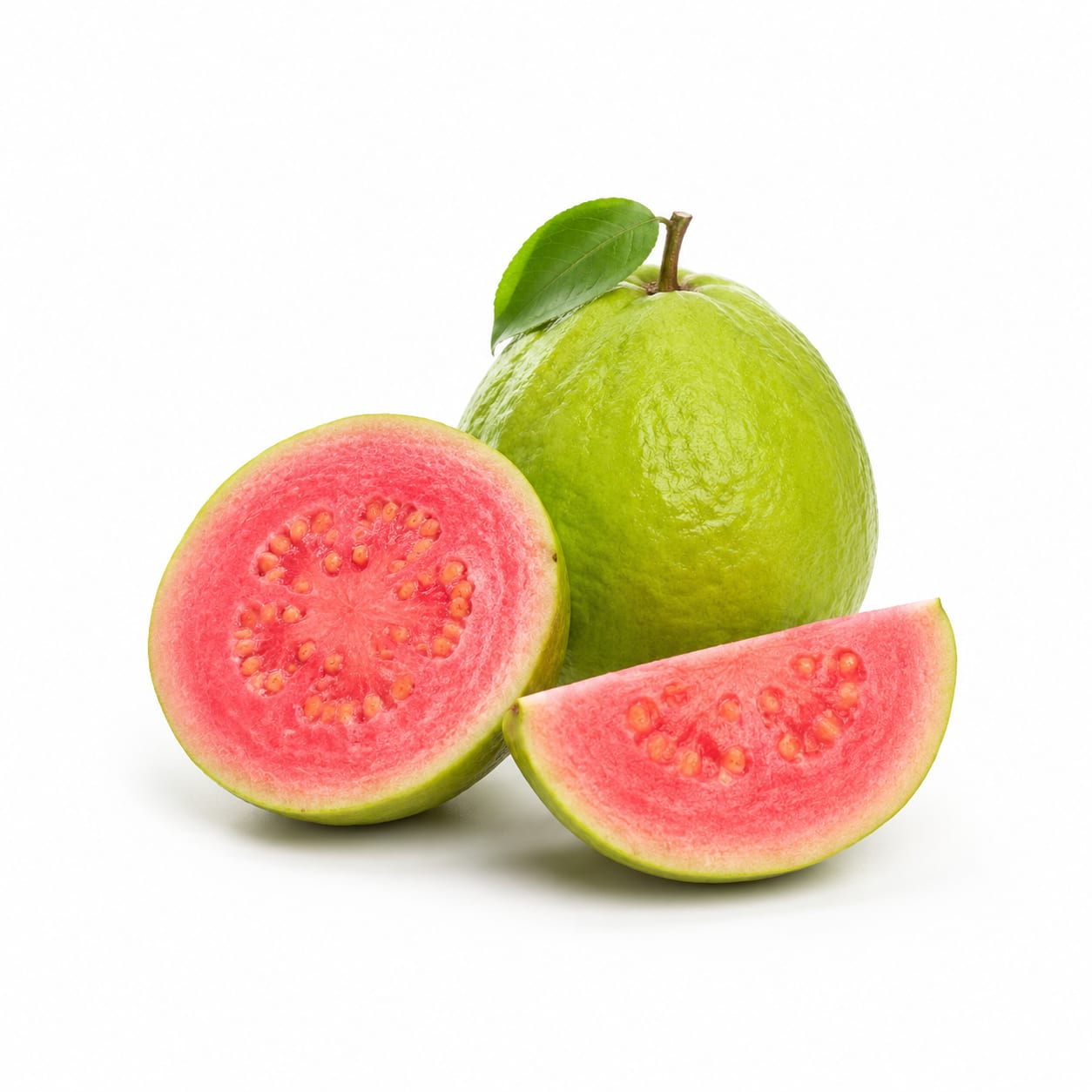
Guava
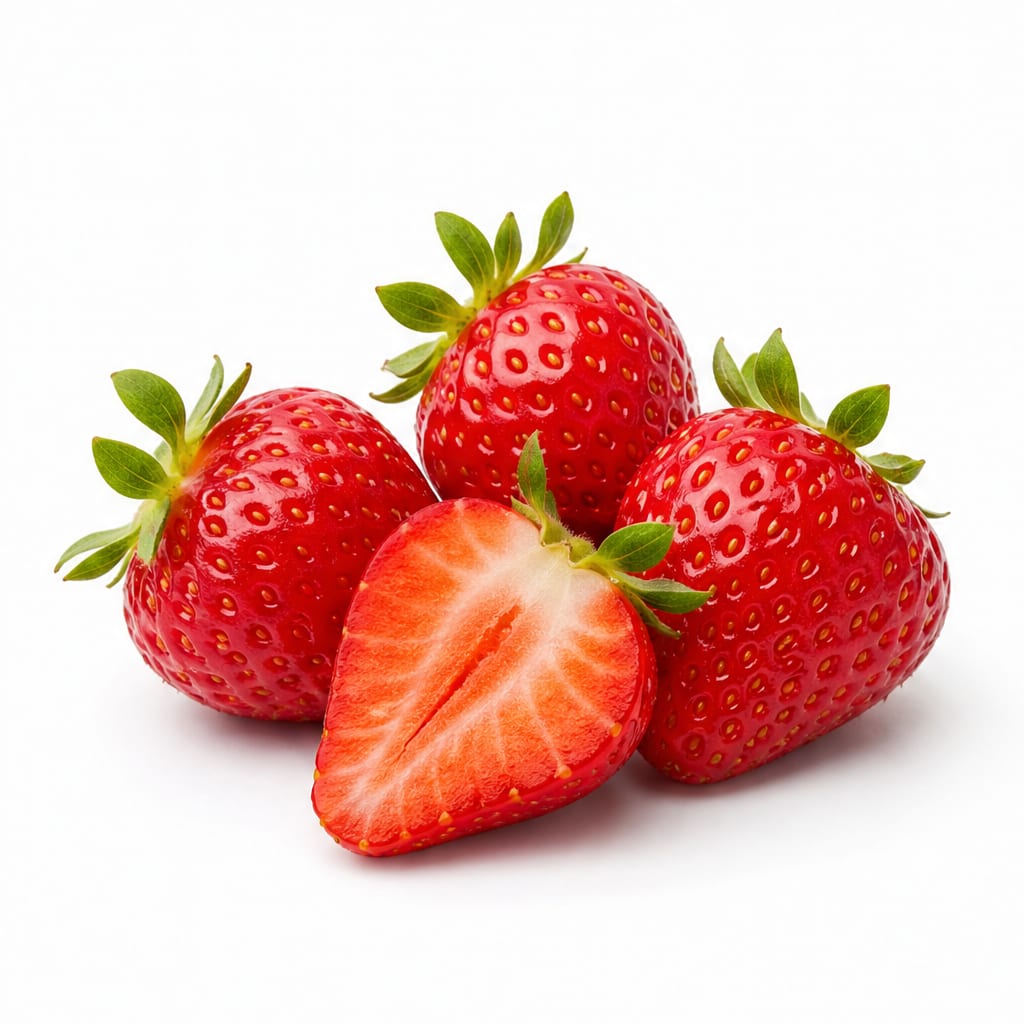
Strawberries
Guava dominates on pure nutrition, delivering quadruple the vitamin C and far more fiber, but strawberries win on convenience, availability, and ease of eating.
Guava scores higher due to its exceptional vitamin C and fiber content, making it a nutritional powerhouse. Strawberries stay competitive because of their widespread availability, lower calorie count, and ease of use, making them a more practical daily staple for most people.
Maximum nutrient density and fullness versus everyday accessibility and lower texture hassle.
At a glance
Executive summary
Overall
Guava
Healthier
Guava
More practical
Strawberries
Daily use
Strawberries
Key comparison lenses
micronutrient supremacy
Guava is famously dense in Vitamin C and fiber, far exceeding strawberries, which users often assume are the top vitamin C fruit.
everyday convenience and accessibility
Strawberries are a grocery staple worldwide, while fresh guava can be elusive and intimidating to prep for those unfamiliar with it.
pesticide exposure risk
Strawberries consistently rank at the top of the Dirty Dozen list for pesticide residues, making sourcing a critical factor.
digestive tolerance
Guava seeds can be problematic for some digestive conditions, whereas strawberries are soft and easily tolerated.
Best choice for
Guava
- Boosting immunity during cold season
- Improving digestive regularity
- Increasing potassium intake without supplements
Strawberries
- Quick low-calorie snacking
- Smoothie bases without gritty seeds
- Kids who reject unfamiliar textures
Least suitable for
Guava
- People with diverticulitis or seed sensitivities
- Regions where fresh tropical fruit is unavailable
- Those who dislike seedy textures
Strawberries
- People strictly avoiding conventional pesticide exposure when organic is unaffordable
- Those needing a high-fiber fruit to stay full
Deep comparison
Dimension by dimension
Each lens scores both foods and breaks down who each option suits.
- Dimension 1 · Priority 95Guava
Micronutrient Density
Guava · 98Strawberries · 80Guava absolutely crushes strawberries in vitamin C, offering over 200mg per 100g compared to strawberries' 59mg.
Tradeoff
You get a massive immunity and antioxidant boost with guava, but strawberries provide more folate and are no slouch themselves.
Why it matters
Vitamin C is crucial for skin health, immune function, and iron absorption. Getting 4x the amount in a single fruit is a massive upgrade.
Real-world impact
Eating a single guava almost entirely covers your daily vitamin C needs, whereas you would need nearly three cups of strawberries to hit the same mark.
Guava
- Fighting off a cold
- Supporting collagen for skin health
- Boosting iron absorption from meals
Better for
- Those who simply cannot find fresh guava locally
Worse for
Strawberries
- Prenatal nutrition due to higher folate
- Meeting manganese needs
Better for
- Relying on them as your sole vitamin C source requires eating large volumes
Worse for
- Dimension 2 · Priority 90Guava
Fiber and Satiety
Guava · 94Strawberries · 72Guava provides roughly 5g of fiber per 100g, nearly double the fiber of strawberries, making it significantly more filling.
Tradeoff
Guava keeps you full longer and stabilizes digestion, but its seeds require careful chewing and can irritate sensitive guts.
Why it matters
Higher fiber means steadier blood sugar and less snacking between meals. It is the secret weapon for feeling satisfied on fewer calories.
Real-world impact
A guava at 3 PM will likely carry you to dinner. Strawberries might leave you hunting for a snack an hour later.
Guava
- Managing afternoon cravings
- Improving digestive regularity
- Stabilizing blood sugar spikes
Better for
- People with diverticulitis or bowel inflammation triggered by seeds
Worse for
Strawberries
- Light pre-workout snacking where you want zero heaviness
Better for
- Those needing a high-fiber fruit to stay full on a calorie deficit
Worse for
- Dimension 3 · Priority 85Strawberries
Everyday Practicality
Guava · 60Strawberries · 95Strawberries are available year-round in most grocery stores and require zero prep beyond a quick rinse. Guava can be hard to find and confusing to eat for newcomers.
Tradeoff
Strawberries are effortless to integrate into daily life, while guava requires more effort to source, select, and consume.
Why it matters
The healthiest food is the one you actually eat consistently. Convenience often trumps nutrient density in real-world diets.
Real-world impact
You can toss strawberries into yogurt or a lunchbox in seconds. Guava involves finding a ripe one, dealing with the rind, and chewing through seeds.
Guava
- Living in tropical regions where guava is cheap and abundant
Better for
- Quick grab-and-go eating
- Areas with limited tropical fruit import
Worse for
Strawberries
- Busy mornings needing quick prep
- Office snacks requiring no mess
- Meal prepping smoothie ingredients
Better for
- Situations where you need a single fruit to act as a filling bridge meal
Worse for
- Dimension 4 · Priority 80Guava
Pesticide and Contamination Risk
Guava · 85Strawberries · 55Strawberries consistently top the EWG's Dirty Dozen list for pesticide residues. Guava's thicker skin offers better protection and it generally carries less pesticide risk.
Tradeoff
Guava is safer to eat conventionally grown, while strawberries practically demand an organic budget to avoid high chemical exposure.
Why it matters
Chronic pesticide exposure is linked to hormonal disruption and neurological issues. This is a major hidden cost of conventionally grown berries.
Real-world impact
If you cannot afford organic, conventional strawberries are a significant source of dietary pesticides. Conventional guava is a much safer bet.
Guava
- Buying conventional fruit on a budget
- Minimizing cumulative chemical load
Better for
- Imported guava may have waxes or treatments on the skin
Worse for
Strawberries
- Easy organic sourcing in most supermarkets
Better for
- Eating conventional strawberries daily can significantly increase pesticide exposure
Worse for
Timeline
Health impact over time
Short-term
Hours to days
Guava
- Highly satiating, reduces hunger quickly
- Immediate blood sugar stabilization after meals
- Can cause bloating if you eat too many seeds at once
Strawberries
- Light and hydrating, perfect for a quick energy lift
- Easy on the stomach, very low digestive friction
- May leave you hungry again soon due to lower fiber
Long-term
Months to years
Guava
- Exceptional immune support from massive vitamin C intake
- Improved gut regularity and microbiome diversity from fiber
- Better blood pressure management due to high potassium
Strawberries
- Strong antioxidant protection for heart health and cellular aging
- Consistent low-calorie intake aiding weight maintenance
- High folate intake supports prenatal health and brain function
Risk profile
Safety & processing
Both fruits are whole, unprocessed foods in their natural state. The main concern is agricultural chemicals rather than manufacturing additives.
Guava
Seed-related digestive irritation
mediumThe hard seeds can aggravate diverticulitis or cause discomfort in sensitive individuals if not chewed thoroughly.
Tropical import agricultural treatments
lowImported guavas may be treated with post-harvest fungicides or waxes, though the thick skin blocks most surface chemicals from the flesh.
Strawberries
High pesticide residue
highStrawberries are notoriously porous and heavily sprayed, consistently ranking number one on the Dirty Dozen list for pesticide residues.
Mold and rapid spoilage
mediumStrawberries spoil incredibly fast and can harbor mold spores that spread quickly through a batch, posing a minor food safety risk if consumed slightly past prime.
Who wins for whom
Audience fit
Same foods, different winners depending on your goal.
children
StrawberriesStrawberries are sweet, soft, and seedless, making them an easy sell for kids. Guava's gritty texture and hard seeds are often rejected by picky eaters.
daily consumption
StrawberriesBecause strawberries are easier to find, cheaper, and simpler to prep, they are far easier to sustain as a daily habit year-round.
diabetes
GuavaGuava's significantly higher fiber content slows sugar absorption, leading to a gentler blood sugar curve compared to the faster-digesting strawberries.
elderly
StrawberriesStrawberries require minimal chewing and have no hard seeds, making them safer and more comfortable for aging teeth and sensitive digestive systems.
muscle gain
GuavaGuava offers more vitamin C to reduce oxidative stress from heavy training and more potassium for muscle cramp prevention and recovery.
weight loss
StrawberriesStrawberries are much lower in calories per volume, allowing you to eat a larger, more satisfying portion for fewer calories, even if guava is more filling per gram.
Your move
Decision guide
Choose Guava
- You want the absolute maximum vitamin C and fiber per bite
- You find fresh guava locally at a good price
- You have no issues digesting small seeds
- You need a fruit that actually keeps you full between meals
Choose Strawberries
- You want a low-calorie fruit that is easy to eat mindlessly
- You are meal-prepping or need smoothie-friendly fruit
- You cannot afford organic berries but want a fruit with lower pesticide risk (choose guava instead)
- You are packing snacks for kids
Either works if
- You just want a refreshing, whole-food snack instead of processed junk
- You are looking to increase your daily fruit intake generally
- You want natural antioxidants instead of supplements
Avoid both if
- You have a severe fructose intolerance or FODMAP sensitivity
- You are on a strict very-low-carb ketogenic diet
Final recommendation
If you have access to fresh guava and do not mind the seeds, it is the nutritional champion by a wide margin. However, for most people living outside the tropics, strawberries offer a more realistic, enjoyable, and sustainable daily fruit habit. If you buy conventional strawberries, consider switching to guava to avoid heavy pesticide exposure, or budget for organic strawberries.
Practical
Consumer tips
- 1
If buying conventional strawberries, soak them in a baking soda wash to remove some surface pesticides.
- 2
If guava seeds bother your teeth or stomach, scoop out the flesh and blend it into a smoothie or strain it for juice.
- 3
Buy strawberries in season and freeze them to save money and avoid the premium priced out-of-season imports.
- 4
Choose guavas that yield slightly to pressure like a ripe avocado; rock-hard guavas will be astringent and less nutritious.