
Nutrition comparison
Guava vs Kiwi: Which Tropical Fruit Is Healthier for You?
Guava delivers 4x more Vitamin C and nearly double the fiber of Kiwi, but Kiwi offers unique digestive enzymes and sleep benefits. Compare nutrition, convenience, and best uses.
Overall winner · Guava
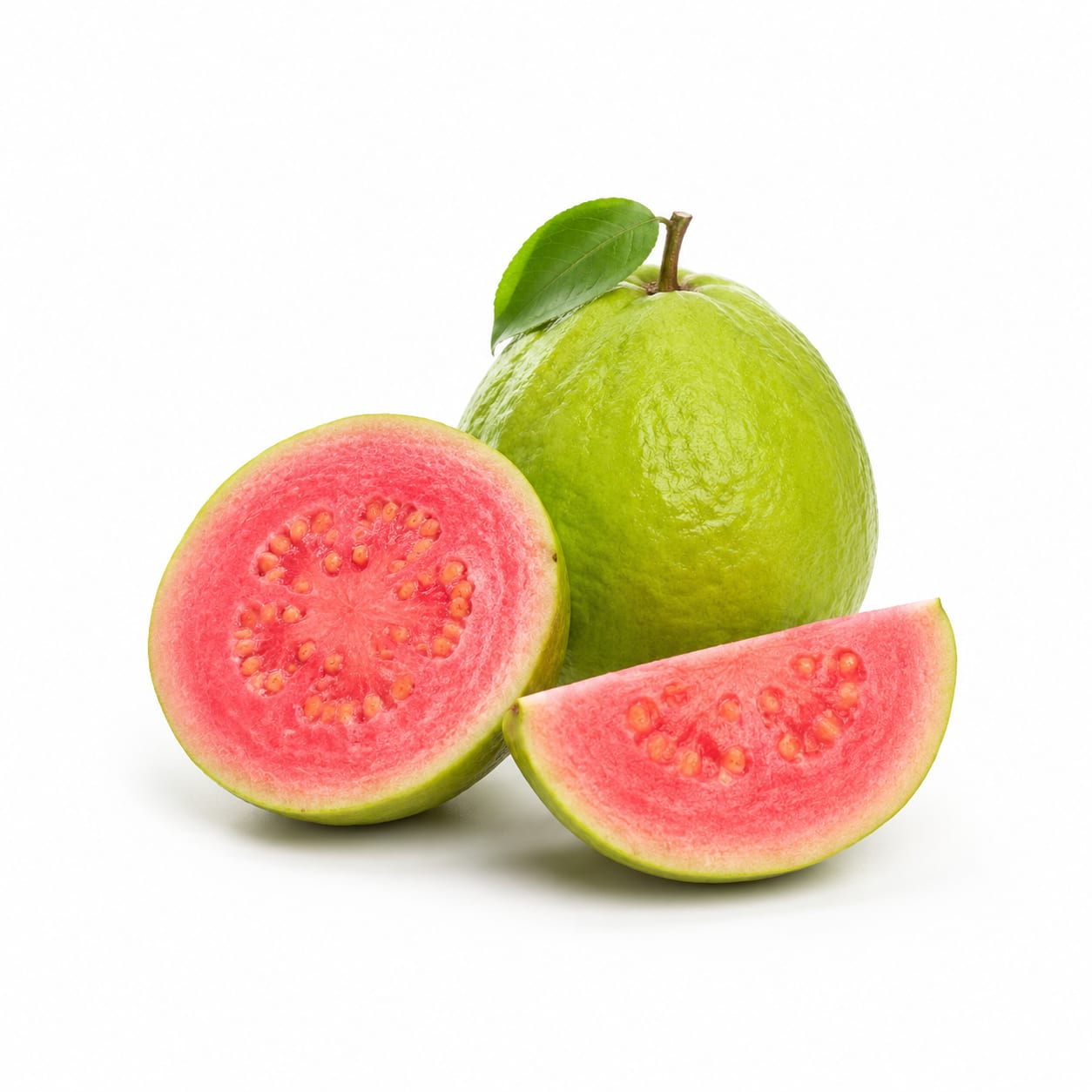
Guava
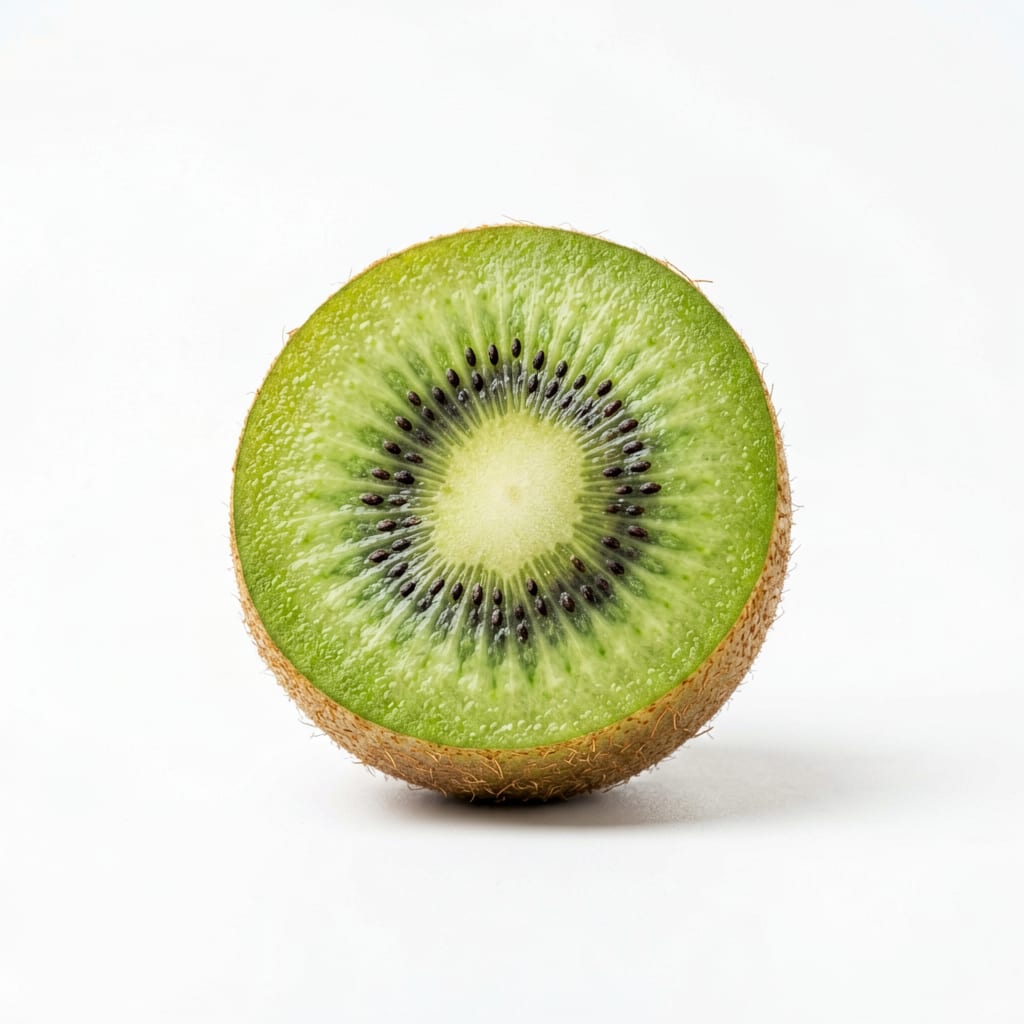
Kiwi
Guava wins on raw nutritional power, especially Vitamin C and fiber, but Kiwi is the more practical daily fruit with unique digestive and sleep perks.
Guava scores higher due to its exceptional Vitamin C and fiber density, but Kiwi stays competitive thanks to broader availability, unique enzymes, and sleep-supporting serotonin. The gap is moderate because both are genuinely excellent fruits.
Guava delivers superior nutrition per bite, while Kiwi delivers superior convenience and specialty benefits like digestion support and better sleep.
At a glance
Executive summary
Overall
Guava
Healthier
Guava
More practical
Kiwi
Daily use
Kiwi
Key comparison lenses
Vitamin C supremacy and immune support
Guava delivers over 4x the Vitamin C of Kiwi, making this the most dramatic nutritional gap between the two
Fiber and blood sugar management
Guava's fiber content is nearly double, directly affecting fullness and glucose control
Digestive comfort and enzyme benefits
Kiwi contains actinidin, a unique digestive enzyme that Guava lacks entirely
Everyday convenience and availability
Kiwi is far easier to find year-round and simpler to eat on the go
Sleep and mood support
Kiwi's serotonin content makes it a rare fruit with potential sleep benefits
Best choice for
Guava
- Maximizing Vitamin C intake without supplements
- Boosting fiber for blood sugar control and fullness
- Supporting immune defense during illness
- Getting more nutrition from fewer calories
Kiwi
- Improving digestion and reducing bloating
- Supporting better sleep quality
- Finding a nutrient-dense fruit at any grocery store
- A portable, easy-to-eat office or travel snack
Least suitable for
Guava
- People who cannot find fresh guava locally
- Anyone wanting a quick no-prep fruit on a busy morning
- Those sensitive to tropical fruit textures or seeds
Kiwi
- People needing maximum Vitamin C from a single serving
- Those prioritizing the highest fiber intake per fruit
- Anyone with kiwi allergies (more common than guava allergy)
Deep comparison
Dimension by dimension
Each lens scores both foods and breaks down who each option suits.
- Dimension 1 · Priority 95Guava
Vitamin C and Immune Power
Guava · 98Kiwi · 75Guava is one of the most Vitamin C-dense fruits on Earth, delivering roughly 228mg per 100g compared to Kiwi's 93mg.
Tradeoff
You would need to eat nearly two and a half Kiwis to match the Vitamin C in one serving of Guava.
Why it matters
Vitamin C supports immune function, collagen production, and iron absorption. Higher intake matters most during stress, illness, or recovery.
Real-world impact
One guava at breakfast likely covers your entire daily Vitamin C need with room to spare. Kiwi gets you most of the way there but may need a second serving.
Guava
- Fighting off a cold or recovering from illness
- Supporting skin collagen and anti-aging goals
- Boosting iron absorption from plant-based meals
Better for
- People avoiding excessive Vitamin C due to kidney stone risk
Worse for
Kiwi
- Maintaining adequate Vitamin C when guava is unavailable
- Getting a moderate immune boost without overwhelming intake
Better for
- Situations requiring maximum immune support from a single fruit
Worse for
- Dimension 2 · Priority 88Guava
Fiber and Satiety
Guava · 90Kiwi · 68Guava provides roughly 5.4g of fiber per 100g versus Kiwi's 3g, making it significantly more filling per serving.
Tradeoff
Guava keeps you fuller for longer, but its seeds can bother some people's digestion, while Kiwi's softer texture is gentler on the stomach.
Why it matters
Higher fiber means steadier blood sugar, less snacking between meals, and better gut health over time.
Real-world impact
A guava as an afternoon snack is more likely to hold you until dinner. A kiwi might leave you reaching for something else within an hour.
Guava
- Managing hunger between meals without extra calories
- Stabilizing blood sugar after carbohydrate-heavy lunches
- Supporting healthy cholesterol through soluble fiber
Better for
- Those with sensitive digestion who struggle with seeds
Worse for
Kiwi
- People who find high-fiber fruit causes bloating
- Lighter snack needs before intense exercise
Better for
- Anyone relying on fruit alone to stay full between meals
Worse for
- Dimension 3 · Priority 82Kiwi
Digestive Enzymes and Gut Comfort
Guava · 55Kiwi · 88Kiwi contains actinidin, a protease enzyme that helps break down protein and ease digestion. Guava has no equivalent enzyme benefit.
Tradeoff
Kiwi actively helps you digest other foods, especially protein-heavy meals. Guava supports gut health through fiber alone.
Why it matters
If you frequently feel bloated or heavy after meals, a kiwi can act like a natural digestive aid.
Real-world impact
Eating a kiwi after a protein-rich dinner may reduce that stuffed feeling. Guava helps long-term gut health but does not offer immediate digestive relief.
Guava
- Long-term gut microbiome support through prebiotic fiber
Better for
- Acute digestive discomfort after large meals
Worse for
Kiwi
- Reducing bloating after heavy protein meals
- Easing chronic constipation more effectively
- Improving protein digestion without supplements
Better for
- Situations where seed texture irritates diverticulitis (not applicable here)
Worse for
- Dimension 4 · Priority 78Kiwi
Convenience and Availability
Guava · 45Kiwi · 85Kiwi is available in nearly every grocery store year-round and requires minimal prep. Guava is harder to find fresh outside tropical regions and often requires peeling or seed removal.
Tradeoff
Kiwi wins on ease of access and simplicity. Guava requires more effort to source and prepare but rewards you with more nutrition per bite.
Why it matters
The healthiest fruit only works if you actually eat it. Availability and ease often determine what becomes a daily habit.
Real-world impact
You can grab a kiwi at almost any supermarket, slice it in half, and eat it with a spoon in under a minute. Guava may require specialty stores and more prep time.
Guava
- Living in or near tropical regions with abundant fresh guava
- Willingness to seek out frozen guava for smoothies
Better for
- Impulse snacking situations requiring zero preparation
- Cold climates where fresh guava is rarely stocked
Worse for
Kiwi
- Busy professionals needing a quick nutritious snack
- Anyone shopping at standard grocery stores
- Travel or office snacking where prep tools are limited
Better for
- Culinary applications where guava's unique flavor is specifically desired
Worse for
- Dimension 5 · Priority 70Kiwi
Sleep and Mood Support
Guava · 40Kiwi · 82Kiwi contains serotonin and has been studied specifically for improving sleep onset and duration. Guava has no known direct sleep benefit.
Tradeoff
Eating two kiwis before bed has clinical evidence for better sleep. Guava offers no comparable effect despite its general health benefits.
Why it matters
Sleep quality affects everything from appetite regulation to immune function. A food that directly supports sleep is rare and valuable.
Real-world impact
If you struggle with falling asleep, eating kiwi an hour before bed is one of the few food-based strategies with real research behind it.
Guava
- General health that indirectly supports better sleep over time
Better for
- Anyone specifically seeking a food-based sleep aid
Worse for
Kiwi
- Difficulty falling asleep or staying asleep
- Shift workers trying to regulate disrupted sleep cycles
- Reducing reliance on sleep supplements
Better for
- People already sleeping well who do not need this benefit
Worse for
- Dimension 6 · Priority 72Guava
Antioxidant Diversity
Guava · 86Kiwi · 78Guava, especially pink guava, provides lycopene alongside Vitamin C and polyphenols. Kiwi offers its own mix of antioxidants but lacks lycopene.
Tradeoff
Guava offers broader antioxidant coverage including lycopene for prostate and heart health. Kiwi still provides strong antioxidant support but with a narrower profile.
Why it matters
Diverse antioxidant intake protects different tissues and systems. Lycopene specifically targets prostate health and cardiovascular protection.
Real-world impact
Regularly eating pink guava gives you a lycopene boost typically associated with tomatoes, but in a sweeter, raw form that needs no cooking.
Guava
- Men concerned about prostate health
- Maximizing antioxidant variety from fewer food sources
- Cardiovascular protection through lycopene
Better for
- Those eating white guava which lacks lycopene entirely
Worse for
Kiwi
- People who already eat lycopene-rich foods like tomatoes
- Maintaining antioxidant intake with easier daily access
Better for
- Diets lacking lycopene from any other source
Worse for
Timeline
Health impact over time
Short-term
Hours to days
Guava
- Rapid Vitamin C boost supporting immediate immune response
- Noticeable fullness from high fiber content reducing between-meal snacking
- Potential digestive adjustment if unaccustomed to seeds or high fiber
Kiwi
- Gentle digestive relief after protein-heavy meals due to actinidin
- Moderate energy lift without blood sugar spikes
- Mild sleepiness if eaten in the evening due to serotonin content
Long-term
Months to years
Guava
- Stronger immune resilience from consistently high Vitamin C intake
- Better blood sugar management and cholesterol support from soluble fiber
- Prostate and heart protection from regular lycopene consumption with pink varieties
Kiwi
- Improved chronic constipation and gut regularity
- Better sleep quality reducing downstream health risks
- Consistent antioxidant intake supporting skin and vascular health
Risk profile
Safety & processing
Both Guava and Kiwi are whole, unprocessed fruits typically eaten raw. Neither carries meaningful additive concerns in their fresh form. The only processing consideration is that packaged guava paste or dried guava often contains added sugar, while kiwi is rarely sold in processed forms.
Guava
Pesticide residue on conventionally grown guava
mediumGuava's edible skin can retain pesticide residues. Washing thoroughly or choosing organic reduces this concern significantly.
Seed-related digestive irritation
lowThe hard seeds in guava can aggravate diverticulitis or sensitive bowels in some individuals. Straining or choosing seedless varieties avoids this.
Kiwi
Allergic reactions including oral allergy syndrome
mediumKiwi allergy is relatively common, especially in people allergic to latex, birch pollen, or avocados. Reactions range from mouth tingling to anaphylaxis.
Oxalate content affecting kidney stone formation
lowKiwi contains moderate oxalates. Those with a history of calcium oxalate kidney stones should moderate intake.
Who wins for whom
Audience fit
Same foods, different winners depending on your goal.
children
KiwiKiwi's soft texture and sweet-tart flavor are usually more kid-friendly. Guava's seeds and denser texture can be off-putting for younger children.
daily consumption
KiwiKiwi's year-round availability, easier preparation, and gentler digestion make it more sustainable as a daily habit for most people.
diabetes
GuavaGuava's superior fiber content slows glucose absorption more effectively, resulting in gentler blood sugar responses.
elderly
KiwiKiwi is easier to chew, gentler on aging digestive systems, and supports regularity and sleep, two common elderly concerns.
muscle gain
KiwiKiwi's actinidin enzyme improves protein digestion, helping your body absorb more amino acids from the protein-rich meals that muscle gain requires.
weight loss
GuavaGuava's higher fiber and lower sugar per serving create better satiety with fewer cravings, making it easier to stay in a calorie deficit.
Your move
Decision guide
Choose Guava
- You want the most Vitamin C possible from a single fruit
- Fiber and fullness are your top priorities
- You have reliable access to fresh or frozen guava
- You are focused on prostate health or want lycopene without eating tomatoes
Choose Kiwi
- You struggle with digestion or bloating after meals
- Better sleep is a meaningful health goal for you
- You need a convenient fruit that is easy to find and eat anywhere
- You want a daily fruit habit you can actually sustain long-term
Either works if
- You simply want more fruit variety and antioxidant diversity in your diet
- Both fruits are available and you enjoy the taste of each
- You are meeting your nutrient needs through other foods and want a healthy snack
Avoid both if
- You have a specific allergy to either fruit
- You are on a very low-fiber diet for medical reasons such as pre-surgery preparation
- You have severe kidney stone issues and need to limit both oxalates and Vitamin C
Final recommendation
Eat Guava when you can find it for a nutritional powerhouse, but keep Kiwi as your reliable daily staple. If forced to pick only one for long-term use, Kiwi wins on sustainability and convenience, even though Guava wins on raw nutritional density.
Practical
Consumer tips
- 1
Choose pink or red guava over white guava for the lycopene benefit
- 2
Freeze guava chunks for smoothies if fresh is hard to find, preserving most of the Vitamin C
- 3
Eat kiwi with the skin on after a good wash to triple your fiber intake per serving
- 4
Try two kiwis about an hour before bed if you want to test the sleep benefit yourself
- 5
If guava seeds bother you, strain the pulp or blend thoroughly into a smoothie
- 6
Buy kiwi firm and let it ripen at home for a few days to reach peak sweetness
- 7
Both fruits pair well with a handful of nuts for a balanced snack with healthy fats and protein