
Nutrition comparison
Guava vs Grapefruit: Nutrition, Fiber, and Safety Compared
Guava vs Grapefruit: Which fruit is healthier? Compare vitamin C, fiber, blood sugar impact, and critical medication safety risks to find the best choice for your diet.
Overall winner · Guava
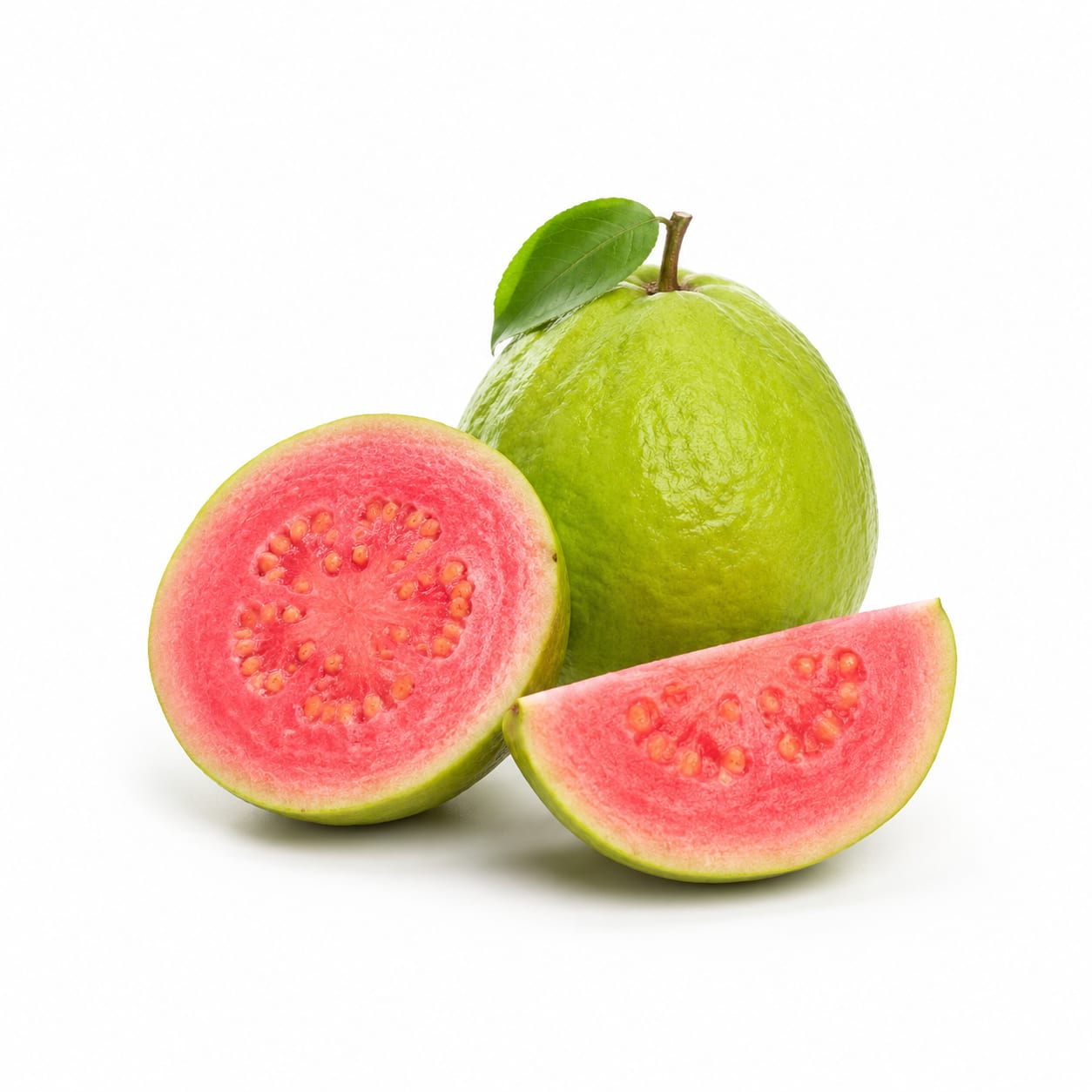
Guava
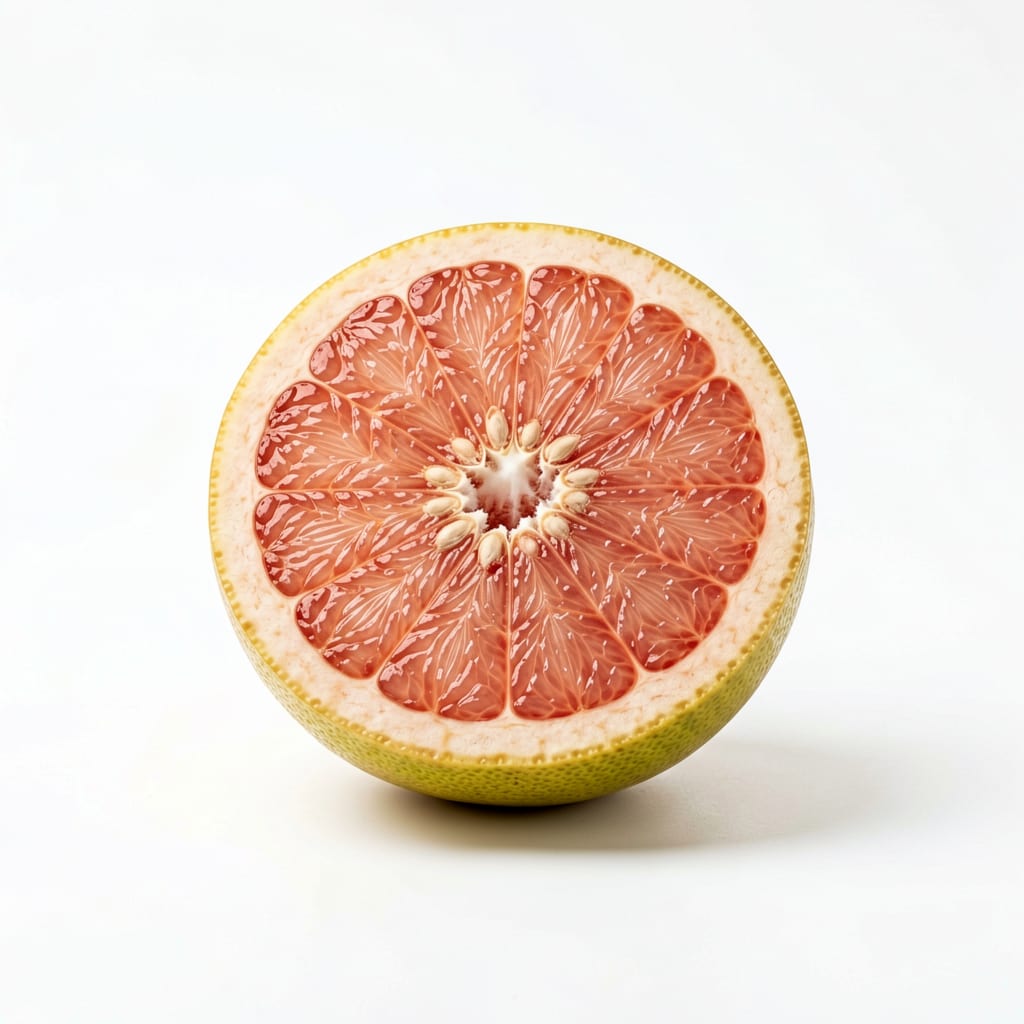
Grapefruit
Guava dominates on nutrition and safety, offering far more vitamin C and fiber, while Grapefruit wins on accessibility and lower calories but carries significant medication interaction risks.
Guava scores higher due to its exceptional nutrient density and lack of drug interactions. Grapefruit is solid but loses points for safety risks and lower fiber.
You trade the convenience and low calories of Grapefruit for the massive nutritional density and medication safety of Guava.
At a glance
Executive summary
Overall
Guava
Healthier
Guava
More practical
Grapefruit
Daily use
It depends
Key comparison lenses
Medication safety and drug interactions
Grapefruit has well-documented, dangerous interactions with many common medications, while Guava does not.
Vitamin C and immune support
Both are famous for vitamin C, but Guava has massively more, making it a top-tier immune booster.
Fiber intake and digestion
Guava is a fiber powerhouse compared to Grapefruit, heavily impacting fullness and gut health.
Weight loss and low-calorie snacking
Grapefruit is a classic diet food due to its low calorie count, whereas Guava is slightly more energy-dense but far more filling.
Best choice for
Guava
- Maximizing vitamin C and immune defense
- Boosting daily fiber and gut health
- Anyone taking prescription medications (especially statins or blood pressure drugs)
- Need for a filling, satisfying snack
Grapefruit
- Strict low-calorie dieting
- Budget-friendly fruit options
- A light, hydrating breakfast side
Least suitable for
Guava
- People who dislike dealing with seeds
- Those on a tight grocery budget where tropical fruits are expensive
- Individuals looking for very low-calorie volume eating
Grapefruit
- Anyone on statins, blood pressure meds, or anxiety drugs
- People with severe acid reflux or GERD
- Those who find bitter flavors unpalatable
Deep comparison
Dimension by dimension
Each lens scores both foods and breaks down who each option suits.
- Dimension 1 · Priority 90Guava
Vitamin C & Antioxidant Density
Guava · 98Grapefruit · 72Guava contains over four times the vitamin C of Grapefruit, making it one of the most potent fruit sources available.
Tradeoff
You get a much stronger immune and antioxidant boost from Guava, while Grapefruit provides a more modest but still decent amount.
Why it matters
Higher vitamin C intake translates to better collagen production, faster recovery, and stronger immune resilience.
Real-world impact
Eating one Guava almost covers your entire daily vitamin C needs, whereas you would need a large Grapefruit to achieve the same effect.
Guava
- Fighting off a cold
- Supporting skin elasticity and wound healing
Better for
Grapefruit
- Getting a lighter, more hydrating antioxidant dose
Better for
- Relying on it as your primary vitamin C source if you only eat small portions
Worse for
- Dimension 2 · Priority 85Guava
Fiber & Satiety
Guava · 94Grapefruit · 50Guava is packed with dietary fiber, especially if you eat the seeds, while Grapefruit is relatively low in fiber.
Tradeoff
Guava keeps you full for much longer and stabilizes digestion, whereas Grapefruit is lighter and less filling.
Why it matters
Fiber is crucial for preventing blood sugar spikes and keeping cravings at bay between meals.
Real-world impact
A Guava at 3 PM will likely hold you over until dinner; a Grapefruit might leave you hunting for another snack an hour later.
Guava
- Curbing afternoon hunger
- Improving digestive regularity
Better for
- Those who find high-fiber fruit heavy on the stomach before a workout
Worse for
Grapefruit
- Eating before a heavy meal without feeling stuffed
Better for
- Managing cravings or staying full on a calorie deficit
Worse for
- Dimension 3 · Priority 80Guava
Blood Sugar & Glycemic Impact
Guava · 85Grapefruit · 78Despite having slightly more sugar, Guava's massive fiber content slows absorption better than Grapefruit.
Tradeoff
Guava offers steadier energy despite higher carbs, while Grapefruit has fewer carbs but less fiber to buffer the sugar.
Why it matters
Steady blood sugar prevents the energy crashes that lead to fatigue and overeating.
Real-world impact
Guava provides a more sustained energy release, making it a safer bet for diabetics than the lower-fiber Grapefruit.
Guava
- Sustained energy without a crash
- Diabetics needing better glycemic control
Better for
Grapefruit
- Very low-carb diet followers who prioritize total carb count over net carbs
Better for
- People sensitive to fruit sugar without enough fiber to buffer it
Worse for
- Dimension 4 · Priority 95Guava
Medication Safety & Side Effects
Guava · 100Grapefruit · 30Grapefruit is notorious for dangerous interactions with dozens of common medications, while Guava is generally safe.
Tradeoff
Grapefruit requires careful checking against your medicine cabinet, whereas Guava can be eaten freely without drug concerns.
Why it matters
Furanocoumarins in Grapefruit block an enzyme in your gut, causing medications to build up to toxic levels in your blood.
Real-world impact
If you take statins or blood pressure medication, eating Grapefruit can lead to severe muscle pain or dangerously low blood pressure. Guava carries no such risk.
Guava
- Anyone taking prescription drugs
- Worry-free daily consumption
Better for
Grapefruit
- Older adults on multiple medications
- People taking statins, SSRIs, or calcium channel blockers
Worse for
- Dimension 5 · Priority 70Grapefruit
Accessibility & Practicality
Guava · 55Grapefruit · 90Grapefruit is a grocery store staple that is cheap and easy to find year-round, while fresh Guava can be seasonal, expensive, or hard to source.
Tradeoff
Grapefruit is far more convenient and budget-friendly, while Guava might require specialty stores or frozen options.
Why it matters
The best fruit for your health is the one you can actually buy and eat consistently.
Real-world impact
You can grab a Grapefruit at almost any corner store, but finding a ripe, fresh Guava might mean a trip to a specialty market.
Guava
- Experiencing tropical flavor variety
Better for
- People without access to specialty or international grocery stores
Worse for
Grapefruit
- Sticking to a grocery budget
- Quick, easy access anywhere
Better for
Timeline
Health impact over time
Short-term
Hours to days
Guava
- Highly satisfying and filling due to fiber
- Quick burst of energy and immune support from vitamin C
Grapefruit
- Light, hydrating, and refreshing
- Can trigger heartburn or acid reflux in sensitive individuals
Long-term
Months to years
Guava
- Excellent digestive regularity from high fiber intake
- Strong immune resilience and skin health from consistent vitamin C
Grapefruit
- Supports weight maintenance due to low calorie density
- Risk of adverse drug interactions if medications change over the years
Risk profile
Safety & processing
Both Guava and Grapefruit are whole, raw fruits with no artificial additives when purchased fresh.
Guava
Pesticide residue
mediumConventional Guava can carry pesticide residue on its skin, so washing thoroughly or choosing organic is wise.
Seed choking hazard
lowThe hard seeds in Guava can be a choking risk for very young children, though they are safe and edible for adults.
Grapefruit
Drug interaction
highGrapefruit inhibits CYP3A4 enzymes, which can cause dangerous accumulation of statins, blood pressure meds, and anti-anxiety drugs in the bloodstream.
Dental erosion
mediumHigh acidity can wear down tooth enamel over time if consumed excessively.
Who wins for whom
Audience fit
Same foods, different winners depending on your goal.
children
GuavaGuava is sweeter and lacks the medication risks of Grapefruit, though parents should slice it to mitigate the minor seed choking hazard.
daily consumption
It dependsGuava is nutritionally superior and safer with medications, but Grapefruit is far more accessible and affordable for a daily habit.
diabetes
GuavaGuava's exceptional fiber content slows sugar absorption significantly better than Grapefruit, leading to steadier blood sugar.
elderly
GuavaCrucially, Guava does not interact with the many medications older adults typically take, unlike Grapefruit which poses severe interaction risks.
muscle gain
It dependsNeither is a primary muscle-building food, but Guava offers slightly more carbohydrates for workout energy.
weight loss
It dependsGrapefruit is lower in calories and a classic diet food, but Guava's high fiber makes it far more filling, which prevents overeating later.
Your move
Decision guide
Choose Guava
- You want the most nutrient-dense, fiber-rich option
- You take prescription medications and need to avoid drug interactions
- You struggle with staying full between meals
- You want to dramatically boost your vitamin C intake
Choose Grapefruit
- You are counting calories strictly and prefer volume eating
- You need a budget-friendly, easily available fruit
- You are not on any interacting medications and love the bitter-sweet taste
- You want a light, hydrating addition to your breakfast
Either works if
- You just want a whole-food vitamin C source and have no medication concerns
- You are rotating fruits for dietary variety
Avoid both if
- You have a citrus allergy (applies to Grapefruit)
- You are on a strict very low-carb or keto diet
Final recommendation
Choose Guava if you have access to it and want maximum nutritional payoff without safety worries. Opt for Grapefruit if budget and convenience are your priorities, provided you do not take interacting medications.
Practical
Consumer tips
- 1
If fresh Guava is hard to find, look for frozen Guava chunks, which retain most of the vitamin C and fiber.
- 2
Always check your medication labels against Grapefruit; even some over-the-counter drugs interact with it.
- 3
Eat Guava with the seeds if you want the full fiber benefit, but chew them well.
- 4
If Grapefruit is too bitter, a light sprinkle of salt can actually enhance its natural sweetness without adding sugar.