
Legume
Green Lentil
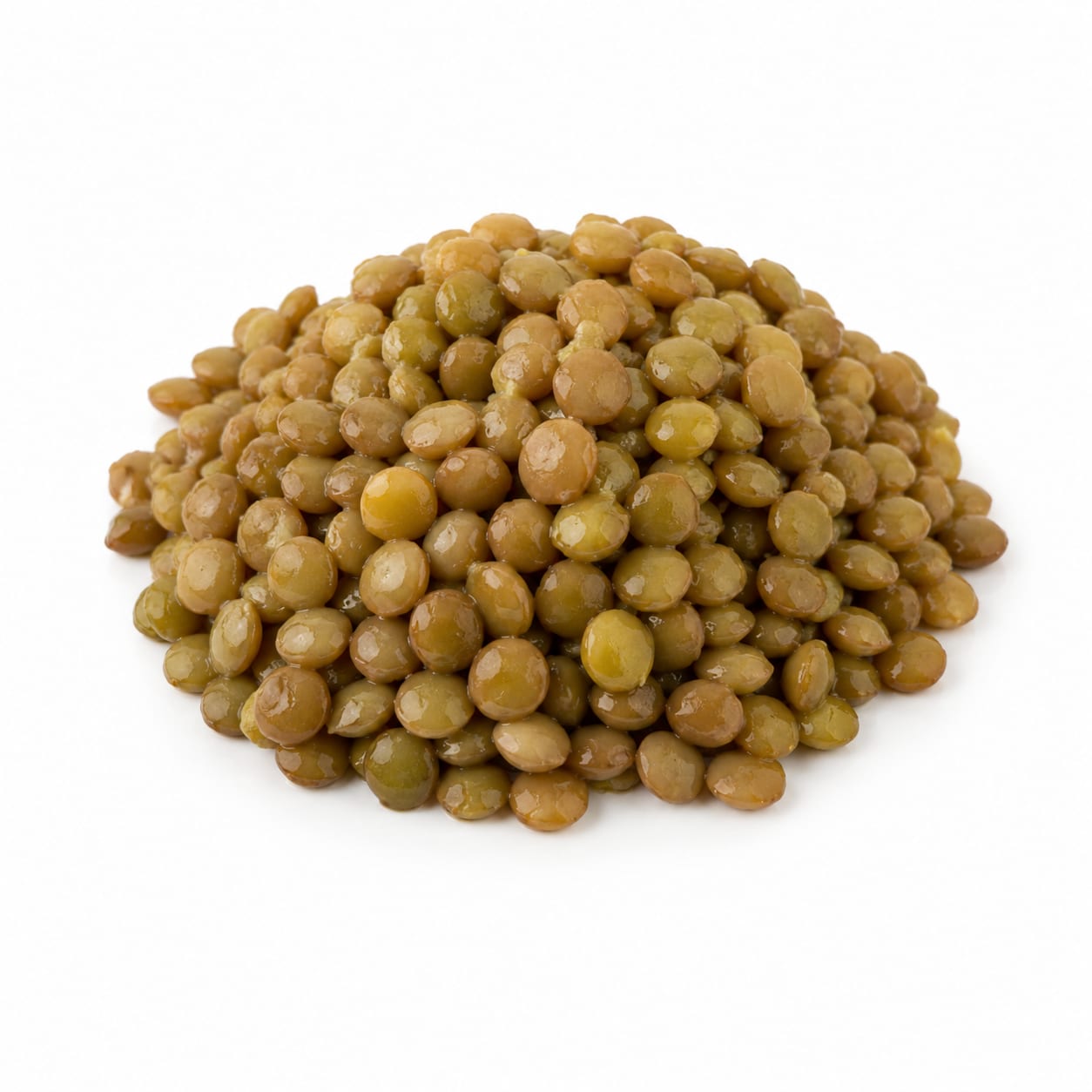
Green lentils are a nutrient-dense, high-protein legume that holds its shape well when cooked.
Green lentils are small, lens-shaped legumes known for their robust, slightly peppery flavor and firm texture. Unlike red or yellow lentils, they hold their shape well during cooking, making them a preferred choice for salads, side dishes, and hearty meals.
high-fiber plant protein source
Typical serving · 198g
Common varieties · French green lentil, Puy lentil, Laird lentil, Richlea lentil
Overall context score across nutrition, safety, and diet fit
At a glance
Quick facts
Simple indicators based on nutrition, processing, and diet fit.
The story
What makes it unique
Green lentils are slowly digested due to high soluble and insoluble fiber, leading to high satiety and a low glycemic response. Their macronutrient profile features high plant protein and complex carbohydrates with minimal fat. As a minimally processed whole food, they retain their cellular integrity and resistant starch content, which ferments in the colon to produce beneficial short-chain fatty acids.
Varieties: French green lentil · Puy lentil · Laird lentil · Richlea lentil
Per 100g
Nutrition breakdown
Macro balance and key metrics at a glance.
Energy
Density 1.16 kcal/g
Protein
Carbs
Fat
Fiber
Sugar
1.8 g
Sodium
2 mg
Potassium
369 mg
Glycemic index
32
Glycemic load
5
Water content
70%
Standout compounds
Nutrient highlights
Fiber
highpromotes satiety and feeds gut microbiome
Protein
moderatesupports muscle maintenance and repair
Folate
highessential for cell division and DNA synthesis
Iron
moderatecrucial for oxygen transport in the blood
Resistant Starch
moderateimproves insulin sensitivity and gut health
Wellness map
Health scores & processing
NOVA processing scale
minimally processed · Whole food
Dried green lentils are simply harvested, dried, and packaged with no added ingredients, representing a whole, minimally processed food.
Diet compatibility
- Weight loss
- Muscle gain
- Diabetes
- Gut health
- Low carb
- High protein
- Heart health
Relative standing
Food rankings
Qualitative ranks compared to similar whole foods.
- Satietyexcellent
- Blood sugarexcellent
- Nutrient densityexcellent
- Fitness fuelgood
- Processing qualityexcellent
Eat with confidence
Food safety profile
Green lentils are very safe to consume. Raw lentils contain phytohemagglutinin (lectins) which are neutralized by proper cooking. Heavy metal and pesticide risks are generally low.
Evidence confidence 95%
- Pesticideslow
- Antibioticslow
- Heavy metalslow
- Contaminationlow
Watch for
- lectins
- dust
- agricultural debris
Safer choices
Organic varieties to further minimize pesticide exposure, though conventional is already very low risk.
Prep tips
Rinse thoroughly under cold water to remove dust and debris. Boil adequately to neutralize lectins and improve digestibility.
None significant; standard agricultural handling applies.
Deep dive
Health analysis
How this food may fit different goals and preparation choices.
Weight loss
High fiber and protein content drastically increase satiety, reducing overall calorie intake. Low energy density allows for large, filling portions.
Blood sugar
Very low glycemic index and load. Fiber and resistant starch slow glucose absorption, preventing blood sugar spikes and improving insulin sensitivity.
Fitness & energy
Provides sustained, slow-releasing complex carbohydrates ideal for endurance activities, though not optimal for rapid post-workout glycogen replenishment.
Gut health
Rich in prebiotic fiber and resistant starch that nourish beneficial gut bacteria, promoting short-chain fatty acid production and a healthy microbiome.
Processing quality
A whole, unprocessed food with intact cellular structure, preserving natural nutrient synergy and avoiding additives.
Food safety
Safe when properly cooked. Raw lentils contain lectins that can cause gastrointestinal distress, but boiling completely deactivates them.
Common mistakes
Not rinsing lentils before cooking, which can leave behind debris, or failing to cook them thoroughly, which hinders digestion and nutrient absorption.
Best preparation
Boiling in water or broth until tender. Rinsing before cooking is essential. Cooking and cooling them boosts resistant starch content.
Practical guide
Best use cases
When and how this food fits real eating patterns.
warm salads and side dishes
Green lentils hold their shape well during cooking, making them ideal for textured salads and hearty side dishes.
blood sugar friendly meals
Their low glycemic load makes them a perfect carbohydrate base for stabilizing glucose.
plant-based protein bowls
Provides a substantial and filling protein source for vegan and vegetarian meal prep.
gut health improvement
Feeds beneficial gut bacteria through high prebiotic fiber and resistant starch.
Balance sheet
Pros & cons
Upsides
- Very high in satiety-promoting fiber and protein
- Stabilizes blood sugar with a very low glycemic index
- Excellent source of folate and iron for plant-based diets
- Holds shape well when cooked, offering versatile culinary texture
- No soaking required compared to other dried legumes
- Highly affordable and shelf-stable protein source
Trade-offs
- Contains lectins that must be deactivated by thorough cooking
- Can cause bloating or flatulence in individuals unaccustomed to high fiber
- Not a complete protein, requiring grain pairing for all essential amino acids
- Moderate in carbohydrates, unsuitable for strict keto diets
- Contains phytic acid, which can slightly inhibit mineral absorption
Fit check
Who is it for?
Great match
- plant-based meal prep
- blood sugar management
- high-volume low-calorie eating
- endurance athletes seeking sustained energy
- gut microbiome support
Consider alternatives
- strict ketogenic diets
- rapid post-workout glycogen replenishment
- individuals with severe IBS sensitive to FODMAPs
Side by side
How it compares
Open the full head-to-head analysis for nutrition, safety, and practical tradeoffs.
This food
Green Lentil
VS95% alike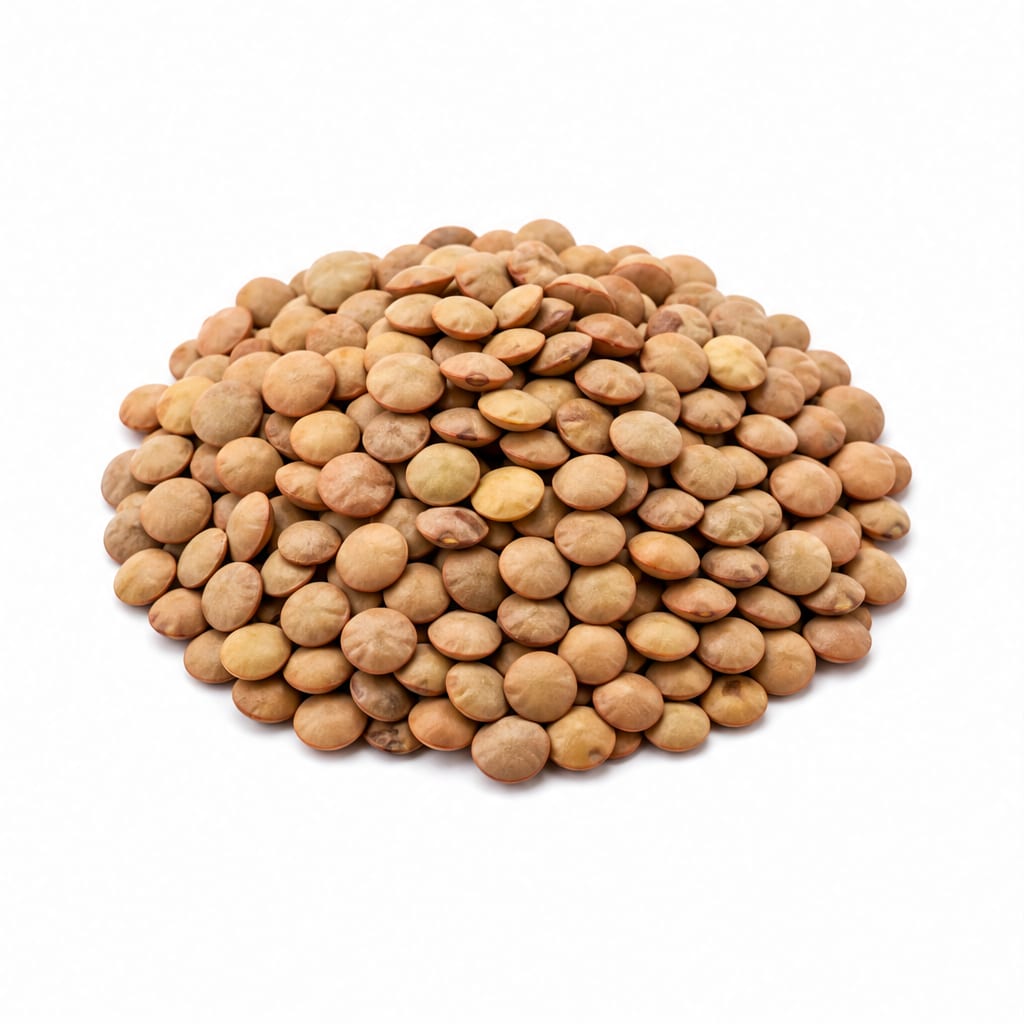
Compare with
Brown Lentil
Brown and green lentils are nutritionally almost identical, but green lentils hold their shape better and have a slightly peppery flavor.
Brown and green lentils are nutritionally tied, but green lentils win for salads because they hold their shape better when cooked.
This food
Green Lentil
VS90% alike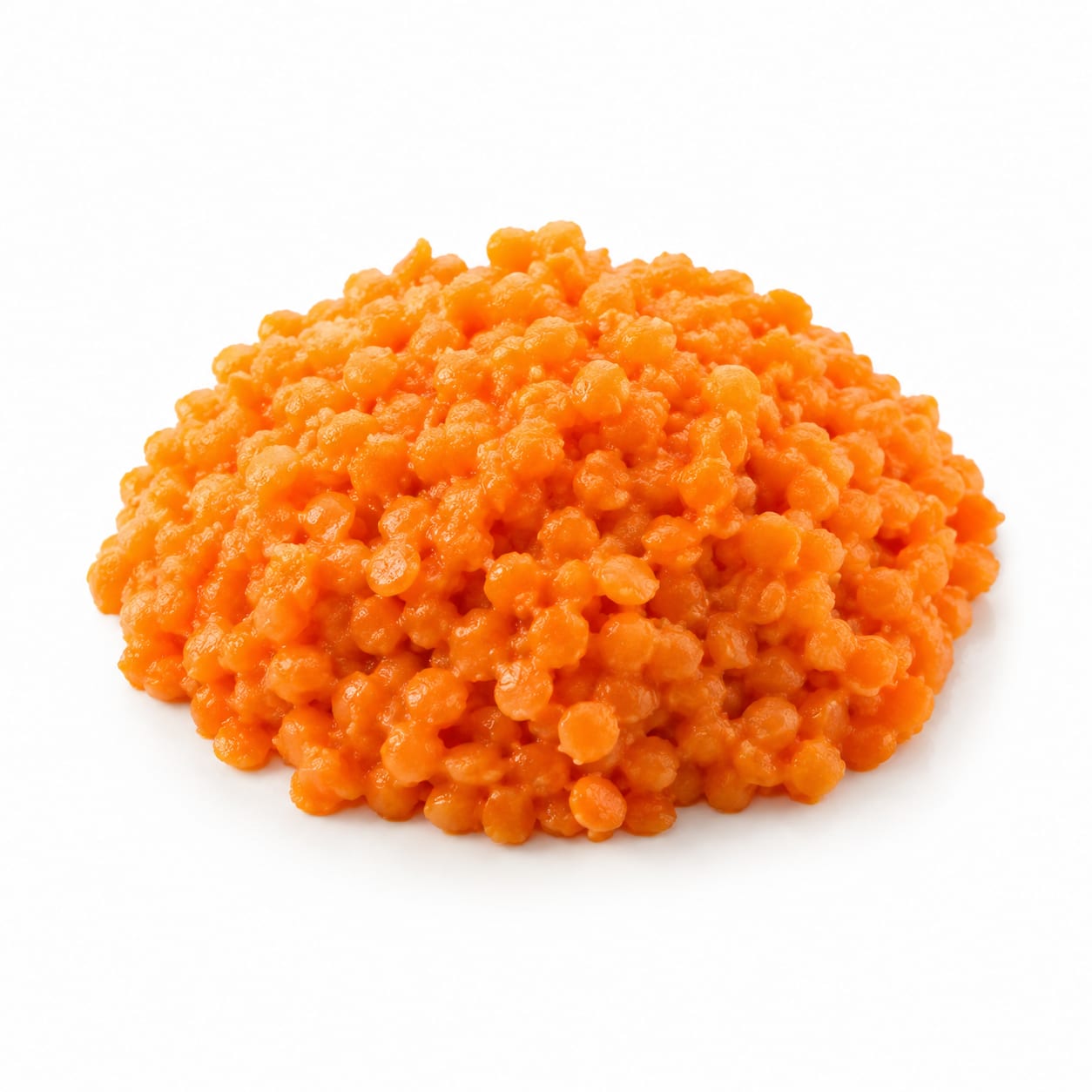
Compare with
Red Lentil
Red lentils cook faster and break down into a mush, while green lentils hold their shape and have slightly more fiber.
Green lentils are better for blood sugar and satiety due to slightly higher fiber, while red lentils are better for quick-cooking soups.
This food
Green Lentil
VS85% alike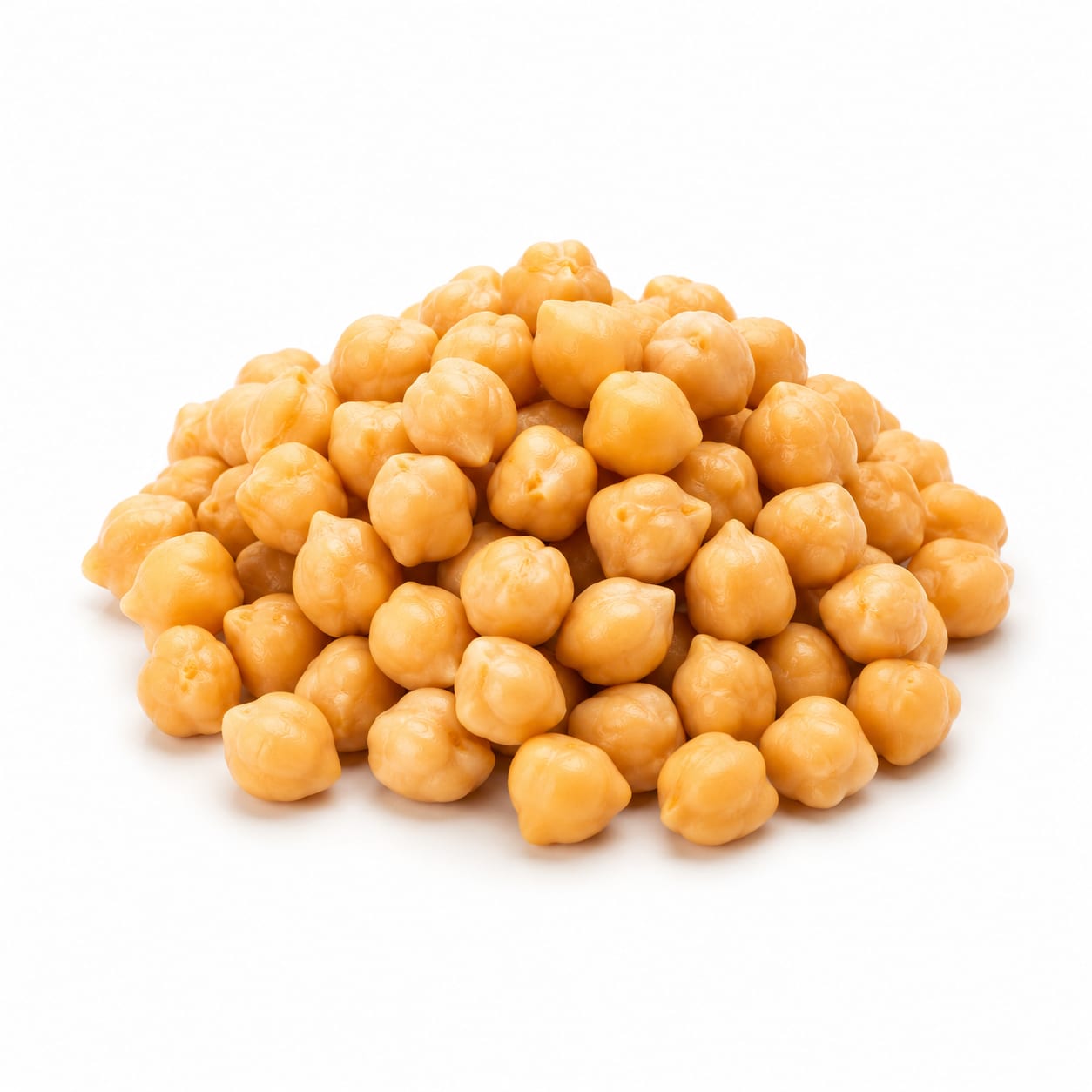
Compare with
Chickpea
Chickpeas are higher in fat and slightly lower in protein per calorie, while green lentils offer more fiber and faster cooking.
Green lentils edge out chickpeas for weight loss and blood sugar control due to a higher fiber-to-calorie ratio and lower glycemic load.
This food
Green Lentil
VS80% alike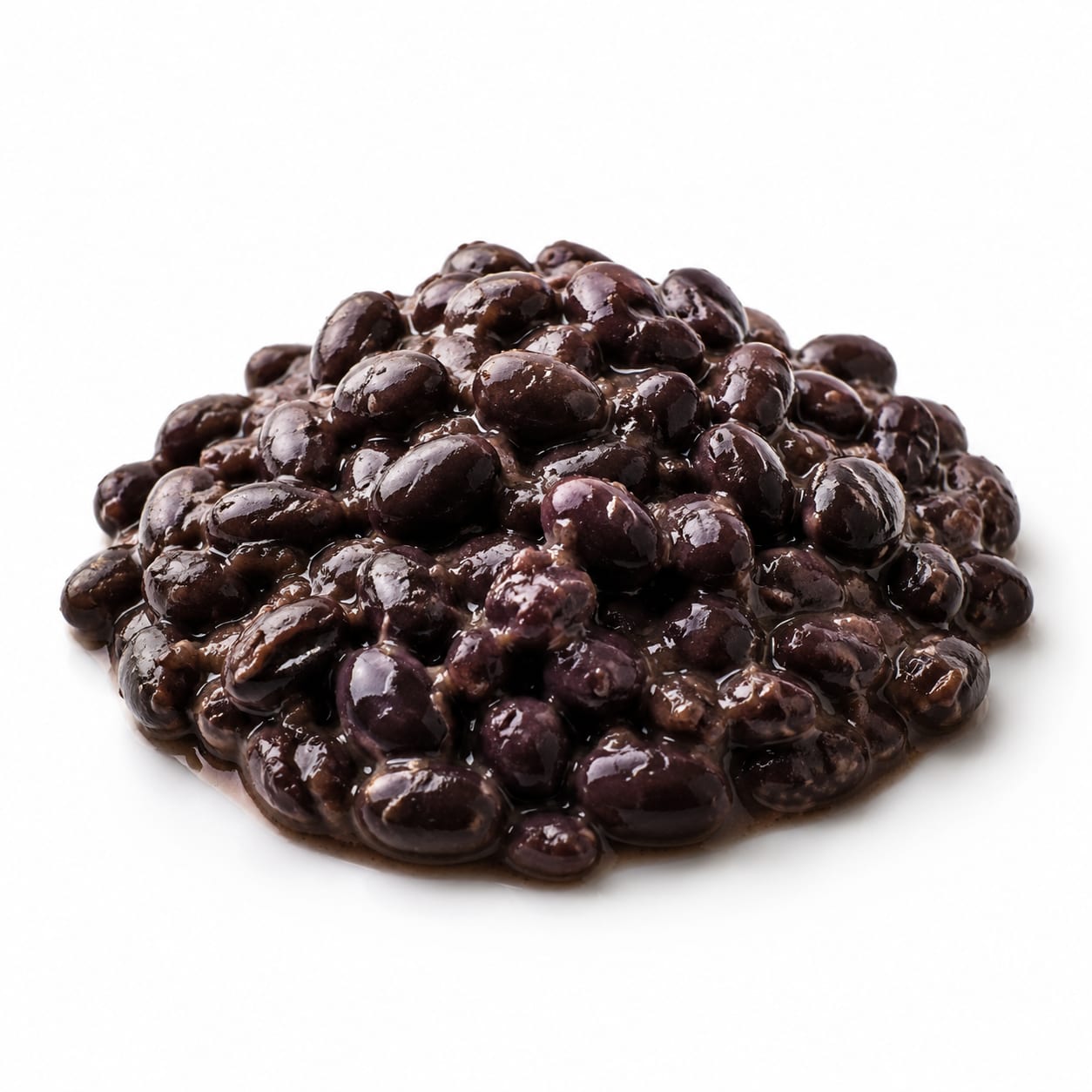
Compare with
Black Bean
Black beans are slightly higher in carbs and calories, while green lentils offer a denser protein profile and lower glycemic load.
Green lentils beat black beans for blood sugar control and weight loss due to a better protein-to-carbohydrate ratio.
This food
Green Lentil
VS75% alike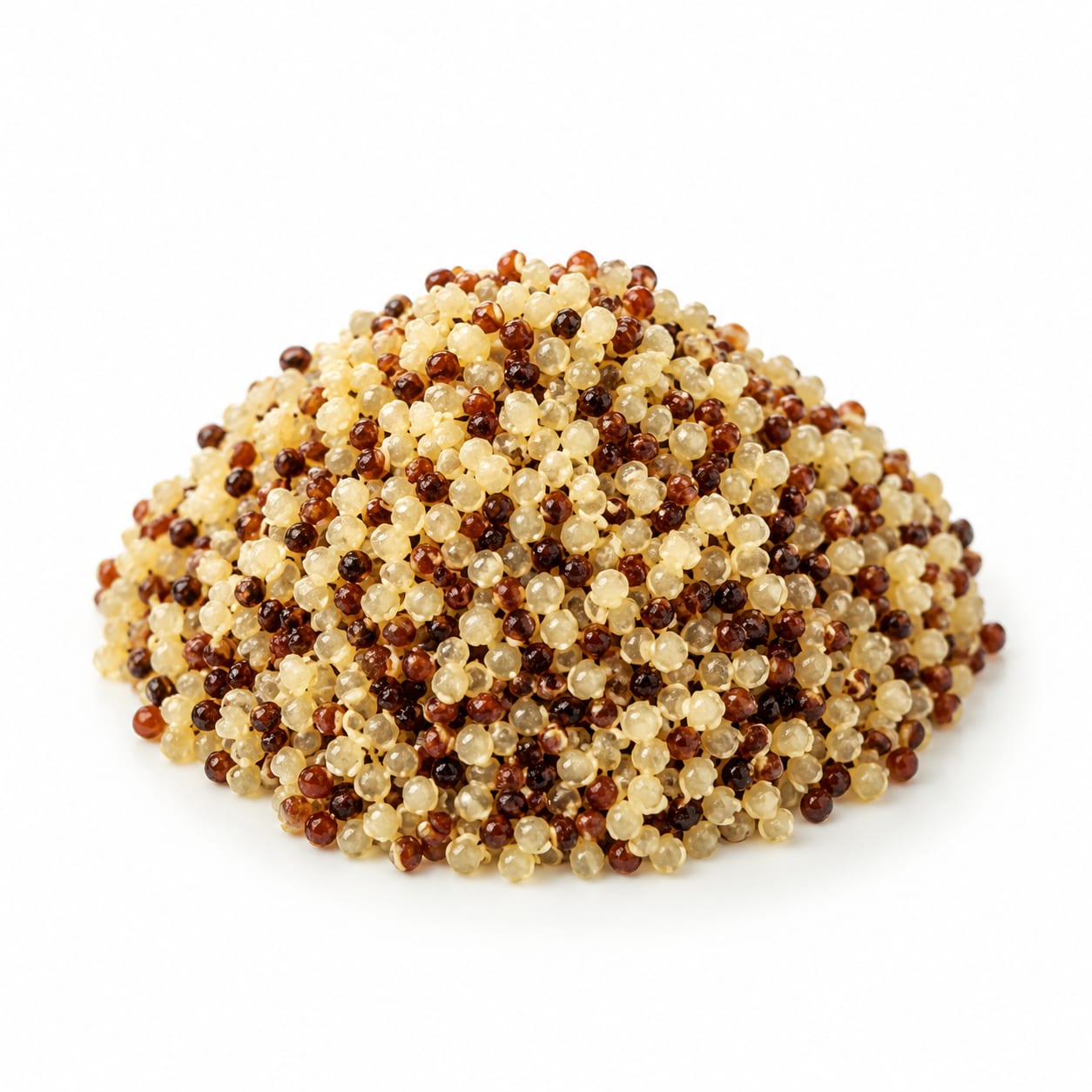
Compare with
Quinoa
Quinoa is a complete protein and higher in carbs, while green lentils are much higher in fiber and better for blood sugar control.
Quinoa provides complete protein and faster energy, but green lentils are far superior for fiber, satiety, and blood sugar management.
This food
Green Lentil
VS70% alike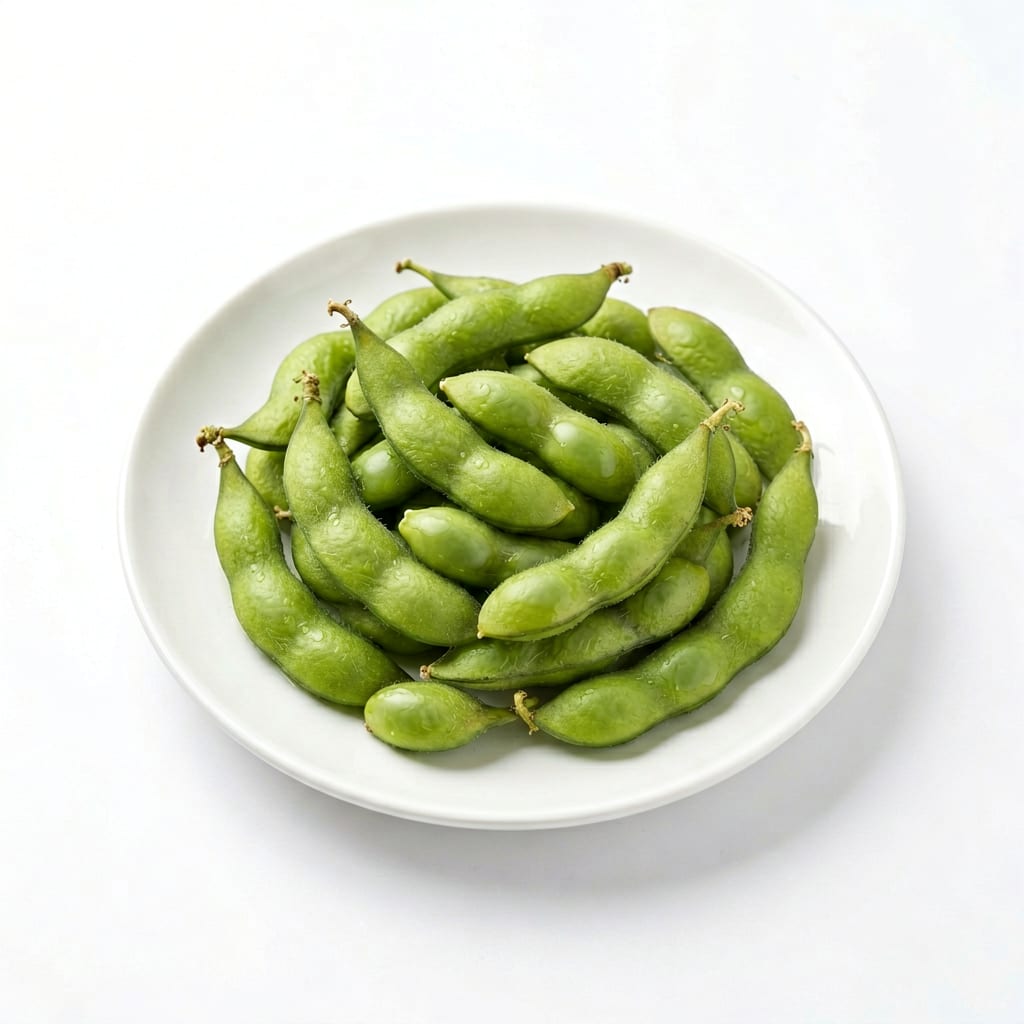
Compare with
Edamame
Edamame is a complete protein lower in carbs, while green lentils are higher in fiber and resistant starch for gut health.
Edamame offers lower carbs and complete protein, but green lentils provide more fiber and resistant starch for gut health.
This food
Green Lentil
VS85% alike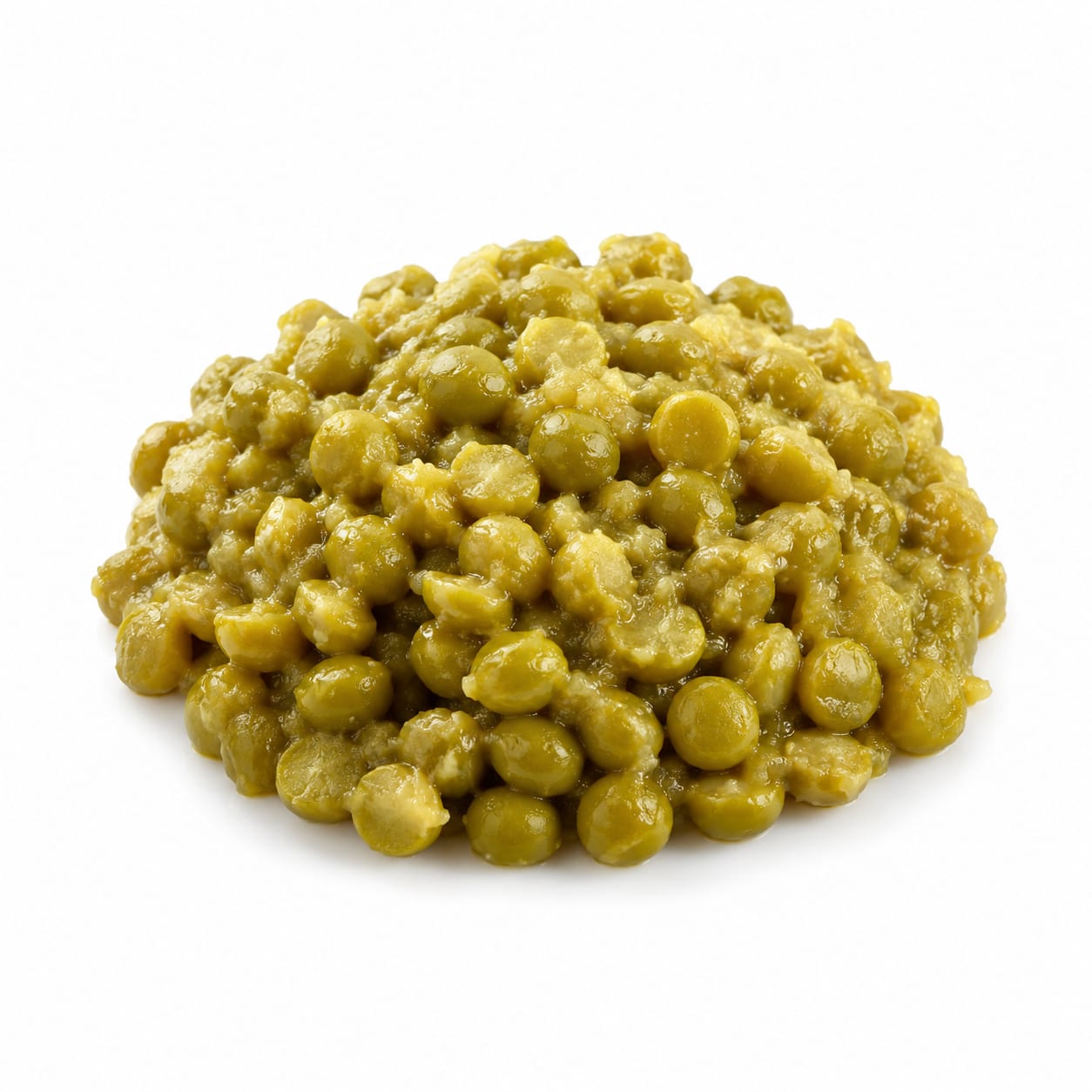
Compare with
Split Pea
Split peas are nutritionally similar but cook into a thick soup, whereas green lentils maintain a firm texture for salads.
Split peas and green lentils are nutritional equals, but green lentils win for salads and side dishes because they keep their firm texture.
This food
Green Lentil
VS40% alike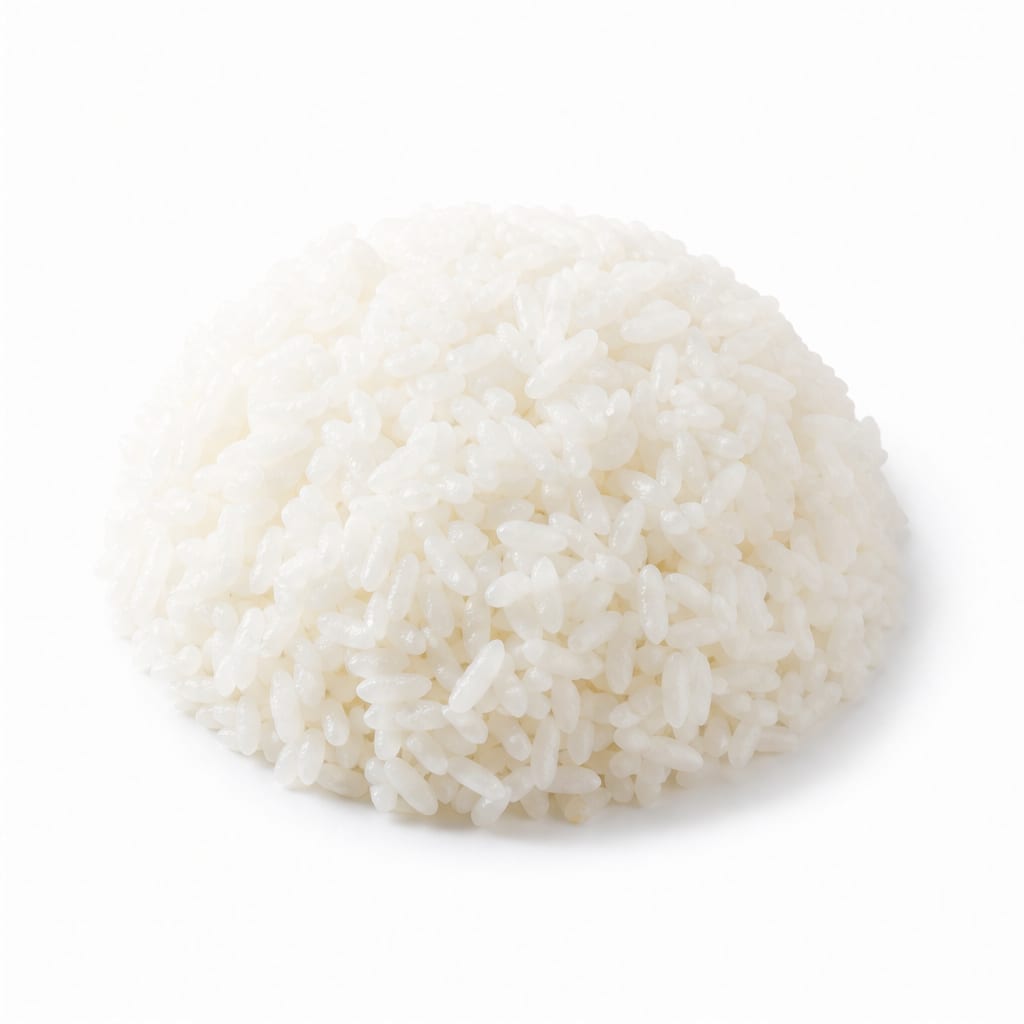
Compare with
White Rice
Green lentils provide vastly more protein, fiber, and micronutrients than white rice, which spikes blood sugar rapidly.
Swapping white rice for green lentils drastically increases protein and fiber while preventing blood sugar spikes.
This food
Green Lentil
VS98% alike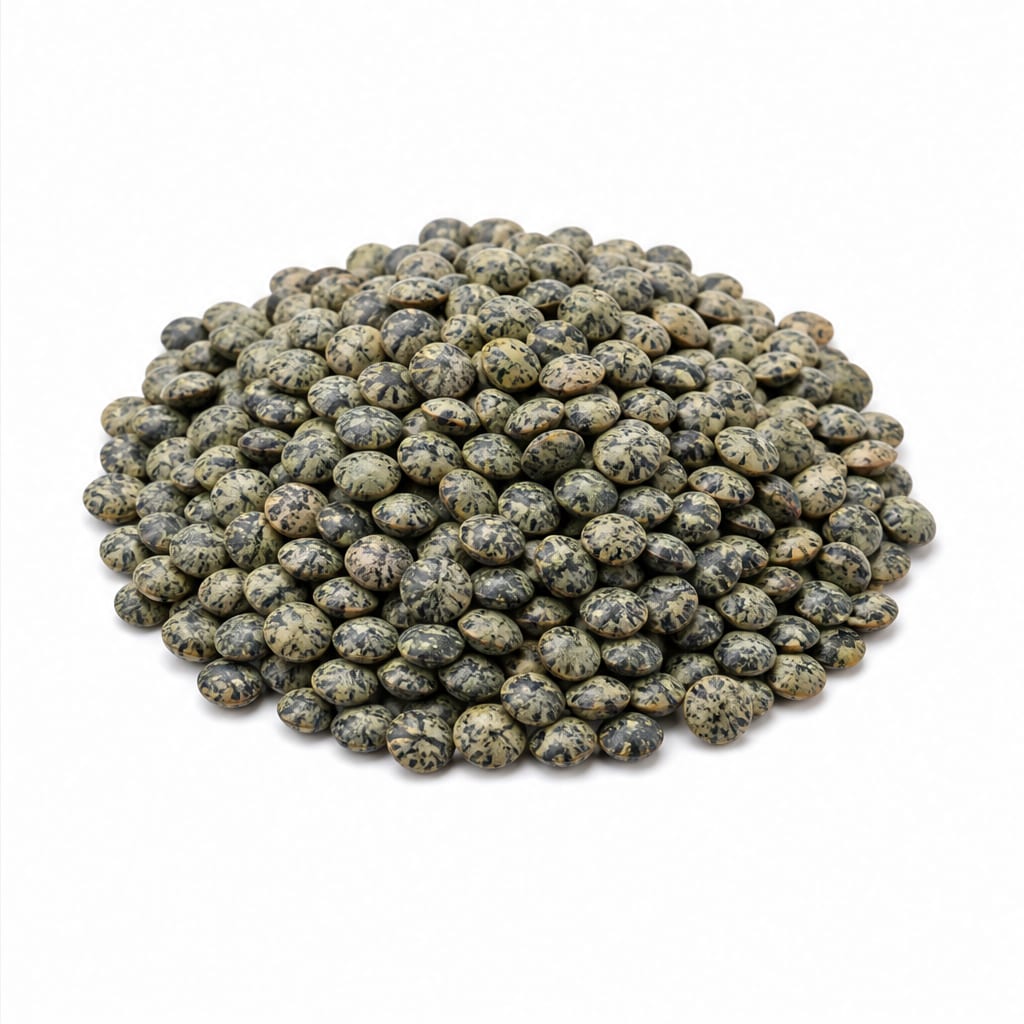
Compare with
Puy Lentil
Puy lentils are a specific type of green lentil from France; they are nutritionally identical but have a firmer texture and higher price.
Puy lentils are just a premium French variety of green lentil; they offer the same nutrition but with a slightly firmer bite and higher cost.
This food
Green Lentil
VS90% alike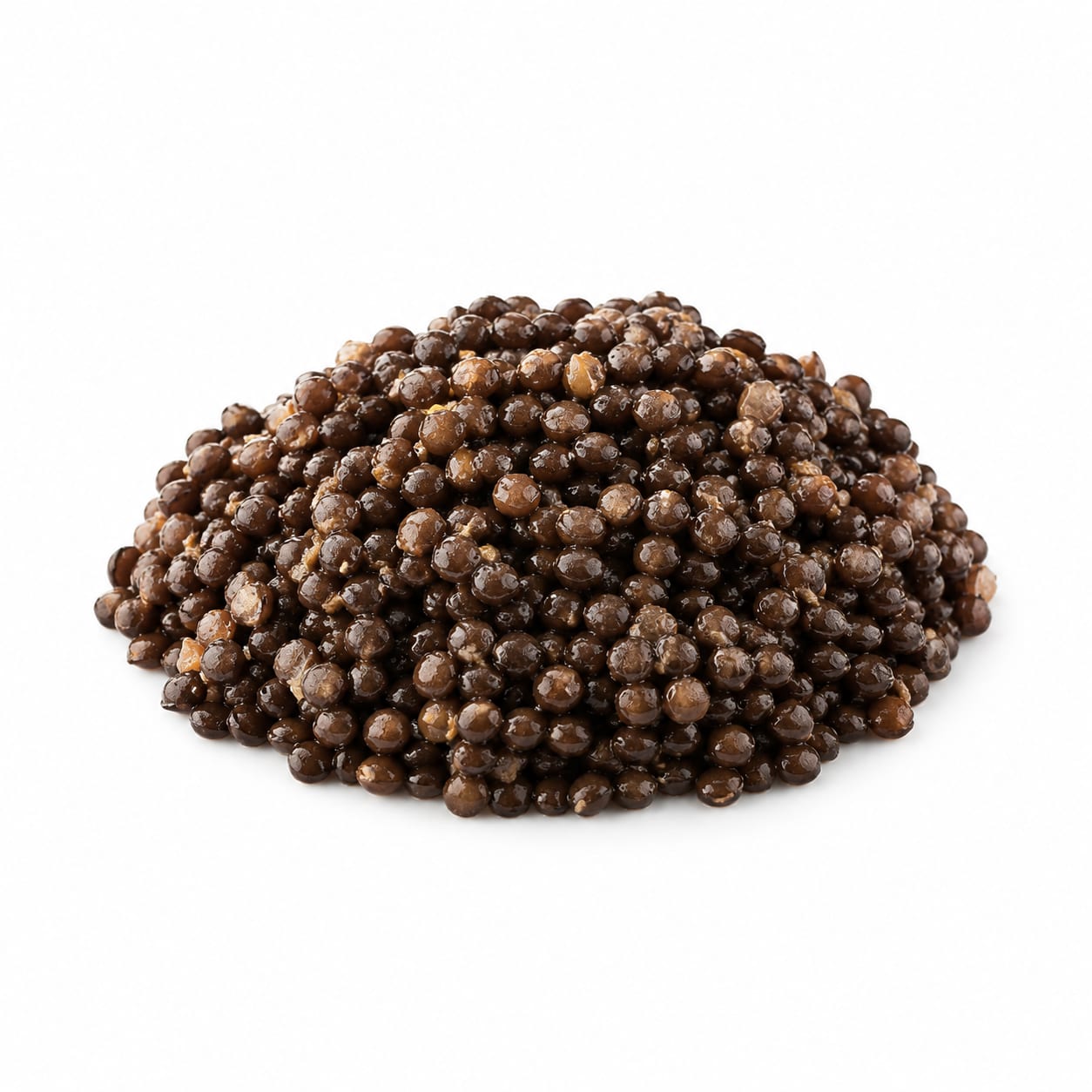
Compare with
Black Lentil
Black lentils are slightly higher in protein and antioxidants, but green lentils are more widely available and similarly nutritious.
Black lentils slightly edge out green lentils in protein and antioxidant content, but both are excellent choices for plant-based meals.
Common questions
FAQ
Answers aligned with how people search for this food.
Are green lentils good for weight loss?
Yes, green lentils are excellent for weight loss due to their high protein and fiber content, which promotes fullness and reduces overall calorie intake.
Do green lentils spike blood sugar?
No, green lentils have a very low glycemic index. Their high fiber content slows digestion, resulting in a gradual release of glucose into the bloodstream.
How much protein is in green lentils?
Cooked green lentils provide about 9 grams of protein per 100 grams, or roughly 18 grams per cup, making them a strong plant-based protein source.
Do I need to soak green lentils before cooking?
Unlike other legumes, green lentils do not require soaking. They cook relatively quickly in about 20-30 minutes, though soaking can slightly reduce cooking time and improve digestibility.
Which is healthier green or red lentils?
Both are highly nutritious. Green lentils hold their shape better and have slightly more fiber, while red lentils cook faster and are better for thickening soups. Nutritionally, they are very similar.
Are green lentils hard to digest?
Some people may experience gas or bloating from lentils due to their high fiber content. Rinsing them well and cooking thoroughly can help improve digestibility.
Can diabetics eat green lentils?
Yes, green lentils are highly recommended for diabetes management. Their low glycemic index and high fiber help stabilize blood sugar levels.
Are green lentils a complete protein?
No, lentils are low in methionine. However, pairing them with grains like rice or wheat creates a complete amino acid profile.
Transparency
Data confidence
Estimated confidence for nutrition data, interpretation, safety notes, and comparisons.
Nutrition data
Health analysis
Food safety
Comparisons