
Nutrition comparison
Green Lentils vs Edamame: Nutrition Comparison, Protein Quality, and Which to Choose
Green lentils vs edamame compared on protein, fiber, calories, and health benefits. Learn which plant protein is better for weight loss, muscle gain, and daily nutrition.
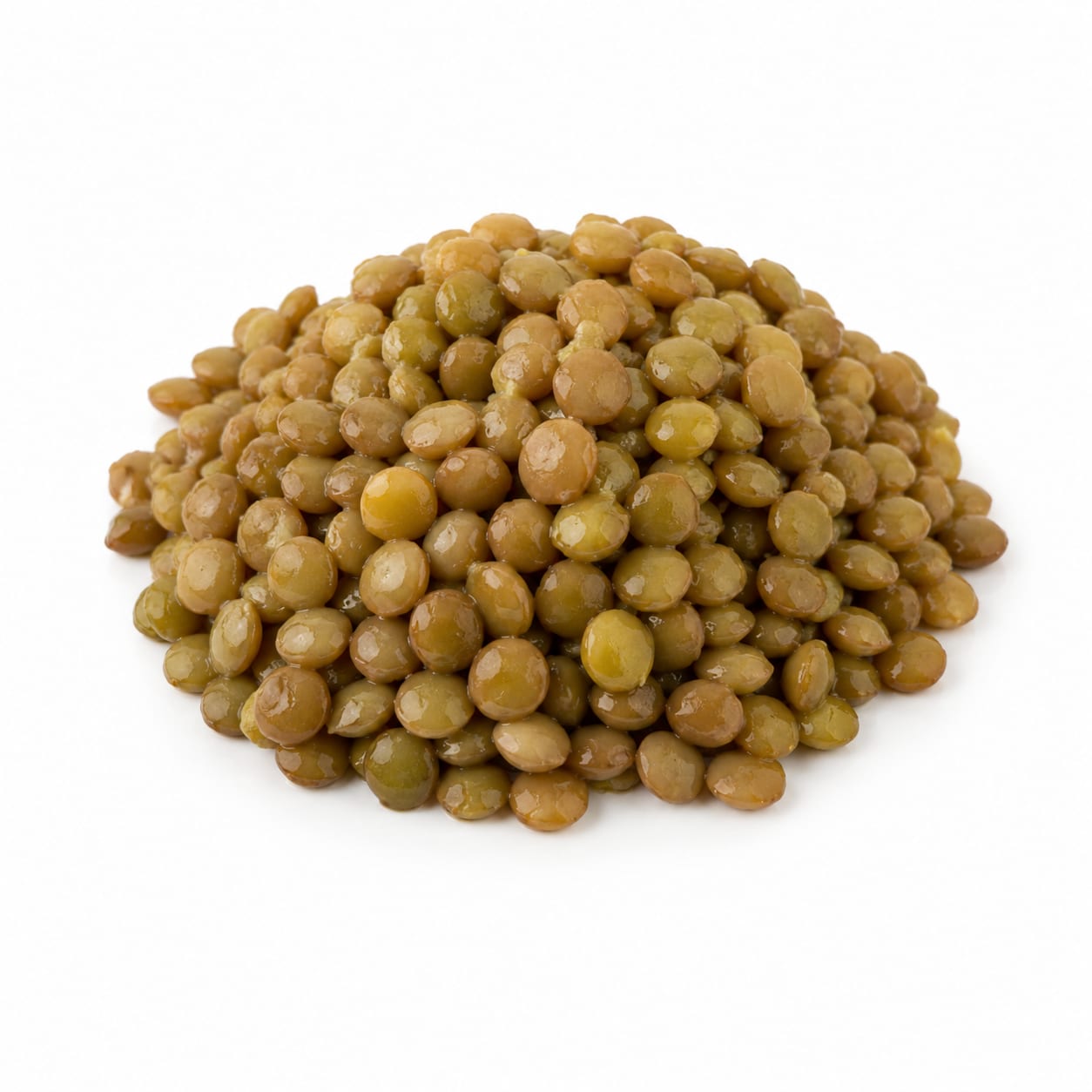
Green Lentil
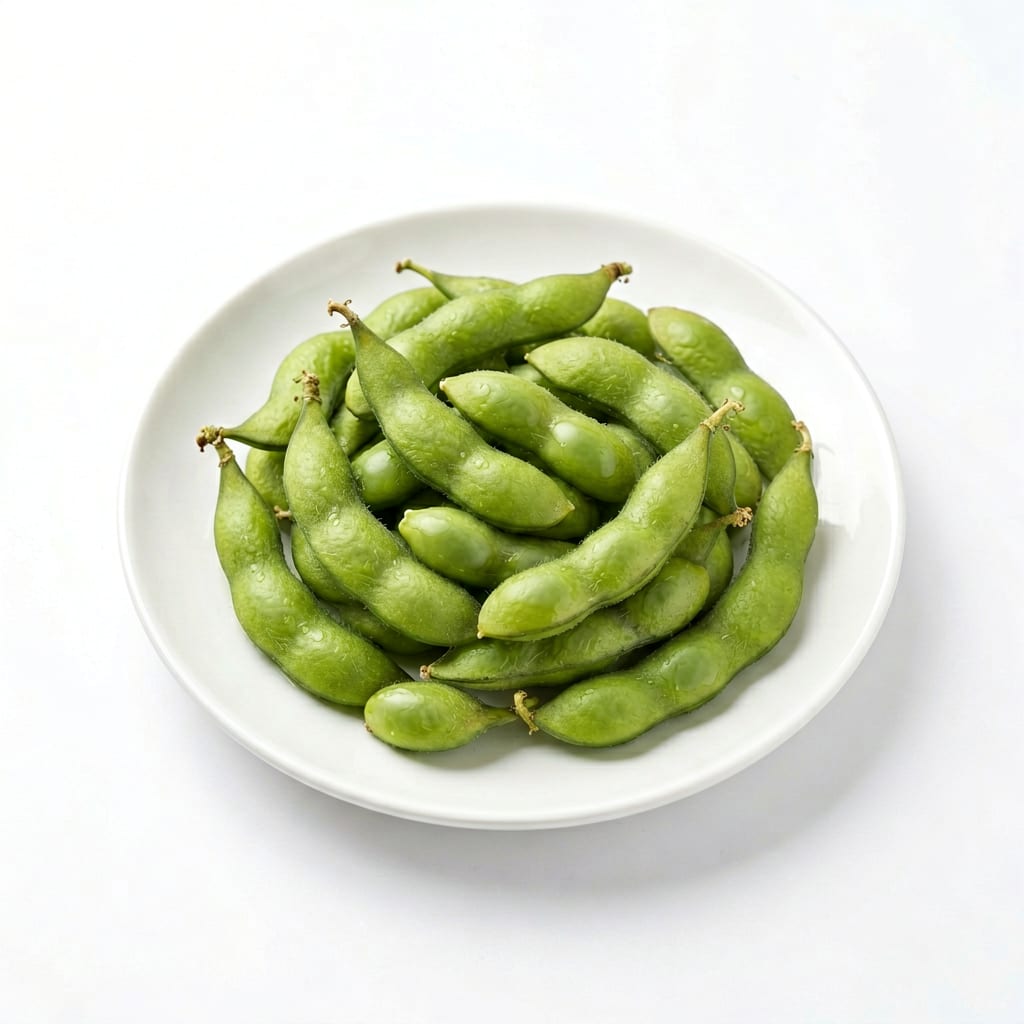
Edamame
Green lentils win on fiber, iron, and calorie efficiency. Edamame wins on protein completeness, healthy fats, and convenience. Your pick depends on what gap you're filling.
Green lentils edge ahead slightly due to superior fiber, iron content, and calorie-to-satiety ratio. Edamame stays competitive with complete protein and healthy fats. The close scores reflect that both are excellent choices with different strengths.
Complete protein and healthy fats from edamame versus more fiber, more iron, and fewer calories from green lentils.
At a glance
Executive summary
Overall
It depends
Healthier
It depends
More practical
Edamame
Daily use
Green Lentil
Key comparison lenses
plant-based protein quality comparison
Both are top plant protein sources, but edamame offers complete protein while green lentils require pairing
weight management and satiety
Users choosing between these often want to know which keeps them fuller longer with fewer calories
soy vs legume health tradeoffs
Edamame carries soy-specific concerns like phytoestrogens and GMO exposure that lentils avoid entirely
meal prep and convenience
Preparation time and storage differ significantly between dried lentils and frozen edamame
blood sugar and energy stability
Both are low-glycemic but have different carb-to-fat ratios affecting energy curves
Best choice for
Green Lentil
- People counting calories who want maximum volume and fullness
- Iron-deficient individuals needing plant-based iron sources
- Those avoiding soy due to allergy or personal preference
- Meal preppers who cook in bulk on weekends
- Budget-conscious eaters wanting the most nutrition per dollar
Edamame
- Those needing complete protein without food combining
- People wanting quick snacks with minimal prep
- Anyone falling short on healthy fat intake
- Post-workout recovery needing faster-digesting protein
- Those who find lentils cause excessive bloating
Least suitable for
Green Lentil
- People with severe legume sensitivity or FODMAP issues
- Those needing fast meal options with zero cook time
- Anyone requiring complete protein in a single food source
- People low on healthy fats who need calorie-dense options
Edamame
- People with soy allergies
- Those avoiding GMO crops unless buying organic
- Anyone on very low-fat diet protocols
- People with thyroid conditions concerned about soy isoflavones
- Budget-limited households
Deep comparison
Dimension by dimension
Each lens scores both foods and breaks down who each option suits.
- Dimension 1 · Priority 95Edamame
Protein Quality and Content
Green Lentil · 72Edamame · 90Edamame delivers complete protein with all essential amino acids. Green lentils fall short on methionine and cysteine, requiring grain pairing for completeness.
Tradeoff
Edamame gives you worry-free complete protein but at a higher calorie cost. Green lentils need food combining but offer more protein per calorie.
Why it matters
If most of your protein comes from plants, completeness matters more than if you eat animal protein regularly.
Real-world impact
A bowl of edamame after a workout covers your recovery needs alone. Green lentils paired with rice do the same, but you need to plan that combo.
Green Lentil
- Higher protein per calorie when you're watching intake
- Easier to eat in large quantities without fat overload
Better for
- Missing methionine and cysteine unless paired with grains
- Lower total protein per cup compared to edamame
Worse for
Edamame
- Complete amino acid profile without thinking about food combining
- Higher total protein per serving for muscle recovery
Better for
- More calories per gram of protein due to fat content
- Less suitable for very high-volume, low-calorie eating
Worse for
- Dimension 2 · Priority 88Green Lentil
Fiber and Digestive Health
Green Lentil · 92Edamame · 68Green lentils pack nearly double the fiber of edamame, making them significantly more gut-friendly and filling per serving.
Tradeoff
More fiber means better digestion and satiety, but also more gas and bloating if your gut isn't adapted. Edamame is gentler on sensitive stomachs.
Why it matters
Most people get barely half the fiber they need. Green lentils close that gap much faster.
Real-world impact
A cup of green lentils at lunch keeps you full until dinner. Edamame might leave you snacking again by mid-afternoon.
Green Lentil
- Substantially more fiber per serving for gut health
- Better for establishing regular digestion patterns
- Feeds beneficial gut bacteria more effectively
Better for
- Can cause significant gas and bloating if you increase intake too quickly
- Requires gradual introduction for sensitive digestive systems
Worse for
Edamame
- Easier to tolerate if you have IBS or FODMAP sensitivity
- Less likely to cause uncomfortable bloating during the adjustment period
Better for
- Fiber content is decent but unremarkable compared to other legumes
- Less effective at keeping you full between meals
Worse for
- Dimension 3 · Priority 82Edamame
Fat Profile and Heart Health
Green Lentil · 45Edamame · 88Edamame provides meaningful amounts of polyunsaturated fats including omega-3s. Green lentils are nearly fat-free, which is neither good nor bad on its own.
Tradeoff
Edamame's healthy fats support heart and brain health but add calories. Green lentils let you control fat intake separately but require you to get fats elsewhere.
Why it matters
If your diet is already low in healthy fats, edamame fills that gap naturally. If you're already getting plenty, the extra calories may not serve you.
Real-world impact
Edamame as a snack gives you protein, fiber, and healthy fats in one package. Green lentils need olive oil or avocado alongside to match that balance.
Green Lentil
- Virtually no fat means full control over your fat sources
- Easier to fit into very low-fat dietary approaches
Better for
- Fat-free profile means you must source essential fats from other foods
- Less satisfying mouthfeel without added fats
Worse for
Edamame
- Built-in omega-3 and omega-6 fatty acids for heart and brain health
- More hormonally satisfying meals due to natural fat content
- Better absorption of fat-soluble vitamins when eaten with other foods
Better for
- Higher calorie density can sneak up if you eat large portions
- Not suitable for medically prescribed very low-fat diets
Worse for
- Dimension 4 · Priority 85Green Lentil
Calorie Efficiency and Weight Management
Green Lentil · 88Edamame · 70Green lentils offer more food volume and fiber per calorie, making them superior for feeling full on fewer calories.
Tradeoff
Green lentils let you eat more volume for fewer calories, but edamame's fat content provides longer-lasting satisfaction in smaller portions.
Why it matters
For consistent weight management, the food that lets you eat a satisfying volume without overconsuming calories usually wins long-term.
Real-world impact
A heaping bowl of lentil soup feels like a big meal for under 300 calories. The same calories in edamame is a modest side dish.
Green Lentil
- More volume per calorie for bigger, more satisfying portions
- Higher fiber slows digestion and extends fullness signals
- Lower calorie density makes overeating difficult
Better for
- Without added fat, meals can feel less indulgent
- Carb-heavy profile may trigger hunger faster in some people
Worse for
Edamame
- Fat content provides steadier, longer-lasting energy
- Smaller portions can feel adequately satisfying
Better for
- Easier to overconsume calories if eating mindlessly
- Less food volume per calorie means smaller visual portions
Worse for
- Dimension 5 · Priority 78Green Lentil
Micronutrient Density
Green Lentil · 85Edamame · 78Green lentils dominate in iron, folate, and magnesium. Edamame counters with more vitamin K and potassium. Both are strong, but lentils cover more common deficiencies.
Tradeoff
Iron deficiency is far more common than vitamin K deficiency, giving green lentils the practical edge for most people.
Why it matters
Plant-based eaters especially struggle with iron. Green lentils are one of the best non-meat sources available.
Real-world impact
Regular green lentil consumption can meaningfully move the needle on iron levels. Edamame helps more with bone health through vitamin K.
Green Lentil
- Significantly more iron, which is the most common nutrient deficiency worldwide
- Higher folate for cellular repair and pregnancy support
- More magnesium for sleep, muscle recovery, and stress management
Better for
- Lower in vitamin K than edamame
- Non-heme iron is less absorbable than animal sources without vitamin C pairing
Worse for
Edamame
- More vitamin K for bone density and blood clotting
- Higher potassium for blood pressure regulation
- Better calcium content for bone health
Better for
- Less iron per serving, which matters for plant-based eaters
- Lower folate content compared to lentils
Worse for
- Dimension 6 · Priority 75Edamame
Convenience and Practicality
Green Lentil · 55Edamame · 85Edamame from frozen is ready in minutes. Green lentils require 20-40 minutes of cooking from dried, though canned options help.
Tradeoff
Edamame saves time but costs more. Green lentils save money but demand planning and cooking time.
Why it matters
The healthiest food is the one you actually eat. Convenience often determines whether a healthy staple becomes a regular habit.
Real-world impact
Frozen edamame is a 3-minute microwave snack. Dried green lentils require remembering to soak or simmer. Canned lentils split the difference but add sodium.
Green Lentil
- Canned versions offer reasonable convenience with rinsing
- Dried lentils are shelf-stable for years and incredibly cheap
- Batch cooking on weekends covers a full week of meals
Better for
- Dried lentils require significant cooking time and planning
- Canned versions add sodium and slightly mushier texture
Worse for
Edamame
- Frozen edamame cooks in under 5 minutes
- Natural finger food that needs no recipe or preparation
- Portable as a snack without mess or utensils
Better for
- More expensive per serving than dried lentils
- Requires freezer space and consistent refrigeration
Worse for
- Dimension 7 · Priority 72Green Lentil
Allergen and Sensitivity Risk
Green Lentil · 85Edamame · 60Soy is a top 8 allergen and edamame carries GMO and phytoestrogen concerns. Green lentils are allergen-friendly and rarely genetically modified.
Tradeoff
Green lentils are safer for more people, but edamame's soy concerns are overblown for most healthy adults.
Why it matters
If you have soy sensitivity or prefer avoiding GMO crops, green lentils eliminate that decision entirely.
Real-world impact
Soy allergy means edamame is completely off the table. Lentil allergy exists but is far less common and less severe.
Green Lentil
- No top-8 allergen concerns
- Virtually always non-GMO
- No phytoestrogen controversy to navigate
Better for
- Lentil allergies do exist, particularly in Mediterranean populations
- Cross-reactivity possible with other legume allergies
Worse for
Edamame
- Soy sensitivities are less common than people self-diagnose
- Organic edamame eliminates GMO concerns entirely
Better for
- Soy is a major allergen affecting millions
- Most US soy is genetically modified unless organic
- Isoflavone concerns for those with thyroid conditions or hormone-sensitive conditions
Worse for
- Dimension 8 · Priority 70Green Lentil
Blood Sugar Stability
Green Lentil · 88Edamame · 80Both are low-glycemic, but green lentils have more fiber and less fat, creating a slower, steadier glucose response.
Tradeoff
Green lentils provide more predictable blood sugar control. Edamame's fat content helps too, but the lower fiber makes it slightly less consistent.
Why it matters
For prediabetics and anyone avoiding energy crashes, the food with more fiber and slower glucose release is the safer bet.
Real-world impact
Green lentils at lunch mean no 3pm energy dip. Edamame is still solid but slightly less reliable for all-day steadiness.
Green Lentil
- Higher fiber creates slower, more sustained glucose release
- More reliable for diabetics managing post-meal spikes
- Better for avoiding afternoon energy crashes
Better for
- Higher total carbohydrates could concern very low-carb dieters
- Portion control still matters for blood sugar management
Worse for
Edamame
- Fat content also slows glucose absorption effectively
- Lower carbohydrate content per serving reduces total glucose load
Better for
- Less fiber means slightly less predictable glucose response
- Lower carb content is offset by less blood-sugar-stabilizing fiber
Worse for
Timeline
Health impact over time
Short-term
Hours to days
Green Lentil
- Noticeable fullness within 30 minutes of eating due to high fiber volume
- Possible bloating and gas if you're not used to high-fiber foods
- Steady energy without sugar crashes for 3-4 hours
- Iron boost that pairs well with vitamin C foods for absorption
Edamame
- Quick satisfying snack with minimal digestive discomfort for most people
- Sustained energy from the protein-fat-fiber combination
- Mild thyroid effect possible if consumed in very large quantities
- Immediate healthy fat intake supporting satiety hormones
Long-term
Months to years
Green Lentil
- Improved gut microbiome diversity from consistent high fiber intake
- Better iron status reducing fatigue and improving cognitive function
- Lower risk of colorectal cancer from sustained fiber consumption
- Potential for improved cholesterol levels from soluble fiber
Edamame
- Heart health benefits from regular soy protein and omega-3 intake
- Possible bone density support from vitamin K and isoflavones
- Mild cholesterol-lowering effect from soy protein
- Long-term soy consumption appears safe for most people but those with thyroid conditions should monitor intake
Risk profile
Safety & processing
Both foods are whole, minimally processed options. Dried green lentils are about as natural as food gets. Frozen edamame may have a brief blanching step but retains whole-food status. Canned lentils and seasoned edamame products can introduce sodium and additives, so read labels.
Green Lentil
Phytic acid reducing mineral absorption
lowSoaking or cooking lentils reduces phytic acid significantly. Not a concern for well-nourished people eating varied diets.
Lectin content from undercooking
mediumRaw or undercooked lentils contain lectins that can cause digestive distress. Always cook thoroughly until tender.
Canned lentil BPA exposure
lowSome canned lentils use BPA-lined cans. Choose Tetra Pak or BPA-free cans if using canned varieties regularly.
Edamame
GMO soy exposure
mediumOver 90% of US soy is genetically modified. Choose organic edamame to avoid GMO varieties entirely.
Pesticide residue on conventional soy
mediumSoy crops are heavily treated with herbicides, particularly glyphosate. Organic edamame significantly reduces this exposure.
Soy isoflavone effects on thyroid
lowVery high soy intake may interfere with thyroid function in iodine-deficient individuals. Moderate consumption appears safe for most people.
Who wins for whom
Audience fit
Same foods, different winners depending on your goal.
children
EdamameEdamame's fun finger-food format and complete protein make it more appealing and nutritionally reliable for growing kids.
daily consumption
Green LentilLower cost, longer shelf life, fewer controversy concerns, and better micronutrient coverage for daily staple use.
diabetes
Green LentilHigher fiber content provides more predictable blood sugar control and slower glucose release.
elderly
Green LentilSuperior iron and folate content addresses common elderly deficiencies, and the fiber supports digestive regularity.
muscle gain
EdamameComplete protein with all essential amino acids supports muscle recovery without needing food combining.
weight loss
Green LentilMore volume and fiber per calorie makes green lentils superior for feeling full while maintaining a calorie deficit.
Your move
Decision guide
Choose Green Lentil
- You want maximum fullness and fiber on a calorie budget
- Iron deficiency is a concern for you
- You're avoiding soy for any reason
- You cook in batches and want affordable weekly staples
- You need steady blood sugar control throughout the day
Choose Edamame
- You want complete protein without thinking about food combining
- Quick snacks and minimal prep time matter to you
- You're falling short on healthy fat intake
- You prefer eating whole foods as finger foods rather than cooked dishes
- You're an athlete needing efficient post-workout protein
Either works if
- You eat a varied diet with other protein sources covering amino acid gaps
- You want more plant diversity in your meals overall
- Both fit your calorie and macro targets easily
- You rotate foods to avoid developing sensitivities
Avoid both if
- You have severe legume allergies affecting both lentils and soy
- You're on a strict very-low-fiber diet for medical reasons
- You have acute digestive conditions requiring low-residue foods temporarily
Final recommendation
Keep both in rotation. Green lentils make an excellent affordable daily staple for meals, while edamame shines as a convenient protein-rich snack. If budget forces one choice, green lentils give you more nutrition per dollar. If convenience drives your decisions, edamame fits more easily into a busy life. The ideal approach: cook a big pot of lentils for the week and keep frozen edamame for quick snacks. Together they cover each other's nutritional gaps beautifully.
Practical
Consumer tips
- 1
Buy dried green lentils in bulk for the best value. They store for over a year in airtight containers.
- 2
Choose organic edamame to avoid GMO soy and glyphosate residue. The price difference is small.
- 3
Pair green lentils with bell peppers, tomatoes, or citrus to boost iron absorption by up to 6x.
- 4
Rinse canned lentils thoroughly to remove about 40% of the added sodium.
- 5
If lentils cause bloating, start with small portions and increase gradually over two weeks. Your gut adapts.
- 6
Keep frozen edamame in the shell for snacking. Shelled versions are better for adding to salads and grain bowls.
- 7
Sprout green lentils for 2-3 days to increase vitamin C and reduce phytic acid before cooking.
- 8
Season edamame simply with sea salt and chili flakes. Avoid heavily flavored packaged versions with added oils and preservatives.