
Nutrition comparison
Green Lentils vs Chickpeas: Nutrition, Protein, and Health Comparison
Comparing Green Lentils and Chickpeas for protein, weight loss, and blood sugar. Find out which legume is healthier and better for your diet goals.
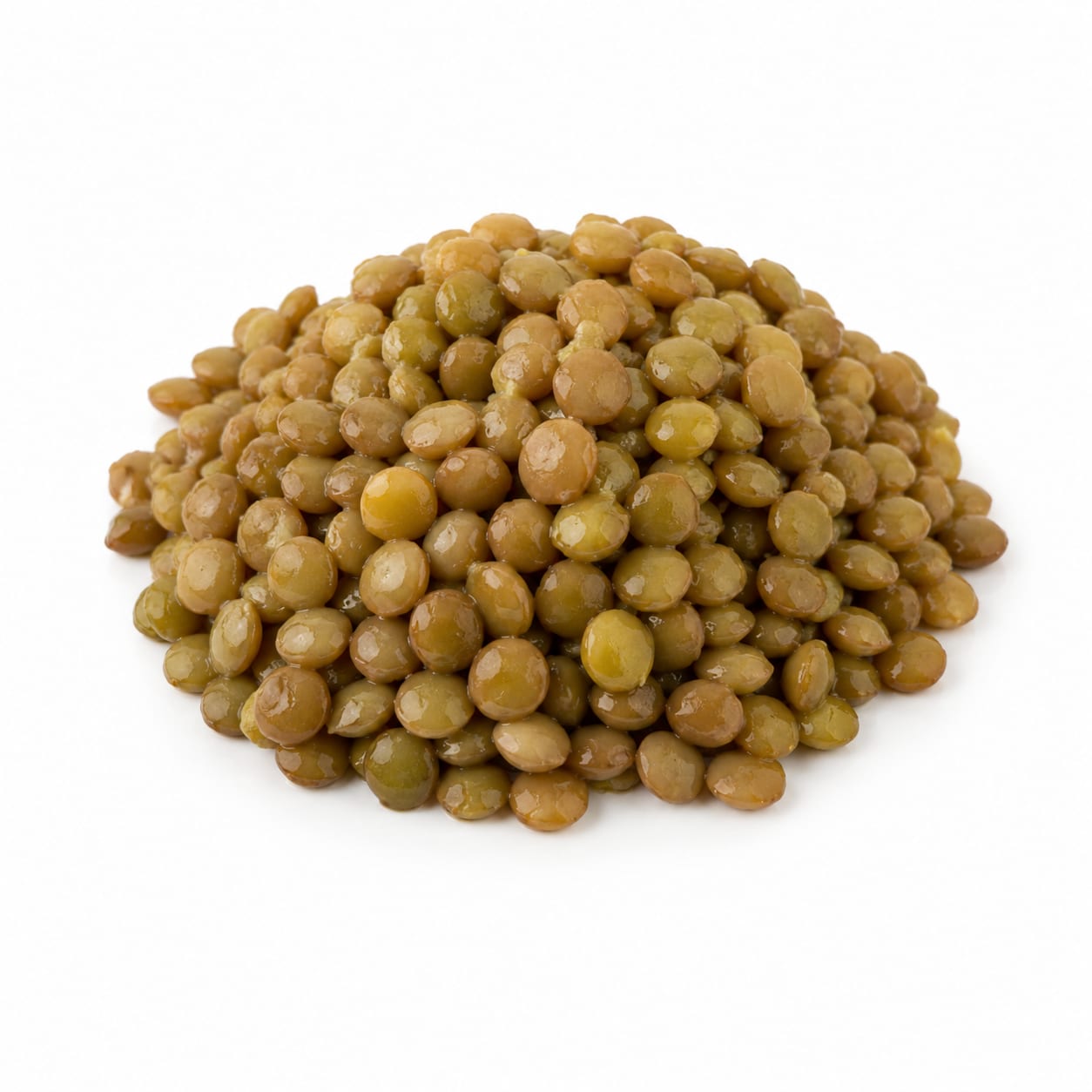
Green Lentil
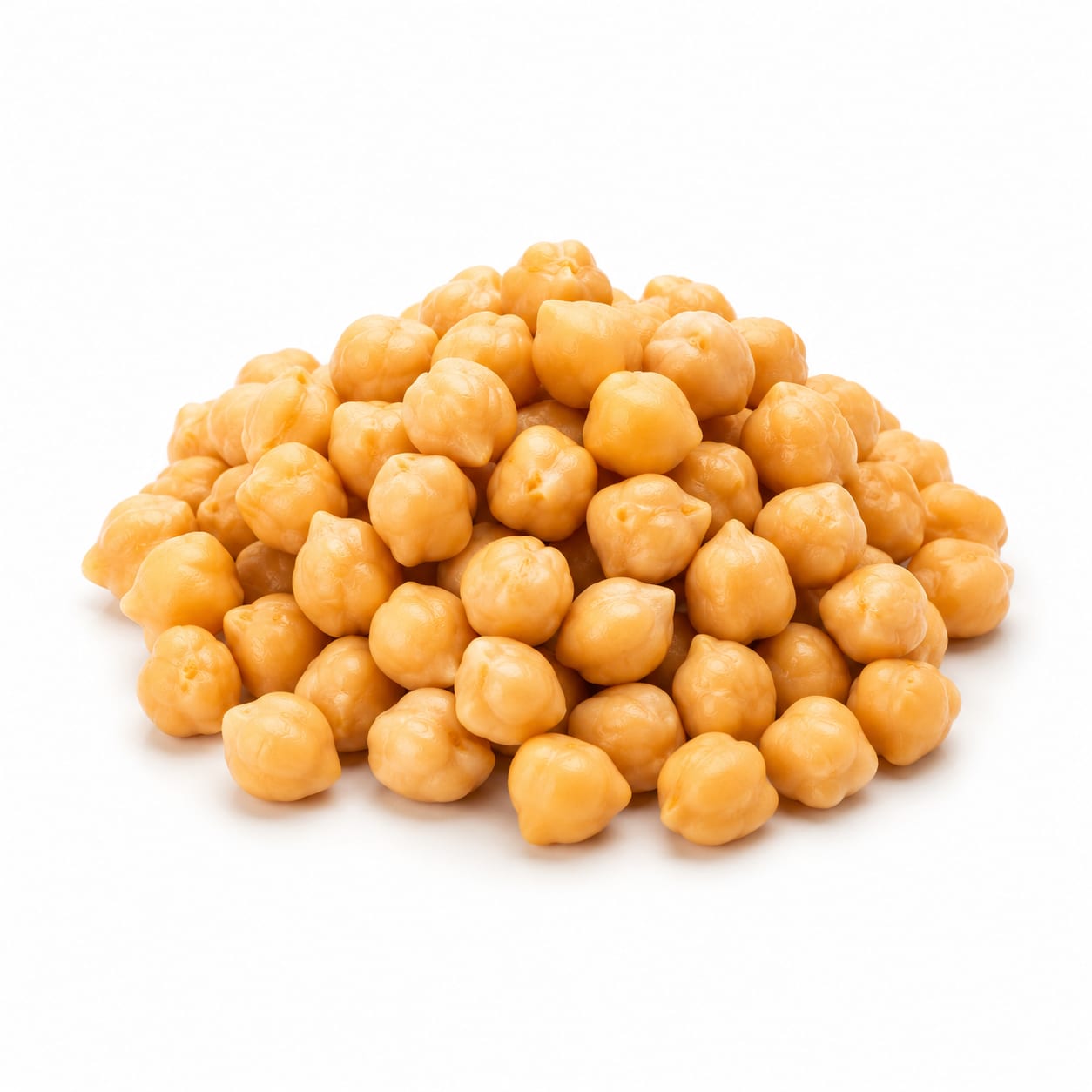
Chickpea
Green Lentils edge out Chickpeas for pure nutritional density and blood sugar control, but Chickpeas win on culinary versatility and ease of daily use.
Green Lentils score slightly higher due to superior protein density, lower calorie count, and better glycemic control. Chickpeas remain excellent but are slightly more calorie-dense and starchy.
Maximum nutrient efficiency and fullness (Green Lentils) versus broader meal flexibility and milder flavor (Chickpeas).
At a glance
Executive summary
Overall
It depends
Healthier
Green Lentil
More practical
Chickpea
Daily use
Chickpea
Key comparison lenses
Plant-based protein quality and quantity
Both are top tier vegan protein sources, so subtle differences in protein density matter greatly to users relying on them for muscle and satiety.
Blood sugar management and glycemic load
Legumes are primary carbs for diabetics, and the glycemic difference between lentils and chickpeas is a major decision factor.
Culinary versatility and meal prep convenience
How easily they fit into weekly meal prep often determines which one people actually stick with eating.
Digestive tolerance and gas production
Beans are notorious for causing bloating; users frequently want to know which is gentler on the stomach.
Best choice for
Green Lentil
- Strict weight loss and calorie counting
- Blood sugar management and diabetes prevention
- Boosting iron levels naturally
- High-protein vegan diets
Chickpea
- Family meals and kid-friendly dishes
- Quick meal prep and snack versatility
- People who find legume flavors too earthy
- Making dips like hummus
Least suitable for
Green Lentil
- Those sensitive to earthy, robust flavors
- People wanting a smooth, creamy texture for dips
Chickpea
- Strict low-calorie dieters needing maximum volume
- Those needing the lowest possible glycemic response
Deep comparison
Dimension by dimension
Each lens scores both foods and breaks down who each option suits.
- Dimension 1 · Priority 95Green Lentil
Satiety and Calorie Density
Green Lentil · 92Chickpea · 80Green Lentils provide more protein and fiber per calorie, keeping you fuller on less food.
Tradeoff
You get more volume and satiety from Green Lentils, but Chickpeas offer a creamier, more satisfying mouthfeel that feels less restrictive.
Why it matters
Eating foods that keep you full without overconsuming calories is the cornerstone of sustainable weight management.
Real-world impact
A bowl of Green Lentil soup will keep you satisfied for hours without an afternoon energy crash, whereas a similar portion of Chickpeas might leave you hungry sooner.
Green Lentil
- Cutting calories without feeling starved
- Preventing mid-afternoon snacking
Better for
- Those who need easy calorie surplus for muscle gain
Worse for
Chickpea
- Bulking out salads with a satisfying texture
- Recovery meals where higher carbs are welcome
Better for
- Strict calorie counters who prioritize volume eating
Worse for
- Dimension 2 · Priority 90Green Lentil
Blood Sugar Stability
Green Lentil · 94Chickpea · 82Green Lentils have a lower glycemic index and higher fiber-to-carb ratio, resulting in slower, steadier blood sugar rises.
Tradeoff
Green Lentils are better for avoiding sugar spikes, but Chickpeas provide faster energy replenishment after intense workouts.
Why it matters
Stable blood sugar prevents energy crashes, mood swings, and cravings, which is crucial for diabetes management or metabolic health.
Real-world impact
Eating Green Lentils instead of Chickpeas with lunch makes you far less likely to hit a 3 PM slump or crave a sweet treat.
Green Lentil
- Prediabetics and diabetics
- Sustained desk-job energy
Better for
- Endurance athletes needing quick carb uptake
Worse for
Chickpea
- Post-workout glycogen replenishment
- Active individuals needing steady carb fuel
Better for
- Those monitoring fasting blood sugar closely
Worse for
- Dimension 3 · Priority 85Green Lentil
Micronutrient Density
Green Lentil · 90Chickpea · 78Green Lentils pack significantly more iron and folate per serving compared to Chickpeas.
Tradeoff
Green Lentils are superior for preventing anemia and supporting cellular repair, while Chickpeas offer slightly more calcium and healthy fats.
Why it matters
Iron and folate are common deficiencies, especially in plant-based diets, making lentils a critical tool for nutrient replenishment.
Real-world impact
Relying on Green Lentils a few times a week can noticeably improve energy levels if you are prone to iron-deficiency fatigue.
Green Lentil
- Women with heavy menstrual cycles
- Vegans needing iron and folate
Better for
- People with hemochromatosis (iron overload)
Worse for
Chickpea
- Those needing extra calcium for bone health
- People getting enough iron from other sources
Better for
- Those relying on a single legume for iron needs
Worse for
- Dimension 4 · Priority 88Chickpea
Culinary Versatility and Convenience
Green Lentil · 75Chickpea · 93Chickpeas are incredibly versatile, blending smoothly into dips, roasting into snacks, and fitting into almost any cuisine.
Tradeoff
Chickpeas are easier to incorporate into fun, diverse meals, but Green Lentils cook faster from dry and absorb flavors beautifully in soups and stews.
Why it matters
The healthiest food only works if you actually eat it. Versatility makes it far easier to stick with a habit long-term.
Real-world impact
You can toss Chickpeas into a salad, blend them into hummus, or roast them for a crunchy snack, making them a much easier staple to keep exciting.
Green Lentil
- Hearty winter soups and stews
- Quick-cooking weeknight dinners from dry
Better for
- Making smooth dips or spreads
- Picky eaters sensitive to earthy flavors
Worse for
Chickpea
- Meal prepping dips and spreads
- Creating crunchy roasted snacks
- Kid-friendly pasta and salad additions
Better for
- Meals where you need fast dry-cooking times (Chickpeas take longer to cook from dry)
Worse for
- Dimension 5 · Priority 80Chickpea
Digestive Tolerance
Green Lentil · 72Chickpea · 78While both can cause gas, Chickpeas are often slightly easier to digest, especially when cooked thoroughly or sprouted.
Tradeoff
Chickpeas might be gentler on a sensitive stomach, but Green Lentils' smaller size and faster cooking time can make them easier to prep in a gut-friendly way.
Why it matters
Bloating and gas are the top reasons people abandon legumes, so tolerance dictates long-term adherence.
Real-world impact
If beans typically make you bloated, starting with small portions of well-cooked Chickpeas or hummus is usually better tolerated than a dense lentil stew.
Green Lentil
- Those who properly soak and rinse their legumes before cooking
Better for
- Those with severe IBS who react to high fermentable fiber
Worse for
Chickpea
- Beginners introducing legumes into their diet
- People with mildly sensitive digestion
Better for
- People who eat large portions of hummus at once (portion control is key)
Worse for
Timeline
Health impact over time
Short-term
Hours to days
Green Lentil
- High satiety and reduced snacking between meals
- Steady, crash-free energy for hours
- Potential for bloating or gas if not accustomed to high fiber
Chickpea
- Good sustained energy with a slightly faster carb uptake
- Comforting, satisfying mouthfeel that curbs cravings
- Milder on the stomach than many other legumes
Long-term
Months to years
Green Lentil
- Improved blood sugar regulation and lower diabetes risk
- Better heart health due to high soluble fiber
- Support for healthy iron levels and anemia prevention
Chickpea
- Consistent heart health benefits from daily fiber intake
- Support for healthy gut microbiome diversity
- Easier long-term dietary adherence due to culinary flexibility
Risk profile
Safety & processing
Both Green Lentils and Chickpeas are whole foods in their dry form. Canned versions are still minimally processed but watch out for added sodium and BPA in can linings.
Green Lentil
Phytic acid interference
lowPhytic acid can bind to minerals like iron and zinc, reducing absorption. Soaking or cooking mitigates this.
Canned sodium levels
mediumCanned lentils often contain high sodium; rinsing helps reduce it significantly.
Chickpea
Canned BPA exposure
mediumCanned chickpeas may have BPA in the lining; choosing tetra-paks or dry beans avoids this.
Phytic acid interference
lowSimilar to lentils, soaking and cooking breaks down phytic acid to improve mineral absorption.
Who wins for whom
Audience fit
Same foods, different winners depending on your goal.
children
ChickpeaChickpeas have a milder, sweeter flavor and smoother texture (as hummus), making them far more appealing to kids.
daily consumption
ChickpeaChickpeas are incredibly versatile across meals—breakfast, lunch, dinner, and snacks—making daily consumption much easier to sustain.
diabetes
Green LentilGreen Lentils have a lower glycemic index and higher fiber ratio, preventing sharp blood sugar spikes.
elderly
ChickpeaChickpeas can be cooked to a very soft texture and are easier to chew, plus hummus is an excellent nutrient-dense food for aging appetites.
muscle gain
Green LentilGreen Lentils have a slightly higher protein density, making it easier to hit protein targets without overconsuming carbs.
weight loss
Green LentilGreen Lentils offer more protein and fiber per calorie, maximizing fullness while keeping calorie intake lower.
Your move
Decision guide
Choose Green Lentil
- You want maximum nutrition per calorie for weight loss
- You are managing blood sugar or insulin resistance
- You need a boost in dietary iron
- You love hearty, earthy soups and stews
Choose Chickpea
- You want a versatile staple for meal prep
- You are feeding kids or picky eaters
- You love making hummus, dips, or roasted snacks
- You prefer a milder, creamier flavor profile
Either works if
- You simply want to eat more plant-based fiber and protein
- You are focusing on heart health and lowering cholesterol
- You are rotating legumes to diversify your gut microbiome
Avoid both if
- You have a severe legume allergy
- You are on a strict very-low-carb or keto diet
Final recommendation
Keep both in your pantry, but lean toward Green Lentils when your priority is nutrient density and blood sugar control, and reach for Chickpeas when you need culinary variety and family-friendly meals. Rotating them weekly gives you the best of both worlds.
Practical
Consumer tips
- 1
Always rinse canned Chickpeas and Green Lentils to remove about 40% of the sodium and reduce gassy oligosaccharides.
- 2
Cook dry Green Lentils instead of buying canned—they cook in just 20-25 minutes, unlike Chickpeas which take over an hour.
- 3
Add a piece of kombu seaweed when boiling either legume; it helps break down gas-causing compounds and adds trace minerals.
- 4
If hummus causes bloating, try sprouting Chickpeas first; it makes them far easier to digest and increases vitamin content.
- 5
Pair both with a vitamin C source like lemon juice or tomatoes to dramatically boost iron absorption from Green Lentils.