
Nutrition comparison
Green Lentils vs Quinoa: Which Is Better for Protein, Satiety, and Blood Sugar?
Compare green lentils and quinoa on protein, fiber, digestion, cost, and blood sugar impact. Find out which plant-based staple fits your health goals and lifestyle.
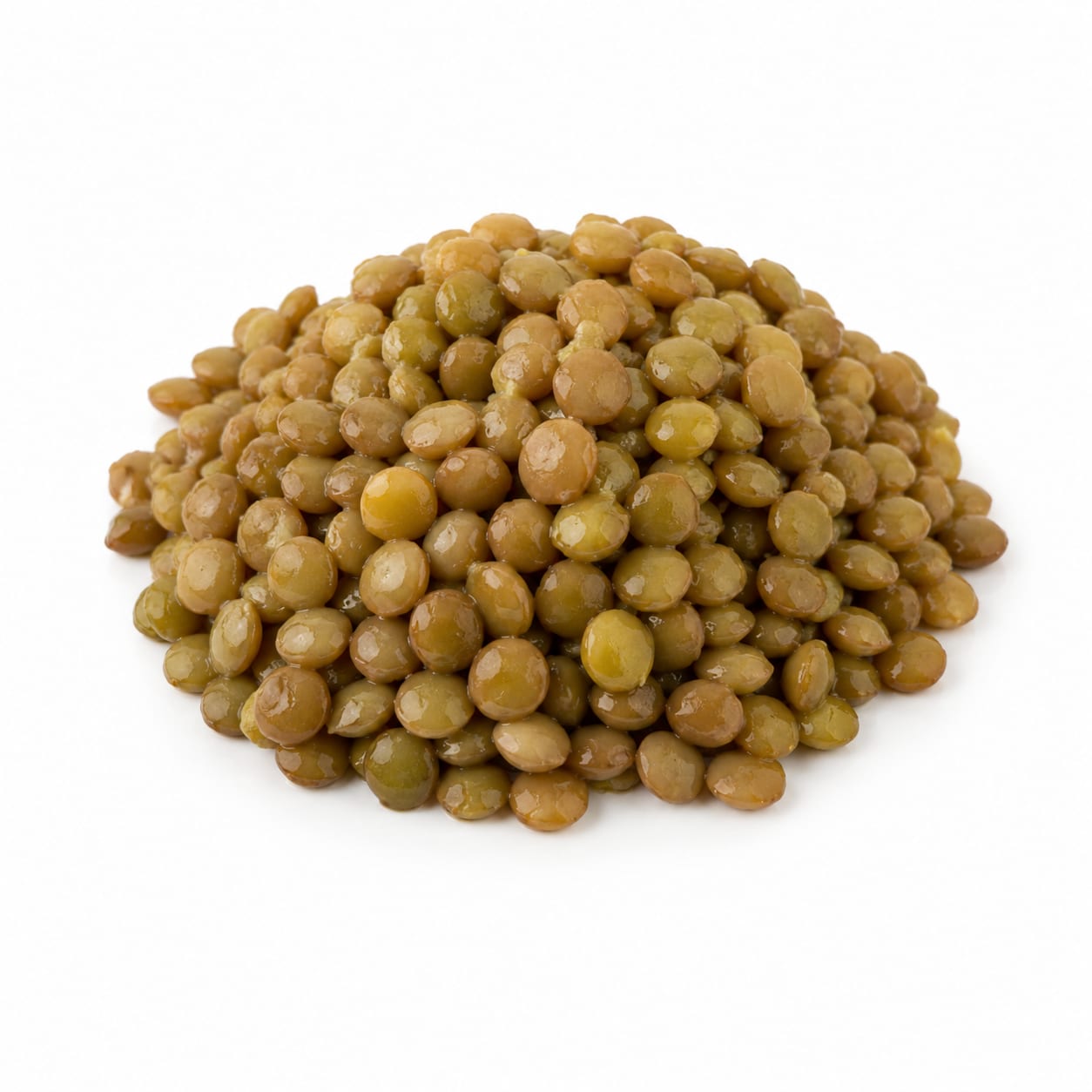
Green Lentil
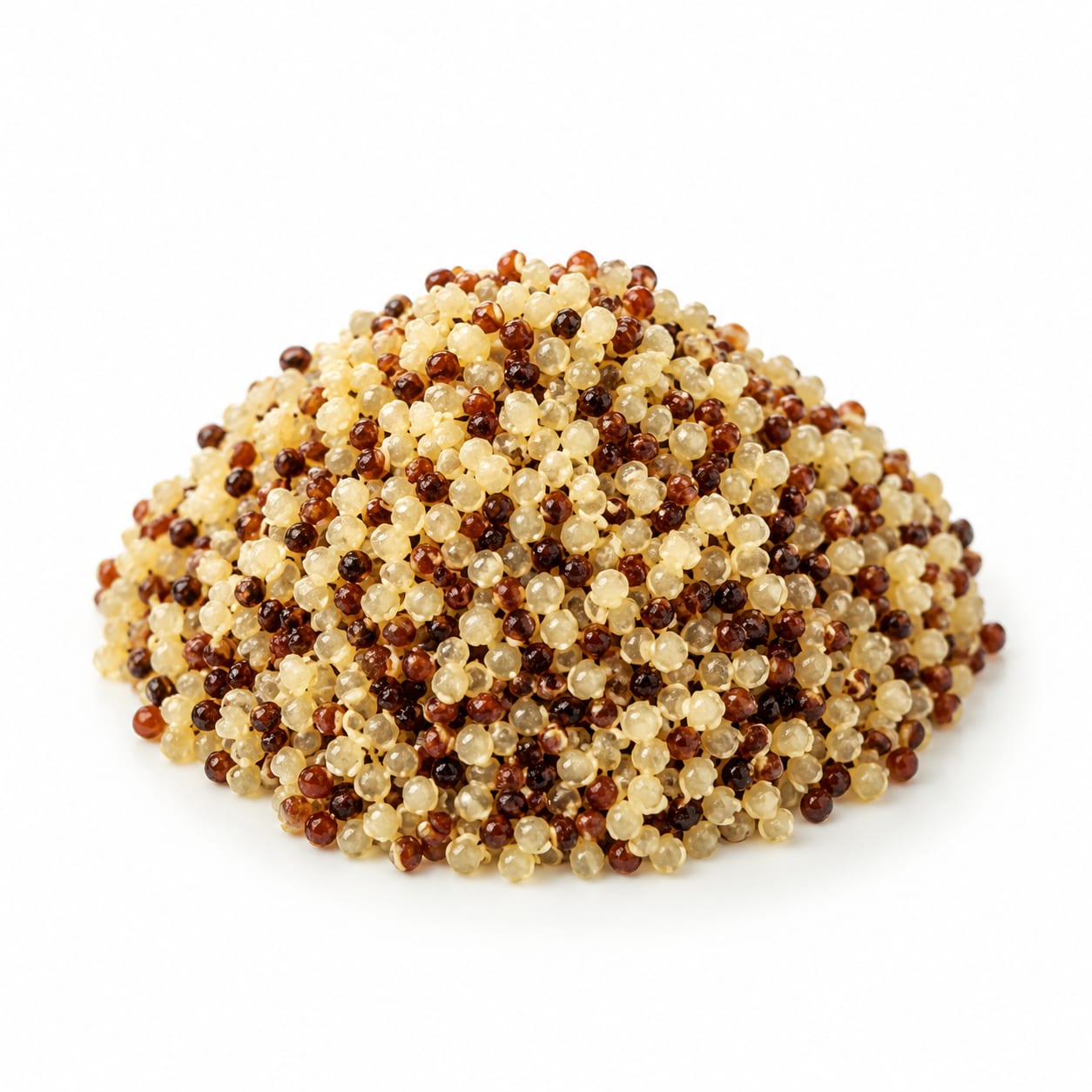
Quinoa
Green lentils win on protein, fiber, and calorie efficiency. Quinoa wins on complete amino acids, faster cooking, and lighter digestion. Your pick depends on what your plate is missing.
Green lentils score higher due to superior protein density, fiber content, and calorie efficiency. Quinoa remains strong with its complete amino acid profile and convenience, but offers less satiety per calorie and costs significantly more.
More total protein and fiber with green lentils versus a complete protein profile and easier digestion with quinoa
At a glance
Executive summary
Overall
It depends
Healthier
Green Lentil
More practical
Quinoa
Daily use
Green Lentil
Key comparison lenses
Plant-based protein quality and completeness
Both are top plant protein sources, but quinoa offers complete amino acids while green lentils provide more total protein per calorie
Satiety and blood sugar management
Users comparing these foods often want steady energy without crashes, and fiber/protein ratios differ significantly
Meal versatility and cooking convenience
Quinoa cooks faster and works in more dish types, while green lentils hold texture better in soups and stews
Weight management and calorie efficiency
Both are filling, but green lentils deliver more protein and fiber per calorie, making them a leaner choice
Digestive tolerance and gut health
Lentils can cause bloating in sensitive people, while quinoa's saponins can irritate if not rinsed properly
Best choice for
Green Lentil
- People prioritizing maximum protein per calorie
- Anyone managing blood sugar or insulin resistance
- Budget-conscious meal preppers
- Those wanting longer-lasting fullness
- Vegans needing iron and folate boosts
Quinoa
- People needing a complete protein in one food
- Anyone with sensitive digestion who finds lentils heavy
- Busy cooks wanting a 15-minute grain side
- Athletes wanting faster post-workout recovery amino acids
- Those wanting a lighter base for bowls and salads
Least suitable for
Green Lentil
- People with IBS or severe lentil intolerance
- Anyone short on cooking time on weeknights
- Those who dislike dense, heavy textures in meals
Quinoa
- People strictly limiting calorie intake
- Anyone on a tight grocery budget
- Those concerned about saponin sensitivity even after rinsing
Deep comparison
Dimension by dimension
Each lens scores both foods and breaks down who each option suits.
- Dimension 1 · Priority 95It depends
Protein Quantity and Quality
Green Lentil · 88Quinoa · 82Green lentils deliver more total protein per serving, but quinoa provides all nine essential amino acids in one package.
Tradeoff
Higher protein volume with green lentils versus complete amino acid coverage with quinoa
Why it matters
If your diet already includes diverse protein sources, green lentils' quantity advantage matters more. If quinoa is your main protein, its completeness prevents amino acid gaps.
Real-world impact
A cup of cooked green lentils gives you roughly 18g of protein versus 8g from quinoa, but quinoa's protein is more usable by your body without pairing.
Green Lentil
- Strength athletes eating varied protein throughout the day
- Anyone already getting complete proteins from other meals
Better for
- Meals where lentils are the only protein and nothing complements them
Worse for
Quinoa
- Vegans relying on a single grain-legume base for a meal
- Anyone eating quinoa as their primary protein source at a meal
Better for
- Post-workout meals where total protein amount matters more than profile
Worse for
- Dimension 2 · Priority 90Green Lentil
Satiety and Fullness
Green Lentil · 92Quinoa · 72Green lentils keep you full significantly longer thanks to their dense fiber and protein combo.
Tradeoff
Deeper, longer-lasting satiety with green lentils versus a lighter feel with quinoa that may leave you hungry sooner
Why it matters
If you snack between meals or struggle with portion control, green lentils are a natural appetite regulator.
Real-world impact
A lentil-based lunch typically carries you to dinner without cravings. A quinoa lunch may leave you reaching for a snack by 3pm.
Green Lentil
- Anyone trying to reduce between-meal snacking
- People doing intermittent fasting who need one meal to hold them
Better for
- Anyone who dislikes feeling heavy after lunch
Worse for
Quinoa
- Light eaters who feel uncomfortably stuffed after dense meals
- Athletes who need to eat again within a few hours
Better for
- People prone to afternoon energy crashes and cravings
Worse for
- Dimension 3 · Priority 88Green Lentil
Blood Sugar Stability
Green Lentil · 90Quinoa · 74Green lentils have a lower glycemic index and more fiber to slow glucose absorption, making them steadier fuel.
Tradeoff
Slower, flatter blood sugar response with green lentils versus a moderate but quicker rise with quinoa
Why it matters
For anyone with insulin resistance, prediabetes, or energy dips after carbs, this difference is daily-life noticeable.
Real-world impact
Green lentils rarely cause that post-meal energy dip. Quinoa is still far better than white rice, but less protective than lentils.
Green Lentil
- People with type 2 diabetes or prediabetes
- Anyone who gets sleepy after carb-heavy meals
Better for
- Endurance athletes needing quick glycogen replenishment
Worse for
Quinoa
- Athletes who actually want faster carb availability after training
Better for
- Anyone monitoring HbA1c or fasting glucose closely
Worse for
- Dimension 4 · Priority 82Quinoa
Cooking Convenience and Speed
Green Lentil · 55Quinoa · 85Quinoa cooks in about 15 minutes. Green lentils typically need 25-40 minutes on the stovetop.
Tradeoff
Faster weeknight meals with quinoa versus more planning or batch cooking required for green lentils
Why it matters
When you are tired and hungry after work, a 15-minute cook time versus 35 minutes is the difference between cooking and ordering takeout.
Real-world impact
Quinoa fits easily into a weeknight dinner. Green lentils work best if you batch-cook on weekends or use a pressure cooker.
Green Lentil
- Weekend meal preppers who cook in bulk
- Slow cooker and Instant Pot enthusiasts
Better for
- Last-minute dinner situations with no pre-cooked lentils on hand
Worse for
Quinoa
- Busy professionals cooking dinner on weeknights
- Anyone new to cooking legumes and grains
Better for
- Recipes where you want the grain to hold firm texture over long simmers
Worse for
- Dimension 5 · Priority 78Quinoa
Digestive Tolerance
Green Lentil · 60Quinoa · 78Quinoa is gentler on most digestive systems. Green lentils can cause significant bloating and gas, especially if your body is not used to high-fiber legumes.
Tradeoff
Easier digestion with quinoa versus building gut tolerance over time with green lentils for long-term microbiome benefits
Why it matters
If you have IBS or a sensitive gut, lentils can be genuinely uncomfortable. Quinoa is usually well-tolerated if rinsed.
Real-world impact
Someone new to lentils might experience gas and bloating for the first week. Quinoa rarely causes this unless saponins remain unrinsed.
Green Lentil
- People with already adapted gut microbiomes who tolerate legumes well
Better for
- Date nights or social events where bloating is a concern
Worse for
Quinoa
- Anyone with IBS or frequent bloating
- People transitioning to plant-based eating who need a gentler start
Better for
- People who do not rinse quinoa and experience saponin-related stomach upset
Worse for
- Dimension 6 · Priority 75Green Lentil
Cost and Accessibility
Green Lentil · 92Quinoa · 58Green lentils are one of the cheapest protein sources available. Quinoa costs roughly two to four times more per serving.
Tradeoff
Major budget savings with green lentils versus paying a premium for quinoa's convenience and amino acid completeness
Why it matters
For families or anyone on a grocery budget, this price gap adds up to real money over a month.
Real-world impact
A pound of dry green lentils costs around $1.50 and makes many servings. The same amount of quinoa can cost $4-6.
Green Lentil
- Families feeding multiple people on a budget
- Students and anyone with tight grocery constraints
Better for
- Shops that only stock limited legume varieties
Worse for
Quinoa
- People who can afford to prioritize convenience and variety
Better for
- Anyone trying to keep weekly grocery costs under $50
Worse for
- Dimension 7 · Priority 72Green Lentil
Micronutrient Density
Green Lentil · 85Quinoa · 75Green lentils deliver more iron, folate, and potassium per calorie. Quinoa offers more magnesium and manganese.
Tradeoff
Stronger iron and folate support with green lentils versus better magnesium intake with quinoa
Why it matters
Iron and folate are common deficiencies, especially for women and vegans. Green lentils are a top-tier source for both.
Real-world impact
A serving of green lentils covers about 37% of your daily iron needs versus 15% from quinoa. That matters if you do not eat red meat.
Green Lentil
- Women of reproductive age needing iron and folate
- Vegans and vegetarians at risk for iron deficiency
Better for
- Anyone who should limit iron intake due to hemochromatosis
Worse for
Quinoa
- People needing more magnesium for muscle recovery or sleep support
Better for
- Those relying on a single food to cover multiple mineral gaps
Worse for
Timeline
Health impact over time
Short-term
Hours to days
Green Lentil
- Strong satiety that reduces snacking for hours
- Possible bloating and gas if your gut is not adapted to high-fiber legumes
- Steady energy without the post-meal crash
- May feel heavy or overly full in large portions
Quinoa
- Lighter, quicker-digesting meal that feels less heavy
- Faster energy availability, useful after exercise
- Unrinsed quinoa can cause mild stomach irritation from saponins
- Less filling, so you may feel hungry again sooner
Long-term
Months to years
Green Lentil
- Improved gut microbiome diversity from resistant starch and fiber
- Better blood sugar regulation and reduced diabetes risk with regular consumption
- Stronger iron stores, especially important for menstruating women
- Gradually reduced bloating as gut bacteria adapt to higher fiber intake
Quinoa
- Consistent complete protein intake supporting muscle maintenance
- Better magnesium status supporting sleep and muscle function
- Lower long-term bloating risk compared to regular legume consumption
- May need complementary foods to match the fiber and iron benefits of lentils
Risk profile
Safety & processing
Both green lentils and quinoa are whole, minimally processed foods sold close to their natural state. The only processing concern is quinoa's saponin coating, which is naturally present and removed by rinsing, not an additive issue.
Green Lentil
Lectin content in undercooked lentils
mediumRaw or undercooked lentils contain lectins that can cause nausea and digestive distress. Always cook green lentils fully until tender.
Phytic acid reducing mineral absorption
lowPhytic acid can bind iron and zinc, slightly reducing absorption. Soaking lentils before cooking minimizes this effect.
Quinoa
Saponin residue causing digestive irritation
mediumQuinoa's natural saponin coating tastes bitter and can upset your stomach. Thorough rinsing before cooking eliminates most of this risk.
Quinoa contamination with other grains
lowCross-contamination with gluten-containing grains can occur during processing. People with celiac disease should choose certified gluten-free quinoa.
Who wins for whom
Audience fit
Same foods, different winners depending on your goal.
children
QuinoaQuinoa's lighter texture and milder flavor are usually more appealing to kids. Its complete protein also supports growing bodies without needing food pairing.
daily consumption
Green LentilGreen lentils offer more nutritional bang per calorie and per dollar, making them a sustainable daily staple. Just build gut tolerance gradually.
diabetes
Green LentilGreen lentils have a lower glycemic index and more fiber to slow glucose absorption, making them a stronger choice for blood sugar management.
elderly
QuinoaQuinoa is easier to digest and gentler on aging digestive systems. Its softer texture is also easier to chew and swallow for those with dental concerns.
muscle gain
It dependsGreen lentils offer more total protein, but quinoa provides complete amino acids. Pair green lentils with a grain for completeness, or use quinoa if you want simplicity.
weight loss
Green LentilGreen lentils provide more protein and fiber per calorie, keeping you full longer on fewer calories. This makes overeating significantly harder.
Your move
Decision guide
Choose Green Lentil
- You want maximum protein and fiber per calorie
- Blood sugar management is a priority for you
- You are meal prepping on a budget
- You do not mind batch cooking or using a pressure cooker
- Your digestive system handles legumes well
Choose Quinoa
- You need a complete protein without thinking about food combining
- You want a quick-cooking base for weeknight dinners
- Lentils cause you bloating or discomfort
- You prefer lighter meals that do not sit heavy
- You are cooking for kids who reject dense textures
Either works if
- You are building a plant-based bowl and can use both as complementary ingredients
- You rotate between them across the week for nutrient diversity
- You want variety in your grain and legume rotation
Avoid both if
- You have a severe legume allergy that cross-reacts with lentils
- You are on a very low-carb or ketogenic diet, as both are carb-dense
- You have severe IBS and have not yet identified your trigger foods
Final recommendation
Keep both in your kitchen. Use green lentils when you need deep satiety, blood sugar control, or budget-friendly meal prep. Use quinoa when you need speed, lighter digestion, or a complete protein in one ingredient. The real win is alternating between them across your week.
Practical
Consumer tips
- 1
Rinse quinoa thoroughly under running water for at least 30 seconds to remove bitter saponins
- 2
Soak green lentils for a few hours before cooking to reduce phytic acid and improve digestibility
- 3
Start with small lentil portions if you are new to legumes and gradually increase over two weeks to let your gut adapt
- 4
Batch-cook green lentils on Sunday and refrigerate or freeze portions for quick weeknight use
- 5
Pair green lentils with a vitamin C source like lemon juice or tomatoes to boost iron absorption by up to six times
- 6
Store both in airtight containers in a cool, dry place. Both last for months in the pantry
- 7
Add a piece of kombu seaweed when cooking lentils to help reduce gas-producing compounds
- 8
Choose certified gluten-free quinoa if you have celiac disease or gluten sensitivity