
Nutrition comparison
Green Lentils vs Red Lentils: Nutrition, Fiber, Cooking Speed and Health Comparison
Green Lentils offer more fiber and steadier blood sugar. Red Lentils cook faster and digest easier. Compare nutrition, health benefits, and best uses for each lentil type.
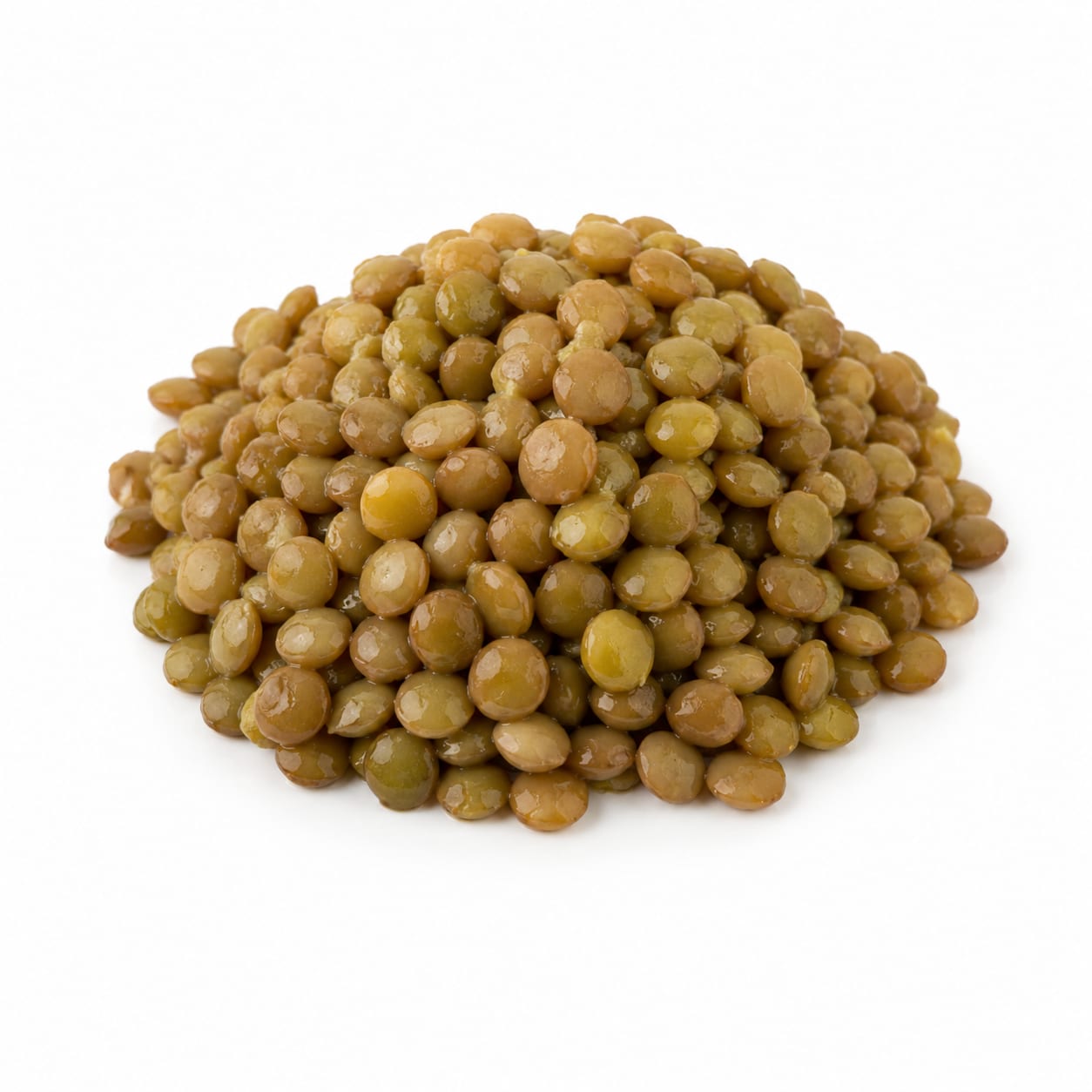
Green Lentil
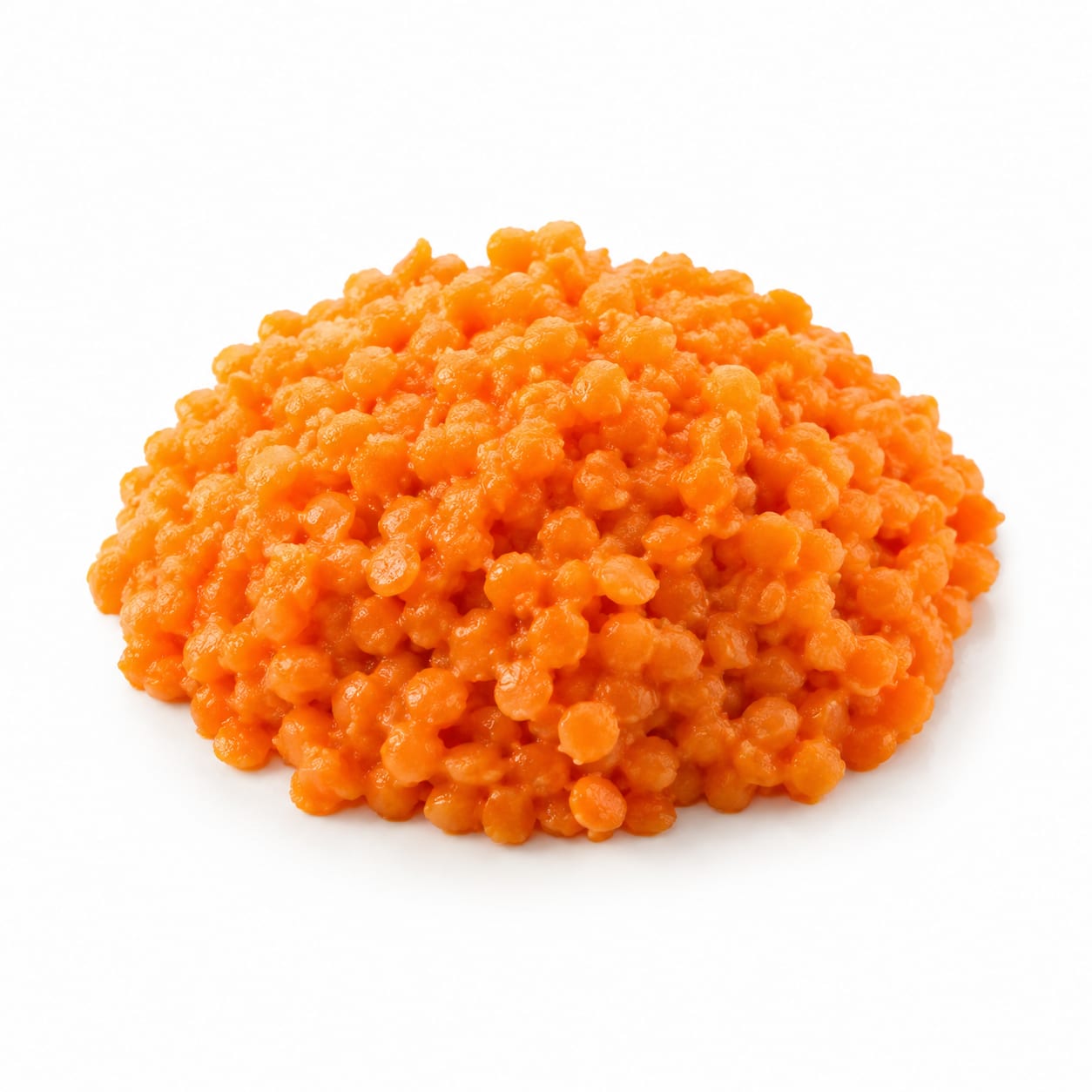
Red Lentil
Green Lentils win on nutrition and fullness; Red Lentils win on speed and digestibility. Pick based on what your day demands.
Green Lentils score higher for fiber, blood sugar control, and satiety. Red Lentils score higher for convenience, digestibility, and cooking speed. The gap is modest because both are genuinely healthy whole foods — the real decision is about lifestyle fit, not nutritional superiority.
Fiber and steady energy versus convenience and comfort digestibility
At a glance
Executive summary
Overall
It depends
Healthier
Green Lentil
More practical
Red Lentil
Daily use
It depends
Key comparison lenses
blood sugar and fiber comparison
Green Lentils retain their seed coat, delivering significantly more fiber and slower glucose release than hulled Red Lentils
cooking convenience and meal prep practicality
Red Lentils cook in half the time and break down easily, making them far more convenient for weeknight meals
digestive tolerance and gut sensitivity
Red Lentils are easier on sensitive stomachs since they soften completely and lack the fibrous outer layer
satiety and hunger management
Green Lentils keep you fuller longer due to higher resistant starch and intact fiber structure
culinary versatility and texture preference
Each lentil excels in completely different dishes — Green holds shape for salads, Red dissolves into creamy dals
Best choice for
Green Lentil
- Blood sugar management and diabetes prevention
- Weight loss through sustained fullness
- Meal prep salads and grain bowls
- Maximum fiber intake goals
- Slow-release energy for long workdays
Red Lentil
- Weeknight quick dinners under 20 minutes
- Sensitive digestion or IBS management
- Comforting soups, stews, and dals
- Baby food and elderly nutrition
- Post-illness recovery eating
Least suitable for
Green Lentil
- Last-minute meal emergencies
- People with severe bloating sensitivity
- Smooth or creamy texture preferences
Red Lentil
- Low glycemic load diets
- High-fiber dietary targets
- Dishes requiring distinct texture and bite
Deep comparison
Dimension by dimension
Each lens scores both foods and breaks down who each option suits.
- Dimension 1 · Priority 94Green Lentil
fiber and gut health
Green Lentil · 88Red Lentil · 62Green Lentils deliver roughly 30-40% more fiber per serving because the seed coat stays intact. Red Lentils are hulled, losing much of that insoluble fiber.
Tradeoff
You get superior gut health and regularity with Green Lentils, but Red Lentils are gentler if fiber causes bloating or discomfort.
Why it matters
Fiber isn't just about digestion — it feeds gut bacteria, lowers cholesterol, and stabilizes blood sugar for hours after eating.
Real-world impact
A Green Lentil lunch keeps you from snacking before dinner. A Red Lentil lunch feels lighter and easier on a sensitive stomach.
Green Lentil
- Gut microbiome diversity
- Cholesterol reduction
- Long-term bowel regularity
Better for
- Sudden fiber increase causing gas
- IBS flare-ups in sensitive individuals
Worse for
Red Lentil
- Post-antibiotic gut recovery
- Low-residue diets
- Gradual fiber reintroduction
Better for
- Meeting daily fiber targets
- Preventing constipation on low-fiber diets
Worse for
- Dimension 2 · Priority 90Green Lentil
blood sugar stability
Green Lentil · 85Red Lentil · 68Green Lentils have a lower glycemic index because their intact fiber slows carbohydrate absorption. Red Lentils break down faster, releasing glucose more quickly.
Tradeoff
Steadier energy with Green Lentils versus quicker energy availability with Red Lentils — helpful after exercise, less helpful for insulin resistance.
Why it matters
Blood sugar spikes drive cravings, fatigue, and long-term metabolic risk. Slower absorption means fewer afternoon energy crashes.
Real-world impact
Green Lentils at lunch mean no 3pm slump. Red Lentils digest faster, which can leave you hungry sooner unless paired with fat or protein.
Green Lentil
- Prediabetes and diabetes management
- Sustained energy through long workdays
- Reduced cravings between meals
Better for
- Immediate post-exercise refueling needs
Worse for
Red Lentil
- Post-workout glycogen replenishment
- Quick energy when recovering from illness
- Easy calories for underweight individuals
Better for
- Insulin resistance patterns
- Frequent hunger cycles
Worse for
- Dimension 3 · Priority 87Red Lentil
cooking convenience and speed
Green Lentil · 52Red Lentil · 90Red Lentils cook in 10-15 minutes and break down into a creamy texture without soaking. Green Lentils need 20-30 minutes and hold their shape firmly.
Tradeoff
Red Lentils save 10-15 minutes per meal but sacrifice the satisfying chew and distinct lentil texture that makes Green Lentils feel like a real meal.
Why it matters
Convenience is the single biggest factor in whether people actually cook lentils regularly. If it takes too long, it doesn't happen.
Real-world impact
Red Lentils turn a tired weeknight into a 15-minute dal. Green Lentils require planning — soak or start early, but reward you with better texture.
Green Lentil
- Batch cooking and meal prep Sundays
- Salads and cold grain bowls needing firm texture
Better for
- Spontaneous cooking with limited time
- Quick lunch preparation
Worse for
Red Lentil
- Weeknight dinners after a long workday
- One-pot soups and stews needing natural thickening
- Cooking for children who dislike chunky textures
Better for
- Dishes where visual texture matters
- Recipes requiring distinct lentil shape
Worse for
- Dimension 4 · Priority 82Red Lentil
digestive comfort
Green Lentil · 60Red Lentil · 82Red Lentils are hulled and break down completely during cooking, making them significantly easier to digest. Green Lentils retain tough fiber that can cause bloating in sensitive people.
Tradeoff
Comfort now versus gut health long-term. Red Lentils are soothing; Green Lentils are strengthening but can be rough on delicate systems.
Why it matters
Many people avoid lentils entirely because of gas and bloating. Red Lentils offer a gentler entry point that builds tolerance gradually.
Real-world impact
Red Lentil soup feels comforting on a sick day. Green Lentil salad can leave you bloated if your gut isn't used to high fiber.
Green Lentil
- Building digestive resilience over time
- Feeding beneficial gut bacteria
Better for
- First-time legume eaters
- Active IBS or SIBO conditions
Worse for
Red Lentil
- Recovering from gastrointestinal illness
- Transitioning into legume eating gradually
- Comfort food meals when feeling unwell
Better for
- Long-term microbiome nourishment
Worse for
- Dimension 5 · Priority 76Green Lentil
protein quality and content
Green Lentil · 78Red Lentil · 74Both are excellent plant protein sources, but Green Lentils edge ahead slightly due to higher total protein and more complete amino acid availability in the intact seed.
Tradeoff
The protein difference is small — roughly 1-2 grams per serving. Not enough to drive a decision alone, but meaningful when every gram counts.
Why it matters
For plant-based eaters, every gram of protein matters. Lentils are already a top-tier source, so this is a marginal optimization rather than a dealbreaker.
Real-world impact
Over a week of daily lentil meals, Green Lentils might deliver an extra 7-14 grams of protein — noticeable for athletes, negligible for most.
Green Lentil
- Plant-based athletes tracking protein
- Muscle maintenance in older adults
Better for
- People who find dense protein sources heavy
Worse for
Red Lentil
- Easier protein digestion for sensitive stomachs
Better for
- High-protein diet targets
Worse for
- Dimension 6 · Priority 70Green Lentil
antioxidant and micronutrient profile
Green Lentil · 80Red Lentil · 65Green Lentils retain more polyphenols and antioxidants in their colored seed coat. Red Lentils lose some during hulling, though both remain nutrient-dense.
Tradeoff
More protective plant compounds with Green Lentils, but the difference shrinks with cooking — long simmering degrades antioxidants in both varieties.
Why it matters
Polyphenols reduce inflammation and support heart health. The seed coat is where lentils store most of these compounds.
Real-world impact
Choosing Green Lentils is like eating the apple with the skin on — more nutrients, but the peeled version is still a healthy choice.
Green Lentil
- Anti-inflammatory eating patterns
- Maximum micronutrient density per calorie
Better for
- Overstating the antioxidant advantage — cooking reduces it significantly
Worse for
Red Lentil
- Iron absorption in low-stomach-acid contexts — hulled lentils may release minerals more readily
Better for
- Long-term antioxidant intake optimization
Worse for
Timeline
Health impact over time
Short-term
Hours to days
Green Lentil
- Sustained fullness for 4-5 hours after a meal
- Possible bloating or gas if not accustomed to high fiber
- Steady energy without blood sugar spikes
- Slower digestion that may feel heavy before exercise
Red Lentil
- Quickly satisfying comfort food texture
- Easier digestion with less gas production
- Faster blood sugar rise that may trigger earlier hunger
- Lighter stomach feel suitable for eating before activity
Long-term
Months to years
Green Lentil
- Better glycemic control reducing diabetes risk
- Improved bowel regularity and gut microbiome diversity
- Lower LDL cholesterol from higher soluble fiber intake
- Gradually increased digestive tolerance to legumes
Red Lentil
- Easier long-term adherence due to cooking convenience
- Gentle digestive adaptation for legume newcomers
- Slightly less cardiovascular protection than green varieties
- Consistent plant protein intake supporting muscle maintenance
Risk profile
Safety & processing
Both are whole-food staples with minimal processing. Red Lentils undergo dehulling, which is a mechanical process rather than a chemical one — still clean, but one step further from the whole seed. Green Lentils are harvested and dried with the seed coat intact, making them the closer-to-nature option.
Green Lentil
Phytic acid reducing mineral absorption
lowSoaking or sprouting Green Lentils before cooking significantly reduces phytic acid and improves iron and zinc absorption.
Lectin content causing digestive upset if undercooked
mediumGreen Lentils must be fully cooked to neutralize lectins. Their longer cook time makes undercooking less likely, but rushing it can cause nausea.
Red Lentil
Phytic acid reducing mineral absorption
lowRed Lentils have slightly less phytic acid due to hull removal, but soaking still improves mineral bioavailability.
Lectin content if undercooked
lowRed Lentils cook through quickly and break down thoroughly, making undercooking rare. The dehulling also reduces lectin concentration.
Who wins for whom
Audience fit
Same foods, different winners depending on your goal.
children
Red LentilRed Lentils cook into a soft, mild-flavored mush that kids accept more easily than the firm, earthy texture of Green Lentils.
daily consumption
It dependsGreen Lentils are nutritionally superior for daily use, but Red Lentils are more practical for daily cooking. The winner depends on whether you prioritize nutrient density or cooking consistency.
diabetes
Green LentilLower glycemic index and higher fiber slow glucose absorption, producing more stable post-meal blood sugar readings critical for diabetes management.
elderly
Red LentilEasier to chew, gentler on aging digestive systems, and quicker to prepare — all critical factors for older adults maintaining adequate nutrition.
muscle gain
Green LentilSlightly more protein per serving and better amino acid retention in the intact seed give Green Lentils a marginal edge, though both are solid plant protein sources.
weight loss
Green LentilHigher fiber and resistant starch in Green Lentils create stronger satiety signals and fewer cravings between meals, making it easier to maintain a calorie deficit.
Your move
Decision guide
Choose Green Lentil
- You want maximum fiber and the steadiest blood sugar possible
- You meal prep on weekends and value texture in salads and bowls
- You are managing prediabetes, insulin resistance, or metabolic syndrome
- You find that satisfying, chewy meals prevent overeating later
- You are building digestive tolerance to legumes over time
Choose Red Lentil
- You need dinner on the table in 15 minutes on busy weeknights
- You or your family members have sensitive digestion or IBS tendencies
- You want comforting, creamy soups and dals rather than firm textures
- You are introducing lentils to children or lentil-averse eaters
- You are recovering from illness and need gentle, easy-to-digest nutrition
Either works if
- You simply want a healthy, affordable plant protein source
- You enjoy variety and can rotate both types across the week
- You are eating a balanced diet with plenty of other fiber sources
- You pair lentils with vegetables, healthy fats, and whole grains anyway
Avoid both if
- You have a diagnosed legume allergy
- You are in an acute IBS or SIBO flare and your doctor has prescribed a low-FODMAP elimination phase
- You have severe histamine intolerance and react to fermented or slow-cooked legume dishes
Final recommendation
Keep both in your pantry. Use Green Lentils when you have time and want maximum nutritional payoff — salads, meal prep, hearty bowls. Use Red Lentils when you need comfort and speed — quick dals, thick soups, easy weeknight meals. The best lentil is the one you actually cook.
Practical
Consumer tips
- 1
Rinse both lentil varieties thoroughly before cooking to remove debris and reduce gas-causing compounds
- 2
Soak Green Lentils for 2-4 hours to cut cooking time by a third and improve digestibility
- 3
Add a pinch of asafoetida or cumin while cooking either lentil to reduce bloating — a traditional Ayurvedic trick that works
- 4
Red Lentils double as a natural thickener for soups and curries — no flour or cream needed
- 5
Sprout Green Lentils for 2-3 days to unlock significantly more vitamin C and reduce anti-nutrients
- 6
Don't add salt or acidic ingredients like tomato until lentils are fully tender — salt slows cooking and acid prevents softening
- 7
Store both in airtight containers away from light — old lentils take longer to cook and never fully soften
- 8
Start with Red Lentils if you are new to legume cooking, then graduate to Green Lentils as your confidence and digestion adapt