
Nutrition comparison
Green Lentils vs Split Peas: Nutrition, Protein, Fiber, and Cooking Comparison
Green lentils vs split peas — which is healthier? Compare protein, fiber, cooking time, blood sugar impact, and best uses for each legume.
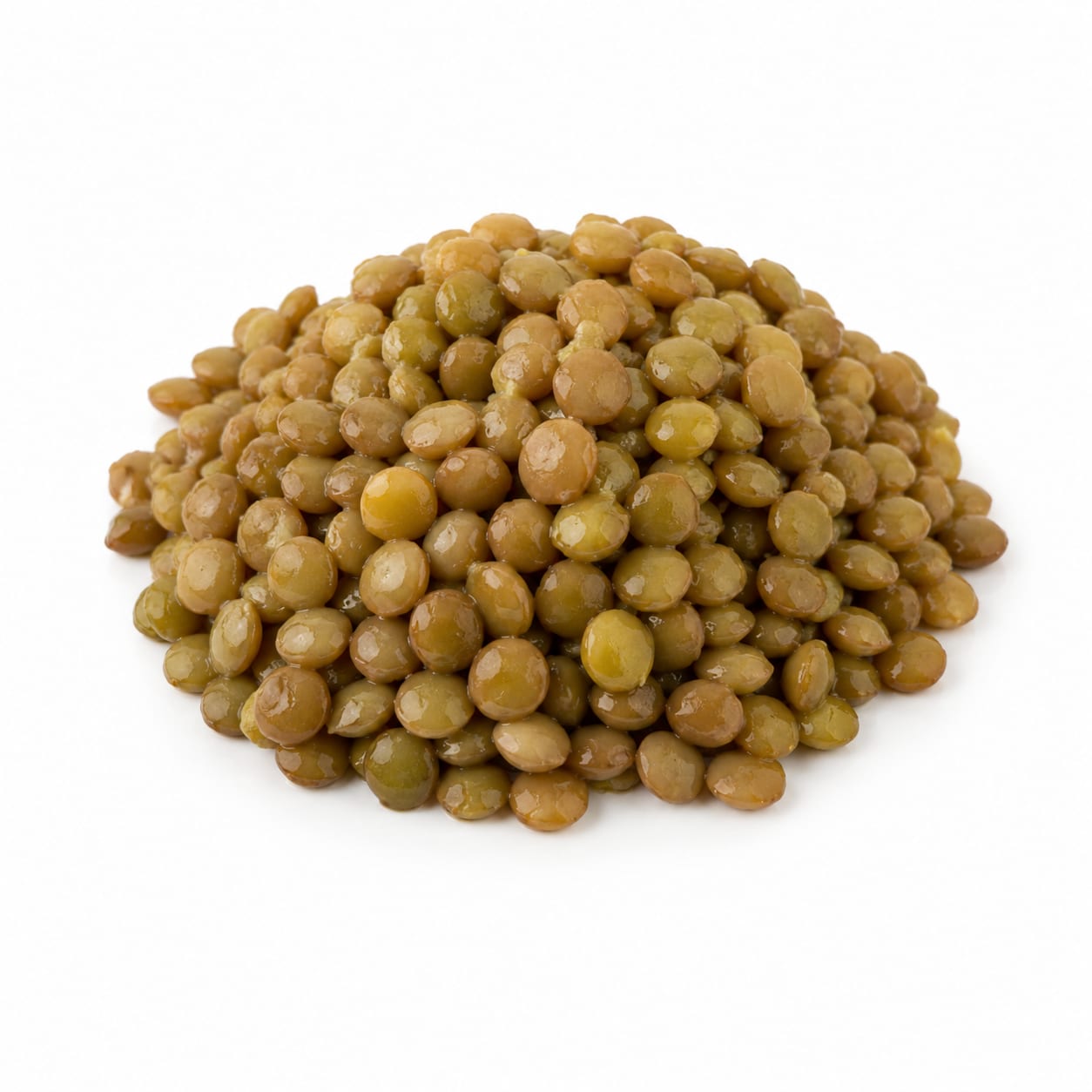
Green Lentil
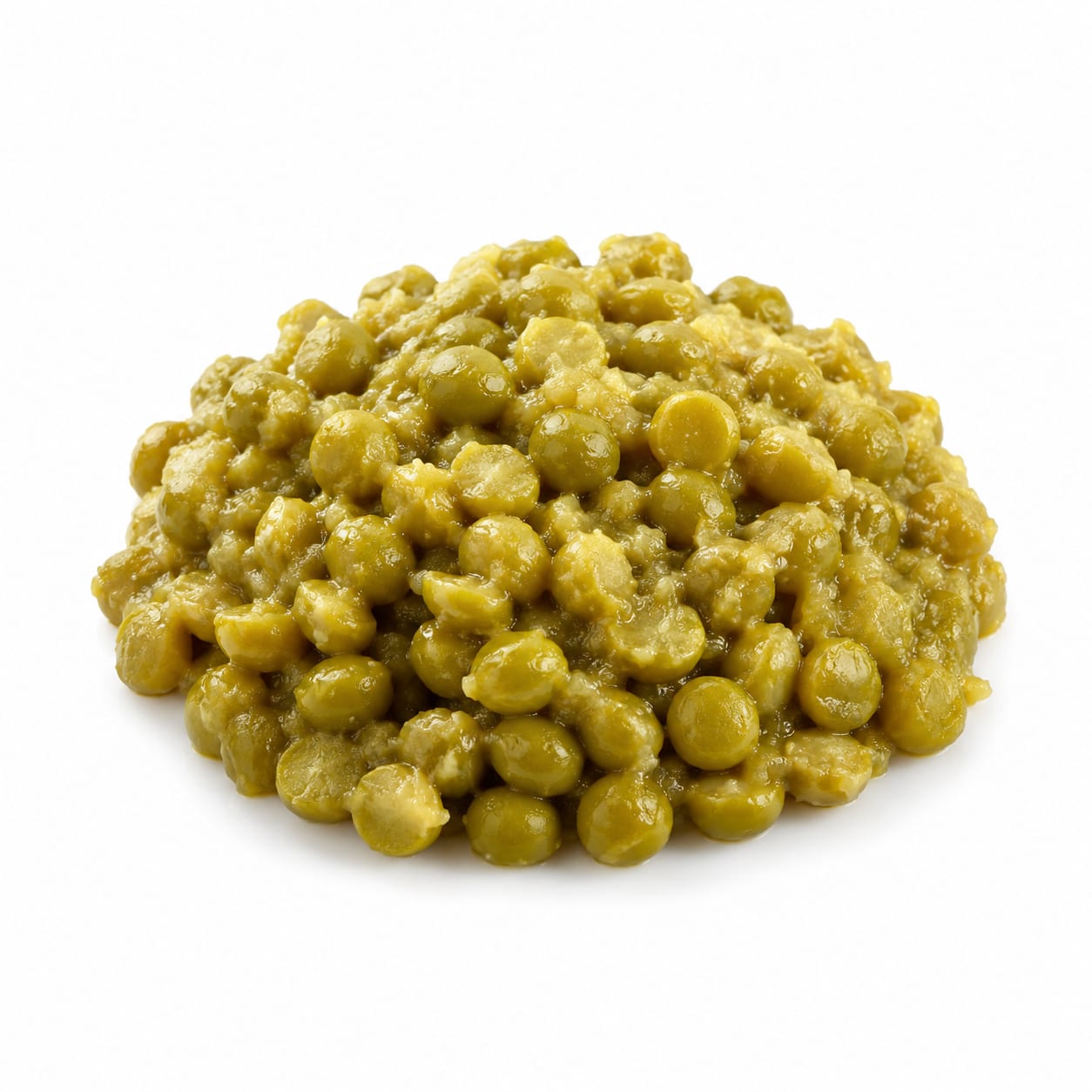
Split Pea
Green lentils edge ahead on protein and texture versatility, while split peas win on cooking speed, soluble fiber, and comfort-food appeal. Neither dominates — it depends on what your meals need.
Green lentils score slightly higher due to marginally better protein content and far greater culinary versatility. Split peas stay competitive thanks to faster cooking, higher soluble fiber, and superior soup performance. The gap is small because both are excellent nutrient-dense legumes.
Green lentils give you firmer texture and slightly more protein for salads and bowls; split peas give you faster cooking and creamier consistency for soups and stews.
At a glance
Executive summary
Overall
It depends
Healthier
Green Lentil
More practical
Split Pea
Daily use
It depends
Key comparison lenses
protein quality and satiety comparison
Both are plant protein staples, so users want to know which keeps them fuller and delivers better amino acid coverage
cooking convenience and meal versatility
Split peas cook faster and break down, while green lentils hold shape — this shapes how people actually use them daily
blood sugar and fiber impact
Both are high-fiber legumes, but soluble fiber content and glycemic response differ meaningfully
digestive tolerance and gut comfort
Legumes are notorious for causing bloating; users want to know which is gentler
weight management and calorie efficiency
Both are affordable filling foods, but subtle calorie density and satiety differences matter for weight goals
Best choice for
Green Lentil
- Meal preppers who want a versatile legume for salads, bowls, and sides
- Anyone prioritizing slightly higher protein per calorie
- People who prefer textured, chewable foods over mushy consistency
Split Pea
- Busy cooks who need a hearty meal in under 45 minutes with no soaking
- Soup and stew lovers wanting naturally creamy texture without blending
- Anyone focused on heart health and soluble fiber intake
Least suitable for
Green Lentil
- People in a rush who want dinner on the table fast
- Anyone who dislikes chewy or firm legume textures
- Those looking for a quick comfort-food soup base
Split Pea
- Anyone wanting a legume that holds its shape for salads
- People who find mushy textures unappealing
- Meal preppers who want distinct individual legumes for grain bowls
Deep comparison
Dimension by dimension
Each lens scores both foods and breaks down who each option suits.
- Dimension 1 · Priority 92Green Lentil
protein content and quality
Green Lentil · 82Split Pea · 76Green lentils deliver about 9g protein per cooked cup versus roughly 8g for split peas — a modest but consistent edge.
Tradeoff
The protein difference is real but small; neither approaches animal sources or soy for completeness.
Why it matters
Over weeks and months, that extra gram per serving adds up, especially for plant-based eaters relying on legumes as a protein pillar.
Real-world impact
If you eat legumes daily, green lentils give you roughly 7 more grams of protein per week — about one extra egg's worth.
Green Lentil
- Plant-based eaters counting every protein gram
- Athletes using legumes as a recovery meal base
Better for
Split Pea
- Anyone assuming split peas are a protein-equivalent swap without compensating elsewhere
Worse for
- Dimension 2 · Priority 88Split Pea
fiber type and digestive impact
Green Lentil · 78Split Pea · 85Split peas contain more soluble fiber, which forms a gel in your gut and helps lower cholesterol. Green lentils offer more insoluble fiber, which speeds digestion.
Tradeoff
More soluble fiber means better heart health benefits but also a thicker, starchier eating experience. More insoluble fiber means better regularity but less cholesterol-lowering power.
Why it matters
Soluble fiber is the specific type linked to reduced LDL cholesterol and steadier blood sugar — split peas deliver more of it per serving.
Real-world impact
A bowl of split pea soup actively helps your heart in a way a green lentil salad doesn't quite match, even though both are good choices.
Green Lentil
- People struggling with constipation who need faster transit
- Anyone wanting lighter digestive feel after eating
Better for
- Those specifically targeting cholesterol reduction through diet
Worse for
Split Pea
- People managing high cholesterol or heart disease risk
- Anyone wanting the most blood-sugar-stabilizing legume option
Better for
- People sensitive to thick, heavy foods that sit in the stomach
Worse for
- Dimension 3 · Priority 86Split Pea
cooking speed and convenience
Green Lentil · 55Split Pea · 88Split peas cook in 30-40 minutes with no soaking. Green lentils need 20-45 minutes depending on type, and some varieties benefit from soaking.
Tradeoff
Split peas sacrifice texture for speed — they break down quickly, which is great for soup but useless for salads.
Why it matters
On a busy weeknight, the legume you can cook fastest is the one you'll actually eat. Split peas reliably win the weeknight race.
Real-world impact
You can go from pantry to dinner in under an hour with split peas. Green lentils often need planning or a pressure cooker to match that timeline.
Green Lentil
- Pressure cooker owners who can speed up any legume
- Weekend meal preppers who cook big batches ahead
Better for
- Impulsive cooks who decide dinner at 6pm
- People without pressure cookers or instant pots
Worse for
Split Pea
- Weeknight cooks with limited time
- Anyone who skips soaking steps and ends up with undercooked legumes
Better for
- Dimension 4 · Priority 84Green Lentil
culinary versatility
Green Lentil · 90Split Pea · 60Green lentils hold their shape, making them work in salads, bowls, sides, and soups. Split peas almost always dissolve into mush, limiting them to soups, stews, and dips.
Tradeoff
You gain creamy comfort from split peas but lose the ability to use them anywhere a distinct legume texture is needed.
Why it matters
A food that works in five meal types gets eaten more often than one that works in two. Versatility drives consistency.
Real-world impact
Green lentils can be your salad topping on Monday, your grain bowl base on Wednesday, and your soup addition on Friday. Split peas are mostly soup.
Green Lentil
- Anyone who eats varied meals across the week
- Meal preppers building multiple dishes from one ingredient
Better for
Split Pea
- Soup enthusiasts who want dedicated comfort meals
- Anyone who loves dips and spreads
Better for
- Anyone bored by eating the same texture repeatedly
- People who want one legume to do everything
Worse for
- Dimension 5 · Priority 82Split Pea
blood sugar stability
Green Lentil · 79Split Pea · 84Both have low glycemic loads, but split peas' higher soluble fiber slows glucose absorption more effectively.
Tradeoff
The glycemic difference is modest — both are excellent choices compared to grains or potatoes. Split peas just have a slight edge.
Why it matters
For people with diabetes or insulin resistance, every point of glycemic improvement matters over years of daily eating.
Real-world impact
After a split pea soup lunch, you're slightly less likely to hit a 3pm energy dip than after a green lentil salad — but both beat pasta by a mile.
Green Lentil
- Those optimizing strictly for glycemic control
Worse for
Split Pea
- People with diabetes or prediabetes
- Anyone prone to afternoon energy crashes
Better for
- Dimension 6 · Priority 80Green Lentil
satiety and fullness
Green Lentil · 83Split Pea · 78Green lentils' firm texture requires more chewing, which signals fullness faster. Their slightly higher protein also contributes to staying power.
Tradeoff
Split peas fill you up through sheer volume and thickness, but the lack of chewing can leave you feeling less satisfied psychologically.
Why it matters
Chewing is an underrated satiety signal. Foods you chew more feel more like a meal, even at the same calorie count.
Real-world impact
A green lentil bowl feels like a substantial lunch. A split pea soup feels comforting but may leave you hunting for a snack sooner.
Green Lentil
- People who find soups unsatisfying as standalone meals
- Anyone trying to reduce snacking between meals
Better for
Split Pea
- Those who find thick soups deeply satisfying
- People eating smaller portions who want comfort over volume
Better for
- Fast eaters who barely chew and miss fullness cues
Worse for
- Dimension 7 · Priority 72Green Lentil
mineral density
Green Lentil · 81Split Pea · 74Green lentils provide more iron, folate, and magnesium per serving. Split peas are no slouch but trail slightly across key minerals.
Tradeoff
Both contain phytates that reduce mineral absorption, so the raw numbers overstate the gap. Soaking or sprouting helps both.
Why it matters
Iron and folate are the minerals plant-based eaters are most likely to fall short on — green lentils give a better baseline.
Real-world impact
Over a month of daily legume consumption, green lentils contribute meaningfully more toward your iron needs, especially for menstruating women.
Green Lentil
- Women of reproductive age needing iron
- Anyone at risk of folate deficiency
- Plant-based eaters not supplementing iron
Better for
Split Pea
- Those relying on split peas as their primary iron source without other strategies
Worse for
Timeline
Health impact over time
Short-term
Hours to days
Green Lentil
- Steady energy release without sugar spikes
- Moderate bloating possible if you're not used to high fiber
- Satisfying chew that makes meals feel complete
Split Pea
- Very stable blood sugar after eating
- Can feel heavy in the stomach due to thick consistency
- May cause more gas than green lentils due to higher soluble fiber fermenting in the gut
Long-term
Months to years
Green Lentil
- Better iron status over time, especially important for plant-based diets
- Improved digestive regularity from insoluble fiber
- Consistent protein intake supporting muscle maintenance
Split Pea
- Meaningfully lower LDL cholesterol from sustained soluble fiber intake
- Better long-term blood sugar control reducing diabetes risk
- Strong heart health protection from daily soluble fiber consumption
Risk profile
Safety & processing
Both are whole-food legumes with minimal processing. Split peas are hulled and split mechanically, which is a traditional process with no nutritional downside. Green lentils are typically sold whole with seed coat intact. Neither contains additives, preservatives, or concerning processing aids.
Green Lentil
phytic acid reducing mineral absorption
lowPhytates bind iron, zinc, and calcium, making them less absorbable. Cooking reduces phytates significantly, and pairing with vitamin C foods further offsets this.
lectin content in undercooked lentils
mediumRaw or undercooked lentils contain lectins that can cause nausea and digestive distress. Always cook green lentils fully until tender.
Split Pea
phytic acid reducing mineral absorption
lowSimilar to green lentils, phytates are present but reduced by cooking. Splitting the pea actually slightly reduces phytate content compared to whole legumes.
lectin content in undercooked peas
lowSplit peas cook faster and more thoroughly than whole legumes, making undercooking less likely. Still, ensure they are fully soft before eating.
Who wins for whom
Audience fit
Same foods, different winners depending on your goal.
children
Split PeaSplit peas' soft, mushy texture is easier for kids to eat, and the mild flavor blends well into familiar soup formats.
daily consumption
It dependsGreen lentils for variety and protein; split peas for heart health and convenience. Alternating both is the strongest long-term strategy.
diabetes
Split PeaHigher soluble fiber slows glucose absorption more effectively, giving split peas a meaningful edge for blood sugar management.
elderly
Split PeaEasier to chew and digest, with superior heart health benefits that matter more in later decades.
muscle gain
Green LentilSlightly more protein per serving and better mineral support for recovery, though neither is ideal as a sole protein source for muscle building.
weight loss
Green LentilGreen lentils' higher protein and chewier texture provide better satiety per calorie, making it easier to eat less overall without feeling deprived.
Your move
Decision guide
Choose Green Lentil
- You want one versatile legume for salads, bowls, sides, and soups
- You're plant-based and counting protein grams carefully
- You enjoy chewy, textured foods and find soups unsatisfying
- You're meal prepping and want a legume that holds up over several days
Choose Split Pea
- You want hearty, comforting soups and stews as your go-to meals
- You're focused on lowering cholesterol or protecting heart health
- You need dinner ready fast with zero soaking or planning
- You prefer soft, creamy textures and find chewy legumes unpleasant
Either works if
- You're simply trying to eat more legumes and both sound good
- You want affordable, shelf-stable plant protein for your pantry
- You're cooking for a family and variety matters more than optimization
Avoid both if
- You have severe legume allergies or sensitivities
- You're on a very low-fiber diet for digestive recovery
- You experience extreme bloating from all legumes and haven't tried gradual introduction
Final recommendation
Keep both in your pantry. Green lentils are your everyday workhorse for varied meals; split peas are your comfort-food secret weapon for cold nights and heart health. If you must pick one, green lentils win on versatility, but you'd be missing out on split pea soup's unique benefits.
Practical
Consumer tips
- 1
Rinse both thoroughly before cooking to reduce gas-causing compounds and surface debris
- 2
Add a piece of kombu seaweed while cooking either legume to further reduce bloating
- 3
Pair green lentils with a vitamin C source like lemon juice or bell peppers to boost iron absorption by up to 6x
- 4
Cook split peas with smoked paprika or a ham hock for instant comfort-food depth without much effort
- 5
If switching from low-fiber to high-fiber legumes, start with half-cup servings and increase gradually over two weeks to let your gut adjust
- 6
Freeze cooked green lentils in portioned bags — they thaw perfectly and save you 30 minutes next time
- 7
Skip canned versions when possible: dried legumes are cheaper, lower in sodium, and have better texture