
Nutrition comparison
Green Lentils vs Brown Lentils: Nutrition, Taste, and Cooking Comparison
Green lentils vs brown lentils — which is healthier? Compare fiber, protein, glycemic index, cooking time, and best uses to choose the right lentil for your meals.
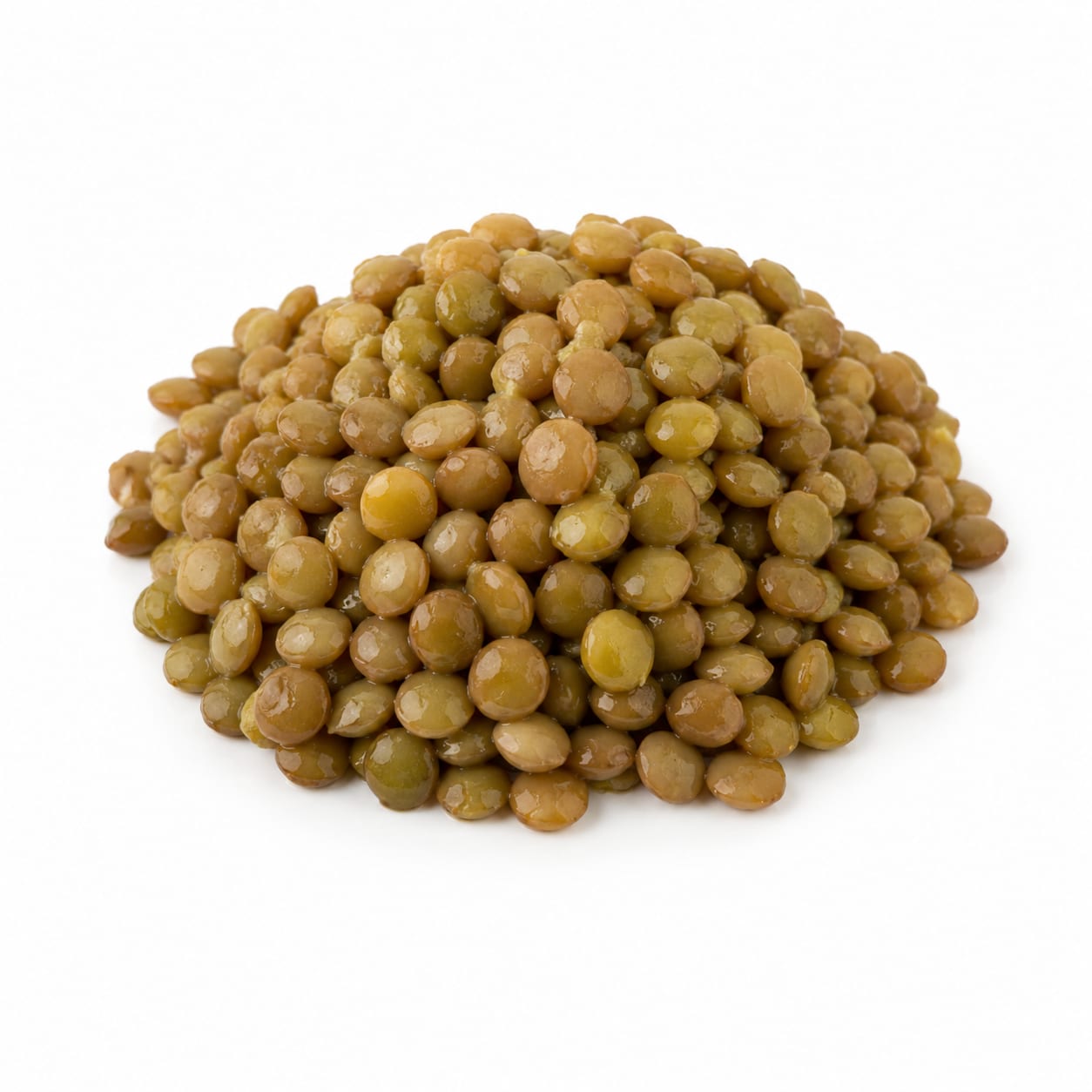
Green Lentil
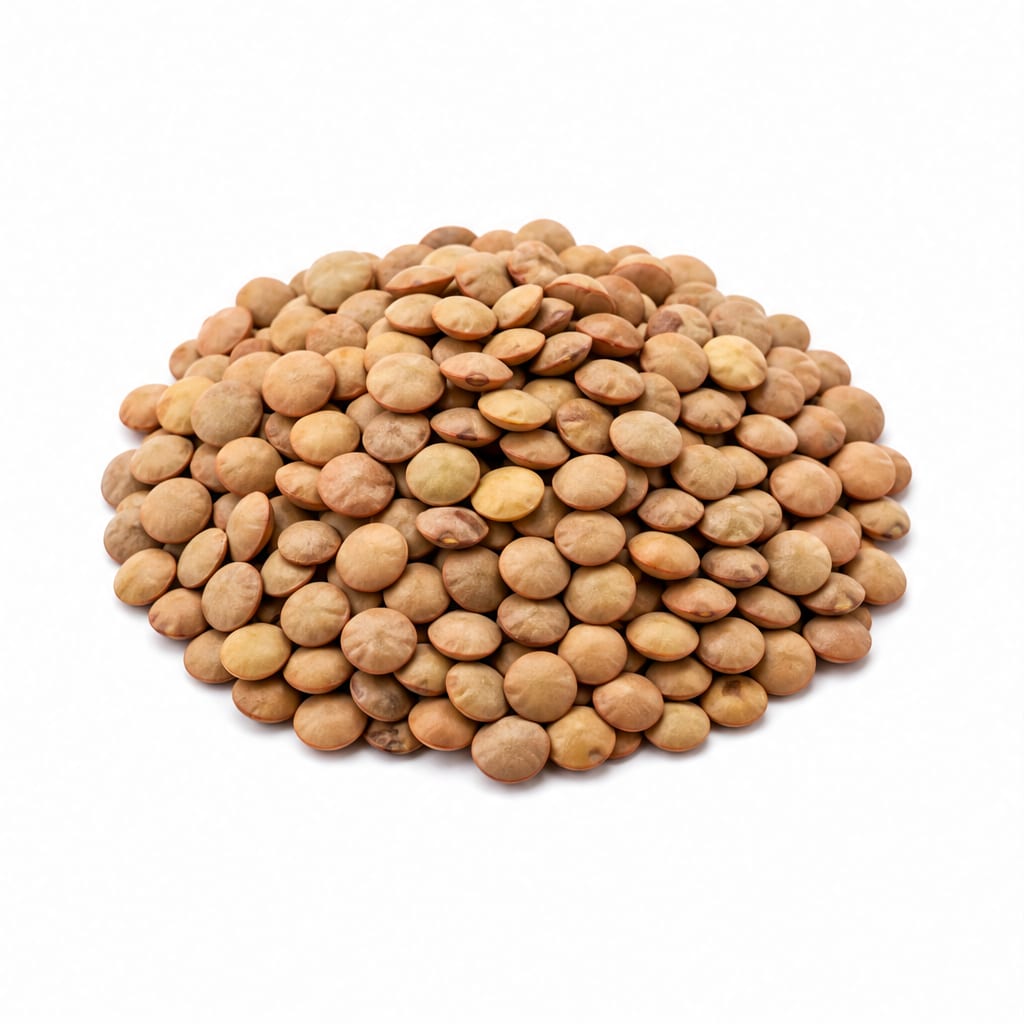
Brown Lentil
Green lentils edge ahead nutritionally with slightly more fiber and antioxidants, but brown lentils win on convenience, price, and everyday versatility. The gap is small enough that either is an excellent choice.
Green lentils score slightly higher due to modest nutritional advantages in fiber and antioxidants, but brown lentils close the gap with superior practicality and affordability. The low confidence score reflects how close these two truly are.
Green lentils offer marginally better blood sugar control and hold their shape beautifully in salads, while brown lentils cook faster, cost less, and blend more easily into soups and stews.
At a glance
Executive summary
Overall
It depends
Healthier
Green Lentil
More practical
Brown Lentil
Daily use
It depends
Key comparison lenses
cooking practicality and texture preference
The biggest real-world difference between these two is how they behave in the kitchen, not on the nutrition label
nutritional superiority between similar lentil varieties
Users want to know if the color difference actually matters for health outcomes or if they are interchangeable
blood sugar and fiber benefits
Lentils are often chosen specifically for glycemic control and digestive health, so subtle differences matter
value and accessibility
Brown lentils are cheaper and more widely available, which affects daily decision-making
Best choice for
Green Lentil
- Salads and grain bowls where texture matters
- Blood sugar management seeking the lowest glycemic impact
- Antioxidant-focused eating patterns
- Those who find firmer textures more satisfying and filling
Brown Lentil
- Weeknight meals where speed matters
- Soups, stews, and curries where a creamy texture is desired
- Budget-conscious households
- Beginners cooking lentils for the first time
Least suitable for
Green Lentil
- Quick weeknight dinners when you are short on time
- Tight grocery budgets where every dollar counts
- Recipes requiring a soft, melting texture
Brown Lentil
- Elegant salads or side dishes where visual appeal and firm texture are priorities
- Those specifically seeking the highest antioxidant content from lentils
Deep comparison
Dimension by dimension
Each lens scores both foods and breaks down who each option suits.
- Dimension 1 · Priority 90Green Lentil
Satiety & Fullness
Green Lentil · 82Brown Lentil · 78Green lentils keep you slightly fuller for longer thanks to marginally higher fiber and their firmer texture, which slows eating pace.
Tradeoff
The difference is modest and unlikely to matter unless you are specifically managing hunger between meals.
Why it matters
Firmer textures require more chewing, which naturally slows consumption and gives satiety hormones time to signal fullness.
Real-world impact
A green lentil salad at lunch may keep you satisfied until dinner more reliably than a brown lentil soup that digests faster.
Green Lentil
- Long gaps between meals
- Appetite management without snacking
Better for
- Those who prefer lighter, quicker-digesting meals
Worse for
Brown Lentil
- Post-workout meals where faster digestion is welcome
- Smaller appetites that find firmer textures too heavy
Better for
- Anyone relying on lentils as a primary satiety anchor in their meal
Worse for
- Dimension 2 · Priority 88Green Lentil
Blood Sugar Stability
Green Lentil · 84Brown Lentil · 80Green lentils have a slightly lower glycemic index and more fiber, making them marginally better for steady blood sugar.
Tradeoff
Both varieties are excellent for blood sugar compared to most carb sources, so the difference only matters at the margins.
Why it matters
Even small GI differences compound over years of daily eating, especially for those with insulin resistance or prediabetes.
Real-world impact
If lentils are your daily staple, green varieties may help avoid that subtle afternoon energy dip slightly better.
Green Lentil
- Prediabetes or insulin resistance management
- Consistent all-day energy without crashes
Better for
Brown Lentil
- Post-exercise recovery where faster glycogen replenishment is helpful
Better for
- Those tracking every point on their glycemic response curve
Worse for
- Dimension 3 · Priority 94Brown Lentil
Cooking Convenience & Speed
Green Lentil · 62Brown Lentil · 85Brown lentils cook 5-10 minutes faster and are more forgiving if you accidentally overcook them. Green lentils require more attention to maintain texture.
Tradeoff
Green lentils reward patience with better texture retention, but brown lentils are the reliable weeknight workhorse.
Why it matters
A 10-minute difference seems small until you are hungry at 7pm on a Tuesday. Convenience drives consistency, and consistency drives health outcomes.
Real-world impact
Brown lentils are more likely to become a regular habit because they fit into rushed evenings without extra planning.
Green Lentil
- Meal prep sessions where you are cooking in bulk anyway
- Recipes where visual texture is worth the extra time
Better for
- Last-minute meals
- Cooks who tend to walk away from the stove
Worse for
Brown Lentil
- Tired weeknights with limited cooking energy
- Batch cooking soups and stews
- Lentil newcomers who want foolproof results
Better for
- Dishes where mushy texture ruins the experience
Worse for
- Dimension 4 · Priority 75Green Lentil
Antioxidant & Micronutrient Density
Green Lentil · 80Brown Lentil · 72Green lentils, especially darker varieties like Puy, contain more phenolic compounds and antioxidants that protect cells from oxidative stress.
Tradeoff
The antioxidant gap is real but modest. Both varieties far outperform most staple foods in this category.
Why it matters
Phenolic compounds in lentils contribute to their anti-inflammatory properties, which is one of the main reasons to eat them regularly.
Real-world impact
If you eat lentils daily for long-term disease prevention, green varieties offer a slight edge that accumulates over years.
Green Lentil
- Anti-inflammatory eating patterns
- Long-term chronic disease prevention focus
Better for
Brown Lentil
- Those who find brown lentils more palatable and therefore eat them more consistently
Better for
- Those specifically maximizing antioxidant intake from every food choice
Worse for
- Dimension 5 · Priority 85It depends
Versatility & Culinary Use
Green Lentil · 76Brown Lentil · 80Brown lentils are more versatile across cooking methods because they work in both textured and soft dishes. Green lentils excel in specific roles but cannot mimic the creamy softness of brown lentils.
Tradeoff
Green lentils do one thing exceptionally well, while brown lentils do everything adequately.
Why it matters
A food that adapts to more recipes gets eaten more often, which matters more than marginal nutritional differences.
Real-world impact
Brown lentils can go into a burger, a soup, or a salad. Green lentils shine in salads but feel wrong in a dal.
Green Lentil
- Grain bowls and salads where firm texture is the star
- Elegant side dishes for entertaining
Better for
- Traditional dal or creamy lentil soup recipes
Worse for
Brown Lentil
- Soups, stews, curries, and dals
- Lentil burgers and veggie meatballs
- One-pot meals where simplicity wins
Better for
- Any dish where visual distinctness and bite matter
Worse for
- Dimension 6 · Priority 78Brown Lentil
Value & Accessibility
Green Lentil · 65Brown Lentil · 88Brown lentils are cheaper, available in every grocery store, and sold in larger bags. Green lentils, especially Puy or French varieties, can cost significantly more and require specialty stores.
Tradeoff
Paying more for green lentils buys you texture and slight nutritional gains, but brown lentils deliver most of the same benefits at a fraction of the cost.
Why it matters
Cost affects how often you actually eat a food. A cheaper lentil eaten three times a week beats a premium lentil eaten once.
Real-world impact
A family of four can save several dollars per week choosing brown lentils without sacrificing meaningful nutrition.
Green Lentil
- Those who prioritize food quality over budget
- Special occasion meals where the premium is justified
Better for
- Feeding a large family on a budget
Worse for
Brown Lentil
- Households watching grocery spending
- Anyone buying lentils in bulk
- Rural or limited grocery access areas
Better for
Timeline
Health impact over time
Short-term
Hours to days
Green Lentil
- Steadier post-meal energy due to slightly slower digestion
- May cause slightly more bloating if your gut is sensitive to firmer fibers
Brown Lentil
- Slightly faster digestion, which can feel lighter after eating
- Breaks down more easily during cooking, making nutrients a bit more bioavailable in the short term
Long-term
Months to years
Green Lentil
- Marginal advantage in long-term blood sugar regulation from consistent higher fiber intake
- Slightly better oxidative stress protection from higher phenolic content over years of consumption
Brown Lentil
- Equally protective against heart disease and diabetes when eaten regularly
- More likely to become a sustained habit due to convenience, which may deliver better long-term outcomes in practice
Risk profile
Safety & processing
Both green and brown lentils are whole, dried legumes with no additives, preservatives, or processing beyond harvesting and drying. This is as clean as food gets.
Green Lentil
Lectin content
lowLike all lentils, green lentils contain lectins that are neutralized by proper cooking. Undercooked lentils could cause digestive upset, but this is easily avoided.
Phytic acid reducing mineral absorption
lowPhytic acid can reduce iron and zinc absorption, but soaking or sprouting mitigates this. The effect is similar across all lentil varieties.
Brown Lentil
Lectin content
lowSame lectin concern as green lentils. Proper cooking eliminates the risk entirely.
Phytic acid reducing mineral absorption
lowComparable to green lentils. Soaking before cooking improves mineral bioavailability.
Who wins for whom
Audience fit
Same foods, different winners depending on your goal.
children
Brown LentilBrown lentils cook softer and have a milder flavor, making them easier for kids to accept in soups, pasta sauces, and familiar comfort foods.
daily consumption
It dependsGreen lentils are nutritionally superior by a slim margin, but brown lentils are more convenient and affordable. The best daily choice is whichever you will actually eat consistently.
diabetes
Green LentilThe marginally lower glycemic index and higher fiber content of green lentils provide slightly better post-meal blood sugar control, which matters when managing diabetes.
elderly
Brown LentilSofter texture when cooked makes brown lentils easier to chew and digest for older adults who may have dental or digestive concerns.
muscle gain
Brown LentilBrown lentils have slightly more protein per serving and digest a bit faster, making them a practical post-workout carb-and-protein source that is easy to eat in larger quantities.
weight loss
Green LentilGreen lentils provide marginally more fiber and a firmer texture that slows eating pace, both of which support better portion control and satiety during calorie restriction.
Your move
Decision guide
Choose Green Lentil
- You make salads, grain bowls, or cold side dishes regularly
- Blood sugar management is a top health priority
- You enjoy firmer textures and nuttier flavors
- You meal prep on weekends and do not mind longer cook times
- You want the highest antioxidant content from your legumes
Choose Brown Lentil
- You cook lentils on weeknights under time pressure
- You make a lot of soups, stews, curries, or dals
- Budget is a meaningful factor in your grocery decisions
- You are new to cooking lentils and want forgiving results
- You are feeding children or older adults who prefer softer textures
Either works if
- You are eating lentils primarily for general health and fiber intake
- You rotate between salads and soups throughout the week
- You want a reliable plant-based protein source without overthinking it
- You already eat a varied diet where small nutritional differences average out
Avoid both if
- You have a diagnosed legume allergy
- You experience severe digestive distress from all lentils even after soaking
- You have been advised by a doctor to limit purine intake due to gout flares
Final recommendation
Keep both in your pantry. Use green lentils when texture matters and brown lentils when speed and comfort matter. If you must pick one, brown lentils are the more practical everyday staple, but green lentils are worth the upgrade for salads and blood sugar focus.
Practical
Consumer tips
- 1
Buy both varieties in bulk and use them interchangeably based on the recipe rather than nutritional differences
- 2
Soak either variety for 2-4 hours before cooking to reduce phytic acid and improve mineral absorption
- 3
If your green lentils are taking too long, add a pinch of baking soda to the cooking water to speed softening
- 4
Rinse all dried lentils thoroughly before cooking to remove dust and debris, regardless of variety
- 5
Cooked lentils freeze well for up to 3 months, so make extra and save yourself time later
- 6
French Puy lentils are the premium version of green lentils with the firmest texture, but standard green lentils are nearly as good for less money