
Nutrition comparison
Green Lentils vs Black Beans: Nutrition, Protein, and Health Comparison
Compare Green Lentils vs Black Beans to see which is better for protein, weight loss, and blood sugar. Discover the nutritional tradeoffs and find out which legume fits your diet.
Overall winner · Green Lentil
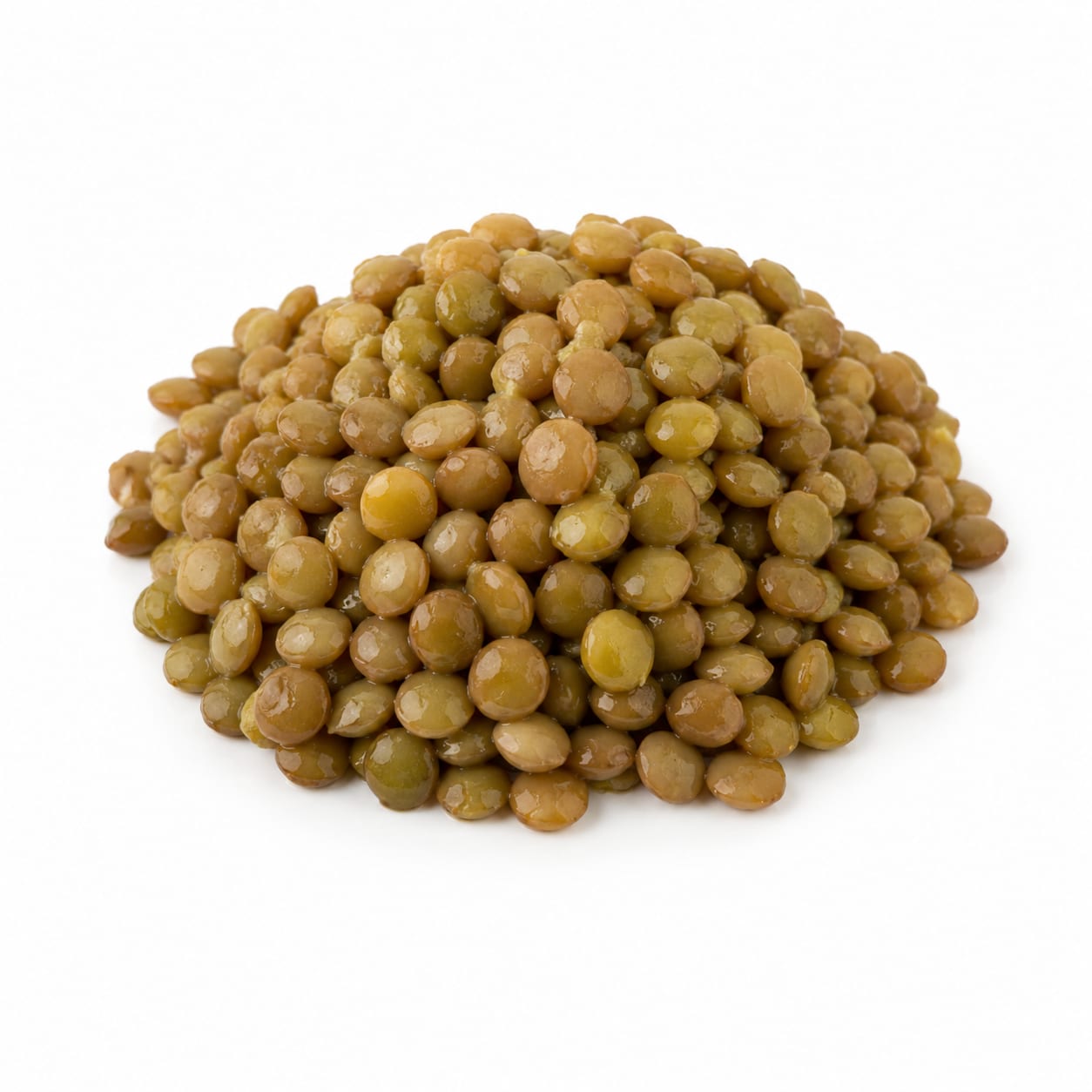
Green Lentil
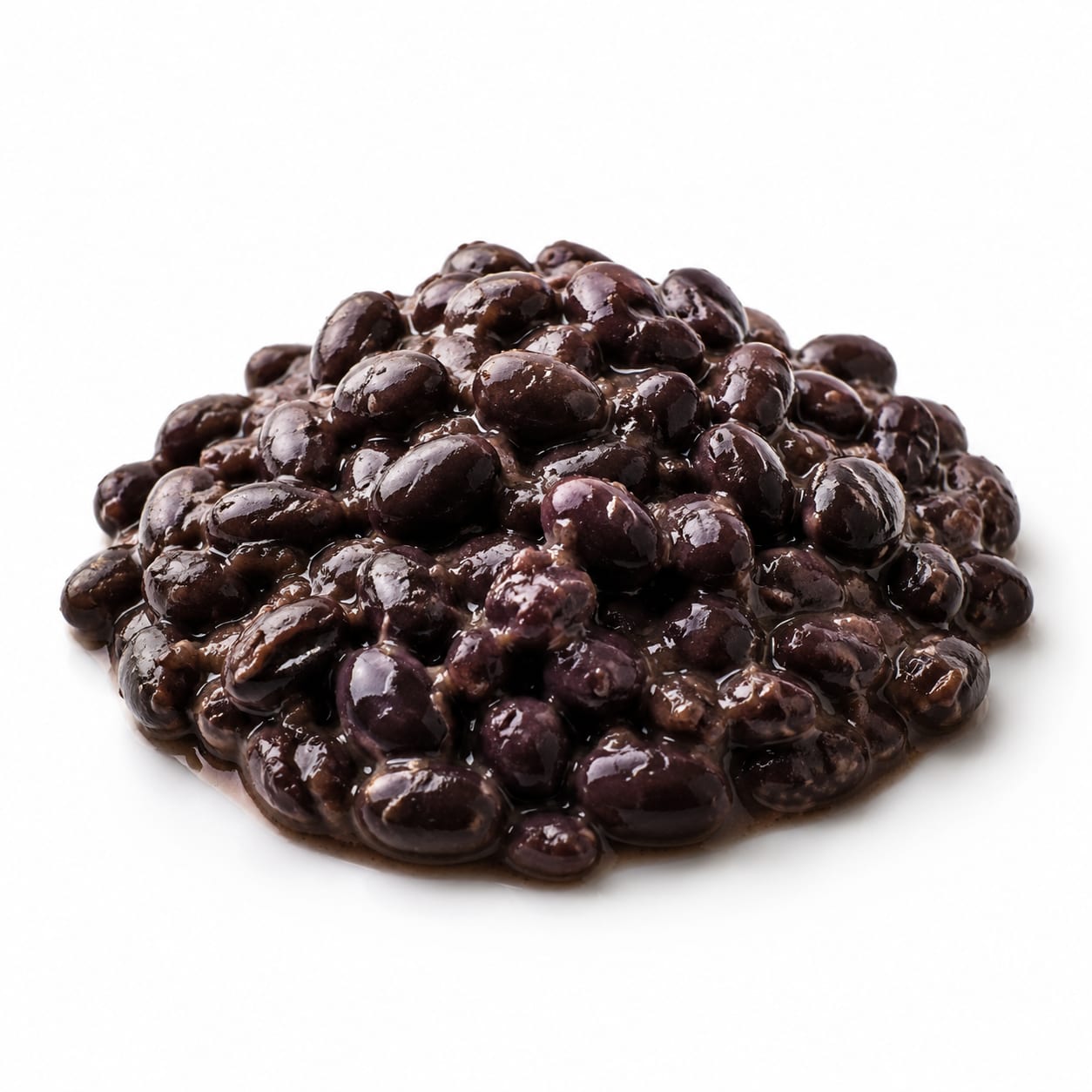
Black Bean
Green Lentils edge ahead with slightly more protein, fewer net carbs, and a lighter digestive feel, though Black Beans offer superior micronutrients like folate and magnesium.
Green Lentils score slightly higher due to a better protein-to-carb ratio and lower calorie density, making them more versatile for weight management and blood sugar control. Black Beans remain excellent but their higher carb count narrows their advantage.
You trade the higher protein and lower carb count of Green Lentils for the creamier texture and richer folate profile of Black Beans.
At a glance
Executive summary
Overall
Green Lentil
Healthier
Green Lentil
More practical
It depends
Daily use
Green Lentil
Key comparison lenses
plant-based protein density
Both are top-tier vegan protein sources, so identifying which delivers more protein per calorie is the primary concern for most users
blood sugar and carb management
Differences in net carbs and fiber type significantly impact glycemic response, making this crucial for diabetic or low-carb dieters
digestive tolerance and meal heaviness
Legumes are notorious for causing bloating, and texture differences affect how heavy a meal feels afterward
micronutrient prioritization
Each legume shines in different minerals, influencing which is better for specific deficiencies like iron or magnesium
Best choice for
Green Lentil
- People tracking net carbs or managing blood sugar
- Those seeking maximum protein per calorie
- Anyone prone to bloating from heavier legumes
- Salad and bowl meal prep where shape retention matters
Black Bean
- Pregnant women or those needing extra folate
- People looking to boost magnesium intake
- Fans of Latin American cuisine needing a creamy base
- Anyone wanting a richer, earthier flavor profile
Least suitable for
Green Lentil
- Those who dislike earthy, peppery flavors
- Recipes requiring a creamy, mashed texture
- People with severe lentil-specific allergies
Black Bean
- Strict low-carb dieters due to higher net carbs
- Those sensitive to dense, heavy meals
- People prone to severe gas from larger beans
Deep comparison
Dimension by dimension
Each lens scores both foods and breaks down who each option suits.
- Dimension 1 · Priority 95Green Lentil
Protein Density
Green Lentil · 88Black Bean · 80Green Lentils provide about 18 grams of protein per cooked cup, while Black Beans offer around 15 grams.
Tradeoff
You get roughly 20% more protein per serving with Green Lentils, though both are excellent plant-based sources.
Why it matters
Higher protein density means better muscle maintenance and longer-lasting fullness without needing larger portions.
Real-world impact
A lunch bowl with Green Lentils will keep you satisfied deeper into the afternoon without needing a snack.
Green Lentil
- Muscle maintenance on a vegan diet
- Keeping portions small but filling
Better for
- Situations where you want to eat a larger volume of food for the same protein
Worse for
Black Bean
- Post-workout meals paired with rice for a complete amino acid profile
Better for
- Strict macro-tracking where hitting high protein with low carbs is required
Worse for
- Dimension 2 · Priority 90Green Lentil
Blood Sugar Stability
Green Lentil · 86Black Bean · 78Green Lentils have significantly fewer net carbs (around 27g per cup) compared to Black Beans (around 41g per cup).
Tradeoff
Green Lentils are much easier to fit into a lower-carb lifestyle, while Black Beans can push you over your carb limit if you are not careful with portions.
Why it matters
Fewer net carbs mean a smaller insulin spike and steadier energy levels throughout the day.
Real-world impact
Eating Green Lentils instead of Black Beans avoids the afternoon energy crash that often follows higher-carb meals.
Green Lentil
- Managing diabetes or insulin resistance
- Low-carb or moderate-carb diets
Better for
- Pre-workout meals where you actually want quick carb energy
Worse for
Black Bean
- Endurance athletes needing sustained carb fuel
Better for
- Sedentary evenings where excess carbs are likely stored as fat
Worse for
- Dimension 3 · Priority 85Black Bean
Micronutrient Profile
Green Lentil · 78Black Bean · 88Black Beans are significantly higher in folate, magnesium, and iron, while Green Lentils offer slightly more potassium.
Tradeoff
Black Beans are a powerhouse for cellular energy and prenatal health, whereas Green Lentils are merely good but not exceptional in these specific minerals.
Why it matters
Folate is critical for cell repair and pregnancy, while magnesium supports sleep, stress reduction, and muscle recovery.
Real-world impact
Regularly choosing Black Beans can help reduce muscle cramps and support better sleep thanks to the magnesium content.
Green Lentil
- Those relying on potassium to balance sodium intake
Better for
- Prenatal diets requiring maximum folate
Worse for
Black Bean
- Pregnant women needing folate
- People with magnesium deficiencies or sleep struggles
Better for
- Situations where iron overload is a medical concern
Worse for
- Dimension 4 · Priority 80Green Lentil
Digestive Tolerance
Green Lentil · 82Black Bean · 74Green Lentils tend to produce less gas and bloating compared to the denser, harder-to-break-down Black Beans.
Tradeoff
Green Lentils offer a lighter, less disruptive digestive experience, while Black Beans can sit heavier in the stomach.
Why it matters
Digestive comfort dictates whether you can actually eat these foods regularly without dreading the aftermath.
Real-world impact
Choosing Green Lentils for a workday lunch means less bloating and discomfort during afternoon meetings.
Green Lentil
- Sensitive stomachs prone to gas
- Workday lunches where bloating is uncomfortable
Better for
- Very rarely an issue, though undercooked lentils can still cause discomfort
Worse for
Black Bean
- Those with ironclad digestion who enjoy dense, filling meals
Better for
- First dates or social events where bloating is a major concern
Worse for
- Dimension 5 · Priority 75It depends
Culinary Versatility
Green Lentil · 82Black Bean · 82Green Lentils hold their shape beautifully for salads and bowls, while Black Beans excel when mashed or blended into dips and stews.
Tradeoff
It comes down to texture preference: firm and toothsome versus creamy and soft.
Why it matters
The texture dictates what meals you can realistically prep without the food turning to mush.
Real-world impact
Green Lentils make a great cold salad leftover, while Black Beans are perfect for quick quesadillas or thickening soups.
Green Lentil
- Meal prep salads that need to last days without getting soggy
- Grain bowls where a firm bite is desired
Better for
- Recipes requiring a smooth, creamy base
Worse for
Black Bean
- Dips like hummus or bean spreads
- Burgers and veggie patties that need binding
Better for
- Dishes where you want distinct, separate legume pieces
Worse for
Timeline
Health impact over time
Short-term
Hours to days
Green Lentil
- Provides steady, crash-free energy due to low net carbs
- May cause mild bloating if not cooked thoroughly or if you are unaccustomed to high fiber
Black Bean
- Offers a dense, heavy feeling of fullness that prevents snacking
- More likely to cause noticeable gas or digestive heaviness if eaten in large portions
Long-term
Months to years
Green Lentil
- Supports lean muscle maintenance and healthy weight management through high protein density
- Promotes cardiovascular health by stabilizing blood sugar and lowering cholesterol
Black Bean
- Reduces systemic inflammation and supports heart health via high antioxidant content
- Improves long-term cellular repair and DNA synthesis due to abundant folate
Risk profile
Safety & processing
Both Green Lentils and Black Beans are whole, natural foods when bought dry or canned with just water and salt. Neither carries ultra-processing risks, though canned versions should be checked for added sodium.
Green Lentil
Lectin toxicity
mediumRaw or undercooked lentils contain lectins that can cause nausea and vomiting. Thorough boiling eliminates this risk completely.
Canned BPA exposure
lowIf buying canned, the lining may contain BPA. Opting for dried or BPA-free cans mitigates this.
Black Bean
Lectin toxicity
mediumUndercooked black beans have high levels of phytohaemagglutinin, which can be quite toxic. Always soak and boil thoroughly; slow cookers alone are not hot enough.
Canned BPA exposure
lowSimilar to lentils, canned black beans may have BPA in the lining unless specifically labeled otherwise.
Who wins for whom
Audience fit
Same foods, different winners depending on your goal.
children
Black BeanBlack Beans have a milder, creamier texture that is usually more appealing and easier for young kids to chew and swallow.
daily consumption
Green LentilGreen Lentils are slightly easier to digest day after day and their lower carb count makes daily inclusion more flexible.
diabetes
Green LentilWith significantly fewer net carbs and a lower glycemic load, Green Lentils are much safer for blood sugar management.
elderly
Black BeanThe soft texture of cooked Black Beans is easier on aging teeth, and the high folate supports cellular health in older adults.
muscle gain
Green LentilThe higher protein content per serving gives Green Lentils a slight edge for muscle repair and growth.
weight loss
Green LentilGreen Lentils offer more protein and fewer calories per cup, making it easier to stay in a deficit while feeling full.
Your move
Decision guide
Choose Green Lentil
- You are tracking carbs or managing diabetes
- You want maximum protein per calorie
- You are meal-prepping cold salads or grain bowls
- You get bloated easily from heavier beans
Choose Black Bean
- You are pregnant or trying to conceive
- You want a creamy base for dips, tacos, or burritos
- You need more magnesium for sleep or muscle recovery
- You prefer a denser, more comforting meal texture
Either works if
- You just need a solid plant-based fiber and protein source
- You are making a hearty vegetable soup
- You are rotating legumes for gut microbiome diversity
Avoid both if
- You have severe IBS and cannot tolerate high FODMAP foods
- You are on a strict carnivore or keto diet
Final recommendation
Keep both in your pantry, but lean toward Green Lentils as your daily staple for their superior protein-to-carb ratio and lighter digestion. Use Black Beans when you need their creamy texture or an extra folate and magnesium boost.
Practical
Consumer tips
- 1
Rinse canned varieties thoroughly under cold water to remove up to 40% of the sodium and reduce gassy oligosaccharides.
- 2
If cooking from dry, soak Black Beans overnight and boil vigorously for 10 minutes before simmering to destroy lectins.
- 3
Green Lentils cook much faster than Black Beans, making them a better choice for quick weeknight dinners.
- 4
Add a piece of kombu seaweed to the cooking water for either legume to help break down gas-causing compounds.
- 5
Store cooked portions in the freezer for up to 3 months so you always have a healthy base ready without the wait.