
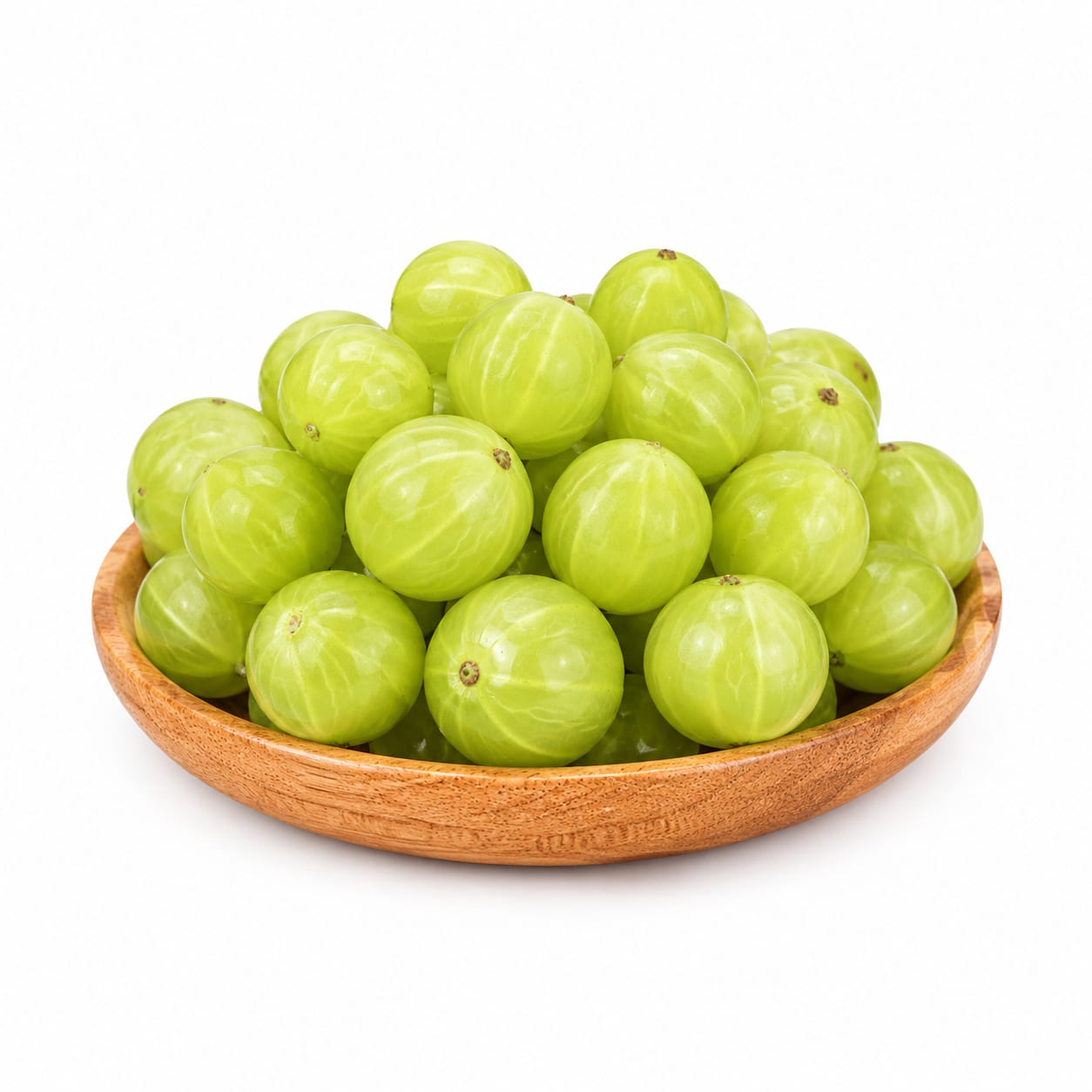
Berry
Gooseberry
A tart, fiber-rich berry exceptionally low in calories and sugar.
A tart, edible berry ranging from green to red or purple, known for its high fiber and vitamin C content.
high-fiber low-sugar berry
Typical serving · 150g
Common varieties · green gooseberry, red gooseberry, yellow gooseberry, invicta, hinnonmaki
Overall context score across nutrition, safety, and diet fit
At a glance
Quick facts
Simple indicators based on nutrition, processing, and diet fit.
The story
What makes it unique
Gooseberries are low-glycemic, fiber-rich berries with moderate-to-slow digestion speed due to their soluble and insoluble fiber content. Their macronutrient profile is low in calories and fat, with minimal natural sugars. Satiety is high relative to caloric load. They are typically consumed minimally processed.
Varieties: green gooseberry · red gooseberry · yellow gooseberry · invicta · hinnonmaki
Per 100g
Nutrition breakdown
Macro balance and key metrics at a glance.
Energy
Density 0.44 kcal/g
Protein
Carbs
Fat
Fiber
Sugar
5.4 g
Sodium
1 mg
Potassium
198 mg
Glycemic index
15
Glycemic load
2
Water content
84%
Standout compounds
Nutrient highlights
Fiber
highPromotes satiety and stabilizes blood sugar
Vitamin C
highSupports immune function and collagen synthesis
Manganese
moderateAids metabolism and bone health
Antioxidants
highReduces oxidative stress and inflammation
Wellness map
Health scores & processing
NOVA processing scale
minimally processed · Whole food
Raw gooseberries are unprocessed whole fruits. Processing only occurs if they are canned in syrup or baked into desserts.
Diet compatibility
- Weight loss
- Muscle gain
- Diabetes
- Gut health
- Low carb
- High protein
- Heart health
Relative standing
Food rankings
Qualitative ranks compared to similar whole foods.
- Satietygood
- Blood sugarexcellent
- Nutrient densityexcellent
- Fitness fuelmoderate
- Processing qualityexcellent
Eat with confidence
Food safety profile
Gooseberries have a low risk profile for contaminants. As with all fresh produce, washing is recommended to remove potential agricultural residues.
Evidence confidence 85%
- Pesticideslow
- Antibioticslow
- Heavy metalslow
- Contaminationlow
Watch for
- pesticide residue
- soil bacteria
Safer choices
Organic gooseberries to minimize any pesticide exposure, though conventional is generally low risk.
Prep tips
Rinse thoroughly under cold water and remove stems and tails before eating.
Minimal, as they are typically grown on smaller scales with fewer intensive chemical inputs compared to commercial strawberries.
Deep dive
Health analysis
How this food may fit different goals and preparation choices.
Weight loss
Low energy density and high fiber content promote fullness without excess calories, making them ideal for volume eating.
Blood sugar
Very low glycemic index and load. The high fiber-to-sugar ratio prevents rapid blood sugar spikes.
Fitness & energy
Not a primary fuel source due to low calories and carbs, but useful as a light, vitamin C-rich pre-workout snack.
Gut health
High fiber supports healthy bowel movements and feeds beneficial gut bacteria. Natural acids may aid digestion.
Processing quality
Excellent when consumed fresh. Nutritional quality degrades significantly in jams or pies due to added sugar.
Food safety
Very safe. Low pesticide risk and no common foodborne illness outbreaks associated with fresh gooseberries.
Common mistakes
Adding excessive sugar to offset tartness, which negates the blood sugar and weight loss benefits.
Best preparation
Eaten fresh, blended into green smoothies, or lightly stewed without added sugar.
Practical guide
Best use cases
When and how this food fits real eating patterns.
High-volume low-calorie snacking
Eat a large bowl fresh to satisfy sweet and tart cravings without exceeding calorie limits.
Blood sugar-friendly fruit option
A flavorful addition to a diabetic meal plan that will not spike glucose levels.
Flavor enhancer for smoothies
Adds a tart zing and vitamin C boost to green smoothies without adding excess sugar.
Balance sheet
Pros & cons
Upsides
- Very low calorie and low energy density
- High fiber content slows digestion and improves satiety
- Minimal impact on blood sugar levels
- Rich in vitamin C and antioxidants
- Naturally unprocessed when eaten fresh
Trade-offs
- Very tart flavor can be off-putting raw
- Often requires sweeteners in recipes, negating health benefits
- Less widely available than other berries
- Small seeds may be bothersome to some individuals
Fit check
Who is it for?
Great match
- weight management
- diabetic meal plans
- high-volume eating
- low-carb diets
Consider alternatives
- quick pre-workout energy
- muscle building
- those sensitive to tart or acidic foods
Side by side
How it compares
Open the full head-to-head analysis for nutrition, safety, and practical tradeoffs.
This food
Gooseberry
VS85% alike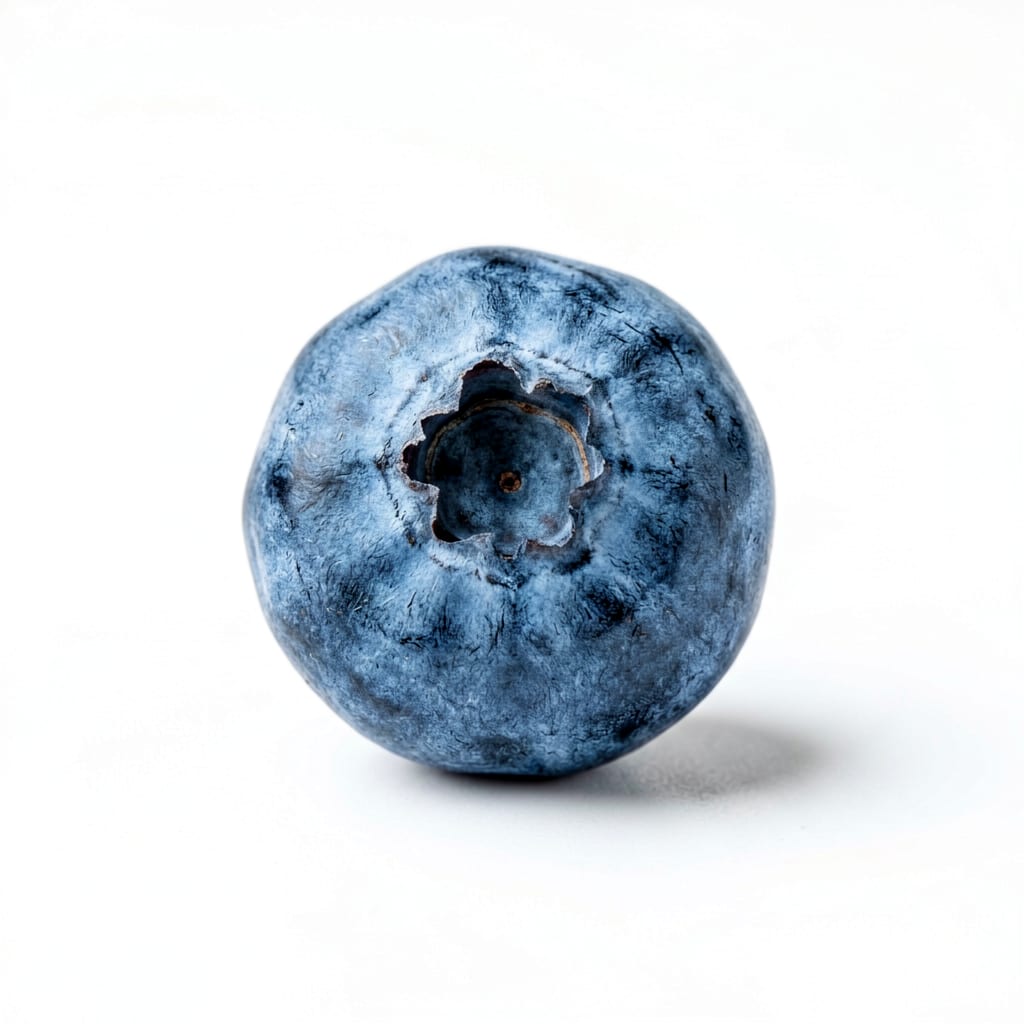
Compare with
Blueberry
Gooseberries are lower in sugar and higher in fiber, while blueberries are sweeter and higher in antioxidants like anthocyanins.
Gooseberries provide more fiber and less sugar for weight loss, while blueberries offer sweeter, faster-digesting carbs for workout fuel.
This food
Gooseberry
VS90% alike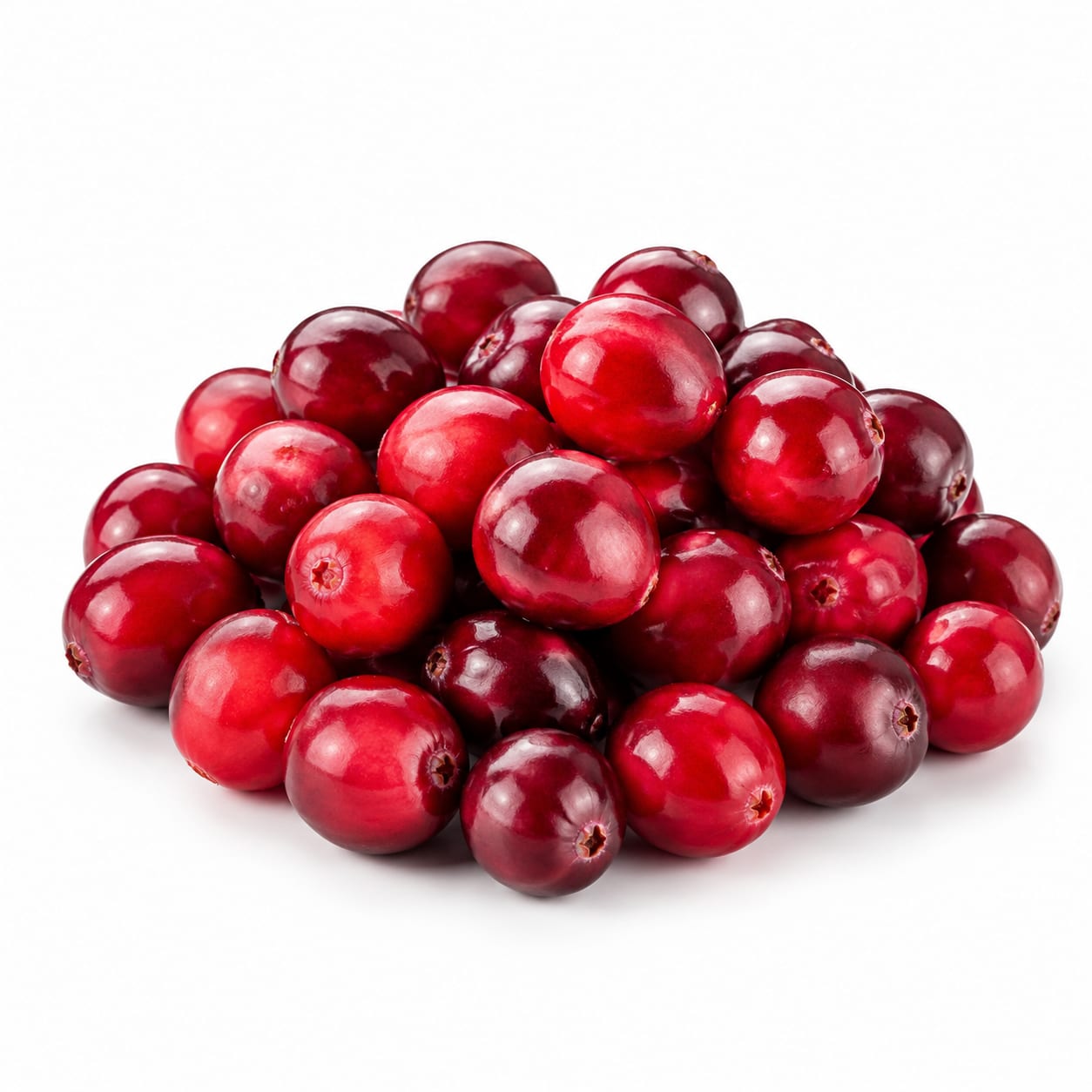
Compare with
Cranberry
Cranberries are slightly lower in calories and sugar but are rarely eaten raw due to extreme tartness. Gooseberries are more palatable raw.
Cranberries are slightly lower in sugar, but gooseberries are more filling and easier to eat raw without adding sweeteners.
This food
Gooseberry
VS80% alike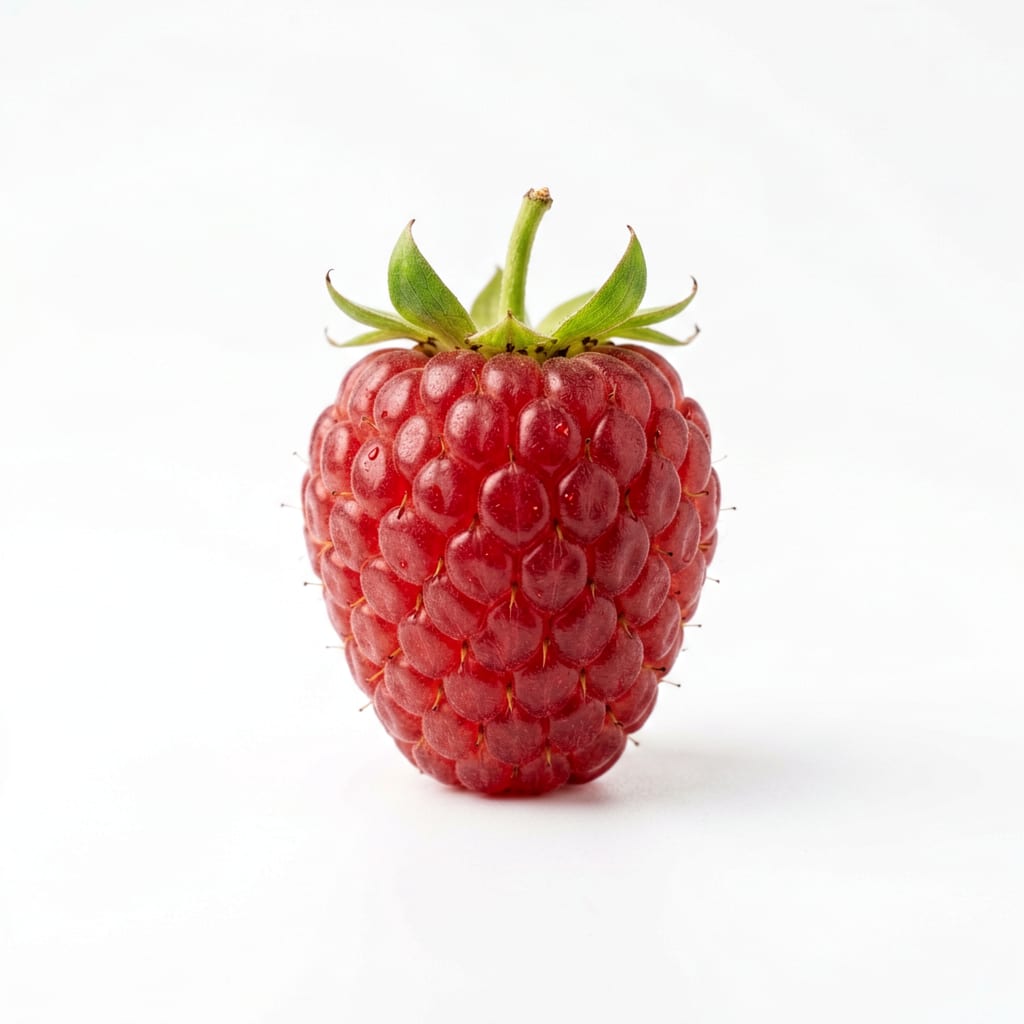
Compare with
Raspberry
Raspberries have slightly more fiber and a sweeter-tart balance, while gooseberries are crunchier and lower in sugar.
Raspberries are sweeter and slightly higher in fiber, but gooseberries are lower in sugar and better for strict blood sugar control.
This food
Gooseberry
VS80% alike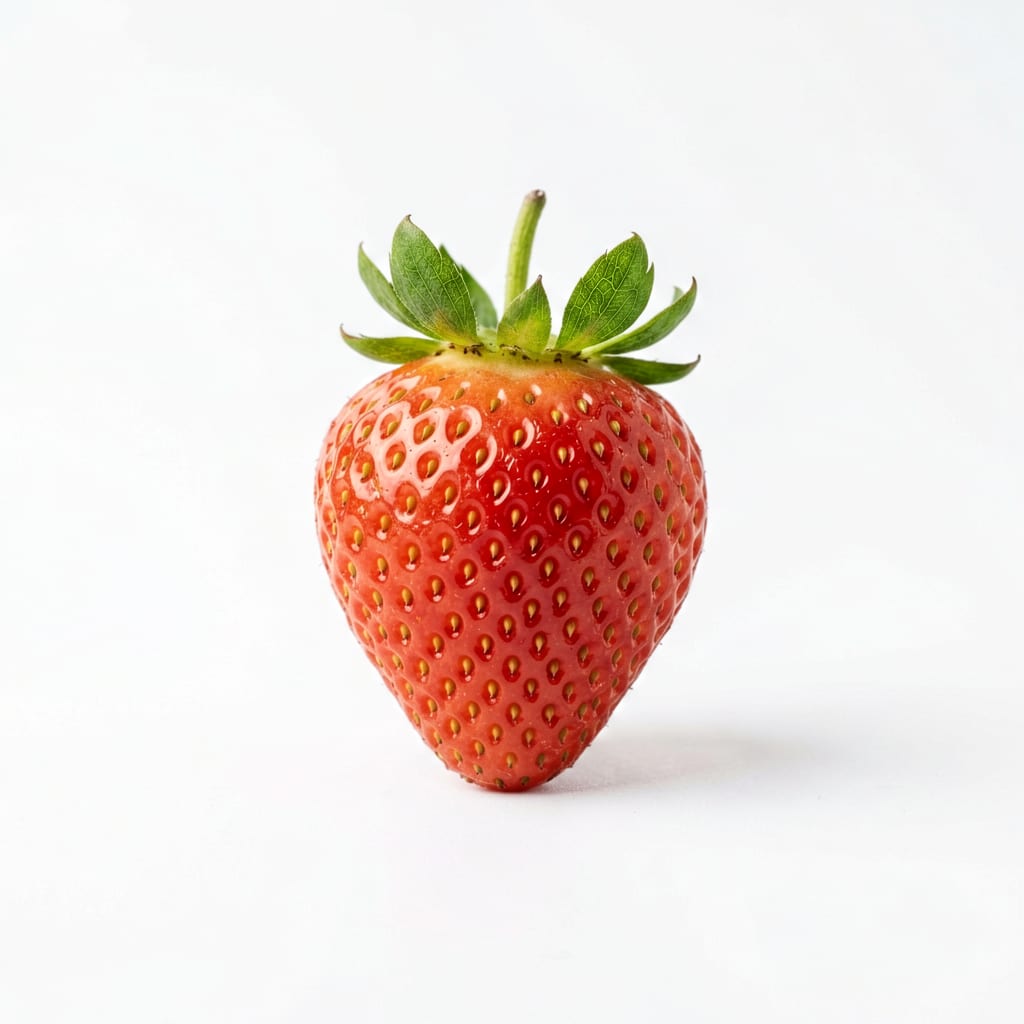
Compare with
Strawberry
Strawberries are sweeter and more widely consumed, but gooseberries offer nearly double the fiber per serving.
Gooseberries beat strawberries in fiber and blood sugar control, while strawberries provide faster-digesting energy for exercise.
This food
Gooseberry
VS70% alike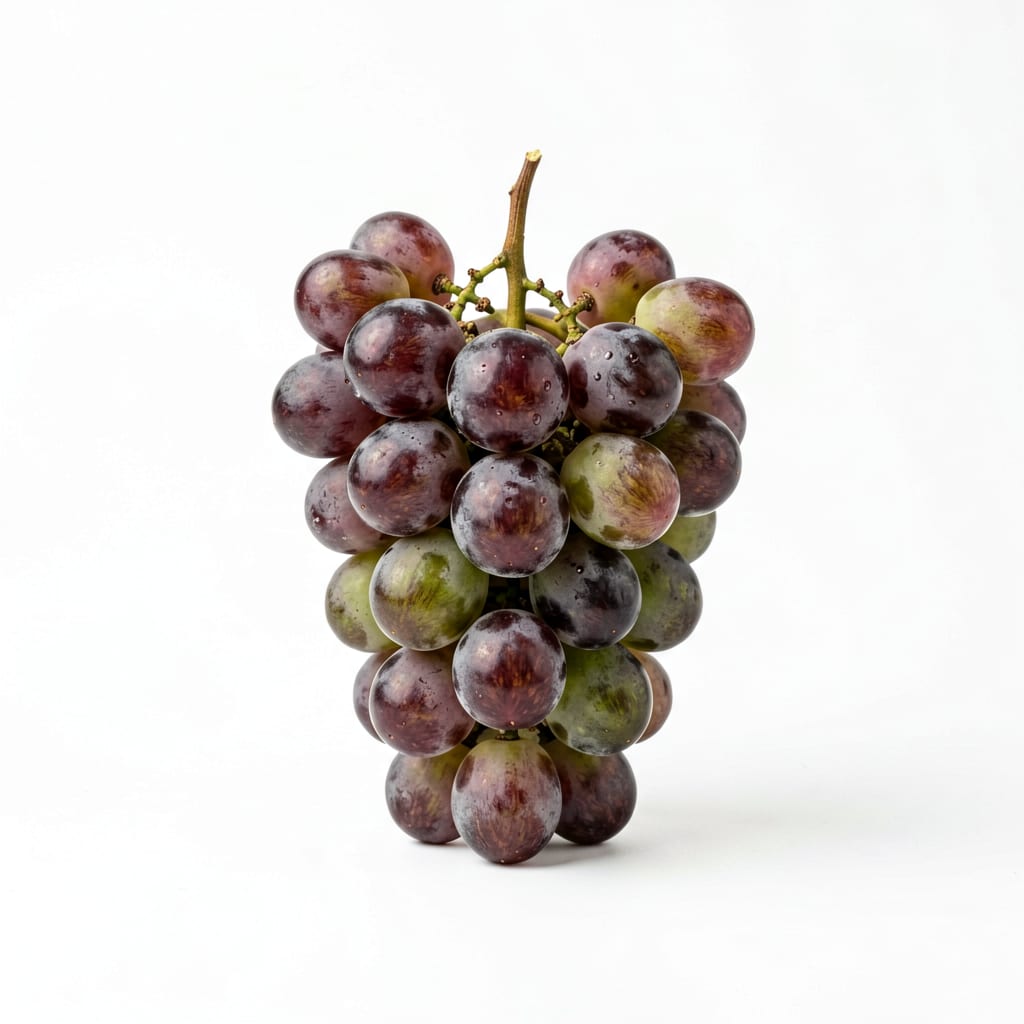
Compare with
Grape
Grapes are high in sugar and low in fiber, providing quick energy. Gooseberries are low in sugar and high in fiber, providing sustained satiety.
Gooseberries are far better for weight loss and blood sugar, while grapes serve as a superior quick-energy pre-workout snack.
This food
Gooseberry
VS75% alike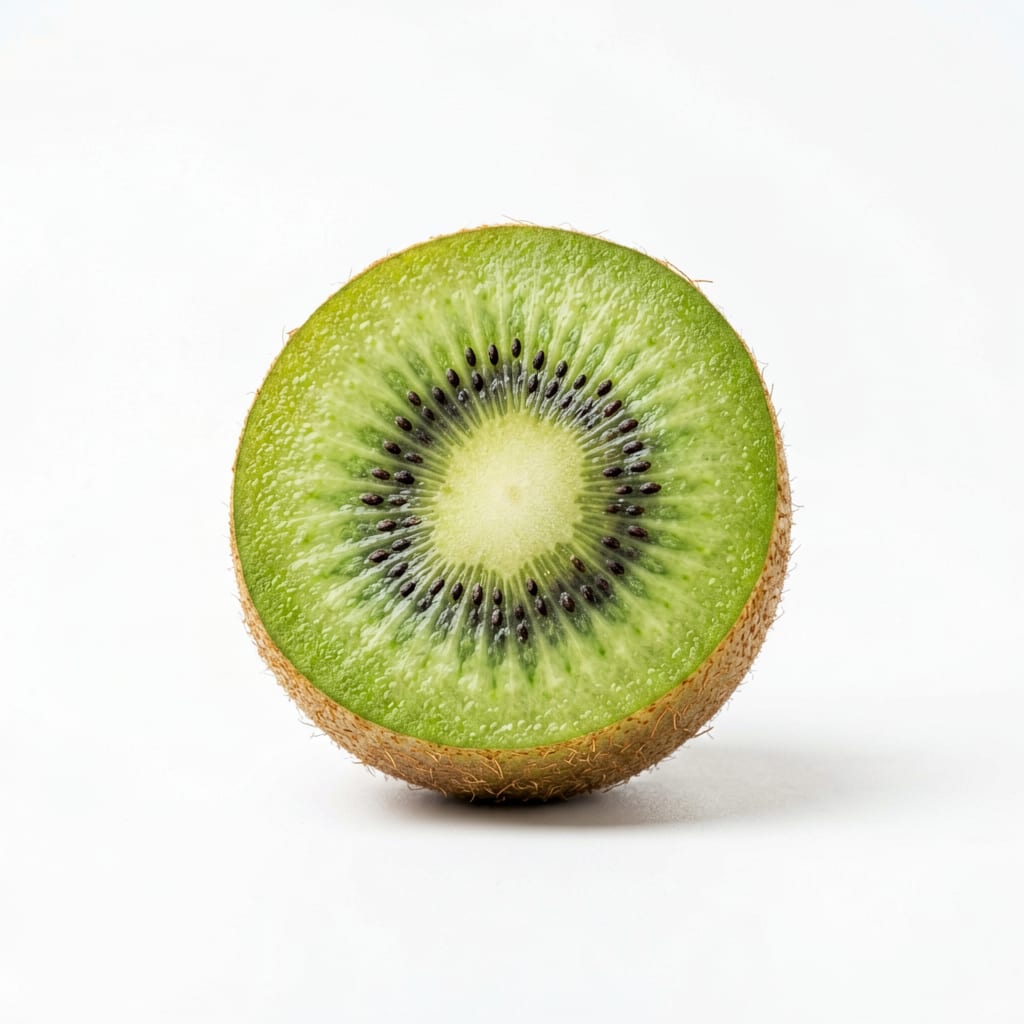
Compare with
Kiwi
Kiwis are sweeter and higher in vitamin C, while gooseberries are lower in sugar and calories.
Kiwis offer more vitamin C and a sweeter taste, but gooseberries are lower in calories and sugar for stricter diets.
This food
Gooseberry
VS85% alike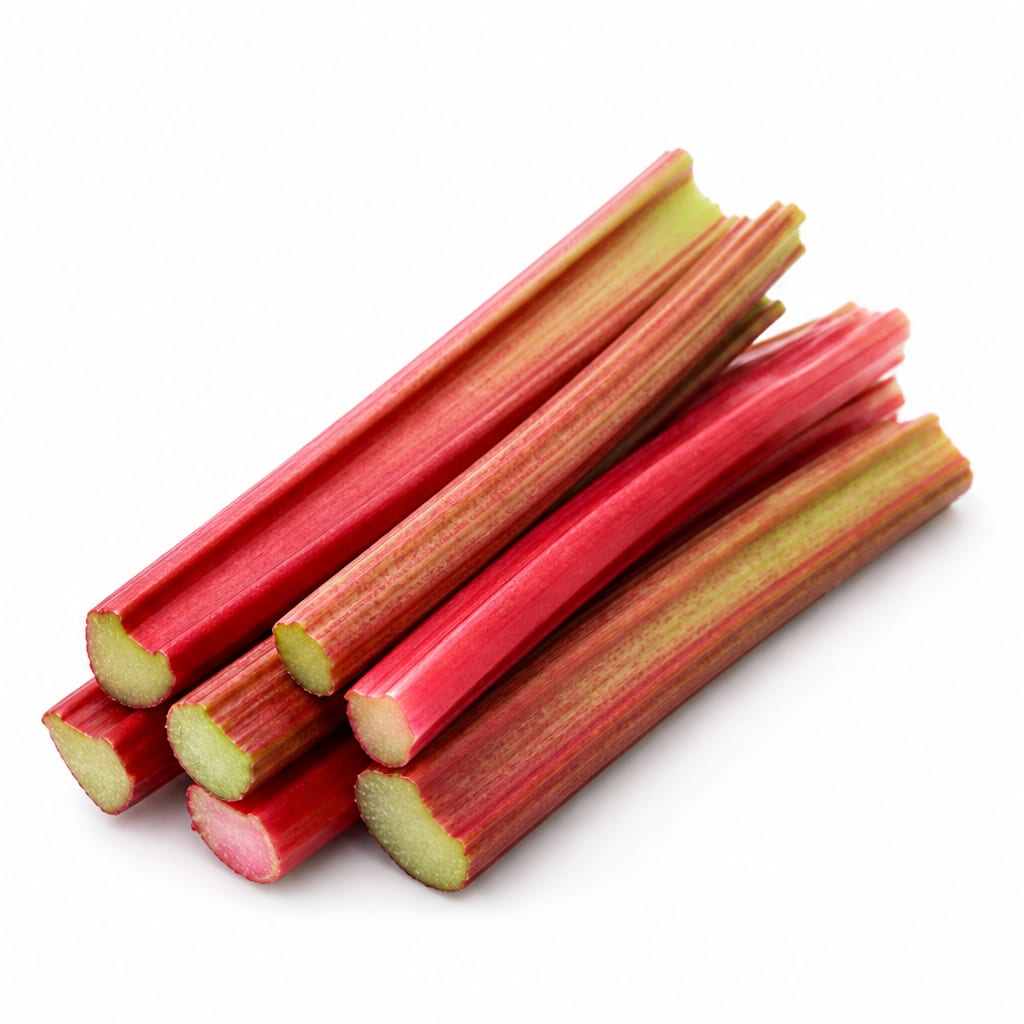
Compare with
Rhubarb
Rhubarb is technically a vegetable with almost no calories or sugar. Gooseberries provide more fiber and can be eaten raw more easily.
Rhubarb is lower in calories, but gooseberries offer more fiber and are easier to incorporate raw without added sugar.
This food
Gooseberry
VS95% alike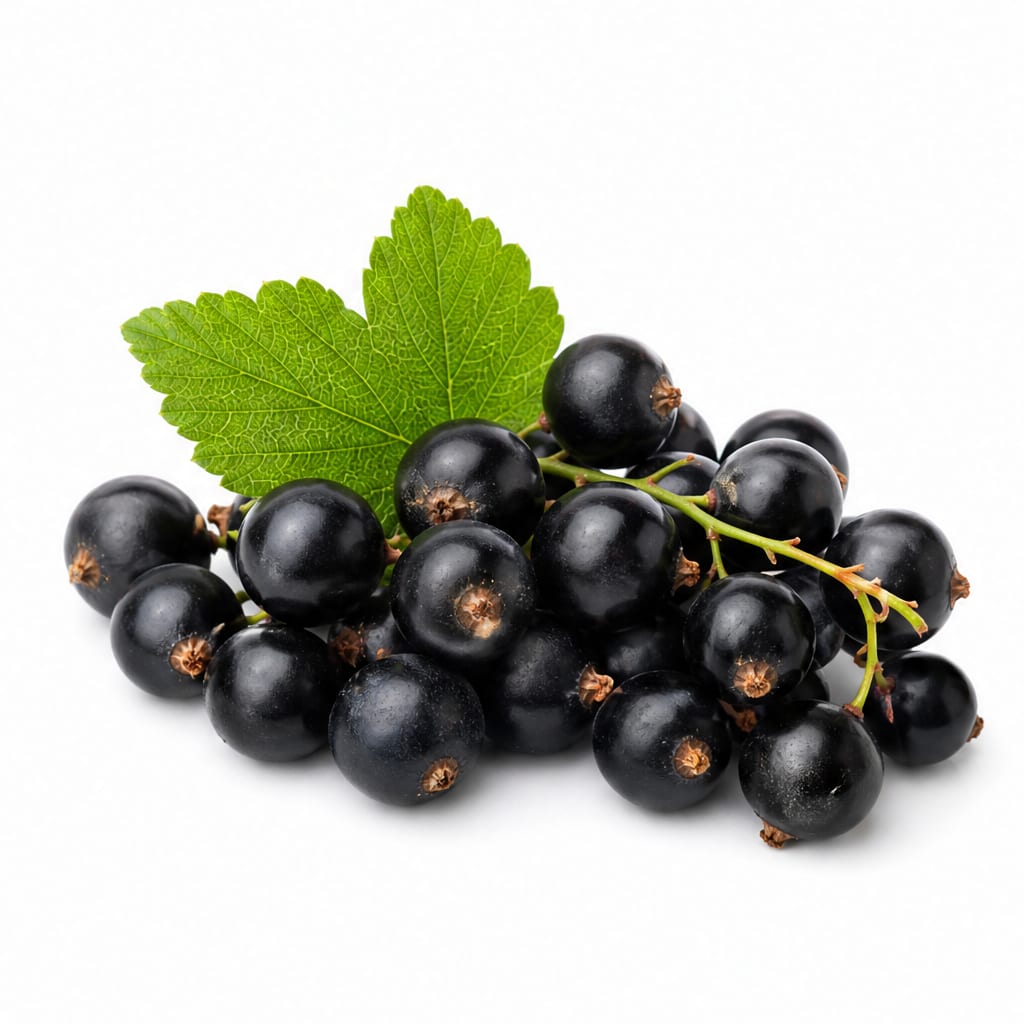
Compare with
Currant
Currants are smaller, sweeter, and higher in antioxidants, while gooseberries are larger, crunchier, and higher in fiber.
Gooseberries are larger and more filling with less sugar, while currants are sweeter and more antioxidant-dense.
This food
Gooseberry
VS80% alike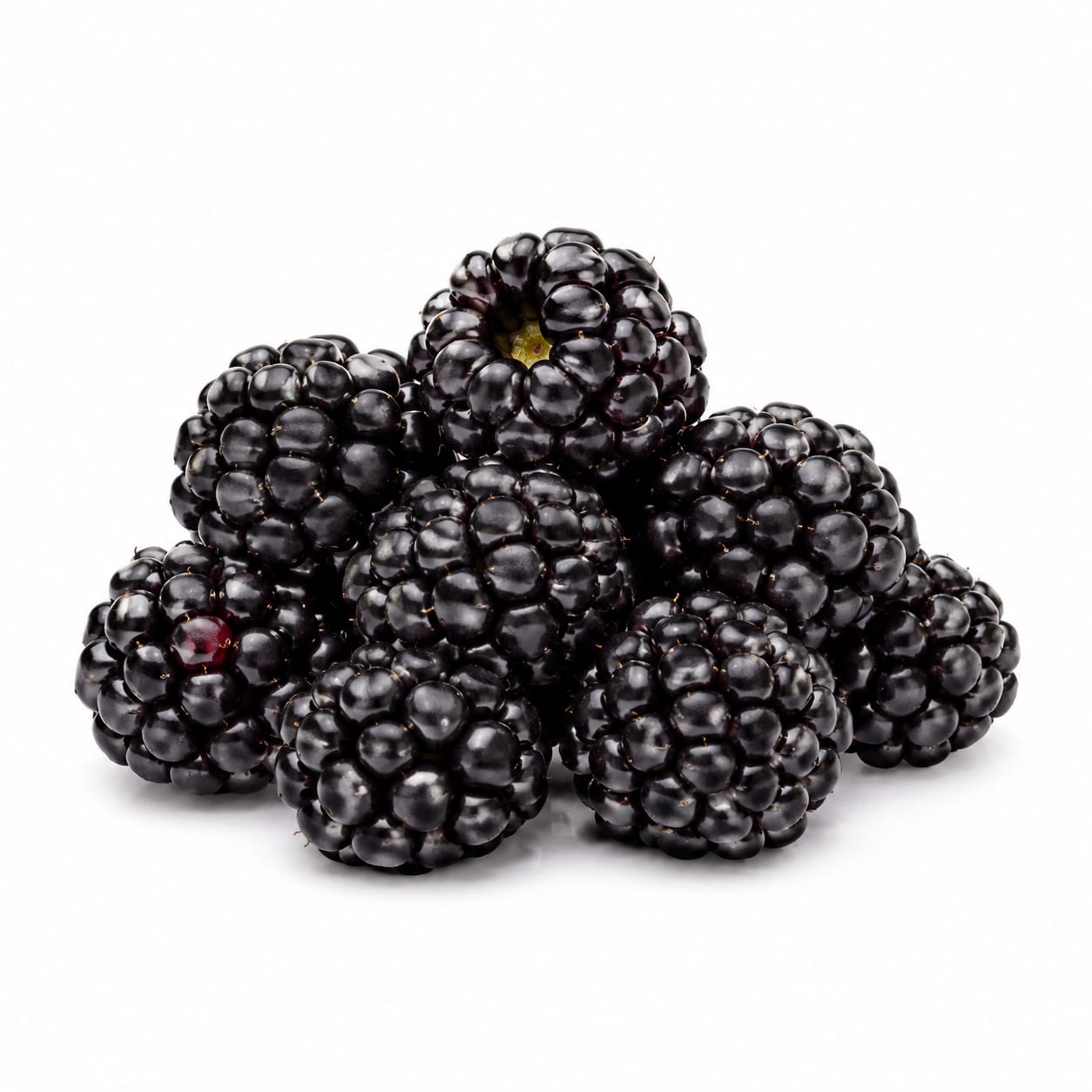
Compare with
Blackberry
Blackberries are higher in fiber and antioxidants, but gooseberries are significantly lower in sugar and carbohydrates.
Blackberries provide more fiber and sweetness, but gooseberries are superior for low-carb and blood sugar management.
This food
Gooseberry
VS70% alike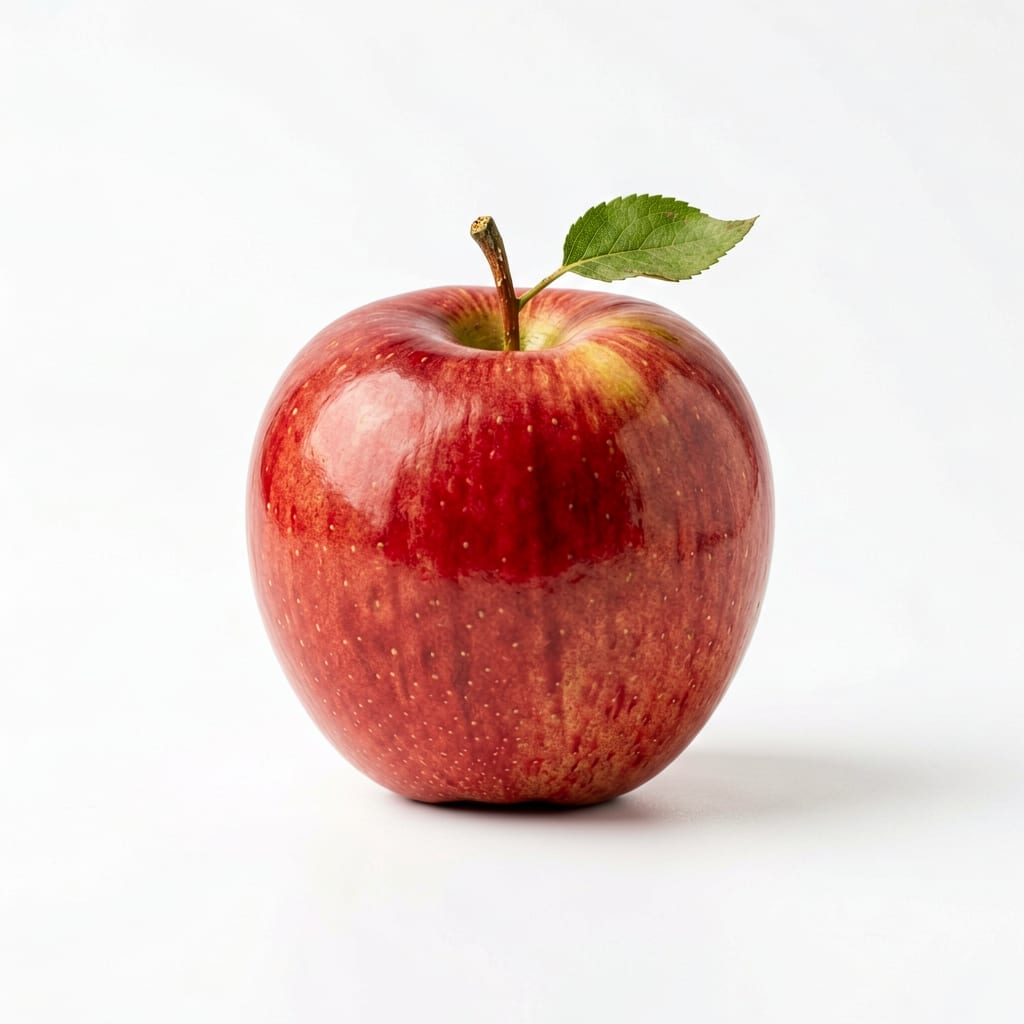
Compare with
Apple
Apples are sweeter and crunchier, but gooseberries provide more fiber and far less sugar per serving.
Apples are more satiating and better for workout energy, but gooseberries are lower in calories and sugar for weight loss.
Common questions
FAQ
Answers aligned with how people search for this food.
Are gooseberries good for weight loss?
Yes, they are very low in calories and high in fiber, which helps you feel full without consuming excess energy.
Can diabetics eat gooseberries?
Yes, they have a very low glycemic index and load, making them a safe fruit choice for blood sugar management.
Are gooseberries high in fiber?
Yes, they contain about 4.3g of fiber per 100g, which is higher than many common fruits like apples or strawberries.
Do gooseberries have a lot of sugar?
No, they are relatively low in sugar compared to other fruits, with only about 5g of natural sugar per 100g serving.
What is the difference between a gooseberry and a cape gooseberry?
True gooseberries are tart, grow on bushes, and belong to the Ribes genus, while cape gooseberries are sweet-tart, grow in husks, and belong to the Physalis genus.
How should you eat gooseberries?
They can be eaten raw, added to smoothies, or cooked into sugar-free compotes. Removing the stem and tail is recommended before eating.
Are gooseberries safe to eat raw?
Yes, raw gooseberries are safe and retain the highest vitamin C content, though their tart flavor may be intense for some.
Why are gooseberries so tart?
Their tartness comes from high levels of natural organic acids like citric and malic acid, which balance the low sugar content.
Transparency
Data confidence
Estimated confidence for nutrition data, interpretation, safety notes, and comparisons.
Nutrition data
Health analysis
Food safety
Comparisons