
Nutrition comparison
Gooseberry vs Blueberry: Which Berry Is Healthier for You?
Compare gooseberry and blueberry nutrition, antioxidants, sugar content, and health benefits. Find out which berry fits your goals — immune support, brain health, or weight management.
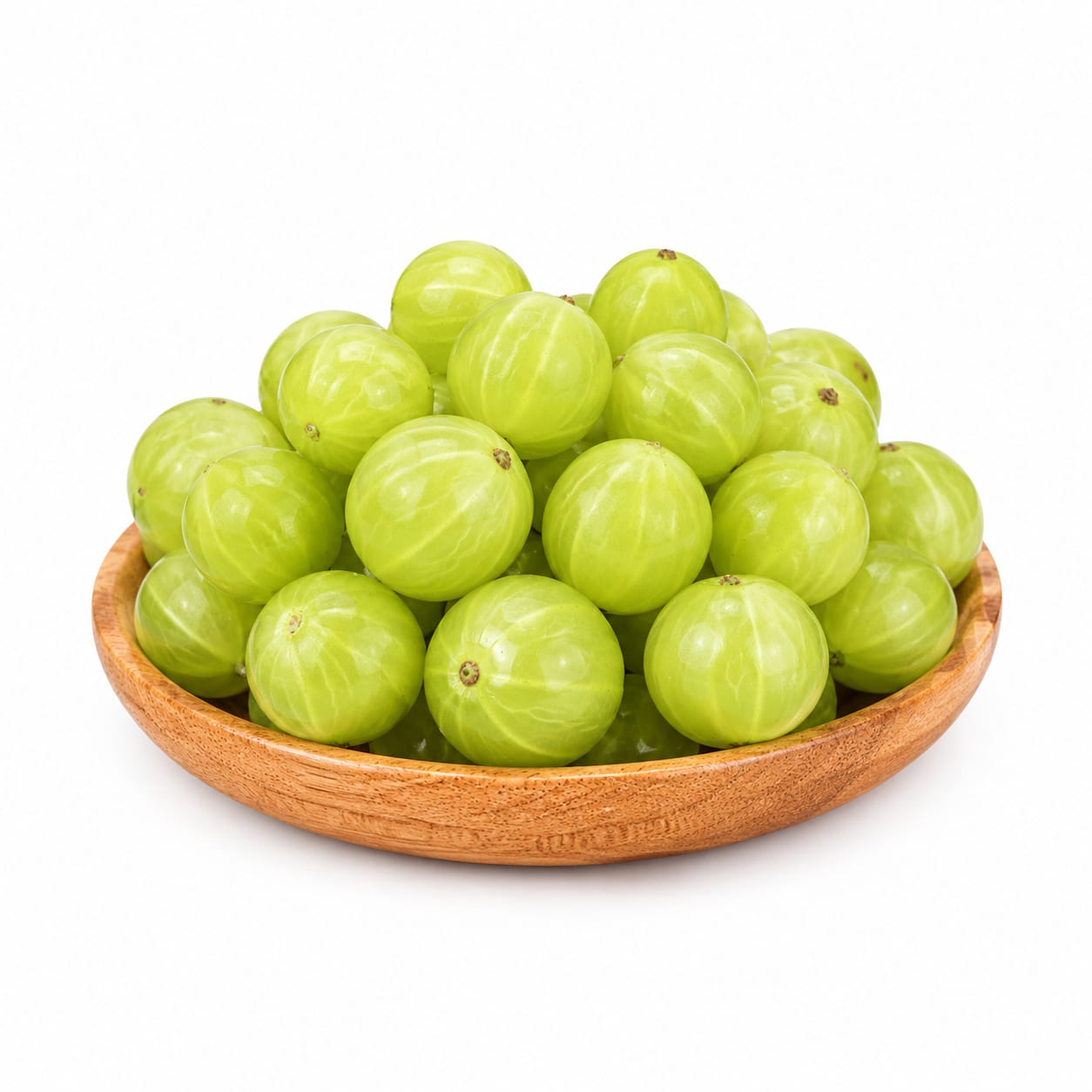
Gooseberry
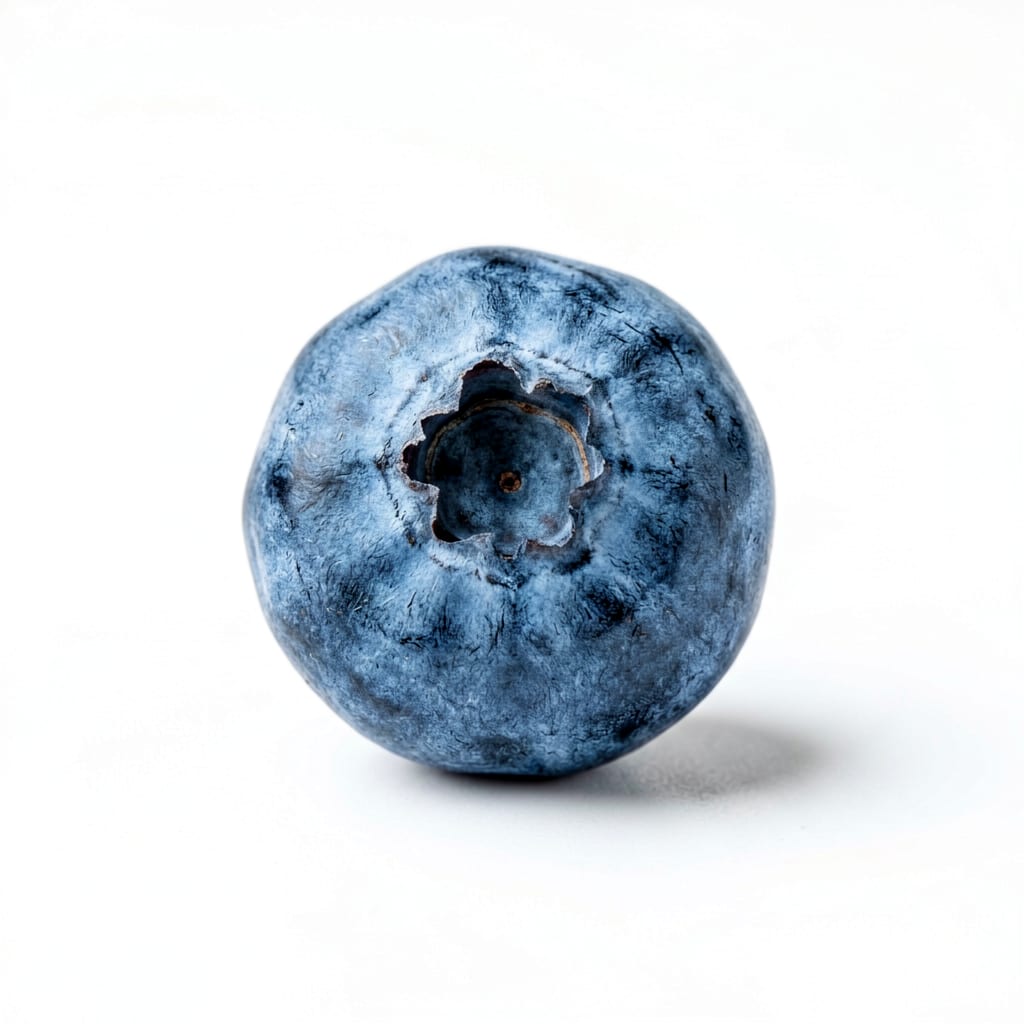
Blueberry
Blueberries win on convenience and brain-protective antioxidants; gooseberries win on vitamin C and lower sugar. Your priority determines the winner.
Blueberries edge ahead due to superior practicality and broader research on cognitive benefits, but gooseberries are nutritionally competitive with higher vitamin C and lower sugar. The gap is small because both are genuinely healthy whole foods.
Sweet, brain-friendly convenience versus tart, immune-charging nutrition density
At a glance
Executive summary
Overall
It depends
Healthier
It depends
More practical
Blueberry
Daily use
Blueberry
Key comparison lenses
antioxidant type comparison
Gooseberries excel in vitamin C while blueberries dominate in anthocyanins, making this the core nutritional tradeoff
immune vs brain health priority
Each berry targets a different health system: immune support versus cognitive protection
sugar and glycemic impact
Gooseberries are significantly lower in sugar, appealing to those managing blood sugar or reducing sweet intake
everyday practicality and accessibility
Blueberries are ubiquitous in stores; gooseberries are seasonal and harder to find fresh
taste and palatability for daily use
Blueberries are sweet and easy to eat raw; gooseberries are tart and often need sweetening or cooking
Best choice for
Gooseberry
- People prioritizing immune support and vitamin C intake
- Those reducing sugar while keeping fruit in their diet
- Anyone seeking tart flavors for cooking and preserves
- People looking for higher fiber per calorie
Blueberry
- People focused on brain health and cognitive longevity
- Those wanting an easy, sweet snack eaten out of hand
- Busy individuals needing grab-and-go fruit
- Parents introducing berries to children
Least suitable for
Gooseberry
- Children who dislike tart flavors
- People wanting effortless snacking without preparation
- Anyone living where gooseberries are unavailable fresh
Blueberry
- People strictly limiting sugar intake
- Those seeking maximum vitamin C from fruit
- Anyone with blueberry allergies or salicylate sensitivity
Deep comparison
Dimension by dimension
Each lens scores both foods and breaks down who each option suits.
- Dimension 1 · Priority 92It depends
antioxidant_profile
Gooseberry · 80Blueberry · 88Blueberries lead in anthocyanins linked to brain health; gooseberries deliver far more vitamin C for immune defense.
Tradeoff
Cognitive protection versus immune firepower — different antioxidants serve different priorities
Why it matters
Anthocyanins and vitamin C protect different systems. Your health goals should drive this choice.
Real-world impact
Eating blueberries regularly may help memory and focus over years. Gooseberries can help fend off colds and support skin health more immediately.
Gooseberry
- Immune system support during cold season
- Collagen production and skin health
- Quick antioxidant defense against oxidative stress
Better for
- Less researched for specific neuroprotective outcomes
Worse for
Blueberry
- Long-term brain health and memory preservation
- Reducing age-related cognitive decline
- Protecting blood vessel flexibility
Better for
- Lower vitamin C means less direct immune support per serving
Worse for
- Dimension 2 · Priority 85Gooseberry
sugar_and_blood_sugar_impact
Gooseberry · 88Blueberry · 68Gooseberries contain roughly half the sugar of blueberries, making them noticeably gentler on blood sugar.
Tradeoff
Lower sugar comes with a tart taste that many people find challenging without sweetening
Why it matters
For anyone monitoring glucose, the sugar difference between berries adds up over daily consumption.
Real-world impact
A bowl of gooseberries won't spike your energy and crash like sweeter fruit can. Blueberries are still low-glycemic but less forgiving in larger portions.
Gooseberry
- Steadier energy without afternoon crashes
- Diabetes-friendly fruit option
- Keto or low-carb dieters wanting fruit without the sugar hit
Better for
- Tartness may push people to add sugar, negating the advantage
Worse for
Blueberry
- Natural sweetness satisfies sugar cravings without turning to junk food
Better for
- Higher sugar means less room in the diet for other carb sources
Worse for
- Dimension 3 · Priority 72Gooseberry
fiber_and_digestive_health
Gooseberry · 82Blueberry · 72Gooseberries provide more fiber per serving, supporting digestion and fullness better than blueberries.
Tradeoff
More fiber with less palatability versus less fiber with easy eating
Why it matters
Fiber is the most underconsumed nutrient in most diets. Every gram counts.
Real-world impact
Gooseberries keep you fuller longer per calorie. Blueberries are still decent but you may eat more of them because they taste so easy.
Gooseberry
- Better satiety per serving
- Improved digestive regularity
- More filling as a standalone snack
Better for
- Higher fiber with tart taste can be rough on sensitive stomachs raw
Worse for
Blueberry
- Still provides respectable fiber, especially if you eat larger portions
Better for
- Easier to overeat, reducing the fiber-per-calorie benefit
Worse for
- Dimension 4 · Priority 78Blueberry
practicality_and_accessibility
Gooseberry · 48Blueberry · 92Blueberries are available year-round in nearly every grocery store. Fresh gooseberries are seasonal and often require specialty shops or farmers markets.
Tradeoff
Nutritional density you have to hunt for versus good nutrition available everywhere
Why it matters
The healthiest food only works if you actually eat it. Availability drives consistency.
Real-world impact
You can toss blueberries into oatmeal, yogurt, or a smoothie any day of the year. Gooseberries require planning, sourcing, and often preparation.
Gooseberry
- More rewarding for home gardeners in suitable climates
- Unique ingredient for jams, pies, and chutneys
Better for
- Short fresh season limits regular consumption
- Often requires cooking or sweetening to be enjoyable
Worse for
Blueberry
- Available frozen year-round without quality loss
- Easy to find organic options
- No prep needed — rinse and eat
Better for
- Ubiquity may lead to taking them for granted nutritionally
Worse for
- Dimension 5 · Priority 75Blueberry
taste_and_eating_enjoyment
Gooseberry · 55Blueberry · 88Blueberries are sweet, mild, and universally liked. Gooseberries are tart, sour, and an acquired taste.
Tradeoff
Pleasant daily eating experience versus bold flavor for culinary experimentation
Why it matters
Taste determines whether a healthy food becomes a habit or gets abandoned.
Real-world impact
Most people happily eat blueberries daily. Gooseberries often need honey, sugar, or cooking to become enjoyable for regular snacking.
Gooseberry
- Exciting tart flavor for adventurous eaters
- Excellent in baked goods, sauces, and preserves
- Satisfying sour punch if you enjoy acidic foods
Better for
- Tartness limits raw snacking for most people
- Less versatile in smoothies without masking the sourness
Worse for
Blueberry
- Sweet enough to replace dessert cravings
- Universally appealing including for children
- Easy to eat mindfully or mindlessly — both work
Better for
- Sweetness may trigger overeating in sugar-sensitive individuals
Worse for
Timeline
Health impact over time
Short-term
Hours to days
Gooseberry
- Vitamin C boost supports immediate immune function
- Tartness can stimulate digestion and appetite
- Lower sugar prevents energy spikes and crashes
Blueberry
- Quick natural energy from easily absorbed sugars
- Mild mood lift from sweet taste and anthocyanins
- Hydrating and refreshing as a light snack
Long-term
Months to years
Gooseberry
- Consistent vitamin C intake supports skin elasticity and wound healing
- Lower lifetime sugar exposure benefits metabolic health
- Fiber contributes to reduced colorectal cancer risk
Blueberry
- Anthocyanin accumulation linked to slower cognitive aging
- Regular consumption associated with lower blood pressure
- Antioxidant protection may reduce cardiovascular disease risk over decades
Risk profile
Safety & processing
Both berries are whole, unprocessed foods when fresh or frozen. Neither typically contains additives in their natural form. The only processing concern arises with canned gooseberries in syrup or sweetened dried blueberries.
Gooseberry
Pesticide residue
mediumGooseberries are less commonly tested in residue databases, making organic sourcing more important when available.
Oxalic acid content
lowContains moderate oxalates which may concern people prone to kidney stones if consumed in very large amounts.
Blueberry
Pesticide residue
mediumBlueberries consistently appear on EWG's Dirty Dozen list. Organic is strongly recommended to reduce exposure.
Mold and spoilage
lowBlueberries mold quickly. Inspect containers and refrigerate promptly. Discard any fuzzy berries immediately.
Who wins for whom
Audience fit
Same foods, different winners depending on your goal.
children
BlueberrySweet taste and soft texture make blueberries an easy win with kids. Most children reject the sourness of raw gooseberries.
daily consumption
BlueberryAvailability, taste, and ease of use make blueberries the more sustainable daily habit. Gooseberries work better as an occasional addition.
diabetes
GooseberrySignificantly lower sugar content and higher fiber give gooseberries a gentler glycemic impact, making them safer for blood sugar management.
elderly
BlueberryBlueberries support brain health and memory, which are top concerns with aging. Their soft texture is also easy on aging teeth.
muscle gain
BlueberryNeither berry is a protein source, but blueberries provide quicker carbohydrate energy around workouts and are easier to eat in larger quantities.
weight loss
GooseberryLower sugar and higher fiber per calorie make gooseberries more satiating with less caloric impact, though the tartness may limit how much you actually eat.
Your move
Decision guide
Choose Gooseberry
- You want maximum vitamin C and immune support from fruit
- You are monitoring sugar intake or managing diabetes
- You enjoy tart flavors or love cooking with unique ingredients
- You grow your own and have reliable access
Choose Blueberry
- Brain health and cognitive longevity are top priorities
- You want a no-prep snack you'll actually eat every day
- You're feeding kids or picky eaters
- You need a versatile berry for smoothies, oatmeal, and baking year-round
Either works if
- You simply want more whole fruit variety in your diet
- You're rotating berries for broad antioxidant coverage
- Both are available and affordable where you live
Avoid both if
- You have a salicylate sensitivity that triggers with berries
- You're on a very strict elimination diet that excludes all fruit
Final recommendation
Eat blueberries daily for brain health and convenience, and add gooseberries when available for a vitamin C boost and sugar break. Rotating both gives you the broadest antioxidant coverage without over-relying on one profile.
Practical
Consumer tips
- 1
Buy organic blueberries when possible — they rank high for pesticide residue
- 2
Frozen blueberries retain nearly all their antioxidants and are available year-round
- 3
If gooseberries are too tart raw, try roasting them with a drizzle of honey instead of adding refined sugar
- 4
Mix both berries together for a balance of sweet and tart that covers all nutritional bases
- 5
Grow gooseberries at home if you live in a cool climate — they're low-maintenance and productive