
Nutrition comparison
Gooseberry vs Currant: Nutrition, Sugar, and Health Benefits Compared
Discover the nutritional differences between gooseberries and currants. Compare vitamin C, sugar content, and health benefits to find the best berry for your diet.
Overall winner · Currant
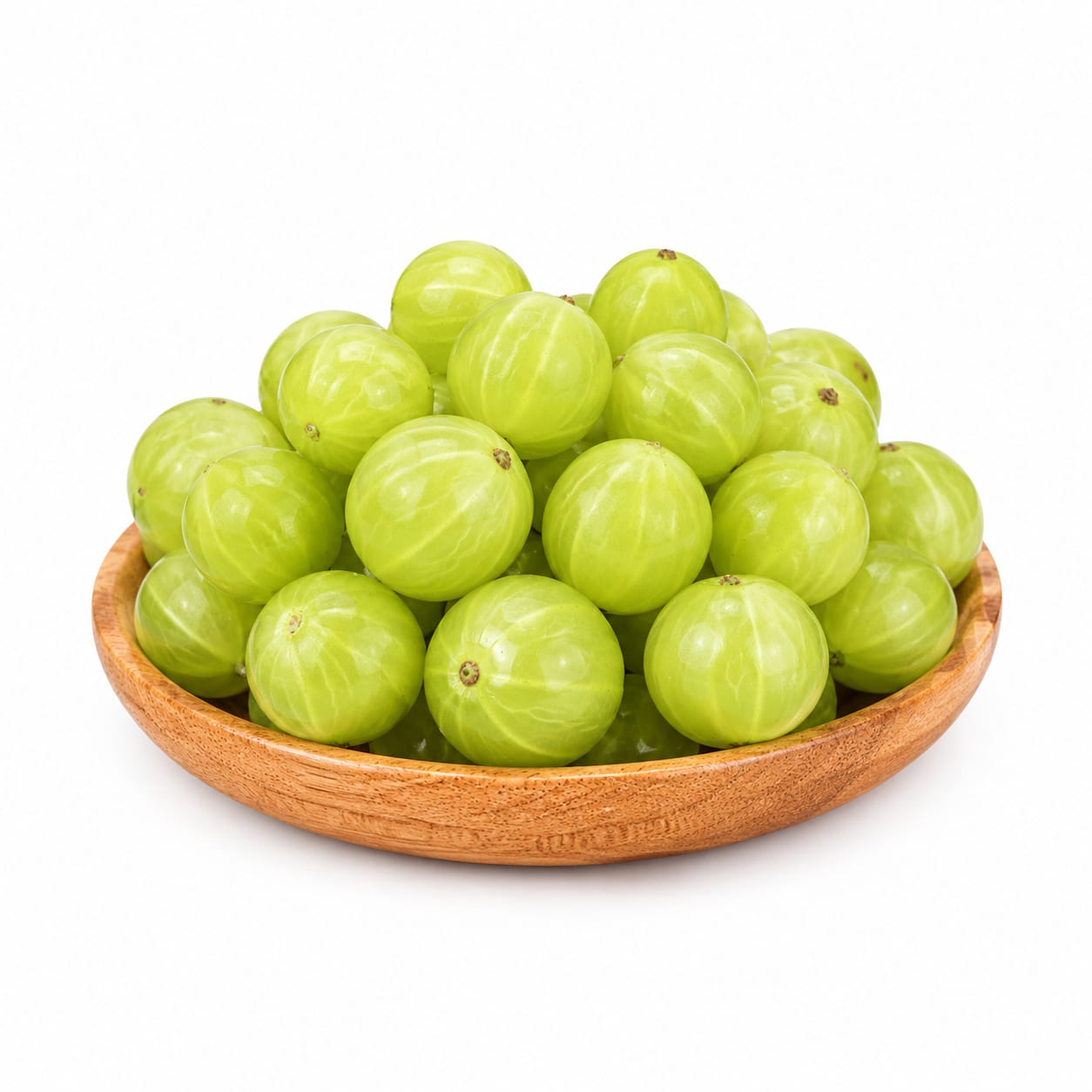
Gooseberry
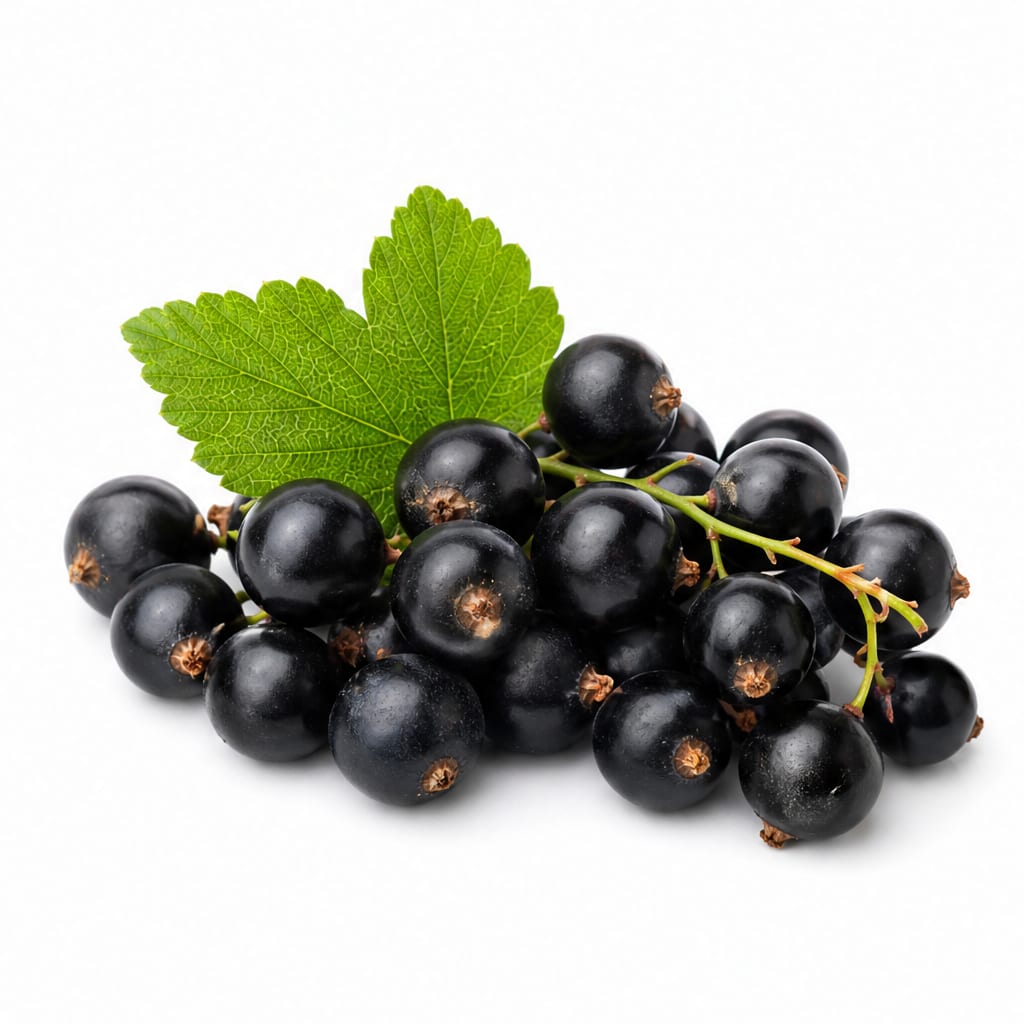
Currant
Currants deliver a much stronger antioxidant and vitamin C punch, while gooseberries are the better choice if you want a tart, low-sugar fruit.
Currants score higher due to exceptional vitamin C and antioxidant levels, though gooseberries remain an excellent low-sugar alternative.
Massive nutrient density and higher sugar in currants versus lower sugar and milder nutrient profile in gooseberries.
At a glance
Executive summary
Overall
Currant
Healthier
Currant
More practical
It depends
Daily use
Gooseberry
Key comparison lenses
Comparing tart berry nutritional profiles for health benefits
Users choosing between these berries are usually looking for the best antioxidant boost or low-sugar fruit option.
Vitamin C and immunity support
Both are known for high vitamin C, but currants (especially black) are vitamin C powerhouses.
Blood sugar impact and low-carb dieting
Gooseberries are significantly lower in sugar, making them more keto-friendly.
Best choice for
Gooseberry
- Low-sugar diets
- Keto-friendly snacking
- Gentle digestive support
Currant
- Immune system boosts
- Anti-inflammatory needs
- High antioxidant intake
Least suitable for
Gooseberry
- Those wanting maximum vitamin C per bite
- People who dislike very tart flavors
Currant
- Strict low-carb or keto diets
- Those sensitive to higher sugar fruits
Deep comparison
Dimension by dimension
Each lens scores both foods and breaks down who each option suits.
- Dimension 1 · Priority 95Currant
Antioxidant & Vitamin C Density
Gooseberry · 70Currant · 98Currants, particularly black currants, are among the most vitamin C-dense fruits available, far outpacing gooseberries.
Tradeoff
You get vastly more immune-boosting nutrients with currants, but they come with more natural sugars.
Why it matters
Higher vitamin C intake directly supports immune resilience and skin health.
Real-world impact
Eating currants during cold season can give you a more noticeable immunity edge than gooseberries.
Gooseberry
- Avoiding sugar spikes while still getting decent vitamin C
Better for
- Situations requiring maximum vitamin C density
Worse for
Currant
- Fighting off a cold
- Maximizing antioxidant intake in a small serving
Better for
- Those watching their overall carbohydrate intake
Worse for
- Dimension 2 · Priority 85Gooseberry
Blood Sugar & Low-Sugar Appeal
Gooseberry · 90Currant · 65Gooseberries contain roughly half the sugar of currants, making them much friendlier for blood sugar control.
Tradeoff
Choosing gooseberries means consuming less sugar, but you sacrifice the intense nutrient density of currants.
Why it matters
Lower sugar fruits prevent energy crashes and are easier to fit into low-carb lifestyles.
Real-world impact
You can eat a larger bowl of gooseberries without the subtle sugar rush that comes from currants.
Gooseberry
- Keto dieters
- People managing insulin resistance
Better for
- Pre-workout fueling where some sugar is beneficial
Worse for
Currant
- Athletes needing quick natural energy from fruit sugars
Better for
- Late-night snacking when keeping carbs low is preferred
Worse for
- Dimension 3 · Priority 75Gooseberry
Digestive Health & Satiety
Gooseberry · 85Currant · 80Gooseberries edge out currants slightly in fiber content relative to their calorie load, promoting steadier digestion.
Tradeoff
Both are solid fiber sources, but gooseberries offer more gut-friendly bulk per calorie.
Why it matters
Fiber keeps you full longer and feeds beneficial gut bacteria.
Real-world impact
A serving of gooseberries will feel slightly more filling as a mid-morning snack than the same volume of currants.
Gooseberry
- Staying full between meals
- Supporting regular digestion
Better for
- Those who find very high fiber fruits cause bloating
Worse for
Currant
- Getting fiber alongside high antioxidant intake
Better for
- Maximizing fullness on a strict calorie budget
Worse for
- Dimension 4 · Priority 70It depends
Culinary Versatility & Flavor
Gooseberry · 80Currant · 80Gooseberries offer a unique tartness perfect for pies and jams, while currants bring a bold, slightly sweet-tart punch to sauces and baking.
Tradeoff
Gooseberries hold their shape better in cooking, but currants integrate beautifully into baked goods and jams.
Why it matters
Flavor and cooking behavior determine how often you will actually use the fruit in your kitchen.
Real-world impact
Gooseberries shine in traditional desserts, while dried currants are an easy addition to oatmeal or salads.
Gooseberry
- Making pies and crumbles
- Creating tart sauces for savory dishes
Better for
- Recipes requiring a softer, easily blended berry
Worse for
Currant
- Adding to baked goods
- Mixing into breakfast cereals
Better for
- Dishes where a firm, structural fruit is needed
Worse for
Timeline
Health impact over time
Short-term
Hours to days
Gooseberry
- Steady energy without a sugar crash
- Mild digestive regularity from fiber
Currant
- Quick natural energy boost from higher sugar
- Immediate vitamin C surge for immune support
Long-term
Months to years
Gooseberry
- Better blood sugar management over time
- Consistent weight management due to low calorie density
Currant
- Stronger anti-inflammatory protection from anthocyanins
- Enhanced immune resilience from high vitamin C
Risk profile
Safety & processing
Both gooseberries and currants are typically consumed fresh or minimally processed, though dried currants can sometimes contain added sugars or oils, so checking labels is wise.
Gooseberry
Pesticide residue
mediumLike most berries, conventionally grown gooseberries can carry pesticide residues; washing thoroughly or buying organic is recommended.
Currant
Added sugars in dried forms
mediumDried currants often have added sugars or preservatives like sulfur dioxide, which can cause issues for sensitive individuals.
Who wins for whom
Audience fit
Same foods, different winners depending on your goal.
children
CurrantCurrants are generally sweeter and more palatable for kids, especially in dried form as a lunchbox snack.
daily consumption
GooseberryLower sugar and steady fiber make gooseberries a gentle, sustainable daily fruit choice without overloading on fructose.
diabetes
GooseberryThe significantly lower sugar content in gooseberries makes them a safer bet for stabilizing blood sugar.
elderly
CurrantThe exceptional vitamin C and antioxidant content in currants support joint health and immune function in older adults.
muscle gain
CurrantCurrants offer slightly more carbohydrates and antioxidants, which help with workout recovery and glycogen replenishment.
weight loss
GooseberryGooseberries provide more volume and fiber for fewer calories and less sugar, making them easier to fit into a calorie deficit.
Your move
Decision guide
Choose Gooseberry
- You are following a low-carb or keto diet
- You want a tart, low-sugar snack that will not spike blood sugar
- You are focused on calorie density and weight management
Choose Currant
- You want maximum vitamin C and antioxidant protection
- You prefer a sweeter, bolder berry flavor
- You need a quick natural energy source before a workout
Either works if
- You are looking for a fiber-rich fruit to support digestion
- You want to add a tart, flavorful berry to your morning oatmeal
Avoid both if
- You have a severe allergy to berries or salicylates
Final recommendation
Choose currants if your priority is a massive boost in vitamin C and antioxidants, but go with gooseberries if you want a low-sugar, high-fiber fruit that supports steady energy and weight management.
Practical
Consumer tips
- 1
If buying dried currants, check the ingredient list to avoid added sugars and preservatives.
- 2
Fresh gooseberries can be quite tart; try macerating them with a little stevia instead of sugar.
- 3
Both berries freeze exceptionally well, so stock up during their short summer season.
- 4
Black currants offer the highest vitamin C; red currants are closer to gooseberries in nutrient profile.